Yanbaru National Park Okinawa Japan: Hikes, Falls & Wildlife
Forget the beaches. Yanbaru National Park in northern Okinawa has jungle waterfall trails, flightless birds found nowhere else on Earth, and limestone formations that look like another planet.
Yanbaru National Park Okinawa Japan: A Wilderness Unlike Any Other
Far from the sun-loungers and souvenir shops of Naha, Yanbaru National Park Okinawa Japan offers something the rest of the island simply cannot: raw subtropical wilderness. Spanning the dense northern forests of Okinawa Island, this park hides waterfall trails, endemic wildlife found nowhere else on Earth, and rugged coastal headlands that feel worlds away from the crowded south. It is drawing serious attention as an ecotourism destination, and for good reason.
What Makes Yanbaru National Park Special
The park earned its designation through sheer ecological richness. The dense canopy shelters a staggering array of plant and animal species, many endemic to the region and found nowhere else on the planet. Towering trees, flowering plants, and the calls of native birds fill every trail. This is not manicured nature. This is nature left to its own devices, and the result honestly stays with you.
What sets Yanbaru apart is its biodiversity. The endangered Okinawa rail, a flightless bird that has become a symbol of the park's conservation efforts, skulks through the undergrowth. The Yambaru long-armed scarab beetle, equally rare, calls these forests home. Conservation here is not an abstract concept but a living, breathing effort to protect one of Japan's most fragile ecosystems. For anyone wondering is Yanbaru National Park worth visiting, the answer is yes, especially if you want something beyond Okinawa's beaches.
The Yanbaru Experience: What to See and Do
What to See in Yanbaru National Park: Waterfalls, Mountains, and Coastlines
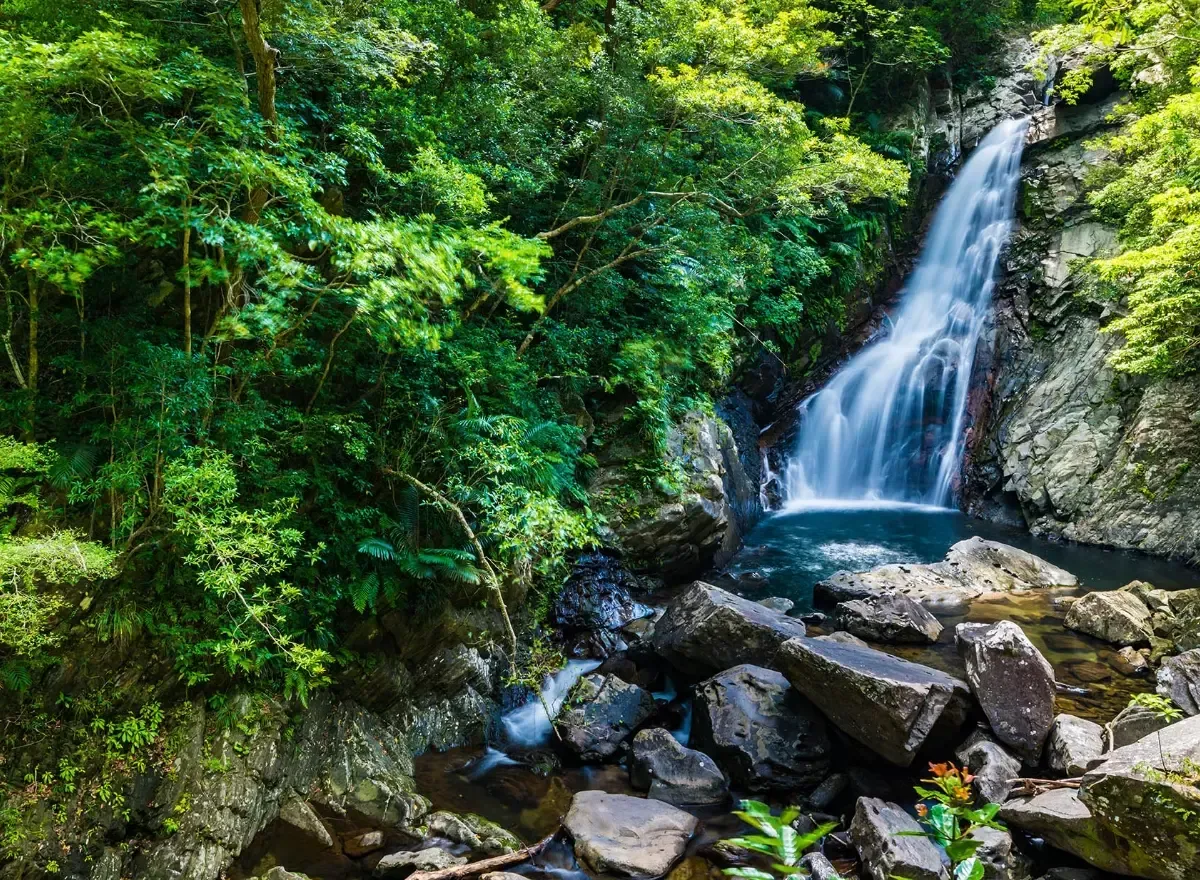
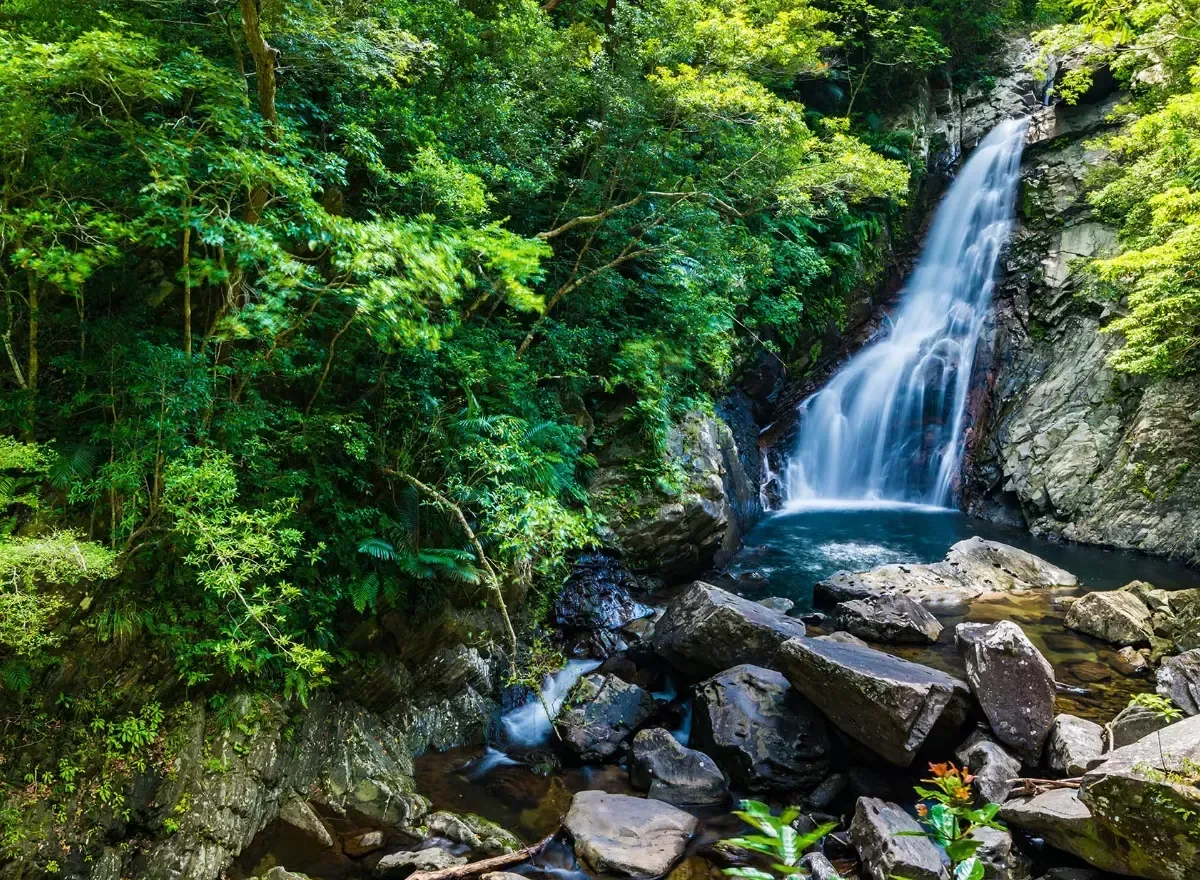
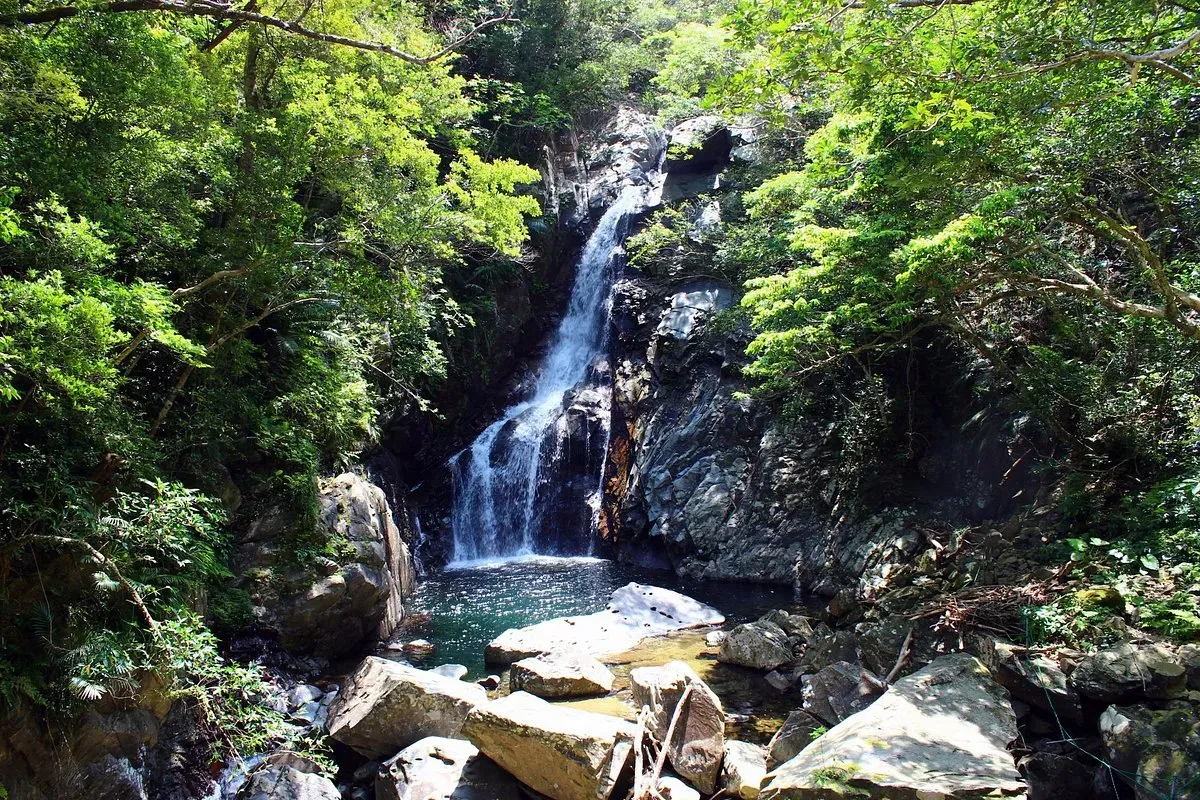
Any Yanbaru National Park travel guide worth its salt starts with the waterfalls. Hiji Falls is the star attraction: a dramatic cascade tumbling down a dark rocky cliff into a crystal-clear pool, surrounded on all sides by dense jungle. You reach it via a manageable hike and the view at the end justifies every uphill step. Another waterfall, accessed by a shorter walk, makes for a pleasant stop if you have several days on the island and your own car. Without a vehicle and ample time, however, it underwhelms compared to Hiji.
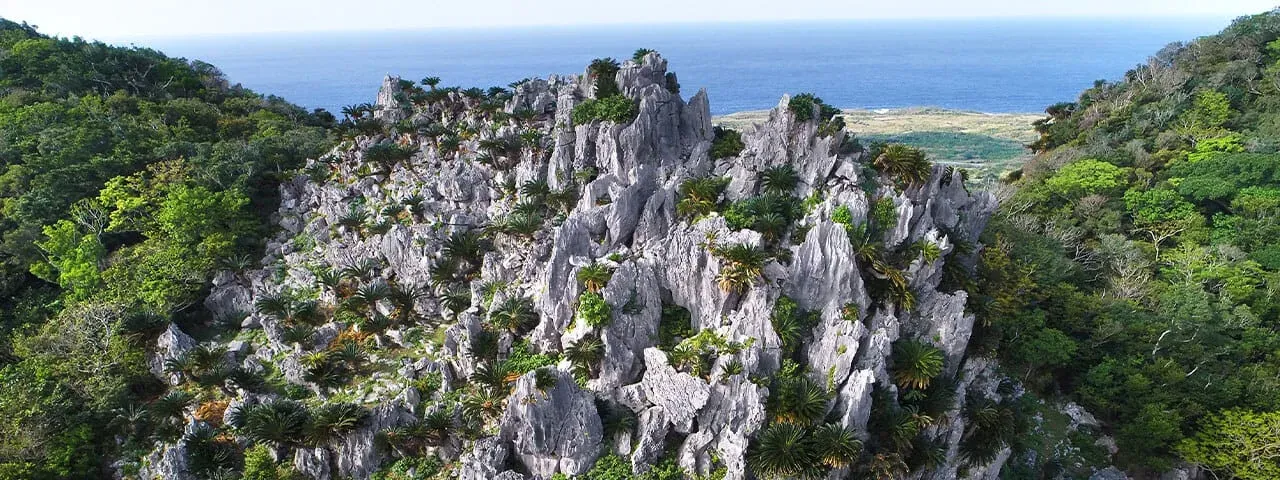
Equally unmissable is Daisekirinzan, a surreal terrain of jagged limestone rock formations rising dramatically from the lush subtropical forest. The contrast between pale stone and dense green is striking, and walking among these ancient karst formations feels like another world. Visitors consistently rank it among the top things to do in Yanbaru National Park, and skipping it would be a mistake.
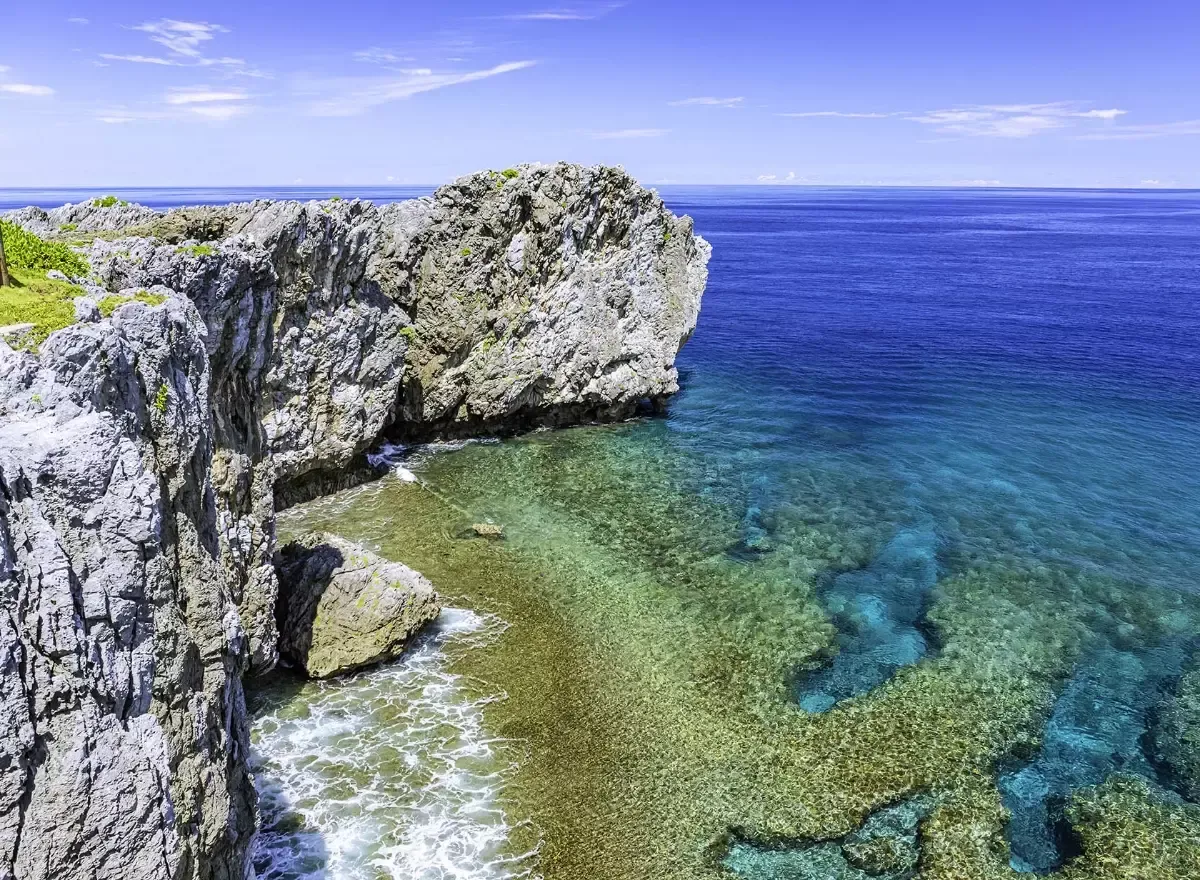
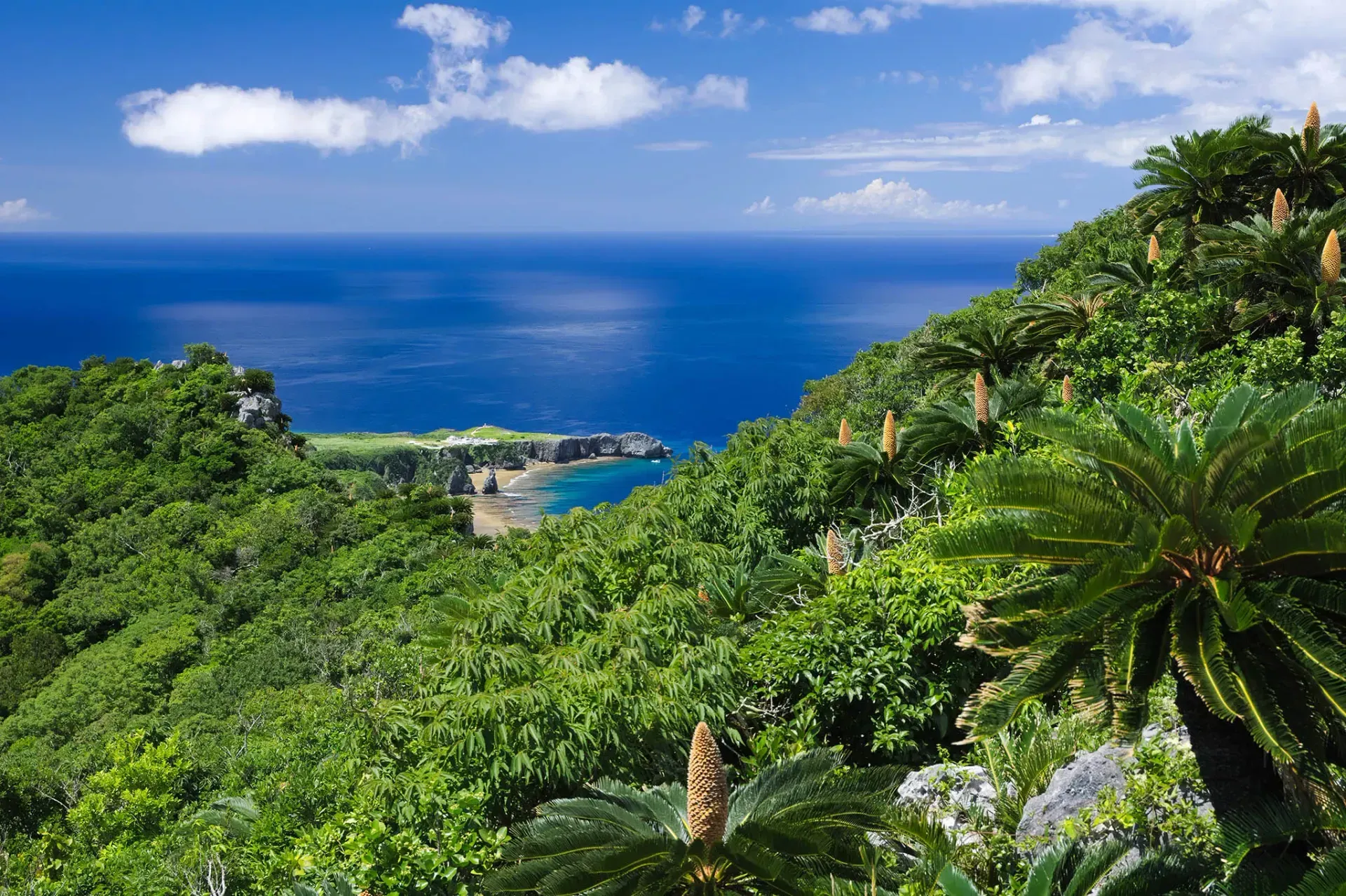
Then there is Cape Hedo, the rugged northernmost tip of Okinawa Island, where dramatic sea cliffs plunge into turquoise waters. The coastline here is raw and windswept, a spectacular punctuation mark at the edge of the park. The views over the South China Sea, with tropical greenery framing the scene, stay with you long after you leave.
Hiking Yanbaru National Park: Trails, Peaks, and Panoramic Views
Hiking Yanbaru National Park is the main draw for most visitors, and the trail network delivers. The prize ascent is Mount Yonaha, the tallest mountain on Okinawa's main island. The hike involves plenty of ups and downs, a proper leg workout through dense jungle, culminating in sweeping sea views that make every step worthwhile. One word of caution: the summit lacks clear signage, and it is easy to wonder whether you have actually reached the absolute top. Push through any confusion and keep going until the trees yield to open ocean panoramas.
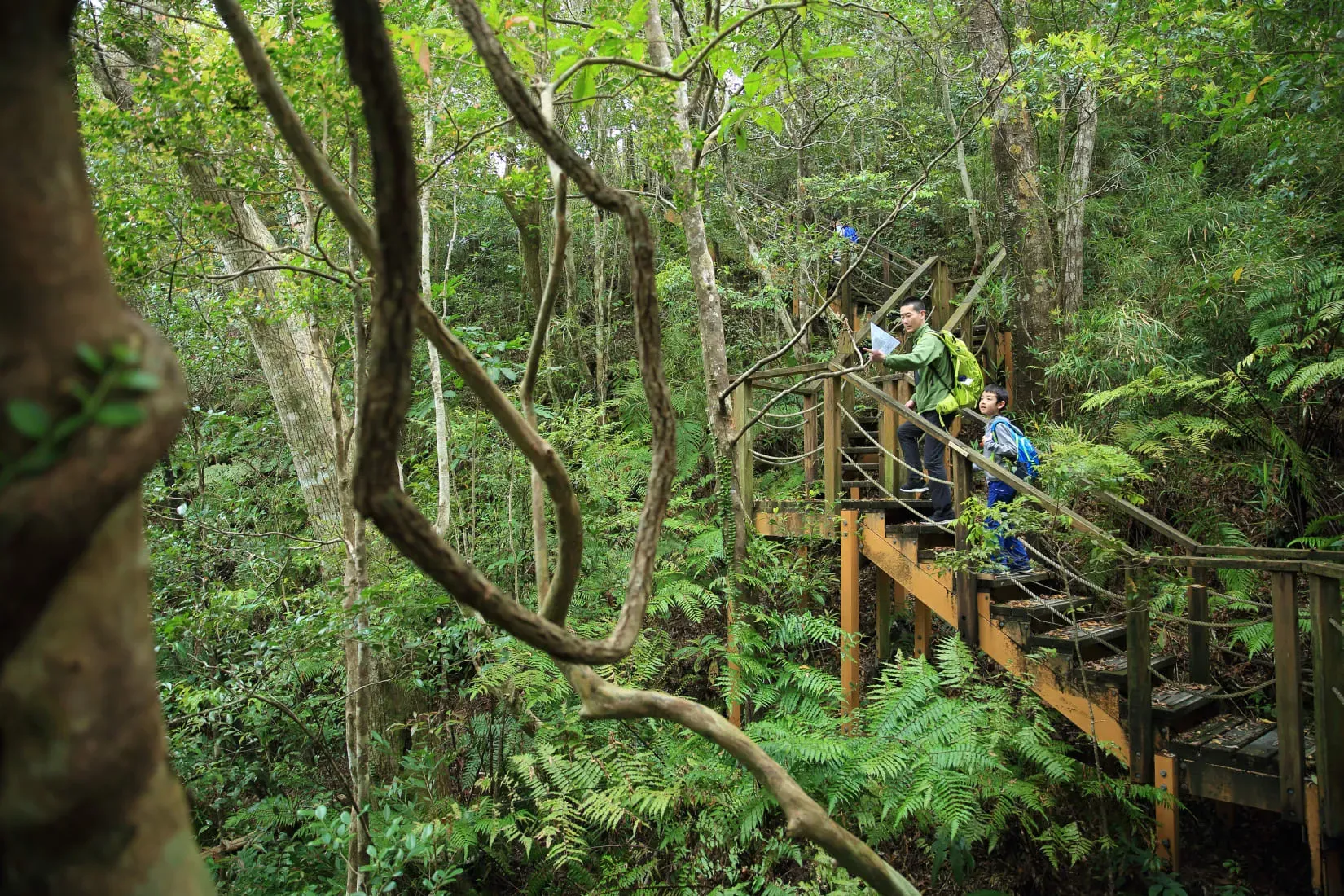
The trails weave through dense forest. Towering trees form a canopy overhead while native birdsong fills the air. The terrain is challenging in places, with plenty of elevation change, but the payoff is immense. For the best experience, track all the way to the highest vantage points, where the ocean appears on one side or the other of the island.
Wildlife Encounters: The Rare and the Remarkable
Yanbaru's wildlife is the park's soul. In a single day of patient exploration, sharp-eyed visitors can spot Okinawan robins, woodpeckers, ospreys, wild boars, and even shrews. The variety is genuinely surprising. The endangered Okinawa rail, shy, flightless, and utterly unique, remains the holy grail for birders, while the Yambaru long-armed scarab beetle fascinates insect enthusiasts.
Guided tours unlock a deeper layer of the park. Knowledgeable guides like the much-praised Momoka transform a hike into an educational journey, revealing secrets invisible to the untrained eye. On one such tour, a guide netted a sweet-smelling beetle from the crystal-clear waters of a creek, passed it around for visitors to experience its fragrance, then released it gently back. It is exactly the kind of intimate, respectful wildlife encounter that makes Yanbaru National Park Okinawa Japan worth the trip. The guided experience is widely considered the best way to understand the park's delicate ecological balance.
How to Get to Yanbaru National Park from Naha: and Navigate It
The park lies roughly 60 miles from Naha, and every mile reinforces the transition from urban Okinawa to deep wilderness. A car is non-negotiable. Without one, accessing the park's scattered attractions becomes frustrating at best and impossible at worst. The park covers an enormous territory in northern Okinawa, and its locations are separated; you must drive between different portions to see it all.
Navigation presents its own challenge. Do not rely on Google Maps alone. The app has a habit of leading drivers to nowhere on the narrow mountain backroads, where cellphone tower access drops without warning. Download offline maps before setting out. That said, getting mildly lost on the winding roads high above the major highways, particularly the stretch from Oku to Ogimi, has its charms. You are never lost for long before spotting the ocean glinting on one side of the island or the other.
Most attractions within the park are accessible by car and offer parking areas, restrooms, and good viewpoints ideal for photography. The official park website is the best starting point for choosing which attractions to prioritize.
Practical Tips for Visiting Yanbaru National Park
Take the guided tour. It elevates the experience from a pleasant hike to a genuinely educational journey, and guides reveal details, from endemic beetles to bird calls, that you would otherwise miss entirely.
Bring water and electrolytes. The subtropical humidity is relentless. A salt tablet in your water bottle can make the difference between a comfortable hike and heat exhaustion. The park's cafes offer refreshments, but do not count on them being conveniently located when you need them most.
Drive carefully on narrow roads. Wildlife crosses without warning, and the last thing anyone wants is to harm one of the park's endangered creatures. Slow down, stay alert, and treat every bend as a potential animal crossing.
Check the website and plan your route. With attractions spread across a vast area, showing up without a plan wastes precious time. Decide in advance which waterfalls, viewpoints, and trails matter most to you.
Wear proper footwear. The trails involve serious elevation change. This is not a flip-flop situation. Sturdy shoes with good grip handle the ups and downs far better than anything casual.
Bring a camera. The park is an exceptional spot for photography, from the misty waterfalls to the jagged karst formations to the wide ocean panoramas. You will want to capture it all.
Best Time to Visit Yanbaru National Park
The best time to visit Yanbaru National Park is from October to December, when the subtropical climate settles into its most pleasant rhythm. Humidity dips, temperatures become comfortable for hiking, and the forests feel especially alive. Summer brings intense heat and humidity that can make strenuous trails punishing, while the winter months remain mild enough for exploration but may bring occasional rain. Plan around the autumn window for the best balance of comfort and natural beauty.
Final Thoughts
Yanbaru National Park is not the Okinawa of postcards, and that is precisely the point. It is a sanctuary where nature does its thing without compromise: the shy Okinawa rail darting through underbrush, the thunder of Hiji Falls echoing through the jungle, the wind hammering Cape Hedo's cliffs. The park demands effort. You need a willingness to drive winding roads, hike steep trails, and occasionally get a little lost. What it gives back is the rarest version of Okinawa: genuinely wild, largely untouched, and worth every drop of sweat. Bring friends, pack water, and set aside at least a full day. The northern forests are waiting.