Ala-Kul Lake Kyrgyzstan: The Trek Worth Every Aching Step
At 3,500 meters above Karakol, Ala-Kul Lake stops hikers mid-stride. Turquoise water, snow capped peaks, silence that settles into your bones. Here's how to earn the view.
What makes Ala-Kul Lake Kyrgyzstan so special
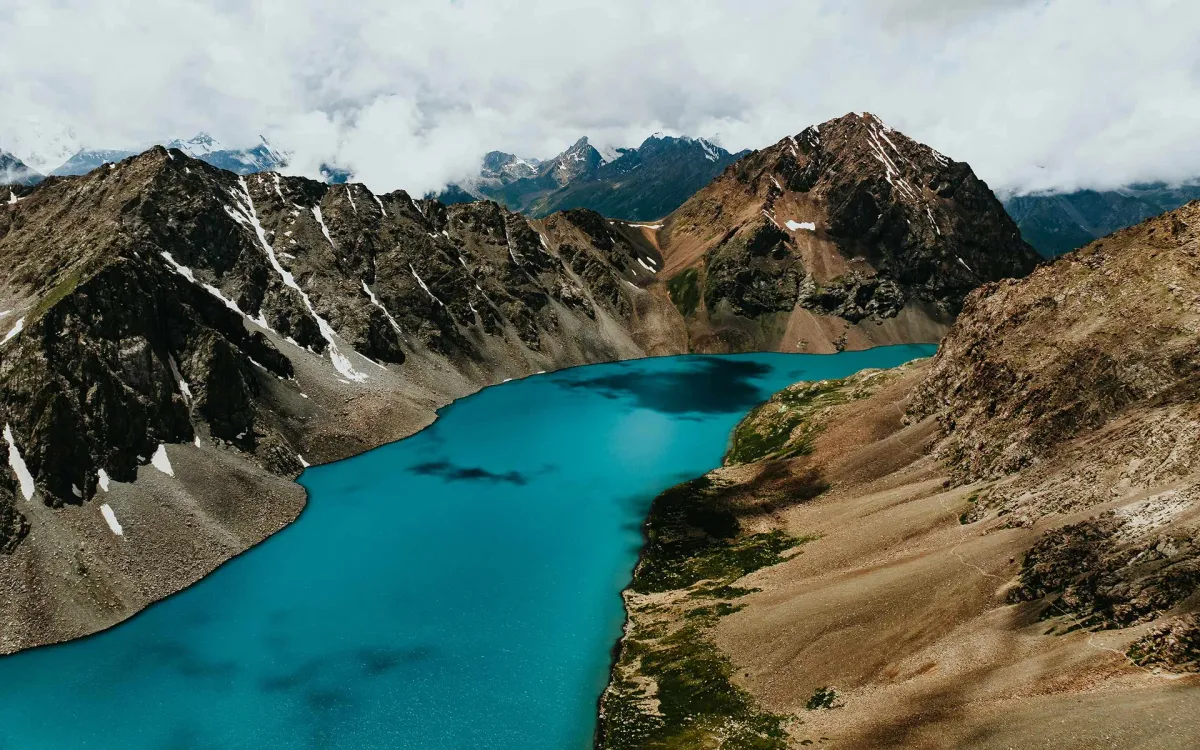
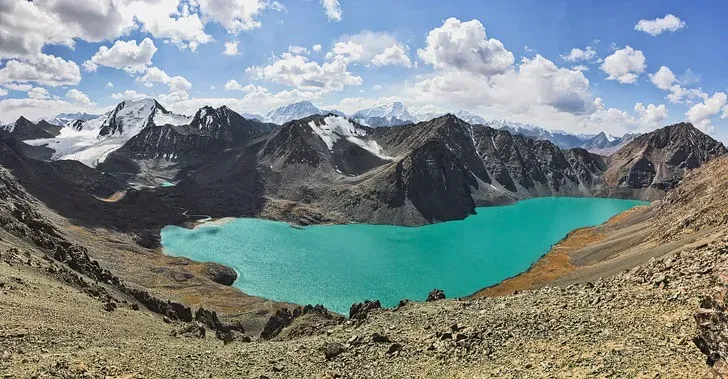
Few alpine lakes earn the devotion that Ala-Kul Lake commands among trekkers. Sitting at 3,500 meters in the Tien Shan mountains near Karakol, this turquoise basin stays frozen most of the year. When it finally thaws between June and September, the payoff is genuinely spectacular. Crystal clear glacial waters reflect an amphitheatre of snow capped peaks, and the silence at the shore is the kind that settles deep into your bones. It is the most famous trek in Kyrgyzstan, and there is a reason for that.
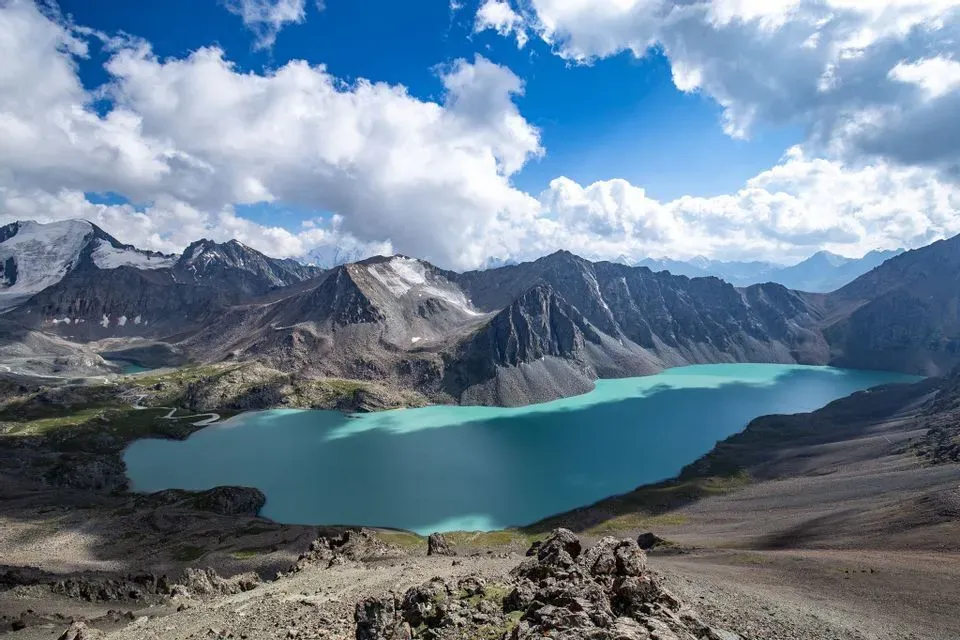
What sets Ala-Kul apart is the sheer intensity of the payoff. The view from the pass, the moment the lake first reveals itself, leaves hikers genuinely speechless. I have met people who have trekked through the Eastern Sierras, Tuolumne Meadows, and Yosemite who still describe this as one of the most beautiful sights of their lives. The lake's vivid turquoise colour, set against dark scree slopes and permanent snowfields, feels almost surreal. On a clear sunny day, particularly at sunrise when the morning light hits the water, it is hard to believe what you are looking at is real.
The trek is physically demanding. Make no mistake about that. But the consensus among everyone who makes the climb is the same: every aching step was worth it. The high altitude challenge, the raw alpine beauty, and the strange camaraderie that forms between strangers on the trail. It all adds up to something that stays with you long after you have descended back to Karakol.
Hiking Ala-Kul Lake: the complete trail experience
The classic Ala-Kul trek is a loop connecting Karakol Valley with Altyn Arashan Valley via a high mountain pass that skirts the lake. Covering roughly 52 kilometres, the full circuit typically takes three days and two nights. Faster parties push through in two days. Those who want to savour the experience stretch it to four.
Ala-Kul Lake from Karakol: the classic route
The traditional and most widely recommended starting point is Karakol Valley. Beginning from Karakol gives the route a more gradual and rewarding ascent, and it positions hikers perfectly to finish at Altyn Arashan's thermal springs. A well earned soak after days on the trail. A taxi can drop you at the first bridge, which marks the traditional trailhead, or push further to the second bridge, shaving about two hours off the first day. Expect to pay somewhere between $60 and $100 per car for the ride in. From the second bridge, the lake is roughly a four hour hike, making a single day push feasible for fit and experienced trekkers. Though few would recommend rushing what deserves to be savoured.
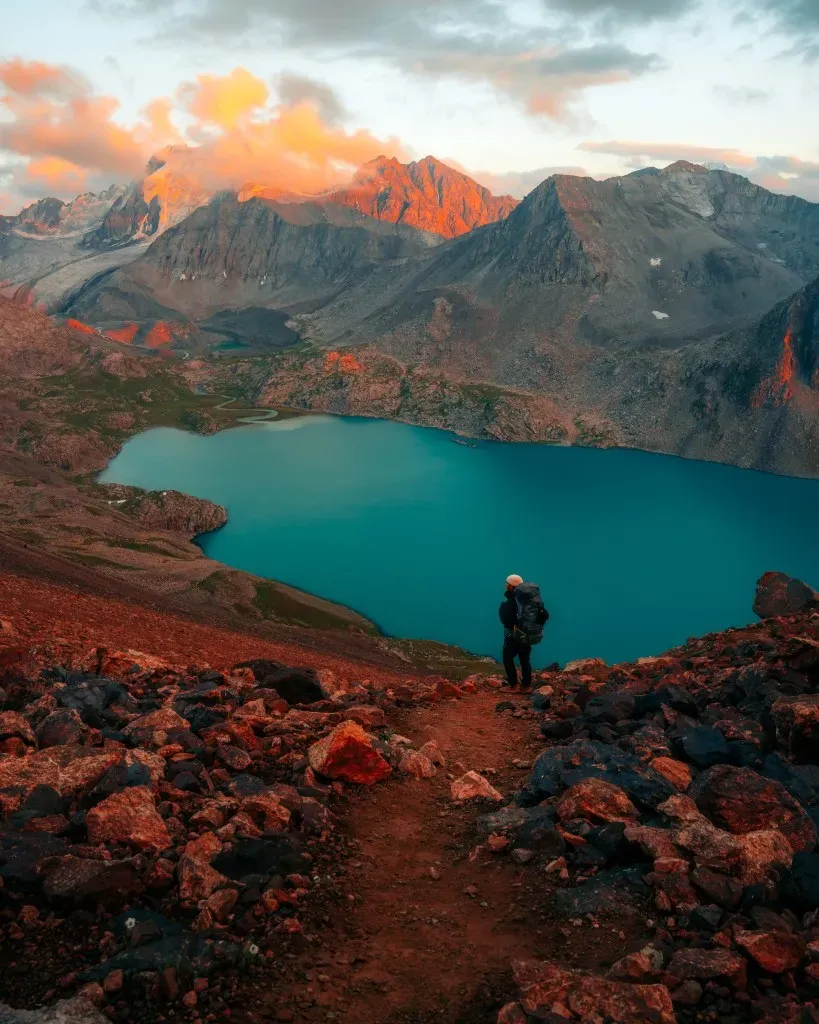
There is, however, a counter argument worth considering. Some trekkers swear by reversing the direction and starting from Altyn Arashan instead. The climb from that side is steeper but significantly shorter, and after crossing the pass, the remainder of the trek is predominantly downhill. This approach suits those who prefer to front load the most difficult section and cruise home. Both routes work. Both deliver the same magnificent destination. The choice comes down to personal preference, fitness levels, and how you want to time your hot spring reward.
How to get to Ala-Kul Lake
Reaching the trailhead starts in Karakol, the regional hub for all things trekking. From town, taxis and 4x4 vehicles can be arranged to the Karakol Nature Park entrance or directly to the bridge trailheads. The park charges an entrance fee at the gate. For those arriving from Altyn Arashan, the journey typically involves a bumpy 4x4 ride to the valley. A worthwhile investment given the rough access roads.
A word of caution: conditions can disrupt even the best laid plans. Trekkers visiting in autumn have found the Altyn Arashan trail blocked by deep early snow, forcing a return to Karakol to rent a 4x4 and approach instead via Karakol Nature Park. From that side, the hike to the lake runs roughly six to seven kilometres one way. Flexibility and a willingness to adapt are essential traits in the Tien Shan.
The ascent: what to expect day by day
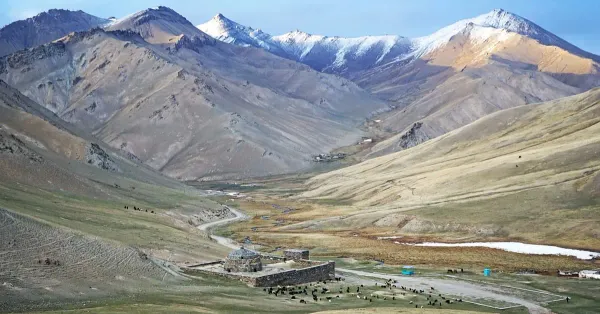
The first day on the classic Karakol route follows the river valley, a gentle introduction that meanders past horses grazing in wide alpine meadows. The real work begins after crossing the river. Typically a one hour ascent to the first night's camp near Sirota Camp. The path is not formally marked, but it remains clear and obvious for most of the way. Downloading offline maps (Maps.me is the go to choice) provides reassurance through the few confusing sections, particularly around river crossings. At those crossings, you will almost certainly encounter local men with horses offering a paid ride. A tempting shortcut when legs are tired and the water is high.
Day two is where the trek earns its reputation. The climb from Sirota to the lake and over the pass is harsh: steep, sometimes icy, and often rocky. Reaching the lake before noon is a sensible target, leaving time to absorb the view before pressing on toward Altyn Arashan Valley. Altitude sickness is a genuine concern here. At nearly 3,900 meters on the pass, the thinning air forces even fit hikers to adopt a slow, deliberate rhythm. A few steps, a pause for breath, a few more. The mantra on this section becomes "just take one step after the other. Don't look up." The climb challenges everyone, from complete beginners to seasoned trekkers, and those with a fear of heights will find certain sections genuinely confronting. Trekking poles are invaluable, and in shoulder season conditions where ice lingers on the trail, crampons become essential gear.
The reward: arriving at Ala-Kul Lake
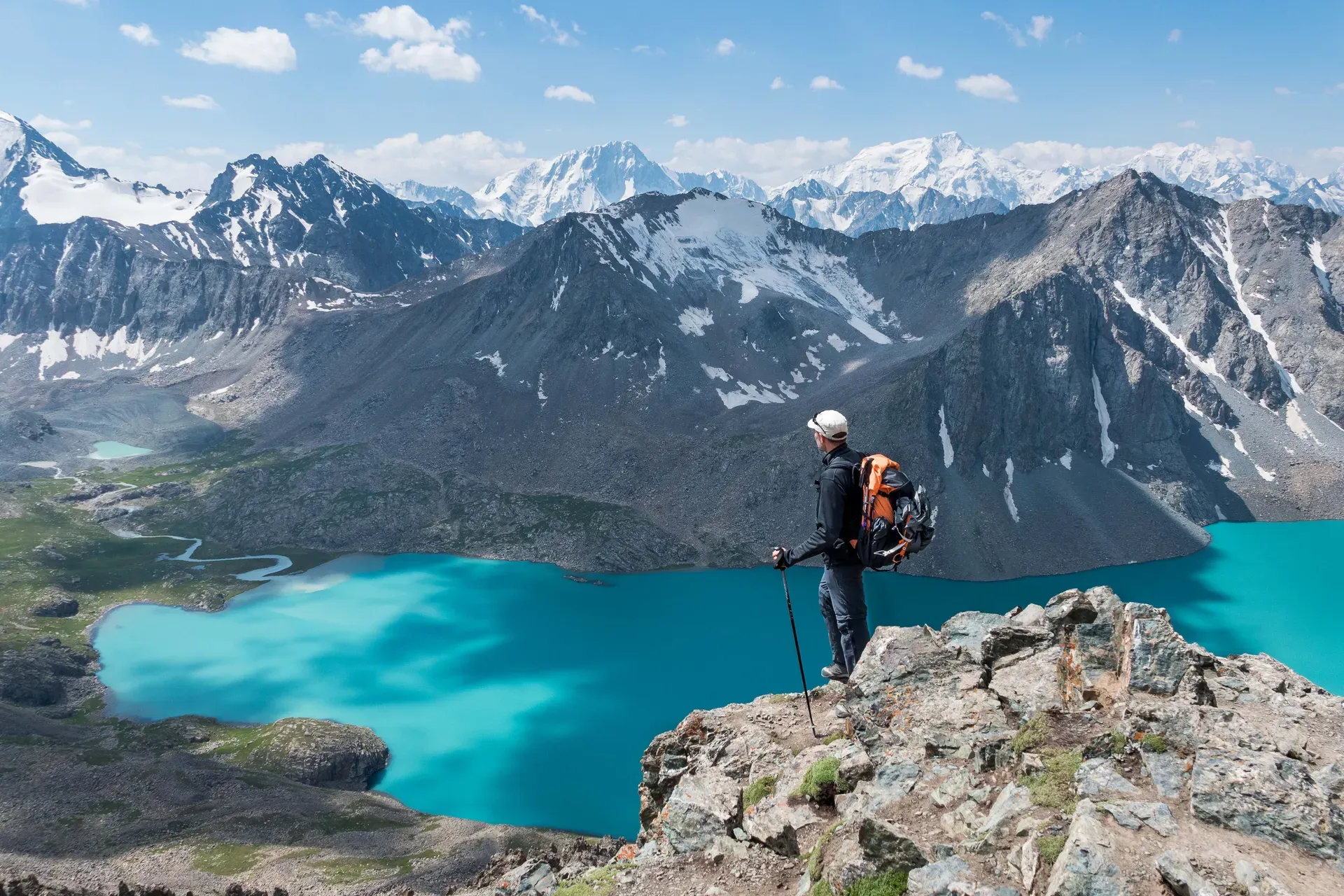
And then, the pass gives way to the lake. There is no gradual reveal. One moment you are grinding up scree, and the next the entire turquoise expanse opens below, cradled by jagged peaks still streaked with snow. It is the kind of view that stops you mid stride. Those who camp overnight at the lake's shore get the richest experience: sunset colouring the peaks pink, a bitterly cold night under a staggering canopy of stars, and the quiet of early morning when the water sits glass still and the world feels brand new. If your schedule allows, spending more than one night here is the single best piece of advice going. Just make sure your camping equipment is genuinely warm and waterproof. The lake sits above 3,000 meters, and temperatures plummet the moment the sun drops.
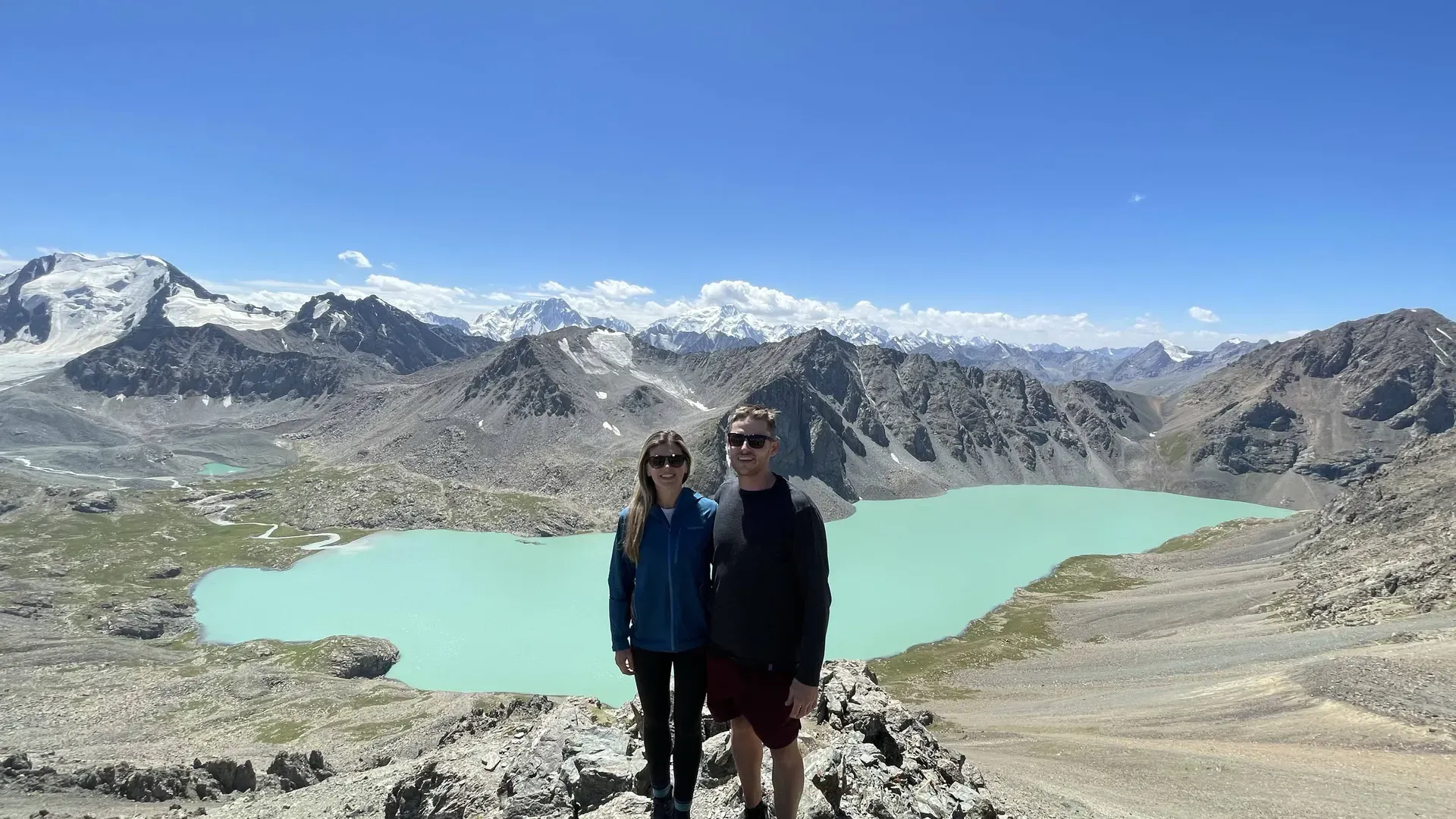
For those who prefer horsepower to leg power, horses can carry riders as high as 3,600 meters before the final scree section must be tackled on foot. From a camp at Altyn Arashan, the combined journey takes approximately five hours on horseback through pine forests, cliffs, and rivers, followed by three hours of gruelling trekking to the summit of the North Pass. It makes for an unforgettable day. The horses turn back at the base of the pass, leaving the steepest and most punishing section to human determination alone.
The descent and Altyn Arashan
From the lake, the trail continues over the pass and descends into Altyn Arashan Valley, a landscape of wide green meadows, rushing streams, and the famous thermal springs that give the valley its name. After two or three days on the trail, sinking into those natural hot waters feels miraculous. From Altyn Arashan, buses and shared taxis run back to Karakol, completing the loop.
Ala-Kul Lake travel guide: practical tips
How to hike Ala-Kul Lake: gear essentials
What you pack determines how much you suffer. Or don't. The non-negotiables, drawn from hard experience on this trail, are straightforward.
Trekking poles are not optional. The steep ascents and descents, often on loose scree, demand them. In icy conditions, which can arrive as early as September, crampons join the essential list. A water filter or purifier is equally critical. The lake water might look pristine, but it harbours tiny red water mites that make filtration and boiling a necessity, not a precaution. Do not drink untreated water from the lake, regardless of what anyone tells you.
A warm sleeping bag rated for sub zero temperatures is mandatory for anyone camping at Sirota or by the lake. September nights at Sirota routinely drop below freezing. Thermal layers and cold weather clothing are essential year round. The day night temperature swings in the high Tien Shan are brutal, and mountain weather can shift from sunshine to snowstorm with alarming speed. Waterproof gear belongs in every pack. Bring plenty of water and high energy snacks for the trail.
Navigation is straightforward for most of the route, but downloading offline maps before leaving Karakol is wise. Maps.me covers the trail reliably and provides peace of mind through the few ambiguous sections. Camping equipment can be rented in Karakol if you are travelling light.
Can you swim in Ala-Kul Lake?
Technically, yes. Practically, you almost certainly do not want to. The lake is glacial meltwater, frozen solid for most of the year, and even at the height of summer the water temperature is punishingly cold. Add the presence of water mites and the serious logistics of warming up afterward at 3,500 meters, and the answer becomes clear: Ala-Kul is a lake for gazing at, not swimming in. Save the soak for Altyn Arashan's thermal springs. Far warmer, far wiser.
A final and important note: pack out everything you bring. The lakeshore has suffered from litter left behind by careless campers. Keeping Ala-Kul pristine is everyone's responsibility.
Ala-Kul Lake itinerary options
There is no single right way to tackle Ala-Kul. The best itinerary depends on your fitness, your appetite for suffering, and how much time you have.
The classic three day loop is the sweet spot for most trekkers. Day one takes you from Karakol to Sirota Camp. Day two pushes from Sirota to Ala-Kul Lake (arrive before noon), crosses the pass, and descends to camp in Altyn Arashan Valley. Day three is a leisurely walk through Altyn Arashan, time in the hot springs, and transport back to Karakol. It balances challenge with enjoyment about as well as anything in the Tien Shan.
If you have an extra day, the four day version is identical but includes a full rest day or an overnight camp at the lake itself. This is the move for photographers and anyone who wants to experience sunrise over the turquoise water without rushing. The extra night demands serious cold weather camping gear but pays dividends in solitude and the kind of morning light that ruins you for other lakes.
The fast two day push is for fit and experienced hikers who want to cover ground quickly. It compresses the loop into two long days and a single night. Doable, but leaves little margin for weather delays or savouring the lake. Some extremely fit parties have even completed the round trip in a single long day, though this leaves almost no time to actually enjoy the destination. I am not sure that is the point.
The reverse route starts from Altyn Arashan on day one, camps at or near the lake, crosses the pass on day two, and descends through Karakol Valley on day three. The ascent is steeper but briefer, and the remainder of the trek trends downhill. This format suits those who prefer to tackle the hardest climbing first and cruise the rest of the way.
Yurt camps dotted along the route offer opportunities to grab snacks, rest, or even sleep in a warm bed rather than a tent, a welcome option for those travelling without full camping setups. Horses can also be arranged to carry packs or riders for portions of the trail, reducing the physical load considerably.
Best time to visit Ala-Kul Lake
The trekking window for Ala-Kul is narrow and unforgiving. July to September is the core season, with July and August representing the most reliable stretch of good weather. Mid July typically delivers warm, clear conditions that make the hike feel relatively manageable. Cold nights, certainly, but nothing a decent sleeping bag cannot handle. The trail is at its busiest during these months, though "busy" in the Kyrgyz Tien Shan bears no resemblance to crowds in the Alps or Himalayas.
By September, the experience transforms. Crisp autumn days with clear skies make for spectacular trekking, but temperatures at Sirota Camp routinely fall below freezing at night, and early snowfall can blanket the landscape in white without warning. More than one trekker expecting golden autumn hues has instead found themselves on what felt like a winter expedition. The lake itself remains frozen for most of the year outside the June to September window. Attempting the trek outside these months requires genuine mountaineering equipment and experience. Always check the forecast before setting out, and prepare for conditions one season colder than the calendar suggests.
Final thoughts
Ala-Kul Lake is the kind of place that rearranges your internal ranking of beautiful things. The turquoise water, the snow capped amphitheatre, the profound silence at altitude. It is a landscape that photographs struggle to capture and memories refuse to release. The trek demands effort. It throws steep climbs, thin air, biting cold, and the occasional moment of genuine doubt in your direction. Everyone who pushes through those moments arrives at the same conclusion: it was completely worth it.
Kyrgyzstan remains one of the world's most overlooked trekking destinations, and Ala-Kul Lake Kyrgyzstan is as good as it gets. Go prepared. Go soon. Word is getting out.