Tash Rabat Kyrgyzstan: Is This Silk Road Relic Worth It?
A 15th-century stone inn at 3,500 metres, a metal roof that divides opinion, and a horse trek to a border lake that might be the best thing you do in Kyrgyzstan. Tash Rabat is complicated, and whether it's worth the drive depends entirely on what you came for.
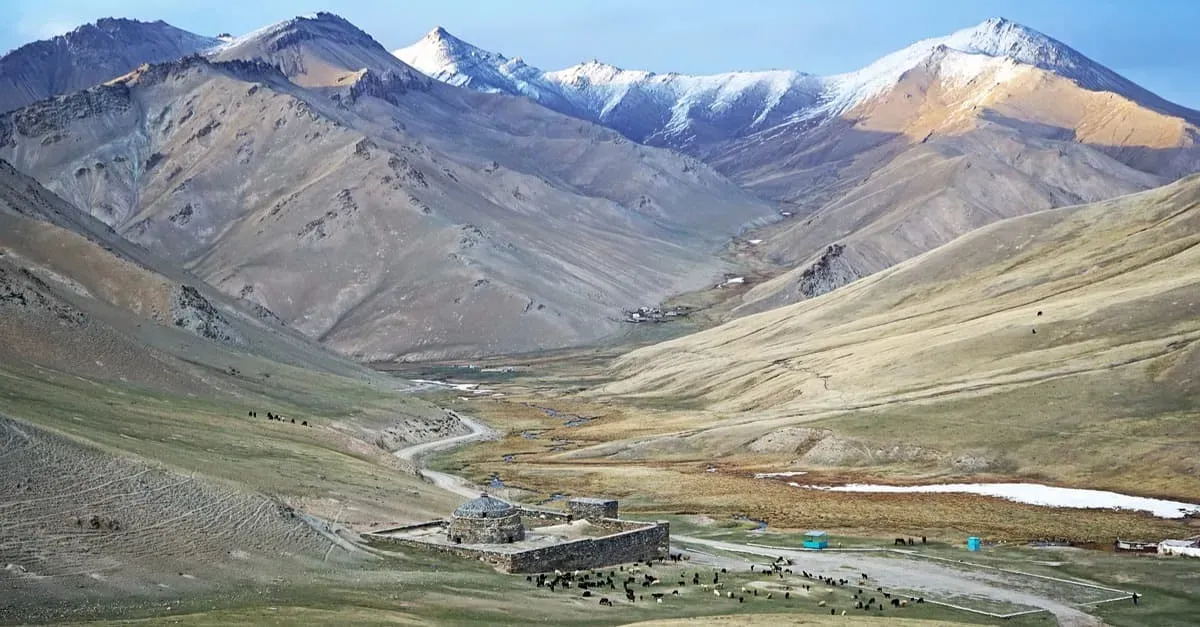
At 3,500 metres in the Tian Shan mountains, Tash Rabat, Kyrgyzstan is one of Central Asia's strangest historical sites. This 15th-century stone caravanserai was a fortified inn where Silk Road traders rested their camels and horses before attempting the crossing into China. It sits in a remote valley where the silence feels almost unnatural. The drive here matters as much as the destination, winding through landscapes that seem to have forgotten the modern world exists.
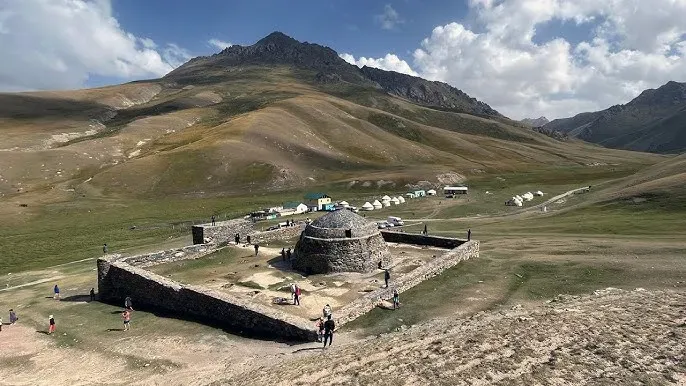
What makes Tash Rabat, Kyrgyzstan special
There is a stillness at Tash Rabat that gets under your skin. The valley feels like a place where time simply stopped. You can stand in silence and almost hear the caravans arriving from centuries ago. A clear river cuts through the meadows, mountains rise on every side, and the air carries the cool, thin quality of high altitude.
I don't really know what to make of the building itself. It is a massive, dome-crowned stone structure with 30 rooms radiating off a central hall. It has survived remarkably well given its age and location. But the history inside these walls feels distant rather than immediate. You are at 3,000 metres, surrounded by mountains and a kind of silence that modern life has mostly erased. Whether that is enough depends on what you came looking for.
The Tash Rabat caravanserai: what to expect
Let's address the elephant in the room. Or rather, the metal roof over it. A protective metal structure now covers the entire Tash Rabat caravanserai, installed as a conservation measure to shield the ancient stonework from mountain weather. The roof is practical, but it is also genuinely intrusive. Sitting just inches above the original dome, it has turned what was once an atmospherically lit stone monument into something closer to a darkened warehouse from the outside. From the hillside above, there is little left to recognise of the original silhouette.
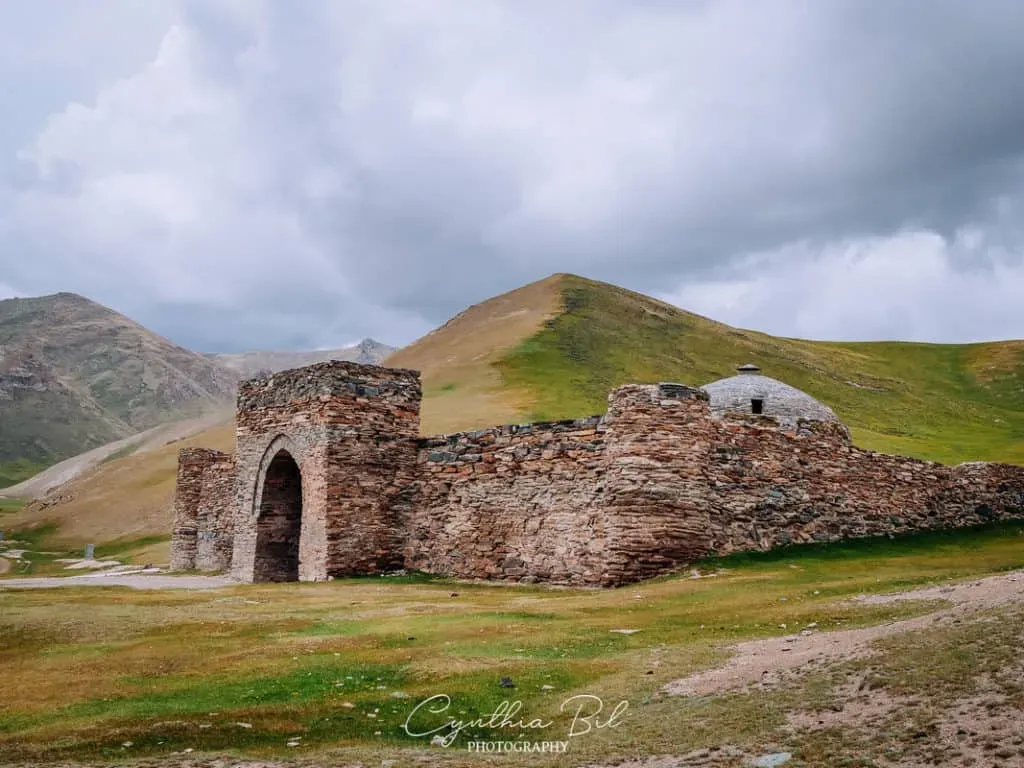
The worst of it is inside. The metal roof blocks nearly all natural light, plunging the interior into darkness. The 30 rooms, central dome, well, and dungeon. These features once made this one of the Silk Road's more impressive caravanserais. Now they are barely discernible. Bring a torch. Without one, you are effectively paying to walk through pitch-black stone corridors, unable to appreciate the architecture or the sense of space that makes the building interesting. Even with a torch, the experience is muted. What should feel like stepping back into the 15th century instead feels like fumbling through a darkened shell.
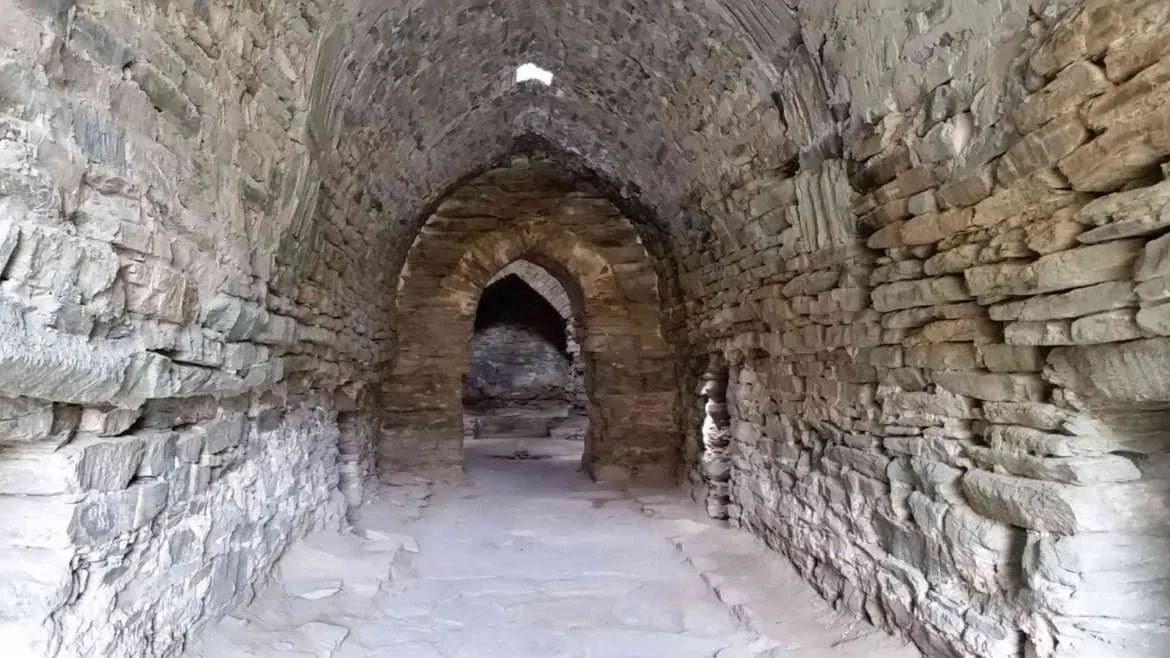
There are no explanatory panels or historical information anywhere on site, so you will not learn anything about the caravanserai's story unless you arrive with prior knowledge. The building is entirely empty. No artefacts, no recreations, no interpretive displays. For those who come solely to inspect the structure itself, the visit may last no more than 30 minutes and can feel genuinely anticlimactic. The rooms are bare stone chambers, interesting in their scale and arrangement but offering little to hold the attention beyond a few minutes of exploration.
The entrance fee is officially 150 som per person, though pricing can be inconsistent. There are reports of tour groups being charged significantly more (up to 500 som per head), with prices changed on the spot when groups arrive. If the gate is locked upon arrival, ask at the guest house opposite; someone will come to open it. Opening hours run from 9:00 to 18:00.
Things to do in Tash Rabat
The most important advice for anyone visiting Tash Rabat is this: do not come just for the caravanserai. The building alone does not justify the journey. What makes a visit worthwhile is everything that surrounds it. Here is how to make the most of your time in this valley.
Hike the valley and surrounding hills
The valley itself is the real draw. A clear river winds through flower-filled meadows with mountains rising on all sides. The walking is excellent. Aimless wandering through the valley floor is deeply satisfying, but for the best views, climb the hill directly behind the caravanserai. It takes about 25 minutes and the panorama from the top puts the entire landscape into perspective: the stone building dwarfed by the Tian Shan, the river tracing silver lines through the green, and not another human structure in sight. Go as high as your breath allows at this altitude. The views only improve the further you climb.
Trek to Chatyr-Kul Lake and the border pass
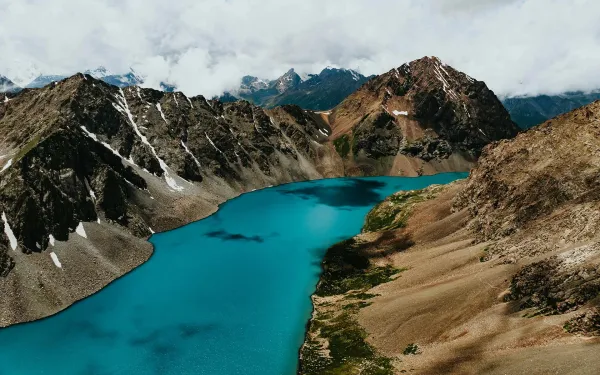
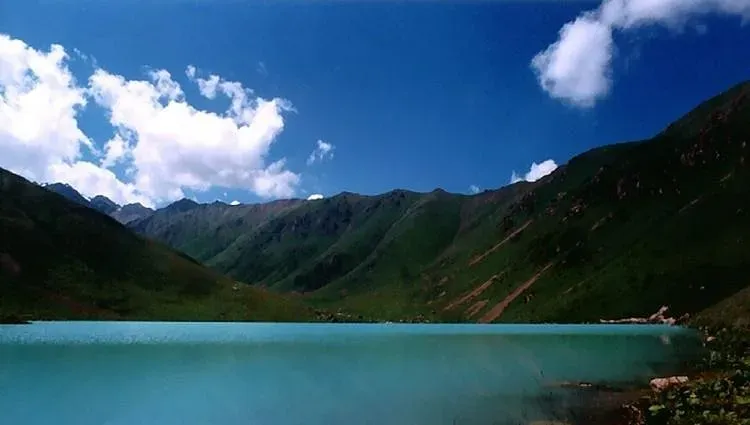
This is what turns Tash Rabat from a brief stop into a trip highlight. A horse or foot trek leads from the caravanserai up to a high mountain pass overlooking Chatyr-Kul Lake and the Chinese border beyond. On horseback, the round trip takes roughly six hours. You do not need a border permit if you only go as far as the pass and return. The landscape is raw, empty, and intense. It is the sort of terrain that makes you understand exactly why Silk Road traders needed a fortified rest stop before attempting this crossing. You also get a real sense of how those ancient caravans would have rolled up with their squads and horses before venturing deeper into the mountains.
Stay overnight in a yurt camp
Several yurt camps operate in the valley, run by local nomadic families whose hospitality is genuinely memorable. The families who run these camps are so warm that visitors frequently try to stay in contact long after returning home. The yurts themselves are heated by dried horse dung, a traditional fuel that keeps the interiors surprisingly cosy even when mountain temperatures drop. In early spring, you may find camps still under construction as families prepare for the season ahead; by summer, there are typically multiple options to choose from. Guest houses are also available near the caravanserai for those who prefer solid walls.
Spending a night here changes the visit completely. Sunset and sunrise over the valley are something else entirely, and there is something strange and wonderful about stepping out of a warm yurt into the cold mountain air with the silhouette of the ancient caravanserai dark against the stars. In summer, the valley fills with additional activities: horse riding through the meadows and the chance to try kumis, the fermented mare's milk that has been a nomadic staple for centuries.
How to get to Tash Rabat
Getting to Tash Rabat is half the experience. The route follows a newly built road through central Kyrgyzstan before branching off onto a gravel track for the final few kilometres. In mid-April, the gravel road is generally in good condition, though conditions can vary with weather and season. Those travelling from Bishkek should plan for a full day's drive. This is not a day trip from the capital. Most visitors arrive as part of a broader journey through the Naryn region, and the drive itself, cutting through shifting mountain scenery, is one of the best road journeys in the country.
For the determined, it is possible to walk from the main road. The hike takes roughly two hours and 45 minutes in one direction. Longer on the return, especially after a day of exploring at altitude. The walk itself is surprisingly good, passing through the same broad landscapes that make the destination worth reaching. There were three guest houses in the valley in early April, with at least two open for business even in the shoulder season.
Best time to visit Tash Rabat
The window for visiting Tash Rabat runs from June to September, when the weather is most reliable and all facilities (yurt camps, guest houses, horse treks) are fully operational. This is also when the valley is at its greenest, the high-altitude wildflowers are in bloom, and activities like horse riding and kumis tasting are available.
Winter visits are possible but extremely limited. There is little to do besides take photographs and breathe the crisp mountain air, and many services shut down entirely. The landscape under snow is beautiful and peaceful, but you should expect solitude and self-sufficiency. April sits in a transitional zone: the road is passable, some guest houses are open, and yurt camps may just be setting up for the season. You might have the valley almost entirely to yourself. For those who value silence and space above all else, that solitude is its own kind of reward.
Practical tips for visiting Tash Rabat
Is Tash Rabat worth visiting?
The answer depends entirely on your expectations. If you drive hours solely to inspect a 15th-century stone building, you will likely walk away disappointed. The structure is empty, darkened by the protective roof, and offers no interpretive context. You will see everything in 30 minutes or less and wonder why you came. For those with limited time in Kyrgyzstan, making a special trip here just for the caravanserai is difficult to justify.
If, however, you treat Tash Rabat as the centrepiece of a broader high-altitude adventure (hiking the valley, climbing the hill for panoramic views, trekking to Chatyr-Kul Lake on horseback, and spending a night in a yurt), then it becomes one of the most memorable stops in Kyrgyzstan. The caravanserai is the anchor, but the landscape is the story. Come just for the building and you will be disappointed. Come for the horse trek to the pass and you will love it.
What to bring and what to know
A torch is absolutely essential for the caravanserai interior. Without one, you will see nothing inside. The metal roof has eliminated almost all natural light.
The entrance fee is officially 150 som per person, but pricing can be erratic and may change without notice, particularly for groups. Carry small notes in local currency. Opening hours are 9:00 to 18:00. If the gate is locked, visit the guest house opposite to request access. Someone will come to open it.
At 3,000 to 3,500 metres, altitude sickness is a genuine concern. Take it slow, especially when climbing the surrounding hills. Listen to your body and do not push beyond what your breath allows.
Bring your own food and water. There are no shops or restaurants on site. The guest houses and yurt camps provide meals for overnight guests.
Sturdy walking shoes or boots are non-negotiable. You will want to explore the valley and climb the hills, and the terrain, while not technical, is uneven.
Final thoughts
Tash Rabat occupies a strange position in Kyrgyzstan's travel scene. It is simultaneously one of the country's most important historical sites and one of its most divisive. The protective measures meant to safeguard its future have, for now, diminished its present. The metal roof is hard to swallow, and the darkness it creates inside the caravanserai is genuinely frustrating. For some, this makes the visit a complete waste of a day. For others, the broader experience remains worth it.
Yet the valley is still untouched, the mountains as imposing as they were when Silk Road caravans passed through six centuries ago, and the welcome from local families as warm as the dung-fired stoves in their yurts. The caravanserai's empty stone rooms still hint at that history, however faintly. Come for the full experience (the hiking, the horseback trek, the overnight stay) and Tash Rabat will stick with you long after the frustrations of the darkened interior have faded. Come only for the building, and you may leave wondering why you bothered.