Wadi Al Arbaeen Oman: Turquoise Pools and Cliff Jumps
Two hours from Muscat, Wadi Al Arbaeen hides deep in Oman's Hajar Mountains. Turquoise pools you can swim in, cliff jumps into deep water, and a canyon hike with no marked trail.

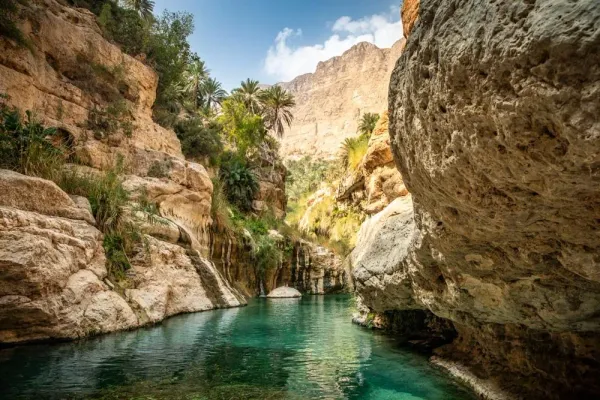
About 130 to 160 kilometres southeast of Muscat, Wadi Al Arbaeen Oman sits deep in the Hajar Mountains. It is the kind of place that gets talked about in hostels and roadside tea shops, passed between travellers who have put in the miles. By October, when Oman’s hiking season finds its rhythm, the canyon really shines. Turquoise pools, sheer rock walls, and the kind of quiet where you notice your own footsteps. Water flows here all year, which is rare for the region. That steady supply turns the wadi into a corridor of palm groves and clear pools pressed between bare, sun-scorched slopes.

What makes Wadi Al Arbaeen special
I have seen travellers describe this place as one of the most beautiful spots they have ever been. That sounds like hyperbole until you are standing there, ankle-deep in cold water, looking up at walls of rock that block out everything else. This is not a manicured tourist site. It is raw and untamed. No marked trail, no gift shop, no queue for a viewpoint. Just pools so clear you can count fish from the surface, palm-lined channels threading through date groves, and canyon walls that close in around you like the sides of a cathedral.
The year-round water is what makes this wadi different. Cooler months or the edges of summer, the pools are always there: cool, clean, and so blue it almost looks artificial. Shallow ponds work for kids. Deeper pools suit people who want to jump off cliffs. The place genuinely works for different ages and energy levels, which is unusual for a natural site this far from the main road.
Things to do in Wadi Al Arbaeen
The drive in: Muscat to Wadi Al Arbaeen
The drive from Muscat takes roughly two hours and is worth paying attention to. Head southeast along the Muscat-Sur road towards Bimmah and Quriyat. The wadi sits about 3 kilometres from Quriyat. Follow the signboards and the turn-off is straightforward. The final stretch, roughly 15 to 17 kilometres of graded road off the highway, winds through mountain scenery with tight turns and landscapes that have not changed much in centuries.
Here is where opinions split. Some travellers say any car can manage the access road. Others insist that once the concrete ends, the terrain gets rough and a 4x4 is a smart choice for the deeper sections. If you want to reach the furthest pools, take a proper off-road SUV. Going with two vehicles rather than one is wise given the isolation and the complete lack of phone signal. The detour adds about 45 minutes each way on rough road. Along the route you will probably pass goats picking their way along the roadside, a good sign you are heading in the right direction.

Swimming, cliff jumping and the pools
The pools are why you come. Freshwater in shades of turquoise, green, and deep blue fills natural rock basins. Some are shallow and good for a long soak. Others are deep enough to jump into from the surrounding ledges. The water stays cool and refreshing even as the day heats up. Fish dart through the shallows and you can see the bottom from almost anywhere. If you take photos, the colours against the bare mountain backdrop do most of the work for you.
Getting to the best pools takes effort. The first major one sits about a 30-minute hike from the trailhead, a scramble over rocks and along the riverbed that can feel harder than you expected. A second, larger pool lies about an hour further in. You will need to swim through the first pool to continue deeper into the canyon. A dry bag is worth its weight here for keeping your things safe. Many hikers stash their backpack among the rocks before plunging in. The wadi is secluded enough that theft is rarely an issue. Having these pools to yourself, with no one else around and cliffs rising on all sides, is genuinely hard to beat.
Hiking and exploring the canyon
The hiking deserves its own mention. There is no marked trail. The adventure starts by finding a small path at the trailhead on the left, which leads through gardens and date plantations before dropping you back into the riverbed. From there, stacked stones left by previous hikers mark the route deeper into the wadi. Following the old irrigation channels, known locally as falaj or levadas, offers another route. It is doable but demanding in places.
The scramble gets harder the further you go. Climbing rocks upstream requires decent fitness, sturdy shoes with good grip, and a willingness to get wet. The rocks can be slippery in a way that catches you off guard, so footwear that handles both dry scrambling and swimming is important. A small waterfall rewards those who push on for one to two hours, though reaching it means you need to be confident in the water. The canyon itself is the real draw: enormous rock walls on both sides and the way light moves across water and stone as the sun shifts. For anyone who enjoys a proper scramble, this is the real thing.
Wildlife and natural surroundings
There is plenty to notice if you slow down. Schools of fish are visible in the clear pools and watersnakes glide through the deeper sections. They are harmless but worth knowing about as you swim. The irrigation channels feeding the date plantations create a stripe of green running through the dry landscape. The combination of fresh water, palm groves, and bare mountain backdrops feels almost prehistoric. The wadi is kept clean by the people who visit it. There are no bins, so whatever you carry in, you carry out. Respecting that keeps the pools clear and the place feeling the way it should.
Best time to visit Wadi Al Arbaeen
October through April is when you want to be here. Temperatures are comfortable for hiking and the pools are inviting without being the only reason you are not overheating. Late May starts to push into uncomfortable territory. People who have visited in that window suggest starting early and drinking water constantly. Weekdays are quieter. You might get the pools entirely to yourself. Weekends draw more people but the atmosphere stays relaxed and nothing close to crowded. The wadi holds water all year, so even at the dry season’s tail end those pools are waiting, cool and impossibly clear.
Practical tips for your Wadi Al Arbaeen itinerary
Is Wadi Al Arbaeen worth visiting?
Yes. With a caveat: come prepared. This is not a drive-up-and-picnic destination. Reaching the best pools takes a 30-minute scramble that can feel harder than expected, followed by a mandatory swim to go further. The reward is a piece of Omani wilderness that feels like it belongs to you alone. Nature lovers rate it five out of five for beauty and experience. The wadi delivers adventure, quiet, and water in equal measure. Kids splash in the shallower ponds, families picnic under the shelter, and the braver visitors launch themselves off cliff edges into the deep blue below. It is one of those places that stays with you.
Where to stay near Wadi Al Arbaeen
Accommodation right at the wadi is minimal. A small resort operates near the site for those who want a roof. Camping is possible on the far side if you have your own gear. Falling asleep under the stars in this kind of quiet is hard to forget. Many visitors base themselves in Muscat and tackle the wadi as a day trip. The two-hour drive each way is manageable, especially with an early start. Staying in Muscat also means you can pair the wadi with stops like the Grand Mosque, the Royal Opera House, or Muttrah Souq for a fuller Omani experience. On the way to the wadi, the small supermarket in the village at the end of the road is a good place to stock up and support the community. Chat with the locals while you are there. Those small interactions often become the part of the day you remember most clearly.
What to bring
Preparation is the difference between a great day and a rough one. Carry plenty of drinking water. There are no shops, no washrooms, and no facilities of any kind once you leave the village. No changing rooms either, so plan your swim gear accordingly. Snacks and food are entirely on you. There is a shelter where you can sit and eat but nothing is provided. A dry bag is essential for protecting valuables during the swim sections. Sturdy shoes that can get wet, sun protection, and a change of clothes all belong in your pack. Do not count on phone signal. Between the mountains, you are completely off the grid. Never attempt the hike alone. At minimum, go with a companion. If you are unfamiliar with the terrain, hiring a local Omani guide is a smart and relatively affordable move. They know the route inside out and can turn what might otherwise be a confusing scramble into a confident, well-paced walk.
Final thoughts
Wadi Al Arbaeen Oman is not like the country’s better-known wadis, and that is exactly the point. The rough road, the unmarked trail, the mandatory swim. Each obstacle filters out people who showed up on a whim and leaves behind those willing to earn what comes next. And what comes next is worth it: pools of deep blue, silence broken only by birds and splashing water, and the rush of cliff-jumping into a natural swimming hole. It is an oasis in the truest sense, a place where the desert gives something back to anyone who makes the effort. If you are putting together an itinerary for this part of Oman, skipping Wadi Al Arbaeen would be the real mistake.