Tahquitz Canyon: Palm Springs' Desert Waterfall Hike
A desert canyon, a 60-foot waterfall, and centuries of Cahuilla history, all minutes from downtown Palm Springs. What to know before hiking Tahquitz Canyon.
What makes Tahquitz Canyon special
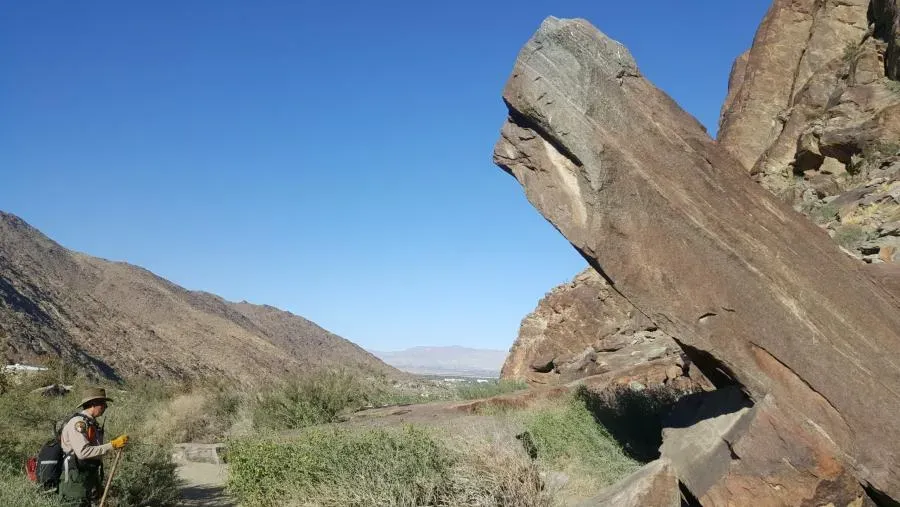
Tahquitz Canyon punches well above its weight. The trail is just two miles long, but it packs in a 60-foot seasonal waterfall, centuries of Cahuilla history, and the kind of scenery that makes you forget downtown Palm Springs is barely five minutes away. The canyon was a sacred village site for the Cahuilla people, and that sense of place has not faded. Native rock art, honey mesquite, and yucca plants are everywhere, each with centuries of history as traditional medicine and food. I honestly did not expect this much from a trail so close to town.
The view from the parking lot alone catches you off guard. Sweeping panoramas of Palm Springs stretch out, framed by mountains and the canyon mouth. Plenty of people pull in, take in the desert views, and call it a day without ever setting foot on the trail. It is that kind of spot.
The Tahquitz Canyon hike experience
Getting there and first impressions
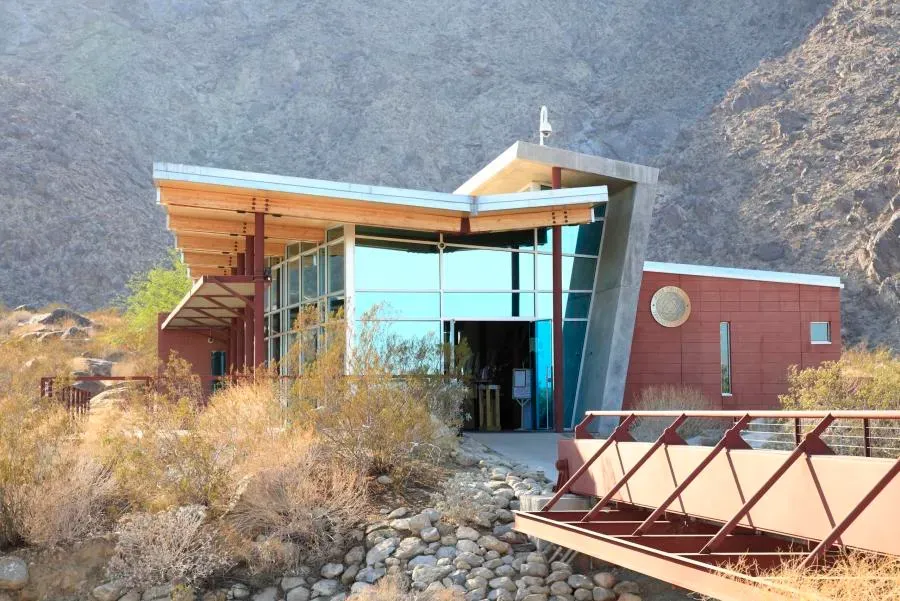
Tahquitz Canyon sits minutes from downtown Palm Springs, close enough to the restaurants, shops, and mid-century architecture that define the city. That proximity makes it an easy morning plan: hit the trail early, then roll into brunch afterward. The visitor center is clean, modern, and staffed by people who actually seem happy to answer questions. Bathrooms are here and nowhere else on the trail, so plan around that.
Parking is free and the lot is big, but it fills up fast. Arriving at 8:00 AM pretty much guarantees a spot, even on weekends. By 9:30 or 10:00 AM, the lot is often packed. Staff may put out a "full" sign at the entrance, though occasionally a few spaces remain beyond the barrier. Late morning arrivals sometimes get lucky as early hikers leave, and the lot thins out again by late morning.
What to expect on the trail
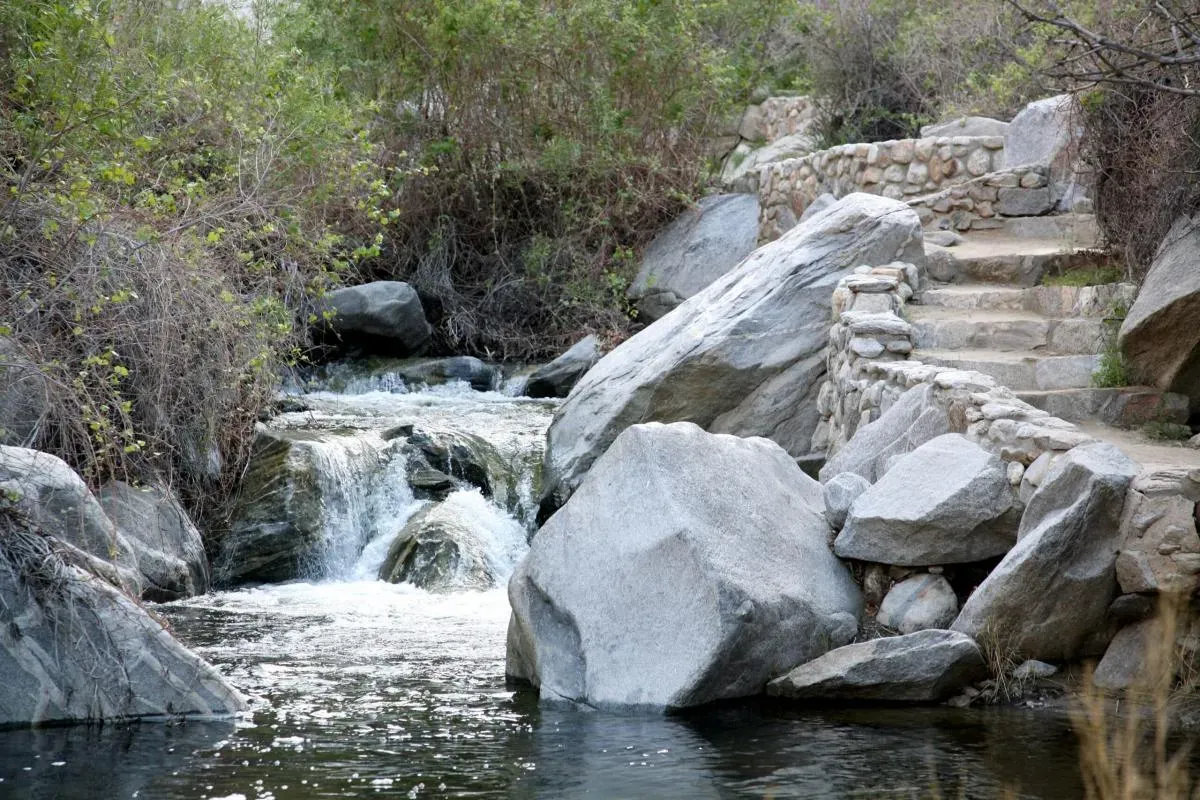
The trail is a two-mile loop with about 350 feet of elevation gain. It is well marked and well maintained. Moderate is the right word for it. Not a casual stroll, but far from grueling. The terrain shifts from flat stretches near the start to rocky sections with big stone steps as you climb deeper into the canyon. Those steps are the real challenge. Some are quite high, and anyone with bad knees, hip issues, or limited mobility may struggle. The flat beginning does offer pleasant views for those who prefer to turn back early.
The footing demands attention. Loose stones, sand, and uneven surfaces mean sturdy shoes with good grip are a must. Hiking boots are ideal. After rain, the rocks get especially slick, and the wet stone takes on vivid, almost glowing colors that photographers will appreciate. The loop design is one of the trail's quiet pleasures: the ascent and descent follow different paths, giving you entirely different perspectives on the canyon's geology and vegetation. I can see why so many hikers call this their favorite trail in Palm Springs and come back again and again.
How long does it take to hike Tahquitz Canyon?
Most hikers finish the round trip in 45 to 90 minutes, depending on pace and how long you hang out at the falls. A steady walk without extended stops takes about 40 to 50 minutes to reach the waterfall, with the full loop clocking in around an hour and a half. But there is no rush. The trail rewards you for stopping, whether it is for photos, scanning the cliffs for bighorn sheep, or just soaking in the desert quiet.
The Tahquitz Canyon waterfall and swimming hole
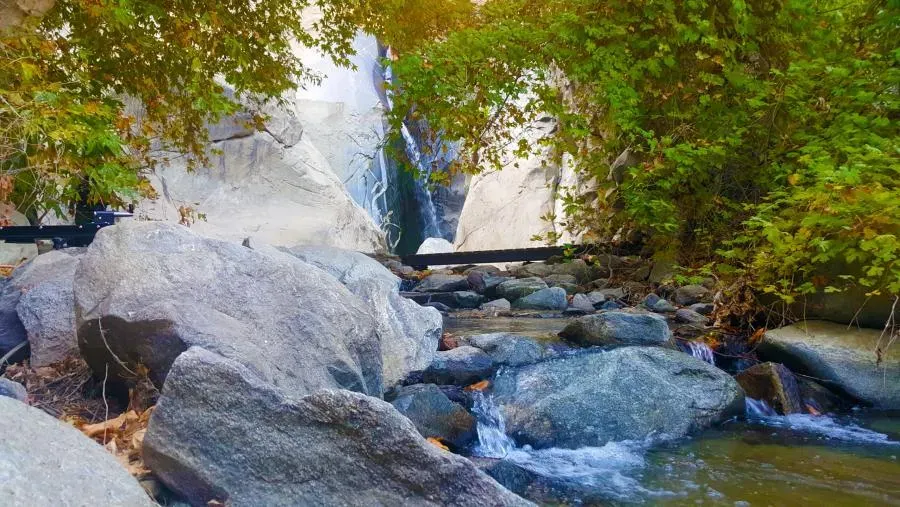
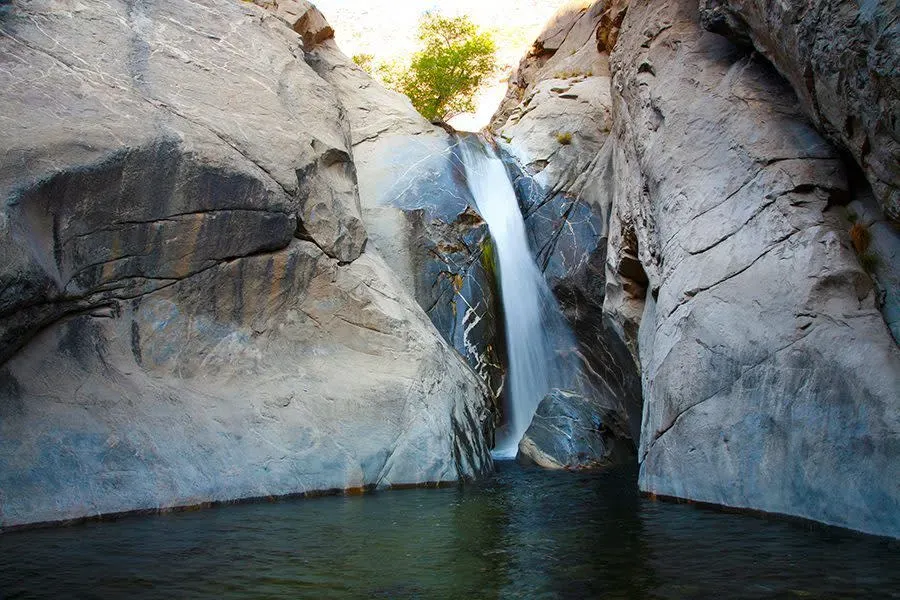
The waterfall is the undisputed star of Tahquitz Canyon. It drops roughly 60 feet over granite into a shaded pool, and it turns what was already a beautiful desert hike into something you will actually remember. After heavy rain, the falls roar. Even in drier periods, the rock formations and pool are impressive. The water is cold, properly cold, and the area around the pool is naturally shaded. It is the kind of break you need before tackling the return leg.
Wading and swimming are both allowed. There is no changing area anywhere, so wear something you do not mind getting wet, or just dry off in the desert heat on the hike back. Families with young kids tend to cluster around the small swimming area near the base of the falls, splashing around while adults rest on the rocks. The falls are the hike's midpoint. Budget extra time here before heading back on the loop's second half.
Wildlife, history, and scenery
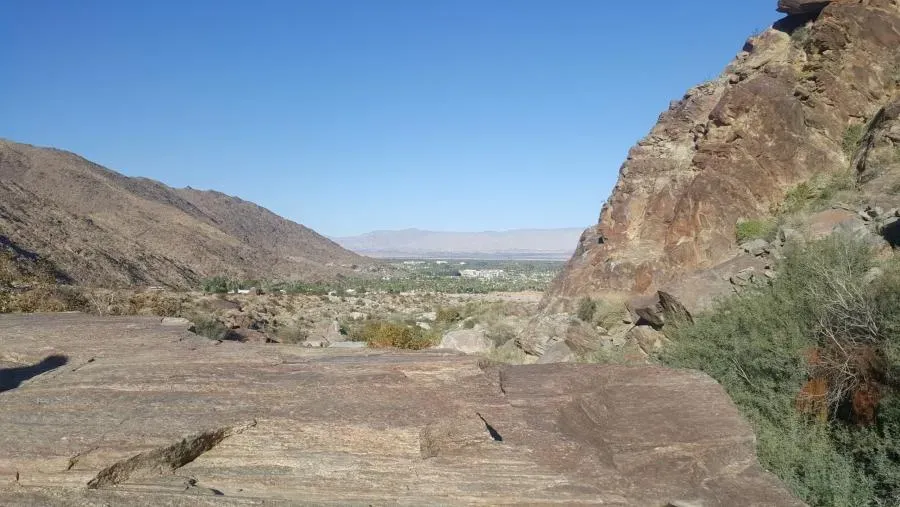
The canyon offers more than just the waterfall. The geology alone is worth the hike: rugged rock formations, dramatic canyon walls, and desert plants like honey mesquite and yucca. From higher points on the trail, views open up across the Coachella Valley, with Palm Springs spread out below in that particular desert light.
Bighorn sheep show up occasionally. Keep your eyes on the cliffs. It is a rare and genuinely exciting sight. The canyon is also thick with Cahuilla history. Ranger-led interpretive tours are free and led by tribal guides who know the land's Indigenous heritage inside and out: traditional plant uses, the rock art that has survived here, the stories embedded in the place. A guide turns the hike into something deeper than a nature walk. But even without one, the sense of history is hard to miss. This is ancient ground, and the canyon does not let you forget it.
Practical tips for visiting Tahquitz Canyon
Tahquitz Canyon with kids
Families with kids are common on this trail, and for good reason. The hike is engaging without being punishing. But it is not ideal for very young children. Kids under 8 or 9 may struggle with the high stone steps, and there are narrow sections with steep drop-offs where carrying a tired toddler would be genuinely difficult. For families with older kids and teens, the trail hits a sweet spot: challenging enough to feel like an achievement, short enough to finish before energy or enthusiasm runs out. Teenagers especially get into the history, the waterfall, and the satisfaction of completing the loop.
What to bring
The 32-ounce water minimum per person is not a suggestion. It is enforced at the trailhead. In summer, the requirement doubles to two bottles, or 64 ounces, per hiker. Staff will ask to see your water before entry. If you show up short, you will need to buy water onsite. A bottle-filling station at the visitor center fountain makes topping up easy. Beyond water, you need a hat and sunscreen. There is very little shade on the trail itself. Sturdy, grippy shoes are essential. The rocks get slippery when wet, and the loose soil demands good traction.
Costs, rules, and logistics
Entry costs $15 per adult. Military members and veterans get in free. For a trail that is roughly 1.5 kilometers, some visitors find the fee a touch steep. But the well-maintained paths, visitor facilities, and overall experience justify the price for most people. Dogs are absolutely not permitted on the trail. There are no changing facilities anywhere on site, and the only bathrooms are at the visitor center. The trail is open enough that multiple paths sometimes branch off, but since the whole system is a loop, wandering off the main route still gets you where you are going. Rangers at the visitor center tend to emphasize caution. Some hikers note they make the trail sound a little more intimidating than it really is, which is probably a deliberate safety choice given the desert environment.
Best time to visit Tahquitz Canyon
The sweet spot for hiking Tahquitz Canyon runs October through June. January brings perfect temperatures and, if the rains have cooperated, a waterfall at full flow. Thanksgiving, New Year's Eve, and spring weekends draw crowds, but the trail rarely feels uncomfortably packed. May is especially good: Coachella Valley temperatures are still manageable, and the seasonal waterfall peaks with spring runoff.
Summer is a different story entirely. The dark rock formations in the canyon absorb and radiate heat, turning the trail into an oven. Hiking on a genuinely hot day is a bad idea, especially if you are not in excellent physical condition. Winter months tend to be dry, and the waterfall may shrink to a trickle. Still beautiful, but not the thundering spectacle that follows a good rain.
Morning vs. afternoon
Morning is the best time to go, no question. An 8:00 AM start means ample parking, cooler temperatures, and a trail that feels peaceful rather than busy. By 10:00 AM, the lot is typically full and the sun is climbing. Late morning arrivals can still find spots as early finishers leave, but the experience is just better when you beat the rush.
Is Tahquitz Canyon worth it?
For a hike that takes less than two hours and sits practically in downtown Palm Springs, Tahquitz Canyon delivers more than it should. The waterfall is genuinely beautiful, the loop keeps things interesting, and the combination of desert scenery, Indigenous history, and wildlife potential is hard to match at this level of accessibility. Even visitors who expected more of a challenge from reading about the hike still report that their teens loved it and the visitor center experience was smooth and welcoming. And for those who just pull into the parking lot to admire the view without hiking, even that is a worthwhile stop.
It is a place that rewards the early riser, the photographer, the family with curious kids, and the solo traveler looking for a desert moment that does not eat up a whole day. Go early, bring water, wear proper shoes, and the canyon takes care of the rest.