Song Kol Lake Kyrgyzstan: A Nomad Escape Above the Clouds
Sleep in a yurt above 3,000 metres, ride horses across the jailoo, wake to frost in August. Song Kol Lake isn't easy to reach. That's the point.
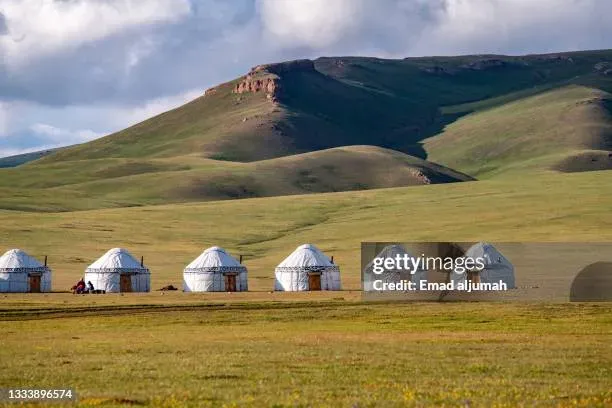
Some alpine lakes are postcard stops. Song Kol Lake Kyrgyzstan is not one of them. Perched at 3,016 metres in the Tian Shan mountains, this 270-square-kilometre stretch of water does not reward the rushed. The modern world dissolves here. Nomadic herders still move their livestock across these grasslands the way they have for centuries. At night, the silence is so complete it becomes almost unsettling. As Kyrgyzstan's second-largest lake and one of the highest alpine lakes on Earth, Song Kol draws travellers who want more than a photograph. They want to step into a different rhythm for a few days and let everything else fall away.
What makes Song Kol Lake, Kyrgyzstan so special
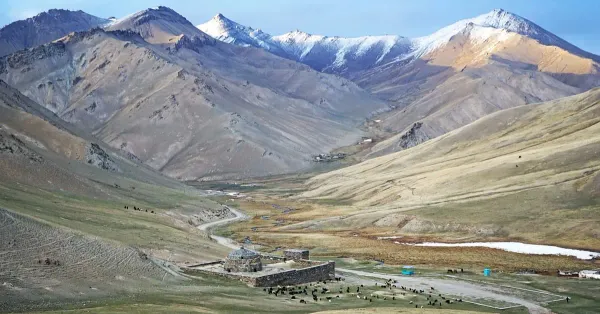
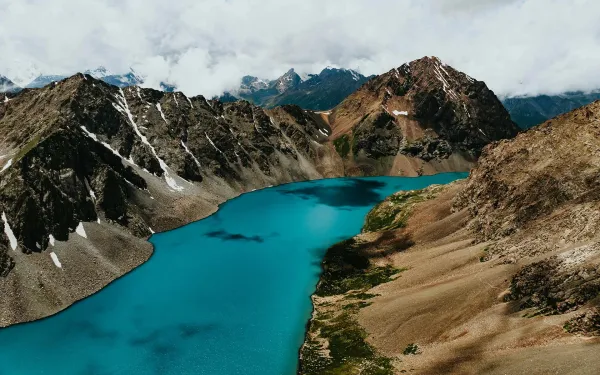
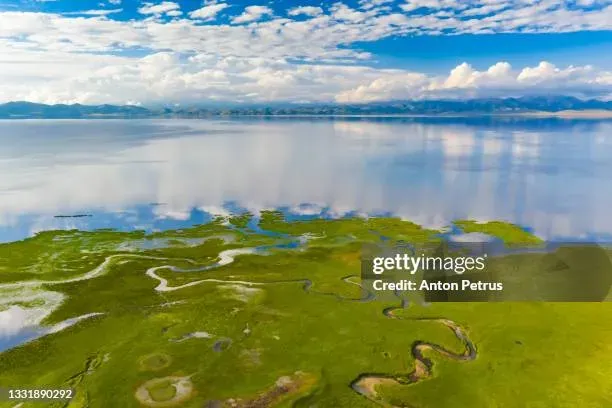
The first thing that strikes you is the size of it. At 270 square kilometres, the lake is far larger than most first-time visitors expect. The water shifts between deep blue and brilliant turquoise depending on the light, and on calm days it creates a mirror reflection of the sky and surrounding peaks. I have seen a lot of alpine lakes and this one genuinely stopped me. The landscape is rolling hills, vast meadows, and an enormous sky that stretches endlessly in every direction. No jagged summits, no dramatic peaks. Just space.
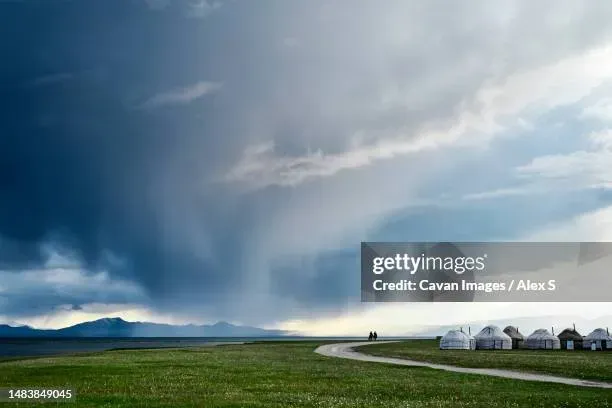
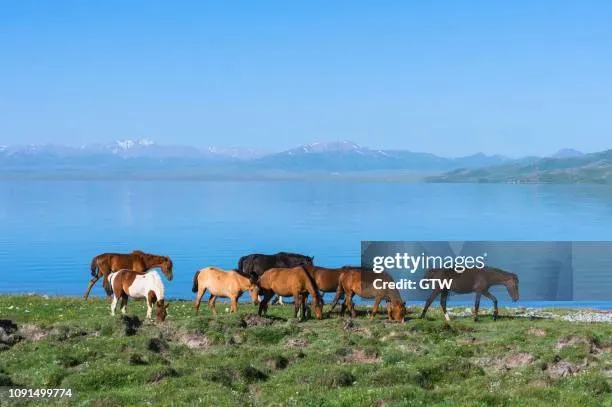
What makes Song Kol different is the complete immersion in nomadic life. Herders bring their livestock to these high pastures each summer. Their yurt camps dot the shoreline and surrounding hills. There are no permanent structures, no paved roads, no WiFi. The air is thin, the water is freezing, and the wild horses roam with a confidence that says they know they belong here. Cows and shepherd dogs wander freely. The whole scene has an energy that feels untouched. I do not say that lightly. Most places that claim to be "untouched" have a gift shop and a car park. Song Kol does not.
For many travellers, Song Kol ranks among the most beautiful places they have visited. Not because of a single viewpoint or landmark. It is the cumulative effect. The journey across mountain passes where views get better with every kilometre. The hospitality of herding families who have no reason to be so generous to strangers. Sunset over the lake. The profound quiet after dark. It feels like stepping into a world where modern development simply never arrived, and maybe never will.
Things to do at Song Kol Lake
A trip to Song Kol is not about ticking off a list. It is about slowing down and settling into the rhythm of pastoral life. That said, a few experiences anchor any visit here.
Horse riding at Song Kol Lake
Horseback riding is the main event. For a lot of people, it is the highlight of their entire time in Kyrgyzstan. The most scenic approach is the multi-day horse trek from Kyzart, crossing mountain passes that climb from 2,300 to 3,400 metres. In spring, the route fills with wildflowers and newborn animals appear everywhere across the pastures. It is a genuinely beautiful time to ride.
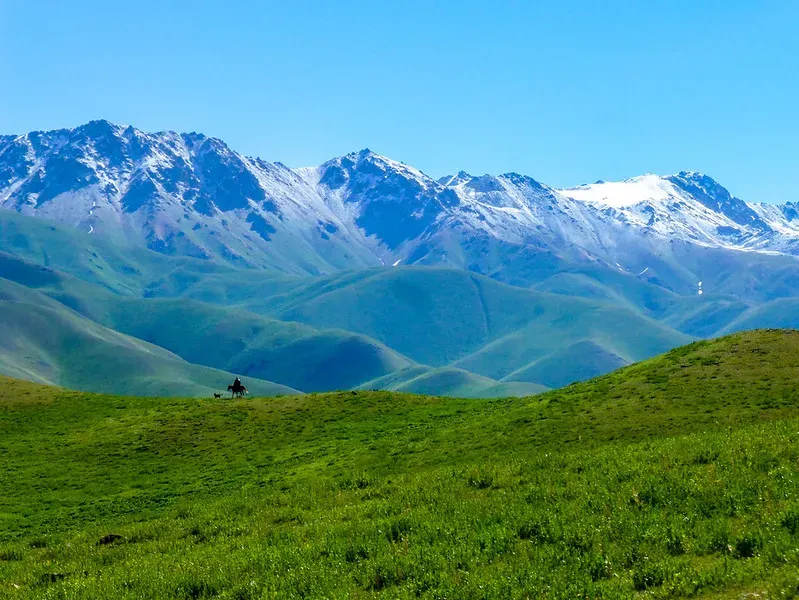
Rides can be arranged for a few hours around the lake itself or as multi-day expeditions with overnight stays in yurt camps along the way. The horses are sure-footed and know the terrain, but the descents can be genuinely tricky. Sharp rocks underfoot and steep gradients on certain passes. Ask for a helmet before setting out. Even experienced riders find that long hours in the saddle take a toll, so pack pain relief and any personal medications you might need, including remedies for altitude sickness.
If you prefer two wheels to four legs, reaching the lake by motorbike is an option. Expect the journey to take roughly three times longer than Google Maps estimates. The dirt roads and mountain passes demand patience and a reliable machine. The payoff is real, though.
Swimming in a frozen lake
Swimming in Song Kol is, in a word, bracing. The water is fed by glacial melt, and even at the height of summer it stays eye-wateringly cold. Cold enough that the whole thing feels less like a swim and more like a dare you set yourself. People who take the plunge talk about it afterward like a small achievement: a brief, exhilarating shock followed by a rush of adrenaline and the quiet satisfaction of having swum in one of the world's highest alpine lakes. The shoreline is shallow and accessible in many places, so getting in is easy. Lingering is not. This is a dip, not a swim.
Wandering the pastures and meeting the locals
Walking the grasslands around the lake is a quiet pleasure. Cows, horses, and shepherd dogs roam freely, and herders' children often appear out of nowhere to play or invite you toward their family yurt. No fences, no roads, no infrastructure. You can wander in almost any direction and find yourself alone with the landscape. Sunsets here are something else. The lake catches the fading light in shades of pink and gold, and the temperature drops fast enough to remind you exactly how high you are. Evenings are spent around the yurt fireplace, eating simple meals like noodle soup and snacking on whatever the family offers, while the cold creeps in from outside.
How to get to Song Kol Lake
Where is Song Kol Lake?
Song Kol sits in a remote basin in the Naryn Region of central Kyrgyzstan, surrounded by the Tian Shan mountains. It sits at 3,016 metres above sea level, with a maximum depth of 13.2 metres and a surface area of 270 square kilometres. The lake is accessible only by unpaved mountain roads. Getting there is an adventure in itself.
The most common access point is from Kochkor, where the drive to Kyzart (the jumping-off point for horse treks) takes about an hour and should cost around 2,500 som by taxi. Some drivers will try to charge significantly more, and the negotiation can wear you down. From Kyzart, the route climbs over mountain passes on roads that are narrow, steep, and often muddy. A 4x4 vehicle is non-negotiable. Attempting the journey in a standard car or motorhome is asking for trouble. The southern approach in particular has turned back even well-equipped vehicles when conditions deteriorate, especially in the second half of May when snowmelt turns the tracks to slush.
The dirt road stretches for roughly 80 kilometres, and the drive consistently takes about two hours longer than Google Maps suggests. Start early in the day. Getting caught on the mountain roads after dark is dangerous and deeply disorienting. Fill your tank completely before departing. There are no fuel stations anywhere near the lake. If you are travelling late in the season, most yurt camps will have already closed, and the roads become treacherous with mud and early snow. Stick to the main access road and do not attempt the lake after summer without a local guide who knows the conditions.
If you would rather leave the logistics to someone else, hiring a guide with a 4x4 is a comfortable option. One recommended local contact is Mr. Tika (+996-773-893-463), who offers guided trips to the lake and can navigate alternative routes, including the Parrot Pass toward Naryn, which passes viewpoints and a waterfall along the way. A private guide also eliminates the stress of negotiating with taxi drivers and navigating unmarked mountain tracks.
Accommodation at Song Kol Lake: the yurt experience
There are no hotels at Song Kol. No guesthouses, no permanent buildings, no plumbing in the modern sense. What there is, and what makes staying here unforgettable, are yurt camps spread across the shoreline and surrounding hills. They are run by local herding families who decamp to the high pastures each summer.
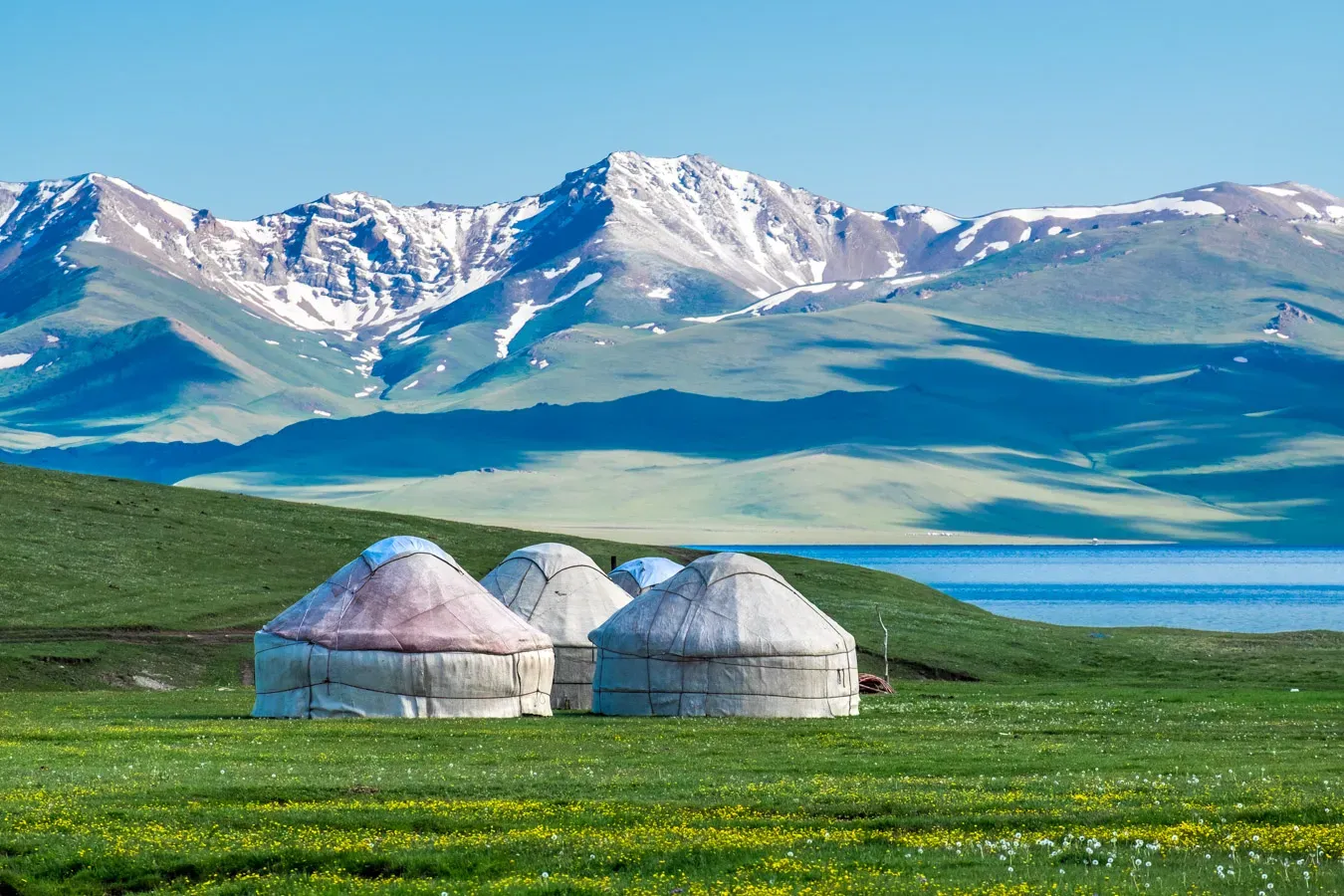
Yurt stays are basic but comfortable. The felt-lined structures warm up once the family lights the central fireplace, and falling asleep to the crackle of burning dung while frost forms on your nose is something no luxury lodge replicates. Set your expectations, though. Toilet facilities are primitive: squatting latrines with limited hygiene provisions. Hot showers and Western-style bathrooms exist only at the more established camps, where prices run higher. A typical arrangement for two people, including a private yurt with dinner and breakfast, runs around 4,000 som.
The larger, better-known yurt camps fill up in peak season and should be booked in advance. Smaller family-run camps almost always have space if you simply show up. The trade-off is fewer amenities but a more intimate experience. You might find yourself drinking tea with the herder's family, watching their children chase each other around the yurt, or sampling kumis (fermented mare's milk) as the sun goes down. Camps are spread widely enough around the lake that even with growing tourist numbers, it rarely feels overcrowded.
A word of warning: the combination of primitive sanitation and unfamiliar food can be tough on sensitive stomachs. Come prepared with water purification tablets, hand sanitiser, and a course of broad-spectrum antibiotics as a precaution. E. coli infections are not uncommon on extended trips through rural Kyrgyzstan, and medical facilities are a very long way from the lake. This is not a destination for people who need creature comforts. It rewards the hardy and the prepared.
Best time to visit Song Kol Lake
The window for visiting Song Kol is narrow. The season runs from June through September, when the snow has melted enough to make the roads passable and the herding families have moved their livestock to the high pastures.
June brings lush green meadows and the first flush of wildflowers, but the weather is unpredictable. It is not unusual to arrive under clear skies, enjoy a perfect afternoon of horse riding, and wake the next morning to fresh snow. July and August offer the most stable conditions, with warm days and cool nights. "Warm" at 3,000 metres means daytime temperatures rarely exceed 20°C, and nights routinely drop close to freezing, sometimes hovering around 7°C even in midsummer. September sees fewer crowds and beautiful autumn light, but yurt camps begin closing down as herders move to lower ground, and the risk of snow on the access roads increases sharply.
Outside the summer window, Song Kol becomes a completely different place. By mid-March, the lake is frozen solid. A silent, otherworldly expanse of ice beneath a vast winter sky. It is a strange and beautiful thing to witness. But access is extremely difficult, and only those with serious winter expedition experience should attempt it.
Regardless of when you visit, bring warm clothes, waterproof footwear, and layers. The yurt fireplace helps, but once the fire dies in the early hours, the cold seeps in fast. Rain can sweep in with little warning even on a sunny morning, and snow is possible in any month at this altitude.
Practical tips for visiting Song Kol Lake
Altitude awareness is essential. At 3,016 metres, Song Kol sits high enough to cause altitude sickness in susceptible people. Mild headaches and insomnia are common on the first night. Give yourself at least two nights at the lake to acclimatise and settle into the experience. A single overnight feels rushed and does not let your body adjust to the thin air.
Travel with companions. The yurt camps are social but quiet, and evenings can feel long if you are alone. Sharing the experience, and the costs, with others makes everything easier, from negotiating transport to passing the hours between sunset and sleep. This is especially true on multi-day treks where there is genuinely little to do once you are settled in camp.
Pack for every season in a single day. Waterproof shoes, warm layers, a rain jacket, and sun protection are all necessary. The UV exposure at altitude is fierce, even when the air feels cool. A warm hat and gloves will earn their place in your bag the moment the sun drops.
Carry cash in small denominations. There are no ATMs, no card machines, and no banks anywhere near the lake. Everything from yurt stays to horse rides operates on cash, and change can be scarce.
Manage expectations about the trekking. Song Kol is not the most dramatic trek in Kyrgyzstan. If you have already tackled the rugged trails of Ala-Kul or the Fann Mountains, the rolling hills and wide meadows around Song Kol may feel gentle by comparison. The experience here is about culture and tranquillity, not adrenaline. It is absolutely worth doing, but if your schedule is tight and you are chasing serious alpine scenery, prioritise accordingly.
Be prepared for transactional friction. The growing popularity of Song Kol has, inevitably, changed some interactions between locals and visitors. Taxi drivers may inflate prices well beyond the standard 2,500 som from Kochkor, and the negotiation can feel wearying. This does not define the experience. The overwhelming majority of encounters are warm and genuine, and the herding families themselves are generous hosts. But it helps to arrive with a clear sense of what things should cost and a patient, firm mindset.
Is Song Kol Lake worth it?
Song Kol Lake is not the easiest place to reach. It is not the most luxurious place to stay, nor the most dramatic landscape in Kyrgyzstan. And yet, for people who make the journey, it often becomes the memory that defines their entire trip.
I think it comes down to this: there is something about the combination that sticks with you. The thin air. The vast silence. The kindness of a herder pouring tea as the fire crackles. Wild horses moving across the shore at dawn. The mirror stillness of the lake under a clear sky. It lingers long after the altitude headache fades.
The sanitation is rustic. The roads are punishing. The nights are genuinely cold, and the yurt mattress may make you question your choices. This place asks something from you. But if you are drawn to destinations that demand a little more and give back something real in return, Song Kol delivers. It remains one of the few places on Earth where you can step into a rhythm of life that has barely changed in centuries. That, more than any photograph, is what you carry home.