Ranomafana National Park Madagascar: Hikes, Lemurs & Tips
Golden bamboo lemurs, waterfall trails through thick rainforest, and night walks with leaf-tailed geckos. Here's what to actually expect at Ranomafana National Park Madagascar.
Ranomafana National Park Madagascar: into the rainforest
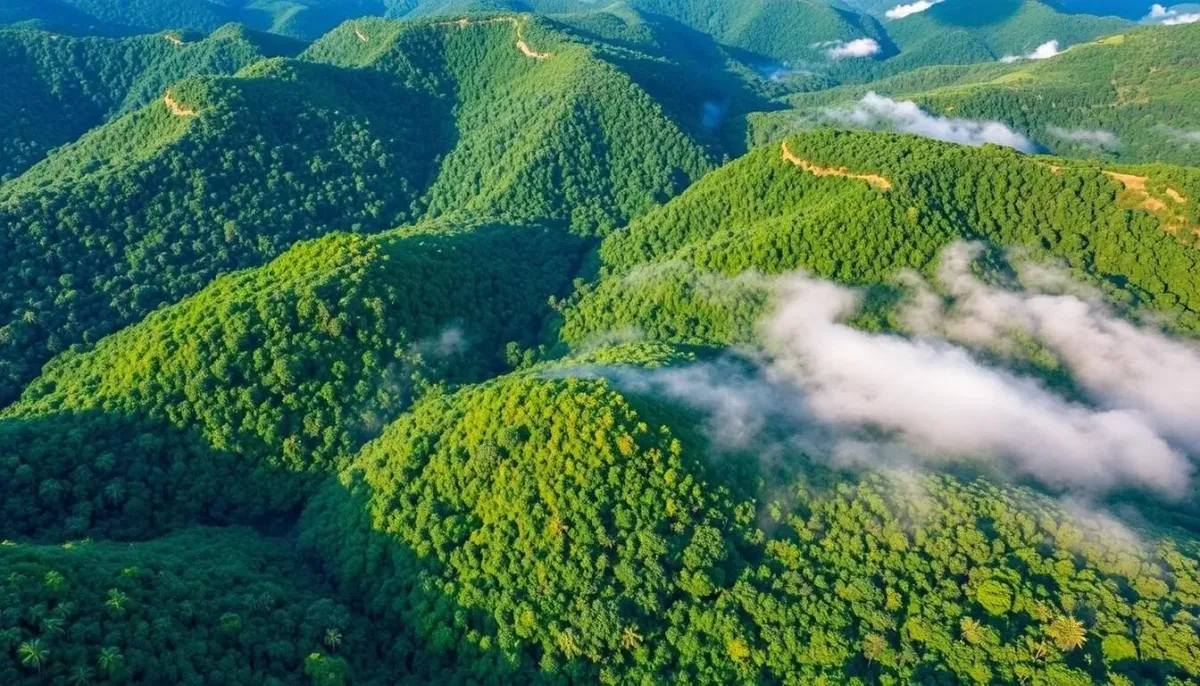
I'll be honest: I didn't expect Ranomafana National Park Madagascar to be this good. The rainforest in this corner of southeastern Madagascar is dense in a way that feels almost excessive. Golden bamboo lemurs crash through the canopy. Waterfalls appear around bends you didn't see coming. The forest floor is crawling with chameleons, geckos, and birds that literally do not exist anywhere else. July, with its cool dry winter, is the time to go.
What is Ranomafana National Park known for?
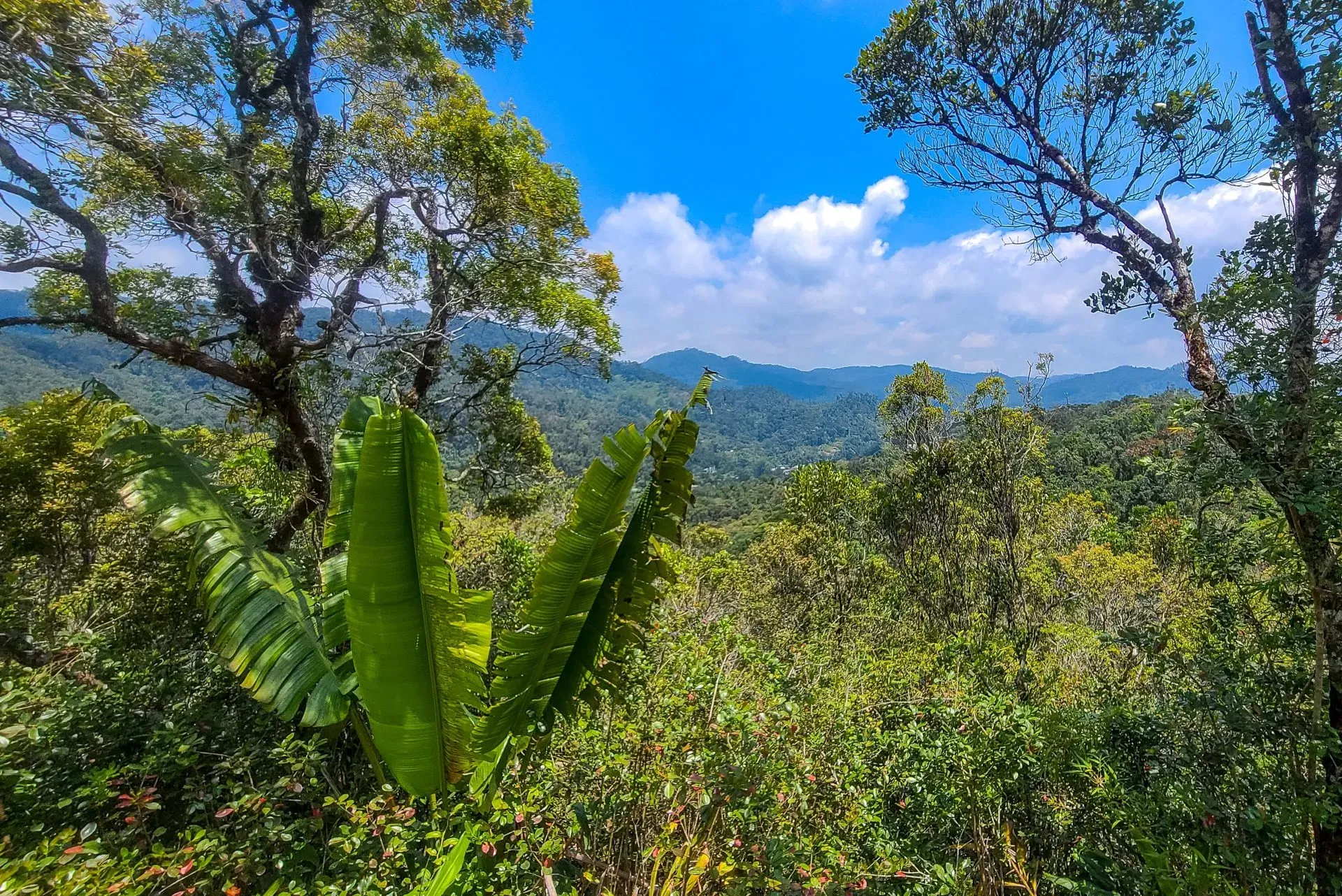
Even among Madagascar's impressive roster of national parks, Ranomafana does something different. The park protects a bamboo forest zone that supports endemic species you simply will not encounter elsewhere, including the rare greater bamboo lemur. Several travellers I spoke to said they couldn't find this animal in any other park in the country.
What got me, though, was what was missing. There are no mosquitoes, no venomous snakes, and no poisonous bugs in this rainforest. I kept waiting for the catch. It genuinely transforms the hiking experience. The forest is thick and the humidity is real, but the usual tropical annoyances are absent.
The park also runs a spotter system that works surprisingly well. Wildlife spotters walk the trails ahead of guided groups, locate different species, and radio the guides to bring visitors straight to the action. It's efficient, collaborative, and makes sightings far more likely. The guides themselves are often descendants of the local forest tribe, with knowledge spanning indigenous tradition and Western science. The whole thing feels less like a packaged tour and more like being shown around someone's backyard. A very, very large backyard.
There's a darker side worth knowing about. The park is under genuine threat from illegal logging, and every visitor who pays an entrance fee contributes directly to its protection. This is a conservation frontline. The beauty is secondary.
Things to do in Ranomafana National Park
Lemur encounters
The golden bamboo lemur is the animal everyone comes for. Watching these amber-furred primates work their way through bamboo thickets, their specialised diet on full display, is why you make the trip to Ranomafana specifically. The greater bamboo lemur, bulkier and rarer, shares the same habitat. Beyond the bamboo specialists, the forest holds sifakas, several other lemur species, and, if you're lucky, the indri, Madagascar's largest lemur.
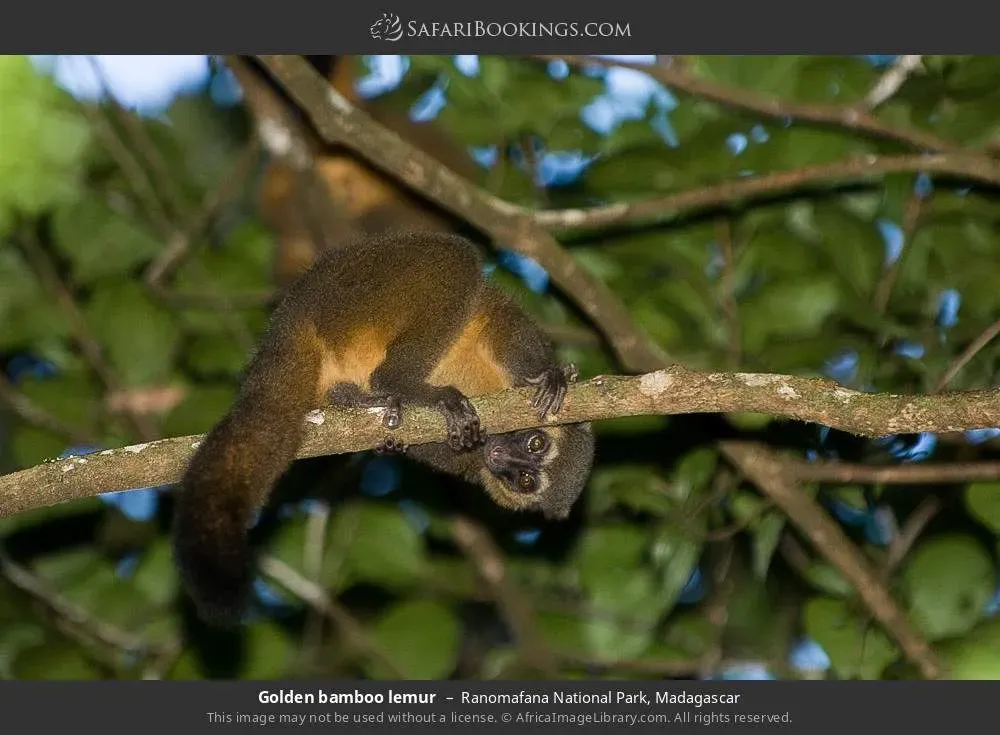
A typical four-hour guided walk yields sightings of five different lemur species, though the experience demands a certain mindset. Lemurs are not tame and they do not pose for photographs on cue. They move fast through the high canopy. Spotting them requires patience, a good guide, and realistic expectations. The forest is dense and the animals are wild. This is not a zoo, and that is precisely the point. If you want lemurs leaping onto your shoulder, head to the private reserves of Nosy Be instead. Ranomafana offers something rawer and, for my money, more rewarding.
Timing matters enormously. Arrive by 7 am or 8 am, just after the lemurs have finished breakfast, and they'll be active and visible. Later in the day the heat sends them deeper into the canopy and sightings become considerably harder.
Hiking trails and waterfall routes
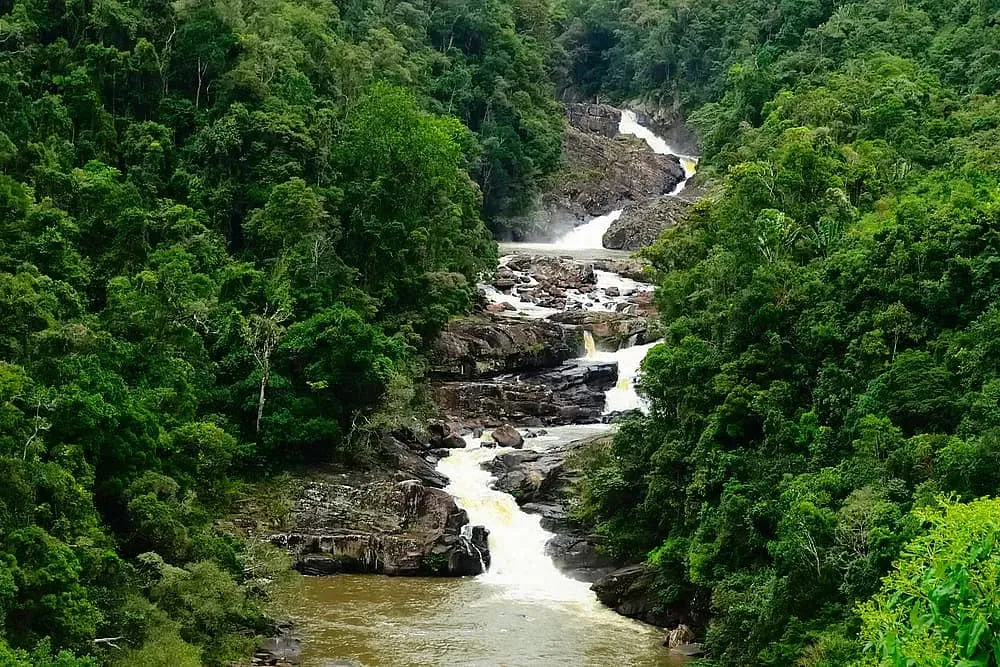
The park offers circuits ranging from a quick one-hour stroll to multi-day treks into the primary forest. Most visitors go for the middle-distance routes, three to four and a half hours of hiking that balance wildlife viewing with physical exertion. The longest trek pushes through the primary forest all the way to the waterfalls, a satisfying full-day commitment for those with the stamina.
Trail difficulty sits at a moderate 3 out of 5 for most routes. The terrain is steep in sections and paths are often muddy, which is entirely normal for a rainforest. Be prepared to leave the established trails at times. Guides frequently take groups off-road through bamboo stands and undergrowth to track wildlife. You'll wrestle with branches, duck under vines, and navigate uneven ground. Good walking trails with clear marking do exist, particularly near the park entrance and along the flatter river routes, but the deeper you go, the wilder it gets.
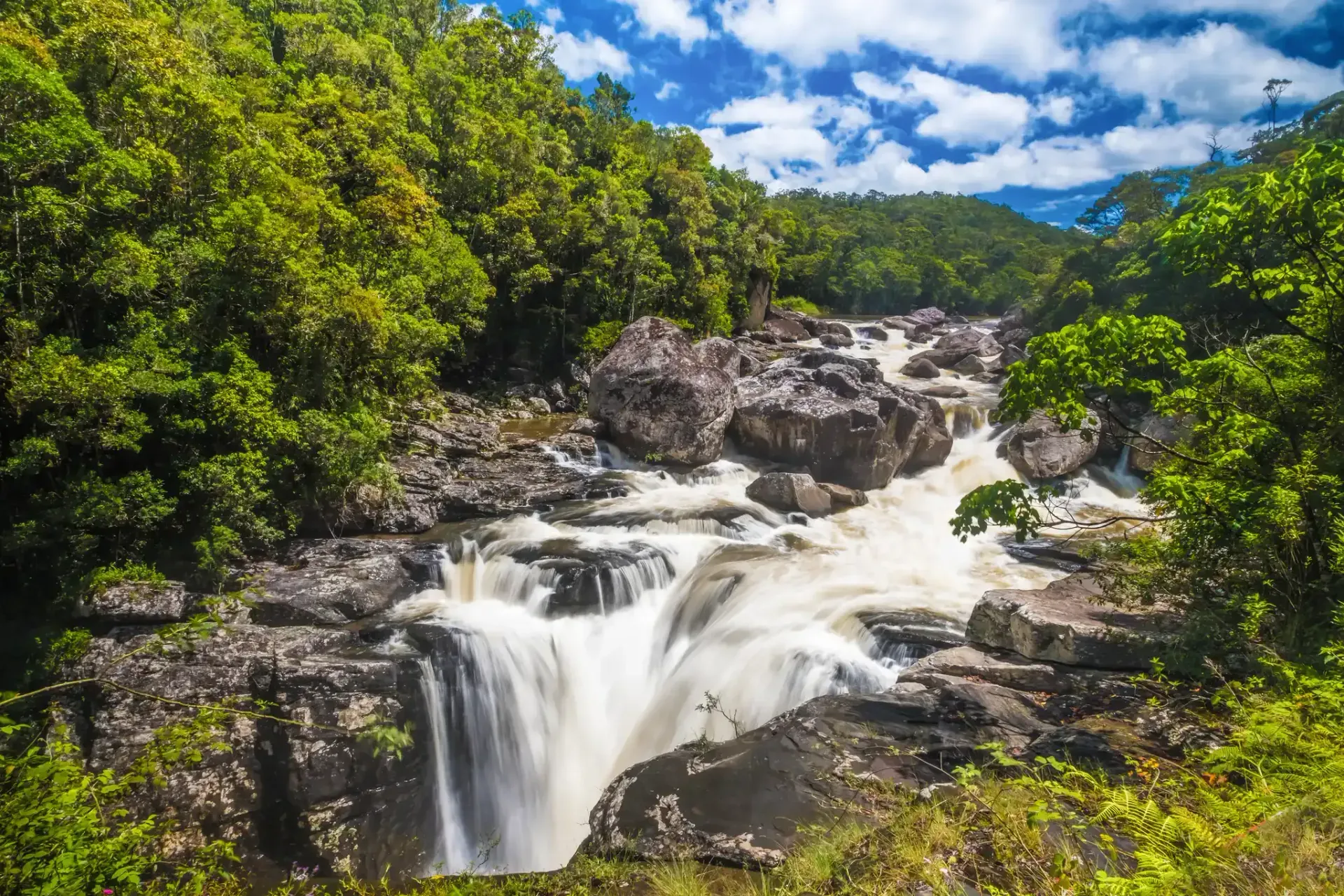
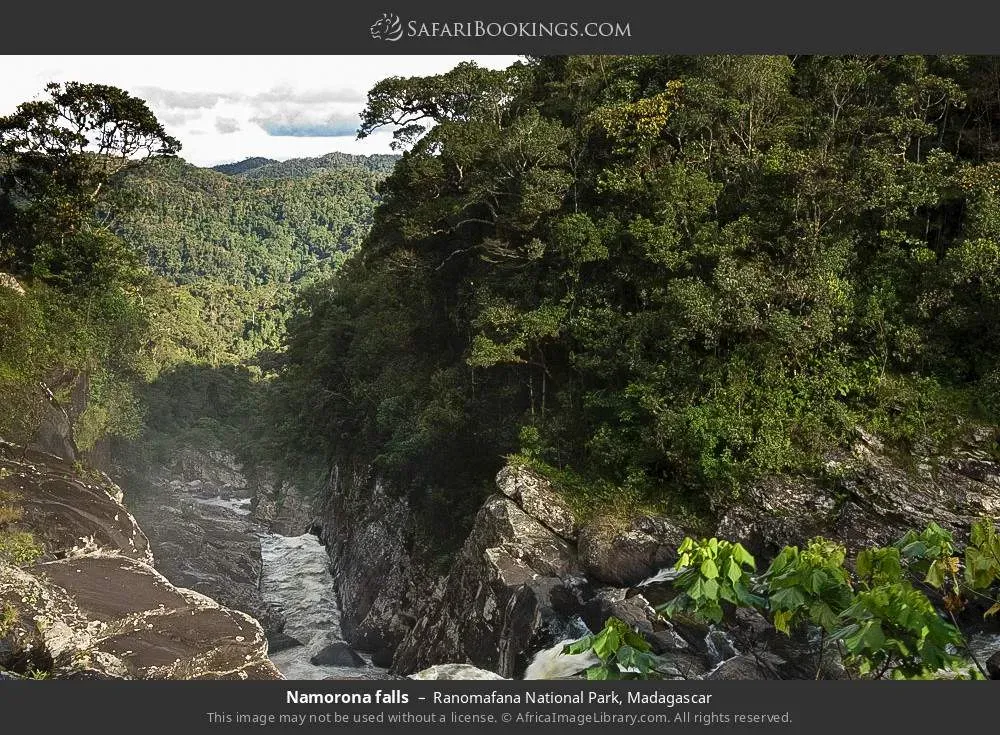
The Namorona River cascades through the heart of the park, culminating in a spectacular waterfall at its upper reaches. The area near the river and streams at the bottom of the slopes is wetter and muddier and attracts more leeches, while the higher ground offers drier, easier walking. Within the forest lies an old holy site with structures resembling tombstones that are not actual graves. It's a quiet reminder that this landscape held cultural significance long before it became a national park.
Facilities at the entrance include a restaurant and toilets, so you can fuel up before and after hikes without carrying everything from town. The park is well organised and the ticket office efficiently pairs visitors with guides, tailoring circuits to fitness levels and interests.
Night walks and nocturnal wildlife
When darkness falls, Ranomafana transforms. The night walk, conducted along the road that bisects the park, reveals an entirely different cast of creatures. Colourful chameleons, tree frogs, nocturnal lemurs, and the bizarre satanic leaf-tailed gecko all emerge after sunset. A guide is mandatory for night walks. The park has experienced problems with animal poachers and illegal loggers, so independent wandering is strictly prohibited. Expect to pay around 35,000 MGA (roughly £10) for a guided two to three hour nocturnal excursion. It's worth every ariary. Guides know precisely where to look, and what seems like an impenetrable wall of darkness to an untrained eye becomes a gallery of living wonders under their torchlight.
The night walk is widely praised as a highlight. You'll often see species that remain hidden during daylight hours. Other groups will be out on the road, so you won't be alone, but the atmosphere stays intimate and the discoveries are genuinely thrilling.
Birdwatching and reptile spotting
For birdwatchers, Ranomafana is essential. The thick rainforest supports an extraordinary avian population, including the Scaly Ground-Roller. I watched someone photograph one with nothing more than a phone camera, which tells you how close encounters can be. Muddy trails and dense undergrowth are part of the deal, but serious birders put this park at the top of their Madagascar list.
Reptile enthusiasts won't leave disappointed either. Beyond the iconic chameleons and geckos, the park harbours mongooses, butterflies, frogs, and an almost endless catalogue of insects and flowers. Guides consistently demonstrate an uncanny ability to locate creatures that seem, at first, completely invisible. It's a skill born of years spent reading this specific forest, and it's quietly impressive every time.
Ranomafana National Park travel guide: practical tips
How to get to Ranomafana National Park
The most straightforward approach is by shared van from Fianarantsoa, a journey of roughly two hours costing around 7,000 MGA per person. The road winds through highland scenery and the drive itself is part of the experience. Parking is available at the park entrance, with a dedicated lot as well as roadside spaces. The entrance area has stalls selling curiosities and local spices, perfect for a post-hike browse.
Ranomafana National Park itinerary suggestions
A single day can cover a solid circuit. The three to four hour hike is the sweet spot for most travellers, offering abundant lemur sightings without exhaustion. But the park has several distinct sections, and spending two to three days lets you explore different trail networks, do a dedicated night walk, and appreciate the nuances of each habitat zone. A sample itinerary: Day 1: morning lemur circuit (arrive 7 am), afternoon exploring the river trails. Day 2: full-day trek to the waterfalls through the primary forest. Day 3: dawn birdwatching (5 to 6 am start), followed by a shorter botanical walk and an evening night walk.
If you're short on time, even two hours on the trail can deliver a satisfying taste of the park, particularly if you arrive early when lemurs are most active and the forest is at its loudest.
Guide recommendations and costs
Guides are mandatory in Ranomafana and the quality varies. At the top end, guides like Daho, a descendant of the local forest tribe with deep knowledge of both indigenous tradition and Western science, deliver exceptional experiences. He works alongside James, an outstanding animal spotter, and the pair consistently find species that others miss. Linda is another veteran guide known for handling diverse groups with professionalism and warmth. Emile and Célestin also receive strong praise for their knowledge and good company on the trail.
Not every guide meets the same standard. Some have been observed feeding wildlife, a practice that is both illegal and damaging. Others spend more time on smartphones than on interpretation. When you arrive at the ticket office, it's worth asking for specific guides by name. The office is well organised and accommodating.
Costs add up. The entrance fee, guide fee, and community taxes are paid in cash only at the park entrance. One recent breakdown totalled 112,500 MGA for entrance, guide, and taxes combined. Foreign visitors pay significantly more than nationals, a point of genuine frustration for some travellers who feel the pricing structure is exploitative. The guide fee alone has been quoted as high as 90,000 MGA. Expect guides to request a tip at the end, sometimes in the range of the entrance ticket price. Community-run reserves outside the national park system offer a lower-cost alternative with more personal interactions, though with less biodiversity density.
What to bring and wear
Wear long, loose trousers and tuck your shirt in at the waistband. Ranomafana has the worst leeches of any park in Madagascar. They're most prevalent at the bottom of slopes near streams and the river, and far less common on higher ground. Pause every 20 minutes or so to flick them off your clothing and you'll be fine. The dry season, particularly August, sees far fewer leeches. Some visitors report none at all.
Bring extra water. The humidity is relentless and sweat loss is significant, even on cooler winter days. Sturdy footwear with grip is essential for the steep, sometimes muddy terrain. And never feed the wildlife, no matter how close a lemur comes or how cute it looks. Compassionate visitation means leaving the forest exactly as you found it.
Is Ranomafana National Park worth visiting?
It depends what you're after. If you want guaranteed close-up lemur selfies with animals on your shoulder, this is not the place. Go to a private reserve instead. If you want one of the most biodiverse, visually striking rainforest experiences Madagascar has to offer, Ranomafana National Park Madagascar delivers. The park consistently ranks among the island's most beautiful protected areas, and most visitors leave having seen multiple lemur species, extraordinary reptiles, and waterfalls that justify every muddy step.
The pricing is undeniably high for foreign visitors, and the feeling of being treated as a walking ATM is real for some. Yet even those who balk at the costs tend to concede the experience was worth it. The sheer quality of what the park protects speaks for itself.
Best time to visit Ranomafana National Park
The dry season, running from April to November, offers the most comfortable conditions for hiking. July and August are particularly favourable: cool, dry winter weather means no rain, dramatically fewer leeches, and pleasant temperatures for strenuous walking. The humidity remains high regardless of season, so light layers and plenty of water are always advisable.
Within any given day, timing is everything. Birdwatchers should be on the trail by 5 or 6 am, when the forest chorus is at its loudest. Lemur viewing peaks around 7 to 8 am, just after the animals have fed and while they're still active and visible in the canopy. By midday, both wildlife and hikers tend to slow down in the heat. A sunny day in the dry season, blue sky breaking through the canopy with lemurs sunning themselves on high branches, is about as good as rainforest hiking gets.
Final thoughts
Ranomafana National Park sticks with you. Partly it's the wildlife. Partly it's the texture of the experience itself. The sound of the Namorona River rushing through the forest. The sight of a golden bamboo lemur silhouetted against a shaft of morning light. The quiet thrill of spotting a leaf-tailed gecko on a night walk with nothing but a headtorch and a guide's whispered direction. These moments linger long after the mud has been washed off your boots.
The park faces real threats from illegal logging, and every visitor plays a role in its preservation. Come with patience, realistic expectations, and a willingness to sweat a little. What you get back is a genuine, unfiltered encounter with one of the world's most biodiverse rainforests. It's the kind of thing that's hard to put into words, and even harder to forget.