Climbing Queen Mary's Peak on Tristan da Cunha
A 14-day ship voyage, no harbor, and a grueling volcanic climb: what it takes to stand atop Queen Mary's Peak on Tristan da Cunha, the most isolated inhabited summit on Earth.
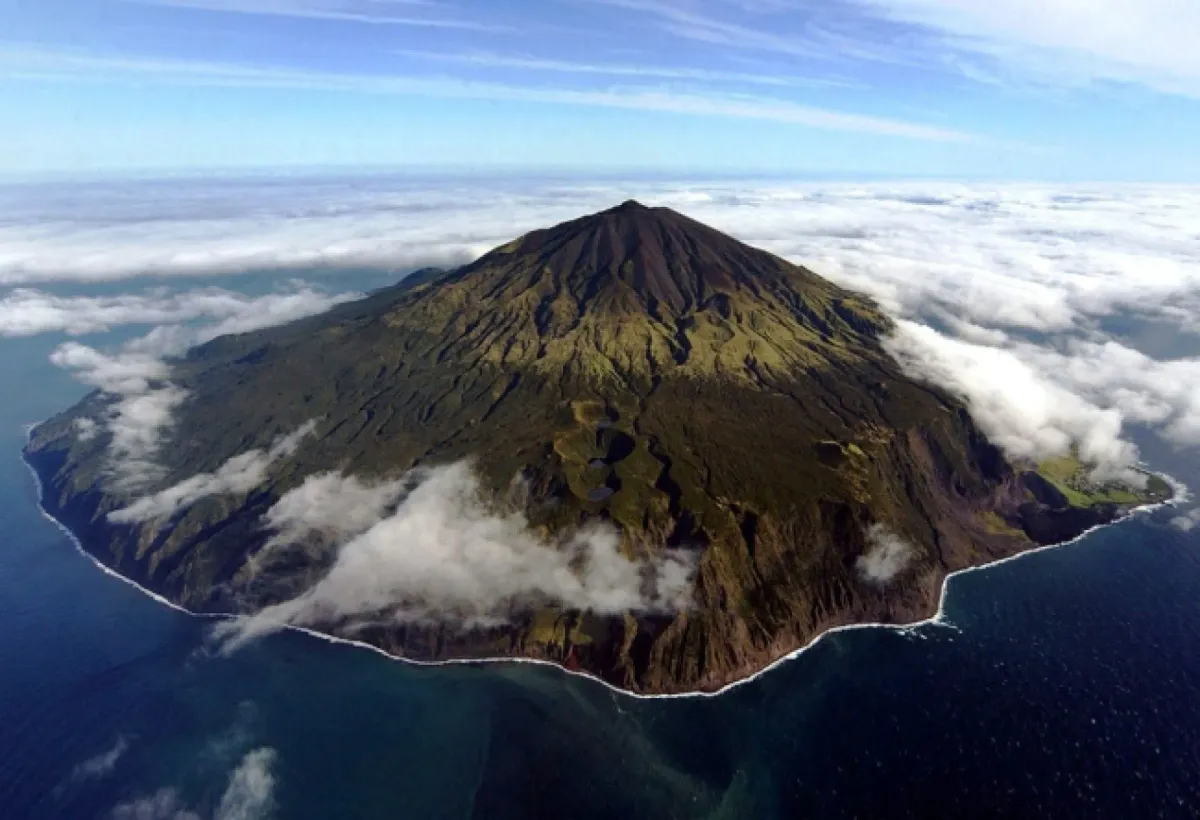
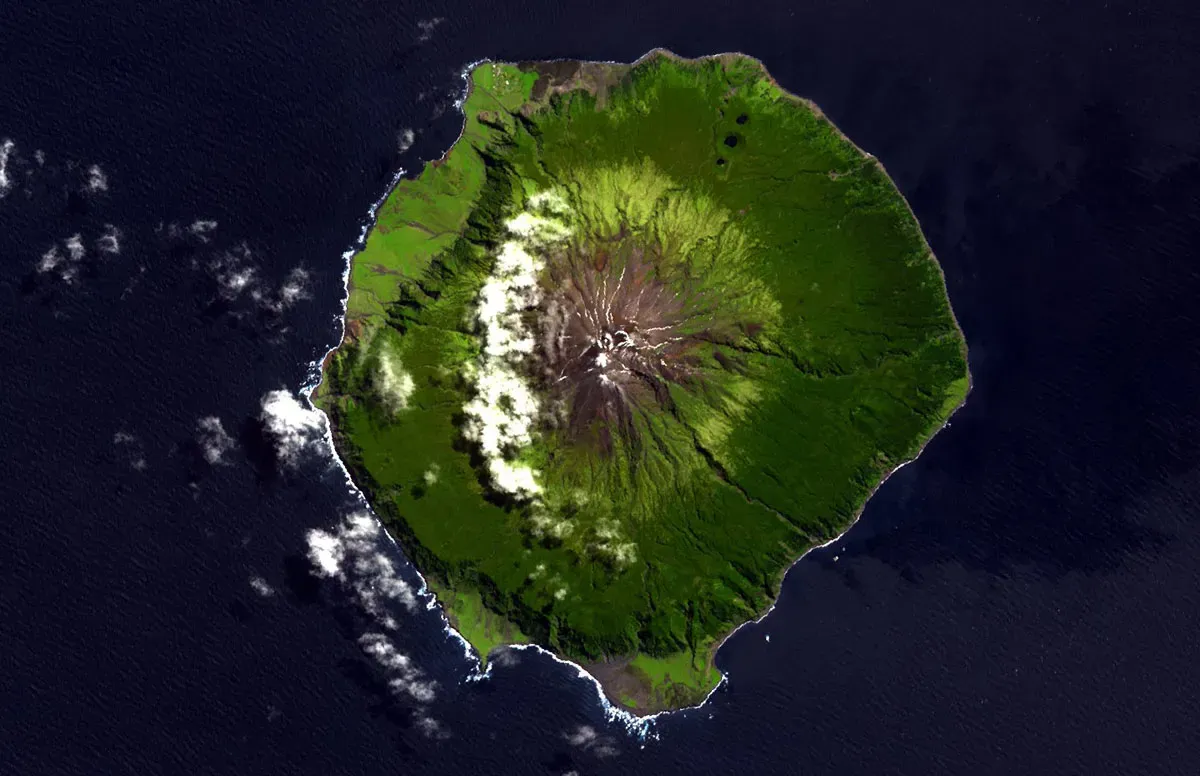
Rising 2,062 meters (6,765 feet) above sea level, Queen Mary's Peak crowns Tristan da Cunha, the most remote inhabited island on Earth. This volcanic giant offers an off-grid adventure that feels nearly impossible in the modern world. There are no airports, no cruise ship docks, and certainly no cable cars. Reaching the summit means earning it the hard way, and that is precisely why the place sticks in people's heads. The views from the top stretch across an empty ocean, the trails are rough and unmarked, and standing atop the world's most isolated inhabited island is a rare thrill that no amount of planning can fully prepare you for.
The island sits roughly 3,000 miles from Cape Town and is home to just 250 residents. Once a Portuguese territory (discovered by the explorer Tristão da Cunha), it is now British. Arriving here alone is an odyssey: typically a 14-day ship voyage across open ocean, and local authorities must grant permission to come ashore. There is no harbor. The journey to Queen Mary's Peak is as much about the voyage as the climb itself, and for those who make it, the reward is a summit experience unlike anything else.
What Makes Queen Mary's Peak on Tristan da Cunha Unique
The appeal of Queen Mary's Peak on Tristan da Cunha is not just its height. It is the isolation. Standing at the summit, the ocean stretches in every direction, an unbroken blue horizon with no other landmass in sight. You feel the actual scale of the planet and your own small place within it. As one visitor put it: the Atlantic before you, green mountains behind, and nothing else demanding your attention.
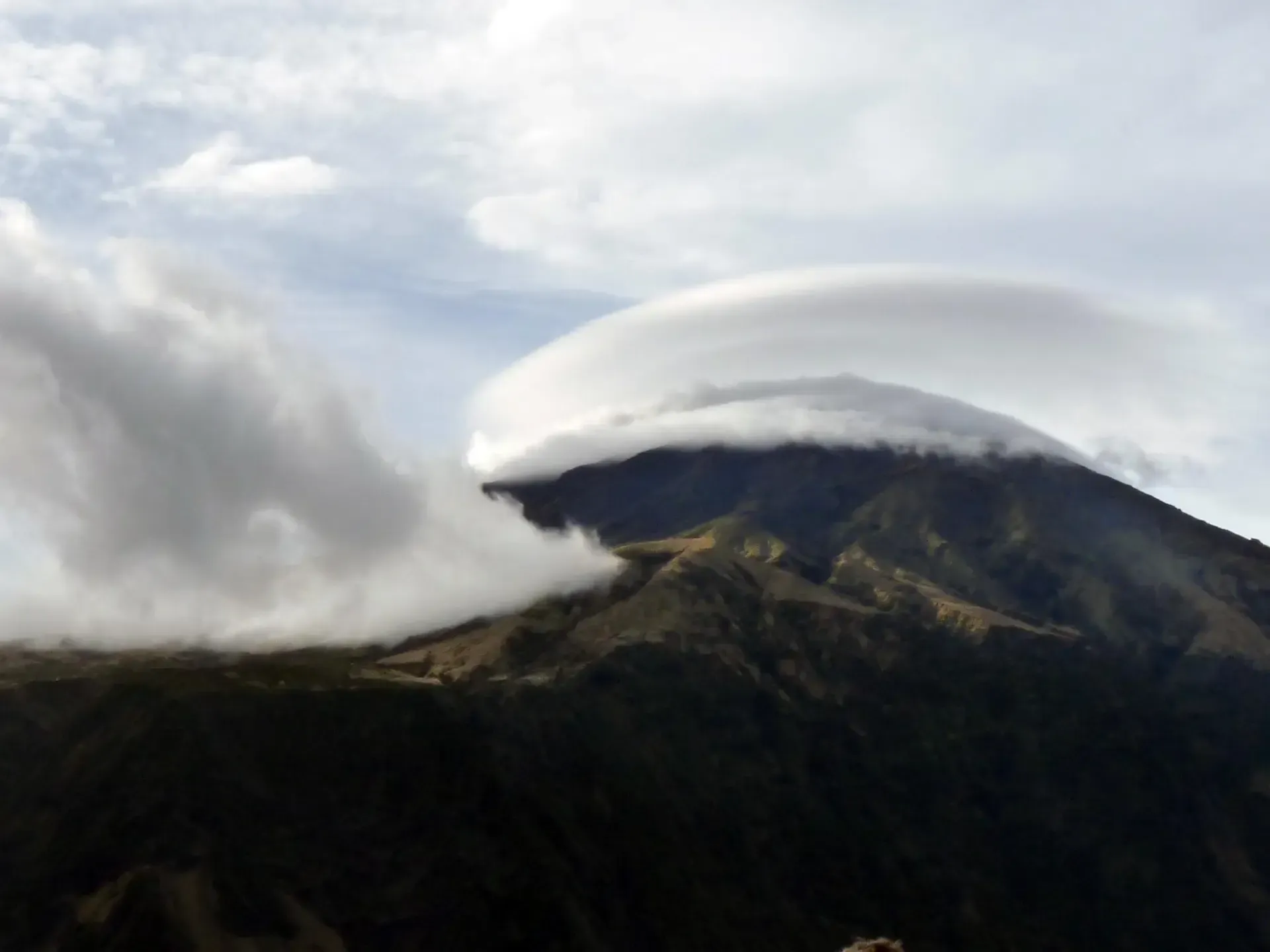
The island's landscape rises sharply from the South Atlantic: a near perfect volcanic cone wrapped in green and cloaked in shifting cloud. It has drawn comparisons to something almost prehistoric, a real-life Isla Nublar, and the look of the place lingers long after you leave. The solitude here is absolute: no internet beyond the settlement, no electricity once you leave Edinburgh of the Seven Seas, no city noise, and mercifully, no invoices. This is the kind of isolation that people trapped in noisy, busy lives actively crave. A perfect place to rest your head and remember what silence actually sounds like.
For some, the fascination begins long before the journey. Map-gazers searching for the most remote corners of the world inevitably zoom in on this tiny speck in the middle of nowhere. Once you know Queen Mary's Peak exists, the desire to stand on it becomes difficult to shake. Even so, as one weary trekker noted wryly, it is the most remote peak on the most remote island in the world. Still not far enough from all your problems.
The Queen Mary's Peak Hike: What to Expect
Where Is Queen Mary's Peak Located and How to Get There
Queen Mary's Peak rises from the center of Tristan da Cunha, a volcanic island so remote that no airplane can reach it. The only way in is by ship. And not just any ship. Visitors typically arrive aboard vessels like the historic three-master De Oosterschelde, which can take 14 days from Santos, Brazil, en route to Cape Town. There is no harbor on the island, meaning disembarkation depends entirely on sea conditions and the approval of local authorities. Permission to come ashore is never guaranteed. This is not a trip for the spontaneous traveler. It demands planning, patience, and a willingness to accept that nature, not your itinerary, calls the shots.
Once ashore in Edinburgh of the Seven Seas (a settlement whose name creates a strange and lovely symmetry for anyone who knows the island was discovered by a Portuguese explorer and now shares its capital's name with the Scottish city), the peak looms directly behind the village. There are no bike docks, no shuttle buses, and no shortcuts. The only way up is on foot. The mountain is beautiful, and despite the total absence of cycling infrastructure, it comes highly recommended.
The Climb Itself
Climbing Queen Mary's Peak is a full-day guided trek (mandatory, not optional) across rugged volcanic terrain. The trail is not technically difficult in the mountaineering sense, but it is relentless. The hours stack up, and the weather can turn on a dime. This is a long walk by any standard, and anyone attempting it needs proper preparation and sturdy footwear. The volcanic rock underfoot is dark and uneven, and in wet conditions (which are frequent), the footing becomes treacherous.
One of the psychological quirks of this hike is the deceptive sense of arrival. As you near what feels like the top, the landscape opens up and the views become incredible. But the summit is still hours away. The mountain teases you with false finishes, each ridge revealing yet another stretch of climbing beyond it. You reach a high point, catch your breath, take in the wild beauty surrounding you, and then realize with a sinking feeling that you still have hours of hiking ahead. It is worth every step, but underestimating the distance is a common and humbling mistake.
At altitude, cell service disappears entirely. There is no WiFi at the top of Queen Mary's Peak, and the signal lower down leaves a lot to be desired. This is a rare and increasingly precious chance to be genuinely unreachable: no notifications, no emails, just the wind and the ocean and the mountain. For those accustomed to constant connectivity, the digital silence can feel unsettling at first, then profoundly liberating.
The Summit and Queen Mary Lake
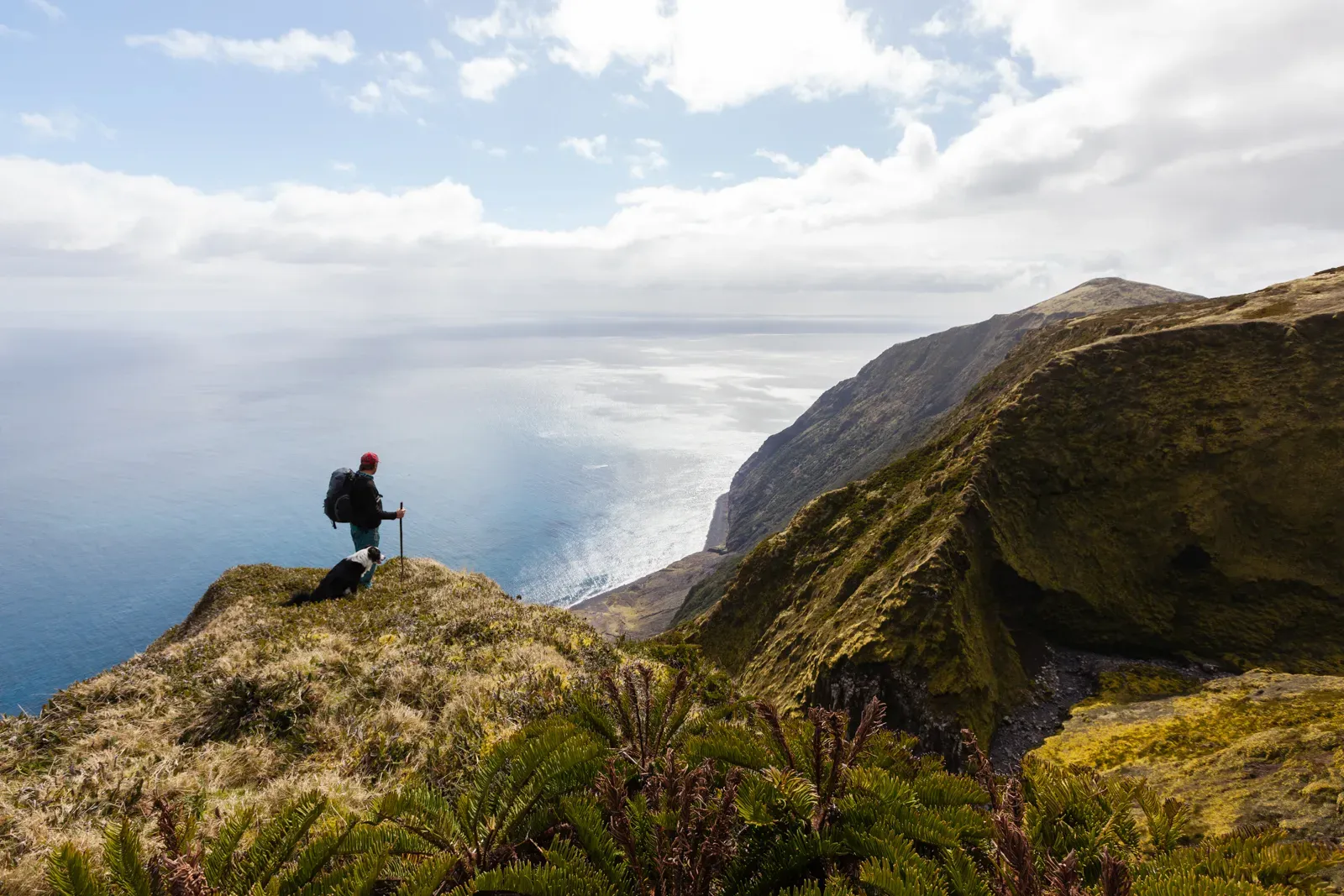
Reaching the summit of Queen Mary's Peak delivers one of the strangest and most humbling panoramas on Earth. The ocean surrounds you completely. You can see it in every direction. On clear days, the curvature of the planet feels almost visible. The sense of standing atop the world's most remote inhabited island, with nothing but water between you and Antarctica to the south, is hard to put into words.
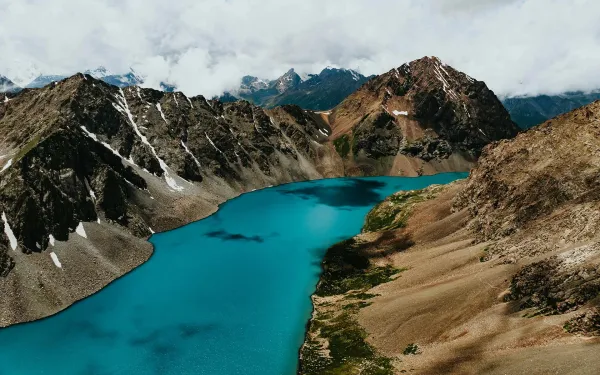
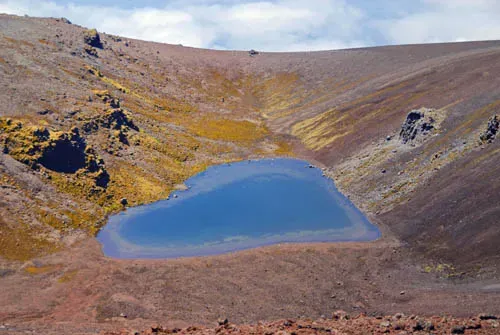
The crater holds Queen Mary Lake, a small body of water with remarkably clear waters, set in volcanic terrain. The lake offers a moment of stillness after the exertion of the climb, a welcome contrast to the grueling ascent. It is a good place to catch your breath and absorb what you have just accomplished. Some visitors have even tried casting a fishing line into its depths, though the lake guards its secrets jealously. Using light gear here is an exercise in optimism, and something big has been known to snap lines in those dark waters.
The atmosphere at the summit carries an eerie, almost charged quality. At night, the wind moving across the volcanic rock can produce sounds that feel uncannily like distant voices. Strange sounds drift through the darkness as if people are talking even though there is no one around. The mountain has a presence, and for those who linger at the crater's edge as the light fades, it is an experience that stays with you long after the descent.
Best Time to Visit Queen Mary's Peak
The austral summer (November through March) offers the most favorable conditions for the Queen Mary's Peak hike. Even during these months, rain is frequent. The peak draws cloud cover readily, and visitors should expect wet conditions regardless of the forecast. Honestly, it is usually rainy on Tristan da Cunha, and the mountain creates its own weather systems. Clear mornings can dissolve into mist and drizzle within the hour.
That said, summer brings longer daylight hours and marginally milder temperatures, giving hikers the best possible window for the long ascent. Outside these months, the weather becomes significantly more hostile, and the island's remoteness means there are no mountain huts or emergency shelters along the trail. Timing the climb for the austral summer is not just about comfort. It is about safety.
Practical Tips for Climbing Queen Mary's Peak
Is Queen Mary's Peak an Active Volcano?
Tristan da Cunha is a volcanic island, and Queen Mary's Peak is its defining volcanic feature. The last significant eruption occurred in 1961, which forced the evacuation of the entire population to England. The volcano is considered dormant rather than extinct, and the island's administrators monitor seismic activity closely. For hikers, the volcanic nature of the terrain is most noticeable in the dark, rugged rock underfoot, the geothermal warmth in certain spots, and the crater formation that holds Queen Mary Lake at the summit.
What to Know Before You Go
First, permission is mandatory. Local authorities control access to both the island and the mountain. Visits must be arranged well in advance, and landing is never guaranteed. Sea conditions can prevent disembarkation even after a two-week voyage. The local laws on tourism are strict, and the process is intentionally difficult, designed to protect both the fragile environment and the small, close-knit community.
Guides are required, too. The trek to Queen Mary's Peak is not a solo endeavor. All hikers must be accompanied by a local guide who knows the route intimately and can read the island's notoriously fickle weather. There are no marked trails in the conventional sense, and the volcanic terrain can be disorienting when cloud descends.
Prepare for total disconnection. There is no WiFi at the summit, limited cell service at lower elevations, and no electricity beyond the settlement. Bring portable power banks, offline maps, and (more importantly) the mental readiness to be fully offline for the duration of the climb. For many, this is the point.
Pack for wet and cold. Rain is common year-round, and temperatures drop significantly with altitude. Waterproof layers, sturdy boots with excellent grip, and warm clothing are non-negotiable. The hike is long: bring enough food and water for a full day on the mountain. There are no facilities, no shops, and no water sources along the trail you can rely on.
Finally, leave no trace. With only 250 residents and minimal tourism infrastructure, the island's environment is pristine and fragile. Everything you bring up must come back down. The beauty of Queen Mary's Peak exists because so few people reach it. Preserving that is a responsibility every hiker shares.
Is Queen Mary's Peak on Tristan da Cunha Worth It?
Queen Mary's Peak on Tristan da Cunha is not the tallest mountain on Earth, nor the most technically challenging. But it may well be the most remote summit accessible to determined travelers. The journey to reach it (by ship across thousands of miles of open ocean) and the climb itself through raw volcanic terrain create an experience that feels earned in a way few modern adventures do.
It is hard to get to, frequently rainy, and governed by strict tourism laws. There is no WiFi, no electricity on the mountain, and no shortcuts. Just a long, beautiful, punishing walk to a crater lake at the top of the world's most isolated inhabited island. None of that matters once you stand at the crater's edge, the South Atlantic stretching endlessly in every direction. For those who crave true isolation and the rare thrill of standing atop one of the world's most unreachable places, the Queen Mary's Peak hike is worth every single step.