Pulau Payar Marine Park Langkawi: Snorkeling With Sharks
Swim alongside baby blacktip reef sharks in knee-deep water at Pulau Payar Marine Park, just an hour by boat from Langkawi, Malaysia.
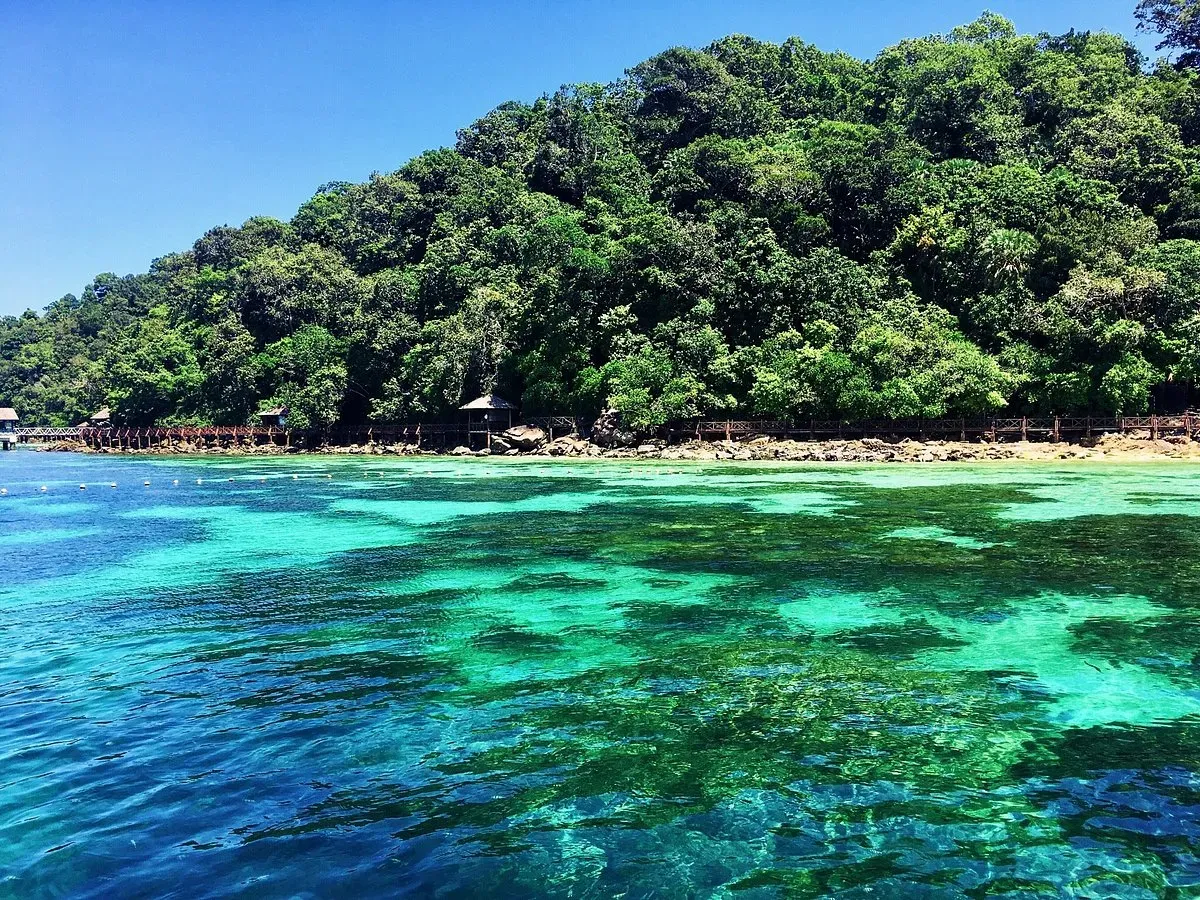
Thirty kilometers south of Langkawi, four granite islands break the surface of the Andaman Sea. Together they form Pulau Payar Marine Park Langkawi, one of Malaysia's most accessible marine sanctuaries. Blacktip reef sharks patrol the shallows here. Sea turtles drift through gardens of coral. And it is all reachable on a day trip. This guide covers what you actually need to know before you go.
What Makes Pulau Payar Marine Park Special
What makes Pulau Payar different is how close the marine life gets. You do not need to swim far. Sometimes you do not even need to go past your knees. Schools of parrotfish, angelfish, and sergeant majors swarm the shallows. Baby blacktip reef sharks patrol the shoreline, gliding past snorkelers in water shallow enough to stand in. I have never seen anything quite like it. This closeness to wild animals, in water that feels safe, is what people remember.
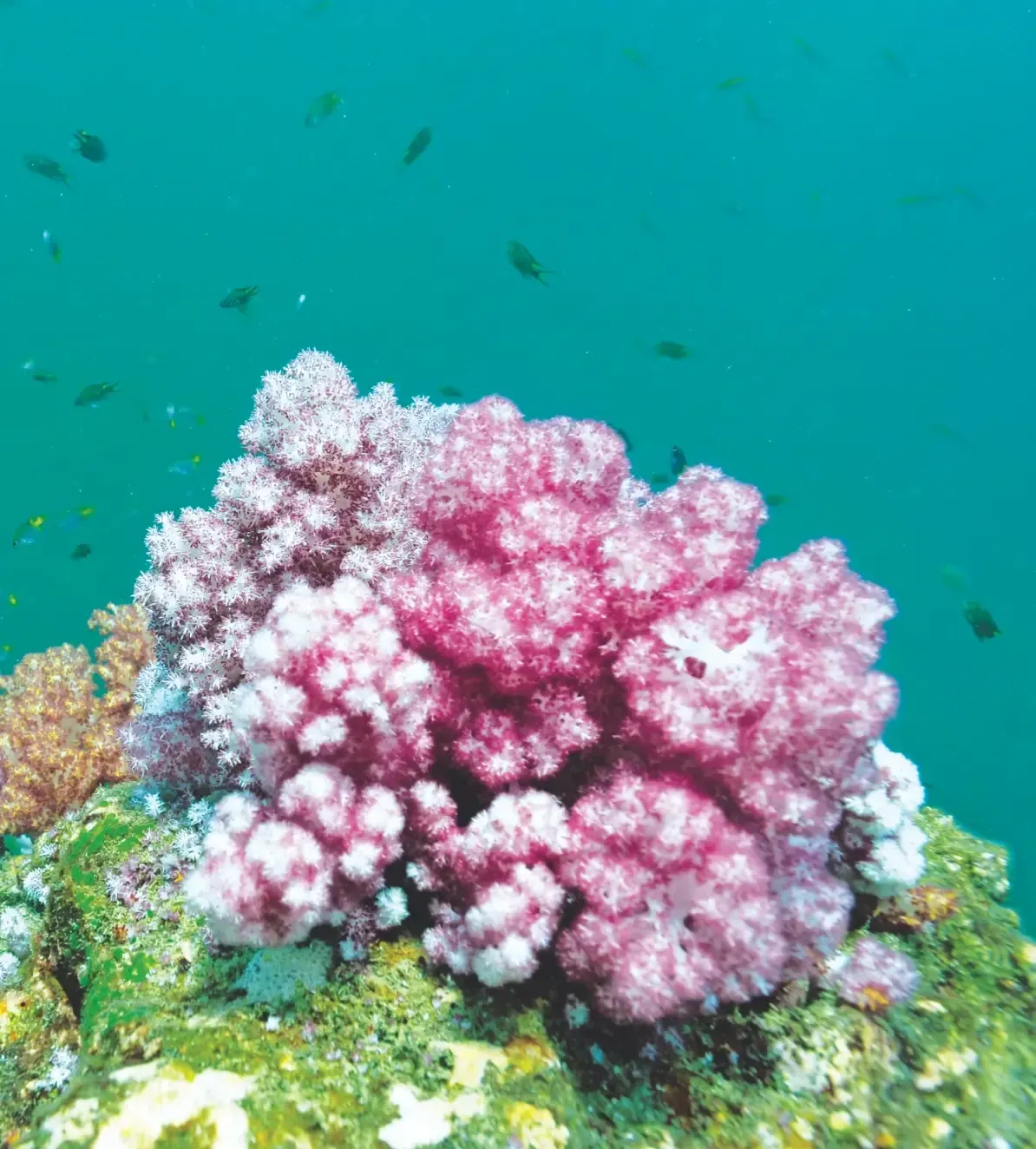
The coral varies from site to site. Some areas are stressed and showing wear. Others are genuinely impressive. Dive sites like Coral Garden and KM Nyireh have bommies covered in soft corals (pink, purple, cream), while Bawah Jetty and Boiler deliver eels, squid, and puffer fish. Some of the puffers are surprisingly large. Visibility usually sits around eight meters. Even in the rougher patches, there is enough life down there to keep you in the water for hours. Pulau Payar is one of Malaysia's oldest marine parks, and the new 100-visitor daily cap suggests someone is finally taking the reef's health seriously.
Things to Do in Pulau Payar Marine Park
A day at Pulau Payar Marine Park revolves around the water. There is not much else to do, and honestly, that is the point. The park is small, activities are concentrated, and the turquoise-green water calls to you the moment you step off the boat.
Pulau Payar Marine Park Snorkeling
Snorkeling is what most people come for, and for most, it is enough. The designated snorkeling areas are packed with fish. Near the beach, even little kids can wade in and watch striped zebra fish and silver jacks circling their ankles. If you book a platform package, you enter from a floating platform and descend straight into deeper water surrounded by larger schools. The beach-entry option is gentler and works better for families. Fish cluster right at the shoreline where the water is calm and shallow.
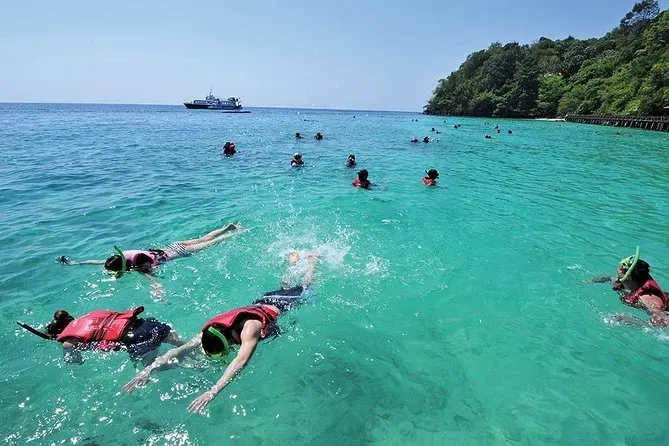
It is not all perfect. Sharp coral fragments and rocks lurk in the shallows. Sturdy water shoes will save you from cuts. Tiny biting creatures sometimes hang out in the water, causing an itching sensation, especially near the platform area and during low tide. Kids seem particularly sensitive to them. These irritations are real but minor. Swimming alongside baby sharks and watching parrotfish gnaw at coral makes it easy to forget them.
Diving in the Marine Sanctuary
If you want to go deeper, the diving here is solid. The park has four main dive sites: Coral Garden, KM Nyireh, Boiler, and Bawah Jetty. Each one looks different underwater. Visibility is not always great, but the descents are still enjoyable, and a master diver stays with beginners on intro dives, which takes the edge off for first-timers.
The Intro Dive package is a good pick if you are not certified. You get a 30-minute assisted scuba dive at limited depth, then unlimited snorkeling for the rest of the day. A master diver stays beside you the whole time, so it is a low-stakes way to figure out if scuba is your thing. After the intro dive, you can snorkel at a second, shallower site while the certified divers go deeper.
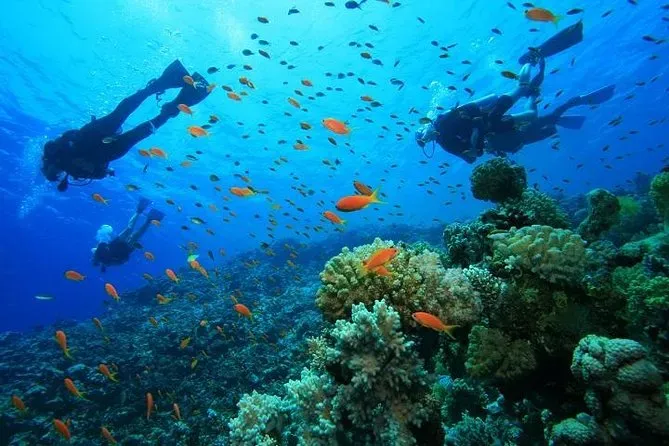
Serious divers should know: this is not Sipadan. Visibility can be mediocre and the coral is patchy. But logging dives at several sites over a couple of days, so close to Langkawi, is hard to beat for convenience.
Beach Time and Island Relaxation
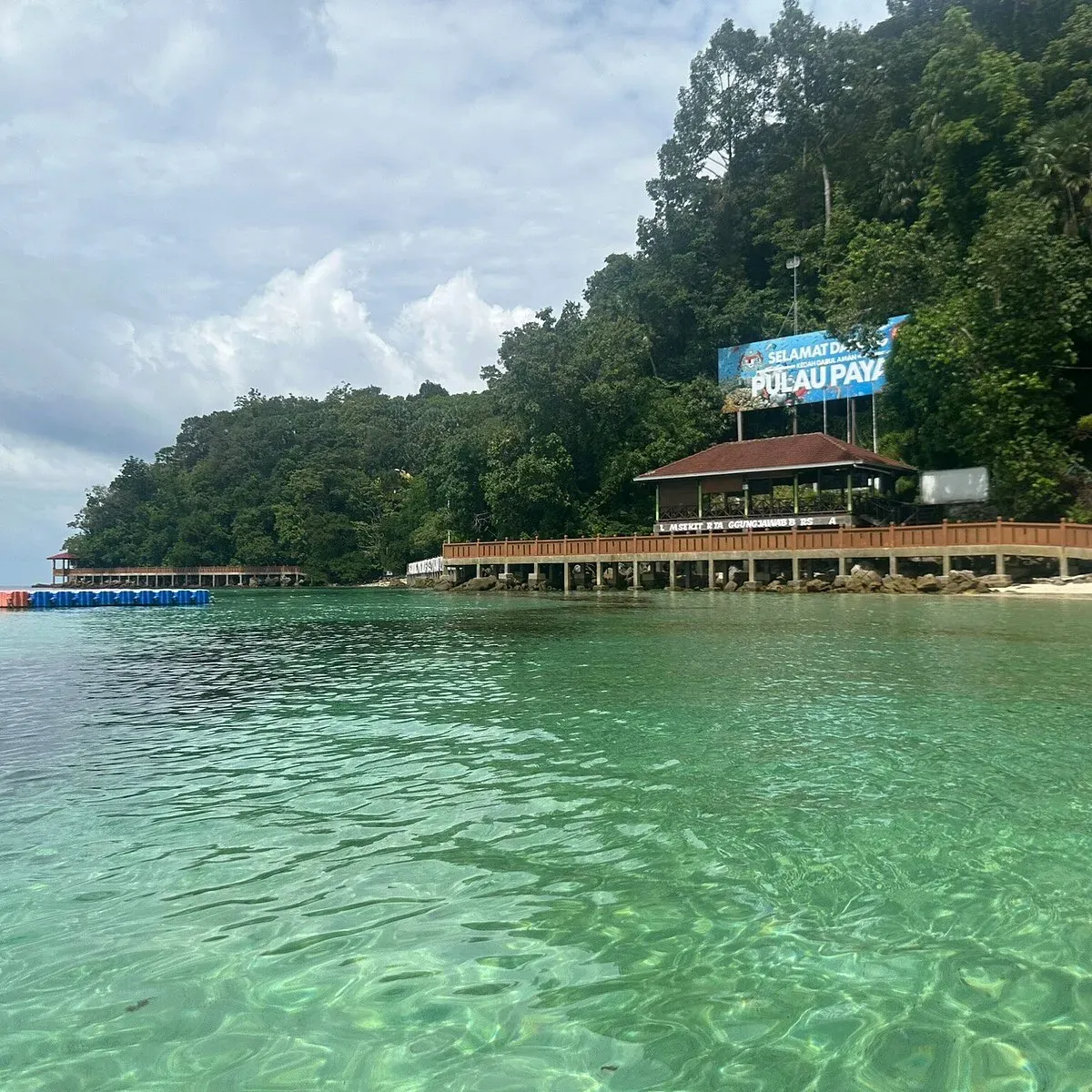
Between snorkeling sessions, the main island's white-sand beach is a place to dry off. It is pretty, not spectacular. A crescent of sand backed by thick tropical greenery. It does the job. There are toilets and freshwater showers, though their condition varies a lot and sometimes they are grim. A few basic rooms exist for overnight stays, but nearly everyone comes on a day trip and leaves by late afternoon. If you are spending three or four days in Langkawi, Pulau Payar is a solid day trip. Calm, full of nature, easy to reach.
Planning Your Pulau Payar Marine Park Day Trip
How to Get to Pulau Payar Marine Park
The marine park sits about 42 kilometers off Langkawi's southern coast. Ferries and speedboats leave from Kuah jetty. The crossing takes roughly an hour and it can get rough. Wind whips up chop that sends spray over the bow. Seasickness is common, so take something beforehand. On cooler or rainy days, the air-conditioned cabin gets uncomfortably cold. Bring a towel or light jacket, especially for kids.
Most tour operators handle everything: round-trip ferry, snorkeling or diving gear, and a packed lunch. Check-in is usually 8:30am at the dive center or jetty, with departure between 9:00 and 9:30am. Boats return to Langkawi around 5:00pm. You come back tired, salty, and with a camera roll full of underwater photos. Operators like Hello Langkawi and Coral Island run regular trips. It pays to compare packages across providers.
One logistical detail worth knowing: after the return trip, change into dry clothes before ordering a Grab. Drivers refuse pickups from wet passengers. Use the changing facilities at the dive center, even if it means squeezing into a storage closet or tiny bathroom. Then walk a short distance away before requesting your ride.
Where Is Pulau Payar Marine Park
Pulau Payar Marine Park sits in the Straits of Malacca, off the southern coast of Langkawi island in Kedah, Malaysia. You can also reach it from Penang, but the Langkawi route is shorter and more common. The park covers four islets: Pulau Payar, Pulau Kaca, Pulau Lembu, and Pulau Segantang. The main island, Pulau Payar, has all the visitor facilities.
Pulau Payar Marine Park Entrance Fee
Tour prices vary by operator and package. The snorkeling beach package typically costs RM130 for Malaysian citizens and RM150 for non-Malaysians, including a packed lunch. The platform package (floating base, buffet lunch, direct water access) runs about RM180 per person. The Intro Dive package, which includes a 30-minute assisted dive and unlimited snorkeling, costs more, though prices vary between operators. Last-minute slots do pop up if you are persistent. Two-person spots have been booked through operators like Ninety Nine Island Diver for RM280 total, even during peak periods.
Not everyone thinks it is good value. For about RM100 more, you could get a two-day, one-night stay on an east coast island with similar underwater scenery. The food (typically simple chicken and rice) gets consistent complaints for being plain and underwhelming. Compare package prices across operators before booking.
Practical Tips for Visitors
Book well ahead. With the daily visitor cap set at just 100 people, spots fill quickly. Bookings open roughly one month before the scheduled visit date, and during peak season you will want to secure yours as early as possible.
Pack wisely. A waterproof phone case (the DRiPRO brand comes recommended) is essential for underwater photos. Water shoes protect against sharp coral and rocks in the shallows where cuts are common. A towel and a change of dry clothes are non-negotiable for the return journey.
Prepare for the boat ride. The crossing can be rough, wet, and bumpy. If you get motion sickness, take something before departure. The air-conditioned interior can feel icy, especially for children, so bring a light cover-up.
Manage expectations on facilities. The toilets and showers on the island are basic at best. On bad days, they are among the worst parts of the trip. Sometimes there is no freshwater for showering or flushing. The changing situation at the Langkawi dive center is similarly cramped. Expect a small bathroom or storage closet.
Stay aware in the water. Tiny organisms sometimes cause itching or biting sensations, particularly around the platform area. Children can be especially sensitive. The baby sharks are harmless and one of the park's best draws, but sharp corals and rocks demand caution. Stay within designated swimming areas, watch children near the shoreline, and avoid touching any marine life or coral.
Best Time to Visit Pulau Payar Marine Park
The best time to visit Pulau Payar Marine Park is November to April, when seas are calmer and visibility peaks. The monsoon on Malaysia's west coast is less dramatic than the east coast, but winds do pick up outside these months. The boat crossing gets rougher and sediment stirs up, cutting underwater visibility.
That said, even in the best months, conditions are never guaranteed. Rough seas can hit on any given day, and visibility can drop regardless of season. The dive operators adjust site selection based on daily conditions (Coral Garden and KM Nyireh some days, Boiler and Bawah Jetty on others), which helps make the best of whatever the weather serves up.
Weekdays are noticeably quieter than weekends. With the 100-visitor daily limit now in place, crowds are less of a problem than they used to be. During Malaysian school holidays and peak tourist months (December through February), booking ahead becomes essential.
Is Pulau Payar Marine Park Langkawi Worth Visiting?
Pulau Payar Marine Park sits in a strange spot within Malaysia's travel scene. It is not the country's most pristine marine environment. Years of heavy visitation have left marks on sections of the reef, and the facilities are basic. People who show up expecting Maldives-level coral perfection will be disappointed, and some visitors do consider it a wasted day. The park was in better shape once. It is not at its absolute best right now. But it is still worth the trip, largely because it sits so close to both Langkawi and Penang.
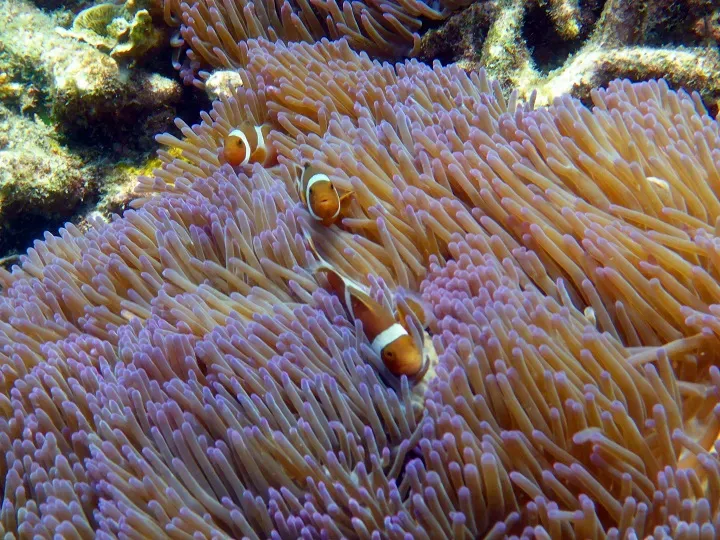
But for most people who go, the park delivers. It is an easy and affordable way to get close to wild marine life. Swimming alongside baby sharks in water clear enough to count the spots on their fins. Watching clownfish dart through anemone tentacles. Floating above gardens of soft coral while parrotfish crunch away below. These moments stick. Families with young kids especially love the beach-entry snorkeling. It is a gentle way into the underwater world. Couples and honeymooners find the island's rhythm romantic in an understated way.
The 100-visitor daily cap has changed things. The park used to groan under the weight of too many visitors. Now it feels calmer. The corals are slowly recovering. Fish are returning in greater numbers. There is a sense of being somewhere protected, not exploited. You can feel it.
If you are spending a few days in Langkawi, the Pulau Payar Marine Park day trip makes sense. It is not perfect. The boat ride can be punishing, the lunch is forgettable, and the toilets test your patience. But step into the water and none of that matters. The sharks will be waiting.