Petra Jordan: Ultimate Rose City Travel Guide
Everything you need to know about visiting Petra Jordan, from beating the crowds at the Treasury to avoiding the horse ride scams. Based on real 2026 visitor experiences.
Why Petra Jordan is worth the hype in 2026
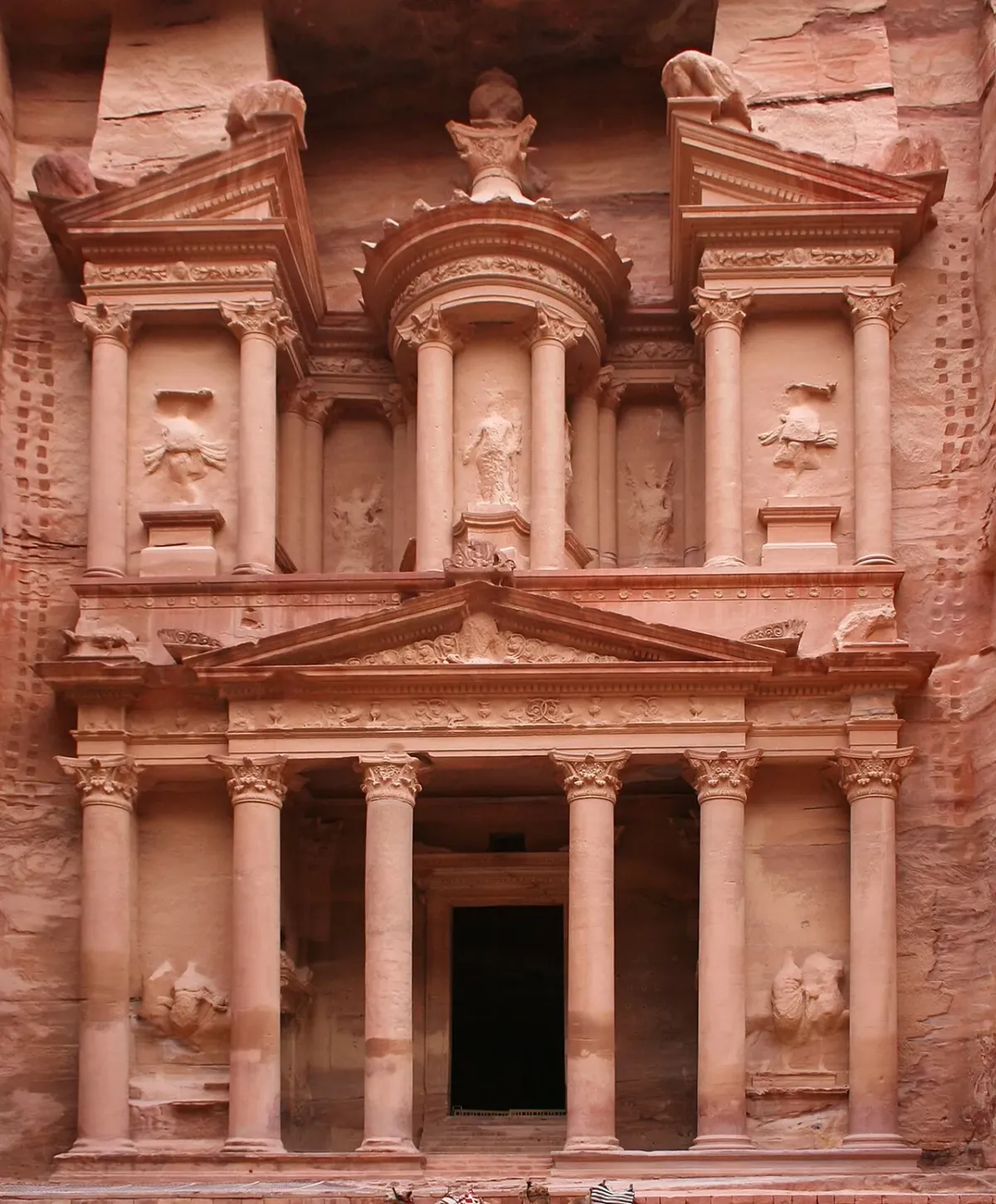
Petra Jordan is one of those places that actually lives up to the photos. The ancient Nabataeans carved this rose-red city into sandstone cliffs over 2,000 years ago, and it remains as impressive today as it must have been to early traders. Named among the New Seven Wonders of the World and topping 2026 travel lists, this UNESCO World Heritage Site draws visitors with its cinematic scenery and massive scale. From the Treasury's famous facade to the 800-step climb to the Monastery, Petra feels both humbling and surreal.
What makes this place special
The ancient city extends far beyond its famous facade. What hits you first is the scale—how the Nabataeans carved entire buildings into solid rock without modern tools. The pink and red hues of the stone shift throughout the day, turning the whole valley into something that looks almost computer-generated. Every turn reveals something worth stopping for: intricate tomb carvings, hidden water channels, or viewpoints that make you pause mid-step.
Beyond the Treasury lies tombs, temples, trails, and viewpoints that show what this civilization could do. The narrow canyon passageways still channel water today through ancient systems that kept the city alive in the desert. Petra does not feel like a museum. It feels like stepping into someone else's world.

First impressions: Walking the Siq
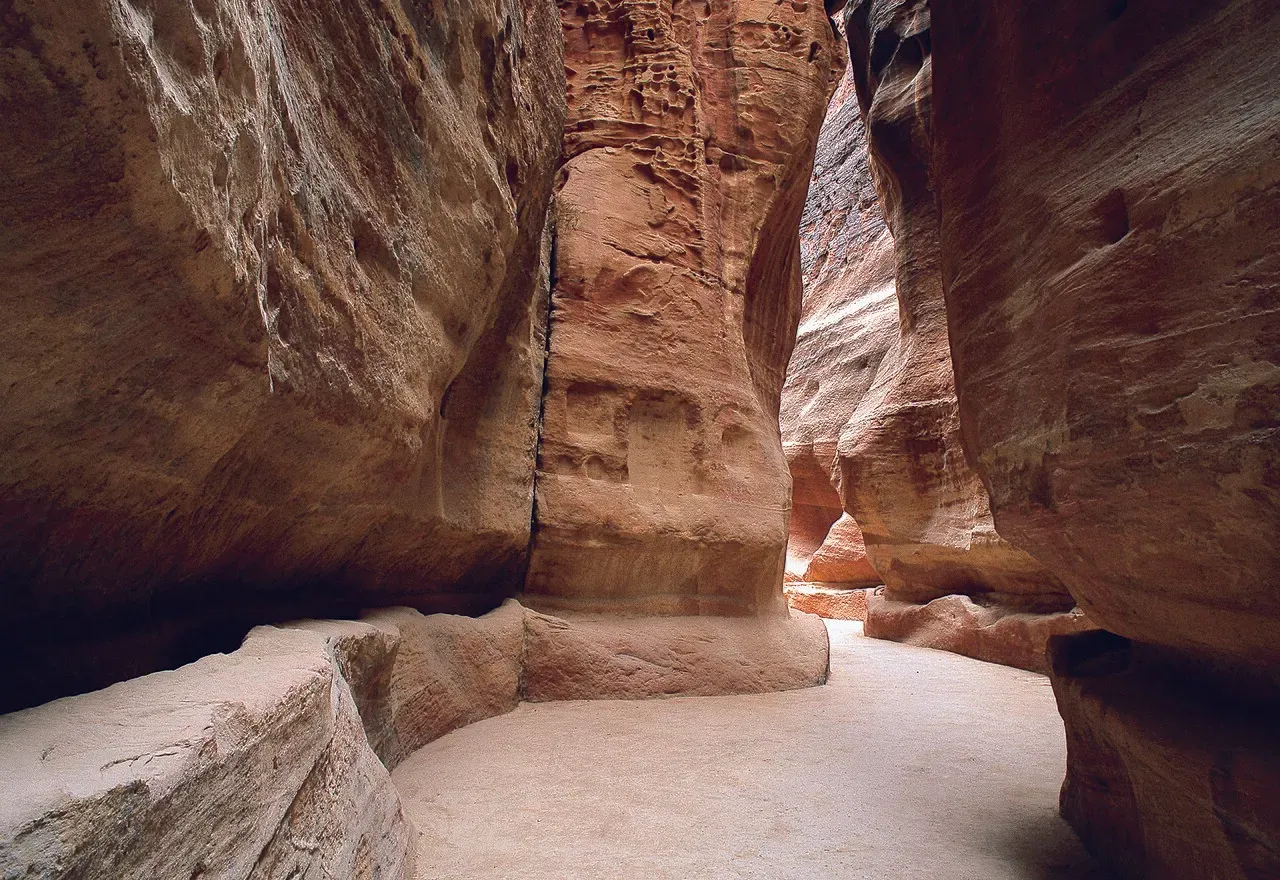
The approach builds anticipation with every step. You walk through the Siq—a narrow gorge with walls that tower overhead in bands of red and orange stone. The passage winds for 1.2 kilometers, and then the Treasury appears through the gap. I had seen thousands of photos before visiting, but the real thing still stopped me cold. The proportions are different than you expect. The detail is sharper. The color is deeper.
Crowds change everything. Groups start arriving around 9:00 to 10:00 AM when coaches roll in. By 11:40 AM, the Treasury area becomes packed with people jostling for photos. Come back around 3:00 PM and you might find only a handful of visitors. The light is better then too—warmer, more golden.
Beyond the Treasury: The Monastery and more
Most people see the Treasury and turn back. This is a mistake. The full hike from the entrance to Ad Deir (the Monastery) covers about 6 kilometers and passes the major highlights along the way. The final climb involves steep steps, but the Monastery rewards you with massive scale and open views across the valley.
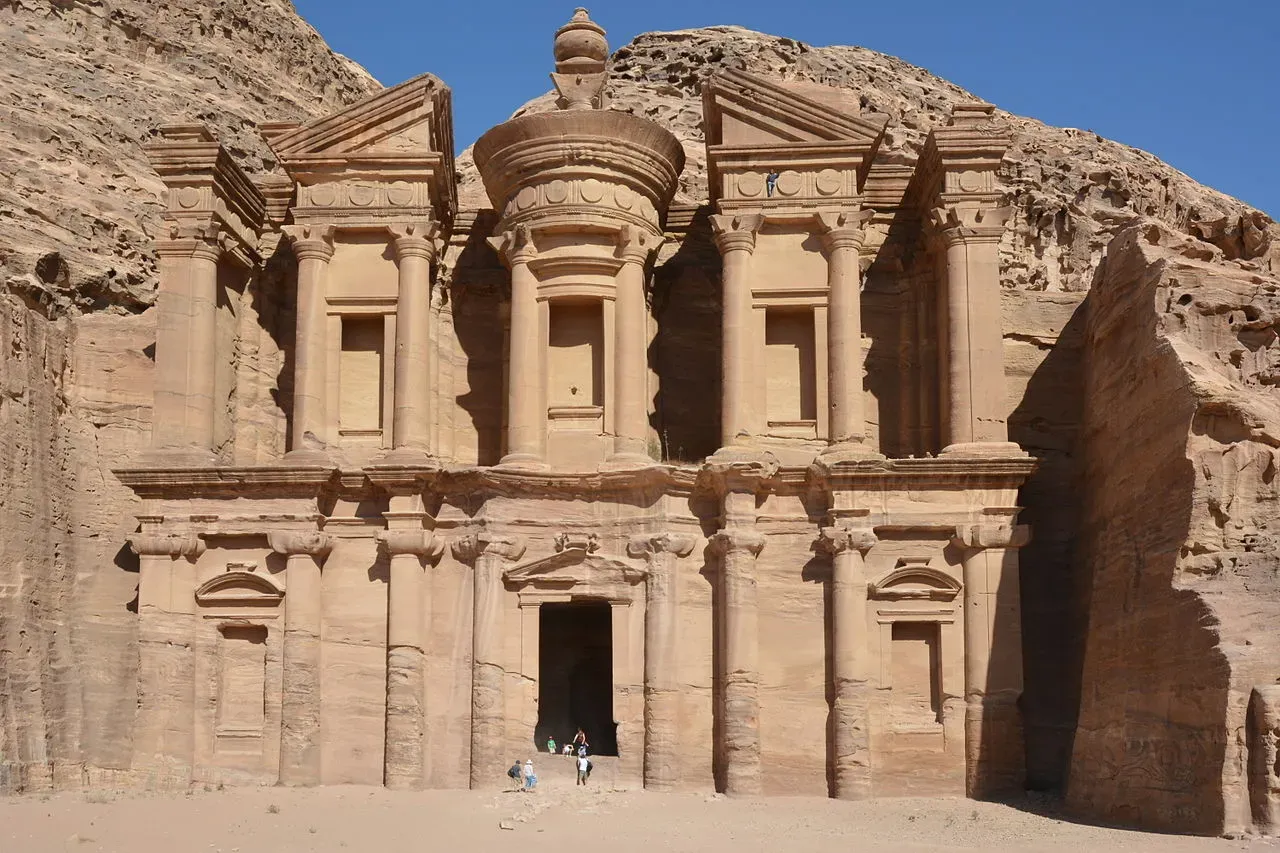
If 8 hours of walking sounds like too much, take a taxi to the back entrance near Little Petra. A jeep shuttles you to the trail start from there, letting you explore the Monastery area without retracing your steps. This cuts out several kilometers of walking.
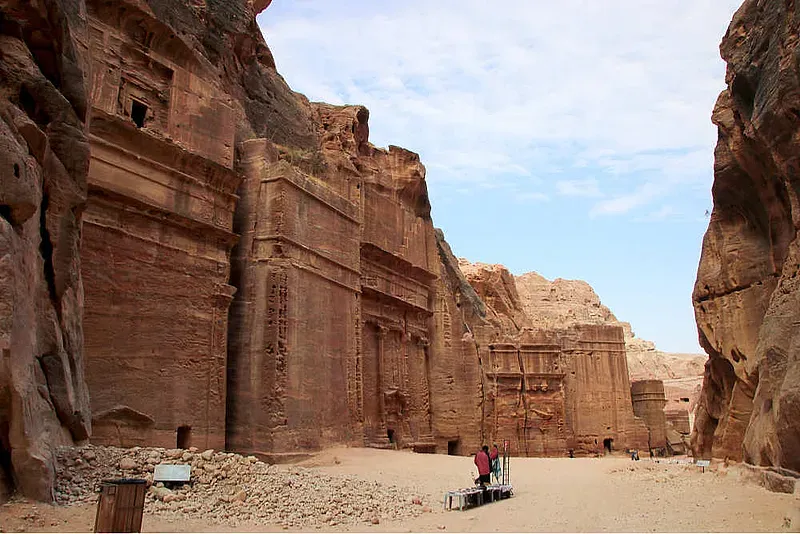
The Street of Facades—rows of tomb fronts lining the valley—shows how many wealthy Nabataeans buried their dead here. You can still see the remains of public spaces, homes, temples, and the water systems that made life possible in this canyon.
Practical tips for visiting
Arrive early
Start at 6:00 AM when the gates open. This gives you the Treasury nearly alone before the tour buses arrive. The light is softer then too.
The Jordan Pass
Buy the Jordan Pass before you arrive. It covers Petra entry (which costs 50 JD otherwise) and includes access to other sites across the country. If you have the pass, you still need to collect an official ticket with QR code at the main building when you arrive.
Avoid the horse scam
The "free" horse rides at the entrance are a trap. The ride lasts 5-10 minutes—barely 200 meters—before the handler demands 5-10 JD or more. One visitor reported paying 70 JD total after being pressured. Book guides officially at the main gate, not from random people approaching you on the road.
Golf carts and mules
Golf carts cost 15 JD one-way or 25 JD return for a 10-20 minute ride. Mule rides to the Monastery run 35 JD and save your legs if time is tight, but walking gives you the full experience and keeps money in your pocket.
Animal welfare
Many horses and donkeys here do not look well-cared-for. Watching them struggle in the heat and dust is hard. This bothered me more than I expected.
Facilities
Food shops, toilets, and restaurants line the main paths. Parking in front of the main gate is free.
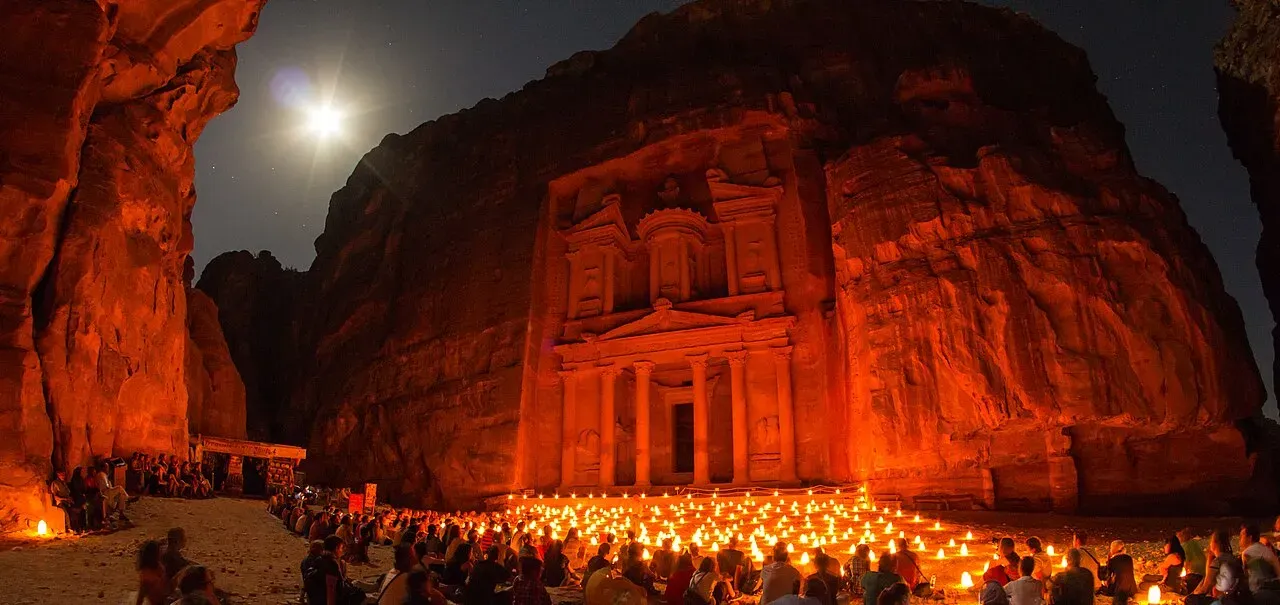
Petra by Night
Returning after dark is worth it if you have time. The Treasury lights up with hundreds of candles under the stars. The atmosphere changes completely.
Is Petra good for families?
Yes. Children as young as 7 or 9 can walk the Siq to the Monastery without issues. The paths are manageable with places to rest. The walk from the main gate to the Treasury takes 30-40 minutes at a relaxed pace.
It feels like a real adventure without being dangerous. You can adjust your pace and turn back whenever energy runs low.
Best time to visit
Visit between March to May or September to November for the best weather. I visited in January and found mild temperatures and far fewer tourists. The trade-off was wearing a jacket, but having space to myself was worth it.
Summer heat makes the walking brutal. Avoid June through August if possible.
Plan for at least three hours of walking to see the main sites. A full day lets you cover everything properly. Two days still feels short if you want to hike all the trails. One day works if you stick to the main attractions.
The reality of site management
Petra is stunning, but the management has issues worth knowing about. Electric golf carts zip through the Siq at high speeds, forcing you to dodge them constantly. Most of the Siq has been paved over, losing some original character. Across from the Treasury, tourist shops and persistent vendors selling cheap souvenirs interrupt the historical atmosphere.
Sellers approach you constantly with horse rides or requests to "support local women." It becomes exhausting. Follow the designated paths and take your trash with you. This place deserves respect despite the commercial pressure.
Final thoughts
Petra is one of those rare destinations that genuinely lives up to its reputation. Despite being one of the most famous archaeological sites on earth, it does not feel fake. You walk through history here. You feel small in the best way.
The rock-cut architecture, the intricate carvings, and the sheer scale make this worth the trip. If you are visiting Jordan, do not skip Petra. Arrive early, stay patient with the hassles, and let the rose-red city speak for itself.