Maasai Mara National Reserve Kenya: Complete Safari Guide
Planning a Maasai Mara National Reserve Kenya safari? This guide covers the best time to visit, how to choose good guides, and what to expect from the Great Migration and Big Five sightings.
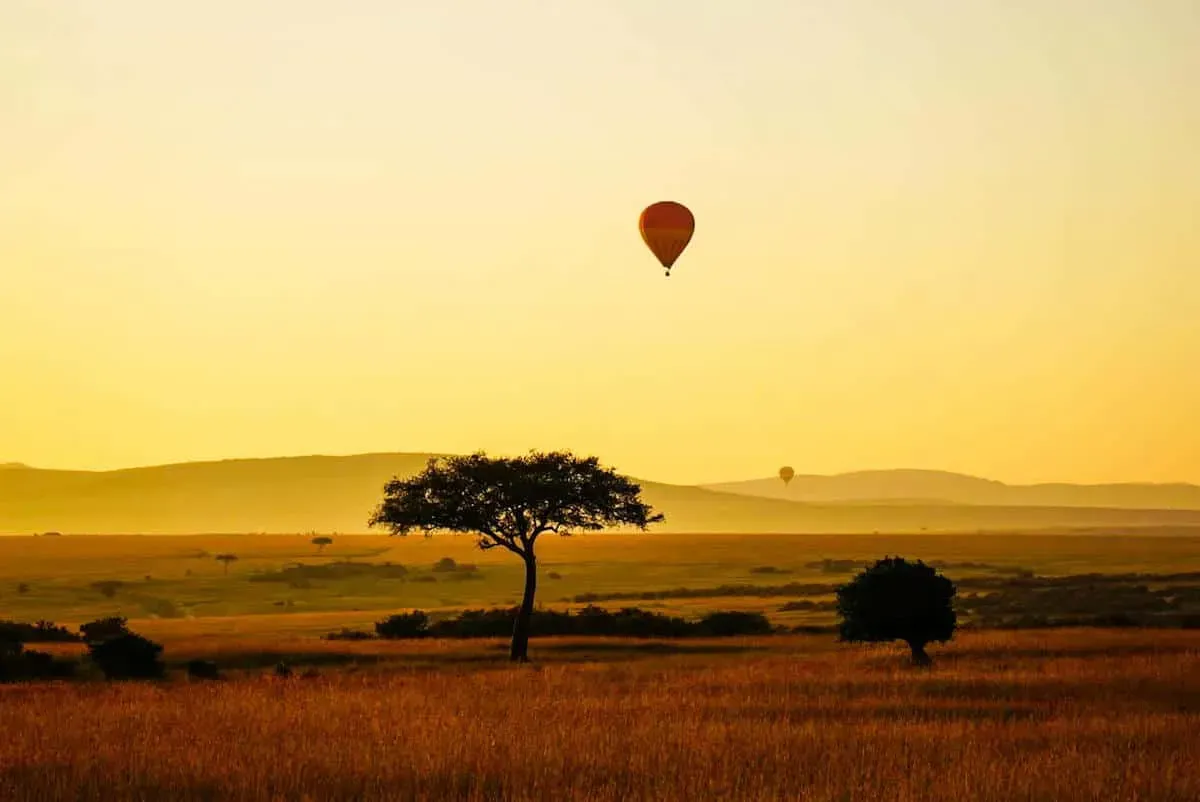
The dry season in June brings solid game viewing to Maasai Mara National Reserve Kenya. The grass is lower then, which makes spotting animals easier, and the weather tends to cooperate. This reserve in southwestern Kenya covers open savanna plains dotted with acacia trees. Wildlife concentrations here are among the highest in East Africa, which explains why people keep coming back.
You can visit to catch the Great Migration, to tick off the Big Five, or simply to sit somewhere and watch how the land works. Whatever brings you here, the place tends to stick with you longer than you expect.
What Makes It Special
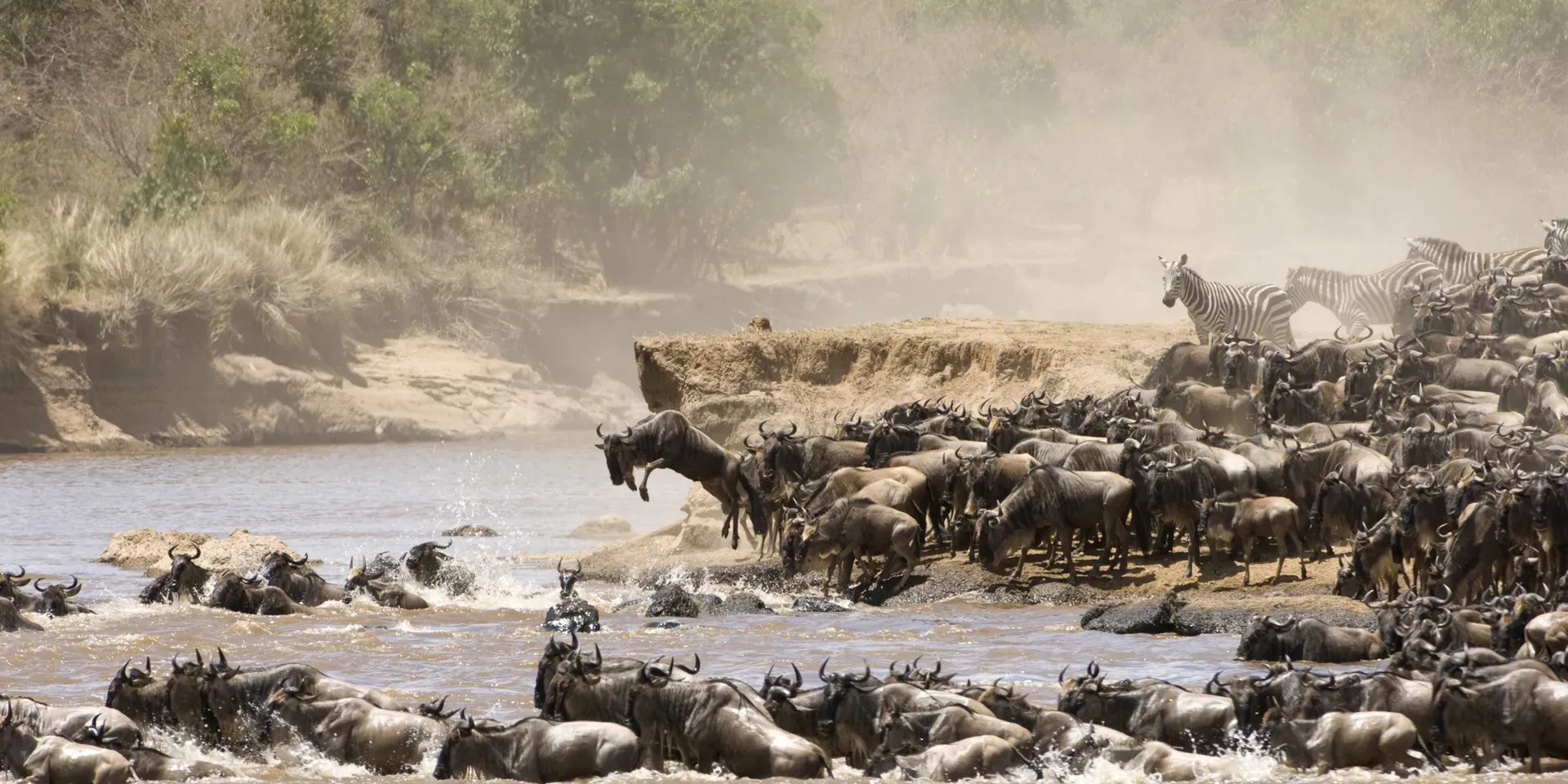
The Maasai Mara is wide, open country. Long horizons, big skies, and a sense that the land was there before us and will carry on after. For many visitors, the landscape itself feels familiar in the bones, even though the animals are completely different from anything they've known before. The scale and quiet create something hard to name. When the engines cut and the wind moves through the grass, there is no noise, no nonsense. Just land and life doing what it has always done.
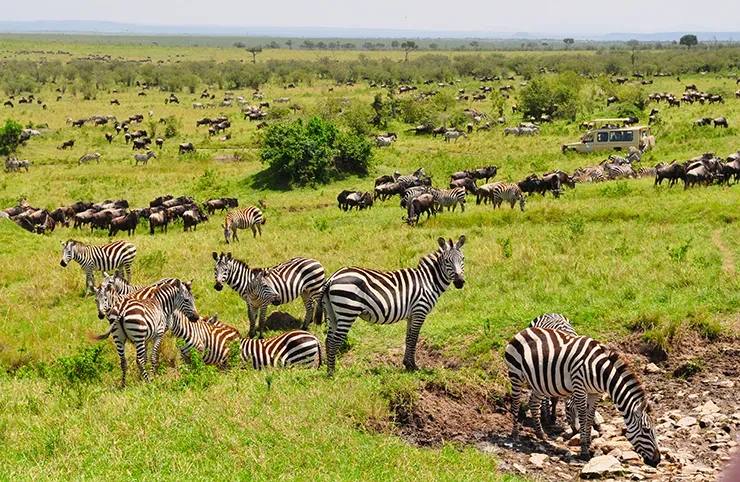
What sets this reserve apart is how the various animals and birds share the space. Lions rest in the grass like old hands who know they belong there. Wildebeest move across the plains in numbers you struggle to wrap your head around. Giraffes move slow and steady, creating the same calm feeling you get watching livestock drift across a paddock. Nothing feels rushed or forced. It all unfolds in its own time.
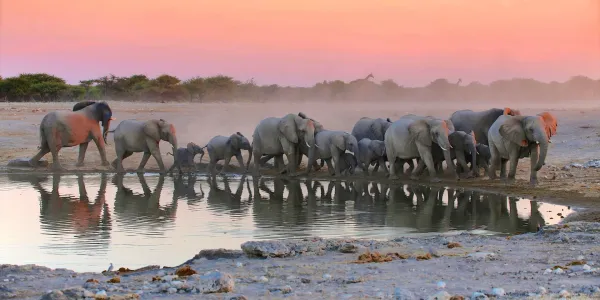
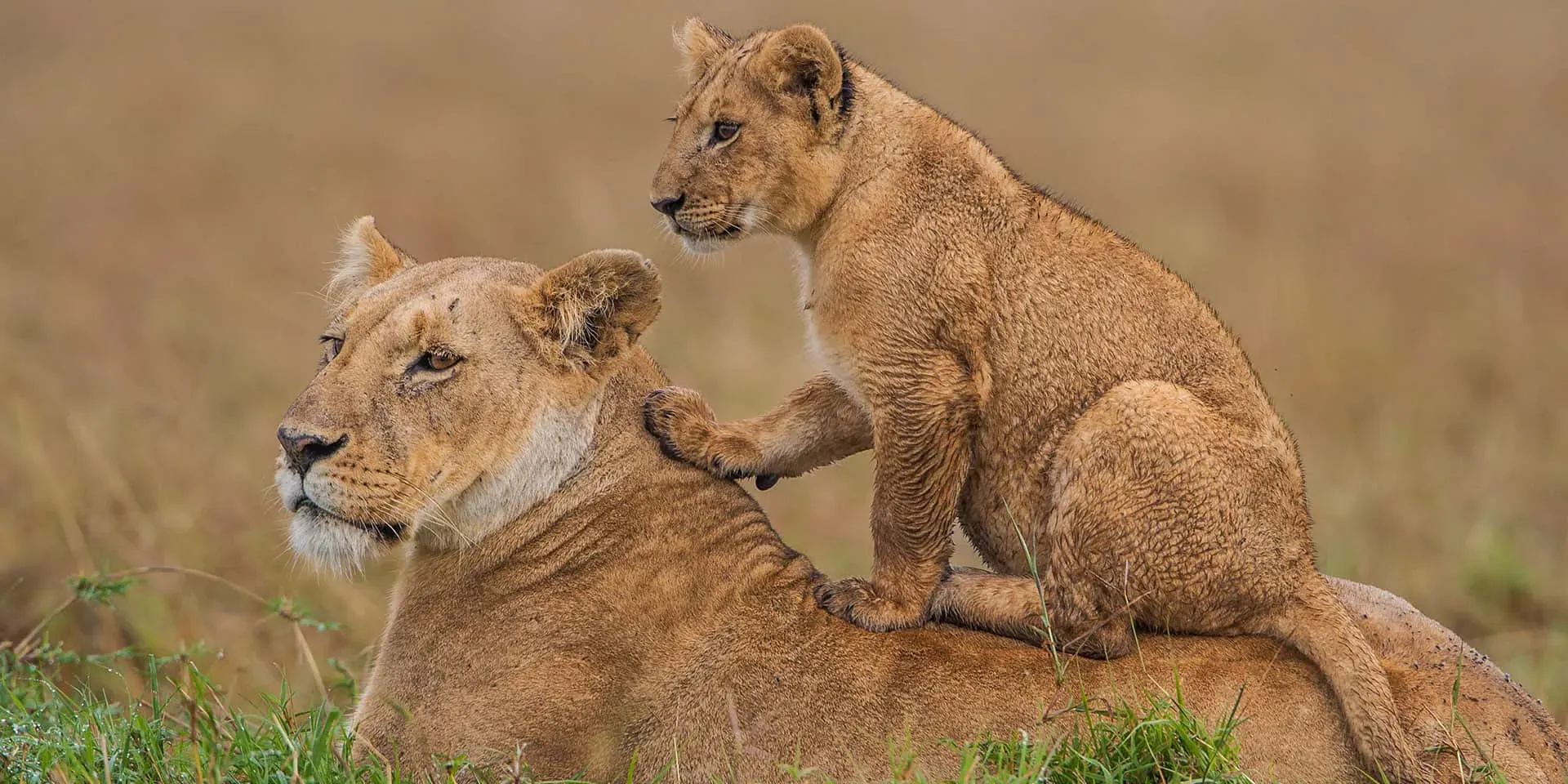
The wildlife sightings are frequent and good. Visitors regularly report seeing prides of lions with cubs, herds of elephants, towers of giraffes grazing against the horizon, leopards with their cubs, and cheetahs in action. For cat enthusiasts, the variety is unmatched. Serval cats, coalitions of male lions, and solitary leopards all share this territory. Even hyenas, baboons, and hippos, heard at night when staying inside the park, add to the density of life here.
Things to Do in Maasai Mara National Reserve Kenya
The heart of any visit is game drives, typically organized for sunrise and evening when wildlife is most active. But to really appreciate a place like this, you need to slow down and let the environment sink in. Spending three days inside the park allows the magic to settle. There is something moving about watching animals in their own territory, observing their natural rhythms and survival instincts.
Game Drives and Wildlife Tracking
Full-day game drives with packed breakfast and lunch offer the most comprehensive experience. The Land Cruisers used here are specially equipped with detachable tops and good suspensions for rough rides, making them comfortable even on bumpy terrain. Staying near Talek Gate proves particularly convenient for early morning and full-day excursions, positioning you well for the best wildlife encounters.
The excitement of the chase, watching guides communicate through radios to locate animals, positioning vehicles for good photographic angles, and anticipating movements, adds energy to every drive. Some visitors have witnessed extraordinary moments: four lionesses forming tactical plans to hunt warthogs, prides feasting on buffalo after early morning hunts, and even lions mating at sunset after patient waiting.
The Great Migration Experience
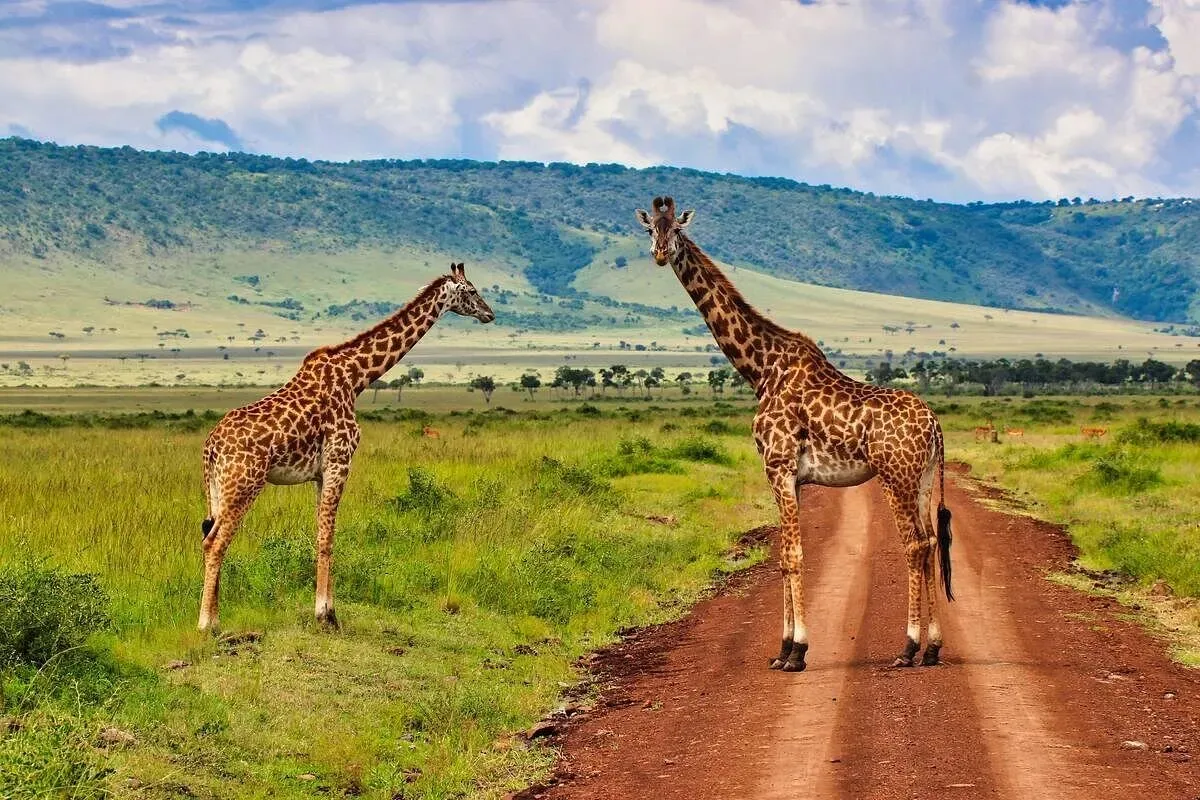
What is Maasai Mara National Reserve known for? Above all, it is the Great Migration. Watching thousands of wildebeest and zebras cross the plains is something else entirely. The energy, the wildlife, the colors feel like stepping into the actual Lion King. The magnitude of animals moving together creates a spectacle you will not find anywhere else.
However, timing matters. The best time to witness this phenomenon is July through August, after the monsoon when the park turns green and the herds arrive. September visits can still yield incredible wildlife sightings even if the main migration has passed. December presents a different face, the land covered in yellow dried grass, with different animals visible and a more subdued but equally authentic experience.
Hot Air Balloon Safaris
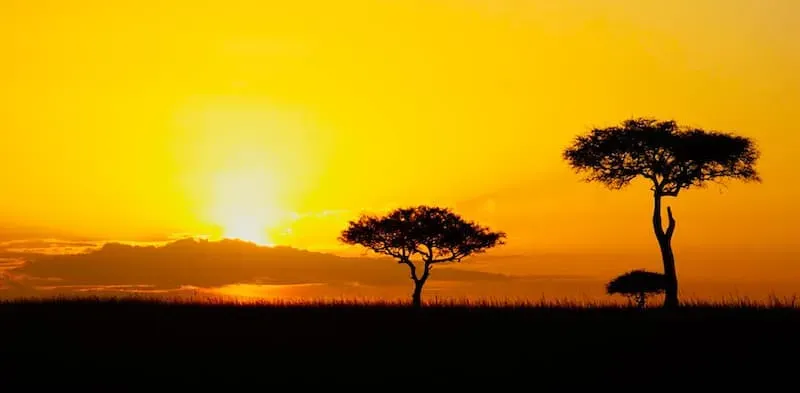
Hot air balloons float frequently over the reserve, offering a bird's-eye view of the savanna and wildlife below. Floating over the Maasai Mara at sunrise, with acacia trees silhouetted against the morning light, shows you the landscape from a completely different angle.
Best Time to Visit Maasai Mara Kenya
The best time is June to October, with the peak in July through August when the Great Migration is in full swing. During this period, the park turns lush and green after the monsoon, and wildlife concentrations reach their highest levels.
Do not dismiss the off-season. October visits still deliver amazing scenery and abundant wildlife throughout the reserve. Early January surprises many visitors with unexpectedly green landscapes, a stark contrast to the gold savannah grass seen in documentaries. Even December, with its yellow dried grass, offers excellent predator sightings and a different but equally compelling atmosphere.
The migration pattern means that early morning hunts by lions typically happen before most visitors arrive. Planning accordingly with early starts maximizes chances of witnessing raw nature in action.
Practical Tips for Your Visit
How to Get to Maasai Mara National Reserve Kenya
Most visitors arrive via a jeep ride from Nairobi, a journey that can be tiring but leads to real tranquility upon arrival. The reserve is accessible from international destinations, making it an easier safari destination to reach than many alternatives. For those staying near Talek Gate, convenience for early morning drives is maximized.
Is It Safe to Travel to Maasai Mara?
The reserve is generally safe for visitors, though families with children should consider accommodation carefully. While options exist to stay inside the park, some travelers find this risky for families with young children. Staying at lodges just on the park boundary, like Simba Mara Lodge, offers good facilities with added security and convenience.
Choosing Your Guide
A safari experience is only as good as the guide, ranger, and driver. This matters more than most people think. Good guides know the names and behaviors of all animals, can anticipate movements, position vehicles well for photographic opportunities, and communicate effectively with other drivers through radios to locate wildlife quickly.
Be aware that some drivers do not follow the rules and get too close to animals. During lion hunting times, drivers calling others through walkie-talkies can cause many vehicles to rush to spots, clearly disturbing the animals. Choose safari companies that prioritize ethical wildlife viewing practices.
What to Pack
- Warm layers: Mornings can be cold, especially during early game drives
- Sunscreen and hats: Daytime gets sunny and exposure is constant
- Insect repellent: Essential. There are lots of flies, especially near certain areas
- Patience: The best sightings often come to those who wait
Entrance Fees and Costs
The entrance fee is high for foreign visitors, though most agree the experience is worth the investment. The park itself is expensive, and at peak times it can become crowded. Factor this into your expectations and planning.
Wildlife Expectations
While the Big Five are a major draw, manage expectations about rhinos. They are practically nil in this park and rarely seen. Hippos remain in the water during daytime, only coming out to graze late evening or night, when their calls create an unforgettable atmosphere for those staying inside the park. Leopard sightings require luck but are possible, especially with experienced guides who know where to look.
The Maasai Mara Activities That Define the Experience
Beyond traditional game drives, the Maasai Mara offers activities that deepen connection with this landscape. Breakfast in the wild after a sunrise safari combines food with uninterrupted views. Simply sitting in silence as the wind moves through the grass creates moments of reflection impossible to replicate elsewhere.
The reserve rewards those who communicate their wildlife priorities to guides. Whether you are seeking lions, leopards, cheetahs, and serval cats, or fascinated by how different species share territory, expressing these interests helps guides tailor the experience.
Final Thoughts
The Maasai Mara feels honest. It is powerful in a quiet way, and it humbles you. It is a place you can drive through every day and never be disappointed. Whether visiting during the Great Migration or during quieter months, the open plains, big skies, and animals living freely in their natural space create something you do not forget. The feeling stays with you.
For wildlife lovers and newcomers alike, the Maasai Mara makes you fall in love with safari travel. With its high concentrations of wildlife, landscapes that shift with the seasons, and the raw authenticity of nature unfolding at its own pace, this is a place that changes you. Plan wisely, choose your guide carefully, pack appropriately, and prepare for an experience that stays with you for life.