Death Valley California: 2026 Visitor Guide to America's Hottest Wilderness
Death Valley California delivers America's most extreme wilderness. Salt flats shimmer, wildflowers bloom against all odds, and stargazing here hits different. Just bring three times more water than you think you need.
Death Valley California Is America's Most Otherworldly Wilderness
Death Valley California is one of the most extreme destinations in the American Southwest. As the hottest, driest, and lowest national park in the United States, this desert wilderness gets attention for its spring wildflower super blooms, surreal terrain, and bucket-list adventures for 2026.
The moment you enter the park, the landscape shifts into something from another planet. Towering mountains frame vast salt flats. Sand dunes shift with desert winds. Colorful badlands shimmer in the crisp desert light. This is a living classroom, a photographer's paradise, and a soul-stirring escape where solitude and grandeur exist in balance.
What makes Death Valley California special: more than just extremes
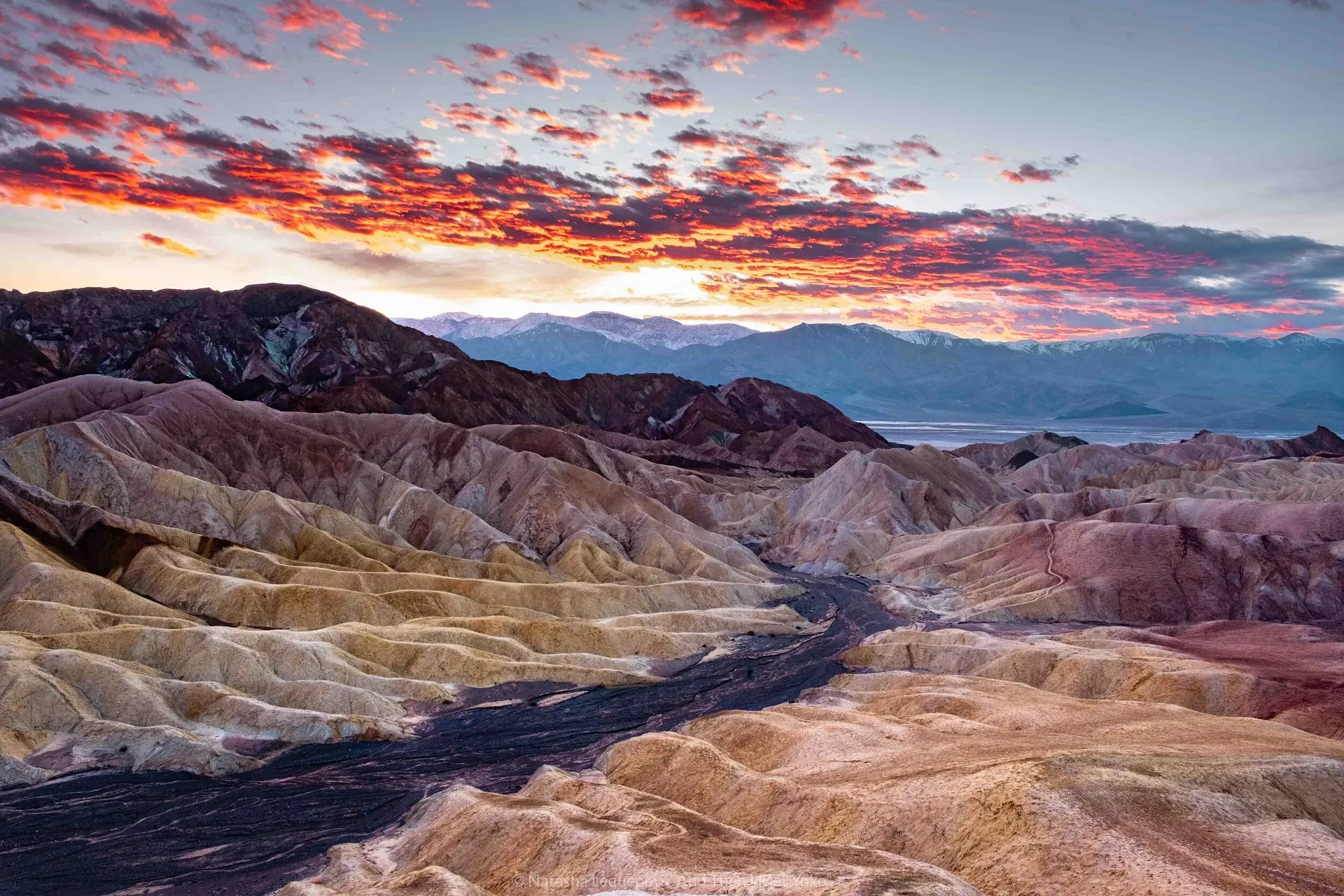
The beauty of Death Valley California lies not only in its vistas but in its variety. You experience multiple deserts here. Rocky moon-like stretches give way to crystalline salt flats, then to golden sand dunes and arid stretches covered in drought-resistant vegetation. The vastness is humbling. Standing on one mountain summit overlooking the expanse to the next range makes you acutely aware of nature's scale.
Despite its reputation for harsh conditions, the park teems with resilient life. Look closer in hidden side canyons and desert washes. You will find tiny fish thriving in improbably shallow streams, and tortoises that spend most of their lives underground waiting for infrequent rainstorms. When conditions align, wildflowers rush to display their colors before the heat arrives. Tenacious golden blooms carpet the valley floor against all odds.
The park maintains excellent infrastructure with clear signage, safe overlooks, and accessible paths. Several hikes are ADA accessible. Rangers provide programming and guidance, offering fascinating insights about geology, wildlife, and the resilience of life in one of the harshest environments on Earth.
Things to do in Death Valley California: the essential experience
With elevation ranging from 282 feet below sea level at Badwater Basin to nearly 6,000 feet in the mountains, a strategic approach helps maximize your visit. Here is how to experience the park's most compelling offerings.
Iconic viewpoints and landscapes
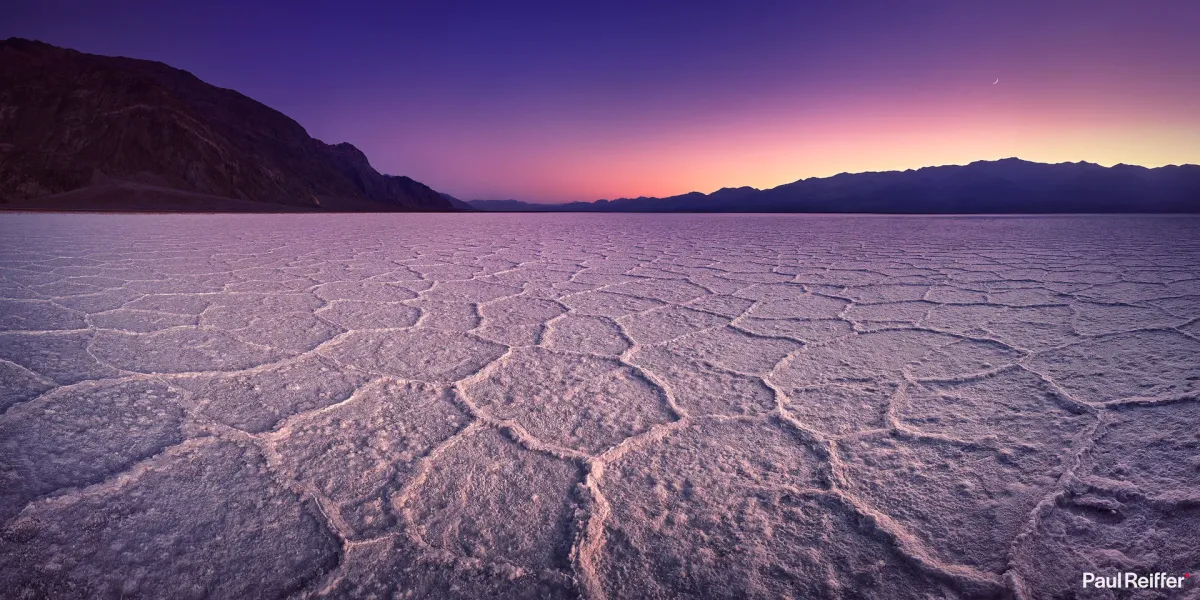
Badwater Basin demands immediate attention as the lowest point in North America. The basin glittered with crystal-white salt formations creates hexagonal patterns that stretch endlessly across the valley floor. Note that water sometimes present makes it look different from Google images. Standing below sea level here embodies Death Valley's extremes.
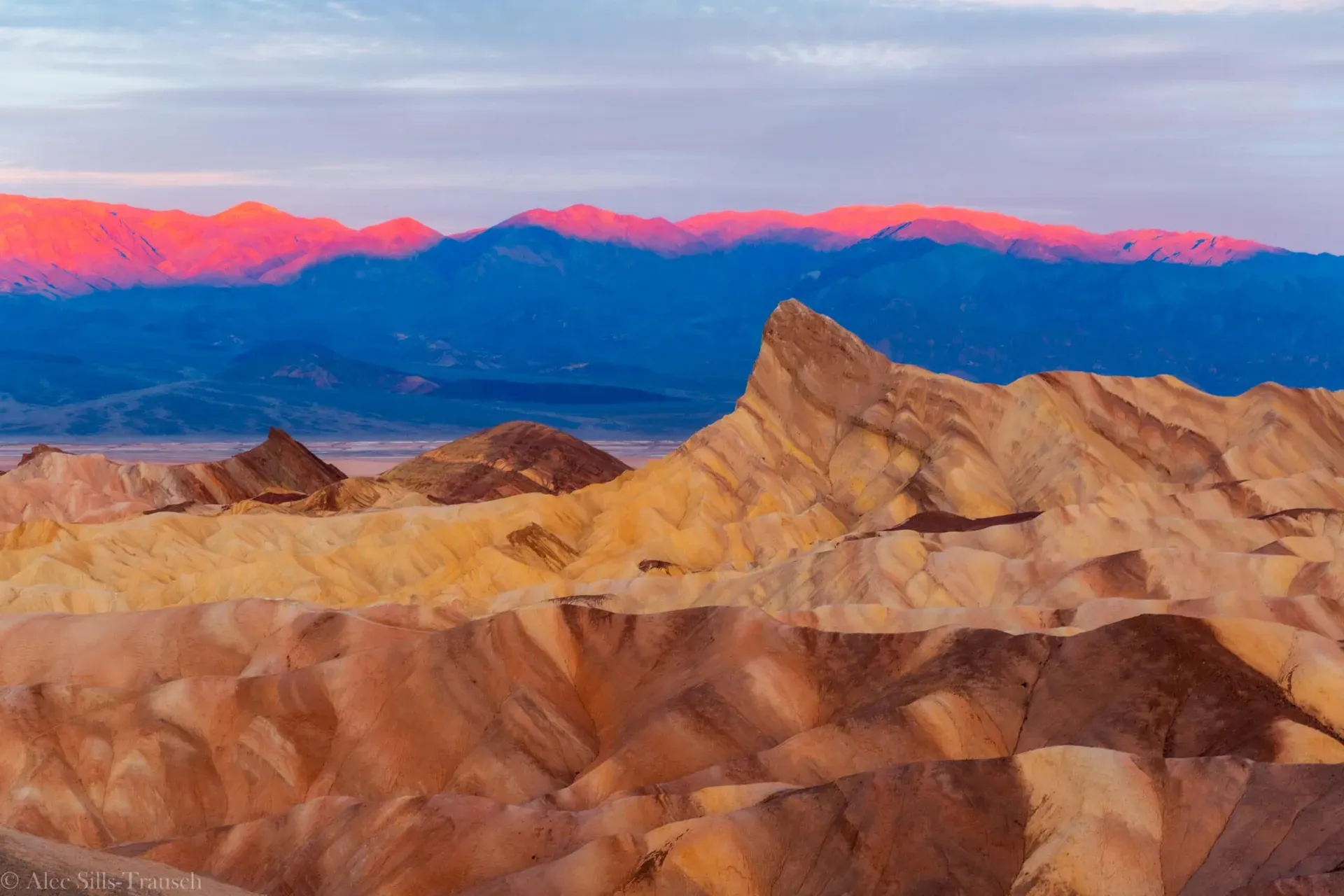
Zabriskie Point offers panoramic vistas of golden-brown waves of eroded earth that glow at dawn. The overlook provides calm space to stand and absorb the layered badlands bathed in pink and amber light. Visiting at both sunrise and sunset reveals how dramatically the shifting desert light transforms the landscape.
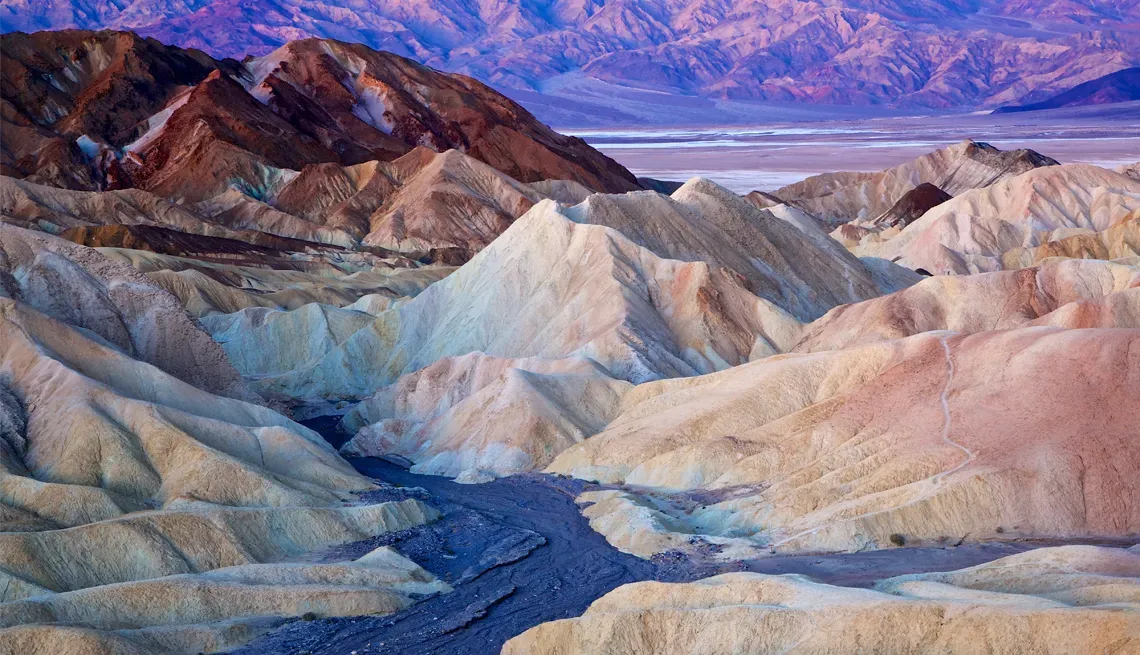
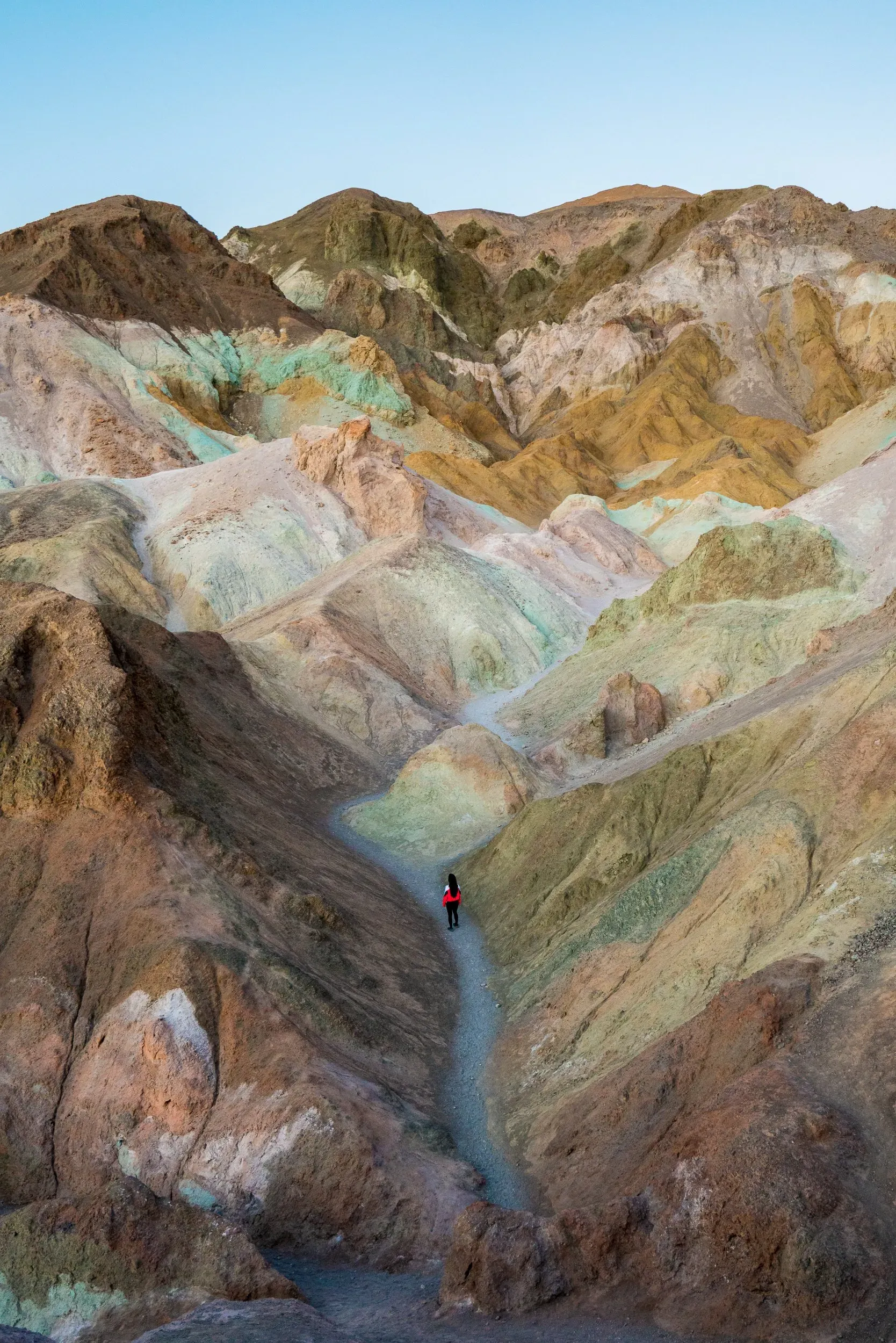
Artist's Drive winds through mineral-rich hills in shades of green, purple, red, and yellow. Artist's Palette itself displays some of the most vivid multicolored formations in the park. Layered ridged rock formations create an almost surreal backdrop.
Dante's View provides perhaps the most sweeping perspective of the valley from above. Mt. Perry offers additional elevation for those seeking broader vistas. Consider stargazing from Dante's View for an unforgettable celestial experience.
Hiking through hidden canyons
The park's trails reveal changing terrain and amazing views at every turn. Golden Canyon stands out as a favorite hike, winding through walls that display the earth's geological history in layers of color. Mosaic Canyon offers another must-see trail with its smooth, polished marble walls and narrow passages.
Desolation Canyon lives up to its name with dramatic, rugged scenery that feels wonderfully remote. For those with time, the scenic route to Wild Rose rewards with cool temperatures and encounters with local wildlife. Donkeys often appear along these quieter roads.
Mesquite Flat Sand Dunes and stargazing
The Mesquite Flat Sand Dunes provide terrain for photography and contemplation. Manage expectations. The spectacular images seen online are often captured with drones. During midday the dunes can appear as a basic sandbox. Visit at sunset when the golden light paints the rippling sand for the most dramatic effect.
Death Valley's night sky ranks among the darkest in the continental United States, making stargazing phenomenal. Check the lunar calendar before planning. A full moon creates the brightest lunar spectacle imaginable but washes out star visibility. Clear, moonless nights reveal the Milky Way in clarity.
The spring super bloom phenomenon
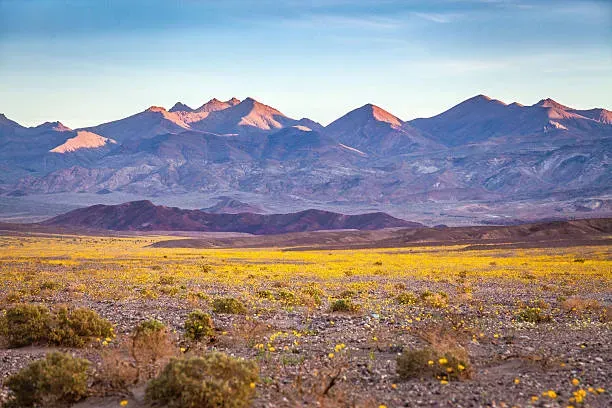
March 2026 brought one of those rare years when wildflowers transform the landscape. Visitors entering from Highway 395 encountered yellow flowers blanketing the roadsides. Blooms appeared at Badwater Basin and along Artist's Palette. These are not dense garden displays. Each bloom stands as an individual marvel, tenacious and beautiful against the harsh backdrop. Even when sparse, the flowers possess a charm that makes the timing worthwhile.
Rhyolite Ghost Town
Just outside the park boundaries, Rhyolite Ghost Town offers a fascinating detour with outdoor art installations and abandoned houses and buildings that speak to the area's mining history. The eerie remains create striking photographic opportunities against the desert backdrop.
Best time to visit Death Valley California
The question of timing determines everything in Death Valley California. The ideal window runs from late November through February when daytime temperatures hover in the 60s to 80s. This is perfect for hiking and exploration.
Mid-January visits enjoy temperatures in the mid-60s with intermittent clouds, manageable for extensive outdoor activity. However, even during these mild periods, weather can disrupt road conditions. Flexibility remains essential. Nights get chilly. Conditions become breezy at higher elevations. Pack layers for the dramatic temperature swings that occur as you travel from 282 feet below sea level to nearly 6,000 feet above within an hour.
Visiting after September helps avoid the extreme heat. Summer visits are genuinely dangerous. July temperatures create conditions where the heat physically hurts. This is the kind of environment where dehydration and heat exhaustion strike fast and hard. One July motorcycle trip from Vegas ended in Death Valley by mistake. The heat was so intense it became painful rather than adventurous.
Spring wildflower blooms typically occur in March, though this depends entirely on rainfall patterns. When they happen, the display is magnificent. Blooms should be considered a bonus rather than a guarantee.
Is Death Valley California worth visiting? Practical planning tips
Death Valley California rewards preparation. The park sits in the middle of nowhere, a full day trip from Vegas. Entering with the right approach ensures the experience lives up to its promise.
Supplies and safety
Water is non-negotiable. Take whatever amount you think you need and triple it. The dry desert air and heat strip moisture from your body faster than you realize. Bring abundant snacks and drinks because service stops are few and far between, with limited options for resupply.
The park receives minimal cell service for hours at a time. Stop at the visitor center to obtain a physical map. This is essential because digital navigation simply will not function across much of the park.
Logistics and fees
Entrance costs $30 per vehicle. The park is rarely crowded compared to other major national parks, meaning you often have viewpoints and trails to yourself. Plan on spending at least a full day to scratch the surface. Multiple days allow deeper exploration into side canyons and lesser-known corners where you might find places rarely seen by other humans.
For single-day trips from Las Vegas, focus on locations south of Furnace Creek. These pack the most dramatic scenery into accessible routes.
Ranger programs
The National Park Service offers robust ranger programming that provides excellent introductions to the park's geography and history. Attending multiple ranger events in a single day adds context and depth to the visual spectacle.
Final thoughts: a place that stays with you
Death Valley California defies expectations. It is vast and desolate yet full of life. It is scary in its extremes yet beautiful. Photos, blogs, and reviews cannot capture its scale. This is a landscape that must be felt.
The combination of salt flats and sand dunes, colorful canyons and ghost towns, plus the lowest point in North America, creates an itinerary unlike any other. Whether you come for photography, geology, dark-sky viewing, or simply to stand in awe of nature's grandeur, this national treasure leaves visitors speechless.
Death Valley is underrated, under-visited, and unforgettable. It is a place you can return to year after year and still discover new wonders. Prepare properly, respect the environment, and this California destination will deliver inspiration and adventure.