Galapagos Islands Ecuador: Santa Cruz 2026 Travel Guide
The real story of visiting Santa Cruz in the Galapagos Islands Ecuador: volcanic landscapes, wildlife that ignores humans, blue-footed boobies, actual costs, and what nobody tells you about the logistics.
Santa Cruz, Galapagos Islands Ecuador: What You Actually Need to Know
Galapagos Islands Ecuador enters prime season in June 2026, when giant tortoises migrate through the highlands and blue-footed boobies begin their mating dances. The cooler, drier months from June through November offer decent hiking conditions and better wildlife viewing. This is the window most visitors target.
The archipelago lies 600 miles off Ecuador's coast in the Pacific Ocean. It is a UNESCO World Heritage Site. The volcanic islands host biodiversity found nowhere else. Ancient tortoises, playful sea lions, and marine iguanas share space with humans here without fear.
Why the Galapagos feel different
The animals here do not fear humans. Sea lions nap on park benches. Marine iguanas cross hiking trails like they own them. Giant tortoises wander wherever they want. This is a functioning ecosystem where species exist that live nowhere else on Earth.
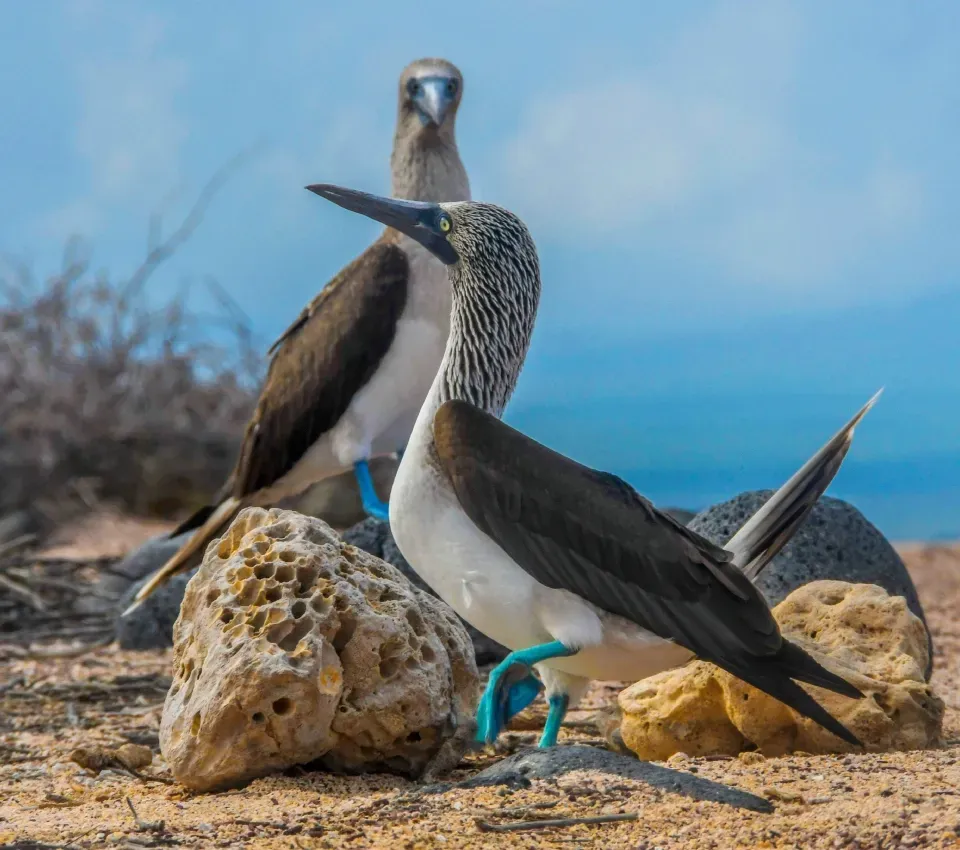
The encounters that stick with you include tortoises living over 100 years, blue-footed boobies doing their ridiculous mating dance, marine iguanas sunbathing on lava rocks (they are the only lizards that swim in the ocean), and sea lions that want to snorkel beside you.
Charles Darwin developed his theories here in 1835. The islands are still forming through volcanic activity. New land appears while you watch.
Planning your Santa Cruz trip
Cruises or land-based stays
You have two main options: cruises or staying on inhabited islands like Santa Cruz.
Cruises reach remote islands with naturalist guides. You need to book months ahead, especially for liveaboard dive trips.
Land-based travel on Santa Cruz gives more flexibility. You can arrange day trips yourself, connect with locals, and set your own pace. Many experienced visitors do both: an 8-day cruise plus extra time on Santa Cruz using the speedboat ferry, then hop to San Cristóbal or other islands.
Getting around Santa Cruz Island
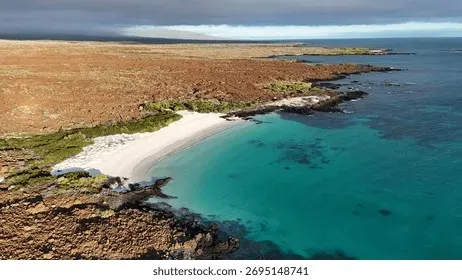
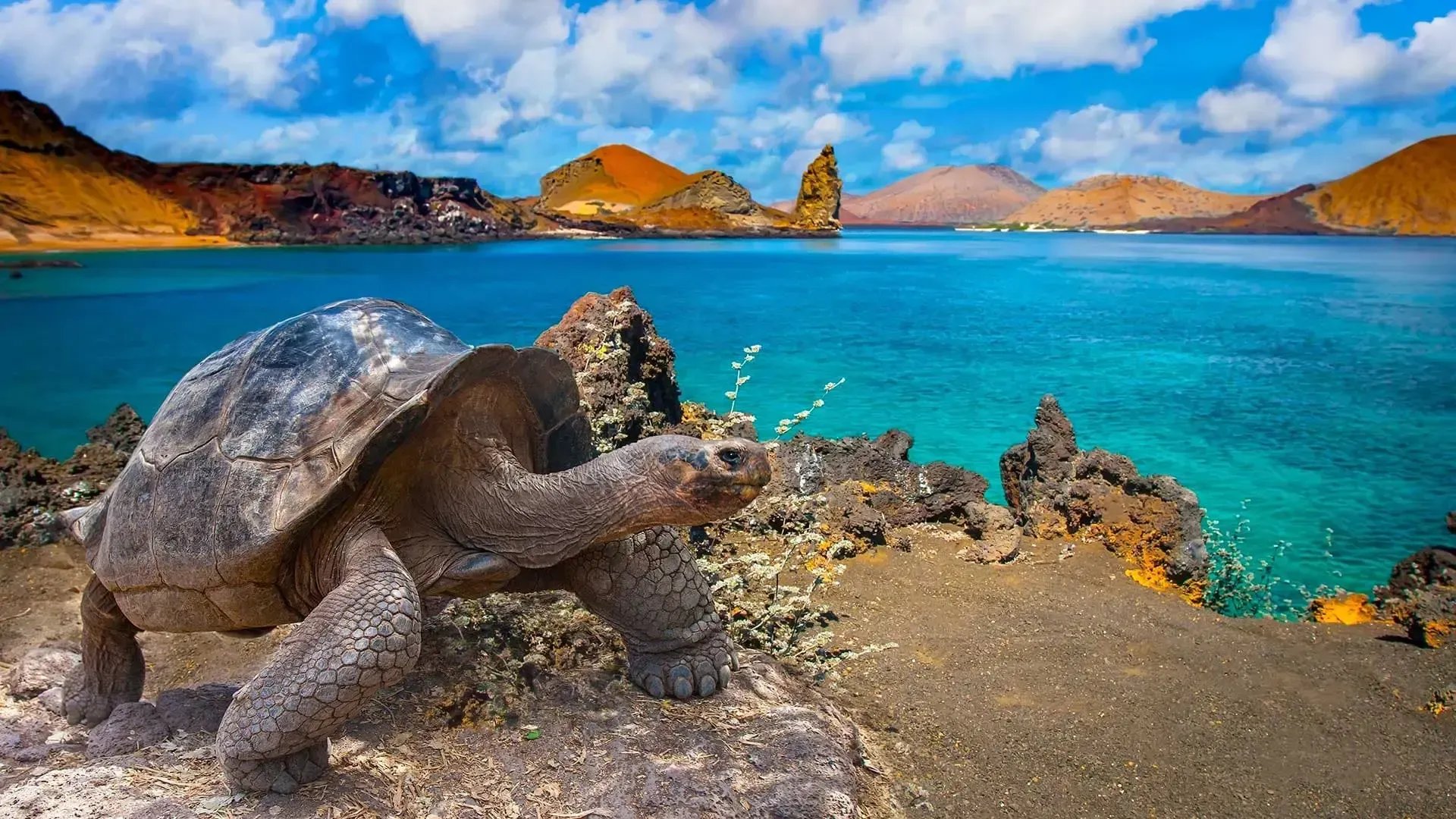
Santa Cruz is the main hub for land-based travelers. Puerto Ayora is here, along with the Charles Darwin Research Station and lava tunnels you can walk through. The island has distinct zones: coastal areas with sea lion colonies and beaches, agricultural highlands where tortoises roam free, and the areas in between.
Key Santa Cruz spots:
- Charles Darwin Research Station: exhibits and conservation programs. Guides sometimes call birds or sing to tortoises until they lift their heads.
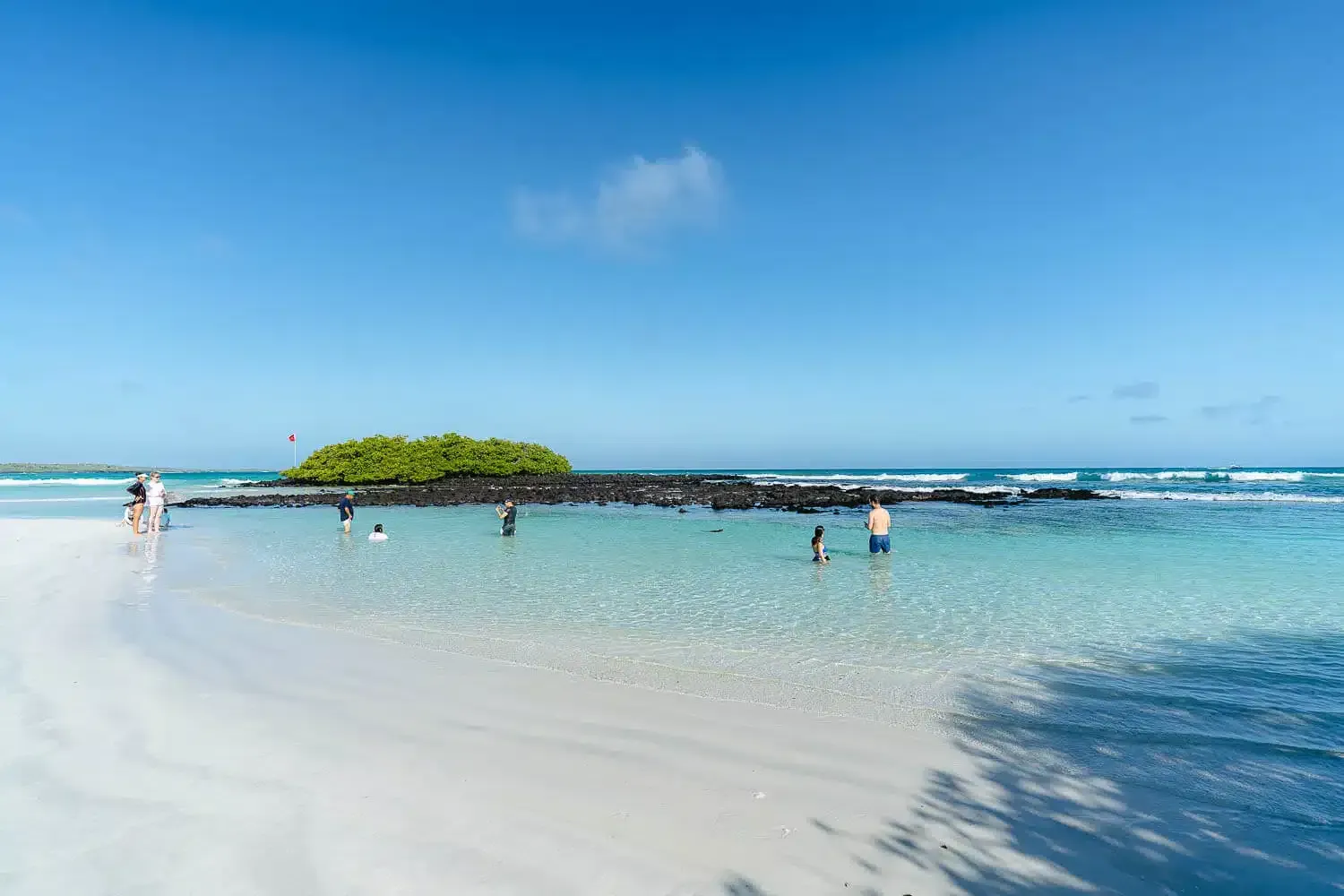
- Tortuga Bay: white sand beach with turquoise water. Good for swimming and watching marine iguanas.
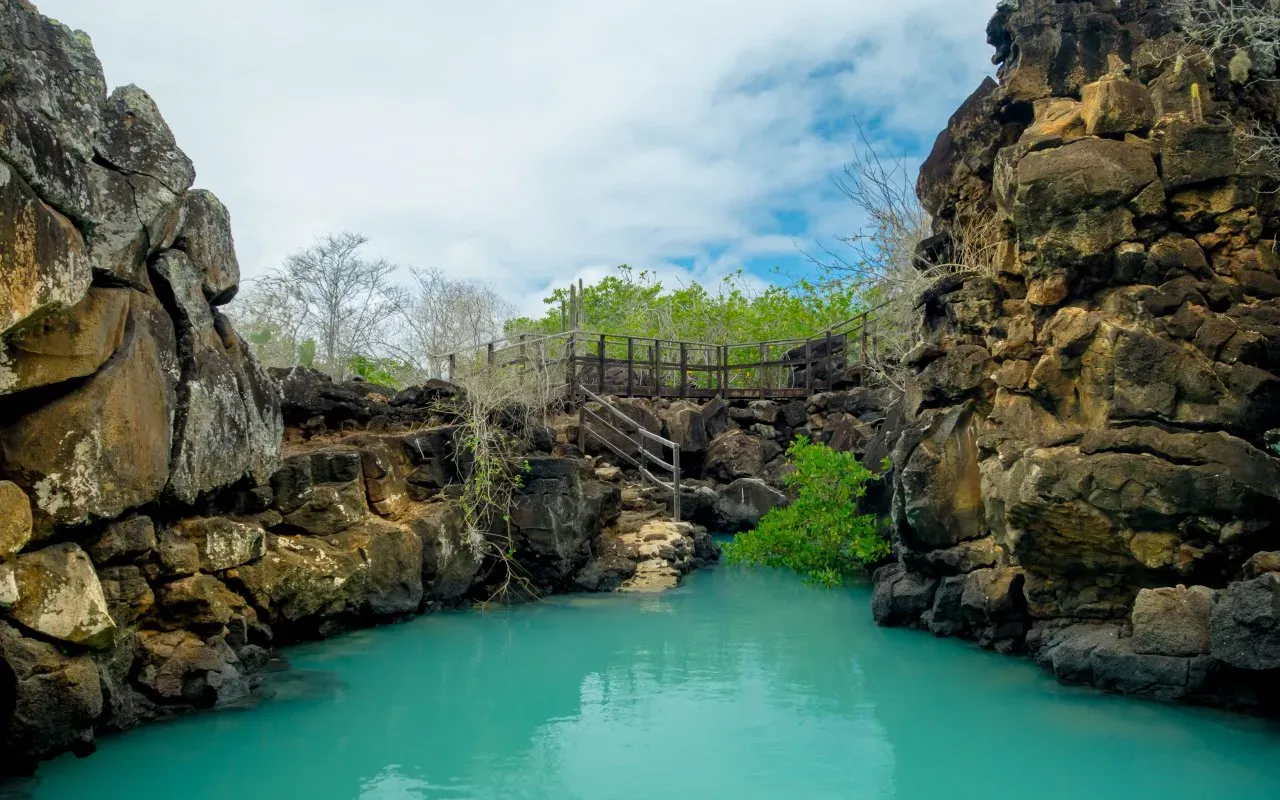
- Las Grietas: a volcanic crack filled with clear turquoise water. Popular for swimming and snorkeling.
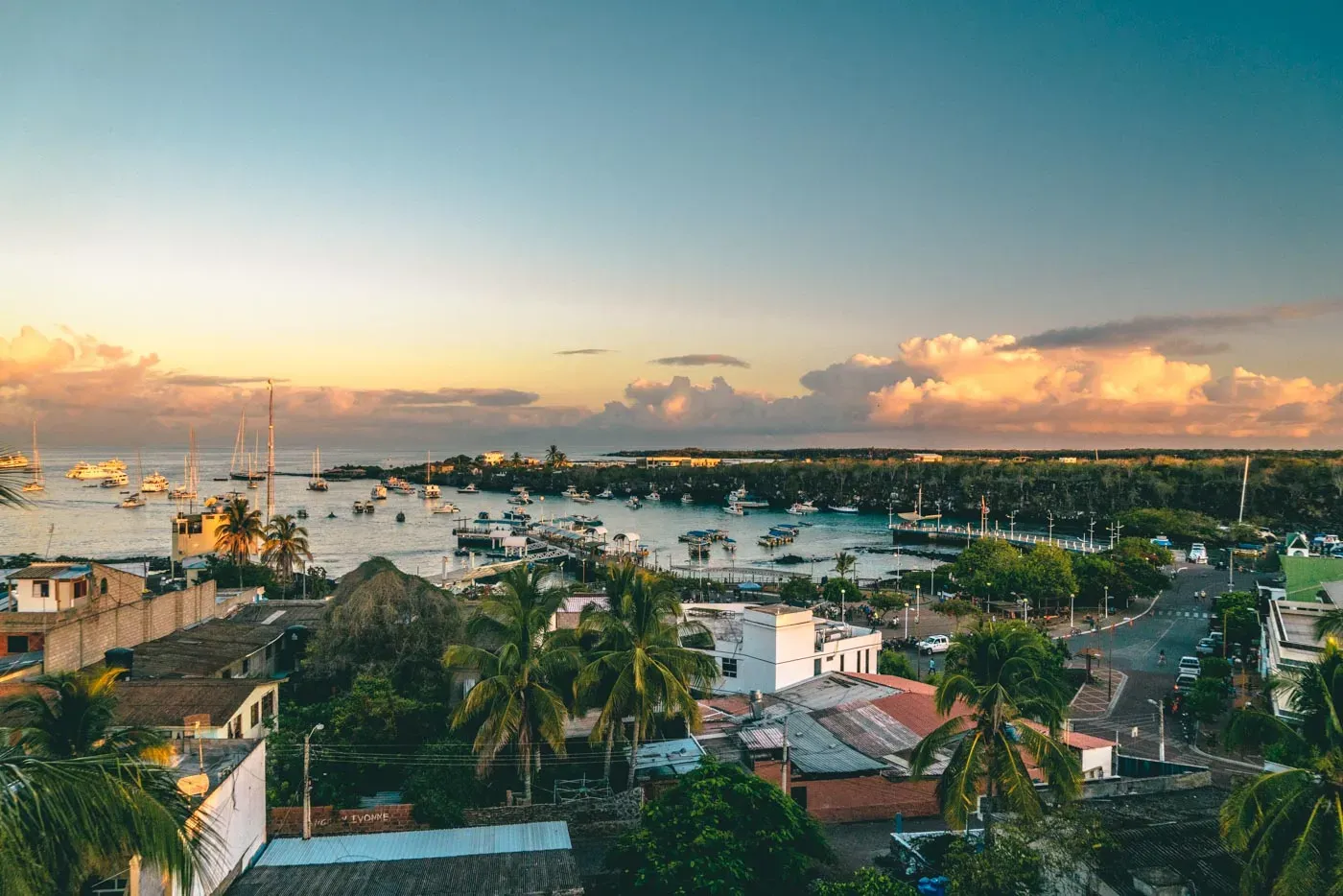
- Puerto Ayora Harbor: a working harbor where sea lions hop out of the water directly onto street benches.
The real costs of visiting Santa Cruz
This is not a budget destination. Costs have jumped since 2020. Here is what to expect.
Entry and transit fees: $200 entrance fee just to step onto the islands (this doubled recently). Add a $20 transit control card that tracks where you go. Sites that used to be free, including the Charles Darwin Research Station, now charge admission.
Transportation from the airport: mandatory costs hit immediately. $5 airport bus. $1 mandatory taxi. Then either a $5 public bus (slow) or $30 taxi to Puerto Ayora. Water taxis run $1-10 per ride. Island taxis charge $30-60 for longer distances.
Tour costs: day trips are expensive. Bartolome Island tours cost around $300. General island tours run $140-$260. Site access that used to be free now requires paid guides.
Food and basics: water bottles cost $1-2. Restaurant meals run $10-25+ per person. Local food centers on meat, rice or fried plantains, with minimal sides. Real local spots exist but you have to find them. Meals where locals eat cost less and taste better.
Activities and wildlife encounters
Snorkeling with sea lions and marine iguanas is the experience everyone remembers. The animals swim right up to you without hesitation.
If you are new to snorkeling, practice at a pool first. Breathing through a tube takes getting used to, and rough waters require confidence.
Self-guided exploration pays off. Walking trails cut through volcanic craters, mangroves, and cactus forests. Kayaking and paddleboarding in calm bays give you quiet wildlife viewing.
For divers, liveaboard dive trips with established fleets reach extraordinary underwater ecosystems. Sea turtles, sharks, rays, and countless fish fill these waters. Serious divers recommend booking liveaboards months ahead.
Practical advice for visitors
What to pack
Photographic equipment: bring at least one good underwater camera and a portable camera with interchangeable lenses. Skip the large, heavy setups. They drag you down during long walks and cause stress around sand and water.
Sun protection: the equatorial sun is intense. Pack reef-safe sunscreen, hats, and long sleeves. Water reflection amplifies exposure.
Medical supplies: carry sea sickness pills for inter-island ferries. The rides are rough, with boats tilting and rolling. If you are not used to rough water, expect nausea without medication. Many visitors report digestive issues from local food and dairy. Public restrooms are scarce. Plan accordingly.
Money and prices
Cash dominates. Locals only take cash. Many tour operators and small shops refuse cards entirely. Bring enough cash for your entire trip. ATMs are unreliable.
Expect inflated prices: basic snorkeling goggles that would cost a few dollars elsewhere sell for $60 in convenience stores. Small beer bottles cost $5-6 (compared to $1.50-2 on the mainland). Coffee shop brews run $4-5, often lower quality than standard chain café fare.
Booking tours
Do not book tours for every single day. Schedule at least one free day to explore local beaches on your own and talk with island residents. Constant tours drain enormous energy and time. Guided experiences are valuable, but you need balance. Unstructured wandering reveals the archipelago's deeper character.
When booking ferries between islands, arrive early but expect chaos. Lines often dissolve into confusion. Tour agencies sometimes prioritize their groups over individual travelers. Water taxi fees apply separate from ferry costs.
Traveling between islands
Speedboat ferries connect the main islands, but the crossings challenge anyone prone to motion sickness. Take preventative medication before boarding. These crossings are famously rough. Popular beaches sometimes have taxi waits of three hours between available rides. Plan transportation carefully.
When to visit Santa Cruz
June starts the cooler, drier season running through November. This is ideal for hiking, wildlife observation, and birdwatching. During these months, blue-footed boobies perform their mating rituals and giant tortoises migrate through the highlands. September brings warm temperatures with occasional rain but remains solid for wildlife viewing.
The warm season from December through May brings hotter, humid conditions and occasional tropical showers, with calmer seas better for snorkeling.
Is it worth the cost and hassle?
The Galapagos Islands are not cheap. They are not luxurious in any conventional sense. Service quality often does not match the premium prices. Organization can frustrate you. The expense keeps climbing.
Yet despite these issues, or maybe because of the strict protection measures that create them, this remains one of the most enriching and awe-inspiring destinations you can visit.
The archipelago offers something increasingly rare: an ecosystem where human impact stays minimal, where animals live without fear, and where volcanic landscapes remind you that Earth is still a place of creation. Do your research. Respect the rules designed to protect this fragile place. Bring enough cash. Prepare for logistical headaches.
Those who come prepared find not just a destination, but a revelation. Nature sets its own rules here. Wildlife exists on terms that have nothing to do with human convenience. For nature lovers, photographers, and anyone wanting to see evolution's living laboratory, the Galapagos Islands justify every dollar spent and every inconvenience endured.