Glacier Bay National Park: Alaska's Ultimate Wilderness
Watching ten-story ice walls crash into turquoise water while humpback whales breach nearby. That's the everyday reality at Glacier Bay National Park, Alaska's most spectacular wilderness.
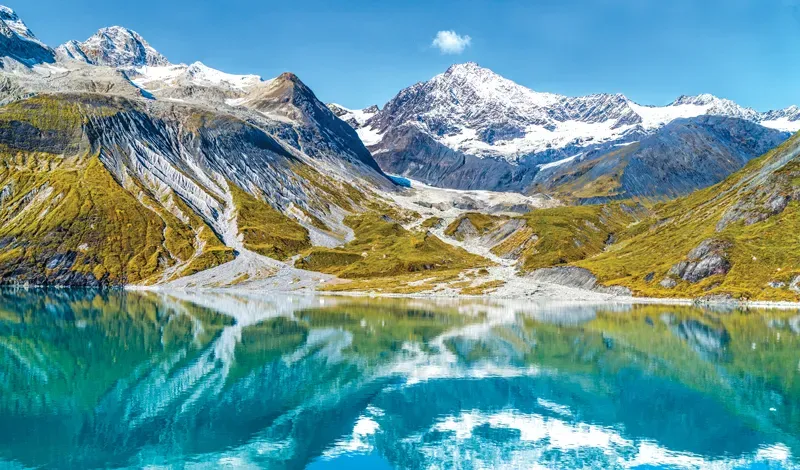
Glacier Bay National Park: Where glaciers meet the sea
Glacier Bay National Park is having a moment. Visitor numbers for June 2026 are way up, and it's easy to see why. This 3.3-million-acre wilderness in southeastern Alaska offers something increasingly rare: glaciers that actually thunder as they calve into the sea, whales that seem to pose for your camera, and air so clean it tastes metallic. Cruise ships, tour boats, kayaks. The transport doesn't matter. What matters is standing on deck as ten stories of ice peel away and crash into water the color of a swimming pool.
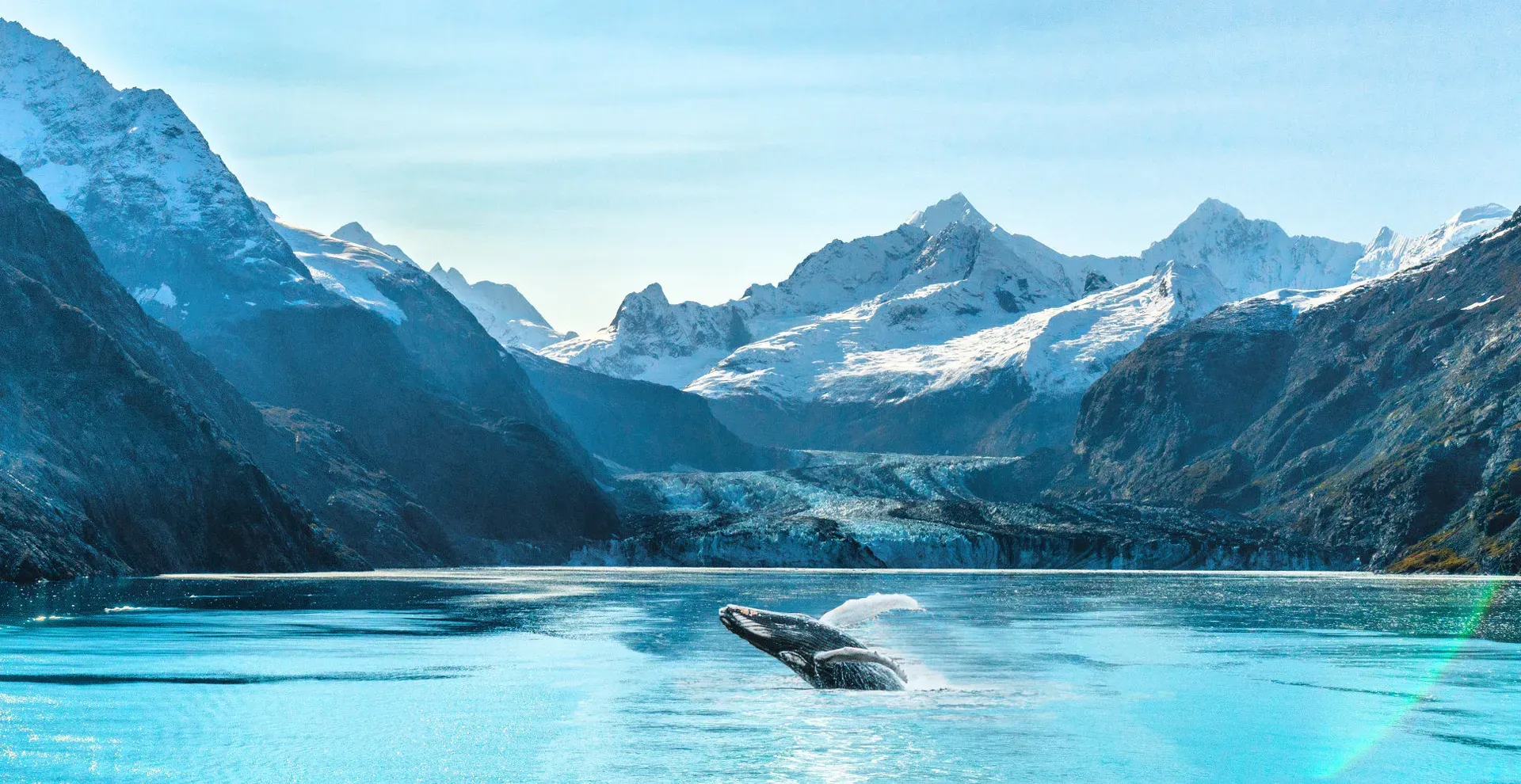
What makes Glacier Bay National Park special
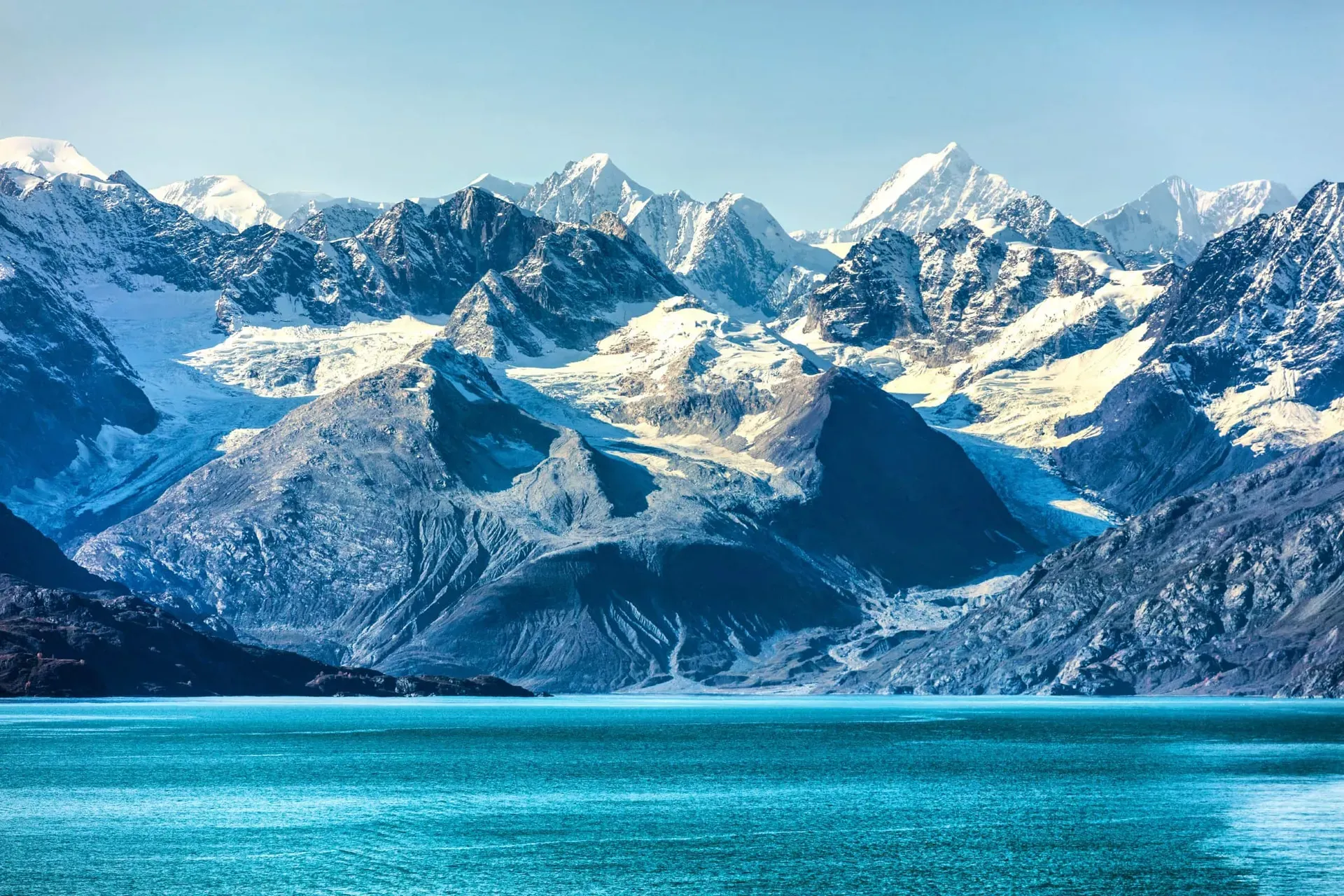
The scale messes with your head. Ten-story walls of ice empty into the sea. The thunder carries for miles. Humpback whales breach against snow-capped peaks that look painted on. Everyone calls it "once in a lifetime" but here the phrase fits. These glaciers are mid-meltdown. Compare photos from ten years ago and you'll spot the retreat. The ice is visibly shrinking, calving faster, changing color. You're not looking at a static postcard. You're watching a landscape transform in real-time.
The Glacier Bay National Park experience
How to experience the park
Most people see Glacier Bay from a cruise ship. Holland America, Norwegian Joy, Princess, the Koningsdam. They all make the run. Rangers board at the park boundary to talk history and point out wildlife. It's comfortable. You get hot chocolate and a seat. But the lodge at Bartlett Cove offers something else. Stay there and you can book the park's approved tour boat. These smaller vessels squeeze into fjords where cruise ships are banned. They get within one mile of Johns Hopkins Glacier. The big boats can't touch that proximity.
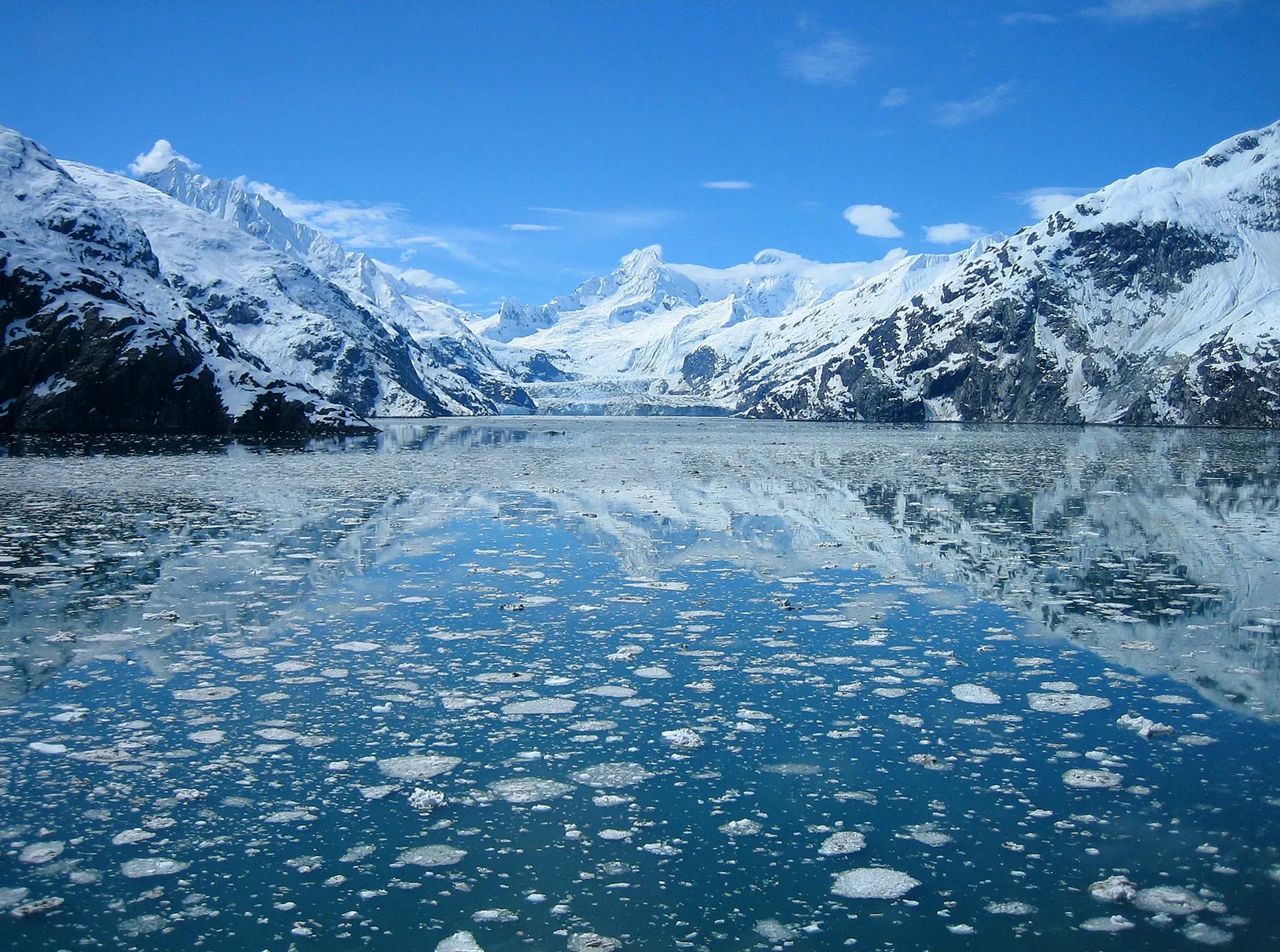
The glaciers you'll encounter
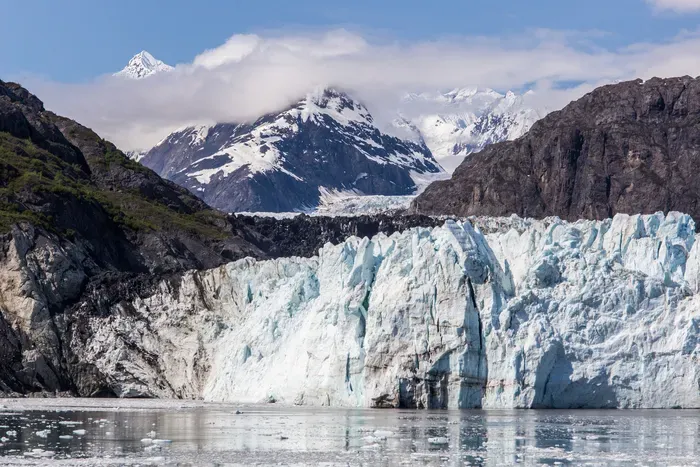
Cruise ships follow a set itinerary. Marjorie Glacier comes first, with Grand Pacific visible nearby though it's no longer directly on the water. Then Lamplugh before the turn back. The tour boats from Bartlett Cove skip this rotation. They make straight for Johns Hopkins. This glacier hits different. Rugged mountains on all sides. Waterfalls drop hundreds of feet into valleys that look impossibly green. The deep water lets boats get close. But you don't understand the scale until you spot a sea otter floating near the wall. The otter looks like a speck. Then you realize the wall is ten stories high.
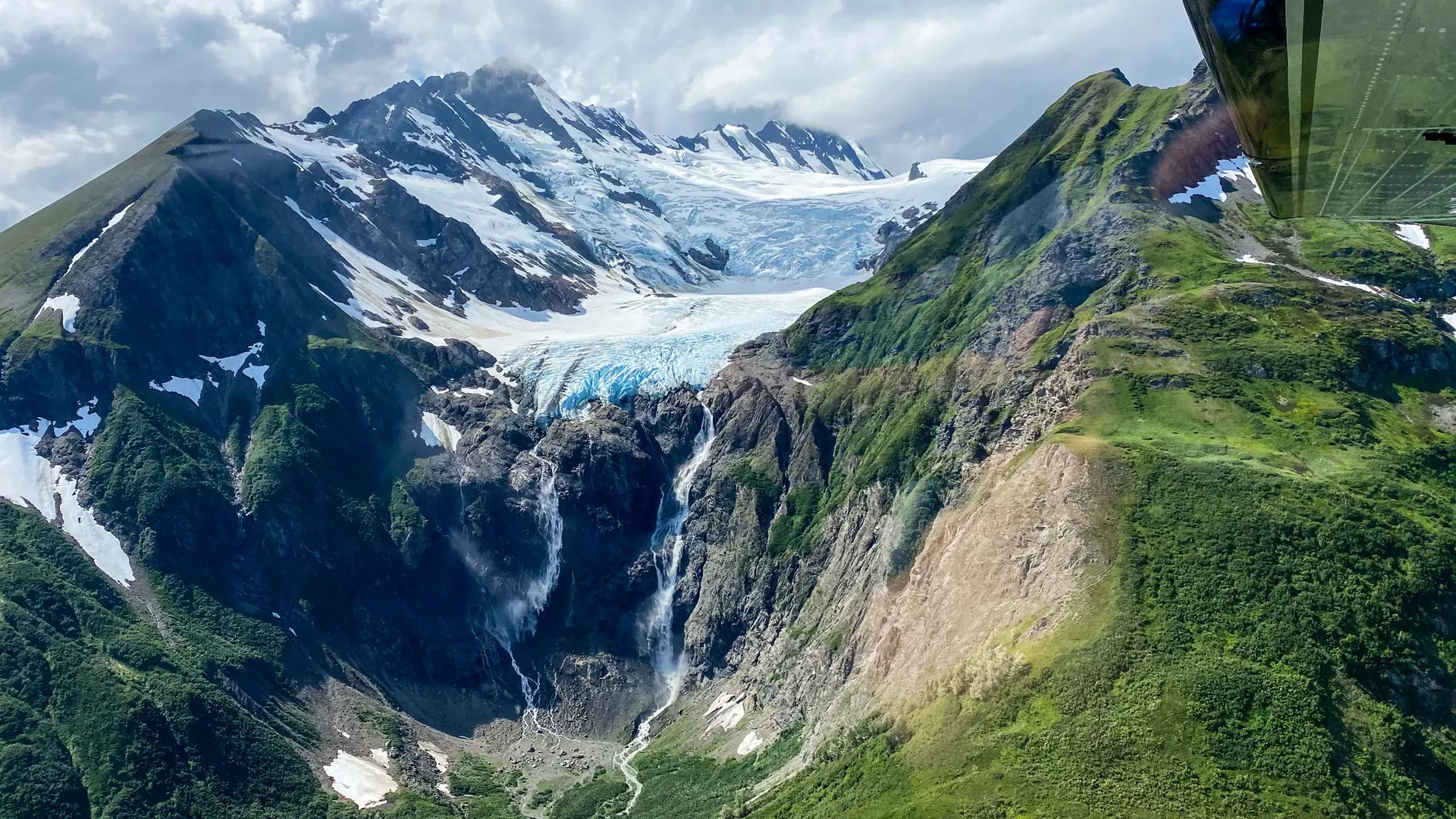
Witnessing the calving
People come for the calving. That's when chunks of ice break off and crash into the ocean. The sound rattles your chest. Thunder doesn't do it justice. On clear days you hear the cracking before the fall. The ice whines and pops. It sounds like the glacier is talking. Then the splash. The water turns milky turquoise from all the silt. Icebergs float past in shades of green and blue, some bus-sized, others bigger. Ships take hours to navigate the inlet, weaving between ice chunks drifting toward the open sea.
Wildlife encounters
The wildlife doesn't disappoint. Humpback whales breach just meters away. Orcas hunt in pods. Sea otters float on their backs, spinning in the current. Harbor seals haul onto ice floes to warm up. Scan the mountainsides for Dall's sheep picking their way across impossibly steep rock. Watch the beaches for grizzlies or Kodiak bears flipping rocks. Eagles overhead. Every glance feels like a potential sighting. You never know what surfaces next.
Onshore at Bartlett Cove
Most visitors never touch land. They stay on the boats. But Bartlett Cove has a temperate rainforest waiting. Walk the trails through moss-heavy woods. The park runs free campsites, even in June when the cruise crowds peak. Pitch a tent. Sleep where the only noise is ice cracking miles away. It's a different experience than the cruise ship route.
Glacier Bay National Park things to do
Cruise ship experience
Most visitors arrive on cruise ships. Princess, Holland America, Norwegian. They all list Glacier Bay as a selling point. Rangers come aboard to talk about glacial history and point out animals you might miss. The deck becomes your viewing platform. You cruise slow past ice walls that tower overhead. Snow-capped peaks slide by. It's a comfortable way to see the park.
Tour boat from Bartlett Cove
Want to get closer? Stay at the Bartlett Cove lodge and book the park's approved tour boat. The smaller vessel reaches Johns Hopkins Glacier. Cruise ships aren't allowed there. The guides know their stuff and crack jokes between facts. The lodge itself is simple but comfortable. Ask for Carly if she's working. She runs the dining room like a pro and remembers everyone's drink order.
Kayaking and camping
You can kayak the fjords if you have the skills. The water is cold and the currents are real. Camping is free and sites usually open up even in June, the busiest month. The park's approved outfitter handles logistics. People speak highly of them. This is for folks who want the real thing, not the cruise ship version.
Best time to visit Glacier Bay National Park
June to August is the sweet spot. Weather cooperates. Wildlife shows up hungry and active. June still has snow right down to the waterline. August? Less white stuff than you'd expect. One October visitor called it their single best cruise day ever. Expect morning fog. It burns off by afternoon most days. When the sun hits the ice, the whole place sparkles. Cameras love the clear light.
Is Glacier Bay National Park worth it?
Yes. It's worth it. Descriptions range from "most beautiful place I've seen" to "best day of my life." The reputation is earned. Cameras fail. They can't catch the scale or the sound. You have to be there, feeling the cold air, hearing the ice crack. The rangers add context. The animals add surprise. The glaciers add awe. It's the peak of any Alaska trip.
Practical tips for your visit
The weather shifts fast. Heavy fog in the morning often burns off to sunshine by lunch. Dress in layers. Standing near a glacier in summer still means cold wind. Bring binoculars. Dall's sheep appear as tiny white dots on mountainsides. Bears work the shorelines. Without glass, you'll miss details.
Charge your camera battery. You'll take a thousand photos. None will look as good as the real thing. The scale disappears in images. The sound doesn't transfer. But take them anyway. Future you will want the reminder.
Listen to the rangers. They know which glacier is retreating fastest. They spot bears you'd miss. Their commentary turns pretty views into understanding.
If time allows, book the Bartlett Cove tour boat. Johns Hopkins Glacier waits in a restricted zone. Small boats only. You get within one mile. Cruise ships stop five miles out.
Expect to feel something. Many visitors report unexpected emotions. Something about the scale, the cold, the noise of ice falling. It sticks with you.
Final thoughts
Glacier Bay National Park is Alaska's best wilderness show. Cruise ships work. Tour boats work. Camping works. Pick your comfort level. Watch ice fall on a sunny afternoon. See whales breach against snow-capped peaks. Breathe air that tastes like winter even in July. The park offers something rare: nature that doesn't care about you. The glaciers keep calving. The whales keep feeding. You're just visiting. But you won't forget it.