Morskie Oko Poland: Hiking the Tatra's Most Beautiful Lake
An 18km paved hike through the Tatra Mountains ends at a lake so turquoise it barely looks real. Cash-only buses, horse-drawn carriages, and the strange thrill of walking across frozen water in winter. Here's what to know before you go.
What Makes Morskie Oko Poland Special
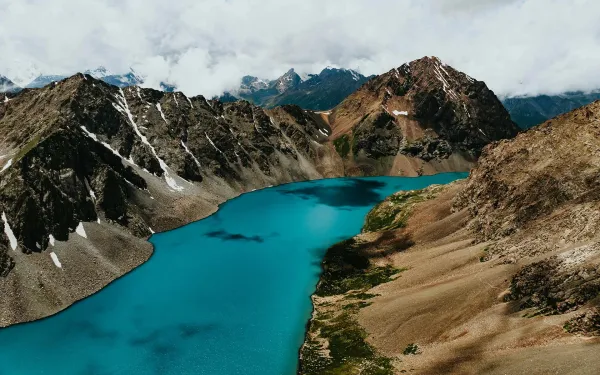
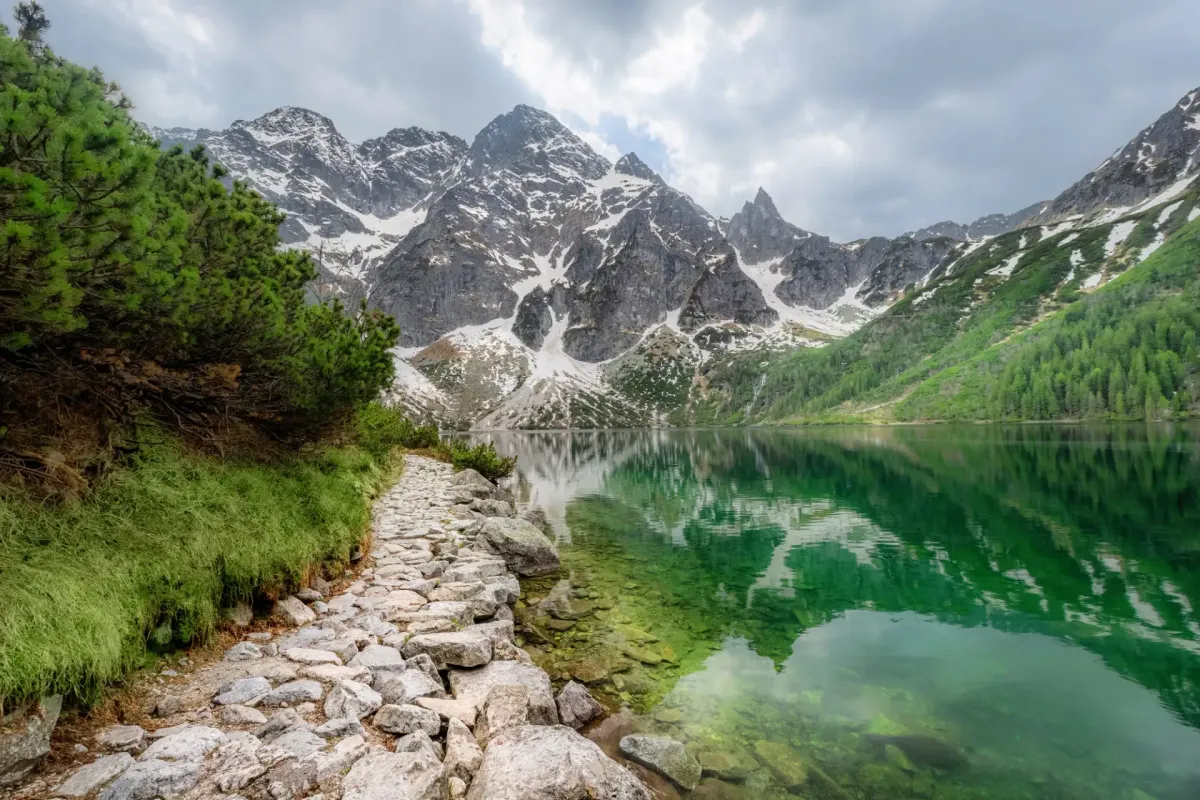
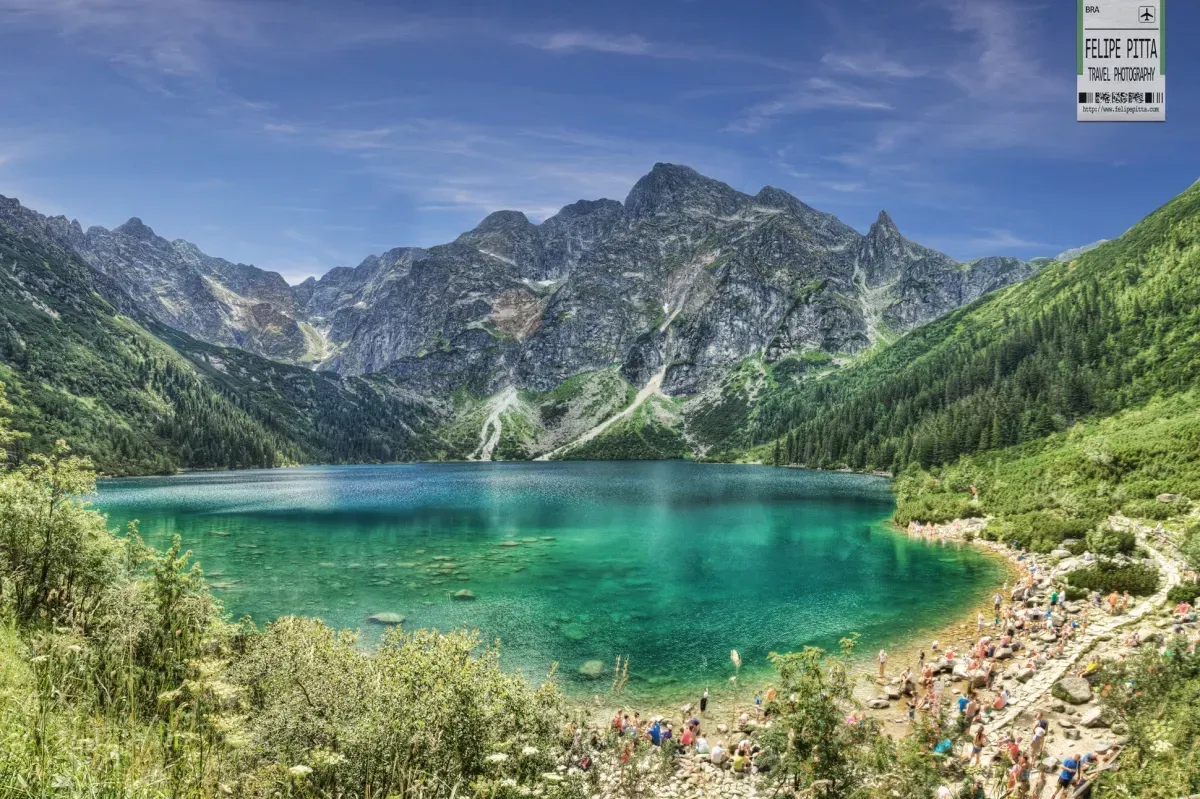
There is a reason Morskie Oko keeps showing up on every list of places to see in the Tatra region. The lake sits at the head of a dramatic glacial valley, its turquoise waters reflecting the jagged peaks that encircle it. The Wall Street Journal once named it one of the five most beautiful lakes in the world, and honestly, it is hard to argue with that call. Deep green forest gives way to bare granite, with snow holding on across the highest summits well into summer.
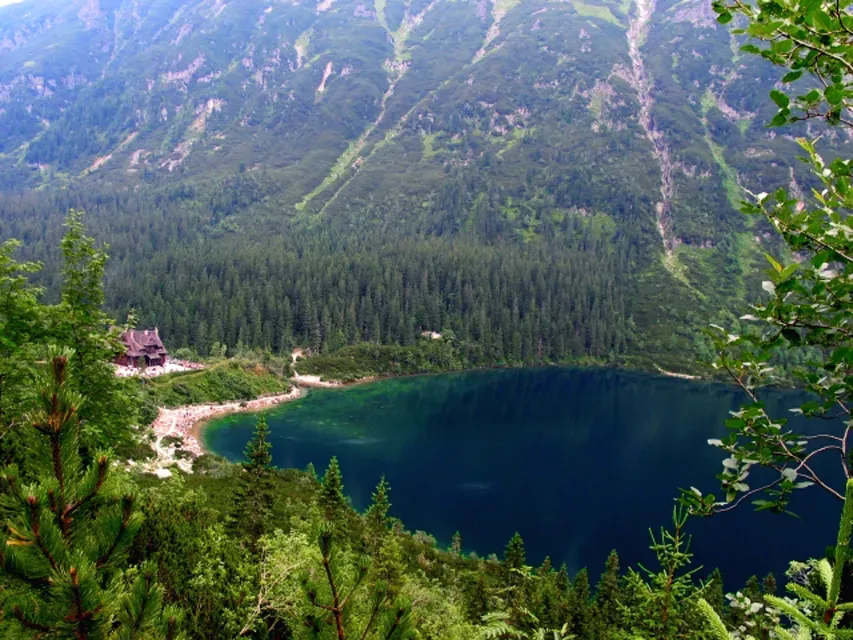
What makes Morskie Oko more than just a scenic photo stop is the walk to reach it. The approach follows a winding tarmac road carved through forest, and the moment the lake finally opens up in front of you catches almost everyone off guard, no matter how many photos you have seen beforehand. The path around the lake keeps shifting: one minute you are at an intimate rocky cove, the next you are staring across open water toward the High Tatras ridgeline. A full day here covers roughly 22 kilometres including the lake circuit, and your legs will feel it. But it is the kind of tired that feels earned. I have watched strangers strike up conversations on this trail in a way that never seems to happen on shorter, easier walks. There is something about the shared effort that loosens tongues.
The Morskie Oko Experience
How to Get to Morskie Oko
Reaching the trailhead is straightforward but demands some planning. From Zakopane, regular buses depart from the main bus station throughout the day, with tickets costing 15 PLN one way, cash only. The queue can be chaotic. There is no formal line system. But buses run frequently enough that the wait rarely becomes unbearable. Having Polish złoty in your pocket before you board is non-negotiable.
Taxis offer a more direct alternative for those short on time or travelling in a group. If driving, parking must be booked in advance through the national park reservation system. Spaces fill quickly during peak periods, and the parking fee of approximately 85 PLN catches some visitors off guard. Parking illegally on the roadside is neither advisable nor a reliable workaround. Entry to Tatra National Park costs 11 PLN at the gate and can be paid by card or cash. This is one of the few places along the entire route where plastic is accepted.
The Hike to the Lake
The trail from Palenica Białczańska to Morskie Oko covers roughly 8 to 9 kilometres one way, following a gently inclined asphalt road that climbs steadily through the valley. This is not a rugged mountain scramble. It is a fully paved surface, which makes the going surprisingly manageable even for inexperienced hikers. Most people complete the ascent in about two to two and a half hours, depending on pace and how often they pause for photographs.
There are, however, a few quirks to be aware of. Distance markers are conspicuously absent along the trail. You have no way to gauge progress by the kilometre. Portable toilet cabins appear at intervals; they are functional but, as seasoned hikers know, not for the faint-hearted. The better facilities await at the two cafés near the lake. Toilets along the route cost 4 to 5 PLN. Again, cash only. Along the path, small stalls sell refreshments and snacks, though bringing your own water and sandwiches is the wiser move for both budget and convenience.
Shortcut paths branch off the main road at several points, offering a more direct and slightly more adventurous route that trims distance off the journey. In winter, when snow and ice coat the road, these detours become particularly useful. For families with young children, the paved surface accommodates a stroller, though the distance still demands stamina. Dogs, bicycles, and scooters are not permitted on the trail.
Horse-Drawn Carriage: A Traditional Alternative
The horse-drawn carriage, or fasiąg, is as much a fixture of the Morskie Oko experience as the lake itself. Carriages carry visitors from the car park to Włosienica, roughly 1.5 kilometres shy of the lake, at which point everyone continues on foot. Prices hover around 100 PLN uphill and 70 PLN downhill, though rates fluctuate. Some visitors report paying around €35 for two people each way. Expect to pay in cash, with no receipt provided.
Opinions on the carriage ride are sharply divided. Some find it a pleasant, old-fashioned way to spare the legs for the scenic circuit around the lake. One popular strategy is to walk up and take the carriage down. The descent takes about 30 minutes and is a genuine relief when tired legs meet icy roads as the sun drops. Others are less charitable, noting that the horses smell strongly and questioning whether a more sustainable transport solution might better suit a national park in the 21st century.
The carriage is also the closest thing to an accessibility option. The paved road is theoretically navigable for those with mobility challenges, but the combination of distance and the absence of any alternative powered transport means the lake remains genuinely difficult to access for visitors with significant walking disabilities.
Things to Do at Morskie Oko
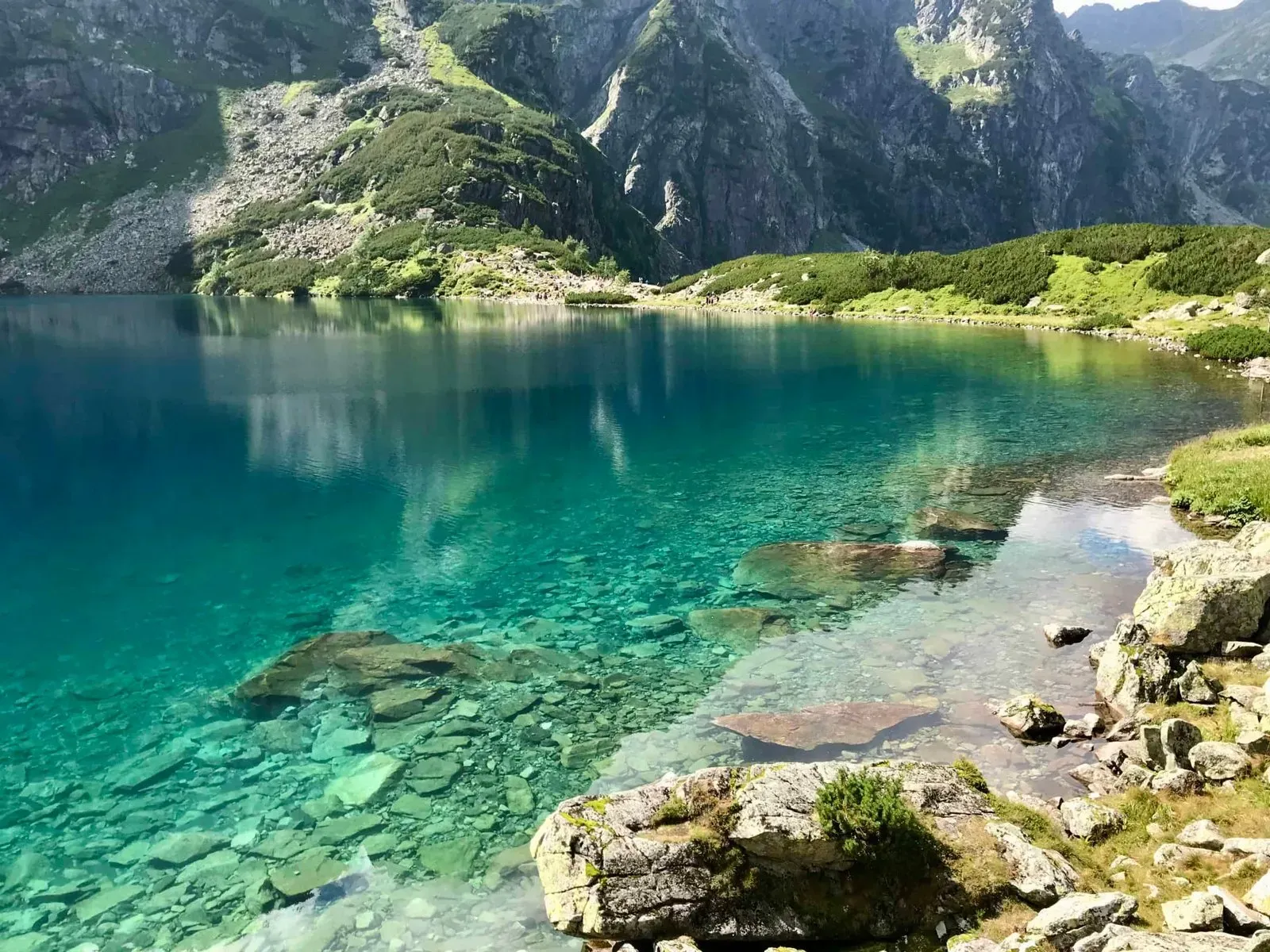
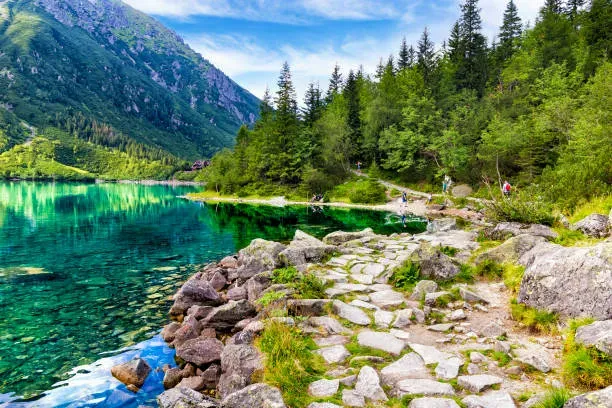
The lake itself is the star. Turquoise water laps against rocky shores, and the encircling peaks, often still dusted with snow, tower overhead in a setting that feels impossibly grand. Walking the full circuit around Morskie Oko takes about an hour at a leisurely pace, and it is strongly recommended. The path hugs the shoreline and reveals the lake from every angle, shifting from intimate close-ups of crystalline water to wide-angle mountain vistas.
A restaurant and café sit at the lake's edge, serving hearty Polish fare: pierogi, bigos, sausages, and steaming bowls of soup. Prices are higher than in town but remain fair for such a remote tourist spot. The food is consistently excellent. Inside, the atmosphere carries an old-fashioned alpine charm that feels wonderfully preserved, and in winter the warmth of the dining room provides a welcome refuge. Expect crowds during peak times; on quieter weekdays outside school holidays, finding a seat is far easier.
Wildlife sightings add an element of surprise. Deer emerge from the forest edge, and the occasional raccoon-like creature darts through the undergrowth. The air is clean, the surroundings immaculate. There is a genuine absence of litter that speaks to both conscientious management and respectful visitors.
Winter Visits: A Frozen Wonderland
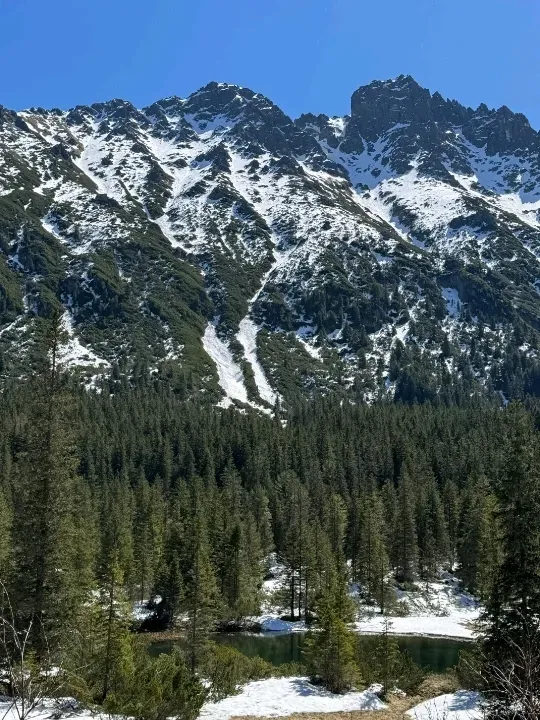
Visiting Morskie Oko in winter transforms the experience entirely. The lake freezes over, its surface becoming a vast sheet of ice that visitors can walk across. It is a surreal and unforgettable sensation. Snow blankets the valley, and the mountains wear a stark, monochromatic beauty every bit as captivating as the green lushness of summer. Walking on the frozen lake is, by all accounts, one of the most extraordinary things to do in the Polish Tatras.
March strikes a particularly appealing balance, with ample snow for atmosphere but temperatures that have lost winter's sharpest bite. January and February bring heavier snowfall and a more demanding hike, as ice coats the asphalt road and makes the descent trickier. The carriage ride down becomes especially appealing when the temperature plummets at dusk. The frozen lake is arguably the most photogenic version of Morskie Oko, and those who brave the cold are rewarded with far thinner crowds than in summer.
Practical Tips for Visiting Morskie Oko
Is Morskie Oko Worth Visiting?
Yes, without hesitation. Across every season and for every type of visitor, Morskie Oko Poland justifies every step. Solo hikers, families with strollers, couples, groups of friends: the verdict is the same. Words like "absolutely outstanding" and "well worth the effort" appear again and again in visitor accounts. The rare dissenting voice grumbles about parking costs, but the overwhelming sentiment is one of genuine awe. Anyone in the region should go.
The Cash Rule
This cannot be stressed enough: bring cash in Polish złoty, and plenty of it. The bus from Zakopane, the horse-drawn carriages, the toilets (4 to 5 PLN per visit), the restaurants, and every souvenir stall operate on cash only. The national park entry gate accepts cards, and that is essentially the only exception. An ATM exists near the lake but demands a minimum withdrawal of roughly €150 with a €5 transaction fee. Anecdotally, it has been known to swallow cards, requiring a call to the helpline for retrieval. Arrive with enough złoty to cover transport, food, and incidentals, and spare yourself the stress.
Timing and Crowds
The single most repeated piece of advice across every visitor account: go as early as possible in the morning. By mid-morning, especially in the peak months of July and August, the trail and lakeshore fill with crowds. Arriving at first light transforms the experience. Quiet paths, empty viewpoints, and the lake at its most serene. Weekdays outside school and public holidays offer a noticeably calmer atmosphere, though the lake is never truly deserted.
Food and Facilities
Pack water and food for the hike up. The cafés at the lake serve excellent meals (typical Polish hearty food, flavoursome and well-priced for the setting), but having supplies on hand means you can pause wherever and whenever you like. The portable toilets along the trail are functional but basic; the facilities at the lake's restaurants are significantly more pleasant and worth holding out for.
A well-planned Morskie Oko itinerary accounts for the rhythm of the day: an early start from Zakopane, the two-hour hike up, a leisurely circuit of the lake, a meal at the café, and a relaxed descent. Whether you walk down or take the carriage, there is plenty of time to soak in the views without rushing.
Morskie Oko with Kids
Families manage the hike comfortably. The paved road accommodates strollers, and the gentle gradient keeps the effort reasonable for children. The horse-drawn carriage offers a practical fallback: ride up, walk around the lake, and either walk or ride back down. The key is pacing. There is no need to rush, and the stalls and resting points along the way make it easy to break the journey into manageable segments. Children will remember standing on the frozen lake in winter or spotting wildlife along the forest edge far longer than they will remember tired legs.
Where to Stay Near Morskie Oko
Zakopane is the natural base for any visit to Morskie Oko. The town sits a short bus or taxi ride from the trailhead and offers everything from budget guesthouses to comfortable hotels. Staying several days in Zakopane is a wise strategy. It gives you the flexibility to watch the weather and pounce on a clear day for the lake, while filling other days with the town's own attractions, activities, and the broader Tatra landscape. The buses from Zakopane's station run regularly enough that an early start is never a logistical headache.
Best Time to Visit Morskie Oko
The classic hiking season runs from June through September, when the weather is warmest, the trail is clear of ice, and the valley glows with intense green. This is also when crowds peak, so the early-morning rule applies with extra force. Late spring offers a quieter window with wildflowers emerging and snow still clinging to the higher ridges. Autumn paints the forest in gold and russet, and the lake takes on a particular stillness that photographers chase relentlessly.
Winter, from December into March, delivers a completely different experience. Frozen landscapes, snow-covered paths, and the unforgettable opportunity to stand on the lake itself. Clear days in winter are precious and worth planning around; staying in Zakopane for several days gives the best chance of catching one. February snows create the most dramatic conditions, while March softens the cold without sacrificing the magic.
Final Thoughts
Morskie Oko is not an ordinary lake, and the journey to reach it is not an ordinary walk. The paved road, the horse-drawn carriages, the bustle of the lakeside café. These are all part of a place that has welcomed visitors for generations and shows no sign of losing its pull. The mountains deliver grandeur on a scale that silences conversation. The water delivers a stillness that invites reflection. Together, they create something that sticks with you. Whether you arrive in the golden light of a summer morning or the crisp silence of a frozen February afternoon, Morskie Oko Poland leaves an impression that far outlasts the kilometres walked to reach it. Go see it. You will not forget it.