Etosha National Park Namibia: The Safari That Changed Everything
New direct flights from Europe make Etosha National Park Namibia more accessible than ever. Here's what nobody tells you about fuel shortages, road conditions, and the self-drive safari experience.
Etosha National Park Namibia in 2026: A Different Kind of Safari
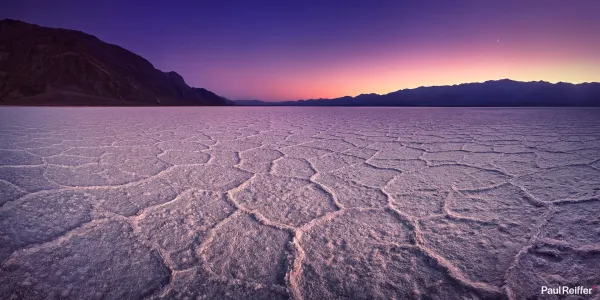
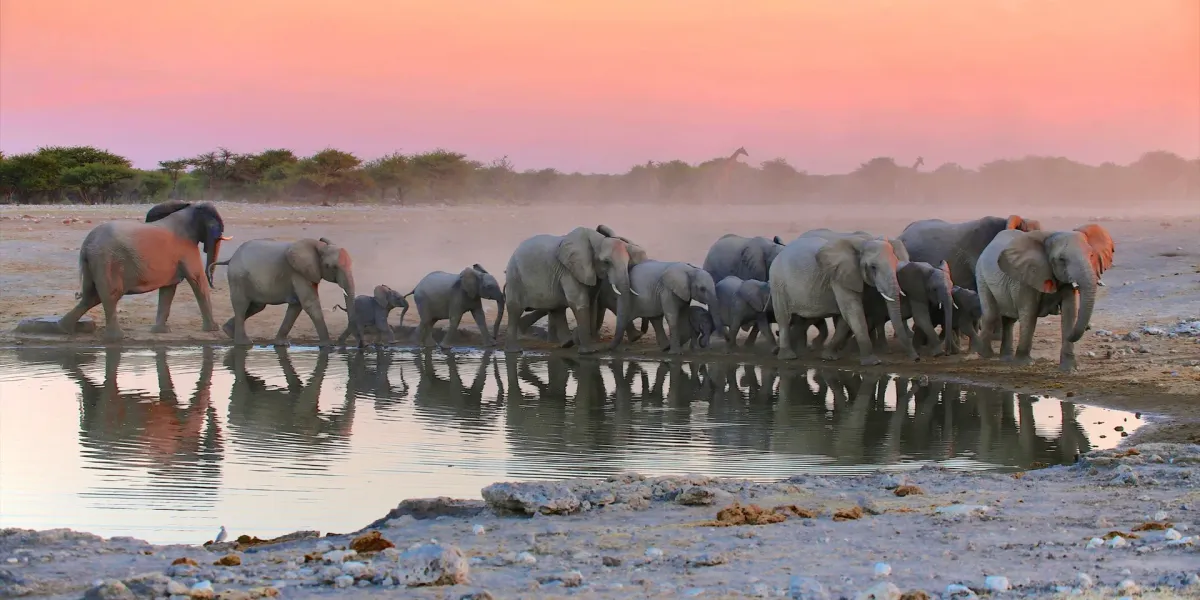
June 2026 brings changes for Namibia's most celebrated wilderness. Edelweiss now runs nonstop flights from Zurich to Windhoek, which means Europeans can reach Etosha National Park without the usual connections and layovers. This sprawling sanctuary centers around a salt pan so vast you can see it from space. It delivers one of Africa's most accessible safari experiences. You can spot the Big Five at floodlit waterholes or watch thousands of flamingos shimmer across the Etosha Pan. This is the kind of place that stays with you.
Why Etosha National Park Namibia Feels Different
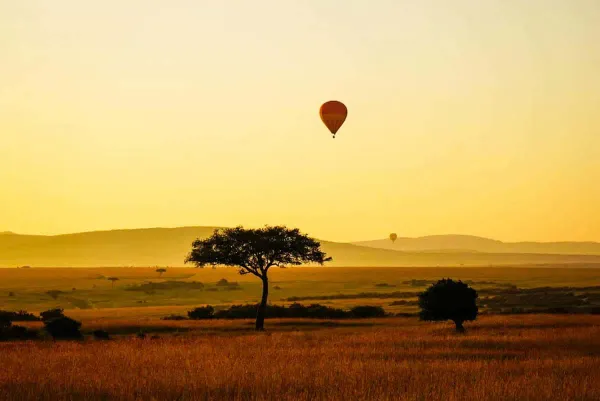
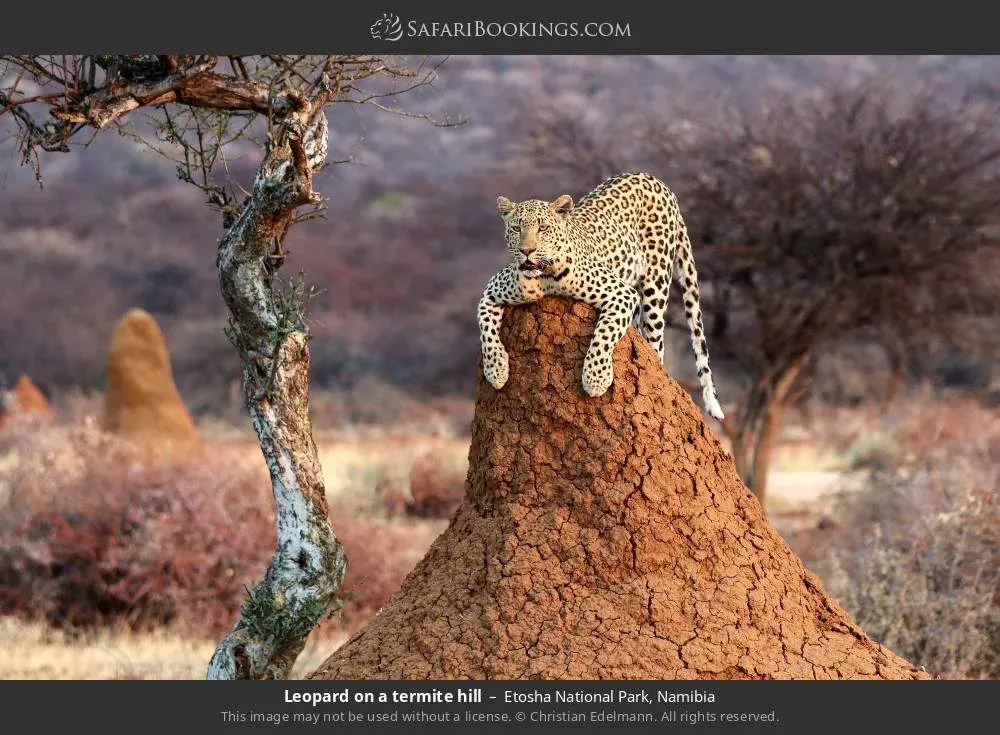
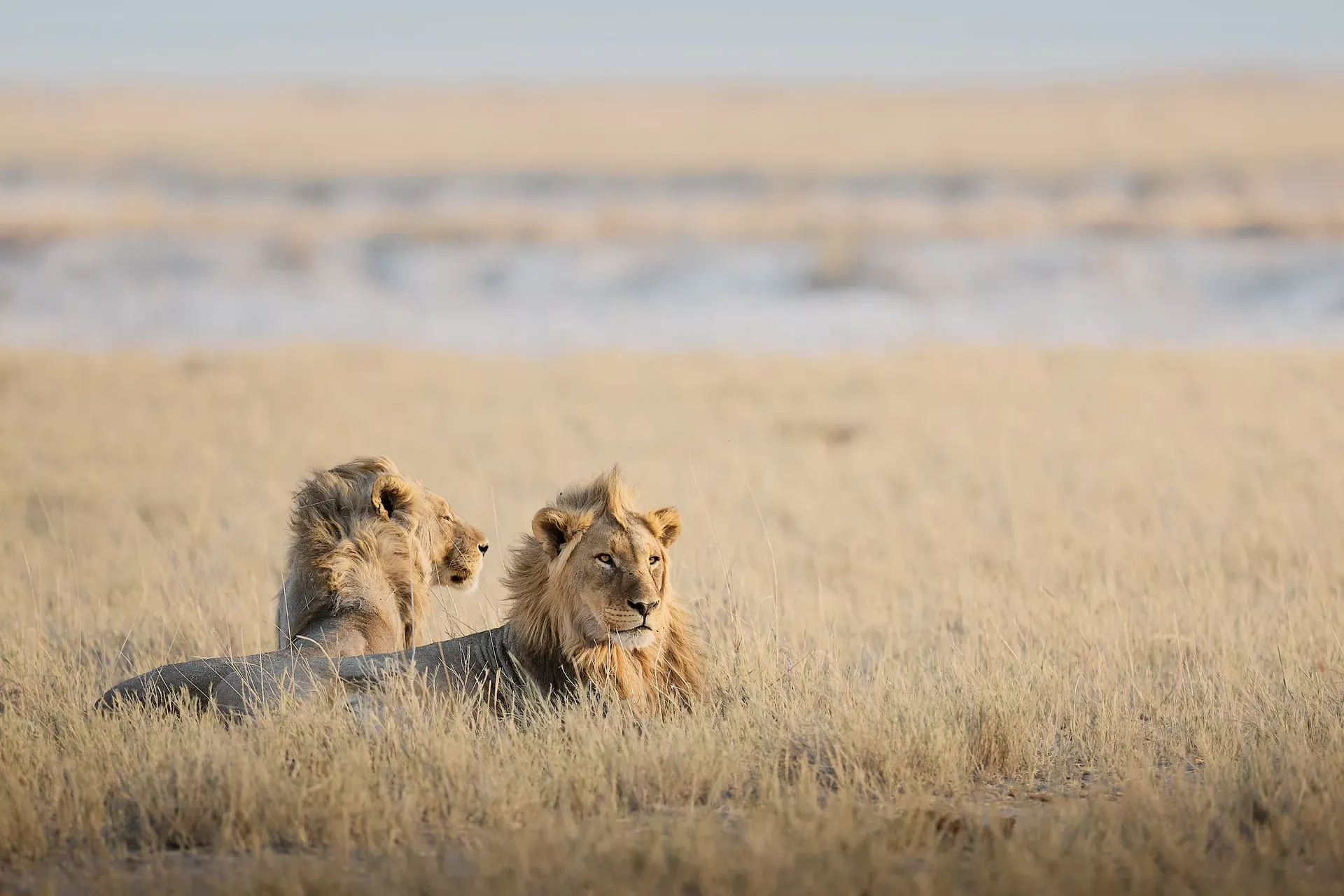
Etosha gives you a raw safari experience that reminds old-timers of Kruger Park in the 1990s. No franchises. No frills. Just exceptional wildlife in landscapes that look like another planet. The park holds over 100 mammal species. Visitors regularly encounter elephants, lions, giraffes, both black and white rhinos, cheetahs, leopards, hyenas, zebras, wildebeest, springbok, impala, kudu, oryx, eland, dik-diks, and ostriches.

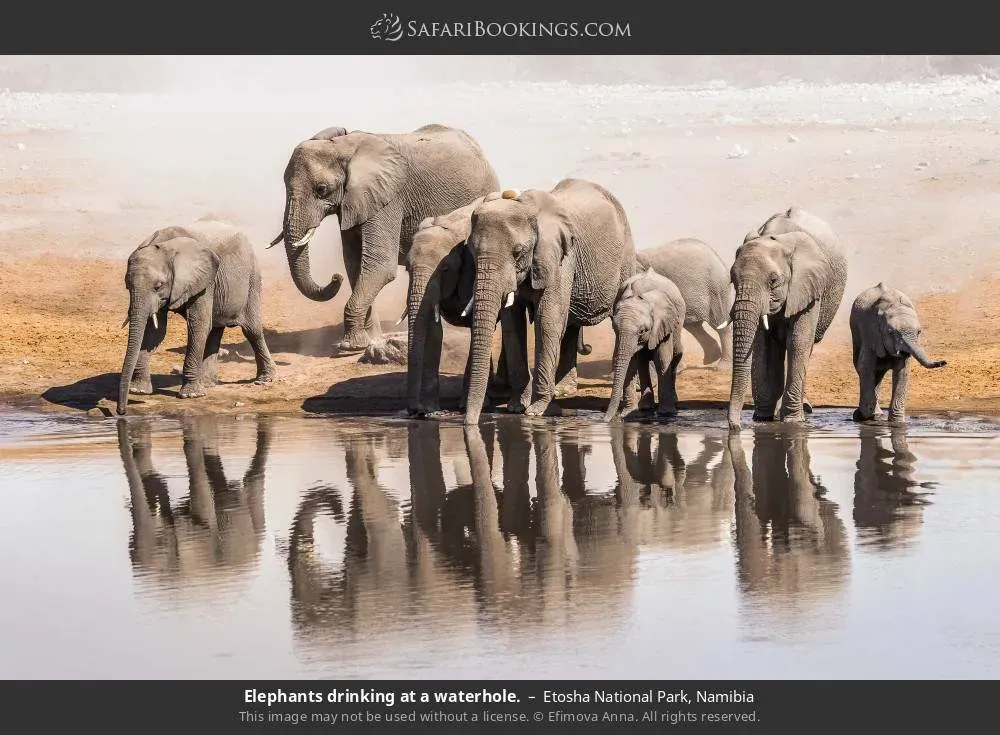
The self-drive setup sets Etosha apart from other parks. You pick your own speed, choose your own routes, and never know what waits around the next corner. Waterholes scatter throughout the park. These create natural gathering points where wildlife congregates. You sit in your vehicle and watch nature unfold in real time.
What to Expect at Etosha National Park Namibia
Self-Drive Safari and Getting Around
Four entrance gates welcome visitors. Galton, Anderson, and Von Lindequist see the most traffic. Each has slightly different protocols. Foreigners pay N150 per person plus N50 per vehicle. This covers 24 hours, not a calendar day. The system works well for multi-day visits. You can enter for an afternoon drive and return the next morning on the same fee. Or you can buy several consecutive days in advance.
The roads vary in quality. Main routes through the park stay passable for any vehicle, though they get corrugated and bumpy. Secondary roads and side tracks need high clearance. They are rougher. Think corrugated metal roofing under your tires. During wet season, even decent 4x4s move carefully, though most roads remain manageable. The 60km/hr speed limit exists for good reason. The shaking at higher speeds gets uncomfortable fast.
Wildlife and When to Look
The action happens at waterholes. Both natural and man-made ones draw wildlife throughout the day. During dry season, animals crowd these sources. You get dense congregations. In wetter months, they spread across the green landscape. This is when you see newborn animals tagging alongside their mothers.
Many people obsess over sunrise and sunset positioning. The reality is more complicated. The best viewing often happens at 9AM and 4:30PM, when animals move between grazing areas and water sources. The eastern side sometimes outperforms the western side, though patterns shift. Animals prefer quieter side roads away from the busy main arteries that connect camps.
Night at the Waterhole
After dark, floodlit waterholes at campgrounds become intimate theaters. This is when shy black rhinos emerge. Elephants gather in family groups. The night belongs to patient observers. Bring headphones if staying at campground waterholes. Tour groups can get loud. Remote waterholes that you reach by driving tend to stay more peaceful.
Where to Stay and What to Watch Out For
Camping facilities sit at prime locations, though expectations need to stay realistic. Infrastructure shows age and needs maintenance. Prices sometimes feel high for the condition. Namutoni stands out as a well-run exception. It has friendly staff and better upkeep. Several lodges also operate within the park boundaries. You sleep near the action.
Fuel shortages are a real problem. The gas stations at central locations and near the eastern gate have not operated for years. The structures stand abandoned and rusting. Never enter Etosha with less than a full tank. The nearest fuel sits about 60 kilometers north of Namutoni. Running out inside the park would be catastrophic. No functioning fuel services exist within the park boundaries. Signage does not warn you. This is knowledge you must carry with you.
Practical Tips for Visiting Etosha National Park Namibia
Plastic bag protocol at Galton Gate is strict. They confiscate plastic shopping bags and search entire vehicles, luggage, and fridges. Staff remain friendly. You can reclaim bags upon exit if you need them for further travel. Other gates vary in strictness. Sometimes they request passports. Sometimes they do not.
Gate opening and closing times shift seasonally. Confirm current hours at each gate when you arrive.
Vehicle choice matters. While 4WD is not strictly necessary for main routes, high clearance improves comfort significantly. This is especially true when following elephant herds that kick up dust and debris. Avoid low-clearance vehicles if you plan extensive exploration.
You cannot exit your vehicle anywhere except fenced toilet areas and designated spots near gates. These facilities include restaurants, though packing lunches works better for full days of game viewing.
Drones are not allowed. Having one in your luggage forces you to leave it at entrance gates. This disrupts carefully planned itineraries. Leave it at home.
Stock up on groceries before entering. The internal shops carry limited supplies. Cooking for yourself requires advance planning.
About 80% of road signs lack labels. Maps are essential for navigation.
Best Time to Visit Etosha National Park Namibia
May through October, the dry winter season, traditionally offer the easiest game viewing. Animals congregate reliably at waterholes. May specifically provides a sweet spot. The bush stays relatively open. Animals roam freely yet congregate enough for quality sightings. You will share fewer vehicles with other travelers.
The wet season from November through April transforms Etosha into an emerald paradise. January and March bring lush green landscapes and baby animals. Taller grass makes spotting more challenging. Patience becomes essential. You may drive longer between sightings. The payoff includes intimate moments without crowds and the delight of newborn wildlife.
The heat in northern Namibia can become extreme during summer months. Winter visits provide more pleasant temperatures for extended game drives.
The Real Experience of Etosha National Park Namibia
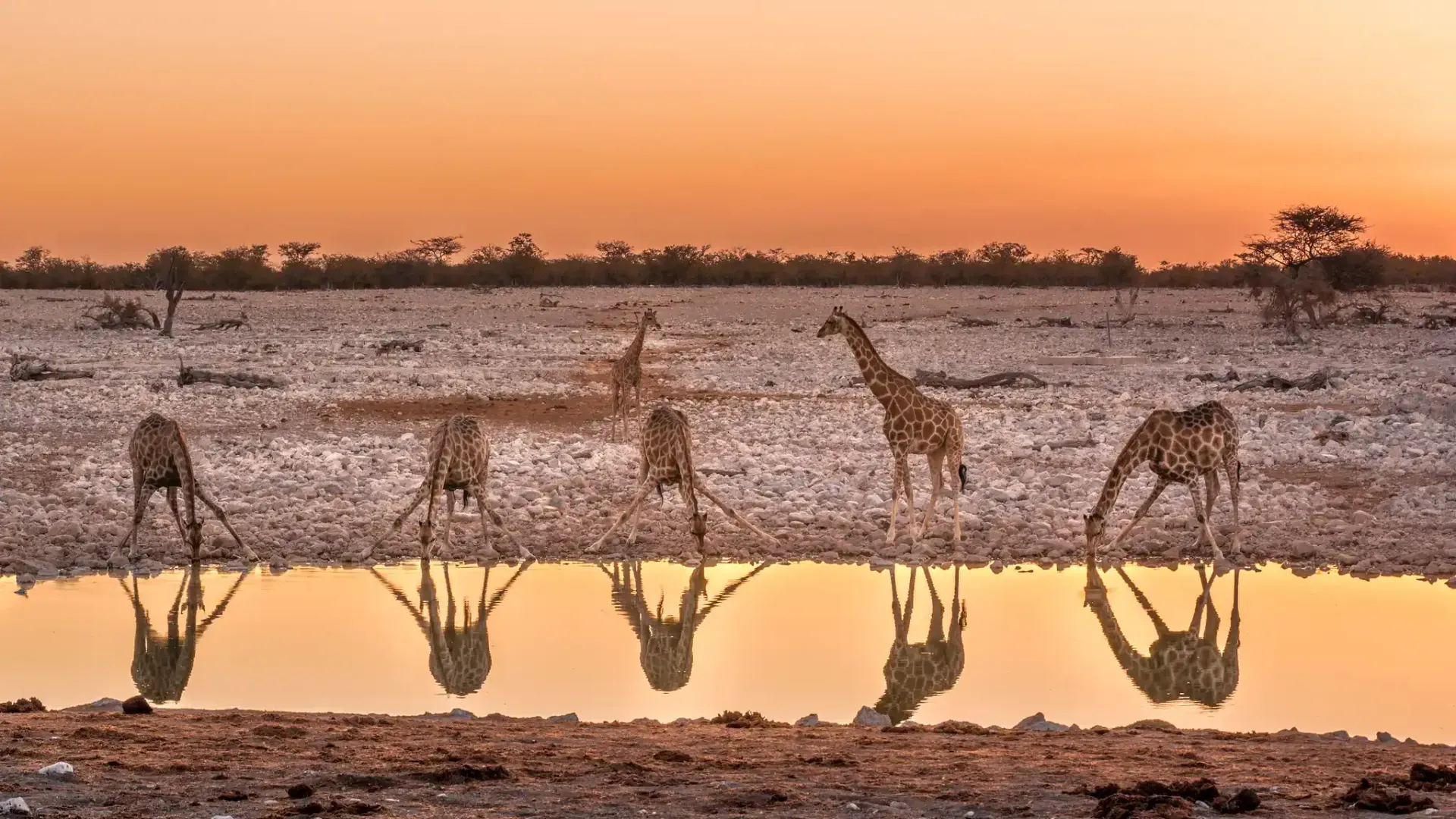
Etosha rewards those who come prepared. The roads will rattle you. The facilities will not pamper you. You will need to manage your own fuel and logistics. None of that matters when you are alone with a family of giraffes. Or when you watch thirty-six elephants share a waterhole with just one other vehicle present. Or when you lock eyes with a black rhino at a floodlit night viewing.
This is safari stripped to its essence. Wild animals in vast spaces. The thrill of discovery around every bend. Nights under stars unspoiled by light pollution. For tourists seeking Namibia's definitive wildlife experience, Etosha remains unmatched. For locals, the park offers something equally precious: a reminder of why this remote corner of Africa captivates the world. Pack your patience. Fill your tank. Surrender to the rhythm of the wild.