Lagoa do Fogo São Miguel: Complete Hiking & Travel Guide
Lagoa do Fogo is the Azores' most dramatic crater lake, but fog, access rules, and steep trails mean planning is everything. Here's how to earn that view.
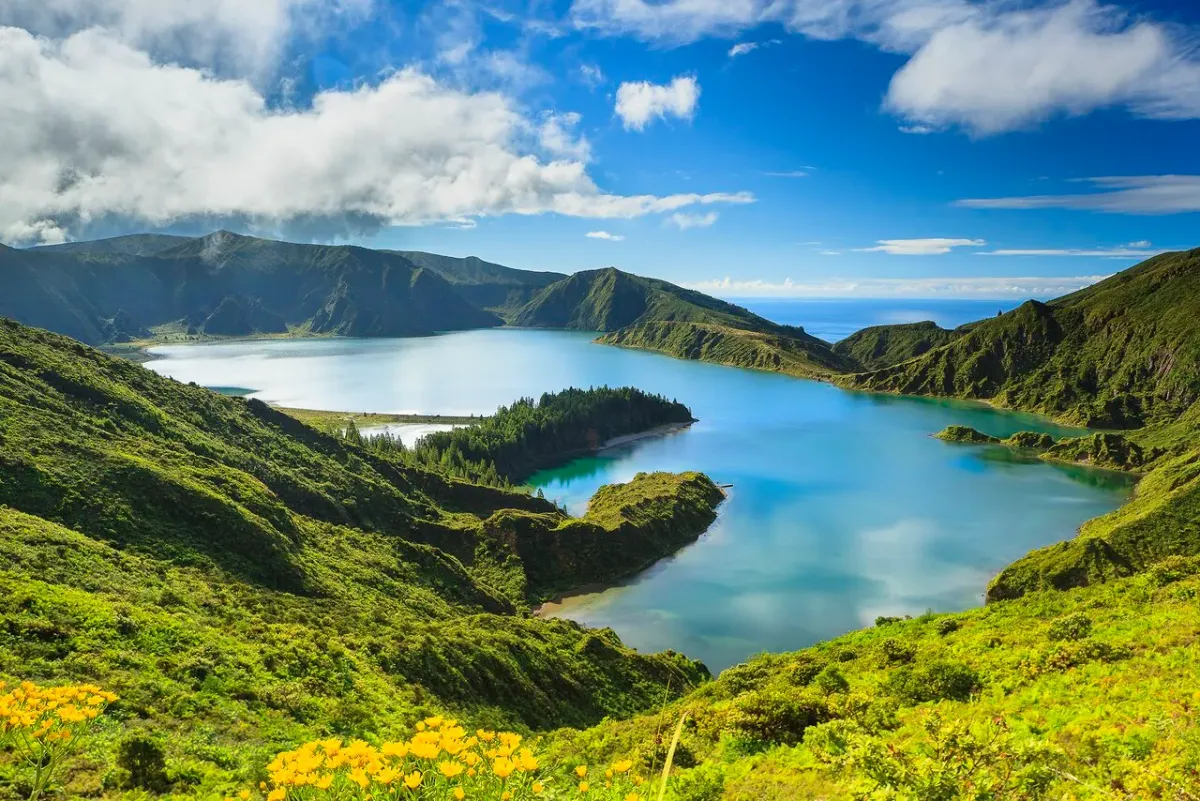
Lagoa do Fogo, the "Lake of Fire," sits in the volcanic interior of São Miguel Island, Portugal. It is the kind of place that makes you stop and stare. This lagoa do fogo travel guide covers what you actually need to know: a turquoise-blue crater lake ringed by green cliffs, hiking trails through fern-filled valleys, and viewpoints where the Atlantic feels a lot closer than it should. Summer 2025, especially July, offers the best conditions: clear skies, solid hiking weather, and those still-water lake reflections that make people stop mid-step. Whether you aim for the pre-9am access window or a golden-hour visit after the crowds thin out, Lagoa do Fogo rewards anyone who plans ahead. The payoff is one of the most striking volcanic landscapes in Portugal.
What Makes Lagoa do Fogo So Special
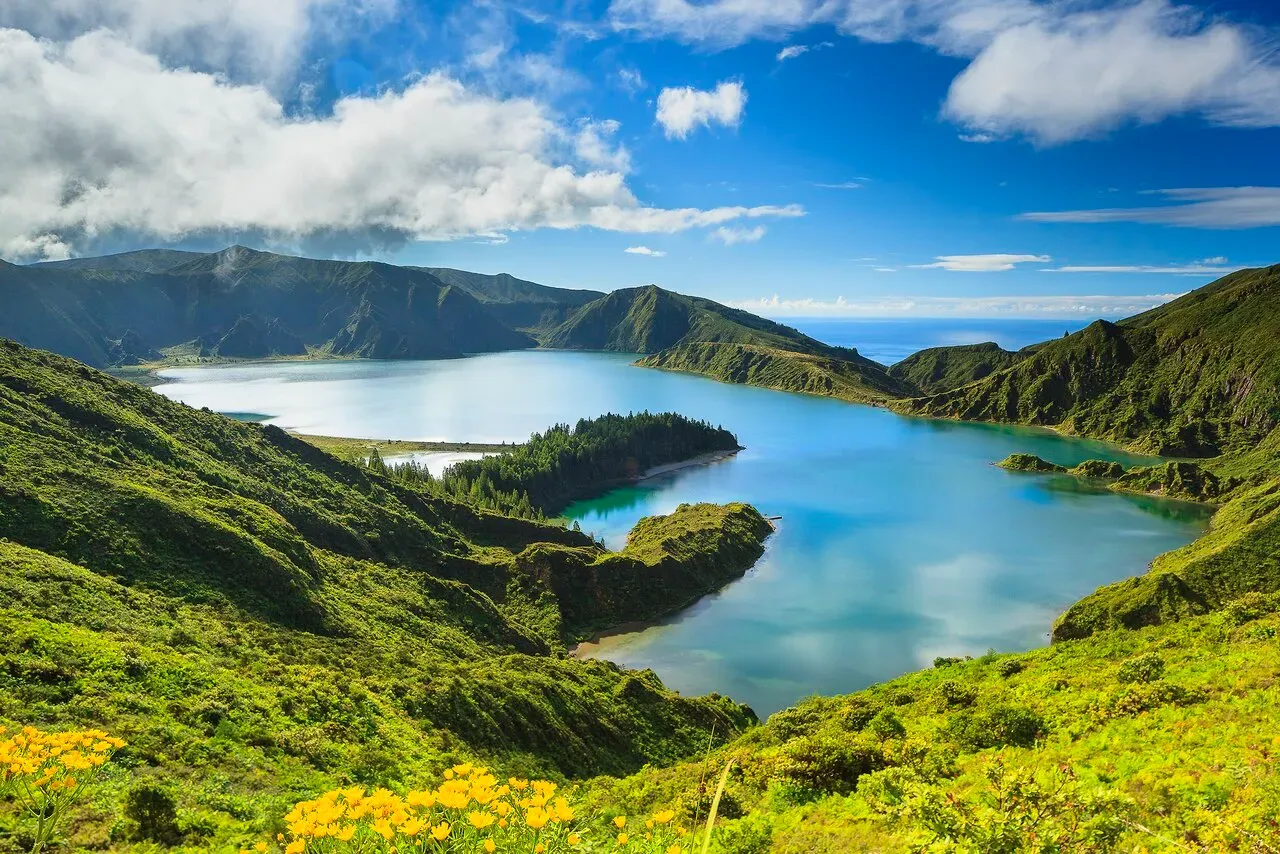
Some places resist photography. Lagoa do Fogo is one of them. Standing at the rim, looking down at that shade of blue, the feeling is hard to name. The landscape feels more like Middle-earth than the mid-Atlantic: clouds race across the caldera, birds circle overhead, and on quiet days the only sound is wind moving through the crater. On the trail sections that fewer people reach, the whole scene can feel lifted from a fantasy film, with moss-covered walls and sudden shafts of sunlight breaking through the mist.
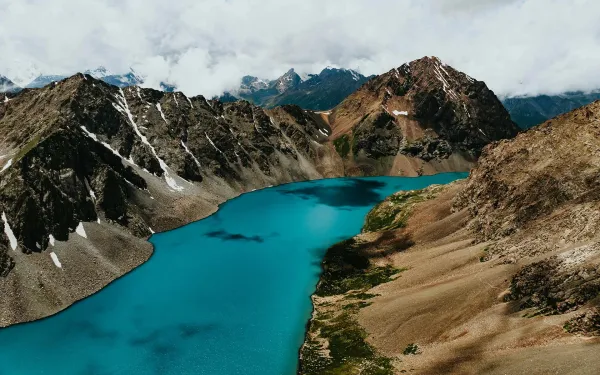
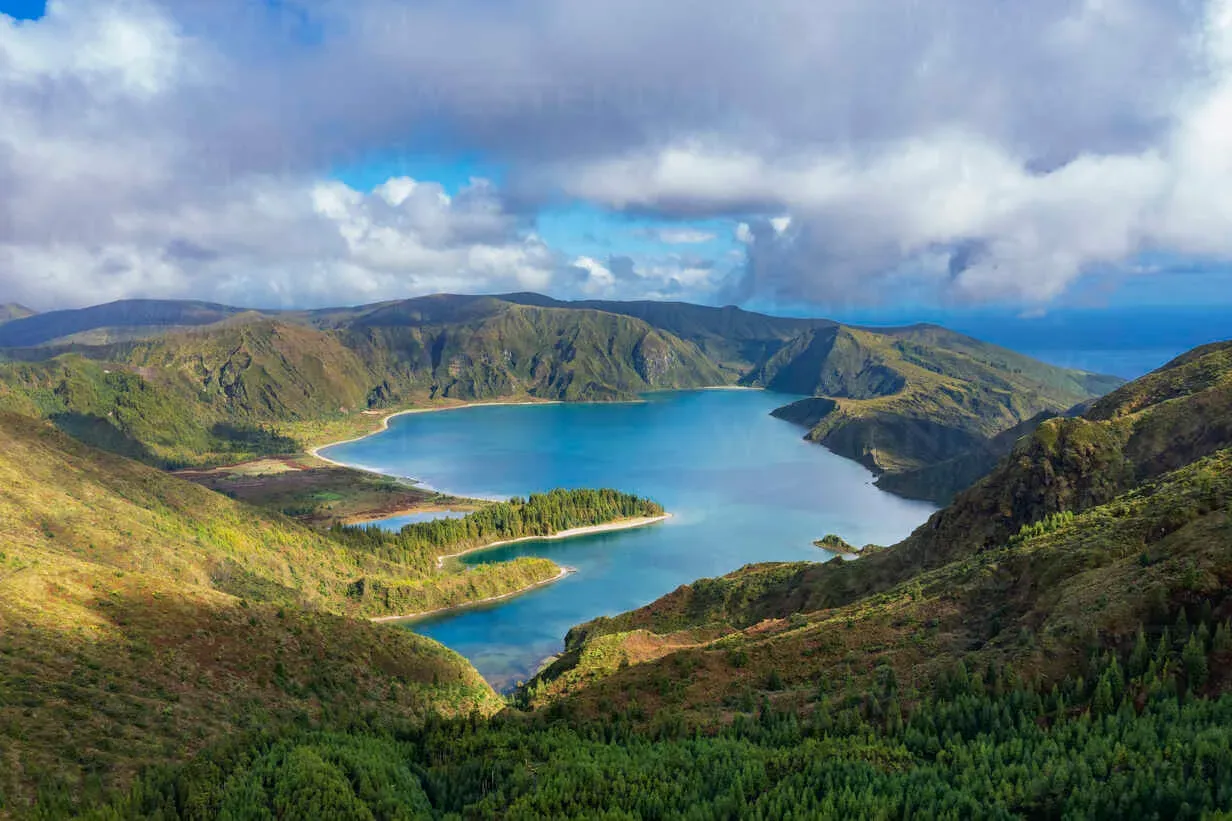
The lake sits inside a protected natural reserve, which means development is basically nonexistent. No cafés, no souvenir stalls, no infrastructure beyond the trails and viewpoints. What you get instead is raw volcanic terrain: steep crater walls covered in dense green vegetation, a narrow sandy shoreline, and water that shifts from turquoise to deep navy depending on the cloud cover. On clear days, views stretch across the island to the Atlantic. On moody, overcast afternoons, the atmosphere has a heavy, quiet beauty all its own.
The access road alone justifies the drive, winding upward through forests and pastureland and offering glimpses of the lake long before any official viewpoint appears. If you arrive at the right moment, when the fog lifts and sunlight floods the caldera, that first full sight of Lagoa do Fogo is the kind of thing that stays with you.
The Lagoa do Fogo Hike: Trails for Every Adventurer
How to Get to Lagoa do Fogo
Getting to Lagoa do Fogo comes with an important logistical catch that surprises unprepared visitors. As a protected area, private vehicle access, including rental cars, is restricted during peak daytime hours. Arrive before 9:00 AM and you can drive directly to the parking area at the top. Arrive after 9:00 AM during high or shoulder seasons and you will be diverted to a lower parking lot where a shuttle bus takes over. The shuttle costs €5 per person and runs a short route up to the viewpoints. It is functional rather than scenic, but it does stop at three different viewpoints before reaching the main lake overlook.
The evening offers a second window: after 7:00 PM the access gate reopens for private vehicles. Some visitors report being let through as early as 6:45 PM, and by this hour the crowds have largely gone. The late-day light across the caldera is spectacular, and with far fewer people around, the experience becomes wonderfully quiet. For those coming from Ponta Delgada, the drive up through the island's interior is scenic in its own right, climbing past hydrangea-lined roads and volcanic ridges before descending toward the lake.
Where to Park at Lagoa do Fogo
The main parking area at the top is free and reasonably spacious, though it fills quickly once the shuttle buses start running. Getting there before 9:00 AM virtually guarantees a spot. One note of caution: the final approach to the parking lot involves a rough, unpaved section that can feel like an off-roading adventure. But persist, and the road smooths out into a proper parking area. For hikers seeking a longer approach, parking at Fabrica da Cidade offers an alternative starting point, with a scenic 1.5-hour hike through the valley leading up to the lake.
Trail Routes and Difficulty
The trail network around Lagoa do Fogo caters to a range of abilities, but even the easiest routes demand proper footwear and a reasonable level of fitness. The most direct path descends from the parking area down to the lake itself. Going down takes about 30 minutes, with the round trip clocking in at roughly one hour at a slow-to-moderate pace. The descent is steep in places, and near the bottom the trail incorporates a ladder for the final drop. It is manageable for most hikers but worth knowing about in advance, especially for anyone with mobility concerns.
For those seeking a fuller immersion, the extended loop around the lake runs approximately two to three hours and involves strong slopes and demanding terrain. The path to the lake itself is relatively straightforward, but venturing further along the perimeter quickly becomes more difficult: narrow, uneven ground, sections affected by landslides after heavy rain, and stretches where the trail nearly disappears into thick vegetation.
Not all trails remain open year-round. Some sections are periodically closed for bird protection, so it is worth checking current conditions before setting out. The terrain rewards preparation. After nighttime rainfall, the ground turns soft and treacherous, and some routes that appear manageable on a dry afternoon become significantly harder. That said, the solitude on the longer trails is genuine. It is not unusual to hike for hours without encountering another person, accompanied only by birdsong, shifting clouds, and the ever-changing light across the water.
The initial climb from the parking area follows a gradual ascent under tall trees, with sections running alongside old water canals. It is a calming, shaded prelude before the landscape opens up near the lake, where the tree cover thins and the panoramic views take over. Even the steepest sections are well-paved with steps that are generally straightforward, though a few tricky footholds require careful navigation, particularly on the return climb when legs are tired.
Lagoa do Fogo Viewpoint: The Panoramic Experience
Not every visit to Lagoa do Fogo involves lacing up hiking boots. The main viewpoint, accessible directly from the parking area, delivers a wide panorama without requiring a step on any trail. On clear days, the entire caldera unfolds below: the deep blue lake, the amphitheater of green, and the distant ocean glinting on the horizon. It is a place that invites you to linger and let the scale of the volcanic landscape sink in.
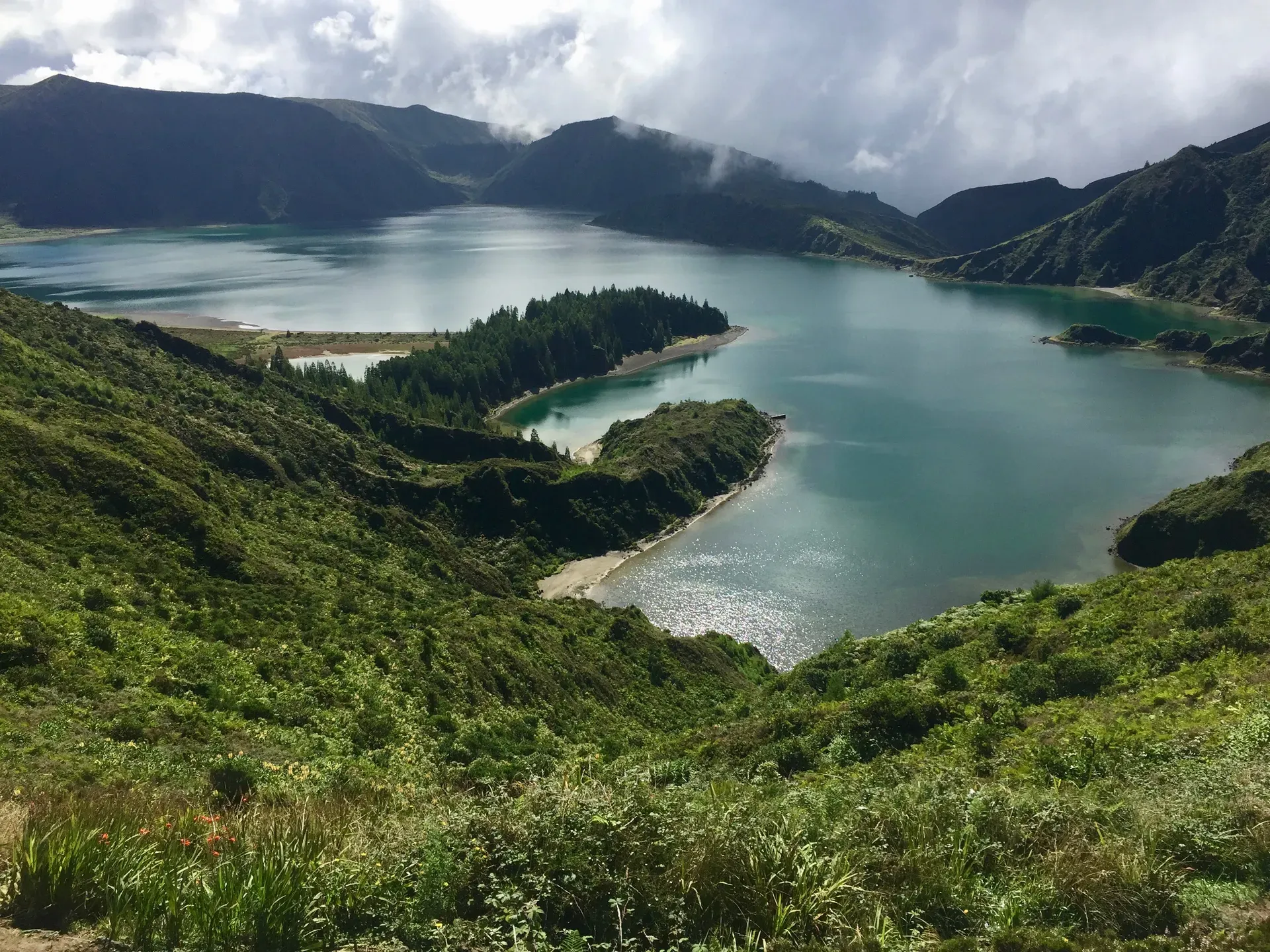
The shuttle bus service stops at three separate viewpoints, each offering a slightly different angle on the lake and surrounding landscape. For visitors who prefer not to hike, this is an efficient way to see the highlights. The free car park at the main viewpoint can get busy during peak hours, but the turnover is steady. People come, take their photographs, and move on, so patience is usually rewarded with a clear spot at the railing.
Here is the non-negotiable rule of Lagoa do Fogo: the view depends entirely on the weather. The crater is notoriously prone to heavy fog that can roll in within minutes, swallowing the entire lake and reducing visibility to near zero. Checking the SpotAzores live cameras before heading up is one of the smartest moves any visitor can make. It reveals in real time whether the lake is visible or blanketed in cloud. Some days, visitors arrive to find nothing but a wall of white. On others, the fog lifts for a fleeting few minutes, offering a brief but clear window before closing again. The difference between a frustrating trip and a transcendent one often comes down to that simple camera check.
Wind is another factor. On blustery days, the exposed viewpoints can feel genuinely punishing, and the trail to the upper climbing route becomes inadvisable. A raincoat is not optional equipment here; it is essential, regardless of how sunny Ponta Delgada looked an hour earlier.
Best Time to Visit Lagoa do Fogo
The official window runs from June through September, when the Azores enjoy their most stable weather and the hiking trails are at their best. July is the standout month: long daylight hours, warmer temperatures, and the highest likelihood of those glassy, reflection-perfect lake surfaces that define the destination at its finest.
Within that seasonal window, timing the day is equally critical. Arriving before 8:00 AM consistently delivers the most rewarding experience: empty trails, crisp morning light, and the best chance of catching the lake before the clouds descend. By 8:00 AM on a typical summer day, the parking lot is still nearly empty, and the descent to the lake can be done in perfect solitude. By mid-morning, the fog frequently rolls into the caldera, and hikers who started late often find themselves descending toward a view that no longer exists, or choosing not to descend at all.
The evening window after 7:00 PM offers a different but equally compelling experience. The crowds have gone, the light turns golden, and the drive up becomes a peaceful cruise rather than a race for parking. Evening visitors get to enjoy the viewpoints at their own pace, lingering until the last light fades over the Atlantic. For those who cannot make the early-morning cutoff, the evening slot is the clear alternative. For photographers chasing dramatic light, it might even be the better choice.
Lagoa do Fogo Things to Do: Beyond the Lookout
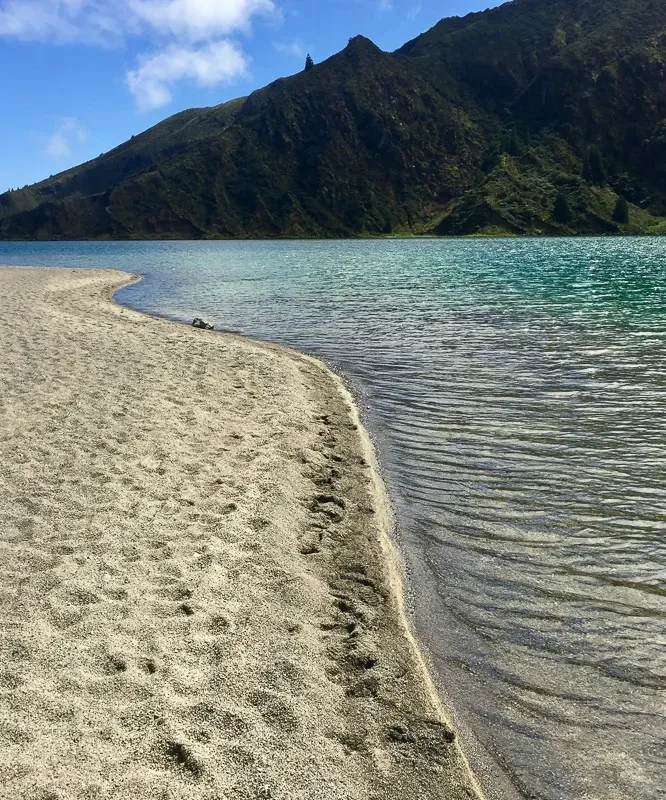
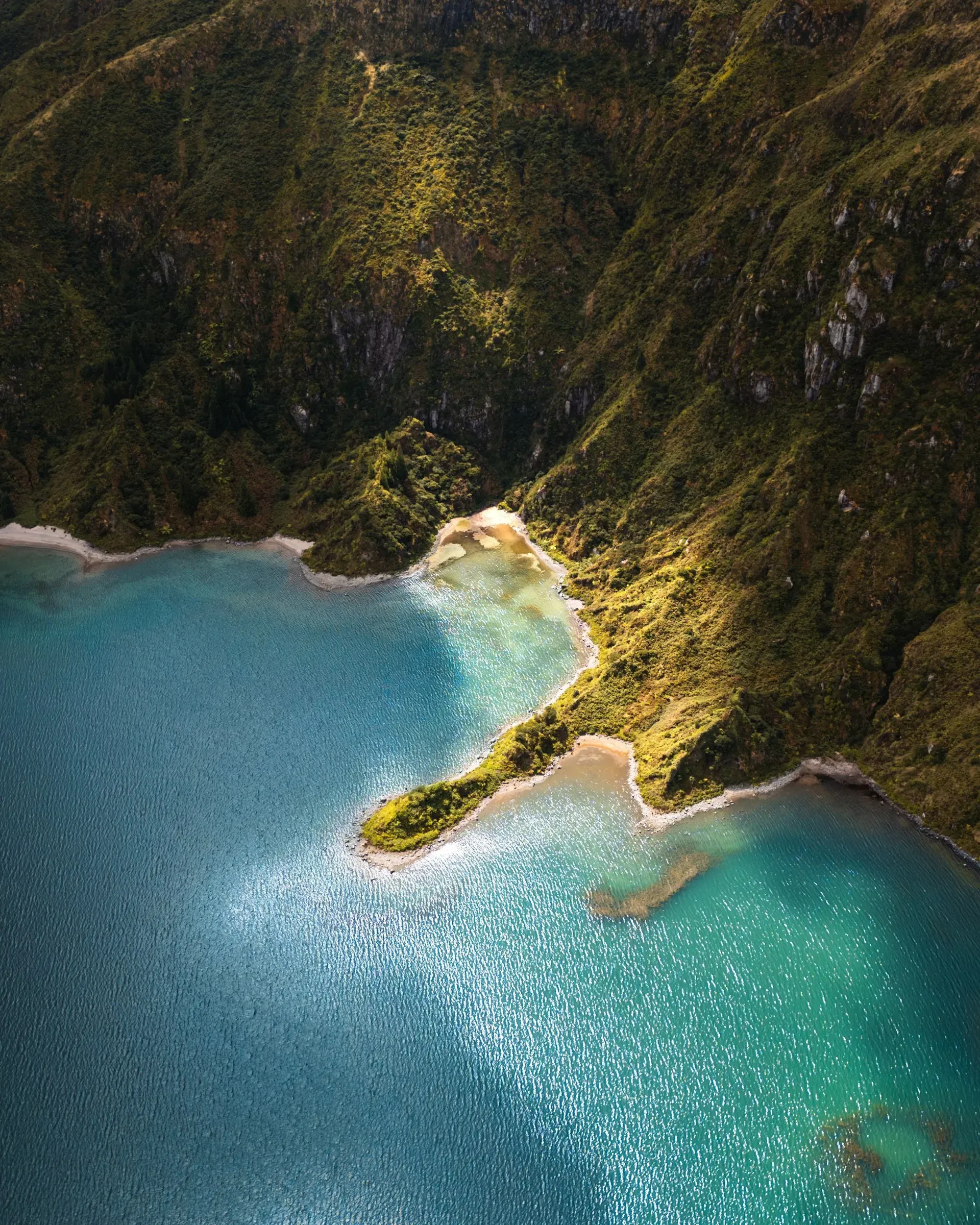
While the viewpoints and trails dominate most itineraries, the lake shore itself offers something quieter. The narrow sandy beach at the water's edge is a striking sight. It feels unexpected in a volcanic crater, and all the more beautiful for that. Hikers who make the descent are rewarded with the chance to sit at the waterline, surrounded on all sides by towering crater walls draped in moss and fern. The stillness down there, away from even the modest bustle of the viewpoints above, has a restorative quality that the panoramic overlooks cannot quite replicate.
The paths around the lake reward exploration, winding through varied terrain that shifts from open shoreline to dense vegetation within minutes. There are no facilities: no kiosks, no snack bars. Everything needed for a few hours at the lake must be carried in. The spacious parking area above serves as the last reliable point to prepare before heading down.
Can You Swim in Lagoa do Fogo?
The short answer: no, swimming is not permitted in Lagoa do Fogo. As a protected natural reserve, the lake is strictly off-limits for swimming. The beach is beautiful, the water looks deeply inviting on a hot day, but entering the lake is prohibited. Visitors should plan accordingly. This is a destination for hiking, photography, and quiet admiration, not for taking a dip. The thermal pools and coastal swimming spots elsewhere on São Miguel are the places to go for a swim.
Lagoa do Fogo Travel Guide: Practical Tips
A successful visit to Lagoa do Fogo hinges on a handful of simple preparations:
Check the SpotAzores cameras before leaving. The lake is prone to heavy fog that can obliterate the view entirely. A live camera check takes seconds and can save a wasted journey. If the cameras show a whiteout, reschedule. The mountain will still be there tomorrow.
Wear proper footwear and bring a raincoat. The trails involve steep inclines, uneven steps, and sections that turn slippery after rain. Hiking boots or sturdy trainers with good grip are essential, and a raincoat belongs in every bag regardless of the forecast. Azorean weather shifts fast, and the crater creates its own microclimate.
Pack water and snacks. There are no cafés, no vending machines, and no shops anywhere near the lake or the viewpoints. Everything needed for the hike must be brought from elsewhere on the island. The parking area is spacious but offers no amenities beyond the space itself.
Know the access rules. Before 9:00 AM: drive straight to the top and park for free. After 9:00 AM (high and shoulder seasons): park lower down and take the €5 shuttle. After 7:00 PM: private vehicles are allowed back up, and the crowds are gone. Planning around these windows transforms the experience.
Keep an eye out for the trail kitten. A friendly young cat with a distinctive coat pattern has made the path back up from the lake his territory. Regular hikers have named him Queijo, and he is known for greeting returning walkers with affectionate enthusiasm. Gentle scratches and play are warmly received. Several visitors have noted that bringing a small amount of cat food makes for a particularly happy encounter, and sharing photos of this unofficial trail mascot has become something of a tradition among Lagoa do Fogo hikers.
The descent includes a ladder. Near the bottom of the main trail down to the lake, the path incorporates a ladder for the final section. It is not technically difficult, but anyone with a fear of heights or significant mobility limitations should be aware before committing to the descent.
Final Thoughts
Lagoa do Fogo does not give itself away easily. It demands an early start, a willingness to climb, and a measure of luck with the Atlantic weather. What it offers in return is something increasingly rare in European travel: a genuinely wild, undeveloped volcanic landscape where the loudest sound is the wind and the only crowds are the ones that arrive after 9:00 AM. Whether experienced from the viewpoints above or earned step by step on the trails below, this crater lake leaves an imprint that no photograph fully captures. For anyone visiting São Miguel, Portugal, skipping Lagoa do Fogo is not a mistake. It is a missed opportunity of the highest order. Go early, check the cameras, bring good shoes and a raincoat, and let the Lake of Fire do the rest.