Kolsai Lakes Kazakhstan: Blue Lakes Without the Crowds
Three alpine lakes with water so blue it looks fake, and barely any crowds. Kolsai Lakes Kazakhstan is the mountain escape nobody's talking about yet.
What Makes Kolsai Lakes Kazakhstan Special
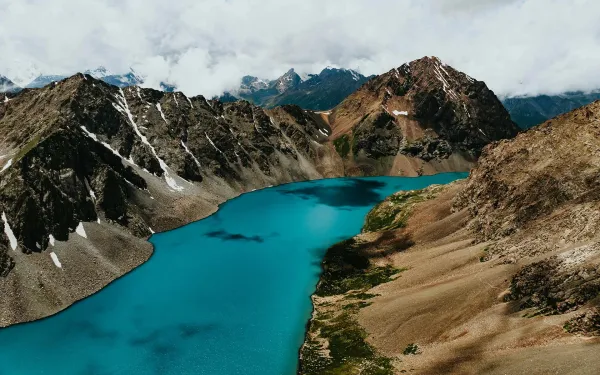
Up in the Tien Shan mountains, a four-hour drive from Almaty, three alpine lakes sit at different elevations with water so blue it looks like someone cranked up the saturation. Kolsai Lakes Kazakhstan doesn't get the crowds you'd expect for scenery this good. The lakes, sometimes called the Pearls of Tien Shan, are separated by pine forests and meadows thick with wildflowers. On a calm morning, the water runs clear enough to count stones on the bottom. I've seen a lot of mountain lakes and these still caught me off guard.
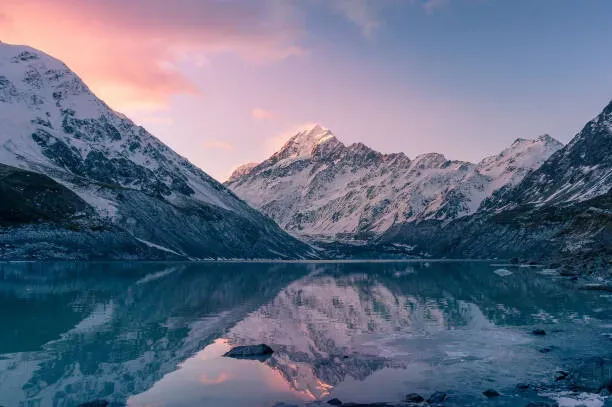
The first thing that hits you at Kolsai is the water color. It's a deep sapphire blue, almost too vivid to trust. Get there early on a still morning and the mountains double themselves on the surface, a mirror effect that disappears the moment the breeze picks up. Despite growing interest from both tourists and locals, the place hasn't been swallowed by mass tourism. Not yet, anyway. The deepest lake goes down 80 meters, nearly the height of a 25-story building. The whole chain formed from an ancient landslide, which explains the dramatic, almost cinematic shape of the valley.
The scenery gets compared to Switzerland a lot, and the price difference is borderline absurd. Big mountains rise straight from valleys carpeted with wildflowers. The Kazakh hospitality is warm without being pushy: you can dress up in traditional clothing for photos or share tea with locals at the small cafes scattered around. It's the kind of place where you end up sitting on a bench for an hour without really noticing the time pass.
The Kolsai Lakes Experience
How to Get to Kolsai Lakes
Getting to Kolsai takes some effort, but the drive is half the experience. Day trips from Almaty cost around $60 and take roughly four hours through scenery that gets more dramatic the further you go. Some tours bundle Kolsai with Charyn Canyon, which squeezes two natural wonders into one day. The tradeoff is less time at the lakes, and a lot of people I talked to wished they'd had more hours there. The final stretch involves a Soviet van or similar rugged vehicle. Horse riding and meals are charged separately. Tours don't include water or food, so pack your own snacks and hydration before leaving Almaty. Guided tours can feel rushed. The lakes reward slow exploration, not a checklist of photo stops.
Kolsai Lakes Hiking and Walking Trails
The first lake is the easiest introduction. A well-maintained wooden walkway loops around it, leading to the boating area and Tary restaurant. It's an easy to moderate walk with plenty of benches and rest areas where you can stop for photos or just sit there. Nothing strenuous, but the views are the real deal.
If you want solitude, push past the first lake. The trails get rougher and better the further you go, threading through pine forest and opening onto wildflower meadows. There's a back trail off the main path that leads into increasingly beautiful terrain. Serious hikers should plan for a full day or an overnight stay. The area beyond the first lake holds far more than most visitors ever see, and those who make the effort get near-total silence in return.
Things to Do in Kolsai Lakes
Horse riding is the main draw. For about 10,000 tenge, local handlers take you through the landscape at a pace that feels more grounded than walking. One route climbs into the hills for panoramic views of the entire lake chain. Another heads to a nearby cave, which is an unexpected bonus. Skip it on rainy days though. The trails turn slick and dangerous, and the guides will tell you the same thing. Wait for dry conditions.
Paddle boats appear on the first lake in warmer months. These are manual paddle boats, which sounds charming until you're halfway across and realize you still have to get back. Save some energy if boating is a priority. The paddle back to shore always feels longer than the glide out.
The small gift shop near the lake is better than it has any right to be for such a modest setup. A photoshoot in traditional Kazakh clothing is another solid souvenir and a way to connect with local culture that doesn't feel forced. The Tary restaurant sits above the lake, reached by a serious set of stairs. The balcony view takes in the whole expanse of blue water and surrounding peaks. A couple of small cafes and coffee shops cluster near the entrance, which is useful on cold days when the mountain wind cuts through everything.
Kolsai Lakes Through the Seasons
Kolsai changes completely with the seasons. In December the lake freezes solid. The ice gets thick enough to walk on. Snow covers every surface and the whole scene looks like something off a Christmas card, in the best way. Late winter is especially strange and beautiful: half the lake frozen, half crystal clear, with locals already prepping boats for summer. New Year's Day visitors brave serious cold for some of the most striking winter photography in Kazakhstan. Even in deep cold, the view justifies every shiver. The cafes selling hot coffee near the entrance become essential.
Summer reveals the lake's famous intense blue. Winter visitors often vow to return just to see the color at full strength. Boat season kicks into gear and the shoreline fills with a mix of tourists and locals making the most of the short alpine summer. Autumn paints everything gold. The air turns crisp, the foliage goes bright, and the crowds thin out. It's probably the most underrated time to visit. The wooden walkways stay open, and cooler temperatures make the deeper trails far more comfortable than in peak summer heat.
Best Time to Visit Kolsai Lakes
June through September gives you the most reliable conditions for exploring Kolsai Lakes Kazakhstan. Warm days, fully open trails, and that turquoise color at its strongest. Summer brings boat activities and the full range of outdoor options, though it also draws the largest crowds. Mornings during these months are special: mirror-like reflections on the water that vanish once the breeze kicks up.
If you want solitude, early autumn delivers golden foliage and fewer visitors while still offering comfortable hiking weather. Winter, from December through February, turns the lakes into a frozen spectacle. It's magic for photographers and anyone drawn to stark alpine beauty, but you need to prepare seriously for the cold and relentless mountain wind. Every season at Kolsai offers something different. A lot of visitors end up planning return trips to see the lake in another form.
Where to Stay Near Kolsai Lake
Accommodation ranges from rustic cabins to proper hotels. Cabins above the lake let you stay overnight and experience Kolsai at dawn and dusk, when the day-trippers are gone and the place feels like yours. A hotel sits right on the lakeshore. You wake up to water views and can explore at your own pace before the tour buses pull in. On tighter budgets or shorter schedules, Almaty works as a base for day trips. The early departure and late return make for a long day, but it's worth it.
Kolsai Lakes Travel Guide: Practical Tips
The mountain wind is relentless. Bring a scarf or jacket no matter what the forecast says. Even on sunny summer days, the breeze off the peaks surprises people who dressed too light. Morning visits give you the best conditions for photos. Those mirror reflections ripple away once the wind picks up later in the day. Tour groups often rush through in a couple of hours. Independent travelers who stay longer consistently get more from the experience.
Horse riding on wet days is genuinely dangerous. Slippery trails create real risk, so wait for dry conditions. The manual paddle boats demand more stamina than they look like they will. Plan accordingly if you want to get on the water. Tours typically don't include meals or water, so pack snacks and hydration before leaving Almaty. Don't skip the gift shop. It's small but surprisingly good. When the weather turns cold, the cafes near the entrance pour hot coffee that tastes especially good after a long walk along the shore.
Your Kolsai Lakes Itinerary: Making the Most of Your Visit
A well-paced day trip from Almaty starts early. The drive takes roughly four hours each way. Aim to arrive by mid-morning to catch the lake at its calmest, when the water reflects the mountains like glass. Spend the first hour walking the wooden walkway around the first lake, stopping for photos at the rest areas along the route. Midday is for either horse riding (around 10,000 tenge for a memorable ride through the hills) or a paddle boat drift across the water. Doing both in a single visit is ambitious but possible if you keep a brisk pace.
Climb the stairs to Tary restaurant for lunch with a balcony view that surveys the entire lake, then browse the gift shop before heading back. If you have the flexibility, seriously consider an overnight stay in one of the lakeside cabins. Sunset and sunrise over the water turn an already good visit into something you won't forget. A two-day itinerary also opens up the deeper hiking trails beyond the first lake, where the landscape grows rougher, quieter, and more interesting with every step.
Is Kolsai Lakes Worth the Trip?
Kolsai Lakes is the kind of place that makes you want to keep it secret and tell everyone about it at the same time. The water really is that blue. The mountains really are that big. And the sense of quiet that settles in after an hour by the shore isn't something you can fake. There aren't a dozen activities competing for your attention, and that's exactly the point. You go to slow down. Whether you visit in summer for the turquoise color at its peak, in autumn for golden solitude among the pines, or in winter for a frozen landscape that feels entirely different, Kolsai rewards the trip. It's the sort of place that explains why more people are discovering Kazakhstan's mountains. And if you go now, before the crowds catch on, you might just get the place to yourself.