Great Wall of China: The Ultimate Mutianyu Guide
Visit the Great Wall of China at Mutianyu without the Badaling crowds. Your complete guide to cable cars, toboggans, and surviving the mountain steps.
What is the Mutianyu Great Wall of China?
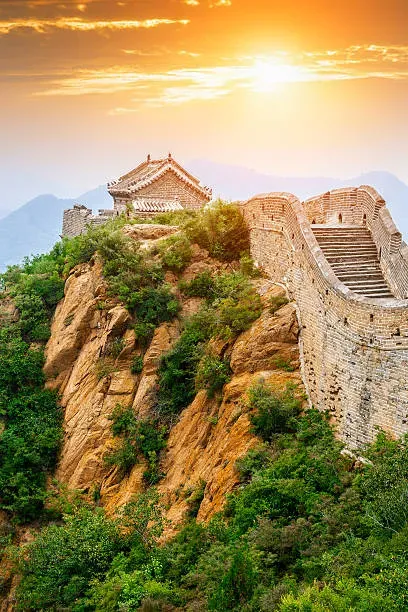
The Great Wall of China spans over 13,000 miles across northern China's mountains, built across 2,000 years by successive dynasties. You can visit several sections near Beijing, but Mutianyu strikes the best balance. You get the views without fighting through the tour-bus chaos that chokes Badaling.
Why visit this section of the Great Wall of China?
Mutianyu offers something rare: you can actually enjoy the architecture without being swarmed. The Ming Dynasty watchtowers here include double-sided battlements, built so defenders could fire in both directions. That is genuine military engineering, not just tourist walls.
Then there are the cats. Dozens of them wander the entrance and climb the steps with you. Someone set up shelters and feeding stations for them, so they stick around. You will probably spend as much time photographing cats as you do the Wall itself.
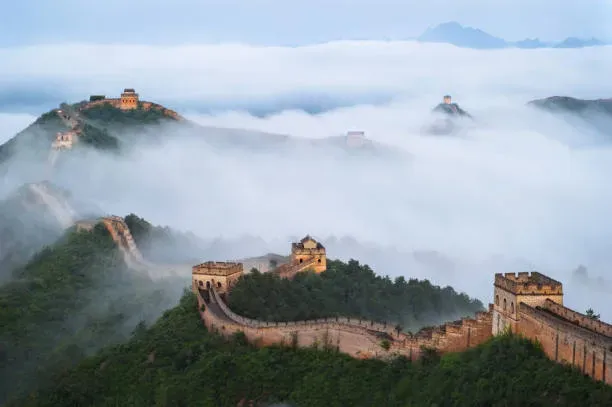
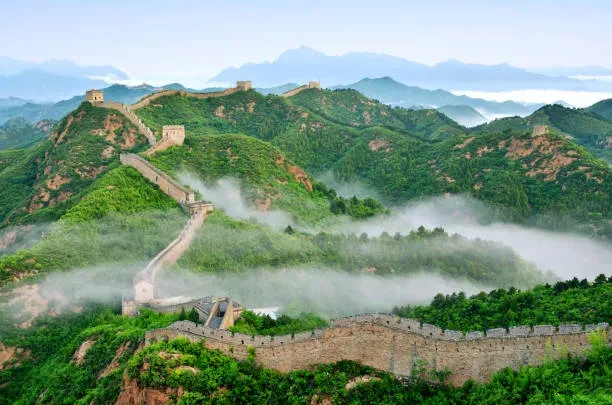
The views are ridiculous, of course. From the cable car you watch the Wall cut along ridgelines that look impossible to climb. Watchtower 14 gives you the classic panorama. On clear days you can count watchtowers stretching into the distance. When the clouds roll in, everything goes soft and gray and you half expect to see Ming soldiers march past.
Visiting the Great Wall of China: what you need to know
Getting there and entry
Mutianyu sits about 90 minutes to two hours north of Beijing. You will need to sort out transport: hire a car, book a tour bus, or arrange a driver. Tour packages bundle transport, tickets, and lunch. Mubus runs a solid operation if you want the logistics handled.
Bring your passport. They require it for entry. The site uses two cable car companies that do not cooperate. You cannot mix and match their tickets, so pick one and stick with it.
The entrance area has Burger King, Starbucks, Pizza Hut, and KFC if you need familiar food, plus souvenir shops where you should bargain. A shuttle bus covers the 3 kilometers from entrance to gondola station. You could walk it, but the road climbs steadily and you will want that energy for the Wall itself.
East versus West: picking your route
Mutianyu splits into two areas with different vibes:
The East uses open-air cable cars with two-person seats. You dangle in the wind on the way up. This side also has the toboggan slide, a metal track that runs down the mountain. It is fun until you hit the line. On busy days you wait an hour, and the ride slows to a crawl when backed up. Miss your bus waiting for the slide and you are stuck bargaining with local drivers.
The West uses enclosed cable cars that protect you from weather. Most people say the views are better here, especially from Watchtower 14 where the cable car drops you. A round-trip ticket costs 120 yuan.
The actual hiking: steps, towers, and pain
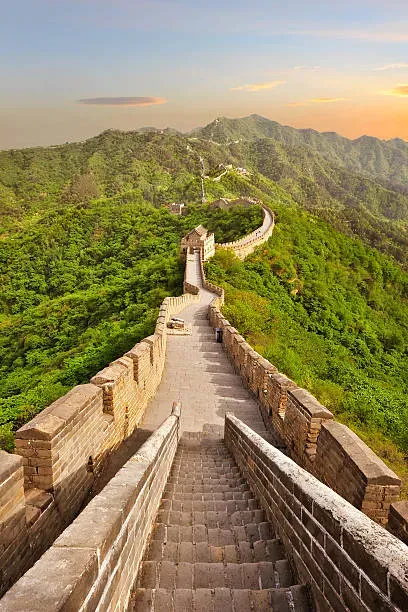
The steps will wreck you. They are steep, uneven, and vary in height from a few inches to nearly knee-level. This is not a casual walk. Wear shoes with real grip and be honest about your fitness.
Tower 20, called Hero Slope, marks the highest point at Mutianyu. Walking from Tower 6 to Tower 20 takes about 70 minutes. Pushing on from Tower 20 to Tower 1 takes another 80 minutes. Tower 20 works as a rest stop with fewer people around, giving you space to sit and process the scale of this thing.
The smart move is taking the enclosed cable car to Tower 14 or 16, then walking toward Tower 6. You get mostly downhill walking instead of grinding uphill the whole time. From Tower 6 you can either take the other company's toboggan down, time permitting, or ride back down the same cable car.
Warning: if you are older and have trouble walking, if you have small children, or if you have back problems, think hard about this. The steps are genuinely difficult. I have watched people in their 70s struggle and young kids melt down in tears. The physics do not care about your tour schedule.
Weather you might face
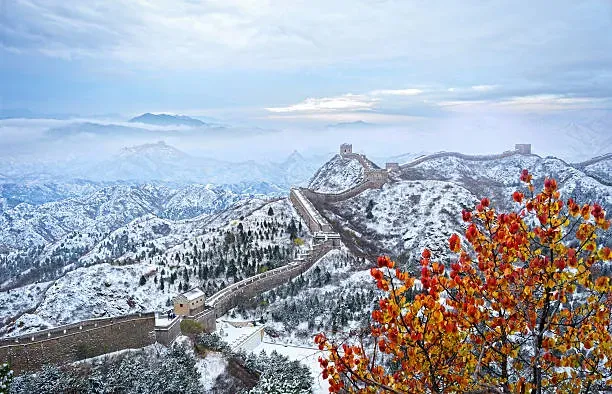
Timing changes everything. Mid-September usually brings blue skies and temperatures perfect for climbing. November through February offers space but punishes you with cold. Temperatures drop to -14°C, and wind on the ridgeline makes it feel like -20°C.
Winter visits give you snow-covered scenery that looks like propaganda posters. The trade-off is safety: ice makes the stone steps slippery. People fall. Wear boots with actual tread, and honestly, small children and elderly visitors should skip winter visits. It is not worth the risk.
Rainy days sock in the clouds and kill your visibility. But there is something compelling about watching mist shift between the towers. You get less for your camera, yet something about the gloom feels appropriate for a military wall. History here was not sunny.
Practical matters
Timing and crowds
The site opens at 7:30 AM. Be there then. By 11:30 the crowds multiply and photography becomes a contact sport. This applies even in off-season months. Avoid Chinese national holidays entirely. Badaling becomes a human traffic jam during these periods, and even Mutianyu fills up.
December through February is genuinely quiet. You might share the Wall with a dozen other people. But you pay for that with frozen fingers and dangerous footing.
What to pack
- Water and snacks. One vendor sells halfway up the hiking route, but prices on the Wall itself are absurd. Bring your own.
- Shoes with grip. The uneven, steep steps demand traction.
- Patience. The climb hurts. Stop when you need to.
- Warm layers in winter. Temperatures plummet, and wind exposure on the ridgeline intensifies the cold.
Tickets and transport
Buy tickets ahead when you can. It saves time and guarantees entry when busy. Remember the entrance fee covers only access. Shuttle bus tickets and cable cars cost extra. The shuttle bus is basically mandatory unless you want to add uphill walking before you even reach the Wall.
If traveling with elderly people, book the cable car for both ascent and descent. The walk from shuttle drop-off to gondola station is enough to exhaust someone with limited mobility.
Best time to visit
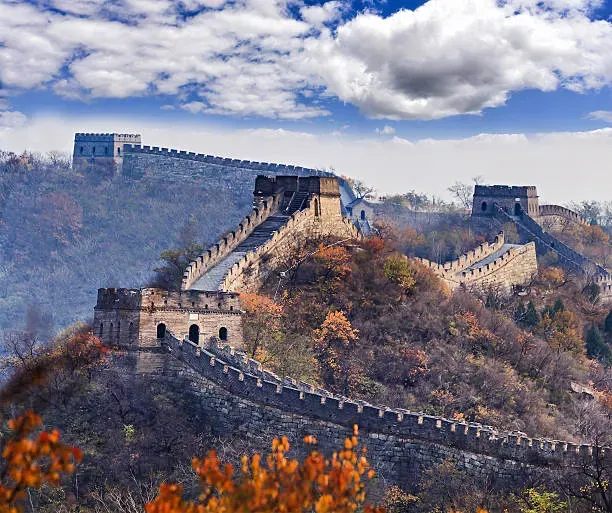
April through June and September through November hit the sweet spot for weather and visibility. September especially delivers clear skies, moderate temperatures, and golden autumn light that changes how the stone photographs.
December through February rewards visitors who can handle cold with snow scenes and solitude, but carries serious warnings about slippery conditions and extreme temperatures. Summer brings heat and crowds. Spring and autumn offer the best odds for a good experience.
So is it worth it?
Mutianyu gives you what you came for: the scale, the history, that strange feeling of standing on something built by thousands of hands over centuries. It is hard work. The crowds can overwhelm, the weather turns unpredictable, and your legs will hurt for days. But those problems fade against the reality of walking on a structure that has witnessed millennia of Chinese history.
Prepare properly, arrive early, choose your route based on your fitness, and let the size of the thing wash over you. Whether fogged in, glowing with autumn color, or stark against winter snow, the Great Wall of China remains an experience that sticks with you long after you have climbed back down.