El Morro Castle Havana Cuba: 16th-Century Fortress Guide
Havana Cuba's El Morro Castle: a working 16th-century fortress with epic bay views, a centuries-old cannon ceremony, and one of Havana's most recognizable landmarks.
Standing Guard Over Havana Bay
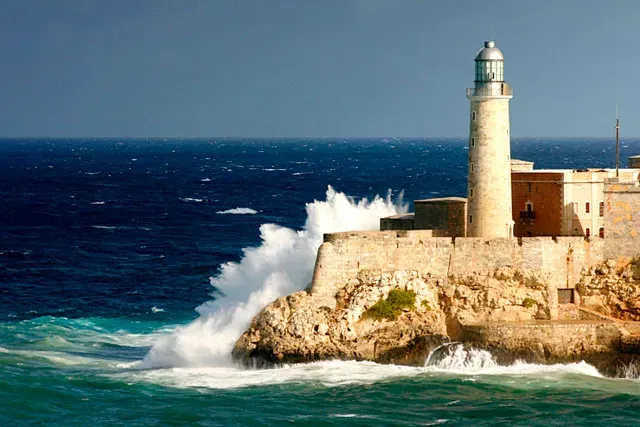
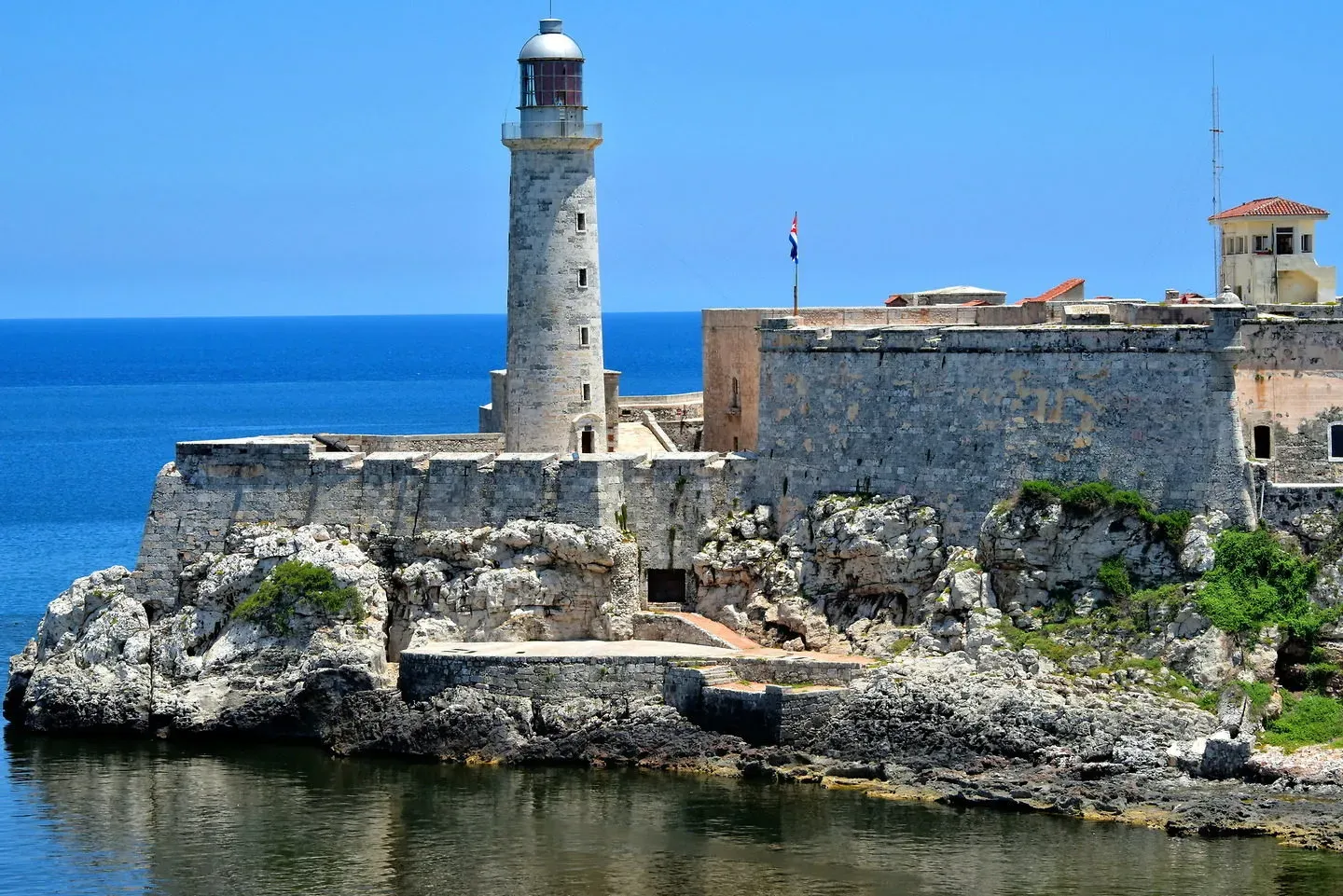
Havana Cuba draws June 2026 travelers seeking warm tropical weather and authentic Caribbean culture. At the entrance to Havana Bay, the iconic El Morro Castle (Castillo de los Tres Reyes Magos del Morro) is one of the city's most photographed landmarks: a 16th-century fortress whose ramparts have witnessed centuries of history.
Built between 1587 and 1597 by Italian engineer Battista Antonelli (the same architect behind the famous forts in San Juan, Puerto Rico), this massive stone fortress was designed by the Spaniards to defend Havana harbor against pirate raids and foreign invasions. A boom defense chain once stretched across the water from its walls, while the name "Morro" itself refers to the rocky outcrop visible from sea that served as a crucial navigational landmark. The lighthouse added in 1844 casts a beam visible from over 30 kilometers away.
What makes El Morro Castle special
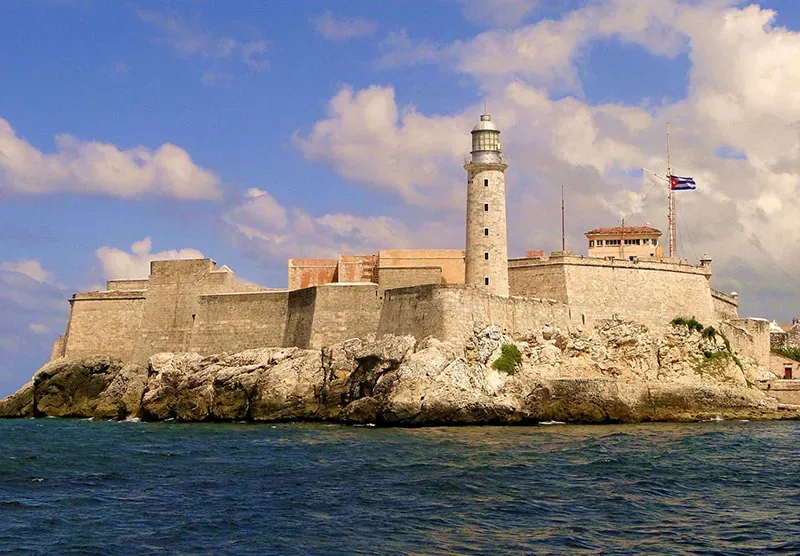
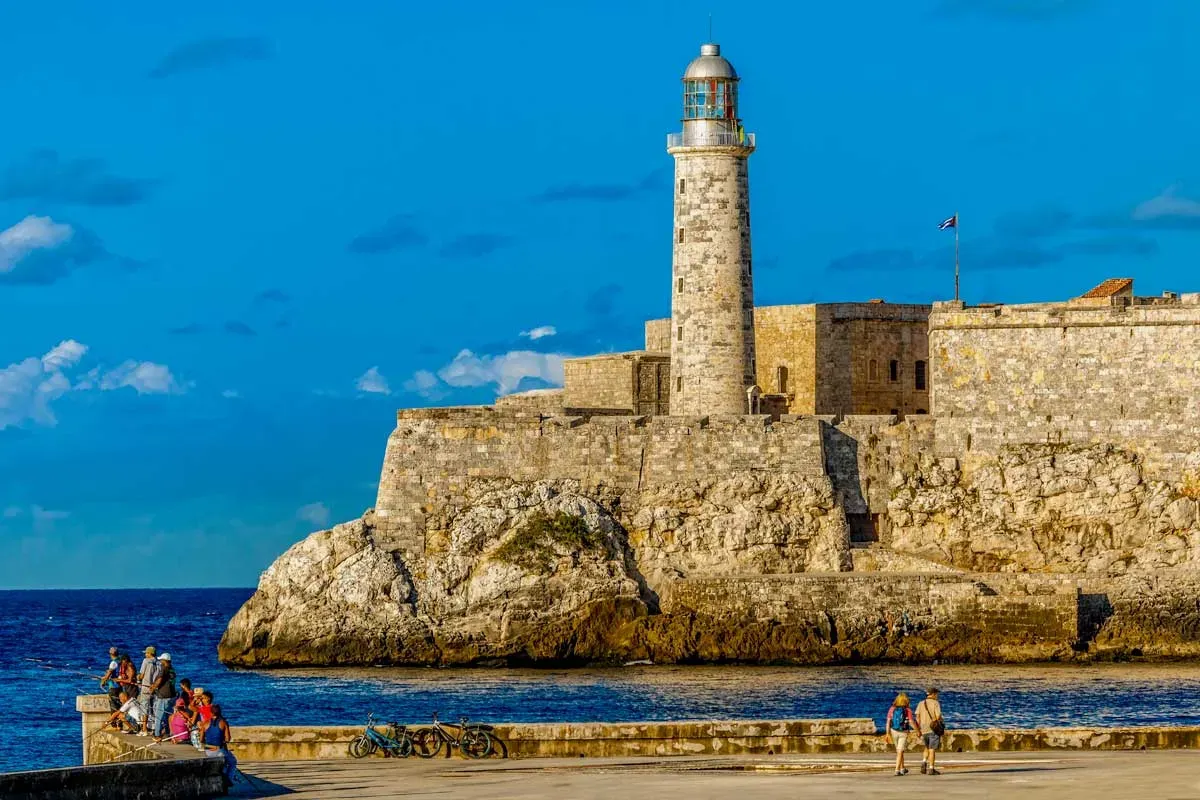
The magic of El Morro lies in its commanding position. Perched on rocky cliffs where the Caribbean meets the harbor entrance, the fortress offers panoramic views of both Old Havana and Vedado (New Havana). The grounds are well maintained, and the sight of vintage 1950s pastel-colored convertibles parked against the ancient stone walls creates that quintessential Cuban postcard moment.
But beyond the views, El Morro remains a living piece of history. The daily tradition of "El Cañonazo" continues as it has since the 1500s. Every evening at 9pm, guards fire a cannon to reenact the historic signal that once announced the closing of the city gates. Those outside the walls would be locked out until morning.
The experience: Exploring the fortress
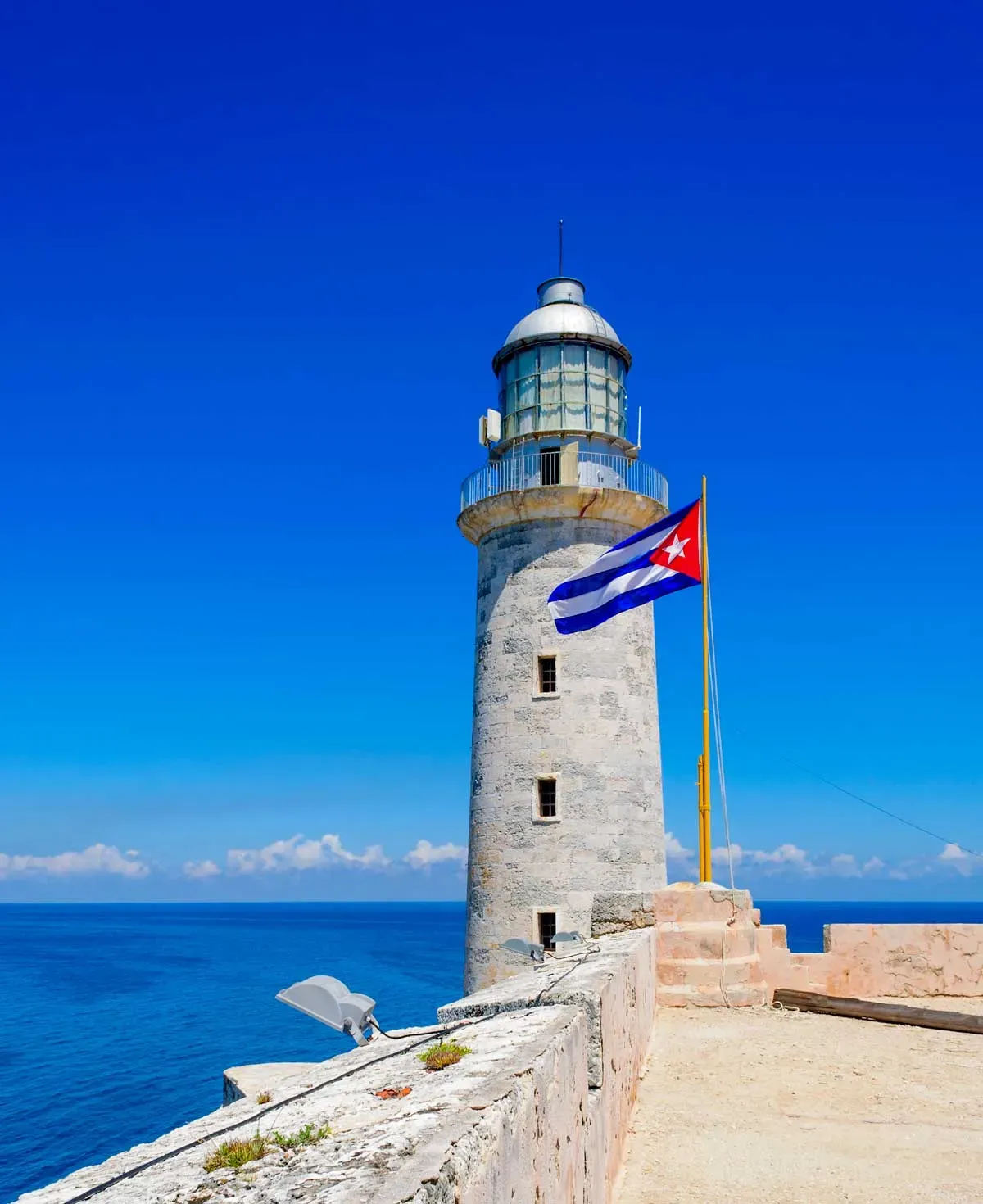
The ramparts and lighthouse
The fortress is surprisingly expansive. Plan to spend at least an hour wandering the grounds. The stone ramparts feature the original tapered defense stations where soldiers once sighted pirate ships through narrow openings, protected by thick rock walls. You can walk the parapets and peer through the overlook windows that once framed enemy vessels.
For an additional 400 Cuban pesos, climb the lighthouse spiral stairs to the top. The 360-degree views are impressive. You can see across the entire spread of Havana Cuba and trace the coastline where the deep blue Caribbean meets the harbor entrance. That said, some visitors note the view from the lighthouse is not dramatically different from the ground level, and the real magic lies simply in being there.
The museum and exhibits
The fort houses a military museum with exhibits detailing the castle's history, though signage is limited and mostly bilingual (English and Spanish). The space includes cannons, many rusted and corroded from centuries of salt air, as well as exhibits in various rooms throughout the complex. A prison for enslaved people is referenced on the site, though specific identification of rooms is not always clear.
Sunset and the cannon ceremony
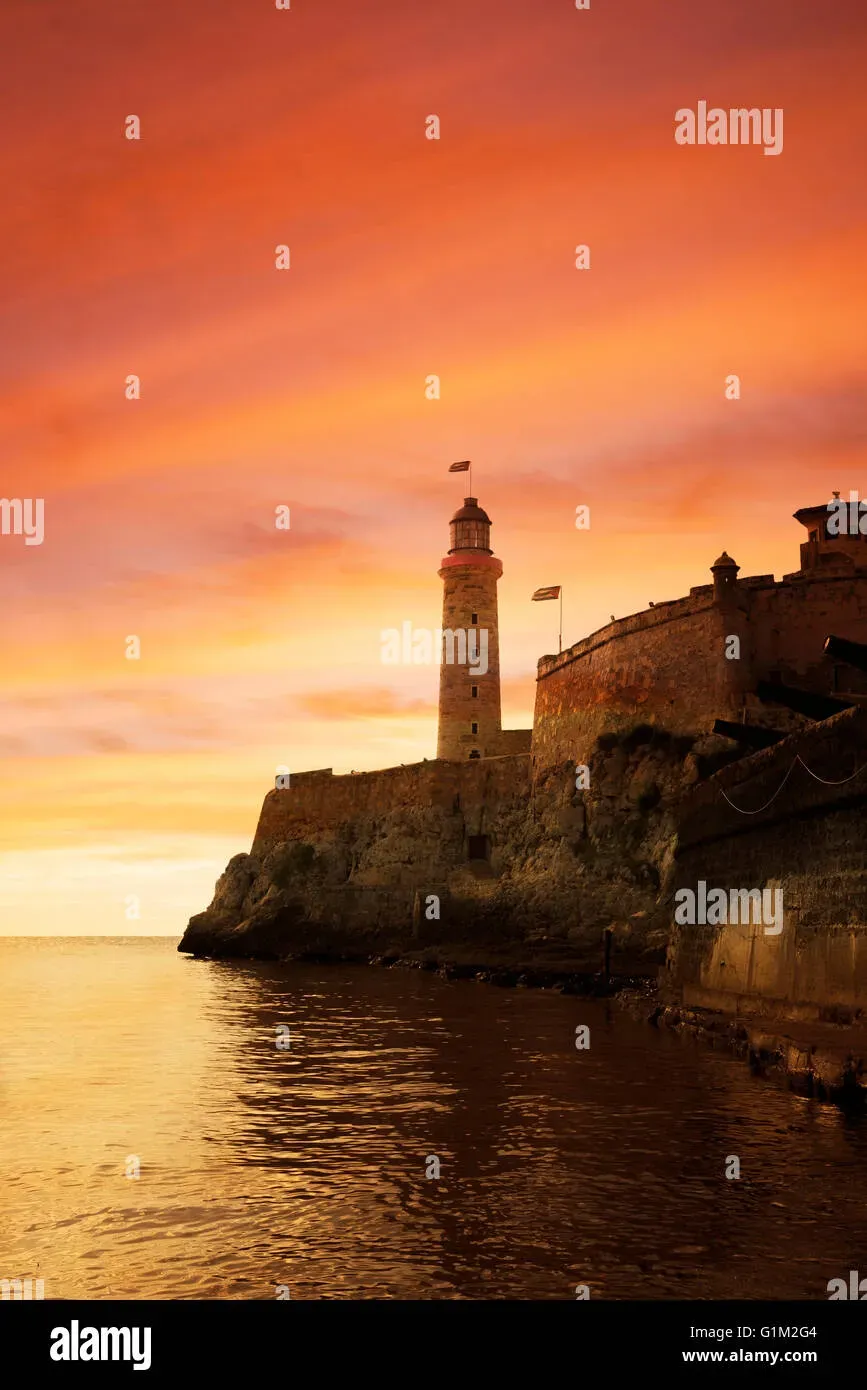
The golden hour is when El Morro truly shines. The warm light against the weathered stone walls creates spectacular photo opportunities, and the sunset views across the water are consistently described as incredible. For the full experience, stay for the 9pm cannon ceremony. An additional peso grants access to the rooftop where you can sit on the edge of the three-story building and watch the reenactment from above, away from the crowds and cameras below.
Getting there
Since El Morro sits across the bay from central Havana Cuba, you'll need to arrange transportation. A convertible taxi ride over provides a lovely perspective of the city from the opposite shore. Alternatively, take the bus from Central Park for 5 Cuban convertible pesos (CUC), which will transport you and return you to the city center.
For the adventurous, walking is possible: head through Old Havana to Terminal de Ferris, catch the ferry across to Casa Blanca, and hike approximately 25-30 minutes to the castle. Along this route you'll pass the massive Cristo de La Habana statue and the house of Che Guevara.
Practical tips
Entry costs 600 Cuban pesos (approximately 6 CUC for tourists), plus 400 pesos additional for lighthouse access. Prices remain affordable by international standards.
The exhibit begins closing approximately 45 minutes before the stated closing time. Arrive early to ensure you see everything. Plan at least an hour to properly explore the large grounds.
Many areas lack railings along the walls and cliffs. Watch your step, especially if visiting with children.
Local guides may approach offering services for around 200 pesos plus tip. Some visitors find them informative, while others prefer self-guided exploration. Knowledge of Spanish helps navigate interactions, particularly if issues arise.
The castle is a playground for photographers. Bring your camera for the views, the architecture, and the inevitable cats roaming the grounds.
On-site you'll find the "three amigos" shop selling rum, coffee, and cigars, plus a small market and vendors selling trinkets near the entrance. Be aware prices here run higher than at markets closer to the cruise dock or train station. You can find cheaper alternatives in other parts of Havana.
A snack bar inside the fort offers refreshments, and the complex includes basic restrooms.
When to visit
The dry season from November to April brings the most comfortable weather for exploring. Late afternoon is optimal for experiencing the fortress. Allowing time to wander the grounds before sunset paints the sky in oranges and purples, then staying for the 9pm cannon ceremony. The evening light transforms the stone walls into something special, and the view of Havana's city lights twinkling across the bay adds another dimension entirely.
My honest take
El Morro Castle delivers an authentic glimpse into Cuba's colonial past. While maintenance standards vary and some exhibits show their age, the fortress is worth the trip for history enthusiasts and photographers. The combination of dramatic coastal scenery, living history traditions, and those unforgettable bay views makes the journey across the water worthwhile. Come for the architecture, stay for the sunset, and leave with that iconic photograph of the lighthouse standing sentinel over the Caribbean.