Darbat Steps Waterfall Oman: Dhofar's Turquoise Cascade
Turquoise pools spilling over moss-covered ledges in Dhofar's green hills. Darbat Steps Waterfall Oman is Salalah's finest seasonal spectacle, but timing is everything.
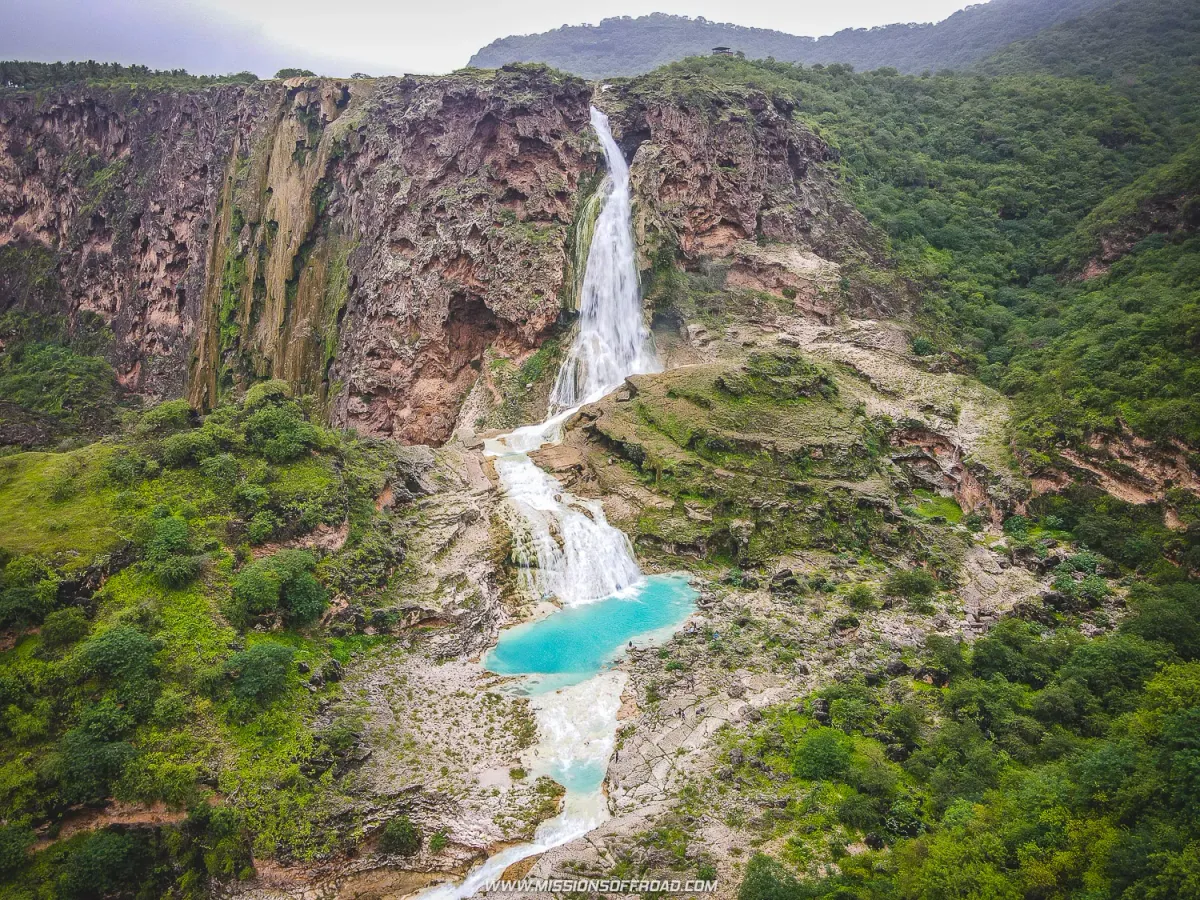
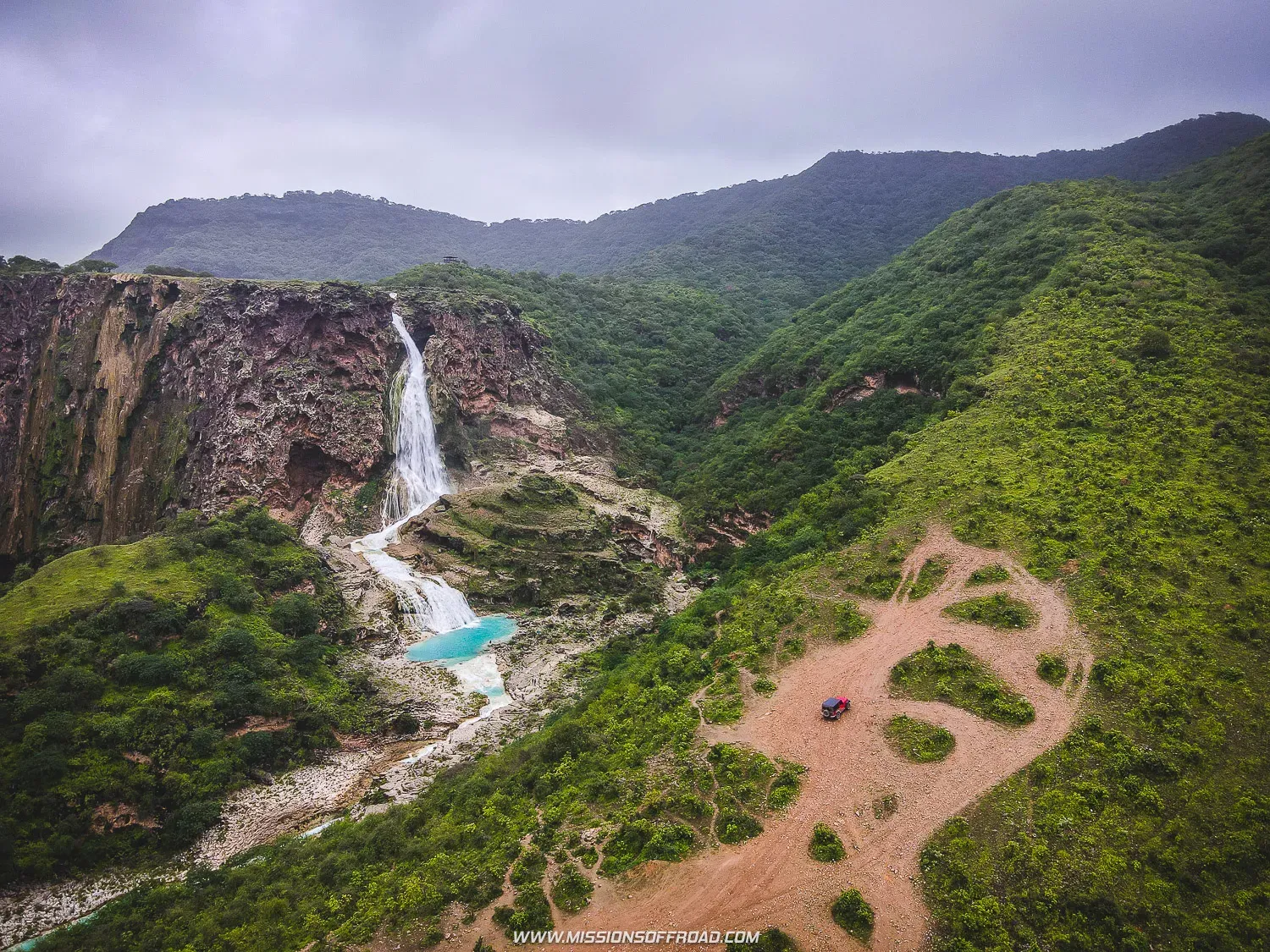
The first time you see Darbat Steps Waterfall Oman, you'll probably stop mid-stride. I know I did. The Dhofar region in southern Oman is not what most people picture when they think of Arabia. Turquoise pools spill over broad, moss-covered travertine ledges in a natural staircase, and during the khareef monsoon, the entire Wadi Darbat valley goes green. It looks more like somewhere in Southeast Asia than the Arabian Peninsula. But here's the catch: timing is everything. Show up in the wrong month and you'll find dry rock and an empty lakebed.
What Makes Darbat Steps Waterfall Special
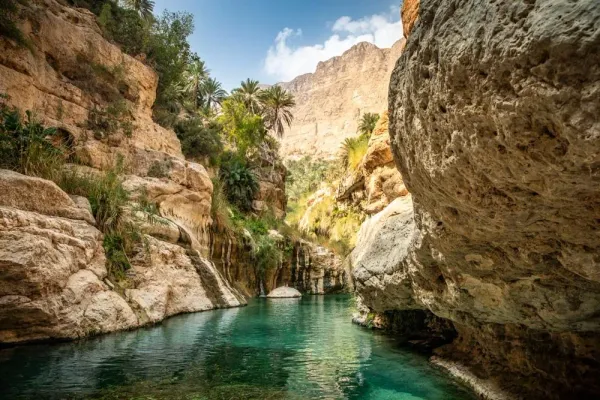
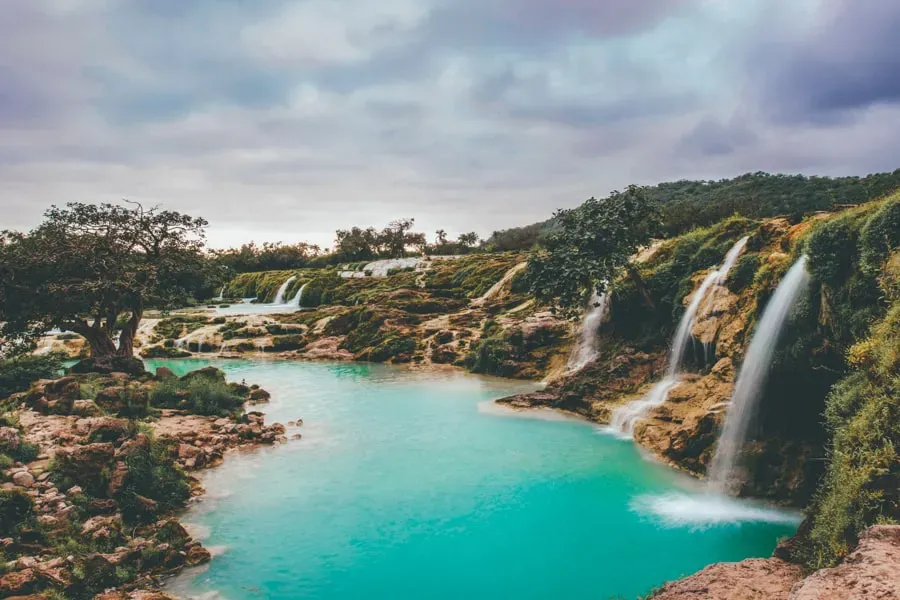
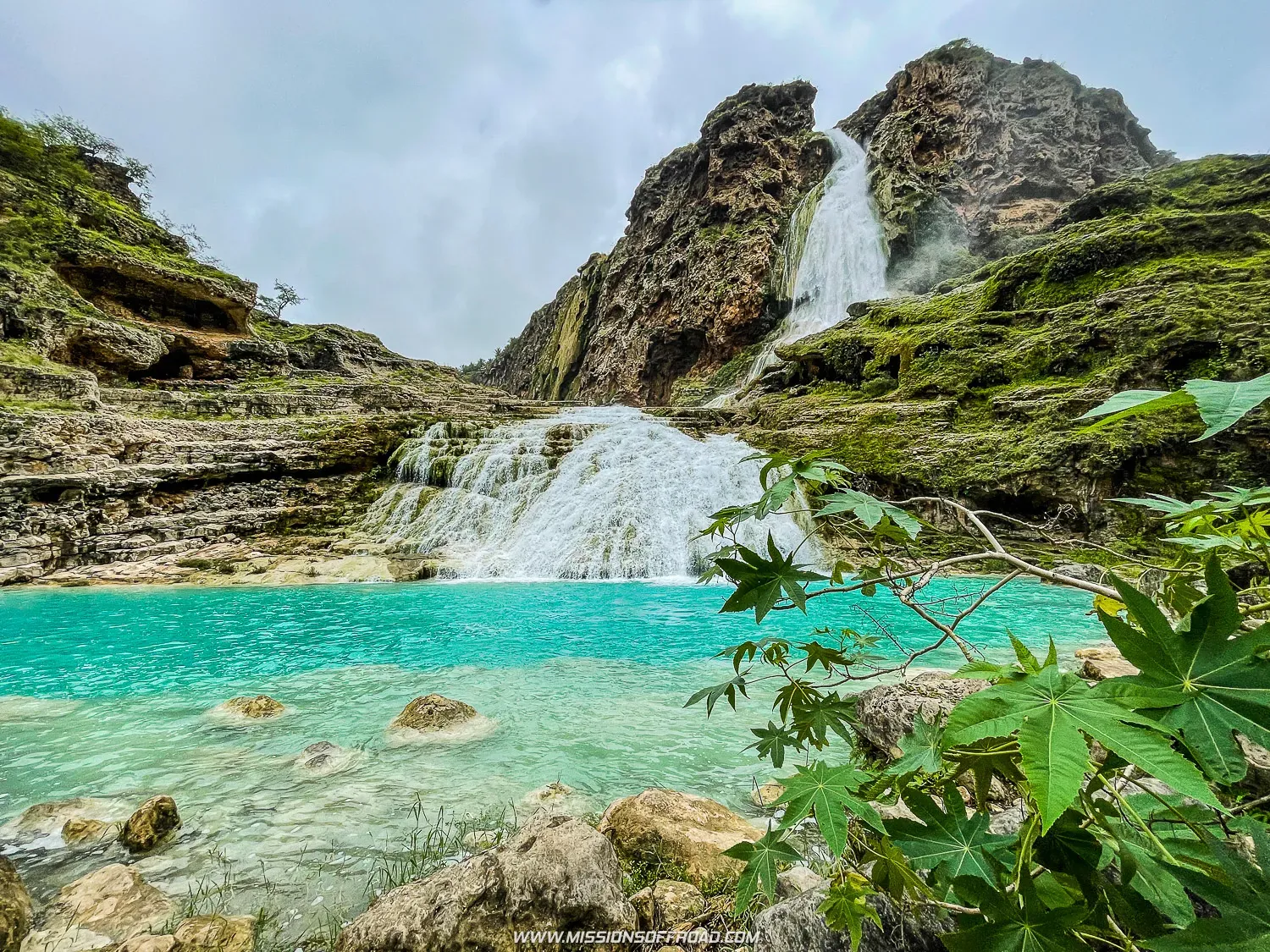
The name is not marketing. Darbat Steps really is a staircase. Water tumbles across broad flat ledges, each one holding a shallow pool before spilling to the next level. You can walk alongside the whole thing, climbing from one step to the next, finding new angles for photos at every turn. Over time, the mineral-rich water has sculpted the limestone into rippling travertine curtain formations. These layered deposits glow cream and gold against the turquoise water, and they're genuinely beautiful in a way that photos don't quite capture.
The setting around the waterfall is just as good. Vegetation crowds the banks: ferns, flowering shrubs, broad-leaved trees that thrive on the monsoon moisture. There is water noise everywhere. Rushing over ledges, trickling through smaller channels, pooling in quiet basins. When the crowds thin out, birdsong and wind through the trees take over. Late afternoon sunlight filtering through the canopy gives the water an almost unreal glow. That's the sweet spot, for photos and for just sitting still.
Things to Do at Darbat Steps Waterfall
Walking the Cascade
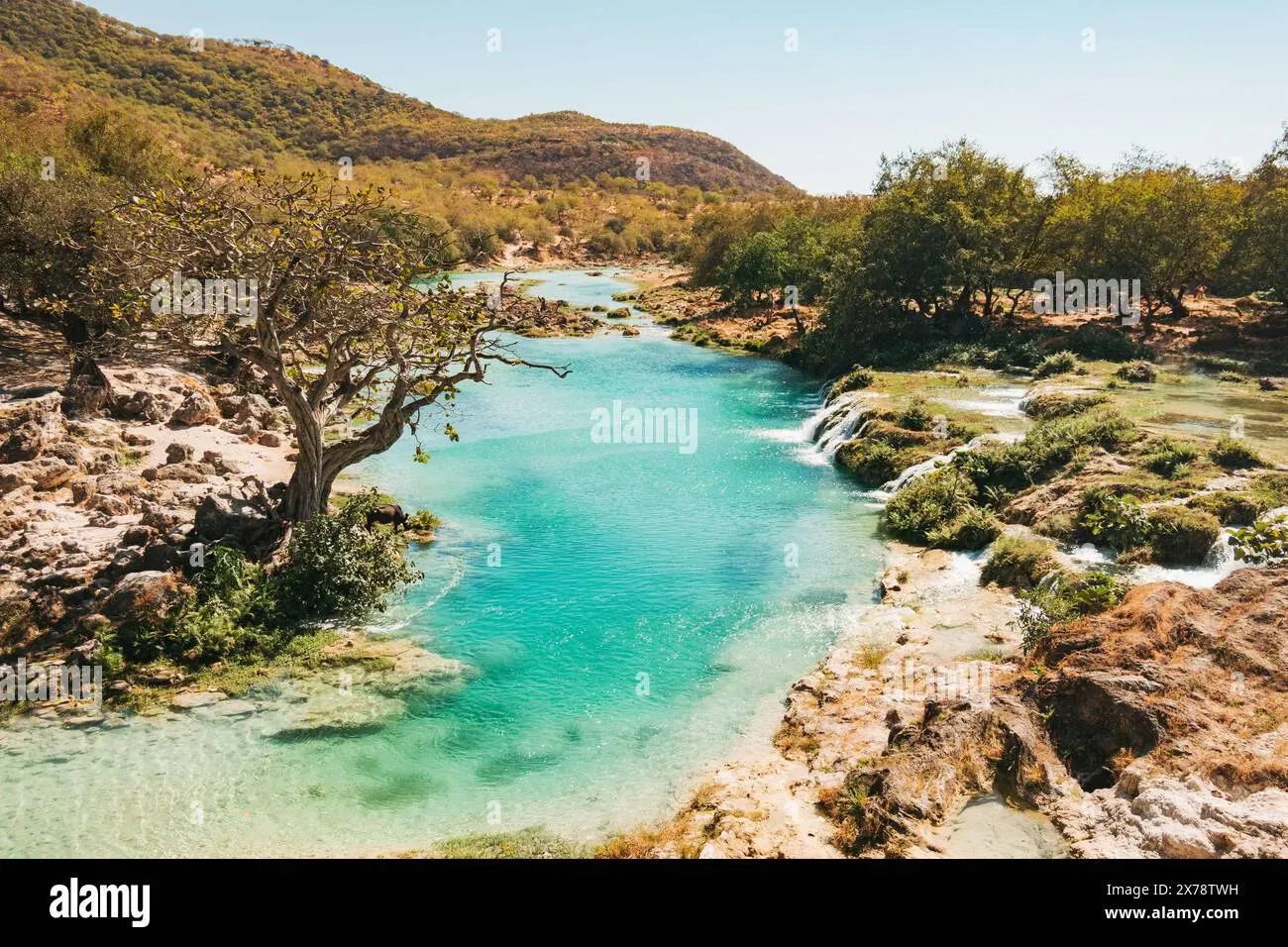
The main thing to do is walk the waterfall. Trails weave alongside the cascade, letting you climb from level to level. The lower pools are broad and calm, perfect for sitting next to and watching the water. As you climb higher, the steps narrow and the water picks up energy. Turn around and the valley spreads out behind you. The higher you go, the better it looks. Just watch your footing.
A word of caution: the rocks are extremely slippery. The travertine surfaces stay wet from spray and mist, and they get slick in a way that catches people off guard. Wear shoes with real grip. Flip-flops will send you sliding, and I mean that literally. Take your time, grab handholds on the rock walls where you can, and watch every single step.
When water levels are low enough, you can trek right to the top. The view from up there, looking down the entire cascade and out across the valley, is worth the climb.
Boating and Lakeside Relaxation
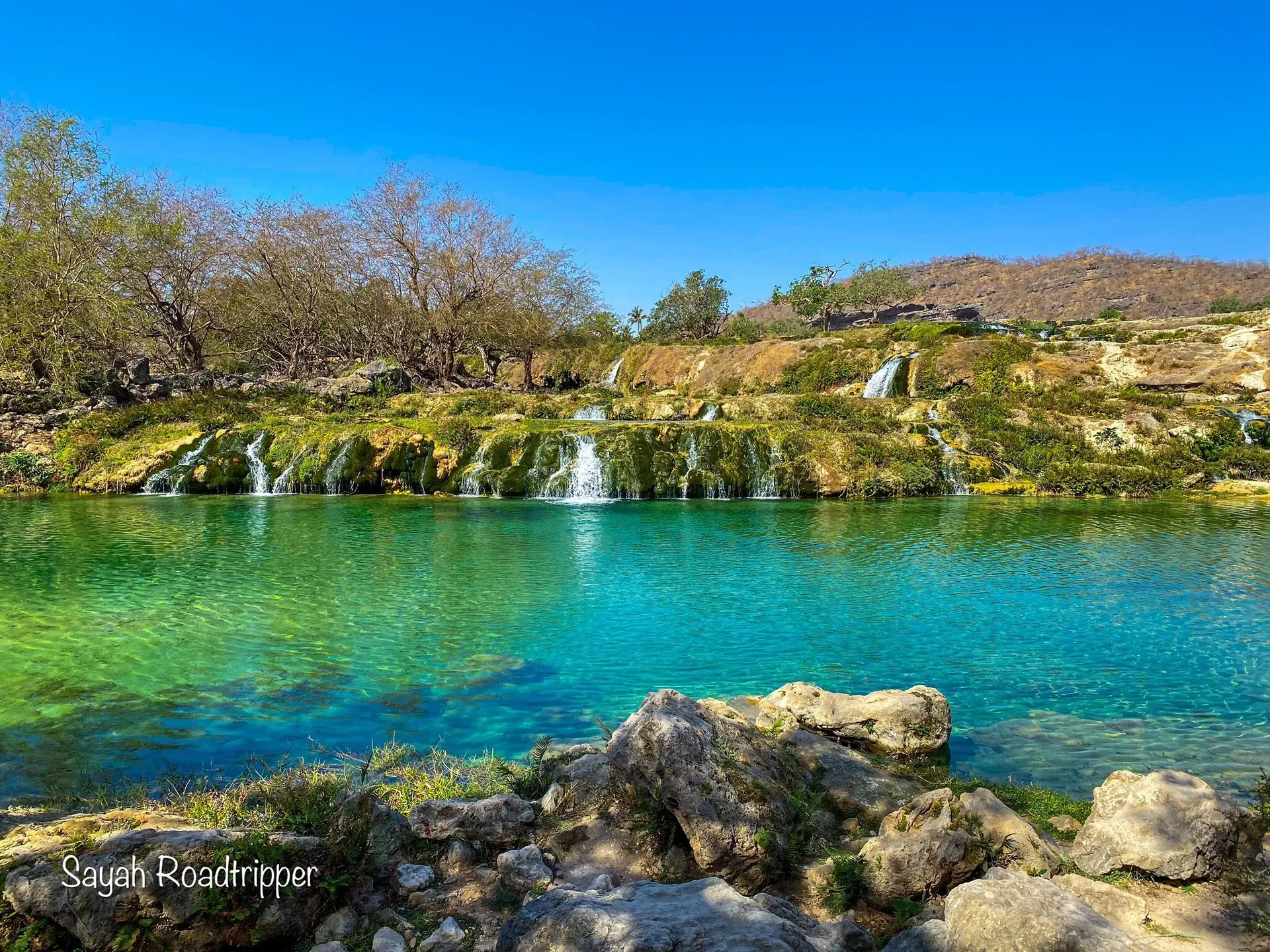
At the base of the waterfall, a larger lake forms during the wet months. When water levels are high enough, small boats take visitors out across the lake. You get close enough to feel the mist off the falls. It's a slow, easy ride. During peak season, kids hang out of sunroofs and windows, which is chaotic but also kind of fun. It's part of the khareef atmosphere.
If you prefer dry land, the lake shore is a peaceful place to sit. There is not much around the waterfall itself. No sprawling visitor centre, no row of restaurants. Just a kiosk nearby with a polite welcome and basic refreshments. I actually prefer it this way. Watching the rain come in over green hills while the waterfall rushes beside you is all there is to do, and honestly, it's plenty.
Photography and Wildlife
If you carry a camera, Darbat Steps delivers during the khareef. Turquoise water against dense green vegetation and grey-white travertine produces shots that do not look like they belong on the Arabian Peninsula. The soft, diffused light under cloudy monsoon skies helps, and because the falls are stepped, you can frame shots from multiple angles. Wide panoramas from the lake shore. Close-ups of water streaming over sculpted rock. Elevated views from the upper steps. You won't run out of things to point a lens at.
The area supports plenty of wildlife. Birds are abundant, and the pools draw dragonflies and other wetland creatures. But there are real environmental pressures here. During drought periods, reduced water flow has led to fish die-offs. It's a blunt reminder that this seasonal ecosystem is fragile. Keeping the falls healthy will take sustained conservation work.
Getting to Darbat Steps Waterfall
The waterfall sits right at the road entry into Wadi Darbat, which makes it one of the easiest natural attractions to reach in Dhofar. The drive from Salalah winds through green hills on good roads. The journey itself, with Dhofar's fresh rain-washed air and dramatic hillscapes, is half the pleasure.
There are no taxis that will pick you up from the waterfall, so hiring a car is a must. Self-driving gives you the flexibility to arrive early or late and avoid the worst of the crowds. Organised tours also visit the falls, and some drivers know to circle back later when the crowds have thinned out. Worth keeping in mind if your first approach reveals a packed car park.
For navigation, the waterfall is well-known and marked on most mapping apps near Taqah in the Dhofar governorate. The road approach is straightforward, though during peak khareef weekends you may find yourself inching along for the final stretch.
Best Time to Visit Darbat Steps Waterfall
Timing is everything at Darbat Steps. Get it wrong and you will find dry rock ledges and an empty lakebed. Get it right and you will see something that genuinely does not belong in Arabia: a proper waterfall, in full flow, surrounded by green.
The khareef monsoon season (June to September) is when the waterfall comes alive. July and August see the strongest flow. The cascade runs full and the valley around it turns green. By the third week of September, the falls can begin drying up rapidly as temperatures climb and rains taper off. Some years, late August has already brought disappointment. The waterfall reduced to a trickle, boats sitting idle on the shore.
September is often called the sweet spot. Enough rain has usually fallen to produce the scenes you see in tourism videos, and the landscape peaks in greenness. But monsoon patterns vary year to year, and there are no guarantees. April, December, and January are consistently dry, with little to no water flowing. End of August can go either way depending on that year's rainfall.
The broader Salalah region enjoys pleasant weather from October to March, which is the recommended window for general travel. But for the waterfall specifically, you need to align your visit with the monsoon. Always check recent conditions before committing to the drive.
Crowds, Traffic, and the Khareef Rush
There is no sugar-coating it: Darbat Steps Waterfall gets extremely busy during the khareef season. Gulf tourists pour into Salalah to escape the brutal summer heat elsewhere in the region, and the waterfall is on nearly every itinerary. Traffic jams of 30 minutes to an hour in each direction are common on the approach road. The scene (cars bumper to bumper, children leaning out of sunroofs and windows) is chaotic but also strangely festive. It's part of the khareef experience itself.
The solution is simple: arrive early in the morning, ideally before 8am, or visit late in the afternoon when the day-trippers have started heading back to Salalah. Tour drivers who know the patterns here will sometimes drive past a packed car park and return later when things have quietened down. A quieter visit changes everything. What feels overwhelming amid crowds becomes calm and almost spellbinding when you have space to breathe.
Practical Tips for Visiting Darbat Steps Waterfall
Is Darbat Steps Waterfall Worth Visiting?
During the khareef, absolutely. It's regularly called one of the top three places in Salalah, and for good reason. The stepped cascade, the turquoise pools, the green that should not exist in this part of the world. It looks nothing like what you would expect from Oman. Outside the monsoon season, when the water has dried up, the site loses much of its pull. The rock formations are still impressive, but a dry waterfall is just rocks. Align your expectations with the calendar and you will be fine.
Are Darbat Steps Waterfalls Open?
The site is accessible year-round. There are no gates or restricted opening hours. The question is not whether the waterfalls are open, but whether there is water flowing. During the dry months (October through May, with the exception of early October if the monsoon has lingered), you will find the rock ledges exposed and the lake diminished or empty. The landscape is still pleasant for a short walk, but the waterfall itself is a seasonal phenomenon driven entirely by the khareef rains.
What to Bring and Know
First, footwear. Shoes with strong grip. The wet travertine is dangerously slick, and plenty of visitors have had near-misses on the steps. I watched someone in flip-flops go down hard on what looked like a totally flat surface. It's not worth the risk.
Second, swimming. Officially, swimming is not permitted at the waterfall itself. The turquoise pools look tempting and some people have ignored the rules in the past, but regulations now prohibit entering the water at this spot. Plan accordingly and respect the rules.
Third, litter. Rubbish scattered around the site has become a real problem, unfortunately. Carry out everything you bring in, and consider packing a spare bag to pick up what others have left behind. It makes a difference.
Fourth, transport. Hire a car. There is no taxi service from the waterfall, and being stranded at the end of the day is a real risk if you rely on anything other than your own wheels or an organised tour.
The waterfall is suitable for all ages and fitness levels. Families with young children and older visitors can enjoy the lower viewing areas without needing to tackle the slippery upper steps. The site is well-maintained by local authorities despite the pressures of heavy visitor numbers, and a kiosk near the entrance provides basic supplies.
Final Thoughts
Darbat Steps Waterfall is not what most people picture when they think of Oman. It is not desert and it is not mountains. In the right season, it is turquoise water spilling down green hills, and the sound of the falls filling the valley. The formula is simple: arrive early, visit during the khareef, wear proper shoes, and accept that crowds are part of the deal. Do that, and this corner of Dhofar delivers.