Conguillío National Park Chile: Trails, Camping & Volcanoes
Where 1,800-year-old monkey puzzle trees meet an active volcano and engine-free lakes. Conguillío National Park Chile is the country's best-kept secret among locals. Here's how to see it right.
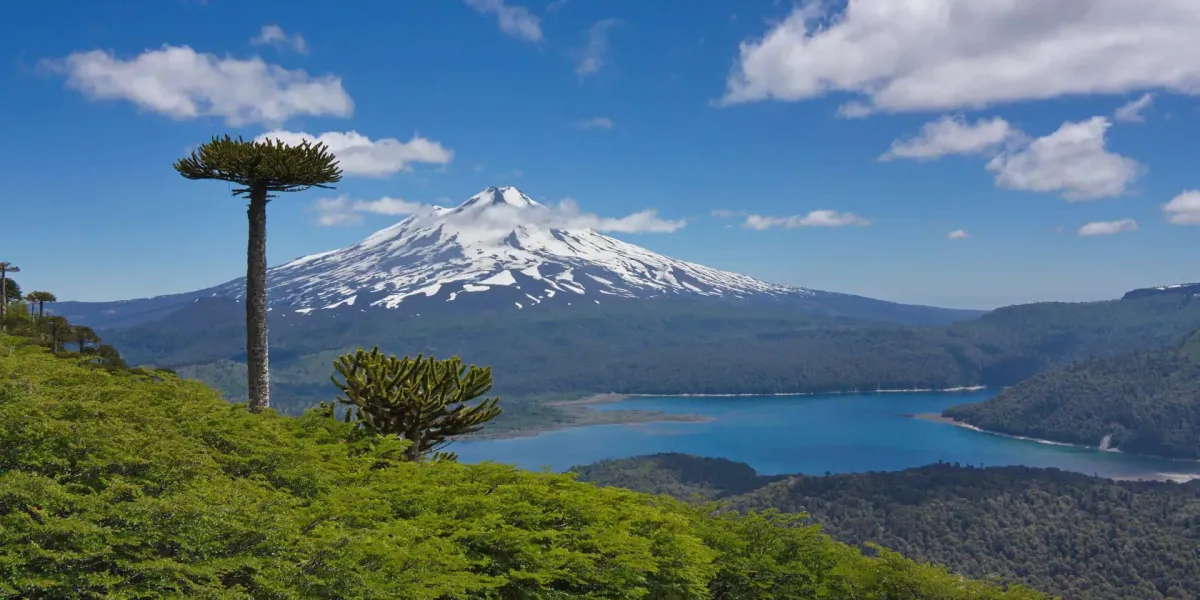
Conguillío National Park in Chile is a strange and wonderful place. Ancient araucaria trees, some pushing 1,800 years old, jut out against a volcanic skyline that still rumbles. Hidden in Chile's Araucanía region near Temuco, this UNESCO biosphere reserve has quietly become the national park Chileans themselves love most, beating out spots that get far more international press. The Llaima volcano (one of the world's most active) looms over lakes so clear and still that the water mirrors the peaks perfectly. Lava fields stretch eastward, black and rippled and almost unnerving. Whether you come for the hiking, the photography, or just to see what a prehistoric forest actually looks like, the place sticks with you.
What Makes Conguillío National Park Special
The araucaria forests are what you will remember most. These monkey puzzle trees give the park a look that does not belong to this era. You half expect a dinosaur to wander through. Some of these evergreens have been standing for 1,800 years. The groves change character as you move through the park: the forest along the Sierra Nevada trail feels old and heavy, while the younger woodland near the lake has a different, lighter energy. Walking between the two zones in a single afternoon is disorienting in the best way.
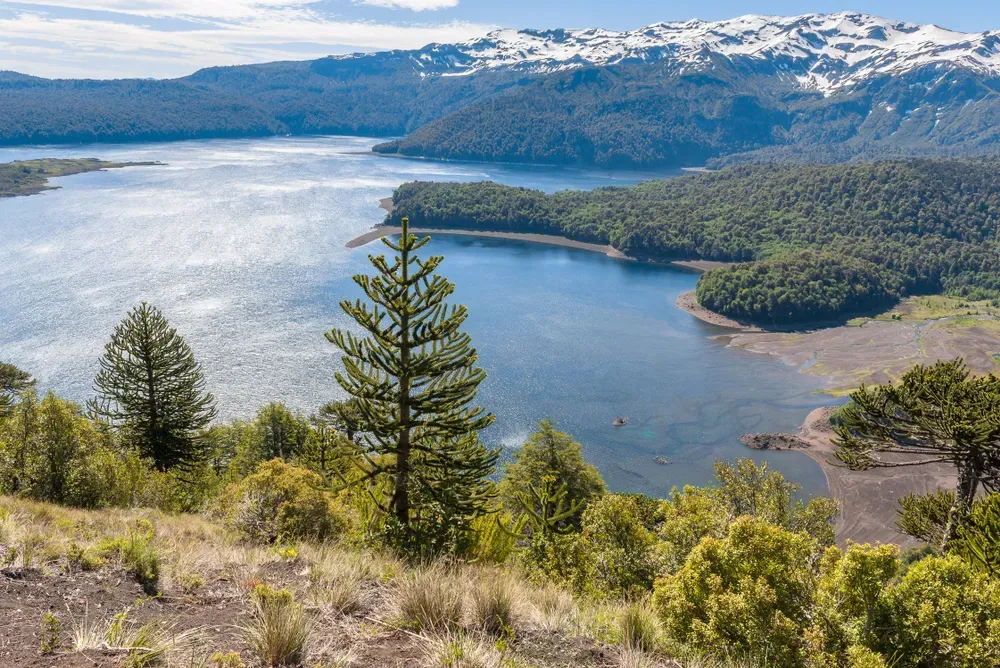
The Llaima volcano dominates everything. It is one of the world's most active, and its past eruptions have left hardened lava flows and black sand across the eastern side of the park. Driving or walking through those zones is genuinely strange. The lava sits there, dark and rippled, looking like it cooled just yesterday even though it has been there for ages. The terrain itself is a record of centuries of eruptions, layer upon layer.
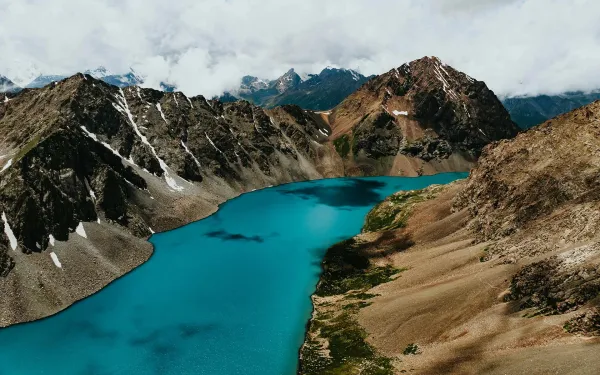
And then there is the water. Lago Conguillío is engine-free. No motorboats, no jet skis, nothing. The water stays remarkably clean because of that. On a still morning, the lake reflects the surrounding peaks so perfectly you will second-guess which way is up. Between the ancient forest, the active volcano, and this quiet lake, the park just feels complete in a way most protected areas do not quite pull off.
Conguillío National Park Hiking Trails
The trail network here works for pretty much everyone. There is a flat 1-kilometre forest loop and there is a punishing 19-kilometre backcountry route, with plenty in between. You could visit three times and hike something entirely different each trip.
Short and Easy Walks
If you want an easy start, there is a flat 1-kilometre track that loops through young forest. It is great for families or anyone short on time. Sendero de la Playa is similar. Mostly flat, hugging the lakeshore through regenerating woodland. It is pleasant and undemanding. I should mention that some of the shorter forest walks get repetitive, and the trail markings are not always where you would hope to find them.
The Sierra Nevada Trail
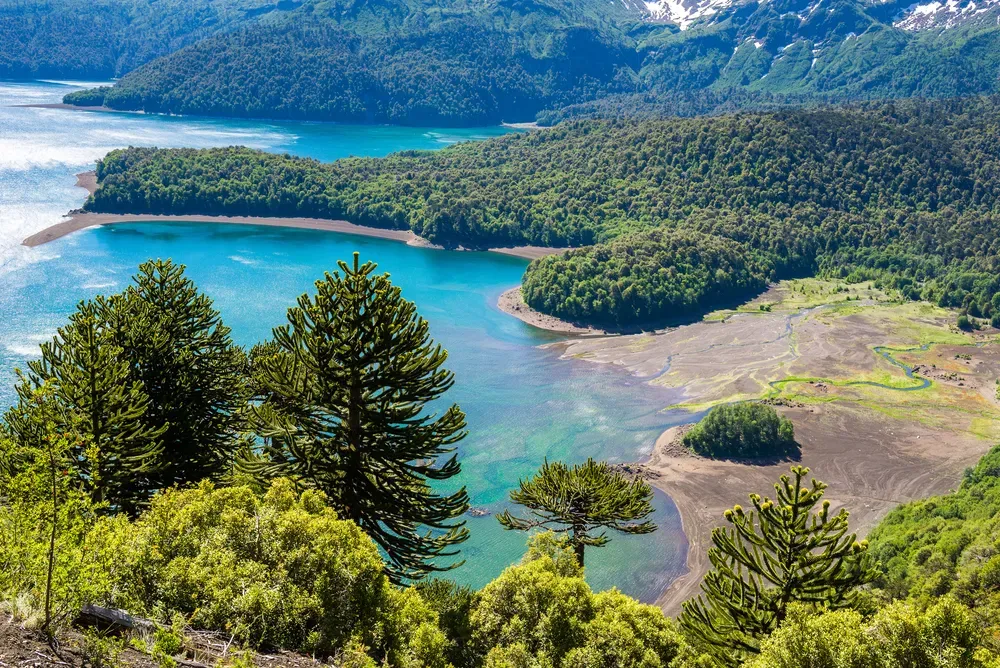
The Sierra Nevada trail is where things get interesting. It is tougher than the easy loops, climbing through the park's older forest. The difference between this ancient woodland and the younger growth near the lake is stark. The views from higher up are genuinely good, and you can feel the age of the place around you. It asks more from your legs but gives you a lot more back.
Pastos Blancos and Escoriales Loop
The Pastos Blancos and Escoriales loop is, in my opinion, even better than Sierra Nevada. Fewer people know about it. The terrain shifts constantly and the volcanic views are as good as anything inside the park. It is also quieter, which matters if you are the type who would rather not share a viewpoint with a dozen other people. If you only have time for one real hike, do this one.
The Challenging 19-Kilometre Lava Route
The 19-kilometre route is the hardest option. There is serious elevation gain and you will cross lava wastelands and slag cones. The upside is that you are deep in the volcanic zone, with wide-open views and terrain that looks nothing like the forests below. A shorter alternative goes from the south entrance to Laguna Captren and gets you close to the volcano. This trail is poorly marked and becomes genuinely dangerous in bad weather. Bring proper navigation gear and do not attempt it without solid preparation.
Things to Do in Conguillío National Park Chile
Beyond the trails, the lake is where you want to spend time. Lago Conguillío has no motorised boats, so the water stays clean. Kayaking here is about as good as it gets in Chile. Paddling out on glass-flat water with Llaima filling the horizon is the kind of thing you will think about long after your trip ends.
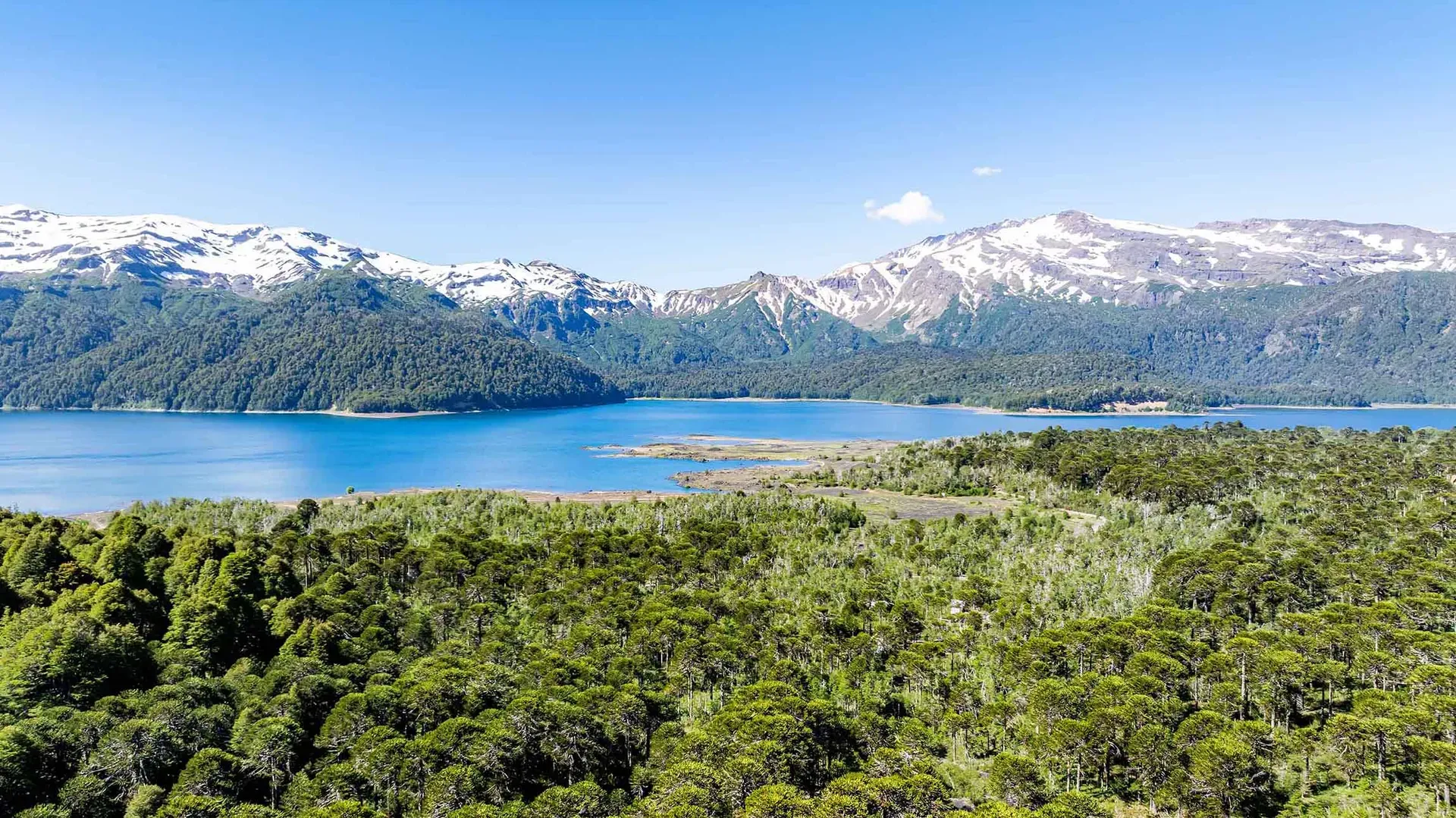
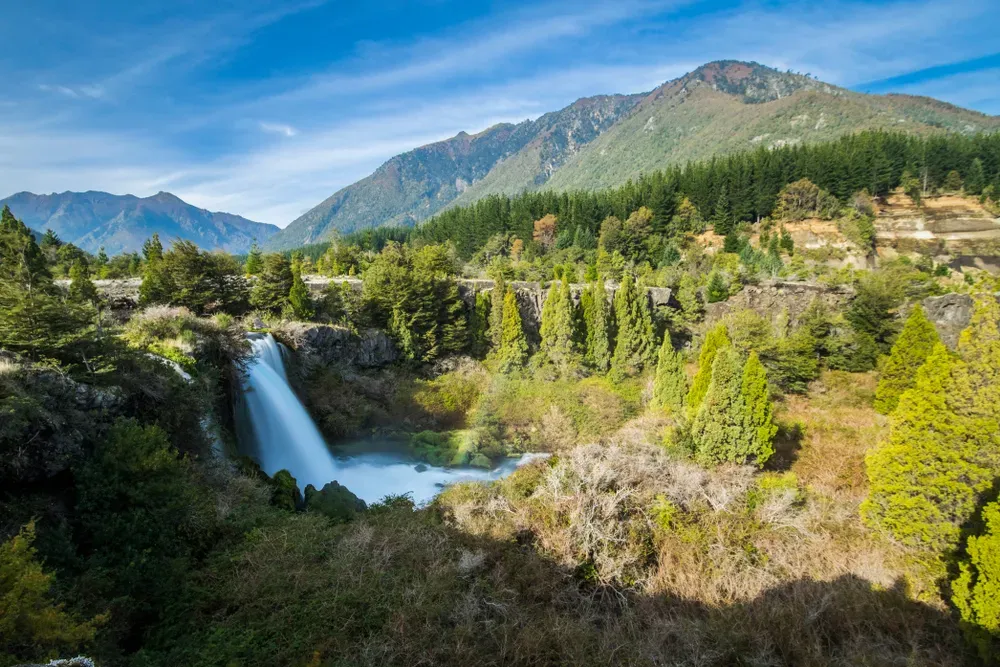
The lava fields deserve dedicated time too. On the park's eastern side, you will find solidified flows and volcanic sand stretching out, black and barren. It is what Llaima has left behind over centuries of eruptions. Waterfalls cut through the volcanic rock, so the landscape keeps surprising you even after you think you have seen it all.
Families have it good here. The park runs organised kids' activities, group games, guided walks. The works. Easy trails, safe swimming, and roomy campgrounds make it a solid pick if you are travelling across generations. Photographers and even yoga groups show up too, drawn by how quiet and visually strange the place is.
How to Get to Conguillío National Park
Getting to Conguillío takes planning and, ideally, a proper vehicle. The roads are unpaved, rutted, and in stretches just brutal. A 2WD sedan can get in from the northern entrance at Curacautín, but the steep gravel descent after Laguna Captren has deep ruts that will test what a standard car can handle. Looping back toward Temuco instead of continuing through the park takes longer but is often the smarter move for low-clearance vehicles. A 4WD is strongly recommended unless you are coming from the south, where conditions tend to be more forgiving. If your car sits low, is unusually wide, or runs on a struggling 2-wheel drive system, be very careful.
Park entry costs around $16 USD. Buy your ticket online before you arrive. There is basically no internet or phone signal anywhere inside the park, and you will need your QR code ready on your device. I mean zero connectivity: no WiFi, no mobile data, no calls. Download offline maps, save your entrance confirmation, and plan on being completely disconnected once you are through the gates.
Lago Conguillío sits roughly halfway between Curacautín and Melipeuco and is the natural reference point for getting around. The drive inside is beautiful, shifting constantly from dense forest to open volcanic plains. Take it slow.
Where to Stay in Conguillío National Park
Where you sleep matters here. The options range from excellent campgrounds to cabins that are nice but overpriced.
The camping near Lago Conguillío is some of the best in Chile. The standards are what you would expect in the US or Australia. Sites fit two large tents plus a vehicle. Facilities include clean bathrooms, hot showers, and a covered fire-pit shelter for cooking and hanging out. Expect to pay around 18,000 Chilean pesos for a car-and-tent setup. For 31,000 pesos, some campgrounds offer a private bathroom. CONAF runs these facilities to a consistently high standard, and being right on the lake is hard to beat. RVs fit comfortably too.
Camping Ñirres is another solid choice. The grounds are pleasant, though the amenities are not quite as polished as the main lakeside site. During quieter periods, only two of the park's three additional campgrounds might be open, so stay flexible.
Cabins inside the park, like Sendas Conguillío, are comfortable and set in great locations. But they are expensive. They are not always well maintained, and the smaller units share walls with neighbours, so noise travels at all hours. For what you pay, it can get annoying. A smarter move is bringing your own camping gear or driving in daily from somewhere on the park's outskirts. La Baits, just outside the boundary, has a strong reputation among people who have stayed there.
Best Time to Visit Conguillío National Park
Conguillío changes a lot with the seasons, and there is no single best time to go. December through March has the most reliable hiking weather: warm days, open trails, everything running. This is also the busiest period, especially around the main campgrounds. Arrive midweek or use the Sunday-to-Monday trick to dodge the crowds. Even Christmas can be quiet if you time it right. December 24th to 26th can be nearly empty.
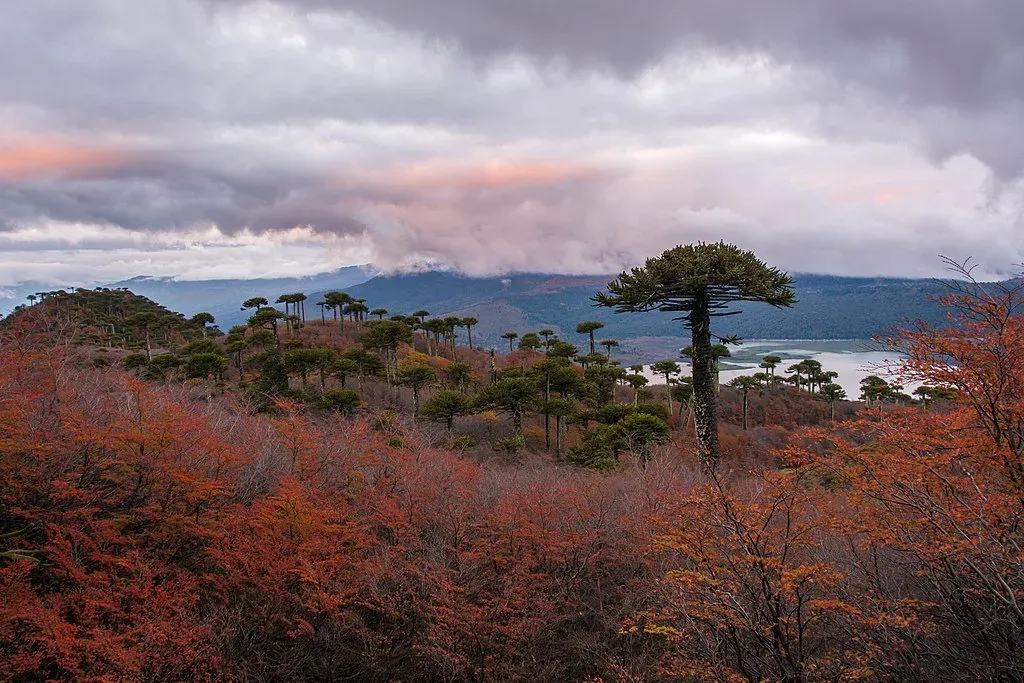
April and May bring autumn colour. The forests turn red and orange, framing the lakes in ways that make you stop and stare. This might be when the park looks its best, and the cooler temperatures make hiking genuinely comfortable. Winter requires preparation: cold conditions, possible trail closures. But you will have the place mostly to yourself. Whenever you go, it is worth it.
Conguillío National Park Chile: Essential Travel Tips
A few things I wish I had known beforehand. The smartest move is arriving Sunday and staying overnight into Monday. The park is closed to day visitors on Monday, so you will have the trails nearly to yourself. Three days and two nights is the realistic minimum. Plenty of people leave wishing they had given it more time.
Download offline maps and save your entrance QR codes before leaving home. Assume zero connectivity from the moment you enter. Trail markings, particularly on the less-travelled forest routes and the Laguna Captren approach, are sometimes adequate and sometimes dangerously absent. Carry a GPS or reliable offline navigation app. Do not attempt the longer routes in poor weather without knowing how to navigate properly.
Bring camping gear if you can. The campgrounds are excellent, and skipping the cabin premium frees up money for more days inside the park. A 4WD takes the stress out of the access roads. You can manage in a 2WD from certain approaches if you are careful, but be ready for loose soil, boulders, and the occasional roadwork obstruction. The park is genuinely good for families: organised kids' activities, engine-free swimming, and gentle trails make it one of Chile's easiest wilderness experiences to pull off with children.
Final Thoughts
Conguillío National Park sits in a weird spot. Chileans consistently call it the country's best park, but international travellers barely know it exists. The contrasts are what stick with you: ancient forest next to raw volcanic desolation, quiet lakes beneath an active crater, easy boardwalk strolls and then gruelling backcountry routes. The araucarias alone are worth the trip. But add the lava fields, the kayaking, the silence of a Monday morning when you have the whole place to yourself, and it becomes the kind of park you start planning to revisit before you have even left.