Colosseum Rome Italy: Complete 2026 Guide
Walking into the Colosseum Rome Italy feels different than you expect. Here's what nobody tells you about visiting the world's most famous amphitheater, from the hypogeum tunnels to the best times to go.
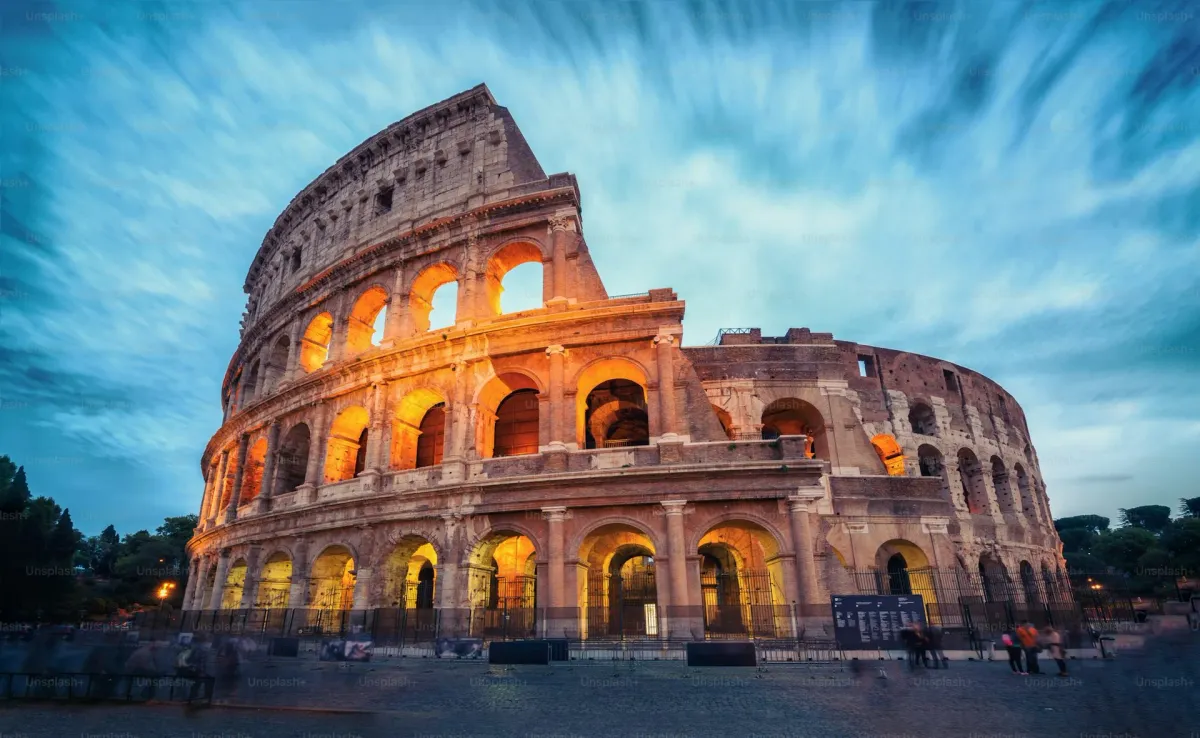
What It Actually Feels Like to Stand Inside the Colosseum
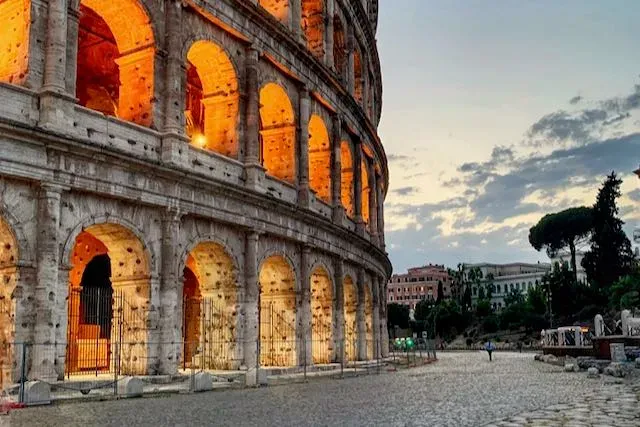
I will not pretend the first glimpse of the Colosseum Rome Italy disappointment. The first time I turned the corner and saw those honey-colored travertine arches rising from the traffic noise and souvenir stalls, I felt something unexpected. Not awe exactly, but recognition. You have seen this image on pizza boxes and refrigerator magnets your entire life. Somehow, the real thing still manages to feel larger than whatever you imagined.
Built nearly 2,000 years ago under Emperor Vespasian, this ancient amphitheater represents Roman engineering at its most ambitious. Today you can walk the arena floor where gladiators fought, explore the underground hypogeum tunnels, and lose yourself in the on-site museum.
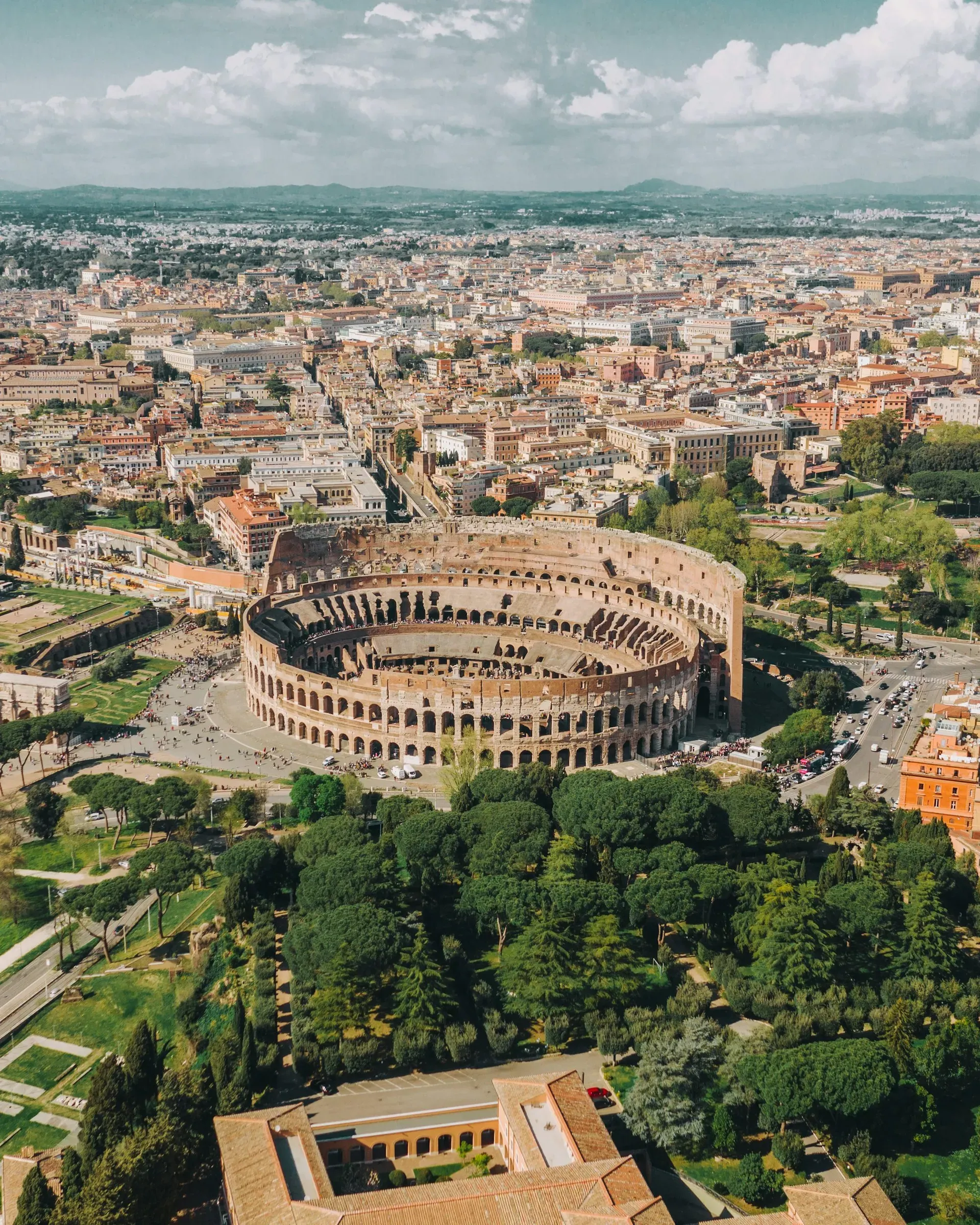
Why Colosseum Rome Italy still matters
The Colosseum is more than a crumbling ruin. The massive structure once held up to 50,000 spectators who gathered to watch gladiatorial contests, wild animal hunts, and elaborate public spectacles that went on for days.
The engineering here still impresses modern architects. The system of vaults, arches, and concrete construction allowed for rapid assembly of elaborate stage sets. The hypogeum, that labyrinth of tunnels beneath the arena floor, housed animals, gladiators, and stage machinery that could be hoisted through trapdoors to surprise audiences above. Someone designed all this without CAD software or electricity. That fact alone kept me staring at the ceiling for longer than I care to admit.
Walking the arena floor is unsettling
Emerging onto the arena floor delivers a perspective shift that photographs cannot capture. Standing where gladiators once waited for combat, the scale becomes apparent in a physical way. Your legs understand the space differently than your eyes do.
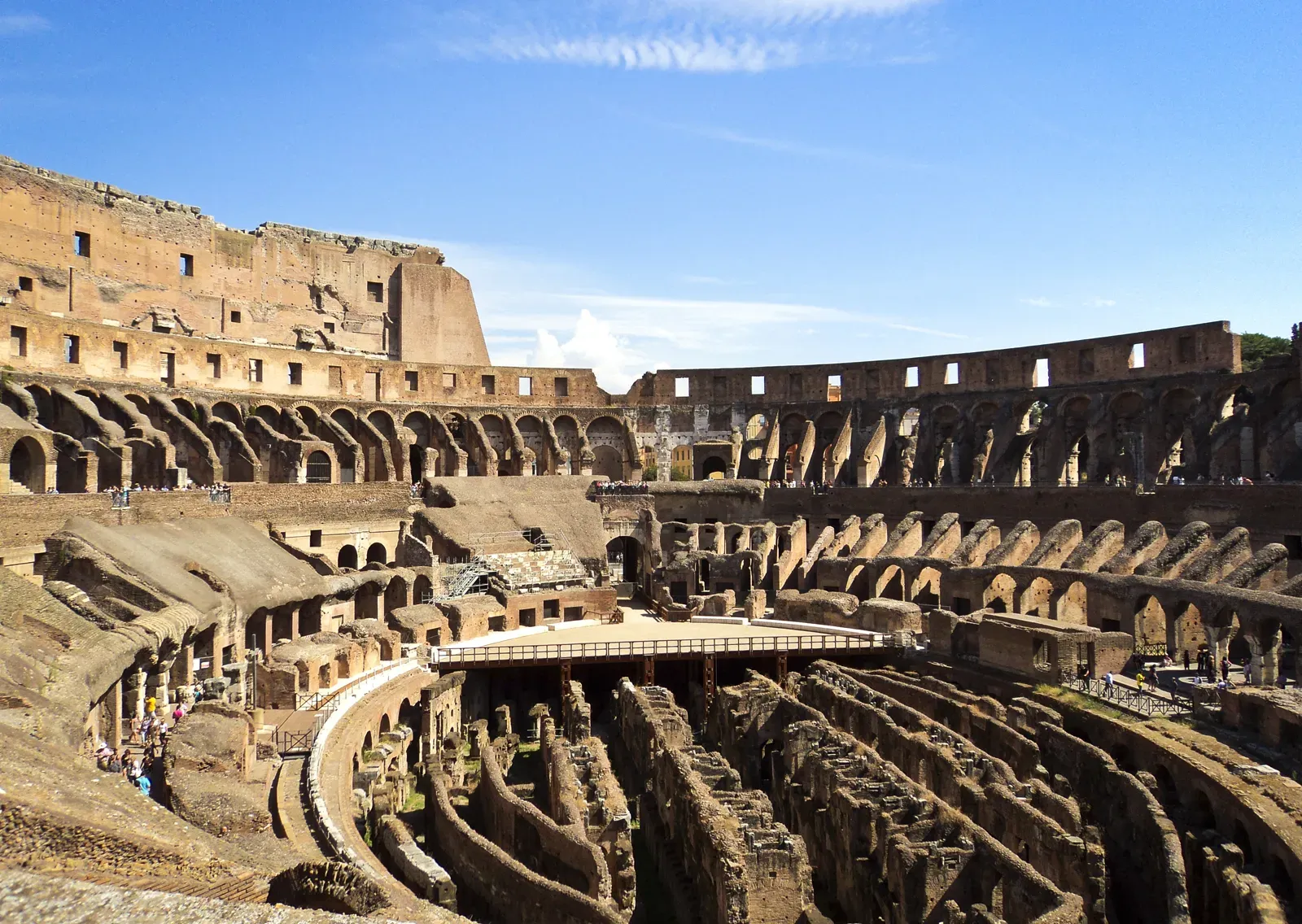
The underground hypogeum tunnels offer the most atmospheric part of any visit. These dimly lit corridors once buzzed with activity as workers prepared animals and fighters. The reconstructed sections give a sense of how elaborate the staging truly was. Trapdoors, pulleys, and elevators created theatrical effects that rival modern entertainment. There is something uncomfortable about admiring the mechanics while knowing what they were used for. The ingenuity and the brutality sit together in a way that does not resolve easily.

New ways to visit (and whether they are worth it)
Recent years brought virtual reality installations and augmented reality tours that visualize the Colosseum in its original glory. Complete with marble seats, canvas awnings, and colorful decorations. These additions make the ruins accessible in ways that pure imagination cannot achieve. Whether they enhance the experience or distract from the weight of the stones depends on your preference. I tried one and felt oddly disconnected. The reconstruction looked too clean, too certain about colors we only guess at.
The on-site museum provides essential context, displaying artifacts from excavations and explaining the social functions of the games. Understanding who attended, why these spectacles mattered to Roman society, and how the amphitheater operated adds depth that a casual walk-through misses.
How to actually get inside without losing your mind
Planning matters when visiting one of the world's most popular attractions. Tickets that include the underground and arena floor access provide the most complete experience and typically allow you to skip the longest general admission lines. The standard ticket covers the main floors, but the additional areas justify the extra cost.
Security lines can be lengthy, especially during peak season. Arriving early in the morning or later in the afternoon helps minimize waiting time. The Colosseum is included in the Roma Pass and other city tourism cards, which can offer both savings and priority entry.
Guided tours add value, particularly for history enthusiasts. Knowledgeable guides reveal details about the engineering, the social customs of ancient Rome, and the daily operations that most visitors would otherwise miss. Just avoid the tour groups with thirty people wearing matching stickers. You will spend half your visit waiting for stragglers.
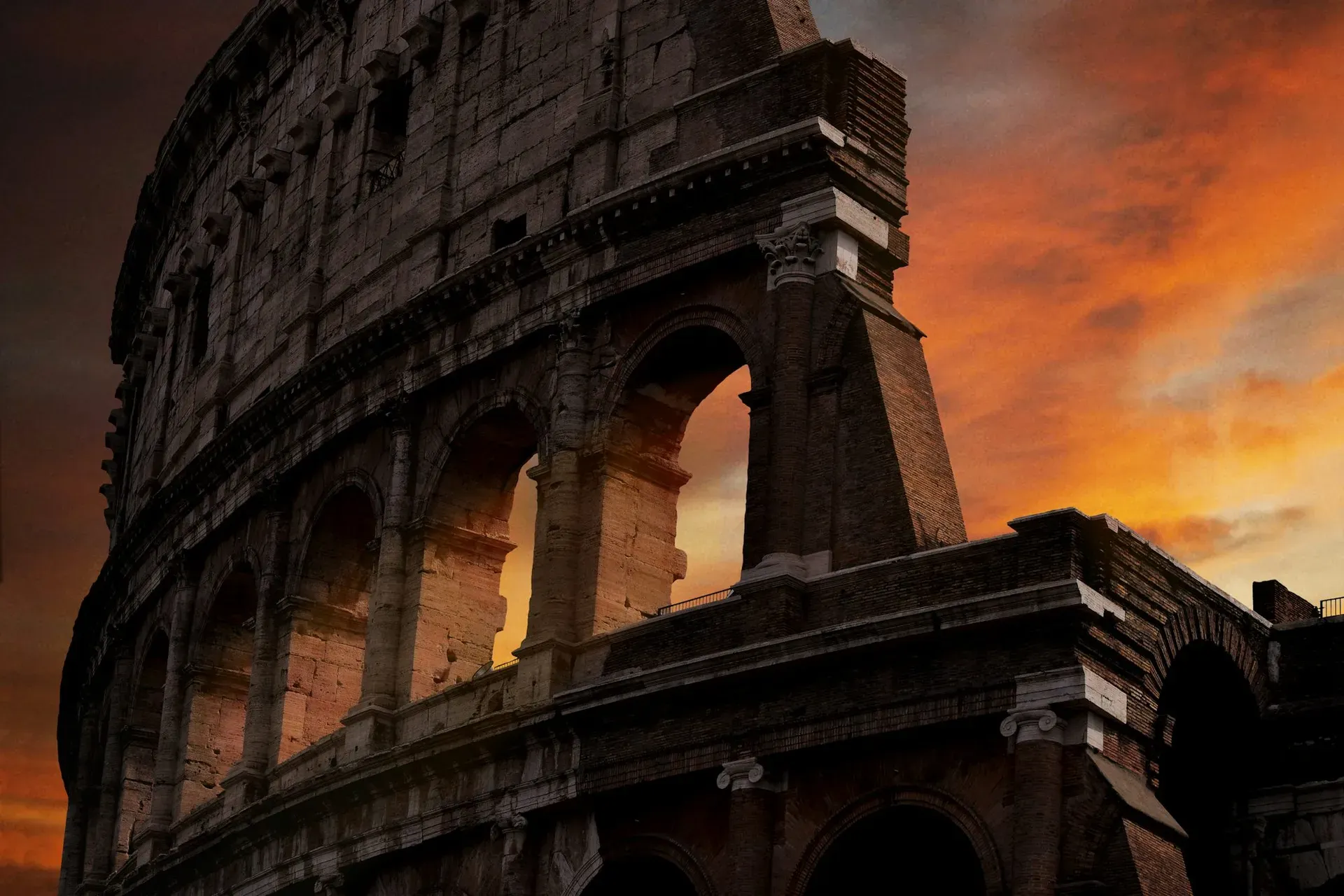
The best time to visit (and when to avoid it)
Spring (March to May) and Fall (September to November) offer ideal conditions for exploring the Colosseum Rome Italy. During these months, Rome enjoys mild temperatures and thinner crowds. The summer heat can be intense inside the stone structure, and the winter months, while less crowded, bring shorter daylight hours and occasional rain.
Regardless of season, weekdays tend to be less crowded than weekends. Early morning visits provide atmospheric light for photography and a quieter atmosphere before the main tourist rush arrives.
What to pair with your Colosseum visit
To fully appreciate the Colosseum, combine it with visits to the nearby Roman Forum and Palatine Hill. Both are included with the same ticket and valid for 24 hours. These connected sites provide the broader context of ancient Roman civic life that clarifies the amphitheater's purpose.
Wear comfortable shoes with good grip. The ancient stone surfaces can be uneven and slippery. Bring water, especially during warmer months, as shade inside the structure is limited. Allow at least two to three hours for a thorough visit, longer if joining a guided tour.
The uncomfortable truth about why you should go
The Colosseum represents one of humanity's most ambitious architectural achievements and offers an unflinching look at ancient civilization. It is both a marvel of engineering and a reminder of the brutal entertainments that once captivated Roman crowds.
Walking through its arches, standing on its arena floor, and descending into its underground chambers connects visitors to a past that shaped Western civilization. Few places offer such immediate access to ancient history. For anyone traveling to Italy, the Colosseum remains essential. The ancient world feels present here, not sanitized, not simplified, just sitting in the Roman sun waiting for you to make sense of it.