Bunaken National Park Indonesia: What to Really Expect
Turtles on every dive and coral walls plunging into the deep. Bunaken National Park Indonesia is one of the world's richest marine ecosystems, but the beaches come with a reality check worth knowing about.
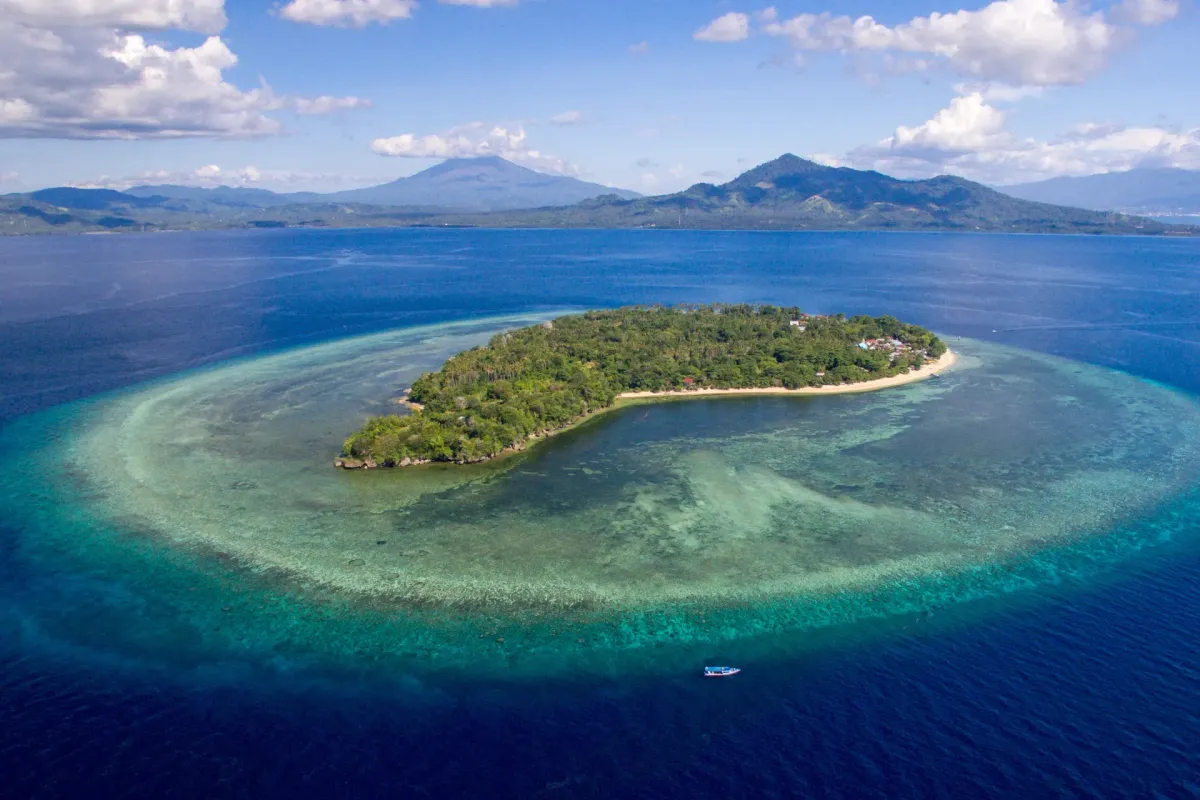
Bunaken National Park Indonesia sits just off the coast of Manado in North Sulawesi. It is the kind of place that feels much farther from civilization than it actually is. The park has become known as one of the most biodiverse marine areas on Earth. Sheer coral walls plunge into deep water. Turtles drift through clear seas. Dolphins break the surface during the short boat ride out. Bunaken is accessible and affordable in a way that more remote Indonesian dive spots are not, and all of it sits within easy reach of a major city.
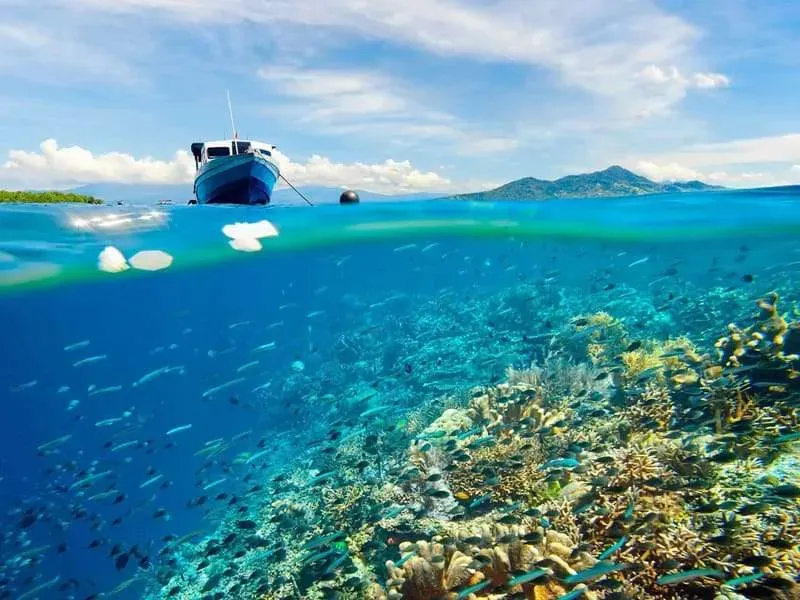
What makes Bunaken National Park Indonesia special
The park is one of Indonesia's better-run marine reserves. During a typical two-week stay, you will not see a single local fishing boat inside park boundaries. The no-take zone is respected, and the payoff is real: turtles and reef fish are everywhere, and the coral looks healthy across most sites.
The biodiversity is remarkable. Many divers who have been around rate these waters among the best they have seen. People who returned after an eight-year gap found that Bunaken has developed without losing what made it special. The sea and beaches have stayed relatively clean. It earns its reputation as one of Indonesia's best diving sites.
Diving and snorkeling at Bunaken National Park Indonesia
The main event at Bunaken is what lies beneath the surface. The park is known for its wall dives: vertical drops where coral covered cliffs descend into deep water. The drop-off sits about ten meters from the shore, which makes it easy to reach. You can snorkel directly from the beach into excellent reef without ever needing a boat. That said, boat trips unlock even better sites.
Wall dives and drop-offs
For divers, the experience is hard to overstate. Five dives for an advanced open water certificate often become seven because five is not enough. These are remarkable wall dives: soft and hard coral formations cling to vertical faces that drop away into the deep. The muck dives on the Manado Bay side reveal a different world. Huge carrier crabs, elusive eels, and bioluminescent plankton make night dives feel like you have entered another planet.
Marine life encounters
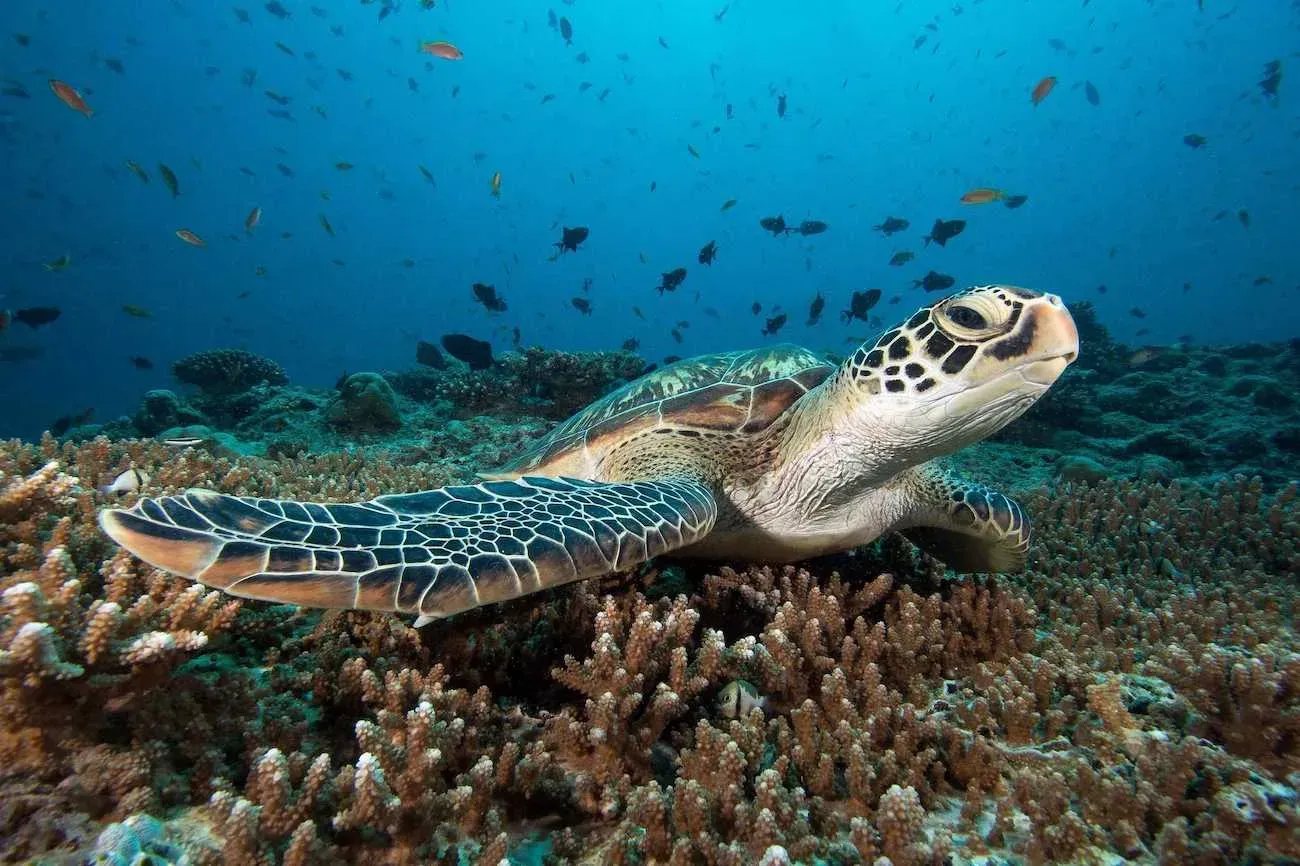
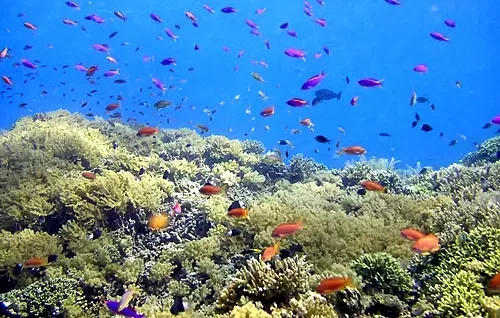
The marine life is abundant and varied. Dozens of turtles glide past on every dive, some of them genuinely large. Schools of colourful fish swirl through the water column. Nudibranchs cling to coral outcrops. Reef sharks cruise the deeper blue. On the boat rides between dive sites, dolphins often show up. They might take a second attempt to find, but they are usually there. Even snorkelers floating above the shallows regularly spot turtles surfacing close enough to touch.
The coral reef near the coast of Bunaken Island itself has clear blue water, colourful fish, and the kind of marine scenery that defines the park. Bring an underwater camera. The encounters are too good to leave undocumented.
Beyond the main island
The Bunaken experience extends beyond the main island. Siladen, a smaller island about one hour by boat from Manado, has good snorkeling with lionfish, various clownfish species, solitary turtles, and plenty of corals and anemones. The water around Siladen tends to be cleaner than some other areas within the park. A few cottages offer overnight stays, and lunch, featuring blue marlin meat ordered in advance, is worth planning around.
For those into macro photography, the waters around Lambi offer calmer conditions for shooting tiny marine life. The trade-off is water clarity. Conditions are worse than Siladen and the main Bunaken sites, but the micro-creatures make it worthwhile. If you want the full muck diving experience, Lembeh, the macro capital just across the water, is where to go.
Things to do in Bunaken National Park
While the underwater world dominates, life above the surface has its own appeal. Activities on the main island include snorkeling, deep diving, boat hopping between the park's islands, and walking along stretches of white sand. Several islands within the national park have beautiful beaches with soft sand and clear water.
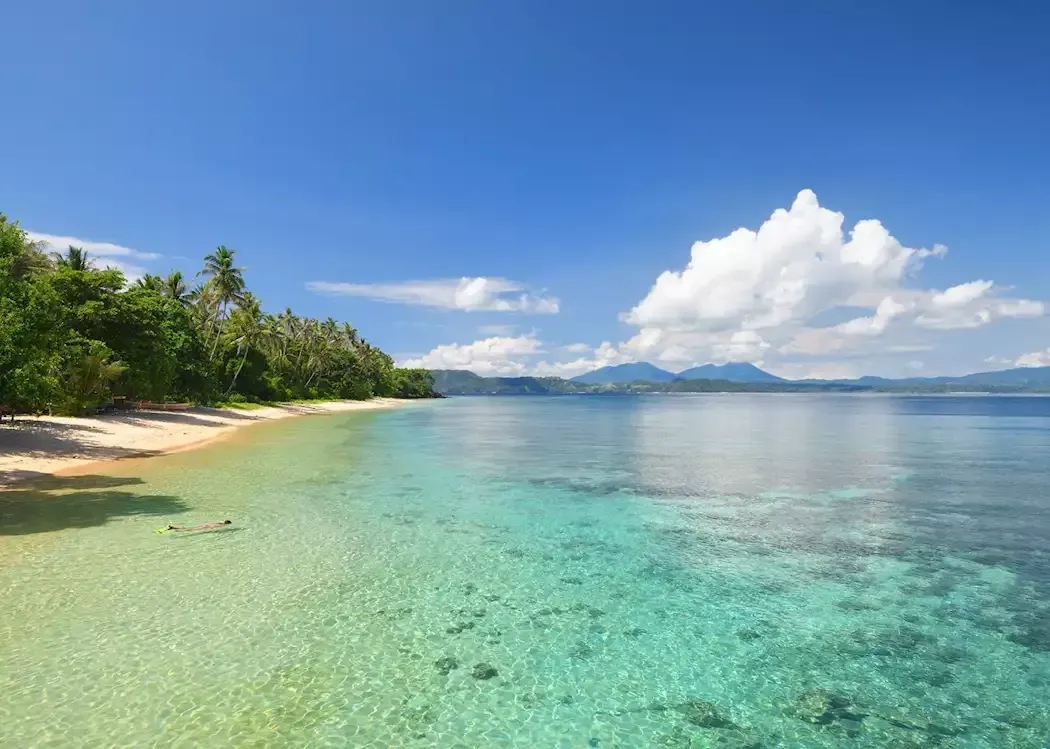
Food stands line the beachfront, so stocking up on meals between snorkeling sessions is easy. Local food and culture add depth to the experience. The welcome from locals is warm. Vendors sell souvenirs and food stalls offer basic local fare with Sulawesi character. Some areas of the island are restricted as part of private resorts, but most of the coastline and interior is open to explore on foot at your own pace.
How to get to Bunaken National Park
The logistics are straightforward. The easiest access runs through the Grand Luley resort, which provides boat transfers directly to the island. From Manado, the boat crossing takes roughly one hour. Siladen is reached on a similar timeline. Once you arrive, getting around is simple: boat hopping connects the various islands, and walking covers the rest.
Where to stay in Bunaken National Park
Accommodation covers the full range. For backpackers, head to Bunaken village. Countless homestays sit behind the main gate, and walking inside reveals what you need. These budget options put you in the middle of local life. For more comfort, private resorts and cottages line the coastline, including some nice spots on Siladen. The choice comes down to what you prioritize: village authenticity or resort quiet. Both give you easy access to the diving.
Conservation challenges at Bunaken National Park
Bunaken's beauty comes with problems that every visitor should know about before arriving. The park charges an entrance fee of 150,000 rupiah per day. These funds theoretically support conservation. The disconnect between the fees collected and conditions on the ground can be jarring.
The trash situation is serious. Plastic bottles stretch across long sections of coastline. Old fishing nets and discarded lines entangle crabs and fish. Turtles and fish can be seen eating plastic. It is a hard thing to watch in a place known for its marine life. On the beaches, broken glass covers large stretches of sand. Walking barefoot is dangerous. Within minutes of inspecting the shoreline, sharp shards accumulate by the kilo. This glass is locally sourced, not washed in from overseas. It points to a waste management failure that the fee collection has not yet fixed.
The village side of the island has the worst of it. Visitors in December 2024 reported beaches thick with rubbish, seawater that was no longer clear, and shallow waters strangely empty of fish. A new jetty has been built, but the overall experience has declined compared to years past. Some visitors also find the coral does not match the brochure photos. Restoration is needed, and many hope the government and tourism sector will step up.
The park needs a major cleanup across the island. The solution is not complicated: hiring locals for regular beach cleanups would put money directly into the community while protecting the asset everyone depends on. For now, responsible visitors bring back more than memories. They bring back whatever trash they can carry, handing it to their boat captain.
Bunaken National Park travel tips
Make sure you have enough cash. The daily park fee is 150,000 rupiah and there are no ATMs on the islands. Bring everything you need for your entire stay before leaving Manado.
An underwater camera is worth the investment. The marine life encounters, turtles within reach, reef sharks, dolphins, demand documentation. A camera turns fleeting moments into proof of one of the world's great underwater experiences.
Wear footwear on every beach, no exceptions. The broken glass problem is severe and widespread. Flip-flops at minimum. Sturdy sandals are better. Do not walk barefoot anywhere along the shoreline.
Pack out what you bring, and then some. Collect any trash you encounter during snorkeling trips and hand it to your boat captain. Small individual actions add up, and the reefs need every bit of help they can get.
For divers getting certified, the park has ideal conditions. Wall dives, muck dives, and abundant marine life make training dives exciting rather than just educational. Book extra dives beyond your course requirements. You will want them.
Best time to visit Bunaken National Park
The dry season from April to October delivers the best conditions: calm seas, good visibility, and reliable diving weather. Water clarity and marine life encounters stay strong throughout this window. Outside these months, conditions get more variable with increased rainfall and rougher seas, though the underwater world is good year-round. For the best mix of comfortable conditions and manageable crowd levels, aim for April, May, September, or October.
Is Bunaken National Park worth visiting?
If you love the ocean, the answer is yes, with some real caveats. The underwater experience is among the best in the world. The wall dives alone justify the trip. The turtle encounters, the reef sharks, the dolphins, the sheer density of marine life, all of it is the real deal. The quiet above water, the friendly local community, the easy access from Manado: the logistics are simpler than you might expect. For divers and snorkelers, the experience often gets described as unreal, which captures both the beauty and the strange feeling of floating above such a healthy reef.
The trash and glass problem is real and you should know about it before you go. The beaches will not always look like the photos. But the underwater world, the reason anyone comes to Bunaken in the first place, is still extraordinary. The park protects a marine ecosystem of real importance, and experiencing it firsthand creates exactly the kind of people who will advocate for its future.
Final thoughts
Bunaken National Park Indonesia has a way of making you plan your return before you have even left. It captures both the best of Indonesian marine conservation and the problems facing tropical destinations everywhere. For divers and snorkelers, it delivers an experience on par with any underwater destination on Earth. It is a place of such abundant life and such welcoming people that it stays with you. For those who care about the future of places like this, visiting, and visiting responsibly, might be the most useful thing you can do.