Blåisvatnet Norway: Hike to the Turquoise Blue Lake
The rocky trail to Blåisvatnet Norway doesn't give itself away easily. But the lake's impossible turquoise colour makes every careful step over shifting stones feel worth it.
What makes Blåisvatnet Norway's blue lake so special
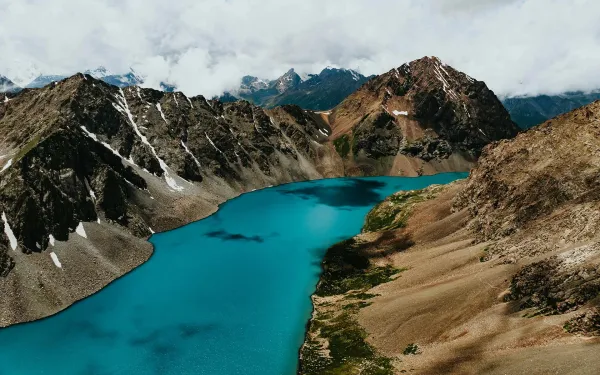
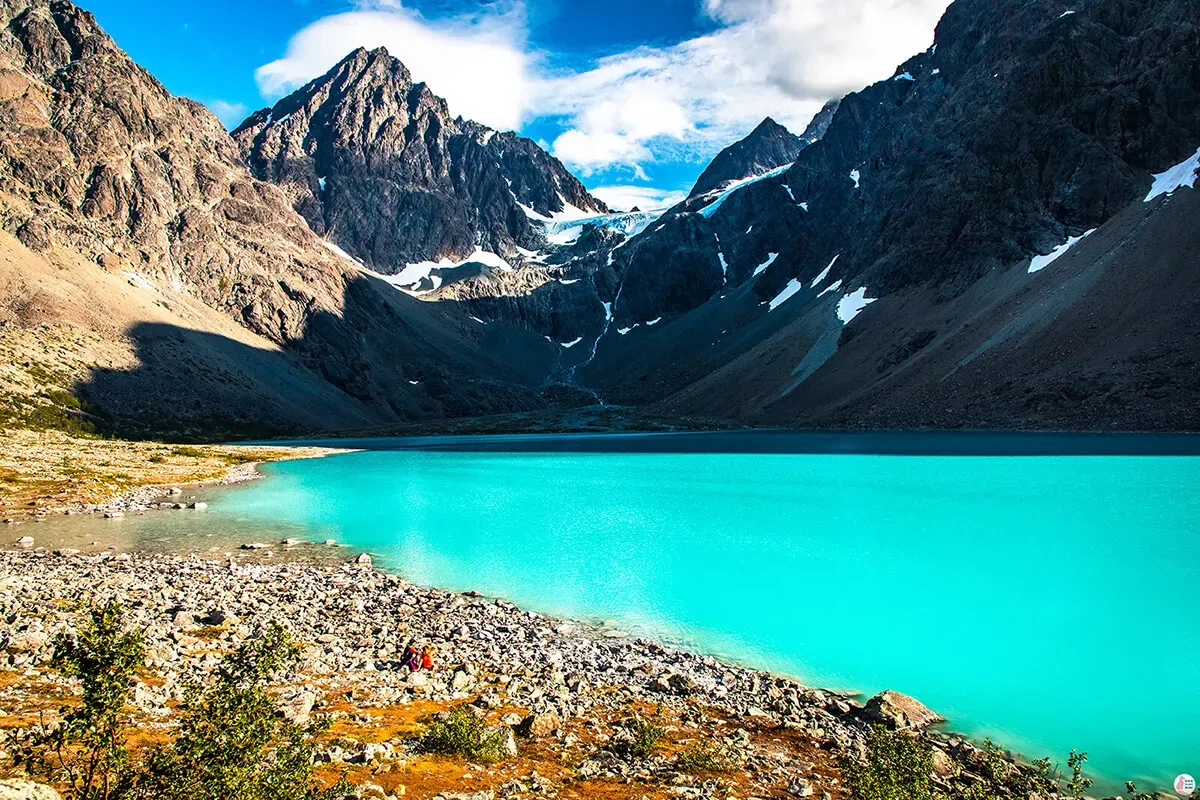
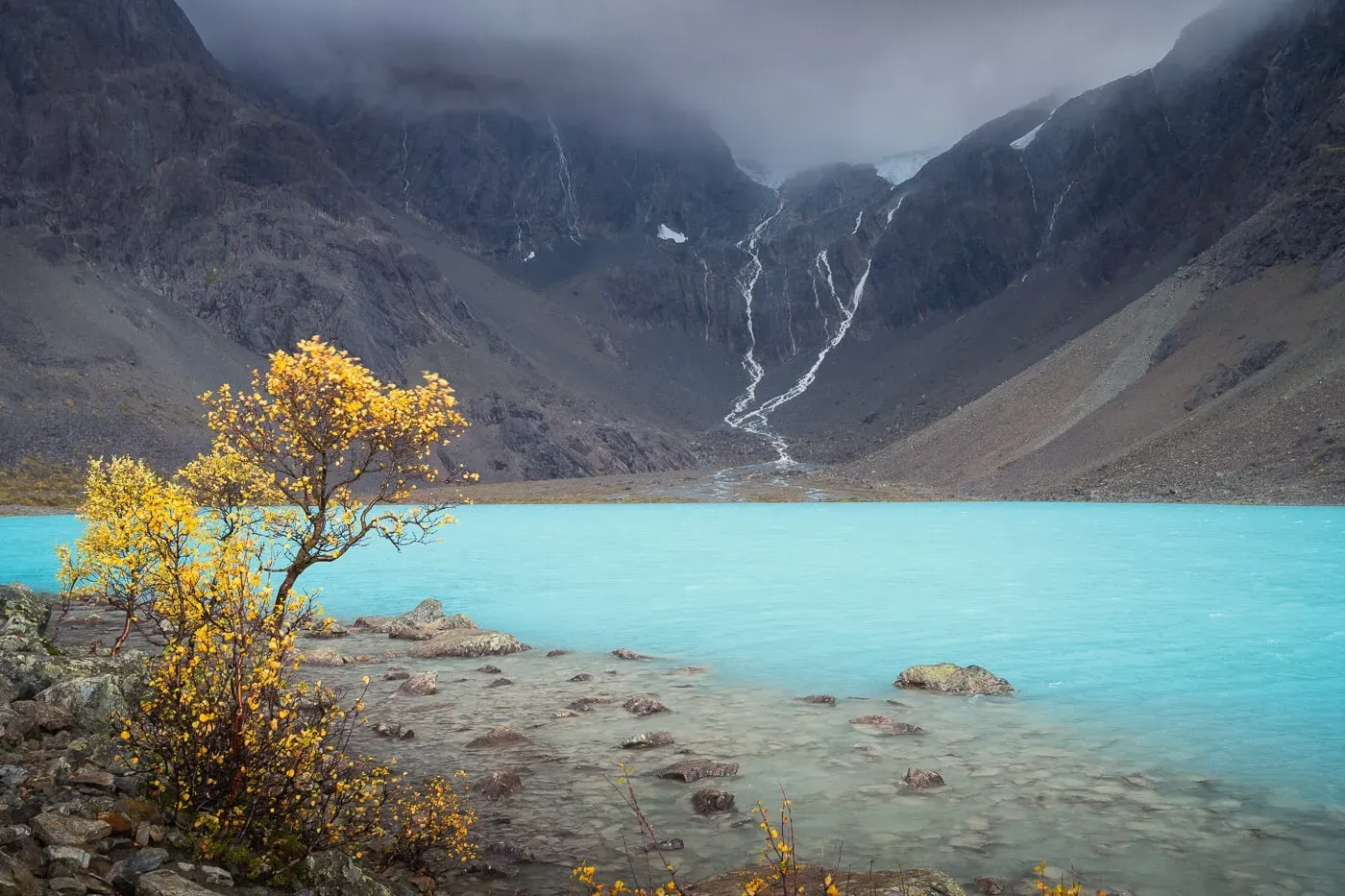
The first time you see Blåisvatnet Norway from the trail, you stop walking. You kind of have to. The lake's colour sits somewhere between glacier mint and electric blue, a shade so intense it looks fake against the dark, snow-streaked peaks behind it. Glacial meltwater from the Lenangsbreen glacier feeds the lake, and whatever minerals and sediment that process stirs up produce a turquoise so saturated that someone once compared it to Gatorade. It is not a flattering comparison but it is also not wrong. Oddly, the colour actually looks best under cloud cover. Direct sun creates glare on the surface. Overcast skies kill the reflection and let the water's real colour do its thing.
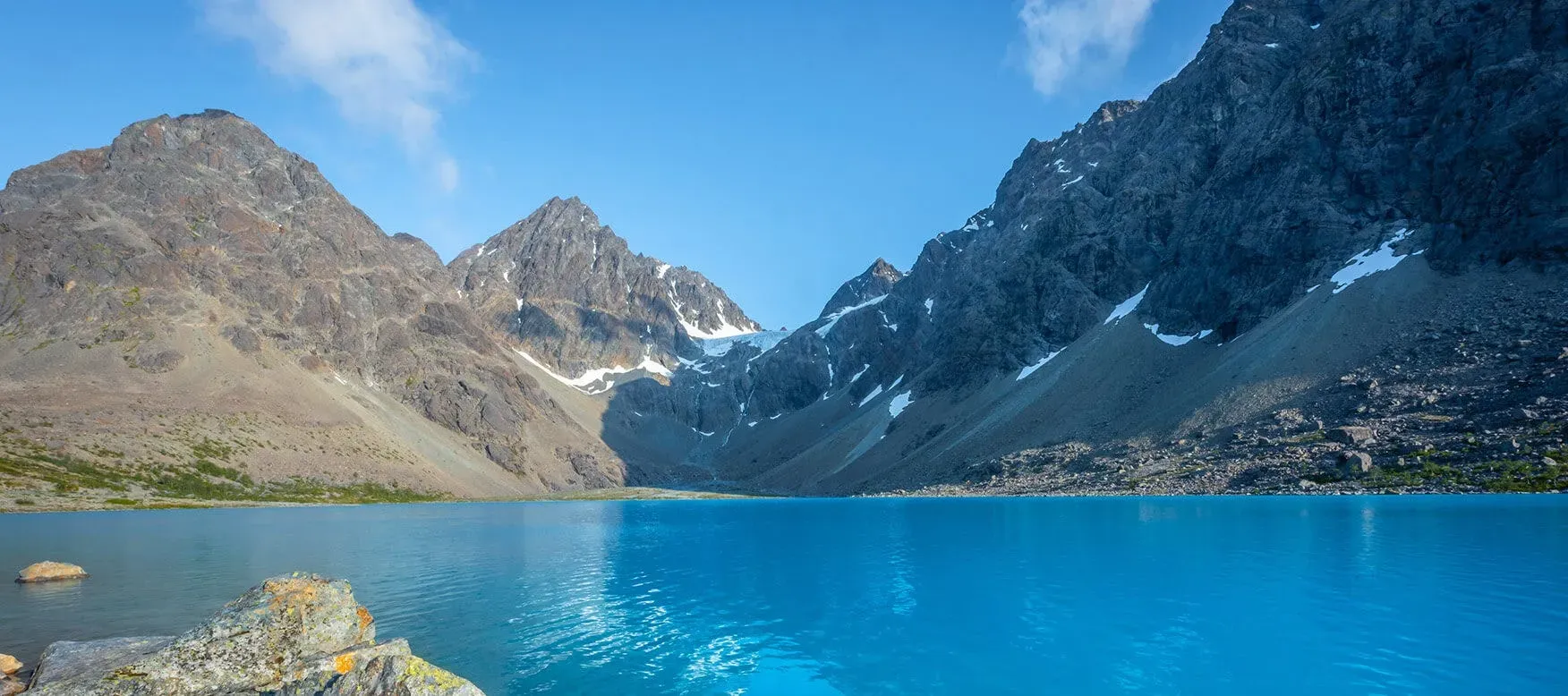
What makes Blåisvatnet stick in your head, though, is not just the photo. It is the quiet. Unlike a lot of trending Norwegian nature spots, this lake stays surprisingly empty. You get the views without the crowd. Sitting at the water's edge, the only sounds are distant waterfalls running down the dark mountain faces and the occasional rock clatter somewhere upslope. It feels like you stumbled onto something that has not been fully discovered yet, which is rare in the age of Instagram geotags. I have done a lot of hikes in northern Norway and this one sits near the top.
The Blåisvatnet Norway hike: what to expect
The trail runs about 4.5 kilometres each way and breaks naturally into three sections. Knowing what each one asks of you is the difference between a decent day out and a long, frustrating afternoon.
The first 30 minutes: gentle and groomed
The hike starts easy. The first section follows a well-maintained, clearly marked path on a gentle grade. Red-painted rocks mark the way. You settle into a rhythm while the Lyngen Alps open up around you. This part works well for families. The trailhead has two toilets, which sounds trivial but is genuinely useful before a long hike. The first kilometre or so builds expectations without asking much from your legs.
The rocky middle: 3 kilometres of stone
About a quarter of the way in, the groomed path disappears. What follows is the hike's defining feature: roughly three kilometres of loose, uneven stone that feels like walking up an old river bed. Small to medium rounded rocks cover about 90% of the remaining route. There is no shade anywhere across this section. On warm summer days, heat radiates off the stones and it gets surprisingly hot. The trail stays clearly marked with red rocks so you will not get lost, but every single step requires attention. Your feet and ankles work constantly to adjust to shifting stones.
This is where your footwear choice either saves you or ruins your day. Sneakers and soft shoes leave your ankles exposed and your feet bruised. Proper hiking boots with solid ankle support make all the difference. The stones do not let up. There is no workaround.
The final push: boulder scramble to the lake
The last 100 metres change again. The gradient steepens and the rocks grow from pebbles into proper boulders that need some light scrambling. This is the hardest part of the whole hike: a hands-on climb over large, sometimes slippery rocks that demands patience and careful feet. Everyone slows down here, no matter how fit they are. Older hikers and anyone with reduced mobility should budget extra time for this final stretch, but it is manageable if you take it slow. The moment the lake snaps into view, it feels worth it. A shock of electric turquoise water that makes every step suddenly seem like a reasonable price to pay.
How to get to Blåisvatnet
The drive from Tromsø to the trailhead takes you through the Lyngen Alps and is honestly part of the experience. The road winds past jagged peaks and deep fjords the whole way. Parking at the trailhead is not free, which catches some people off guard. A lot of Norwegian nature spots have free parking, so the fee feels unexpected. On the plus side, the lot has two toilets, which makes the modest cost easier to accept before a long hike.
Things to do at Blåisvatnet
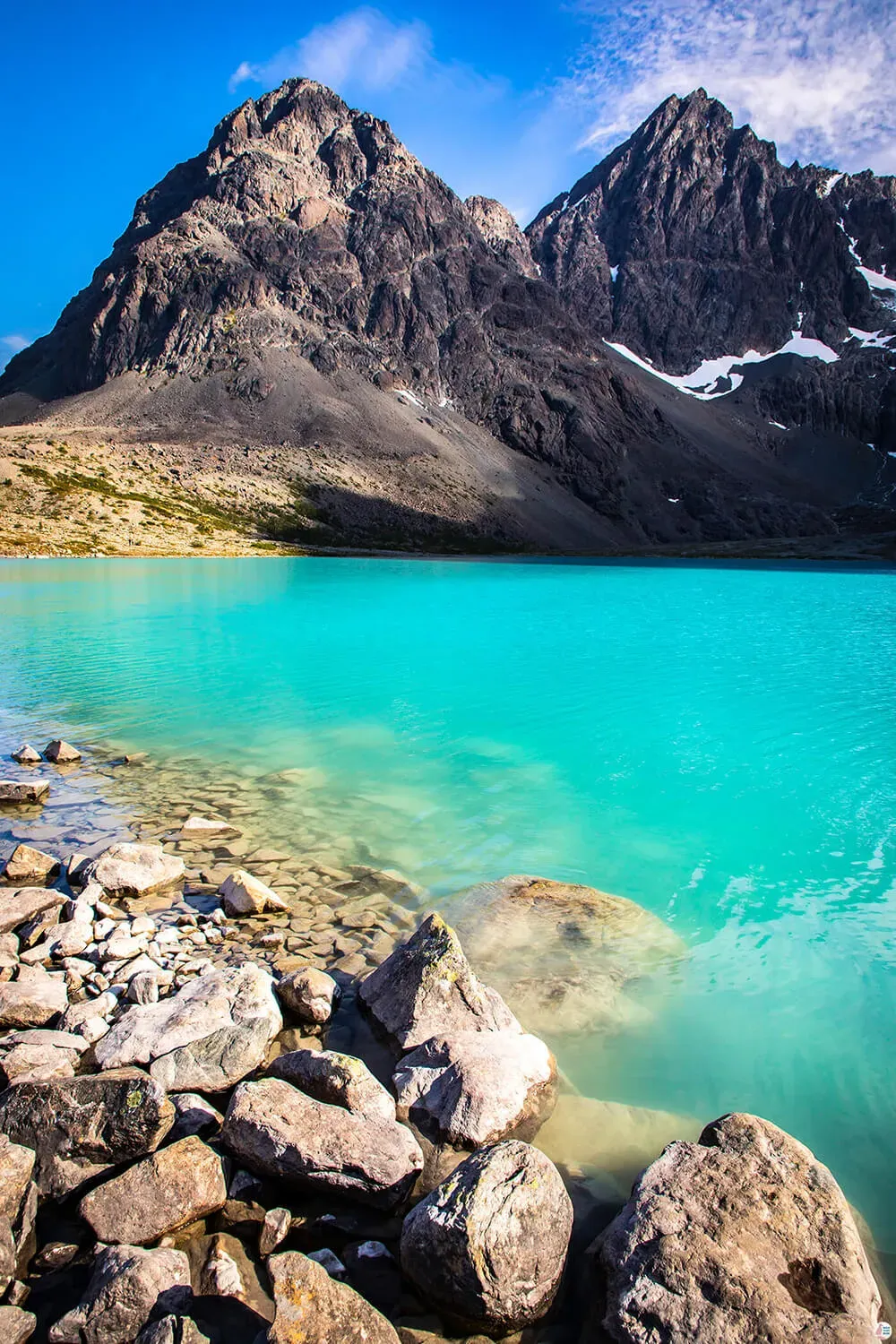
Most people take a swim, or at least try. The water sits somewhere between 2°C and 5°C. People describe it as feeling like liquid nitrogen. On a warm day, a quick plunge is shockingly refreshing, and plenty of hikers wade in up to their ankles at the very least. Bring water shoes. The stones at the edge get slippery when wet and they hurt bare feet. Without water shoes, the combination of cold water and sharp rocks makes the whole thing more punishing than pleasant.
The lake photographs beautifully in any light, but the colour hits hardest under cloud cover. An overcast sky removes surface reflection and saturates the turquoise to near-unbelievable levels. The contrast between the bright water and the dark mountains behind it creates shots that take almost no skill to look good.
A short side trail leads to a smaller, quieter lake with a bridge that gives you a nice vantage point. It does not have the dramatic colour of the main lake, but you get solitude and a different view of the peaks. Worth the extra few minutes.
Mostly, though, you just sit there. The lake's remoteness means the soundtrack is all nature: distant waterfalls, the odd rockfall, wind moving across the water. Hardly anyone else is around. Sitting on a boulder watching the glacial melt shift through different blues sticks with you longer than any photo does.
Best time to visit Blåisvatnet
You can hike Blåisvatnet from June through September, when the trail is clear of snow and the weather cooperates. Go early in the season and you should know: at the end of May, about half the lake can still be frozen. Partial ice has its own stark look, but the full turquoise effect needs the lake to thaw completely.
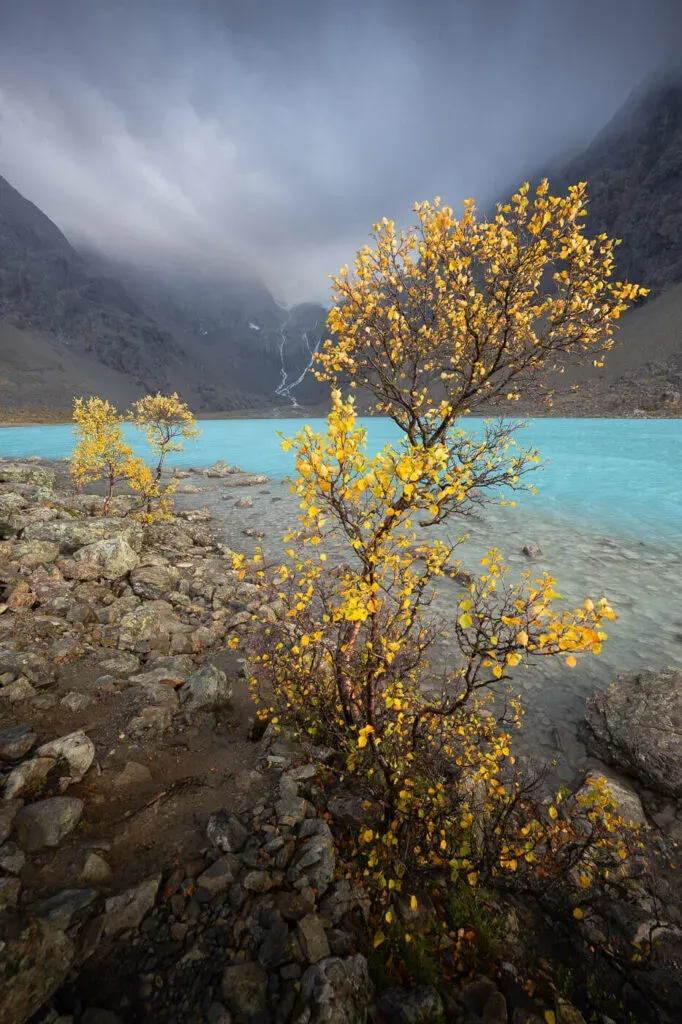
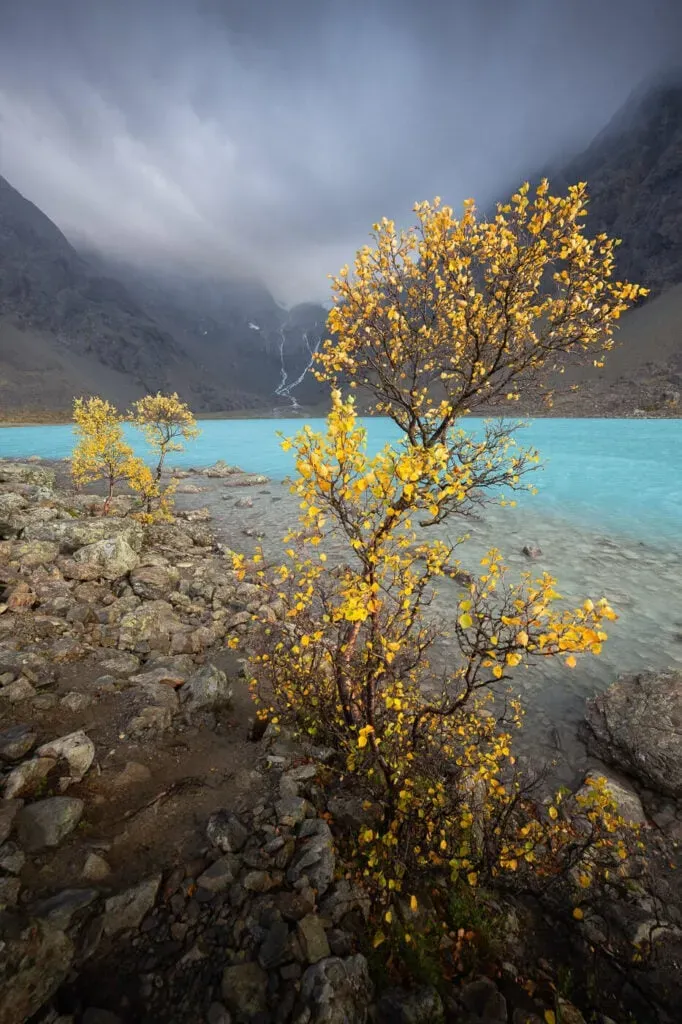
July and August bring the warmest temperatures and the best conditions for swimming, if you can call plunging into near-freezing glacial water swimming. These months also have the most daylight. The midnight sun stretches golden-hour light for hours, which is great for photography. September is something else entirely. The birch trees turn brilliant gold and the contrast between autumn foliage and the lake's turquoise creates a colour combination you rarely see. The trail gets quieter in September and the cooler air makes the rocky middle section way more comfortable than in peak summer heat.
One thing that feels backwards but is true: the lake's colour looks best on cloudy days. Bright sun puts glare on the water that washes out the turquoise. Overcast skies kill the reflection and let the full intensity of the glacial blue come through. A grey forecast is not a reason to bail. It might actually give you the best view of Blåisvatnet.
Practical tips for hiking Blåisvatnet
Footwear is everything
The most important decision you make on this hike happens before you leave the car. Proper hiking boots are essential. Sneakers and soft-soled shoes give you zero protection against three kilometres of sharp, uneven stones. The terrain is rough on bad footwear and every trip report about this trail says the same thing: sturdy boots with ankle support, or you will regret it. For the lake itself, pack water shoes. The submerged stones are slippery and jagged. Wading barefoot hurts.
Timing and pace
Plan on 90 minutes to 2 hours to reach the lake at a normal pace with photo stops. Faster hikers can do it in just over an hour. The walk back down takes about an hour. Older hikers and anyone who prefers a slower pace should budget closer to 1 hour and 45 minutes each way. There is no prize for speed. The rocky middle section rewards careful foot placement more than momentum.
Dogs: think carefully
This trail is rough on dogs. Three kilometres of sharp, medium-sized pebbles can scrape a dog's pads raw. Multiple hikers have reported their dogs finishing the walk with injuries. If bringing a dog is unavoidable, protective boots or socks for the dog are essential. The lake itself is fine for dogs once you get there, but the walk in is punishing. This is not a dog-friendly trail.
Families and reduced mobility
The hike works for families. The first section is easy and engaging, and kids with energy and decent shoes handle the rocky middle section fine. The final boulder scramble needs supervision and maybe a steadying hand, but it is doable. People with reduced mobility should know that the loose stones require stable footing through most of the hike. The trail is never technically hard, but it demands constant attention and balance. Giving yourself extra time is what makes the difference between a good challenge and a frustrating afternoon.
What to bring
- Sturdy hiking boots. The most critical item on the list.
- Water shoes. For swimming or even just wading at the shoreline.
- Sun protection. There is no shade across three kilometres of open rocky terrain.
- Plenty of water. The exposed trail can get surprisingly hot in summer.
- A swimsuit and towel. The lake is shockingly cold but deeply refreshing on a warm day.
- Dog boots. If bringing a dog, paw protection is mandatory.
Final thoughts
Blåisvatnet does not give itself away easily. The hike asks for focus, decent fitness, and a willingness to walk over terrain that some people will find more tedious than thrilling. The rocky middle section is, honestly, not that fun. It is a long, exposed trudge over shifting stones that tests your patience as much as your legs. But the lake at the end rewrites the whole experience. That colour, that impossible glacial turquoise, feels like payback for every careful step. On an overcast day, when the water glows with an intensity that seems almost unnatural, the long walk over stones stops mattering.
If you prepare properly, with the right footwear and realistic expectations about pace, and maybe throw in some water shoes for a celebratory dip at the end, Blåisvatnet Norway is one of the best hikes in northern Norway. It is quiet. It is not crowded. And it sits at the end of a rough trail that leads to something genuinely worth the walk.