Barskoon Falls Kyrgyzstan: Hike to the Snow Leopard's Tears
Barskoon Falls Kyrgyzstan delivers a three-tier cascade, Soviet space history, and yurt stays beneath the Tien Shan peaks. Here is how to hike it, when to go, and what to expect.
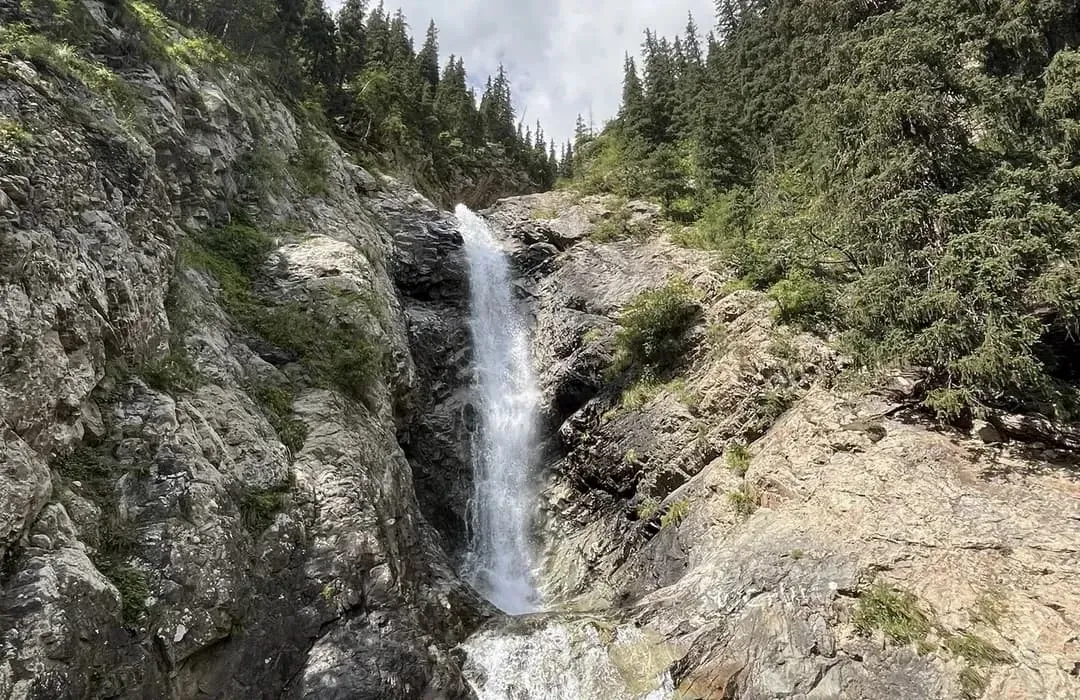
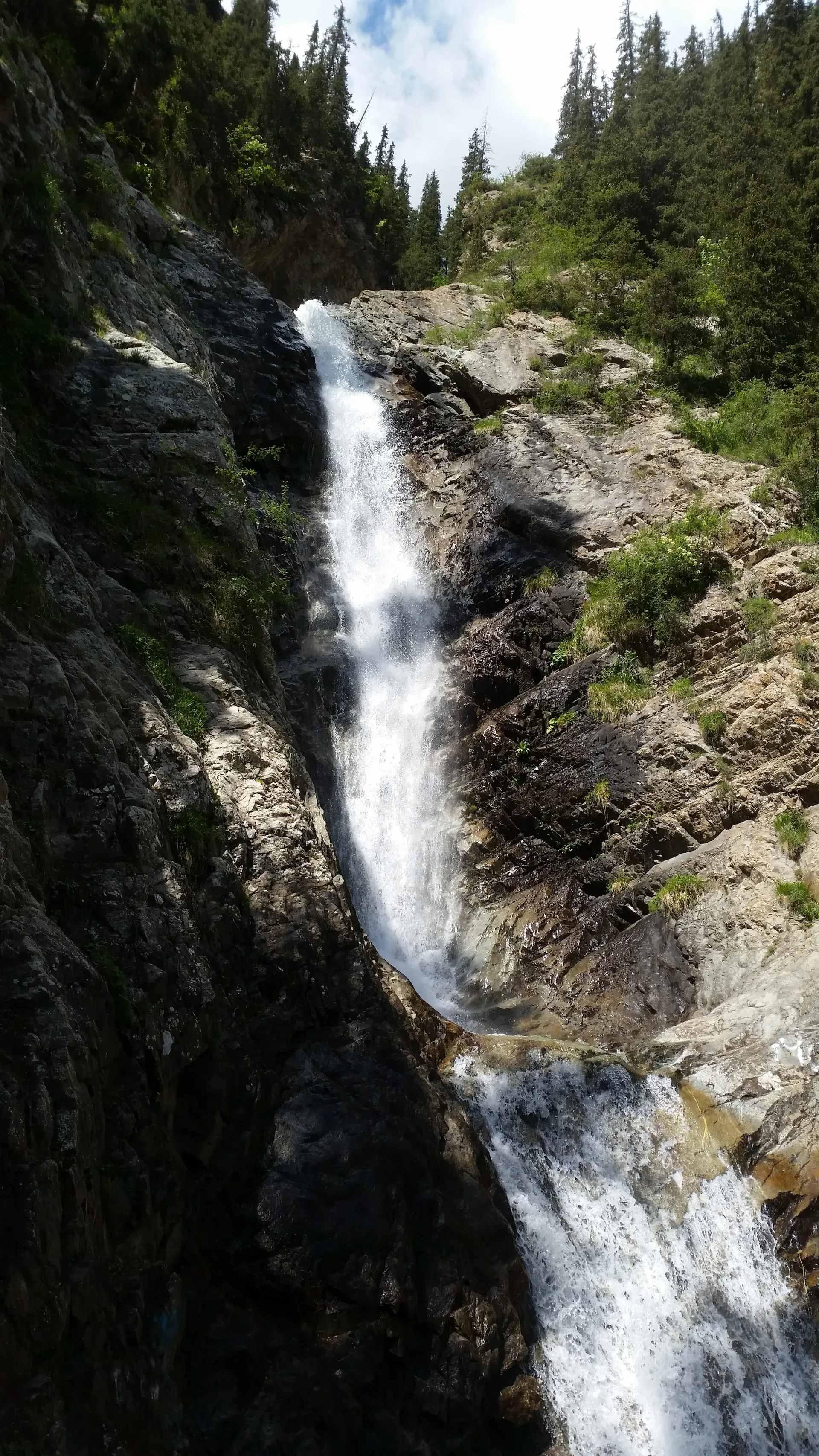
Deep in the Tien Shan mountains, where the Barskoon Valley cuts through Kyrgyzstan's southern Issyk-Kul shore, Barskoon Falls Kyrgyzstan delivers one of Central Asia's most dramatic and genuinely accessible waterfall experiences. Locals call it the snow leopard's tears. This three-tier cascade plunges 24 metres down a rocky gorge, and each level feels wilder than the last. The site was once a rest stop on the ancient Silk Road and later a recuperation retreat for cosmonaut Yuri Gagarin. The fact that it is not overrun with tourists is a small miracle.
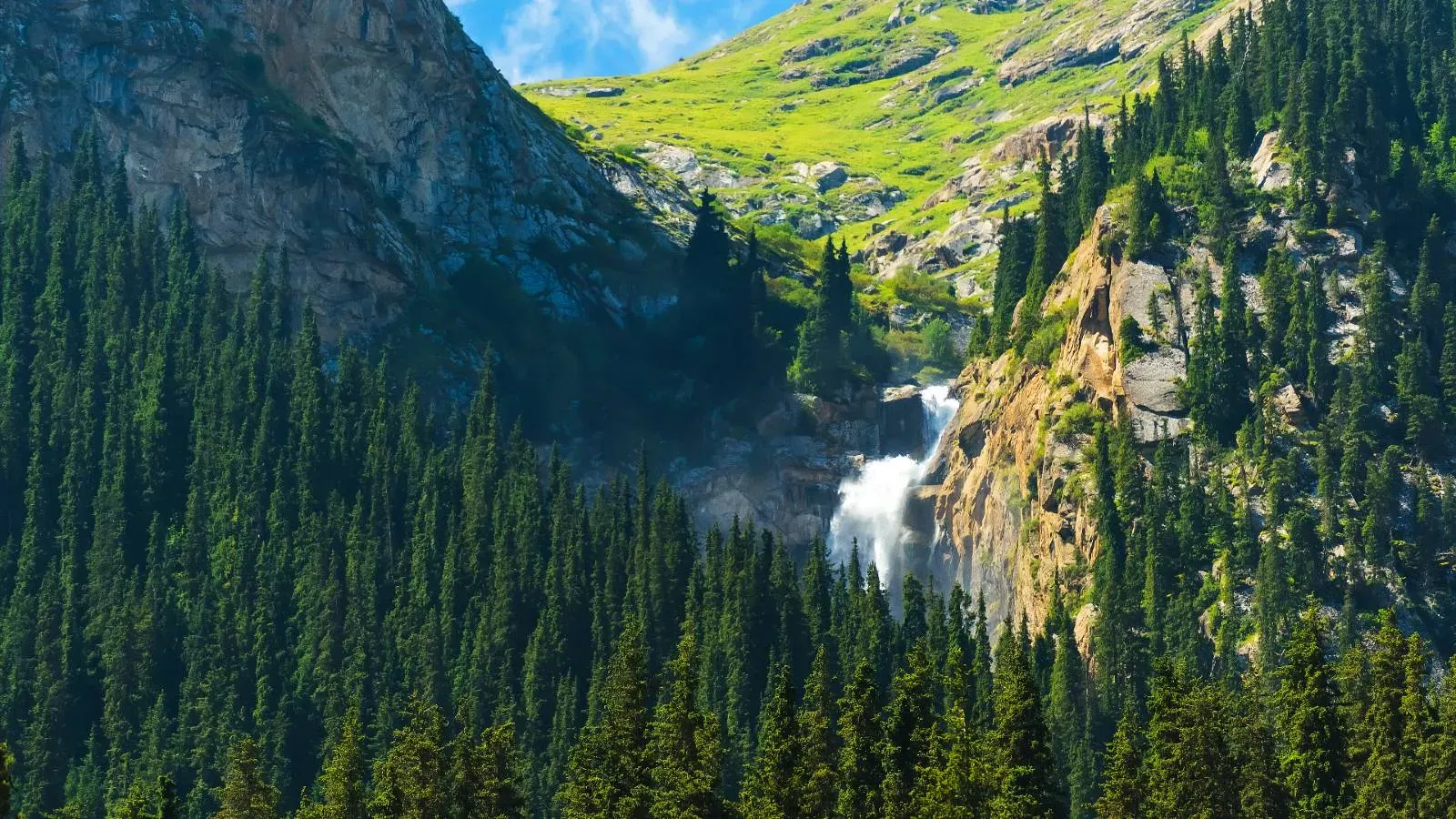
Why Barskoon Falls Kyrgyzstan is worth the detour
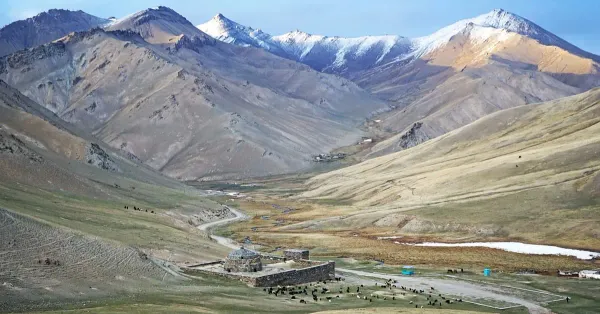
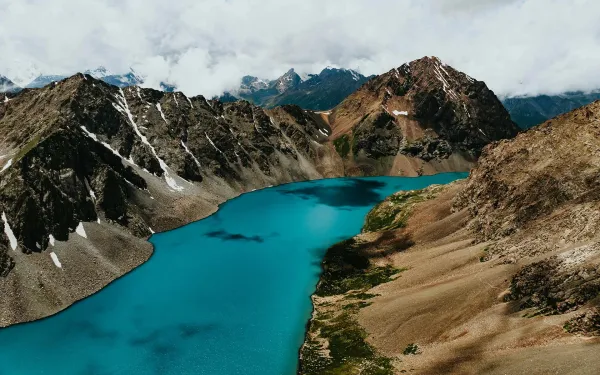
Barskoon sticks with you. The waterfall's roar softens to a murmur as you climb higher, and the sound alone justifies the hike. Then there is the valley itself: improbably green, hemmed in by rocky peaks, looking nothing like the dry steppe below. And yes, there is a Soviet cosmonaut's bronze bust perched on the mountain road. It is strange and wonderful and makes no sense and perfect sense all at once.
The drive up from the lakeshore sets the tone. This road once carried Silk Road traders over Bedel Pass into China. Now it serves trucks bound for the Kumtor Gold Mine. Two monuments will stop you: a Soviet truck mounted on a wide pedestal, and the bronze bust of Yuri Gagarin, who vacationed on Issyk-Kul's south shore after his first manned space flight. A cosmonaut in the mountains. Human ambition meets geological time. Nearby, the remains of a Silk Road settlement from the 8th to 12th centuries and a burial mound from the 5th to 3rd centuries BC remind you that people have been coming through this valley for a very long time.
I have met travellers who have trekked all over the country, and they keep pointing to Barskoon as the highlight. I believe them. The river runs far down the valley through forest and rock under open sky. Stand among the yurt camps looking up at the peaks and you will probably agree.
Hiking to Barskoon Falls
The hike to Barskoon Falls is short but honest. From the parking area, which is free and generously sized, you are looking at roughly 15 to 20 minutes uphill over about 500 to 600 metres. Do not let the brevity fool you. The trail is steep, and after rain it gets slippery fast. Proper footwear matters. The path can confuse first-timers; the simplest landmark is the Yuri Gagarin monument. Park there and head straight up the hill. Yes, really: straight up.
Getting to Barskoon Waterfall
Reaching Barskoon takes some planning. Shared taxis do not run directly to the waterfall. Many visitors hitchhike or arrange a private driver. The road from the town of Barskoon up the valley is paved and well maintained, a legacy of the Kumtor Gold Mine traffic, so any vehicle can handle the approach. Once you reach Issyk-Kul's southern shore, the turn-off into the valley is straightforward, and the Gagarin monument marks the gateway. Free parking waits at the trailhead, plus a few spots where you can grab tea before or after the climb.
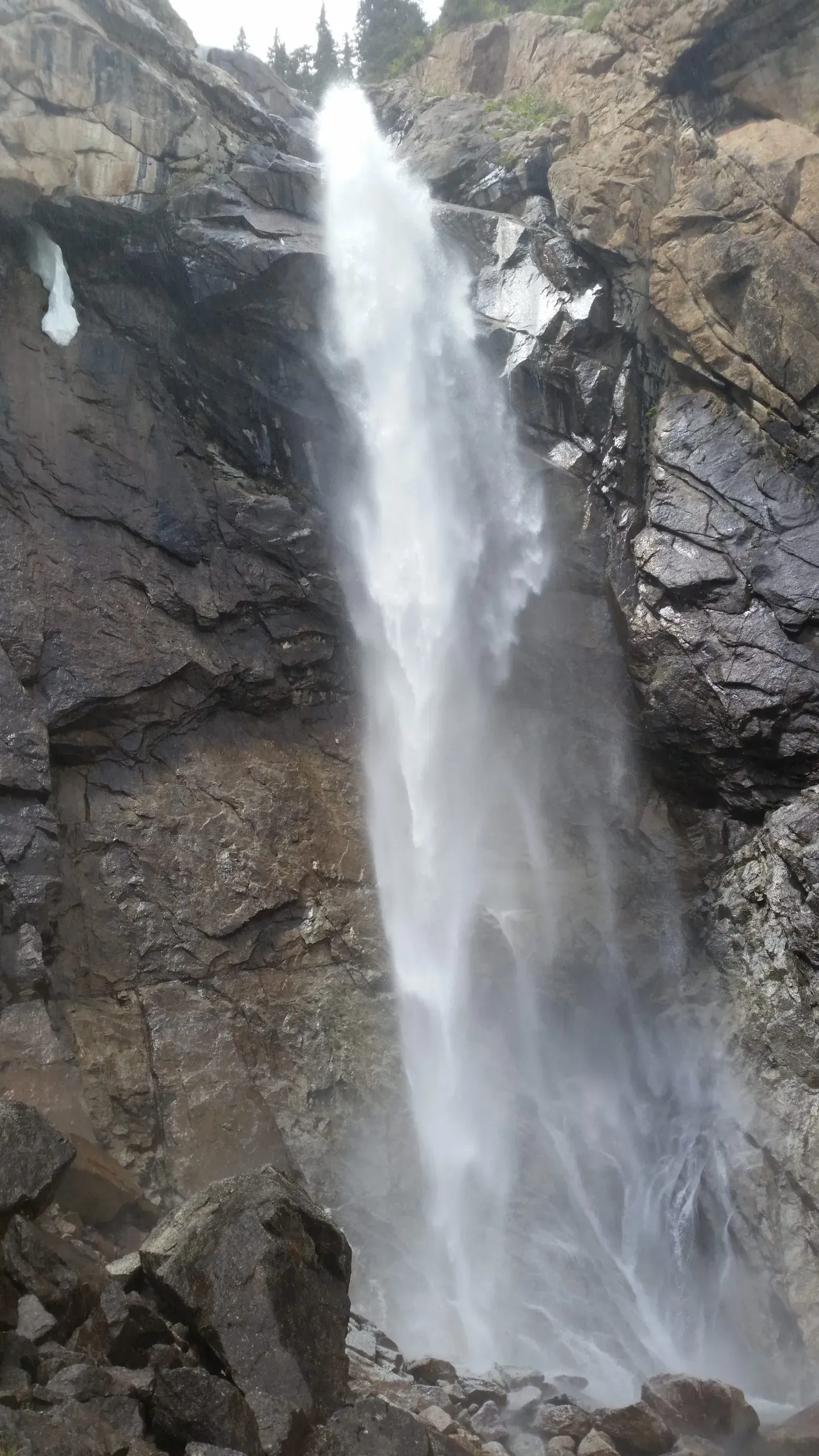
The three tiers: choose your adventure
Barskoon is not one waterfall but a chain of cascades. How many you see depends on your fitness and ambition. The first tier, the one most visitors experience, is a rewarding 15 to 30 minute climb from the parking area. It is steep but manageable, and the payoff hits immediately: water thundering over rock in a green, quiet bowl that invites you to sit on a boulder, unpack lunch, and soak in the valley.
There are at least two distinct waterfalls within reach. The lower, smaller cascade is the standard 20 minute walk. If you would rather not hike, you can hire a horse for 300 to 400 som one way. The upper waterfall is a different beast. Reaching the most scenic tier at the top demands a morning start and real commitment. The higher trail gets near-vertical. You will need your hands. Unless you are genuinely fit, the summit tier will stay out of reach. Use the maps.me app for trail guidance; the route gets increasingly vague the higher you climb.
Several smaller waterfalls dot the surrounding area, each demanding extra hiking. The valley itself, with its yurt camps and picnic spots, is a popular weekend retreat for local families. Expect crowds on Saturdays and Sundays. Weekdays offer a noticeably quieter experience.
Barskoon Waterfall in winter
Visit outside summer and Barskoon turns into something else entirely. The falls freeze into sculptural ice formations: silent, still, but alive with the muffled rush of water beneath the frozen surface. In winter you will likely have the gorge to yourself. No one on the trail, just snow crunching underfoot and the distant whisper of hidden water. Even in May the cascade can stay largely frozen. The ice has its own stark beauty, but traversing the frozen waterfall is dangerous and not recommended.
The winter trail covers the same 500 to 600 metres from the parking lot, but conditions demand extra caution. Drone photographers will find the frozen gorge and snow-covered peaks offer cinematic angles that summer crowds make impossible. Tick protection becomes critical in the warmer shoulder months; the valley's vegetation harbours them in abundance.
Practical tips for Barskoon Falls Kyrgyzstan
Footwear is everything. The trail is steep and, after rain, treacherously slippery. Hiking boots or sturdy trainers with reliable grip are not optional. Pack a raincoat regardless of the forecast. Weather shifts fast near the peaks, and a sunny start often gives way to sudden rain. I have met hikers who got drenched midway and kept climbing anyway. The views do not lose their power in the wet.
Weekdays beat weekends here. Barskoon is a beloved local picnic spot, and Saturdays and Sundays draw significant crowds. A Tuesday morning visit feels like having a private waterfall. Use maps.me for navigation. The trail to the upper tiers fades and forks, and offline maps provide guidance when the path disappears into rock scrambles.
Protect against ticks. They thrive in this valley's vegetation, particularly in spring and early summer. Long sleeves, insect repellent, and a thorough check after your hike are wise. Bring cash in som for horse rides (300 to 400 som one way) and yurt meals (1,000 to 1,600 som for two). There is no entrance fee, so your only costs are what you choose to spend on experiences.
If you are only doing the lower waterfall, 90 minutes is perfectly adequate. If you intend to reach the uppermost tier, start in the morning and prepare for a multi-hour undertaking that will test your scrambling skills. Either way, the valley delivers.
Where to stay near Barskoon Falls
Several yurt camps sit at the base of the mountain. Falling asleep in a felt tent beneath the Tien Shan sky, the distant sound of falling water threading through your dreams, is something no hotel can touch. One yurt near the falls serves homemade food worth seeking out. Expect to pay between 1,000 and 1,600 som for a meal for two, which is solid value for the quality and setting.
You can hire horses from the yurt camps to carry you up to the waterfall if you prefer to skip the hike. Spending the night in the valley turns a quick waterfall stop into a proper mountain night. If you are not staying overnight, the valley still makes an ideal picnic spot, and the yurts welcome day visitors for tea and meals.
Best time to visit Barskoon Falls
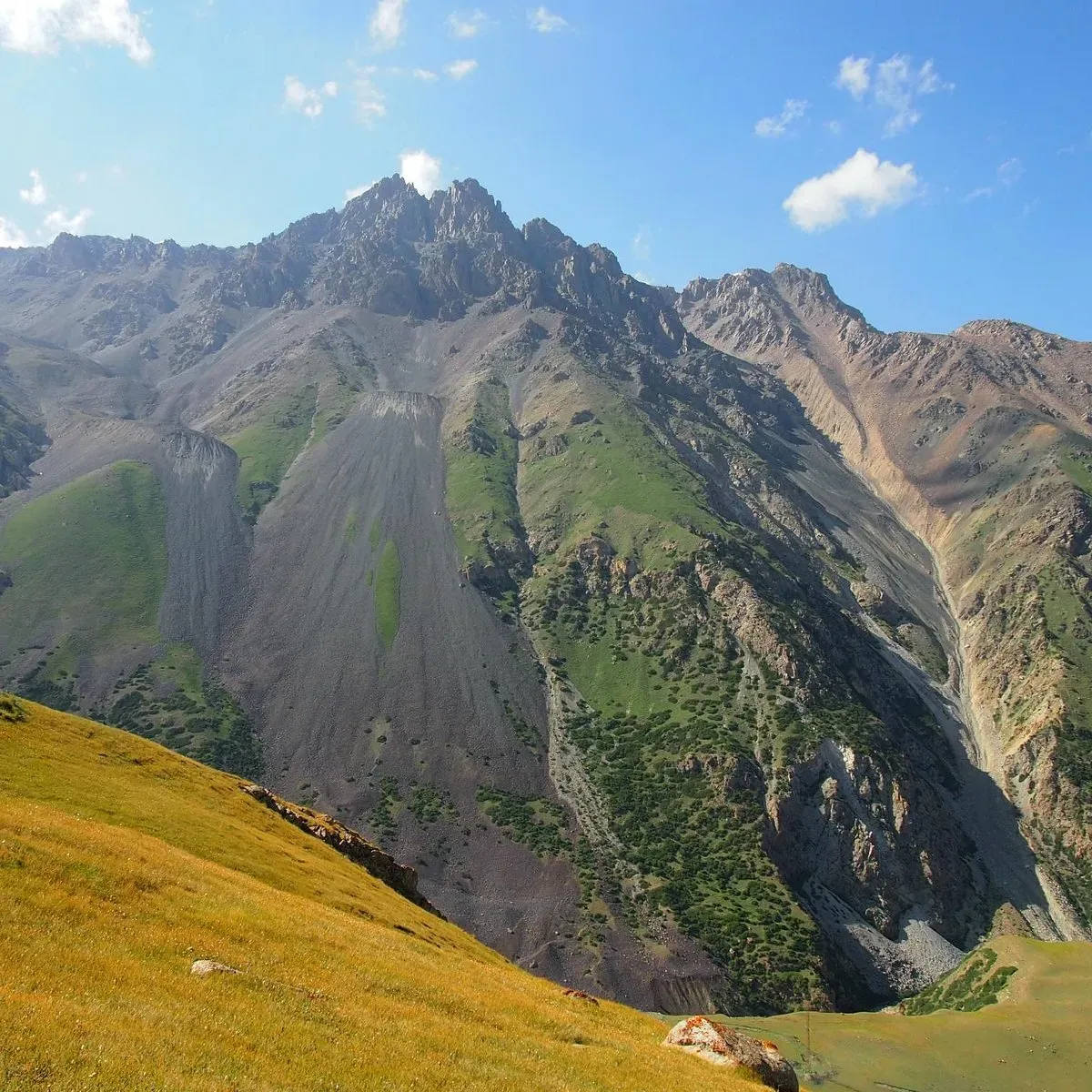
The prime window runs from July to September, when trails are clear, water flows at full volume, and the valley is at its greenest. This is when Barskoon looks like the photographs: lush, loud, and alive. May visits offer a different spectacle. The falls are still partially frozen, the crowds are absent, and the quiet, crystalline beauty sticks with some travellers even more than the summer version. Winter, December through February, brings total solitude and the surreal experience of standing beside a frozen cascade, hearing water rush beneath the ice in a silence so complete it becomes its own kind of music.
The shoulder months of April and October are wildcards. You might get autumn gold and manageable trails, or you might get ice, mud, or both. Whenever you go, midweek mornings deliver the most serene experience.
Is Barskoon Falls worth visiting?
Absolutely. There is no entrance fee, parking is ample, and the hike can be as brief or as demanding as you want. You can spend 90 minutes here, climb to the first cascade, sit on a rock, and breathe it in. Or you can commit an entire day to reaching the upper tiers and exploring the valley. For travellers looping Issyk-Kul's southern shore, this is an essential stop. The only caveat: if you grew up in Bavaria, the landscape might feel familiar enough to skip. For everyone else, this is Kyrgyzstan at its most arresting.
The valley rewards those willing to linger. Fly a drone over the gorge for footage you will actually want to rewatch. Bring a packed lunch and claim a boulder near the water. Or just sit and listen. The waterfall's white noise does something to your brain that is hard to describe.
Barskoon Falls is not a secret, but it still feels like one. A dramatic three-tier waterfall in a valley of unreasonable beauty, with Silk Road ghosts, Soviet space nostalgia, and the option to sleep in a yurt beneath the stars. You can treat it as a quick roadside stop along Issyk-Kul's southern shore, or you can let it become the highlight of your entire Kyrgyzstan journey. The snow leopard's tears are not easily forgotten.