Avenue des Baobabs Madagascar: Sunrise, Sunset & Honest Tips
Ancient baobabs, a dusty road, and sunsets that draw crowds. The Avenue des Baobabs near Morondava is Madagascar's most famous sight. Here's what to expect, and whether it's worth the brutal drive.
What makes Avenue des Baobabs so special
A dirt road near Morondava on Madagascar's west coast, lined with dozens of ancient baobab trees. Some are over 800 years old, their trunks wider than a bus. This is the Avenue des Baobabs, and it's the single most famous sight in the country. Standing next to these trees, you feel genuinely small. Not in a bad way. More like the world got bigger than you remembered. People plan entire two-week trips to Madagascar largely because this stretch of road exists. They're right to do so.

The silhouette of these strange trees against the sky is the kind of image that sticks in your head. Whether you see them in harsh midday light or the soft glow of twilight, they look almost too weird to be real. Like something a kid would draw and an adult would say "trees don't look like that." But there they are, on that dusty western road, as real as anything. The photographs don't lie, but they also don't quite capture what it feels like to be there. It's better.
The Avenue des Baobabs travel guide: sunrise, sunset, and everything between
Sunrise vs sunset: choosing your moment
The big decision at the Avenue des Baobabs comes down to two windows: sunrise and sunset. Both deliver great photography conditions, but the atmosphere couldn't be more different. Choosing wisely shapes the whole experience.
Sunset is the main event. As the sun drops, the baobabs throw long shadows across the red dirt and the sky catches fire in oranges and pinks. The best light actually comes about 20 minutes after the sun has dipped below the horizon. That's when the silhouettes really pop against the deepening sky. It's also when the crowds peak. Tour buses, international travelers, locals, and influencers in full dress show up in numbers that can feel overwhelming. At its worst, the scene tips into something closer to a film set than a wilderness experience. The volume of people can genuinely undercut the magic.
Sunrise is different. Most people don't make it. The crowd thins dramatically after dawn, leaving a quiet, almost intimate atmosphere. You'll see locals walking to town or riding zebu carriages along the avenue. For photographers willing to get up early, the pre-dawn darkness opens up opportunities for light painting techniques before the sun crests the horizon. If you want the place mostly to yourself, morning is the move. Don't prioritize sunset alone. The early alarm is worth every lost hour of sleep.
How to get to the Avenue of the Baobabs
Getting to the Avenue des Baobabs is part of the adventure, and it's not a comfortable one. The road from Morondava is rough: huge potholes, thick mud, and deep puddles that sometimes swell into what look like small lakes. By the time you arrive, your body might feel bruised all over. It's a genuinely bad road. A two wheel drive vehicle can make the trip, but extra ground clearance isn't a luxury. It's close to a necessity. Every pothole is worth it, though.
The avenue sits about a 15 minute drive from a nearby beach, so combining a coastal visit with your baobab stop is easy. The dirt road runs straight through the cluster of trees. You're free to walk the entire length, park at the designated area, and take it all in. Parking costs between 2,000 and 5,000 Malagasy Ariary (roughly €1 to 2), and entry to the avenue itself is free. That was confirmed as recently as August 2024, though policies can shift, so carrying small denomination cash is smart.
For the best vantage point most visitors miss: stand with your back to the village and take the path on the right just after the small lake. This spot gives you reflected views of the baobabs over the water at sunset.
Things to do at Avenue of the Baobabs beyond photography
The trees are the main event, but a few worthwhile additions round things out.
Visit the Baobab Amoureux. These two intertwined trees, known as the Lover Baobabs, sit a short distance from the main avenue. They make for a romantic and far quieter photo stop. Souvenirs are sold on site, though the little shops at the entrance carry a smaller, pricier selection than what you'll find back in Morondava.
Try the baobab ice cream. A community run initiative near the avenue sells baobab flavored ice cream. It's good, and your money goes directly to local livelihoods. Baobab honey is another standout purchase. You can also plant your own baobab seedling along the avenue through a local association that runs a seed growing nursery and a small restaurant. If your visit lines up with a full moon, the whole experience shifts into something else entirely. Silver light on ancient trunks, far fewer tourists, and a stillness that even the best sunset can't touch.
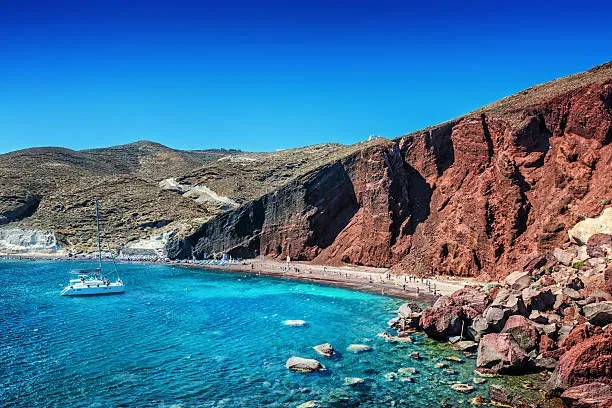
Combine it with the beach. The coastline is just 15 minutes by car from the avenue. It's a breezy contrast to the dusty inland road. Grab a cold drink by the water before heading to the baobabs for golden hour. It's a well worn local rhythm. Getting a beer before sundown at the avenue itself is a small ritual worth adopting.
Facilities at the site include a small cafe and clean bathrooms. Basic but functional. Birdwatchers should keep an eye out for ice birds, which have been spotted in the area. Overall wildlife sightings along the avenue are limited, though. The real draw is and always will be the trees. One thing worth noting: graffiti has been appearing more and more on the baobab trunks, carved and sprayed. It's a visible reminder that regulations and protections haven't kept up with the site's growing fame. Admire. Photograph. Leave no trace.
The local community: what to expect
The Avenue des Baobabs isn't a sealed off tourist attraction. It's a working landscape where locals gather, socialize, and go about daily life. People from surrounding villages spend time along the avenue, and children often approach visitors. Some ask for money, others just for sweets. Bringing a small bag of candy is a kind and easy gesture. Be prepared that some kids may ask to pose for photos and then demand payment afterward. The people here are warm and welcoming, and many travelers mention them as being just as memorable as the trees.
The community spirit is real. A local association has helped the village set up a restaurant, a baobab seed growing nursery, and souvenir stalls that funnel income directly back into the area. Supporting these things, whether through a jar of baobab honey, a scoop of ice cream, or planting a seedling, leaves something positive behind after your tire tracks in the red dust have faded.
Practical tips for visiting Avenue des Baobabs Madagascar
Arrive early, stay flexible. Crowds swell quickly around sunset. Getting there ahead of the rush means a good position and time to enjoy the buildup. For sunrise, arrive while it's still dark and you can play with long exposures and light painting before the first rays appear. If sunset feels overwhelmingly busy, come back the next morning. The contrast is night and day.
Bring cash in small denominations. Parking runs 2,000 to 5,000 Ariary. You'll want coins and small notes for souvenirs, ice cream, and anything spontaneous.
Buy souvenirs in Morondava. The shops at the avenue entrance are convenient, but prices and selection are generally better back in town. Carved wooden baobab souvenirs are everywhere.
Wear sturdy footwear. The road is deeply rutted and uneven. Flip flops won't cut it.
Protect the trees. Graffiti is a growing problem on the baobab trunks. These trees have stood for over eight centuries. They deserve admiration, not spray paint.
Grab a cold drink. Beer before sundown or baobab ice cream after your walk. The simple pleasures round out the experience. The on site cafe makes it easy.
Best time to visit Avenue des Baobabs
The best time to visit the Avenue des Baobabs falls within Madagascar's dry season, April through October. July is particularly good: clear skies, temperatures around 20 to 25°C, minimal rain. Perfect conditions for both sunrise and sunset photography. The dry season light is crisp, the roads are relatively more manageable, and the baobabs stand in sharp relief against vivid blue skies.
If your travel dates happen to line up with a full moon, rearrange your itinerary to make it work. The avenue under moonlight is rarer, quieter, and completely worth it. It might even beat the golden hour circus. It's that good.
Final thoughts
The Avenue des Baobabs delivers. It's impressive, humbling, and yes, frustratingly crowded at times. But every pothole, every bruise from that punishing approach road, every jostle for position at sunset fades the moment you stand beneath those ancient, impossible trees. They've been doing their thing for over 800 years. Go see them. Ideally twice: once at dusk, once at dawn. You won't regret it.