Attabad Lake Pakistan: Hunza Valley's Turquoise Lake Guide
Attabad Lake Pakistan was born from a 2010 landslide that buried villages and created 21 kilometres of impossibly blue water. It's beautiful, complicated, and worth the drive.
What Makes Attabad Lake Pakistan Special
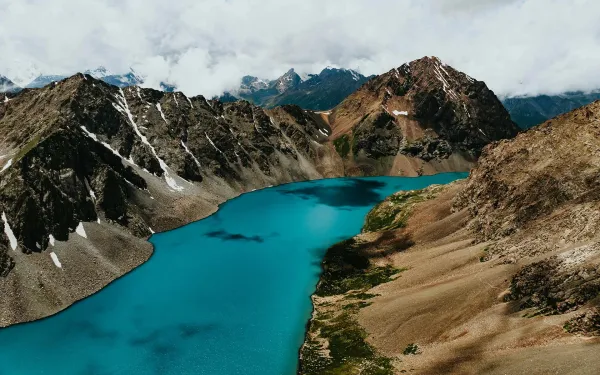
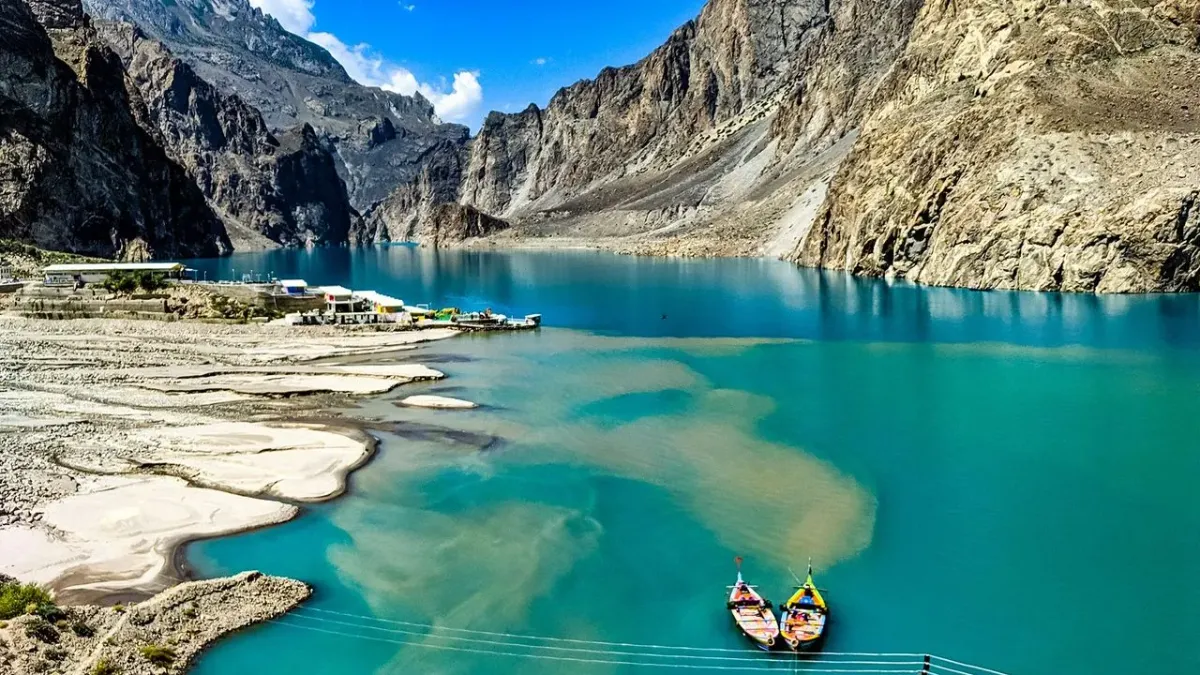
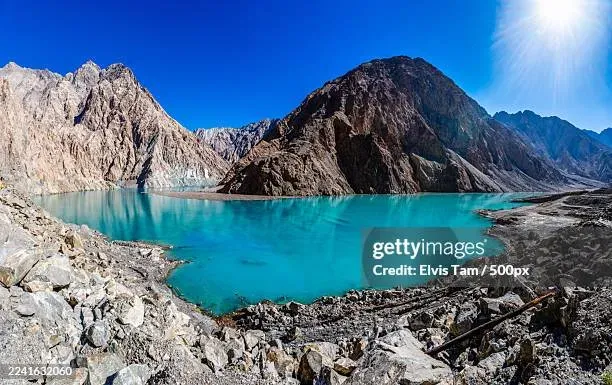
The first time you see Attabad Lake Pakistan, you'll probably stop talking mid-sentence. I did. The water is this almost aggressive turquoise, the kind of blue that makes you squint and wonder if someone cranked the saturation. It hasn't been touched up. Jagged Karakoram peaks rise straight out of the water, dusted with snow, and on a still day the whole thing doubles itself in reflection.
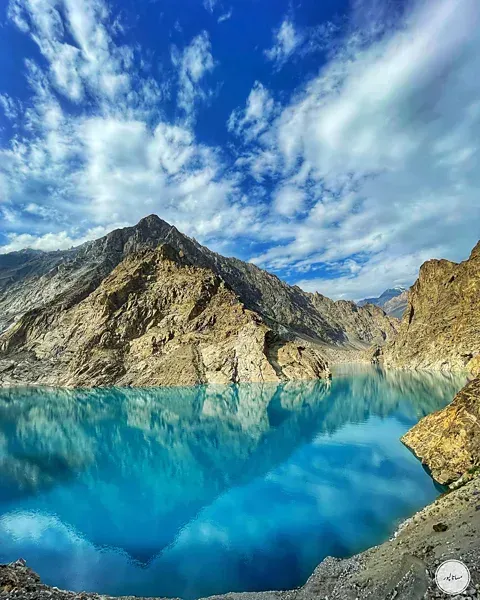
The colour comes from glacial silt. Meltwater from the Karakoram glaciers feeds the lake, carrying microscopic rock particles that scatter blue light. That's it. No filter, no editing. The shade shifts through the day as the light changes: milky blue-grey in early morning, deep teal at noon, then something warmer and softer as the sun drops behind the peaks.
The lake shouldn't exist. In January 2010, a landslide tore down the mountains above Attabad village and blocked the Hunza River. More than 20 people died. The villages of Attabad, Sarat, Ayeenabad, Shishkat, and Gulmit were submerged. The Karakoram Highway was cut for years. What's left is a reservoir 21 kilometres long, up to a kilometre wide, and about 109 metres deep. The blue water is beautiful, but it sits on top of people's homes. I genuinely don't know how to reconcile that. The best I can say is: appreciate the place, but don't forget what's underneath.
Things to Do at Attabad Lake
You could spend the whole day just looking at the water and leave satisfied. But there's plenty to do if you want more than a view. Everything here happens against that blue, and the mountains make even a lazy boat ride feel like something out of a film.
Boating: Traditional Rides and Speedboats
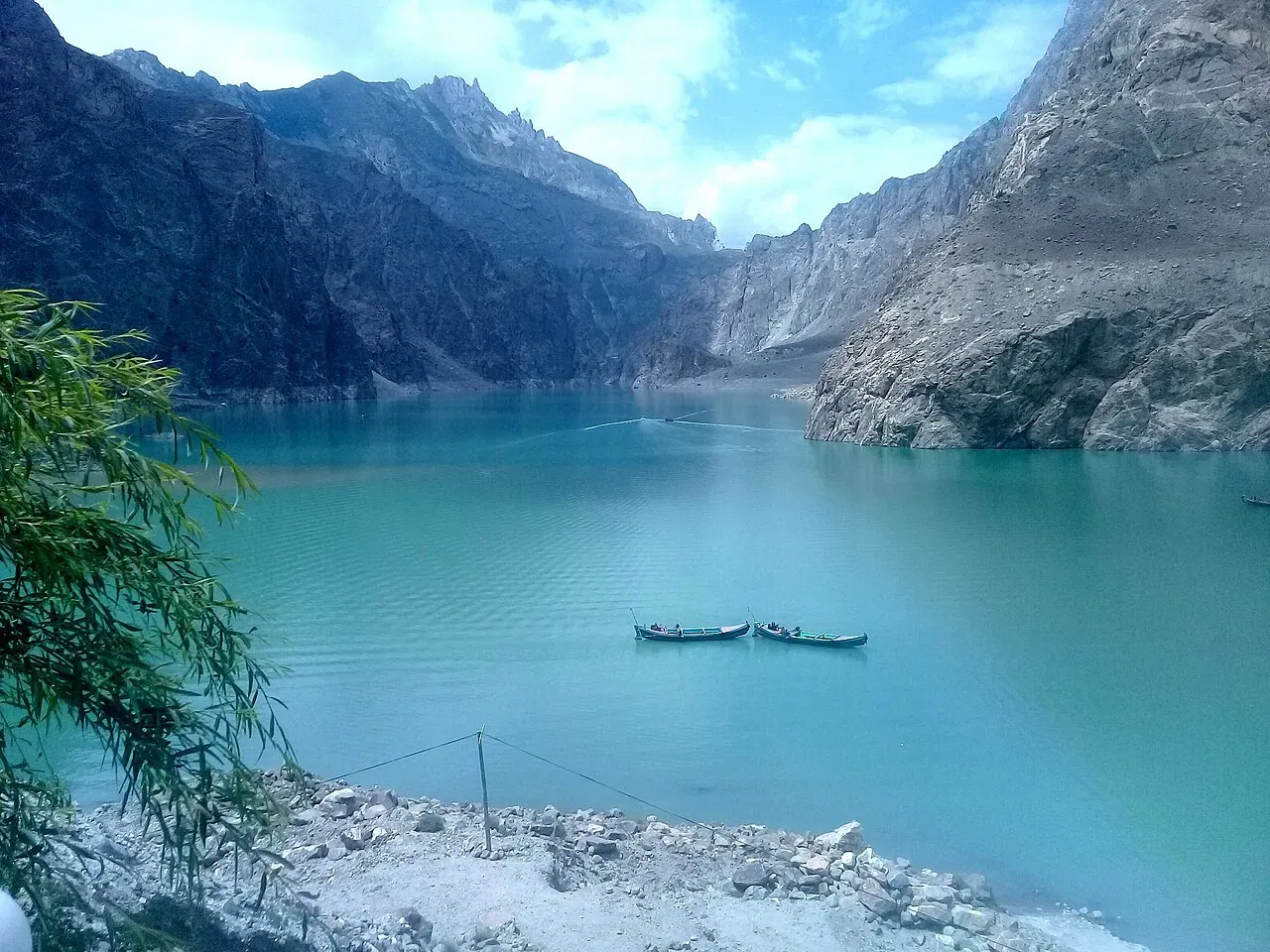
Getting onto the water is non-negotiable. The shore view is good. The middle-of-the-lake view, with sheer mountain walls on every side, is the one that sticks. You've got two choices: traditional wooden boats and speedboats.
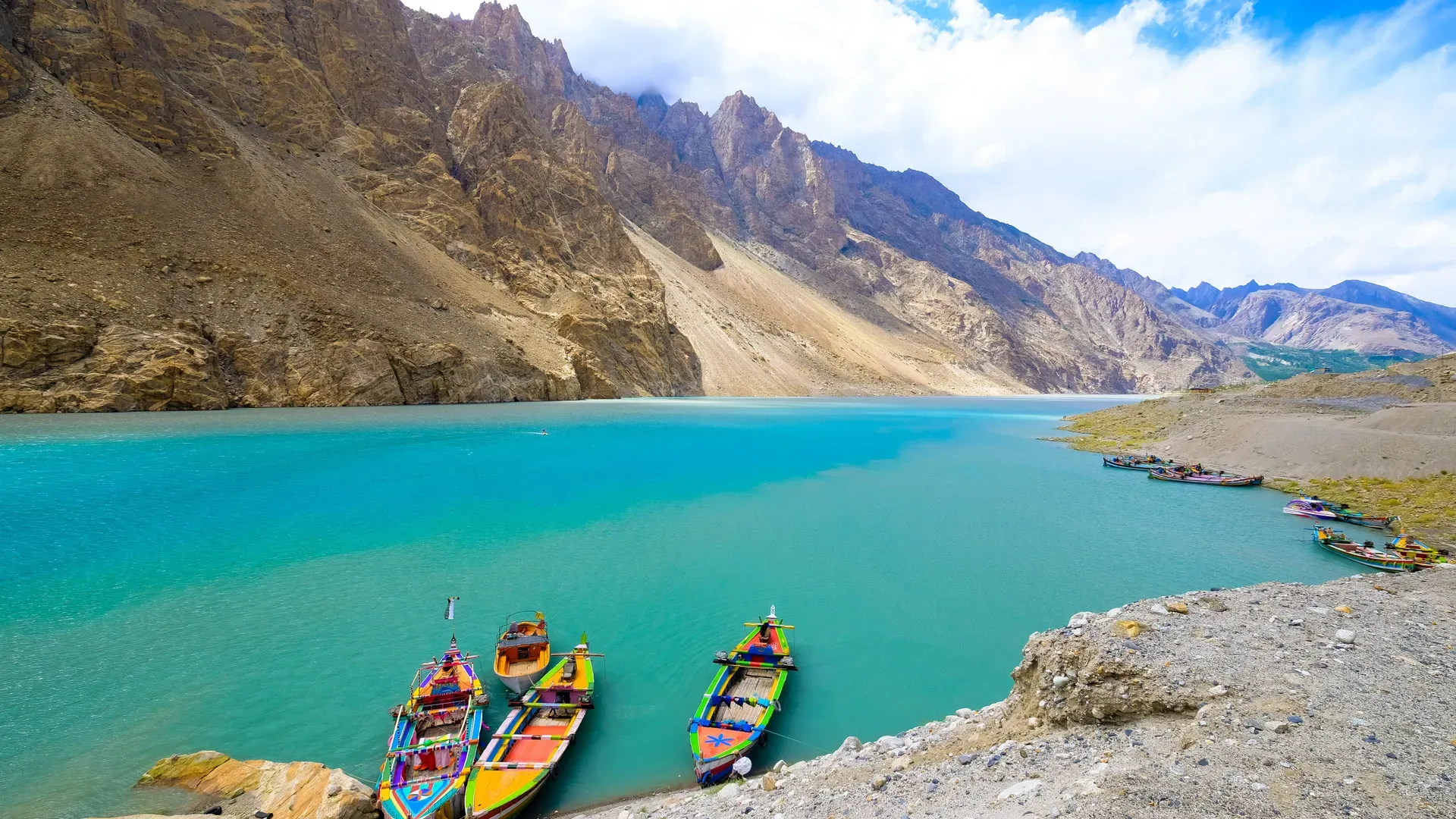
The wooden boats run about 30 minutes. No engine, just a slow drift. You get time to actually look at things instead of racing past them. Speedboats cover more ground and drivers will pause at good photo spots. A full speedboat trip costs around 7,000 PKR. Smaller rides go for about 2,500 PKR. In winter, when snow frames the water and the edges freeze, the colour is at its sharpest. A boat ride then is worth the cold.
Jet Skiing, Ziplining, and More Adventures
Jet skis run in the warmer months. There's also a zipline that launches across part of the lake, supposedly one of the highest in the region. Motorboat surfing and full lake cruises round out the water-based activities. Fishing is an option if you want something quieter.
On shore, souvenir stalls sell shawls, jewellery, and local crafts. Prices are still decent, though that might change as the place gets busier. A few lakeside cafes serve food and drinks. Don't count on finding supplies everywhere; bring water and anything you'll need.
How to Get to Attabad Lake
Attabad Lake is in Upper Hunza, about 30 minutes from Karimabad. The drive in is half the experience. You follow the Karakoram Highway through the Friendship Tunnels, those lit-up passages bored through rock that were built after the 2010 landslide cut off the old road. Then you come out of the tunnels and there it is: that first flash of turquoise. Few arrivals anywhere can match it.
The road along the shore is narrow and winding. Take it slow, especially in summer when tourist vehicles, jeeps, and local traffic share the route. There's one bend where the water turns so clear and still that stopping for a photo feels mandatory. The camera won't really catch the colour, but you'll try anyway.
Where to Stay Near Attabad Lake
There are more places to stay around the lake than there used to be. Some hotels sit close enough that you can walk to the water. A few operators now run luxury glamping setups on the cliffs: canvas walls, proper beds, and views that don't quit. The cliffside cafes attached to these spots are solid for sunset.
Karimabad, half an hour away, has the most hotels, guesthouses, and restaurants. It's a practical base if you're exploring both the lake and the rest of Hunza Valley over several days.
Best Time to Visit Attabad Lake
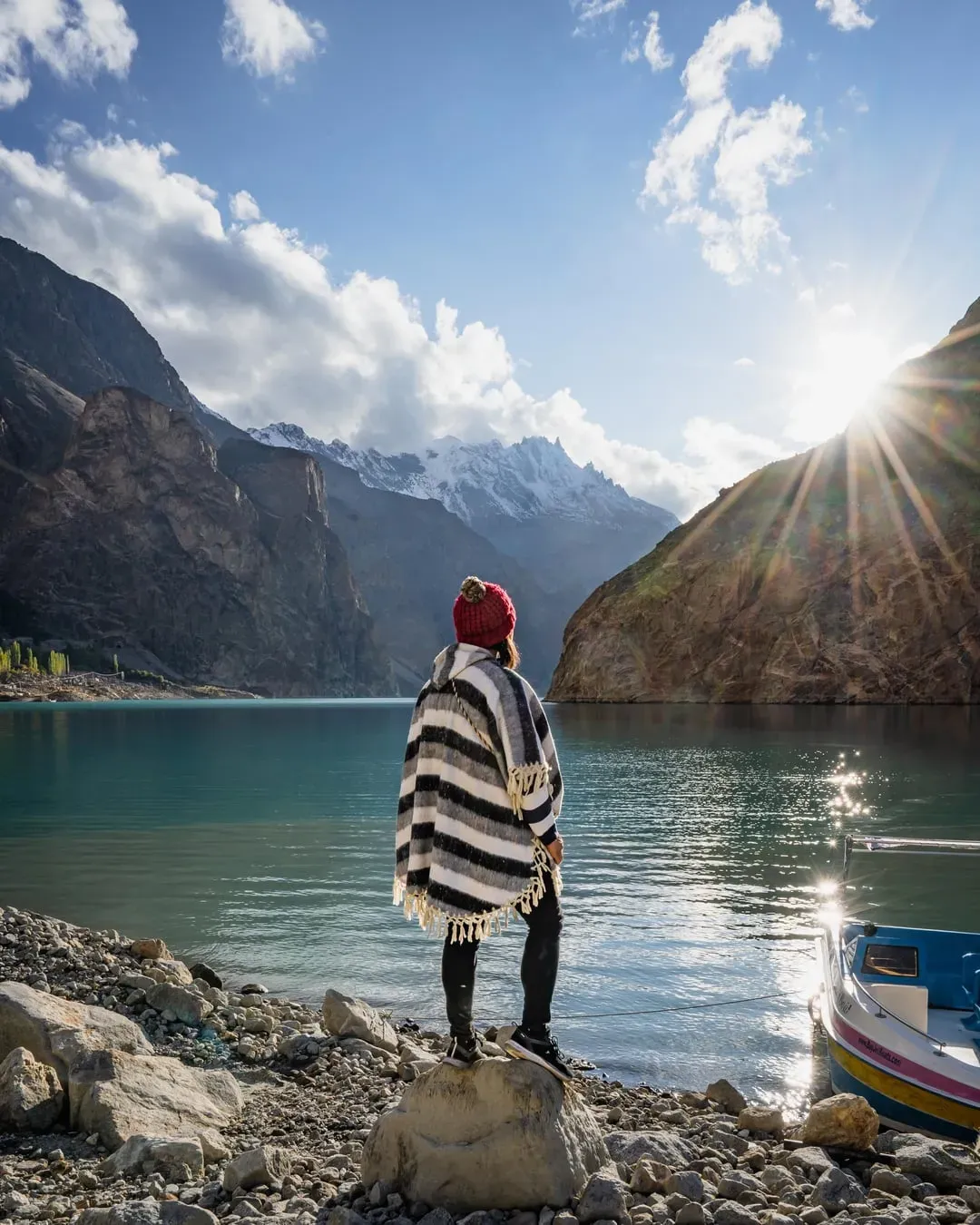
April through October is the main window. The weather cooperates, the water is at its brightest, and everything is open. July brings cool mountain air and a buzz of activity. Food stalls pop up along the shore. It's the kind of place where you end up staying longer than you planned, watching the golden hour do its thing to the water.
Winter is different. It's cold, properly cold. But the lake framed by snow is something summer visitors miss entirely. The edges freeze. The colour gets sharper somehow. And there's almost nobody there. If you can handle the cold, you get the place mostly to yourself.
One downside: peak season is getting busier, and the lake's quiet is starting to fray at the edges. Go early in the morning or during the shoulder months. You'll get closer to the version of this place that made people fall in love with it.
Planning Your Attabad Lake Itinerary
Most people visit Attabad as a day trip from Karimabad or on the way to Khunjerab Pass and the China border. Give yourself at least two to three hours. That covers a boat ride, something to eat, and time to just walk along the shore. If you want jet skiing, the zipline, and a relaxed meal, budget half a day.
Attabad slots nicely into a broader Hunza trip. A standard route hits the lake alongside the Baltit and Altit forts in Karimabad, Eagle's Nest for the panoramic views, and then further north to the Passu Cones and Hussaini Suspension Bridge. Hikers can tackle the Baskochi Meadows trail, which climbs above the lake and gives you views looking back down at the water.
Practical tips to keep the day smooth:
- Bring cash. Digital payments aren't reliable here, and ATMs are sparse in Upper Hunza.
- Pack layers. Even summer evenings turn cold once the sun drops. Winter demands serious cold-weather gear.
- Carry water and snacks. Food stalls exist but aren't always open outside peak season.
- Arrive early or visit during shoulder months. July and August crowds can kill the serenity. Mornings offer the calmest water and best reflections.
- Wear sturdy shoes. The shoreline is rocky and uneven. Flip-flops won't serve you beyond the dock.
- Acknowledge the history. The lake exists because villages were buried. A quiet moment of reflection adds something no photo can capture.
Final Thoughts
I've been to a lot of lakes. Attabad is different. Maybe it's the colour. Maybe it's knowing that whole villages are under that water. Maybe it's the scale of the mountains, which make everything feel small in a way that's oddly comforting. Whatever it is, the place stays with you. Go for the photos, the boat ride, or just an afternoon of staring at blue water. You'll get more than you came for.