Serengeti Tanzania: The Ultimate Safari Guide
Why Serengeti Tanzania remains unmatched for wildlife: practical safari advice from when to visit to where to stay, plus what nobody tells you about calving season and hot air balloon rides.
The plains that changed everything
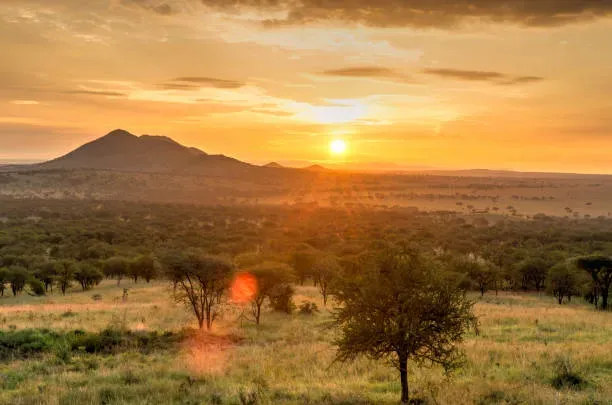
I had heard Serengeti Tanzania described so many times that I worried it could never live up to the hype. The endless plains, the big cats, the migration. I was wrong. What I found was a place that operates on a scale so vast it rewires something in your brain—roughly half the size of Belgium, packed with more animals than seems possible.
This is where The Lion King stopped being animation and became my morning commute. Lions rest under acacia trees. Cheetahs sprint across grass that glows gold at sunrise. And when the migration hits, the ground actually shakes. Not metaphorically. You feel it through the floor of the Land Cruiser.
Why Serengeti Tanzania is different
Predators everywhere
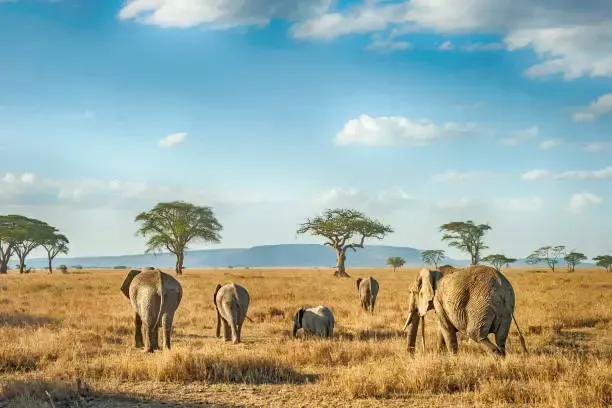
They call this the best park in Tanzania, and the numbers back it up. Elephants move in family herds. Buffalo crowd the water. Leopards lurk on rocky kopjes. Lions live in prides large enough to make you nervous when you step out of the vehicle. Rhinos are the exception—they are easier to find in Ngorongoro Crater.
But the cats are why you come. Guides radio each other constantly, and before 9 AM you will see lions full from the night hunt, cheetats on termite mounds scanning for breakfast, and leopards draped over sausage trees like they are posing for a photograph. The guides know exactly where to look. This is not luck. This is expertise.
The migration actually exists
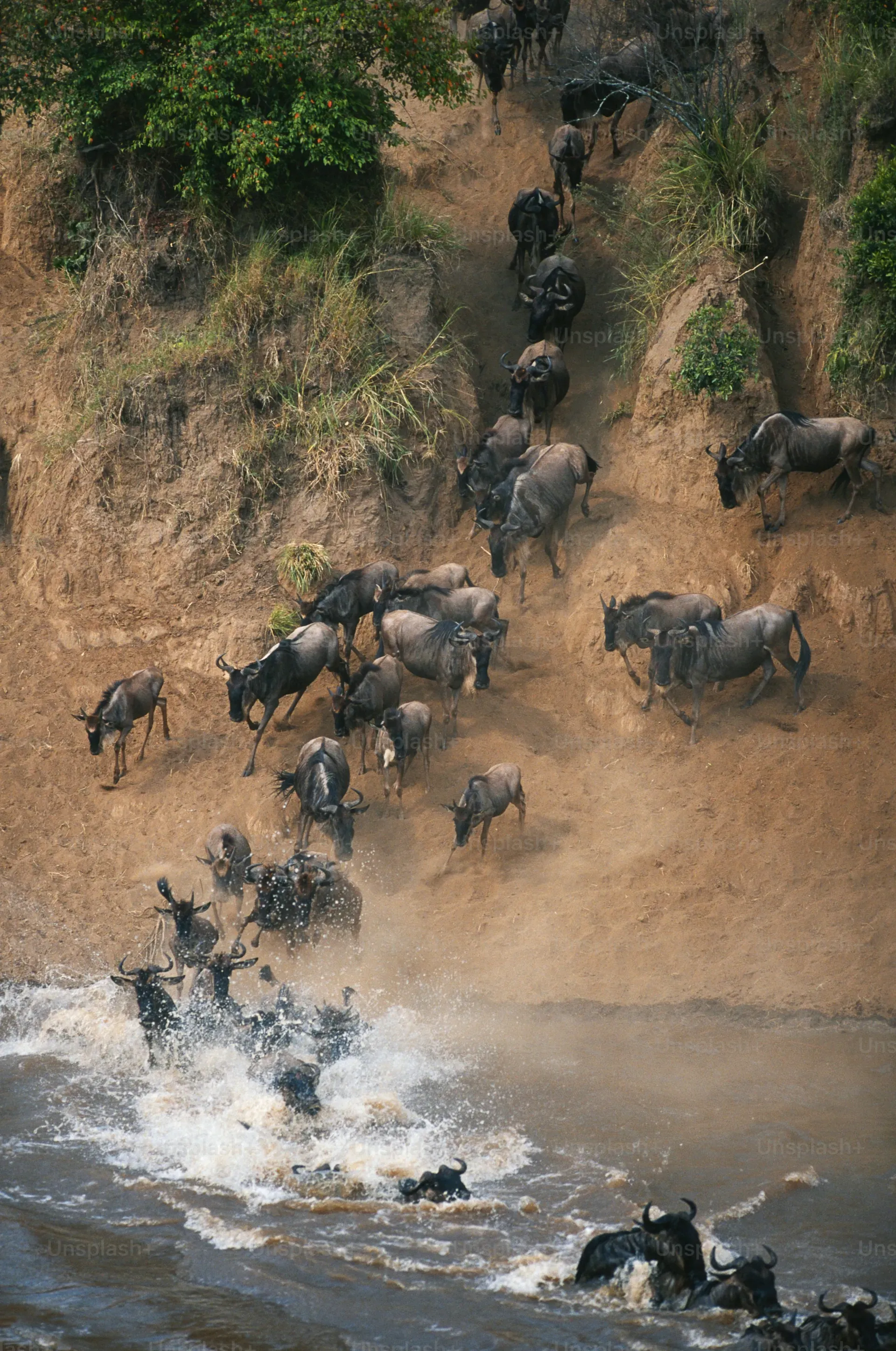
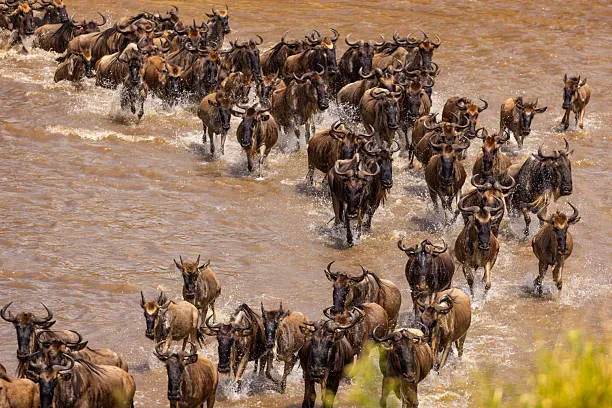
I was skeptical. How good could it really be? Millions of wildebeest, zebras, and impalas cross this landscape in a cycle that follows the rain. When they hit the Mara River, the sound is prehistoric. You cannot capture it on camera. You cannot describe it accurately. You just have to be there and feel the dust and the noise and the sheer stupid determination of animals who have been doing this forever.
How to do the Serengeti right
Early mornings win
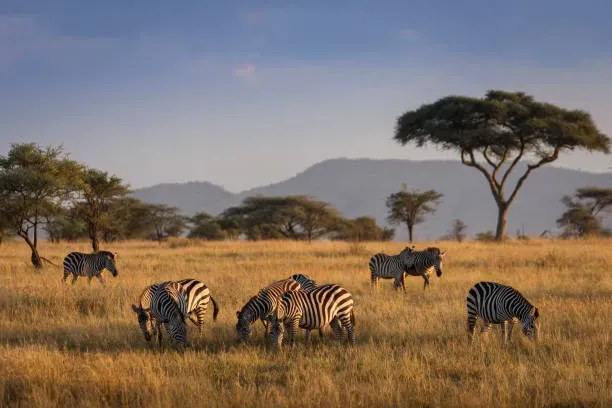
The light at sunrise and sunset is unfair. It makes everything look staged. The grass turns gold. Acacias become black silhouettes. If you are not at the gates when they open, you are wasting your money. The hours before 9 AM are when the predators are active and the light is doing things that will ruin your camera with overexposure.
Midday is slower but not dead. Giraffes browse. Hippos wallow. Marabou storks stand like they are waiting for something terrible to happen. Baboon troops provide chaos. The heat makes everything lazy, but the diversity keeps you scanning.
Balloons are worth it
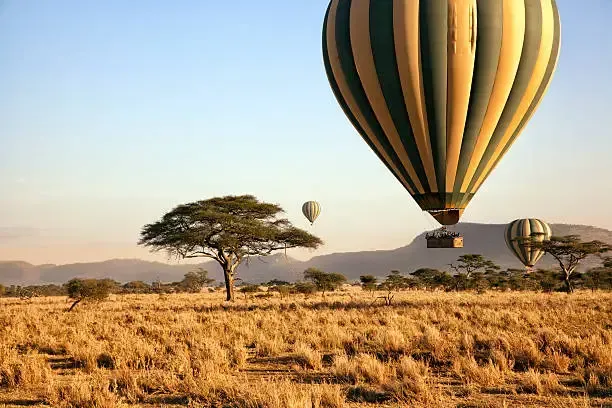
Hot air balloon safaris are expensive. I hesitated. Then I went, and I understood. Floating over the plains at dawn, the silence is broken only by the occasional burner blast. Below, elephant herds move like dark stains on gold fabric. Migration patterns become visible as actual patterns, not just crowds. The mist burns off as the sun climbs. Yes, it costs more. No, I do not regret it.
When to visit Serengeti Tanzania
Read the calendar
Seasons here are not suggestions. They are the difference between seeing everything and seeing dust.
June to October is the dry season. Animals crowd water sources. The vegetation is thin. The weather is predictable. This is classic safari time.
January and February are different. Calving season hits the south and center. Wildebeest drop thousands of calves daily. The grass is lower there, which gives newborns a chance against predators. The predator action is relentless. If you come then, stay in the central or southern regions. Staying north means hours on bumpy tracks while the action happens elsewhere.
What to bring
You need binoculars. The terrain is vast. Spotting a leopard silhouette on a distant kopje without optics is impossible. Guides handle park entry passes. Pack clothes that cover your skin. Tsetse flies are real and they target dark colors. Black and blue shirts are bad choices.
Stay inside the park for at least one or two nights. Lodges outside mean longer transfers and less time on the ground. Tell your guide to get off the main tracks. Picnic lunches in the middle of nowhere, scanning for approaching movement, beats crowded rest areas every time.
Timing your trip right
June through October is the standard answer for good reason. Migration viewing is at its peak. The Big Five are visible. Roads are manageable.
January and February for the calving and the predator chaos that follows. Green season brings storms and dramatic skies and empty lodges. Some roads become impassable. The trade-off is solitude.
Getting more from your safari
Do not rush. Five days lets the place open up. You stop checking species off a list and start noticing how the ecosystem actually works. If you only have two days, stay one night inside the park minimum. One night. Anything less is a tour, not a safari.
Good guides make this place. They know every rock, every waterhole, every crossing point. The radio network helps, but the real value is in the stories. Why the lions are here today. How the migration timing has shifted. What conservation actually looks like on the ground.
The crowds are not as bad as they seem. Half the size of Belgium means you can get away from everyone. Ask your guide to explore the quiet corners. The animals do not care about the main roads. They are everywhere.
The staying power of Serengeti Tanzania
Here is what surprised me. I expected to be impressed. I did not expect to be changed.
After eight days, my eyes had adjusted to different scales. A lion is not a zoo animal. It is a calculation of muscle and patience that weighs what I weigh and moves faster than I can react. The migration is not a nature documentary. It is hunger and survival played out across distances I cannot walk in a day. The light at sunset is not pretty. It is transformative. It turns grass into metal and shadows into doors.
Tanzania protects this place better than most African parks. Lodges operate with actual sustainability practices. Guides respect the animals. The animals themselves ignore vehicles completely. They have seen Land Cruisers for decades. To them, we are furniture.
That indifference is the gift. You are not watching a performance. You are a witness to something that was happening before humans existed and will continue after we are gone. Bring your camera. Bring binoculars. But mostly, bring room for the humbling.
The dust washes off. The shaking ground does not.