Bora Bora French Polynesia: A Complete Travel Guide for 2026
The complete guide to Bora Bora French Polynesia: when to visit (May-October wins), where to stay, swimming with sharks and rays, and how to save money without missing the magic.
Why Bora Bora lives up to the hype
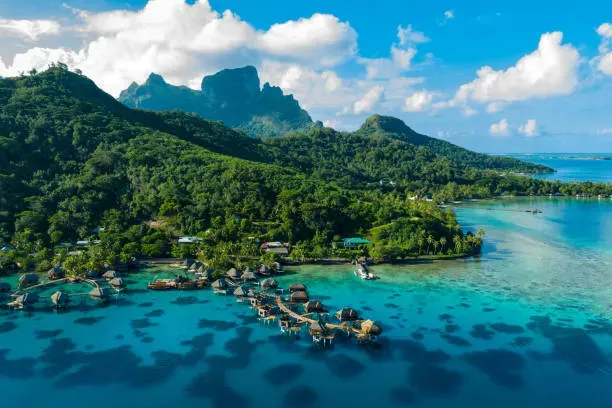
Bora Bora French Polynesia is that rare place where reality somehow surpasses the dream. This small South Pacific island northwest of Tahiti occupies a space in the collective imagination that few destinations can match. For 2026, this slice of paradise is trending as the ultimate once-in-a-lifetime tropical escape — turquoise waters stretching endlessly, volcanic peaks piercing the sky, and overwater bungalows offering direct access to a busy underwater world.
What makes Bora Bora special
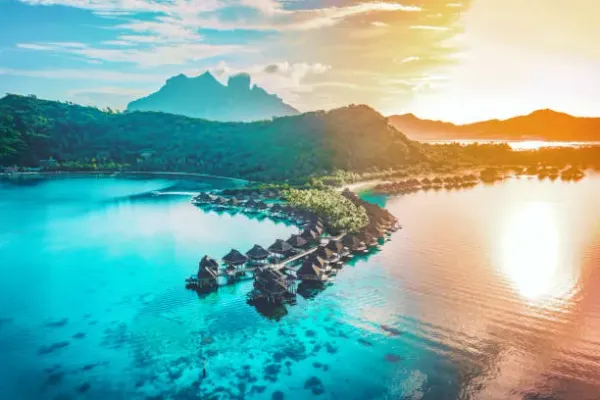
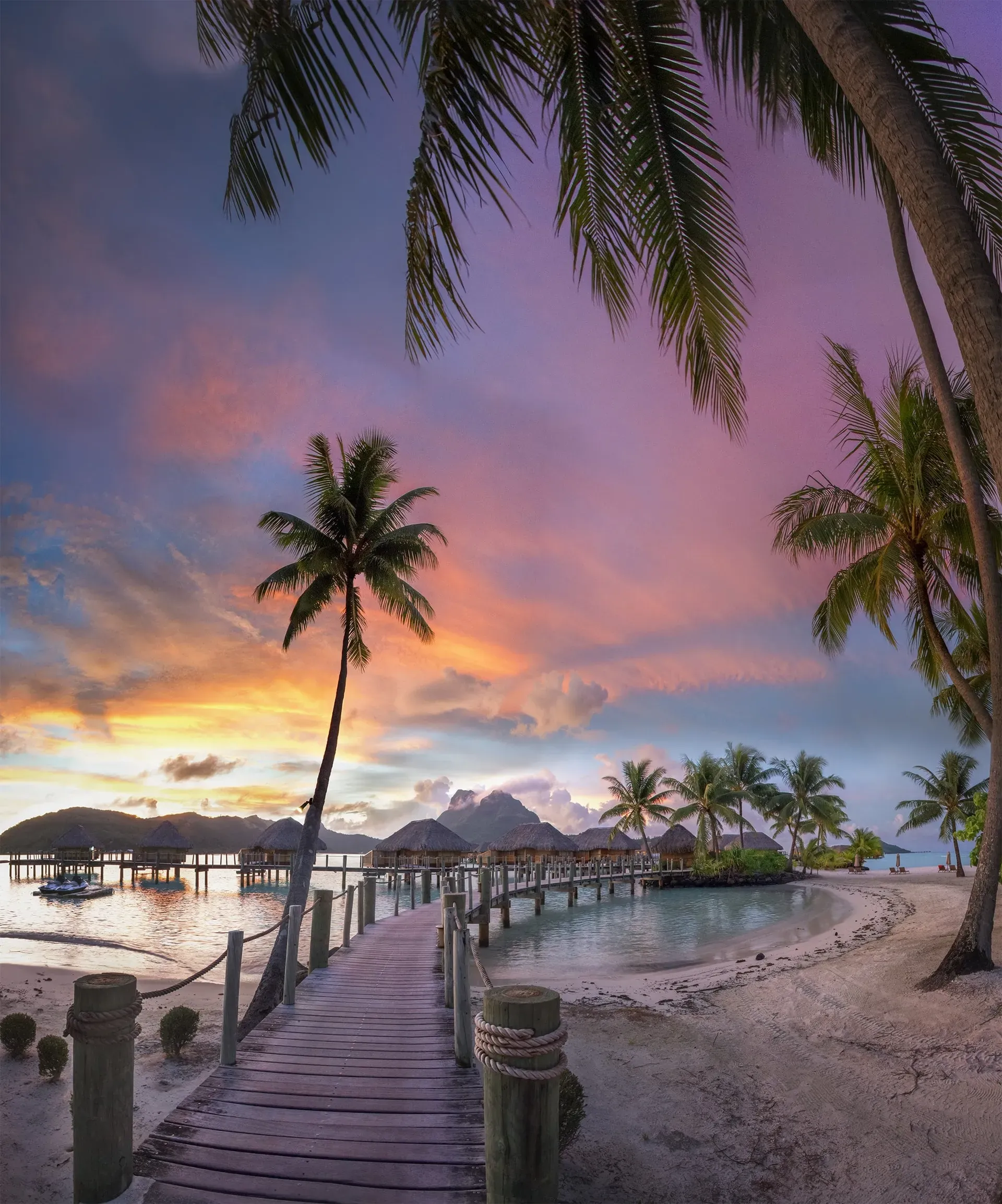
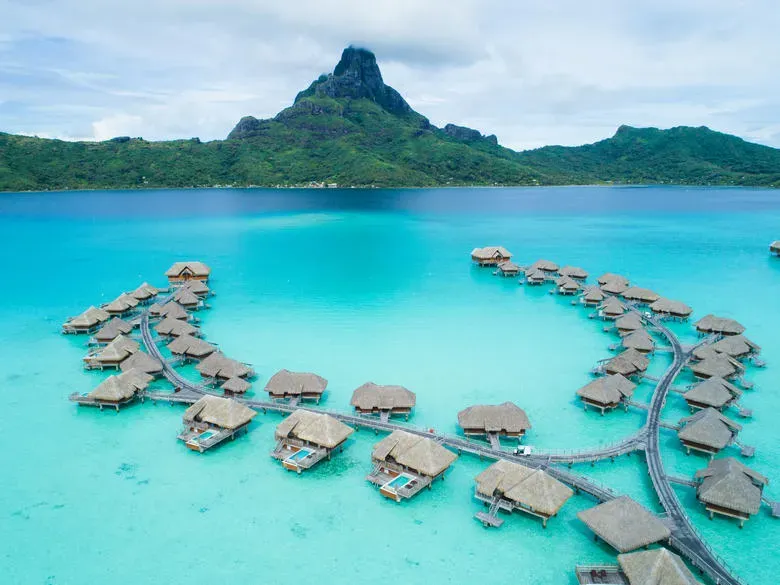
Bora Bora is small — just 36 kilometers around — yet it packs an extraordinary punch of natural wonders. The island sits at the center of a vast turquoise lagoon, protected by a surrounding coral reef and dotted with sandy islets called "motus." Dominating everything is the imposing silhouette of Mount Otemanu, a dormant volcano rising 727 meters, its green crater visible from virtually every point on the island.
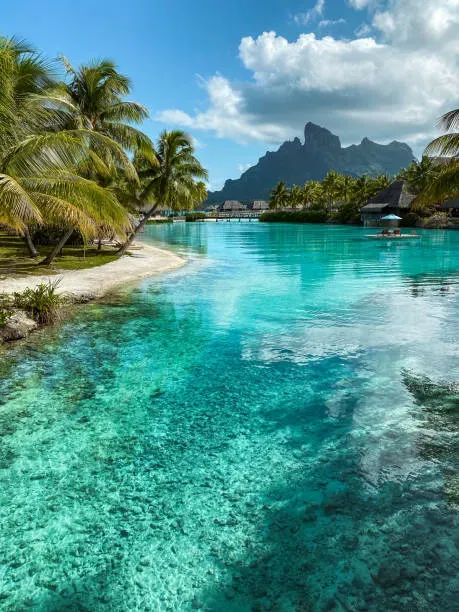
The lagoon defies simple description. It displays what locals and visitors describe as "50 shades of blue" — a shifting palette of turquoise, sapphire, and electric azure that changes with the light and depth. This is not just a swimming pool; it is a sanctuary for marine life, protected by the barrier reef that creates calm, warm waters perfect for snorkeling, diving, and floating in wonder.
The arrival: one of travel's great reveals
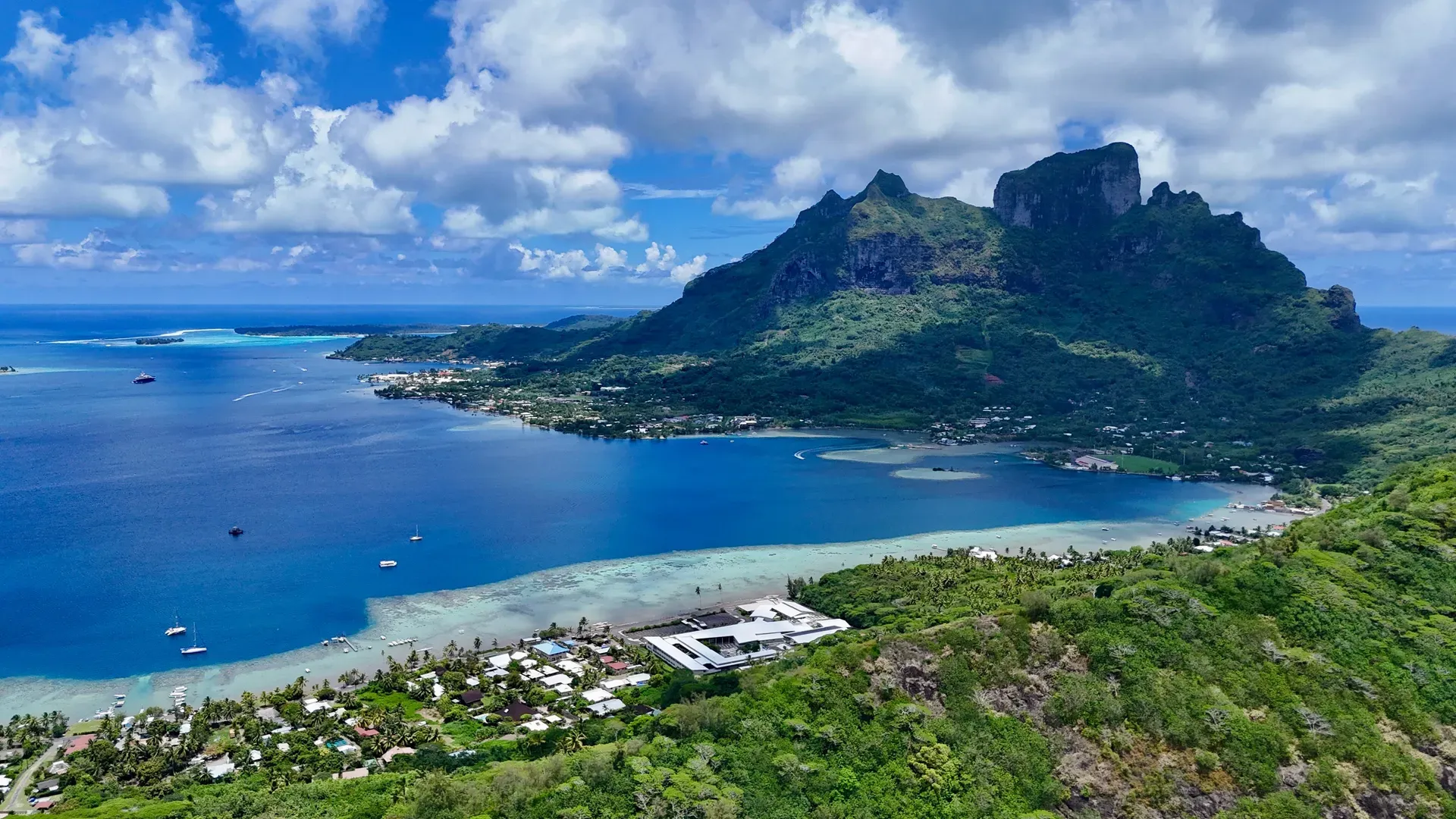
The approach to Bora Bora delivers a genuine moment of awe. Whether arriving by boat or glimpsing the island from a plane window, the first sight of Mount Otemanu rising from impossibly blue water stops conversations. The water temperature hovers between 26-29°C year-round, and visibility often exceeds 30 meters, making every glance into the lagoon a window into an active underwater ecosystem.
Matira Beach, on the southern tip of the main island, offers the classic Bora Bora experience: powdery white sand against water so clear and colored that it looks more like a swimming pool than the ocean. The beach extends for several kilometers, providing space for sunbathing, swimming, and absorbing the views of the lagoon and distant motus.
Beyond the bungalows
The island itself
Despite its reputation for luxury isolation, Bora Bora rewards those who venture beyond their resort. The main island has grocery stores, pearl boutiques, and local restaurants serving fresh poisson cru — raw fish marinated in lime and coconut milk. The interior, rugged and green, offers hiking trails, horseback riding excursions, and 4×4 adventures that climb toward the flanks of Mount Otemanu, revealing panoramic views of the lagoon's famous color gradients.
Life beneath the surface
The single pass connecting the lagoon to the open ocean — Teavanui Pass — creates a marine environment of exceptional richness. Snorkeling and diving here bring encounters with clownfish darting between anemones, moray eels peeking from coral crevices, and larger species that patrol the deeper waters. Blacktip reef sharks and lemon sharks regularly cruise the pass, while manta rays glide through the shallows, their wing-like forms creating shadows on the sandy bottom.
Swimming with these creatures is not only possible but actively encouraged by local operators who understand the respectful distance that allows for memorable encounters without disturbing the wildlife. The coral gardens, though facing pressure from climate change and human activity, still burst with color and life, creating what many describe as an underwater paradise.
Where to stay
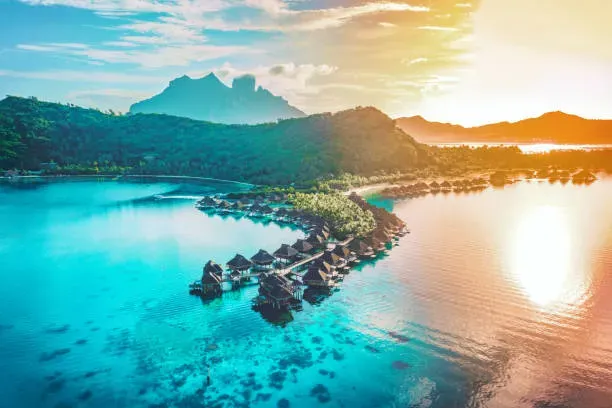
Accommodation in Bora Bora ranges from ultra-luxury to modest local pensions, but the overwater bungalow remains the signature experience. These traditional Polynesian structures — known locally as "fares" — extend on stilts above the lagoon, with glass floor panels that reveal the marine life swimming below and private platforms for descending directly into the water.
The island hosts some of the world's most prestigious resort brands, many with presidential overwater villas connected by walkways that stretch far into the lagoon. Smaller hotels and guesthouses offer a more convivial, authentic atmosphere. These intimate properties often provide better value while maintaining direct access to the water and personalized service from local hosts eager to share their culture.
Activities and adventures
Beyond snorkeling and diving, Bora Bora offers a full range of aquatic activities. Jet skiing tours circle the main island, revealing hidden coves and stopping at coral gardens accessible only by water. Sunset cruises aboard catamarans or traditional outrigger canoes provide champagne toasts against the backdrop of Mount Otemanu. For the adventurous, helmet dives and submarine scooters offer unique underwater perspectives without requiring diving certification.
On land, the island's single main road circles the coastline, perfect for rental bikes or scooters. 4×4 tours venture inland to World War II-era American military installations and lookout points with views of the entire lagoon system.
When to visit Bora Bora French Polynesia
The best time to visit runs from May to October, during the dry season. These months bring less humidity, minimal rainfall, and temperatures ranging from 24-28°C — ideal conditions for maximizing time in and on the water. May, in particular, delivers warm, clear days that showcase the lagoon at its most vibrant.
The wet season (November through April) sees higher humidity and occasional tropical showers, though temperatures remain warm and accommodation prices often drop significantly.
Practical considerations and responsible travel
Bora Bora's popularity comes with responsibility. Plastic waste has become increasingly visible in the marine environment, threatening the very ecosystem that draws visitors. Supporting local conservation efforts and minimizing single-use plastics helps preserve this fragile paradise for future generations.
The island has evolved significantly from its early days as a remote Polynesian outpost. Some travelers note that the concentration of large luxury resorts creates a different atmosphere compared to other Society Islands like Huahine or Raiatea, trading some authenticity for world-class comfort. The warmth of local residents — genuinely welcoming and eager to share their culture — remains one of Bora Bora's lasting charms.
Money-saving tip: While the overwater bungalow experience defines Bora Bora, booking smaller hotels or beachfront bungalows on the main island significantly reduces costs while still providing full access to lagoon activities. Many offer kitchenettes, allowing visitors to shop at local grocery stores and sample fresh produce from the mainland.
The bottom line
Bora Bora French Polynesia is the ultimate tropical fantasy — water that displays shades of blue that seem invented, volcanic peaks rising dramatically from the sea, and marine life thriving in abundance. Whether swimming with rays and sharks, watching the sunset from a private bungalow deck, or absorbing the view of Mount Otemanu reflected in the morning calm of the lagoon, the island delivers moments that linger.
It is a destination that requires care and respect, one that asks visitors to tread lightly on its reefs and beaches. In return, Bora Bora offers iridescent, precious, and unforgettable experiences — the pearls of French Polynesia in their most concentrated form.