Bora Bora, French Polynesia: A Local's Guide to Paradise
The water here doesn't just look blue—it glows. Here's what you actually need to know about visiting Bora Bora, French Polynesia, from someone who's been.
Welcome to Bora Bora French Polynesia: why it matters in 2026
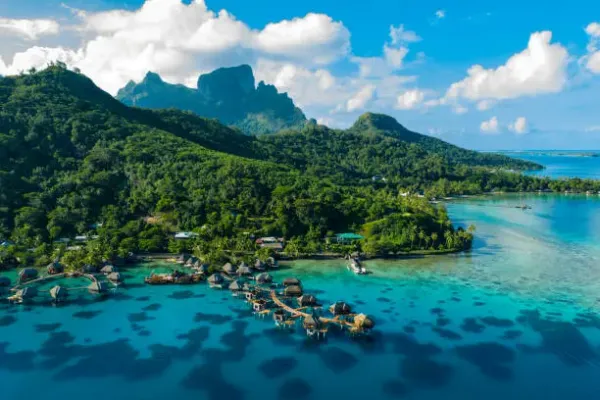
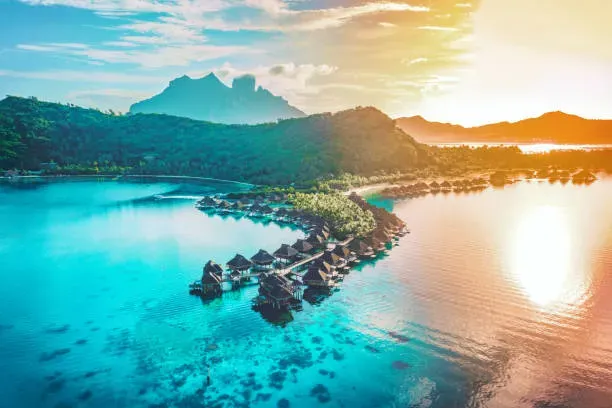
I've stared at a lot of turquoise water in my life, but Bora Bora French Polynesia hits different. This tiny island northwest of Tahiti keeps showing up on those 'best places to visit' lists for 2026, and after spending time here, I get it. The lagoon really is that color—that impossible blue you see in photos. Mount Otemanu rises from the center like something out of a movie. Yes, it's expensive. Yes, it's touristy. But the place has a pull that's hard to explain until you're standing on a pier at sunset watching the water turn electric.
What makes this island extraordinary
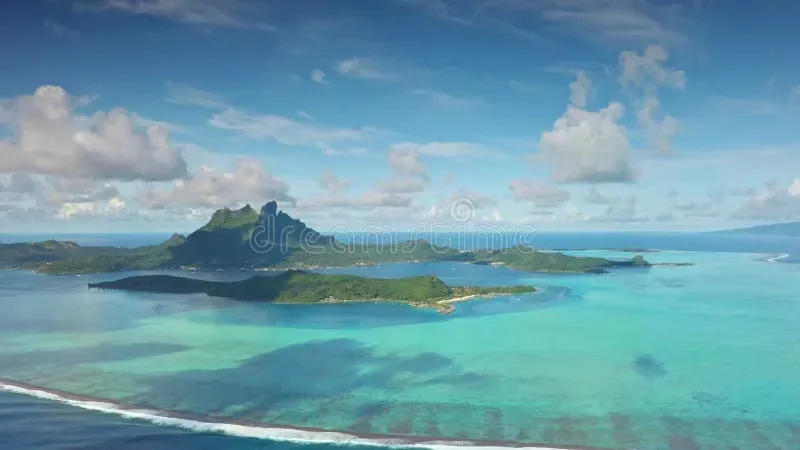
Bora Bora is tiny—just 36 kilometers end to end. You can circle the main island in a few hours by bike, which means you're never far from the water. Mount Otemanu dominates everything, a 727-meter dormant volcano that juts up from the center like a green fortress. Around it, the lagoon stretches out in colors that don't quite make sense. Locals joke about '50 shades of blue,' but it's not really a joke. The water shifts from navy to sapphire to something approaching neon turquoise depending on the depth and the light.
Locals call it a 'piscine géante'—giant swimming pool—and honestly, that's underselling it. The visibility is ridiculous. You can see coral gardens from the boat deck without getting wet. Sure, the overwater bungalows get all the Instagram attention, and they're as ridiculous as you'd expect—glass floors, direct lagoon access, the whole deal. But wander inland a bit and you'll find family-run spots serving poisson cru (raw fish in coconut milk) that will ruin sushi for you, and pearl shops where the owners actually know their stock, not just the markup.
First impressions: the lagoon that doesn't look real
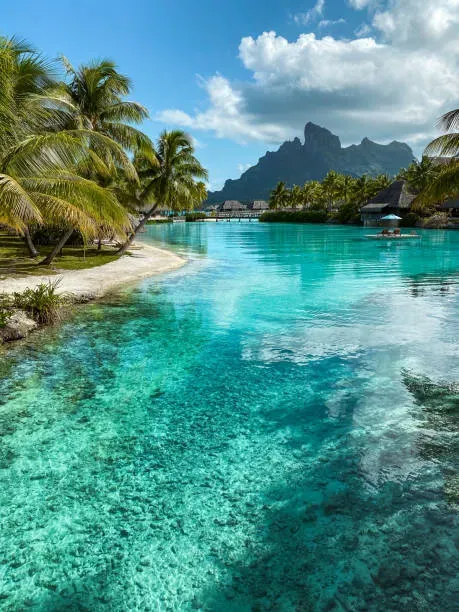
Your first look at the lagoon is going to mess with your head. The color isn't quite real—this saturated turquoise that locals call 'eau vraiment bleu ciel,' truly sky-blue water. Boats look like they're floating on glass. You can see coral formations from 10 meters up on the deck. I've heard people literally gasp when they first see it, and I made fun of them until I did the same thing.
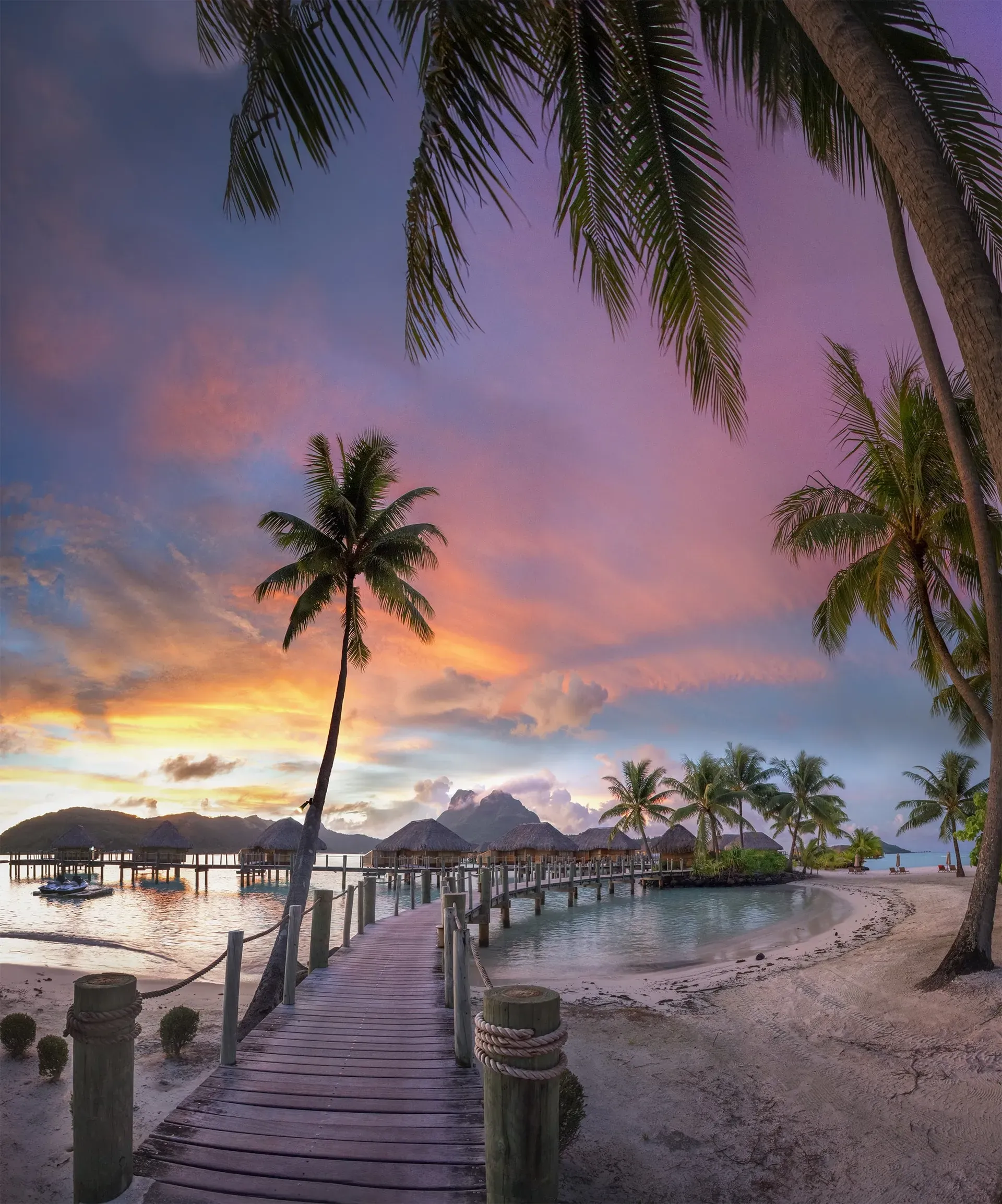
Matira Beach is the public beach everyone talks about, and yeah, it's worth the hype. The sand is that powder-white, almost squeaky stuff that gets everywhere. The water behind it looks Photoshopped. Is it the most beautiful beach in the world? Probably. I've been to a lot of beaches, and this one makes you want to sit down and not move for hours. The French call it 'douceur de vivre'—the sweetness of living—and it's corny but accurate. You swim, you nap, you repeat.
Exploring beyond: Mount Otemanu and island adventures
The lagoon gets the glory, but don't sleep on the interior. Mount Otemanu rises 727 meters straight up from the middle of the island, covered in green and looking like it's waiting for a movie crew to arrive. You can't actually hike to the summit—it's too steep and sacred—but the slopes are fair game. Take a 4x4 tour up the old WWII roads, or go horseback riding through the pineapple fields. The views from the ridges are stupid good. You can see the whole lagoon layout, the motus scattered around like crumbs.
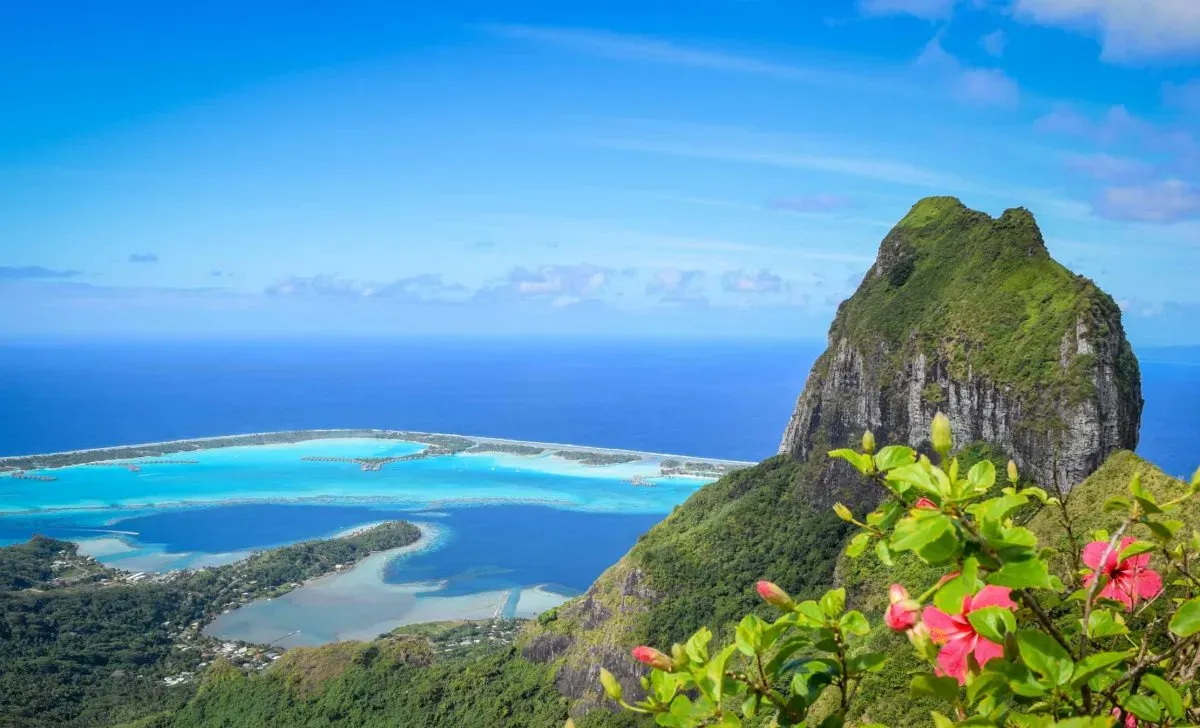
Getting around is easy. Rent a bike and circle the island in a morning. Take a boat to the motus. Drive the main road if you want AC. The small grocery stores have limited stock and high prices—everything here is imported—but you can find cold Hinano beer and fresh baguettes because, yes, this is technically France. Every corner gives you a new angle on the lagoon, especially at sunset when the whole thing turns gold and pink and you forget to take photos because you're just staring.
Underwater: swimming with sharks and rays
Drop your head underwater and the volume gets turned up. The reef barrier turns the lagoon into a massive aquarium. Snorkeling here is almost unfair—the visibility is so good you feel like you're cheating. You'll see clownfish doing their thing in the anemones, manta rays cruising through the deeper channels. The sharks here get a bad rap, but lemon sharks and blacktip reef sharks are pretty chill. The stingrays are the real characters though. They gather in the shallows and let you swim with them. It feels like a Disney movie until you remember these are wild animals.
You can snorkel, dive, or take one of those tourist submarines if you don't want to get wet. The coral is healthy in spots, struggling in others—like everywhere these days. But the fish don't seem to care. They're everywhere. Bright yellows, electric blues, stripes and spots that look painted on. Bring an underwater camera if you have one, but honestly, the memories are probably going to be better than the photos.
Where to stay: resorts vs. local pensions
Let's talk about the bungalows. They're real, they're ridiculous, and they're expensive. Glass floors, stairs straight into the lagoon, room service by canoe. The big resorts—St. Regis, Four Seasons, Le Meridien—have perfected the luxury thing. But here's the thing: all that development has changed the island. Compare Bora Bora to Huahine or Raiatea and you feel the difference. This place is more 'resort' than 'village' now. That's not necessarily bad, but you should know what you're getting.
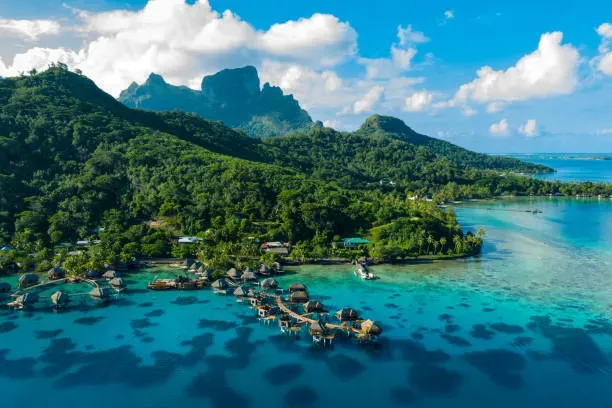
If you want something smaller and cheaper, there are family-run pensions on the main island. You'll get dinner with the owners, actual conversations, and a sense of what life here was like before the resorts took over. The choice depends on what you're after—fancy cocktails and spa treatments, or shared meals and local gossip. Either way, the people who actually live here are incredibly welcoming. They'll smile, help you with your terrible French, and tell you which beach has the best shells.
Environmental reality: the lagoon needs help
The water here is beautiful, but it's not immune to the usual problems. You will see plastic washing up on some beaches. It's jarring and depressing. The coral is sensitive—don't touch it, don't stand on it, don't take pieces home. Bring reef-safe sunscreen because the regular stuff kills coral. Pick up your trash. The local economy needs tourism, but the ecosystem is getting squeezed. Everyone who visits has a part in deciding how this place looks in ten years.
Best time to visit Bora Bora French Polynesia
May through October is your sweet spot. That's the dry season—less rain, lower humidity, calmer winds. The lagoon gets flat and glassy, perfect for boating and snorkeling. It's winter here, but that still means 75-85°F most days. Some people actually prefer the summer months (November to April) because it's hotter and the rain keeps the crowds down, but you risk cyclones and cloudy water. Your call.
Practical tips for your visit
Book your tours early, especially the sunset cruises and shark swims. They fill up fast. Bring reef-safe sunscreen—the regular stuff is banned for a reason. Try the poisson cru at a local spot; it's raw fish in coconut milk with lime, and it's better than it sounds. Budget more than you think. A beer can cost $10, dinner runs $50-100 per person. But here's the real tip: slow down. The Polynesian way isn't about checking boxes. It's about sitting still long enough to notice the water changing color. Stop checking your phone. The Wi-Fi is terrible anyway.
Final thoughts: is Bora Bora still worth it?
Bora Bora is still worth it, despite the hype and the price tags and the other tourists. The water really is that blue. The fish really do swim up to you. Mount Otemanu really looks like that at sunset. Is it crowded? Sometimes. Is it authentic Polynesian culture? Not exactly anymore. But some places are touristy for a reason. This is one of them. You'll swim with stingrays, eat fish that was caught that morning, and take photos that make your friends back home jealous. Just don't expect to have the place to yourself. 'Le lagon de la gloire' isn't a secret anymore. It hasn't been for a long time.