Jasper National Park, Canada: A 2026 Mountain Escape
Named one of the world's best places for 2026, Jasper National Park Canada delivers raw Rocky Mountain wilderness with turquoise lakes, abundant wildlife, and star-filled dark skies.
Why Jasper National Park Canada Is Trending in 2026
When US News Travel released their World's Best Places to Visit for 2026, one Canadian destination broke through the noise. Jasper National Park Canada — 4,200 square miles of raw Alberta Rockies wilderness — has travelers talking. The place gets under your skin. Turquoise glacial water cuts through valleys while peaks scrape the sky, and the night sky actually delivers on the star-count promises you see in magazines.
Canadians had their own revelation during those years when borders were closed. The West was sitting right there the whole time, and it turns out you don't need a passport to find landscapes that make you feel like you've landed somewhere foreign.
What makes this place different
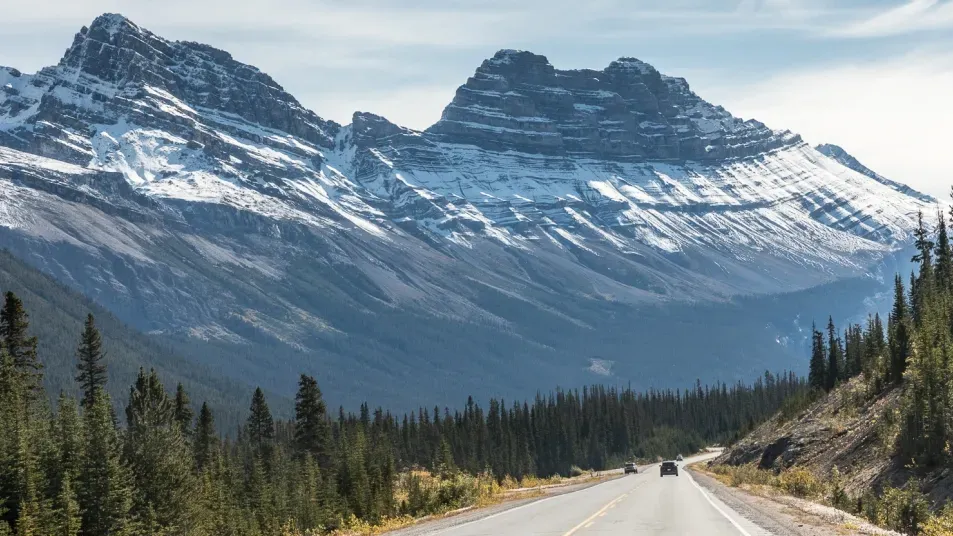
Jasper is Canada's largest Rocky Mountain national park. That sounds like a brochure fact until you stand in it. The scale is genuinely hard to process — glaciers, hot springs, ecosystems that haven't been touched. Mount Edith Cavell rises 3,363 meters. The Columbia Icefield sprawls toward the horizon like a frozen ocean. You feel small here. Actually small, not in the forced poetic way.
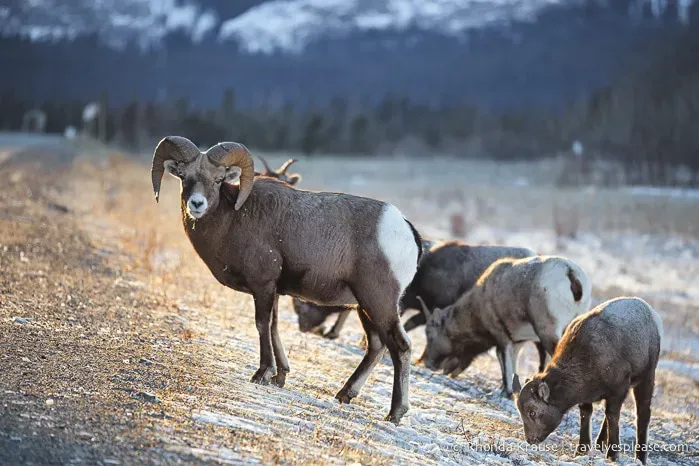
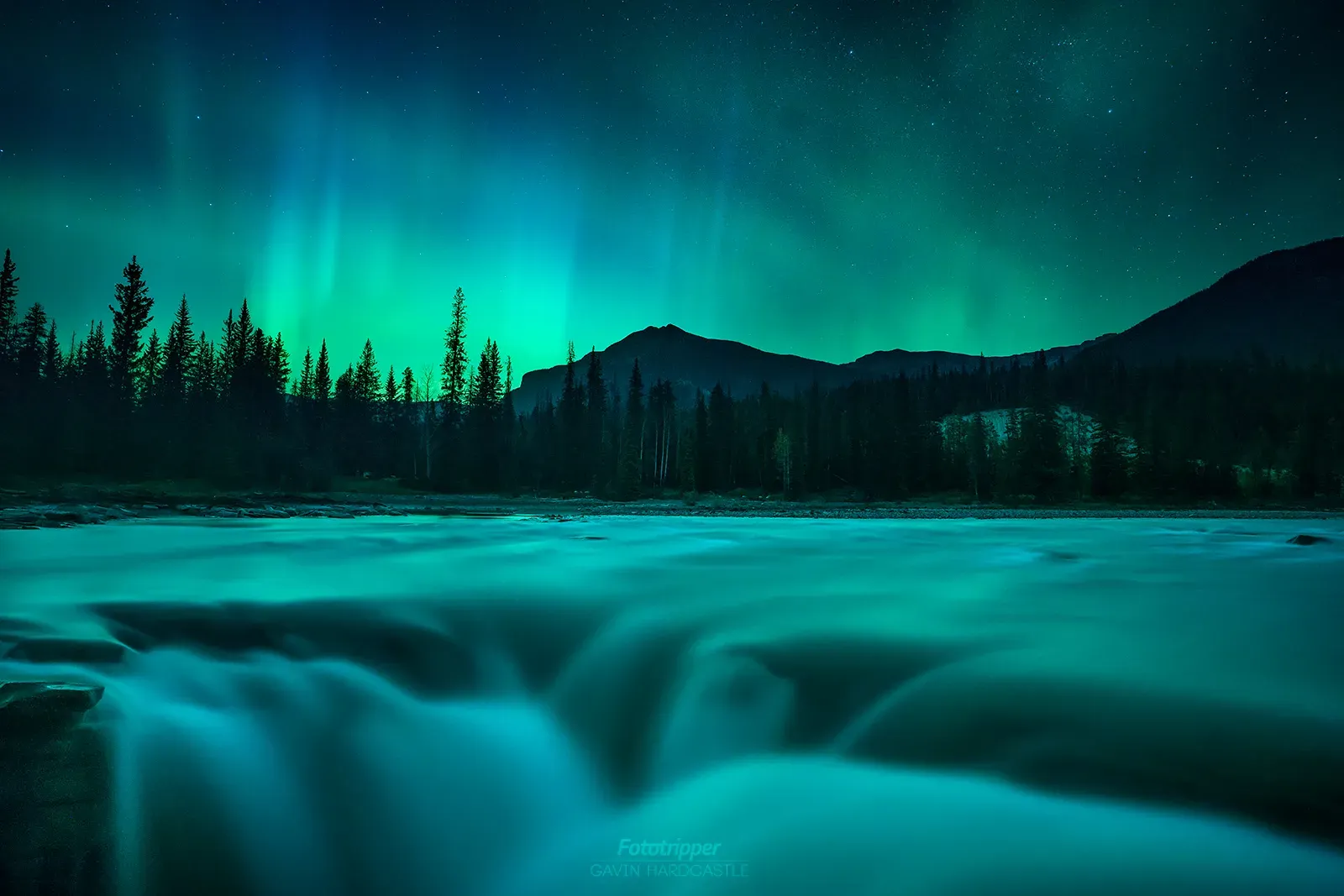
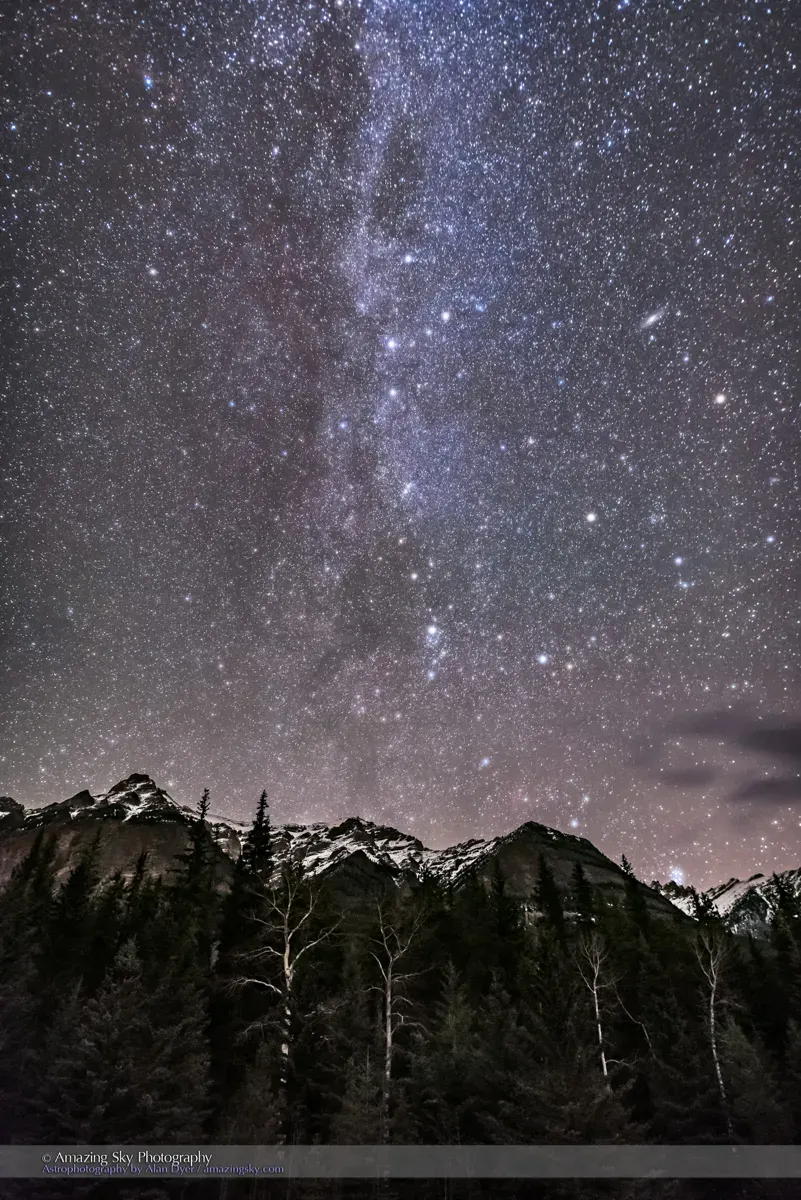
The park holds one of the world's largest dark sky preserves. Light pollution barely exists. When it gets dark, the Milky Way looks like someone spilled paint across the sky. You can see it with your naked eyes in ways that usually require expensive telescope setups. Add in the wildlife density — elk, moose, bears, bighorn sheep showing up regularly, not as rare lottery wins — and you get something that actually matches the hype.
The drive in is part of the point
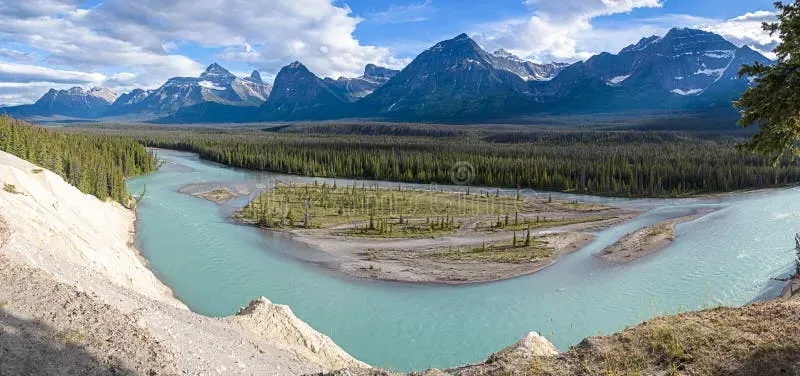
Getting to Jasper matters as much as arriving. The Icefields Parkway starts from the town and cuts through subalpine forests, past the Columbia Icefield, with pullouts everywhere. Even in late winter — March, say — you'll catch turquoise water at certain viewpoints. The color looks fake against the gray mountains. It makes you want to come back in summer, when the wildflowers and emerald lakes are in full display.
You have to drive slow. Rushing through misses everything. The wildlife shows up when you're crawling along — a mother bear with cubs, an elk in the morning light. Speed turns the drive into transportation. Patience turns it into something closer to safari.
Lakes that don't look real
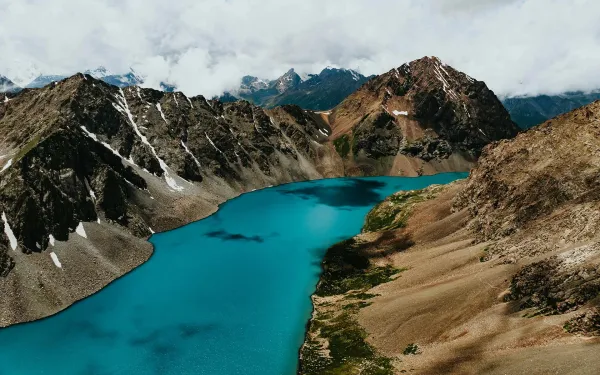
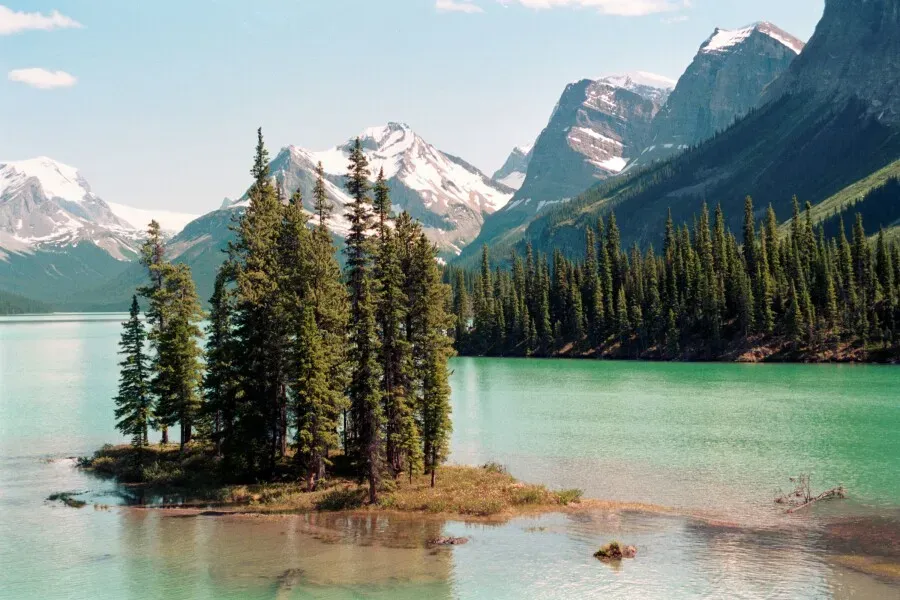
Jasper's lakes come in colors that make you check your camera settings. Maligne Lake and Spirit Island are the postcard shot — water shifting through turquoise shades depending on light and weather. The cruise to the island is the famous view, though the price stings if you're watching your budget. Renting a canoe is cheaper and quieter. Pushing out onto that water yourself, with the peaks closing in around you, puts the scale in perspective fast.
Pyramid Lake is the other essential stop. The mountain behind it has that clean triangular shape, and at sunrise the water goes mirror-still. These are the moments that stick — the quiet, the air clarity, the feeling that you found something before the crowds did.
Trails and backcountry
Hiking changes everything here. The Sulphur Skyline trail gives you panoramic views that earn their reputation. Maligne Canyon shows what glacial water does to limestone over time — deep, dramatic cuts. Athabasca Falls and Sunwapta Falls hit hard, throwing up spray that catches rainbows.
The trail range is wide. Valley walks for casual hikers. Serious backcountry for the committed. Some multi-day treks gain elevation without needing technical climbing, which opens them up to intermediate hikers who are willing to work. Some popular trails run north-to-south with varied terrain, though certain sections go flat before the real climb starts.
One heads-up on remote facilities: some backcountry trailheads have basic sanitation. The barrel-style toilet systems are primitive even by Canadian park standards. Plan for that if you're heading far from the main areas.
Where to sleep
Whistlers Campground is a standout among Canadian national park camping options. Real toilets, showers, dishwashing sinks — comfort that changes the experience. Free firewood is available, though it runs out during peak times when demand outpaces supply. The pricing sits high for camping, but the location, services, and setting make the math work.
The town of Jasper has a compact downtown with restaurants, gear shops, and beds for non-campers. The Parks Canada visitor center should be your first stop. The staff give current trail conditions, wildlife activity, and weather updates that can make or break your trip.
When to go
May through September is the sweet spot. Summer brings warm days, open high-country trails, and wildflower color. Early fall turns the larch trees gold and dusts the high peaks with early snow. Even March visitors find turquoise water glowing under thin winter light, though summer completes the picture.
Practical tips for Jasper National Park Canada
Start at the visitor center. The Parks Canada team has current trail reports and wildlife sightings that shape your daily plans.
Drive slowly. Wildlife shows up when vehicles crawl. The bears and elk aren't hiding — they're there for patient observers.
Bring cash. Some remote facilities and activities are cash-only. Having physical currency prevents disappointment at trailheads.
Consider the canoe. For Maligne Lake, renting a paddlecraft often beats the crowded cruise boats for value and memory quality.
Stay up late. The dark sky preserve means nothing without looking up. The Milky Way on a moonless night over the Rockies is hard to describe properly.
Why it belongs on your 2026 list
Jasper National Park Canada is one of those places where description fails. It's the wild Canada people imagine — more wildlife than other Rocky Mountain parks, bigger than most protected areas on Earth, darker than almost anywhere else. The 2026 designation just confirms what visitors have known: this is nature working at scale.
The West Canadian wilderness proves that extraordinary travel doesn't always mean crossing oceans. Sometimes the alien landscapes, the mountain vistas that make you stop breathing, and the natural experiences that change how you think about wild spaces are in your own country. Or just across the border. Jasper doesn't invite exploration so much as demand it. And the people who answer find something that sticks with them.