Serengeti National Park Tanzania: Ultimate Safari Guide 2026
Serengeti National Park Tanzania offers the ultimate African safari with the Great Migration, Big Five sightings, and endless savanna landscapes. Here's everything you need to know for 2026.
Why Serengeti National Park Tanzania tops the 2026 list
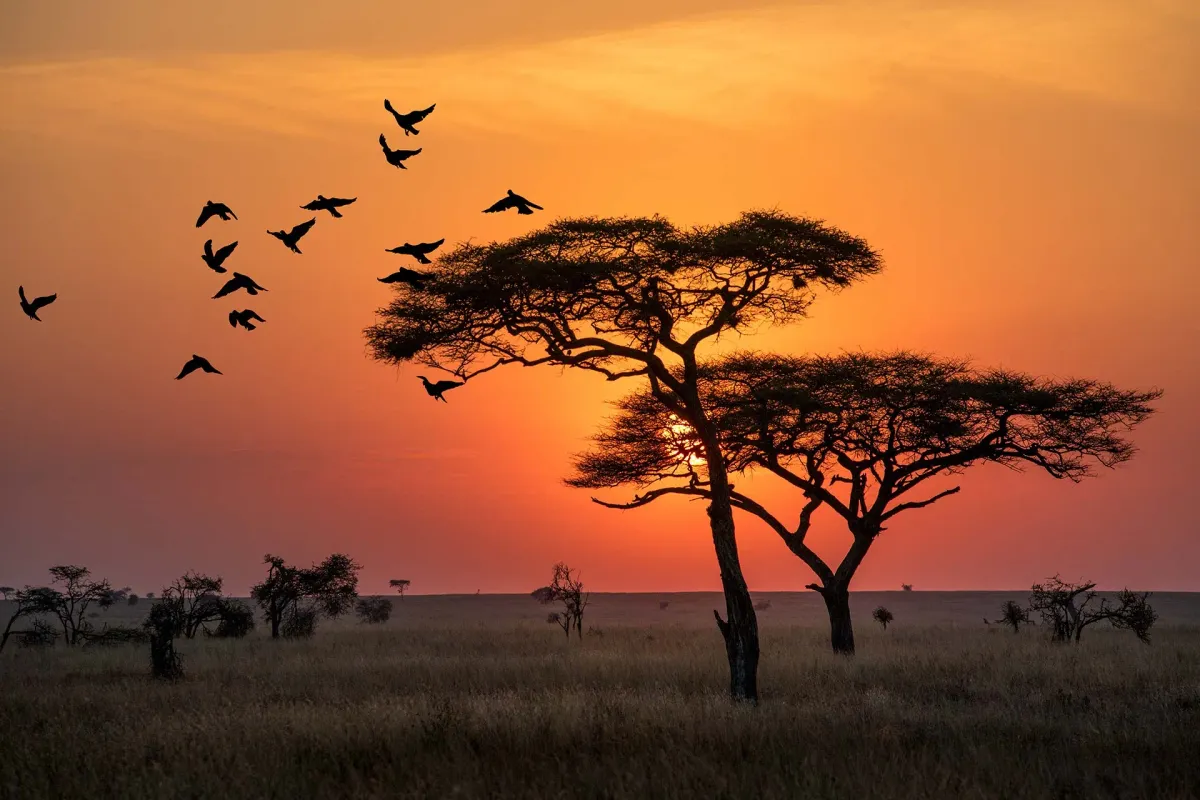
Serengeti National Park Tanzania secured a spot on Ryan Shirley's Top 10 Places To Visit for 2026. This UNESCO World Heritage site delivers the African safari experience everyone imagines but few places actually provide. The park covers 14,763 square kilometers of savanna and hosts the Great Migration: 1.5 million wildebeest and zebras moving in an endless cycle across the plains.
What makes this place different
Most wilderness areas have been touched, managed, or constrained in some way. The Serengeti still feels raw. The Big Five roam freely. The grasslands stretch to the horizon. The silence out here is heavy—until a lion roars in the distance or a herd thunders past. Open safari vehicles give you clear sightlines and good angles for photography. Nothing here feels staged.
First impressions and the Great Migration
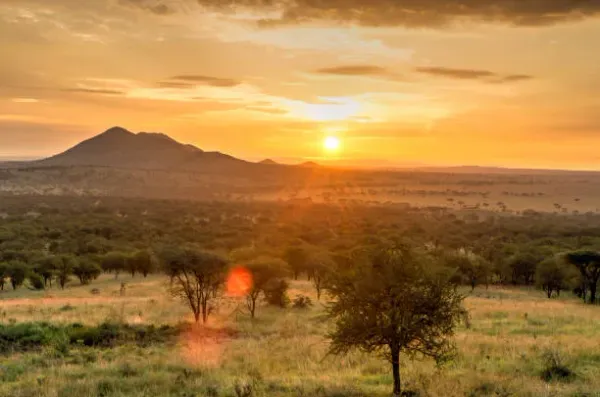
The scale hits you immediately. Open plains extend to the edge of your vision. The light here is different—sharper, more saturated. You feel small in a way that doesn't happen in many places anymore.
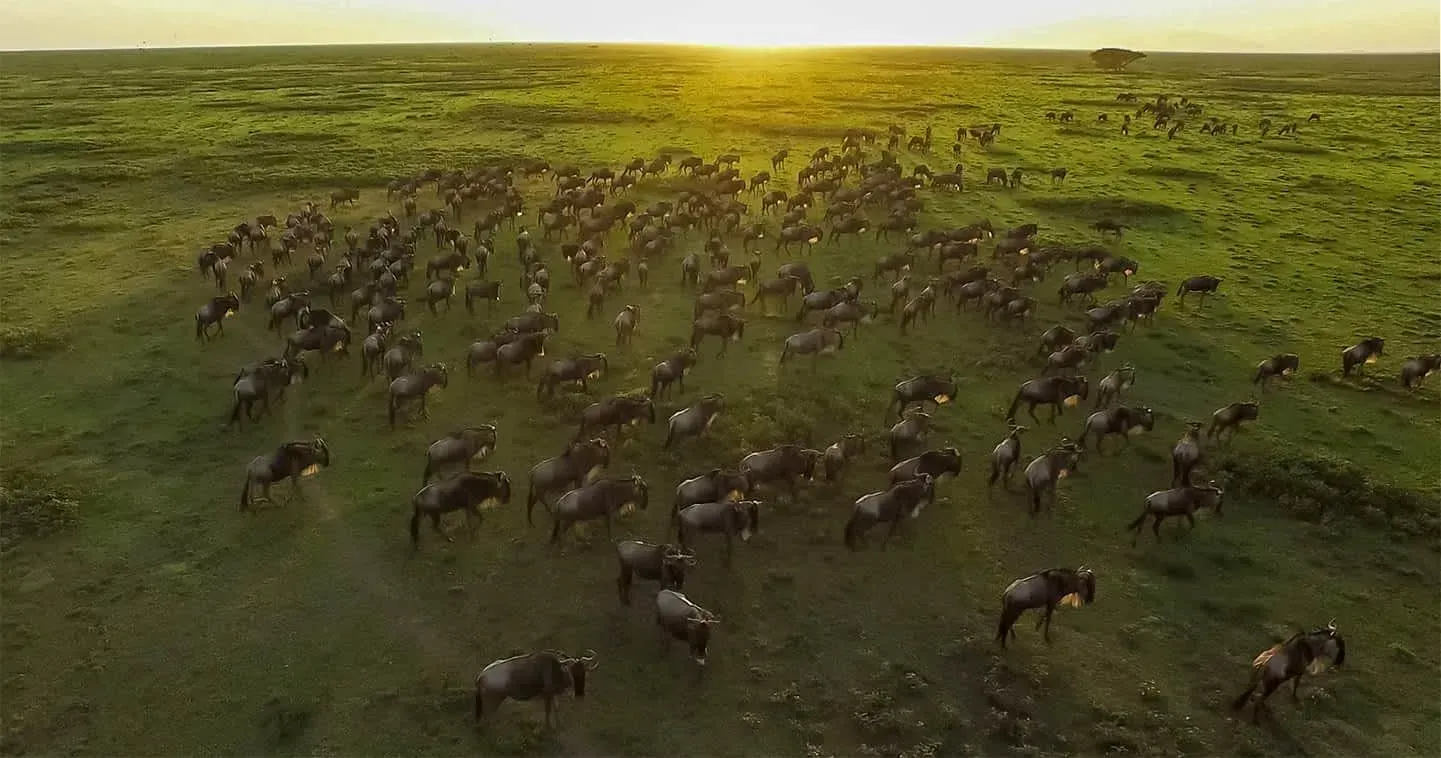
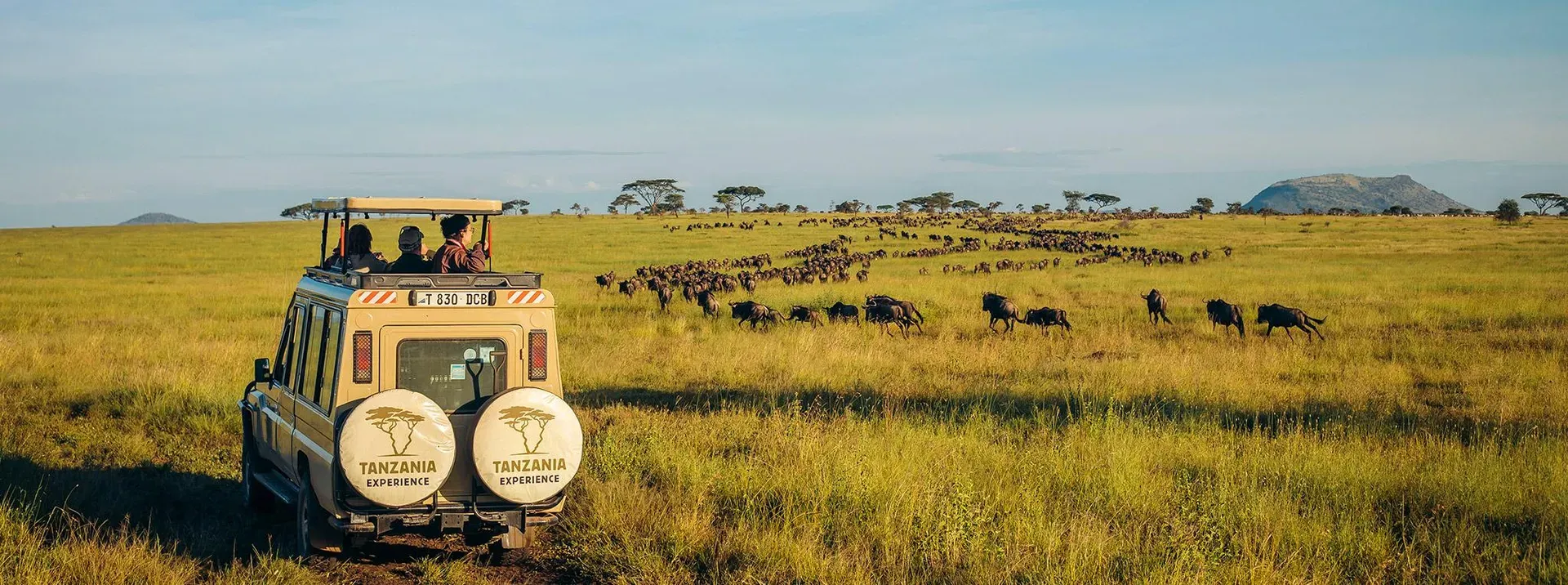
The Great Migration is the main draw for most visitors. The famous river crossings happen during specific months, but migration activity continues year-round. In January, massive herds of zebras and wildebeest move across the plains together. Nearly three million wildebeest participate in this cycle. Watching thousands of animals move freely through their natural range is emotional in a way that's hard to describe. Each game drive differs from the last. The light changes. The wildlife shifts. You never see the same scene twice.
Sunrises and sunsets fill the sky with color while animals graze nearby. Acacia trees silhouette against the light. These are the images people picture when they think of Africa.
Wildlife you can expect to see
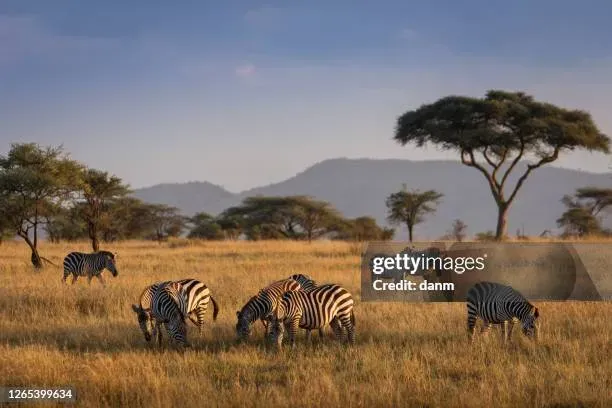
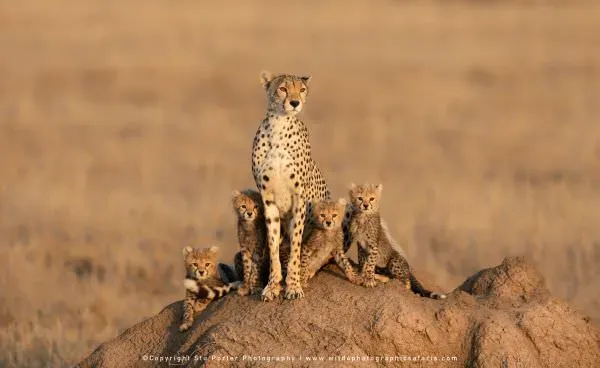
The Serengeti delivers consistent wildlife viewing, especially for the Big Five. Leopard sightings are reliable here. You might see three in a single day. Some visitors report consecutive daily leopard encounters during multi-day stays. Servals, cheetahs, lions, hyenas, elephants, giraffes, hippos, and buffalo show up regularly.
Early morning drives produce dramatic scenes. Lions feeding on buffalo kills beside the road show you nature without filters. You will see traces of lion hunts. Hippo skulls scatter across the terrain. This is a wilderness where the full cycle of life happens in front of you.
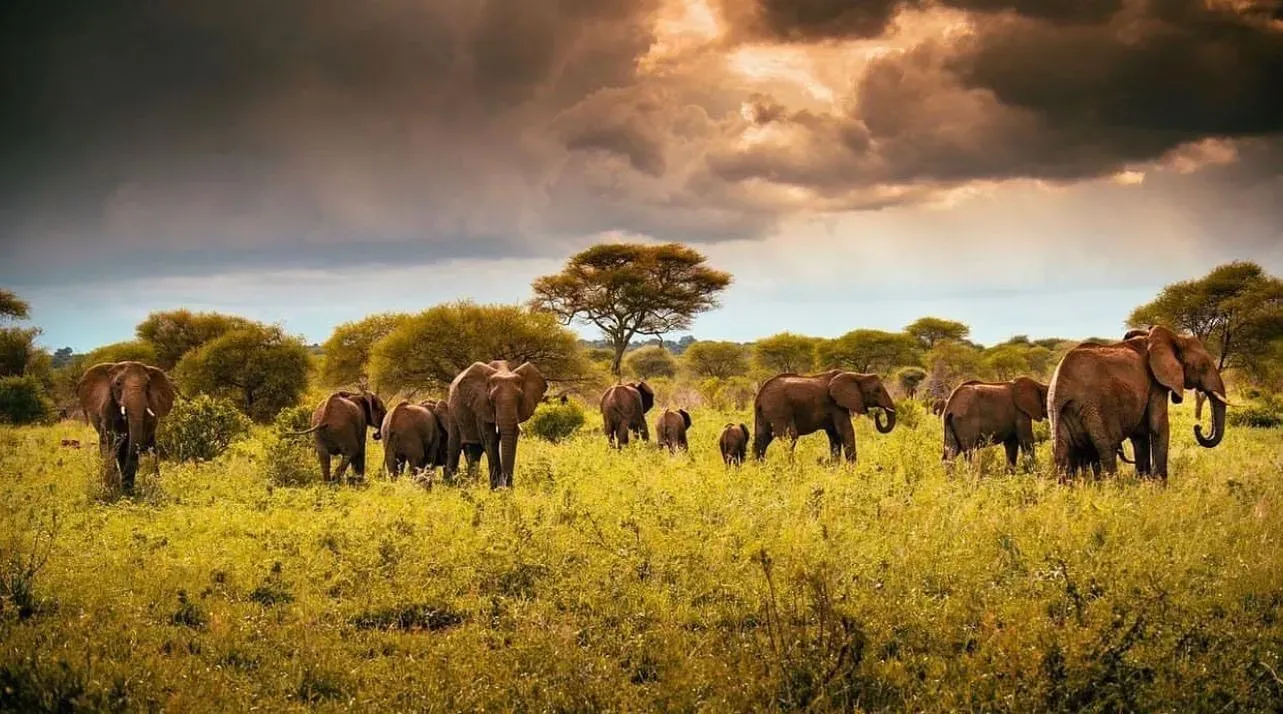
Camping inside the park gives you the most immersive experience. The night sky is brilliant against the darkness. Hyenas call. Lions roar. Sometimes lions move within 300 meters of camps. You hear them clearly through the still air. Morning brings wild buffalo herds within 30 meters of tents. Zebras walk between the canvas structures in the evening. Elephants visit late at night. They sometimes tear branches from camp trees. These moments stay with you.
Practical tips and warnings
Preparation matters. The Serengeti is the dustiest place most travelers will experience. Fine red dust gets into everything. Wash thoroughly after each excursion. Otherwise, the dust settles on your scalp and skin and stays there. Bring a face mask if you're visiting during the dry season. The dust clouds from safari vehicles are intense.
TseTse flies are a persistent problem in certain areas. These biting insects can pierce through jeans. Smacking them does not work. You need to hit them with a shoe to kill them.
The best light happens early. Get up at 3:00 or 4:00 AM to catch the sunrise. The sky turns iridescent. You have to stop and watch. Hot air balloon safaris give you another perspective over the plains. Some operators offer motorcycle safaris as an alternative to jeeps. Others combine both modes of transport.
Bring snacks, water, and drinks. Amenities inside the park are limited despite the good infrastructure.
Family trips and itinerary planning
The Serengeti works well for families. The facilities are spacious and well-maintained. Activities suit both children and adults. The park is easy to navigate. The safari adventure here maintains high standards of cleanliness and organization.
A good itinerary runs five days total: one day in Tarangire National Park, three full days in the Serengeti, and one day at Ngorongoro Crater. This pacing gives you enough time to explore the Serengeti's roads and varied terrain. It also maximizes wildlife encounters. During dry periods around Ngorongoro, animals concentrate in the northern and central Serengeti. The crater itself may be less rewarding for close-up viewing during these times compared to the main park.
Picnic areas throughout the park provide good spots to rest and eat with excellent views. Washrooms are basic but generally well-maintained.
Best time to visit Serengeti National Park Tanzania
May through October is the optimal window for visiting. Conditions favor wildlife viewing and the weather stays relatively stable. But good experiences happen year-round. January offers excellent migration viewing. July provides classic dry-season animal concentrations. The dry season brings dust. It also draws wildlife to predictable water sources. Game becomes easier to locate.
How to get the most from your visit
Success requires a reliable travel operator and an experienced guide who knows animal movements and the best routes. Book at least three days inside the park itself. Day trips do not give you the same experience. The Serengeti is about ten times the size of Kenya's Masai Mara. You need adequate time to cover the diverse landscapes.
Pack light-colored clothing to reflect heat. Bring binoculars for distant sightings. Stay flexible with your schedule. Wildlife patterns change. The warmth of the Tanzanian people adds something special to the experience.
Final thoughts
The Serengeti is not like other destinations. The combination of natural beauty, abundant wildlife, and the silence of the African wilderness creates lasting memories. Watching the Great Migration, making eye contact with a leopard, or simply sitting in the golden light across endless plains—this is what a safari should be. For nature lovers and wildlife enthusiasts, the Serengeti is more than a destination. It is a pilgrimage to the last places where the wild still operates on its own terms.