Indian Pueblo Cultural Center Albuquerque: 2026 Guide
The Indian Pueblo Cultural Center Albuquerque is run by the 19 Pueblos of New Mexico, not a corporate board. That difference shapes everything from the dances in the courtyard to the food on your plate.
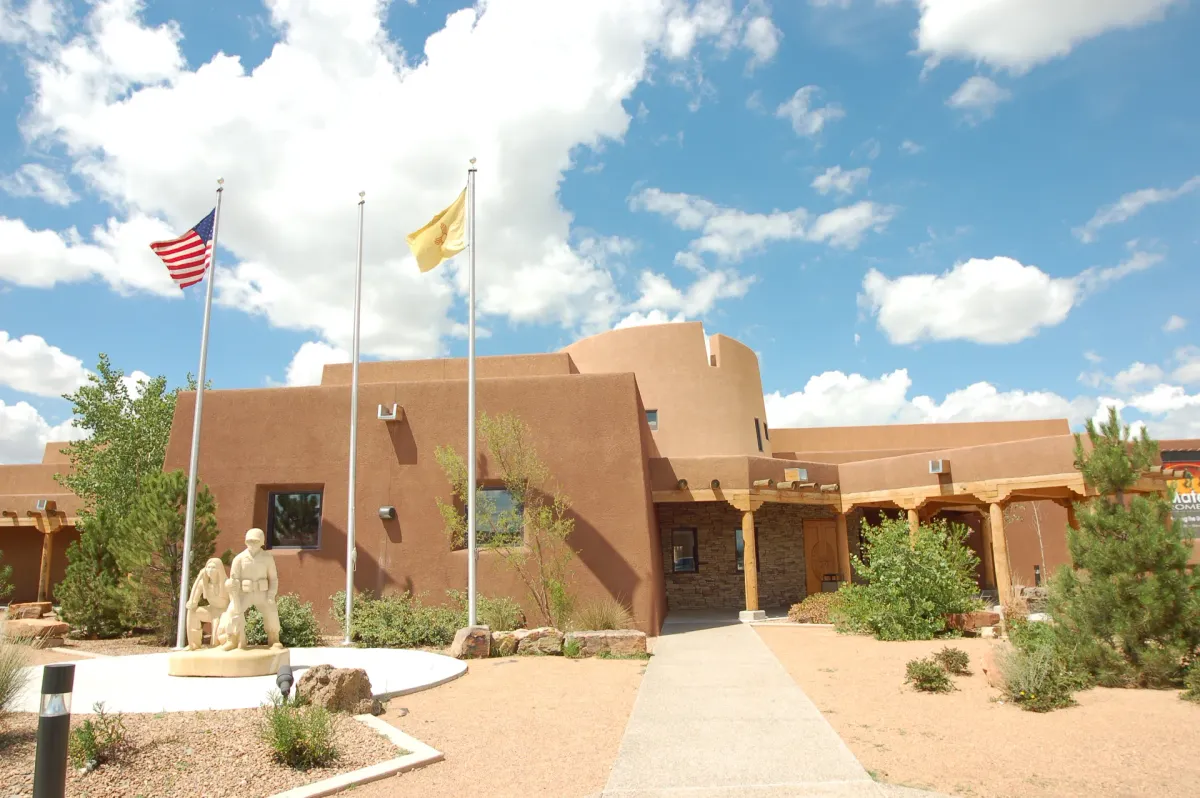
What to expect at the Indian Pueblo Cultural Center Albuquerque
I'll be honest: most cultural centers feel like homework. The Indian Pueblo Cultural Center Albuquerque is different. Run by the 19 Pueblos of New Mexico, it turned 50 in 2026 and landed on Condé Nast Traveler's list of top places to go in the United States this year. But the awards aren't the point. The point is that this place actually feels alive. You walk in expecting another museum and instead find cooks, dancers, and artists doing real work in real time.
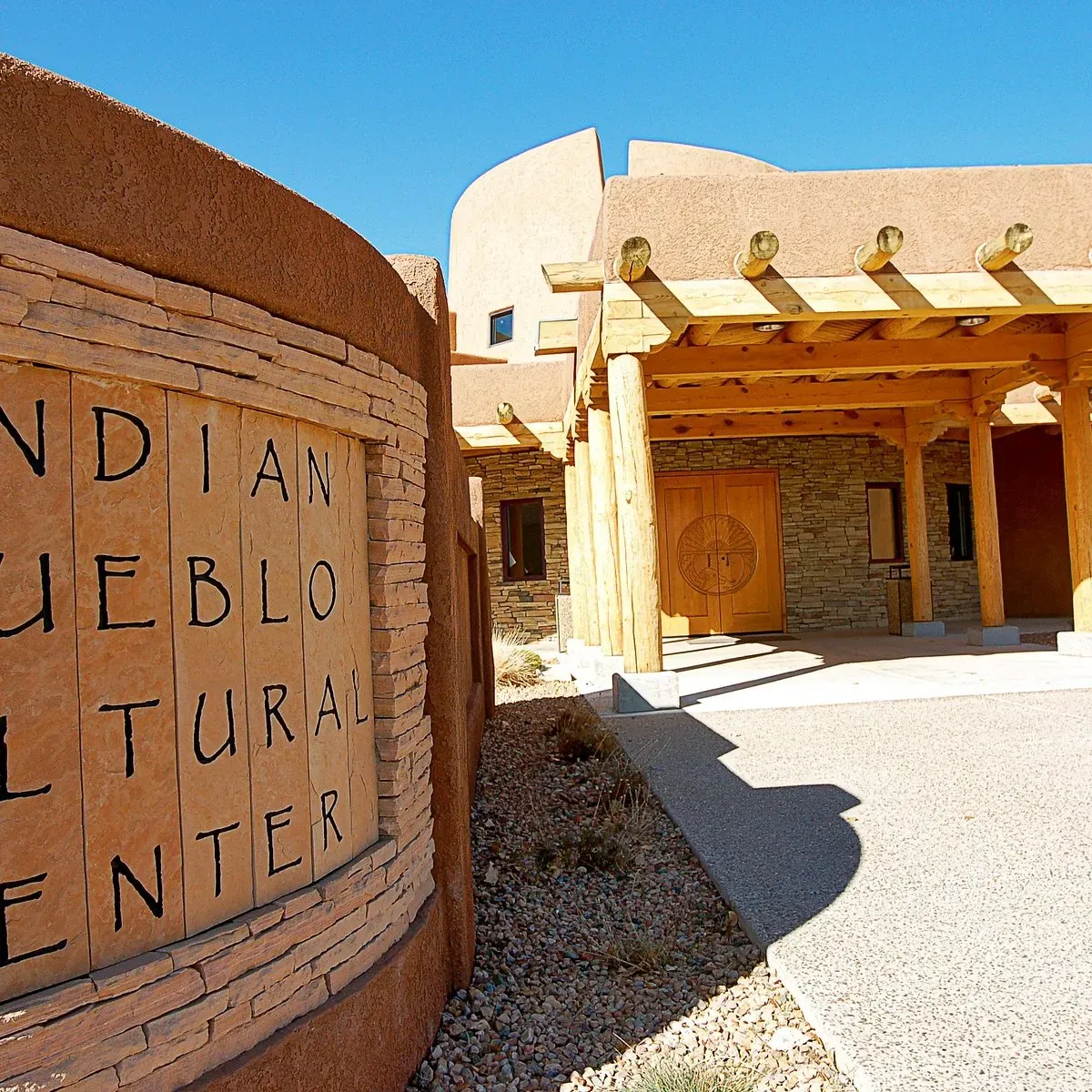
What makes it special
This isn't a room of artifacts behind glass. The Indian Pueblo Cultural Center Albuquerque functions more like a working village where Pueblo history and present-day life overlap. All 19 Pueblos have a hand in what happens here, and the difference is obvious. Nobody is selling a sanitized version of Native culture. The building itself feels calm the second you walk in, and the staff clearly run the place on their own terms.
You can rush through in an hour if you have to. But you can also lose an entire day here without trying. Watch a cooking demo, eat lunch, wander the galleries, and talk to the jeweler at the next table. The day stretches or shrinks depending on what you actually want to see, not what an itinerary demands.
Exploring the museum: history, art, and architecture
The museum manages to be thorough without being exhausting. The permanent exhibits cover the traditions, history, and art of the Pueblo villages with a level of historical accuracy you don't always see at regional museums. Pottery, textiles, and sacred art fill the galleries. Small video stations tucked into corners let you hear stories and dialects from individual Pueblos. Hearing the languages directly does something a wall label simply can't.
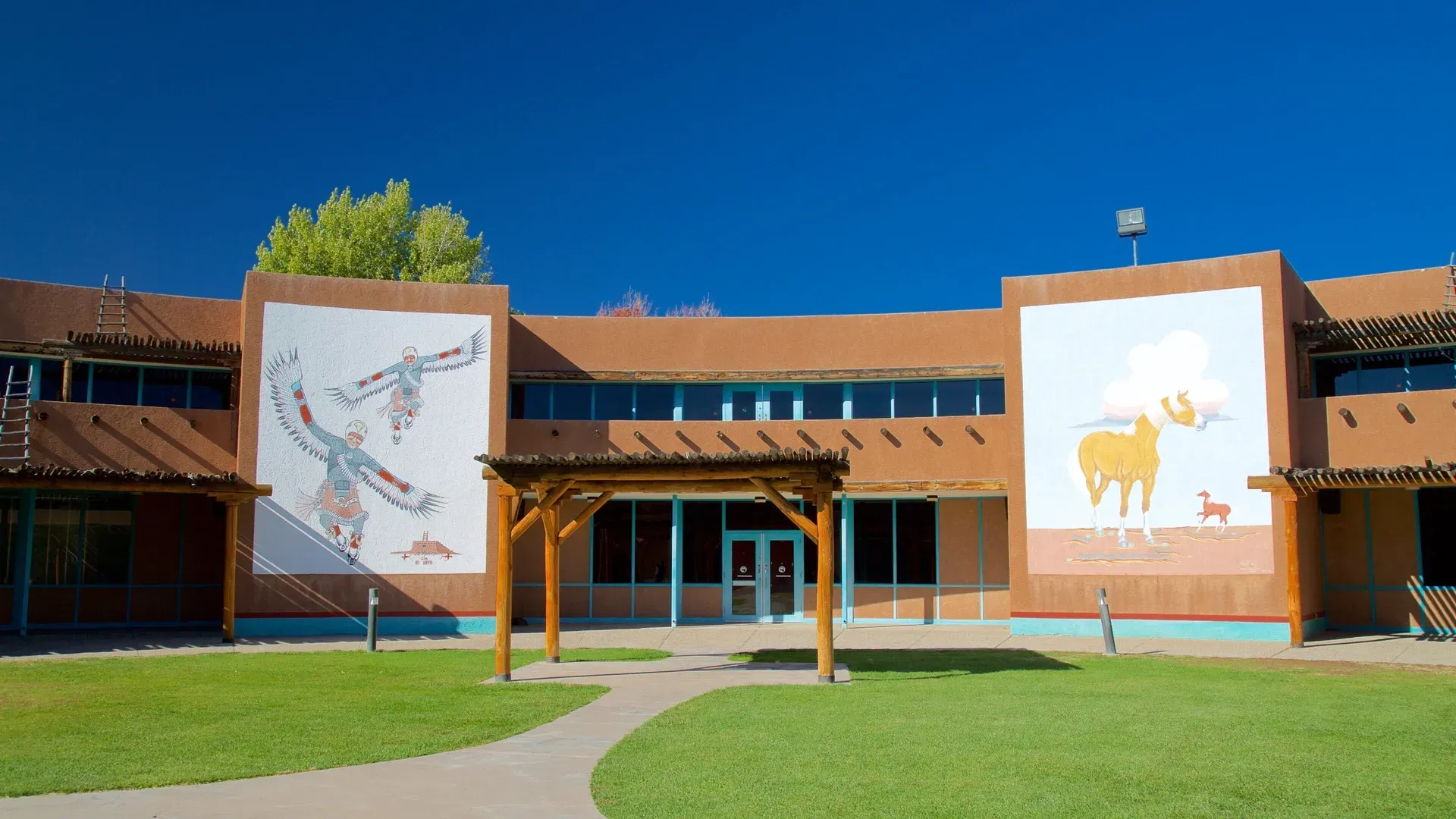
The rotating gallery gives space to modern Pueblo artists and contemporary issues. One recent show looked at Pueblo architecture through the work of current architects who grew up in the communities and now fold traditional designs into modern buildings. Not every temporary display lands equally, but the permanent collection is strong enough that you won't leave disappointed.
The layout isn't perfect. Some corners feel cramped, and the path through the galleries isn't always obvious. But the material itself is good enough that you stop noticing. The text panels give you exactly enough information without the exhaustion that hits three hours into a massive Smithsonian wing. Budget at least two hours. Two and a half is better if you want to see both the permanent and temporary shows without rushing.
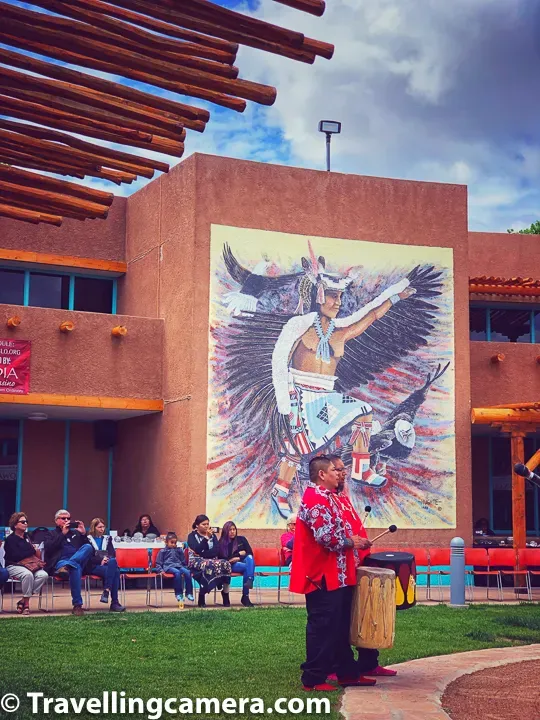
Living traditions: dance and performance
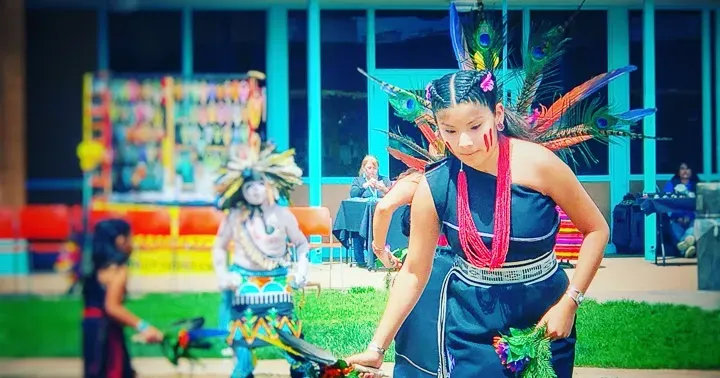
If you time your visit right, the courtyard fills with dancers in full regalia. The dances happen on weekends and shift with the seasons, so what you see in October might differ completely from what happens in March. The feathered headdresses and ceremonial dress aren't costumes for tourists. The movements carry specific meaning, and watching them in person feels completely different from seeing a photograph.
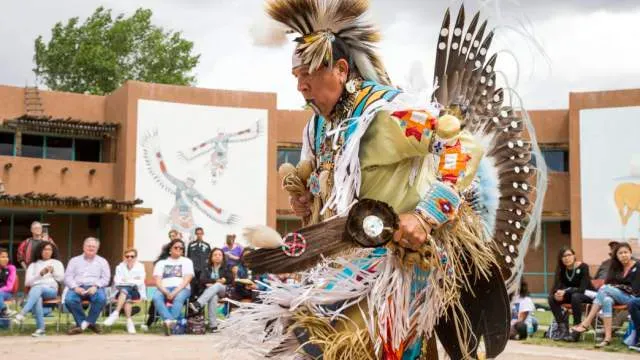
Dances usually start at noon on Saturdays and Sundays. During big Albuquerque events like Albuquerque International Balloon Fiesta week, the center sometimes adds weekday shows. Because the schedule changes by season, check the calendar before you drive over. The recorded videos inside the museum are fine, but they don't come close to the real thing. If you miss the live dances, you miss the best part of the visit.
Guided tours leave at noon and 2:00 PM. Get there before 10:00 AM if you want easy parking in the back lot and a chance to wander before your tour or the dance starts.
Dining and shopping
The restaurant here is good enough that locals eat here even when they aren't seeing the museum. It has its own entrance from the street plus a door from the galleries inside. The menu is Indigenous cuisine, and the prices are fair. Order the huevos Albuquerque. The breakfast portions are huge, almost too big. The staff remember regulars and treat newcomers the same way.
The gift shop and vendor stalls sell jewelry, pottery, books, turquoise, and crystals made by Native artisans. Some of the jewelers work at tables right in the open, and they will talk to you about what the designs mean if you ask. This isn't airport souvenir junk. The money goes directly to the artists. I've seen people buy a bracelet here and never take it off.
Practical tips for your visit
Tickets are cheap enough that you won't flinch, and you can buy them online or at the door. Tuesdays are two-for-one. Indigenous visitors from across Turtle Island get reduced admission, which feels like the right policy for a place run by the Pueblos themselves. Students and anyone trying to connect textbook Southwest history to actual objects will get a lot out of the exhibits.
The building isn't huge, so one solid visit usually feels complete. That said, the rotating shows and seasonal dances change enough that coming back six months later isn't repetitive. If you get there early, parking is easy in the back lot. A full day runs about five hours: two and a half in the galleries, one for the dance, one for lunch, and half an hour in the shop.
Best time to visit
May is perfect. So is September through October. September and October line up with the Albuquerque International Balloon Fiesta, when the city fills with visitors and the center sometimes adds extra weekday dances. The weather in these shoulder months is mild. Summer is hot. Winter can be cold. You already knew that about New Mexico.
Final thoughts
The Indian Pueblo Cultural Center Albuquerque offers something that is getting harder to find: a cultural site where the people being represented actually control the narrative. The pottery and textiles are beautiful, sure, but the real value is in the storytelling. Indigenous visitors from across Turtle Island often tell me they feel a specific kind of recognition here, a reminder of shared history that hits differently than reading about it. For everyone else, it is simply the most honest introduction to Southwest heritage you will find in Albuquerque. No spin. No corporate filter. Just the Pueblos telling their own stories in their own building.
It is not just a museum. It is a working community space that happens to have galleries attached. If you want to understand New Mexico beyond the green chile and adobe postcards, start here.