Swiss Alps Switzerland: A Real Look at Mountain Travel
I flew over the Swiss Alps on a morning flight and haven't stopped thinking about them since. Here's what actually works (and doesn't) when you visit.
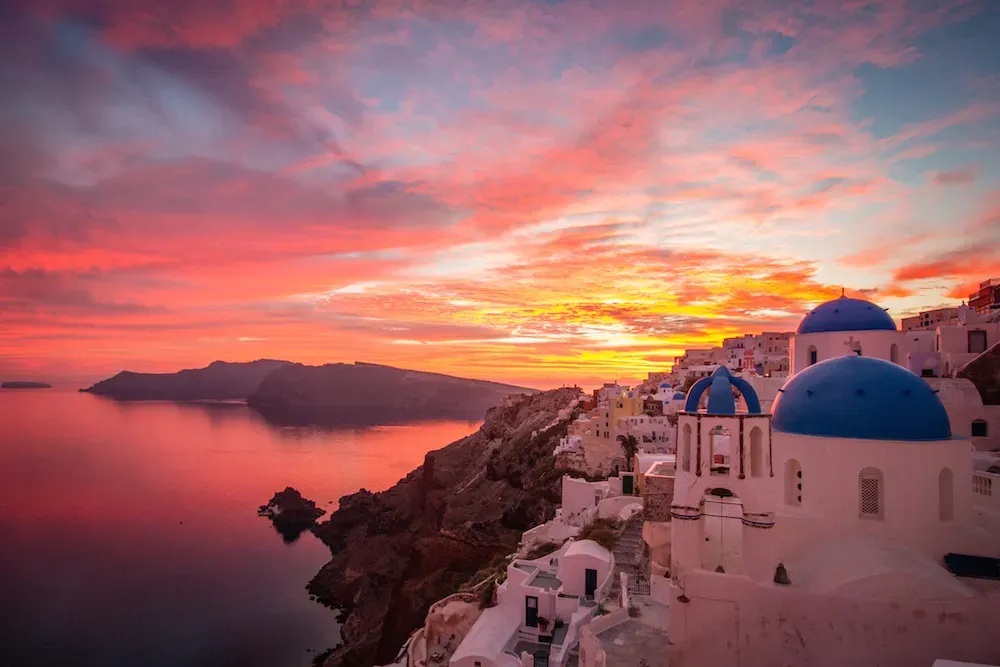
Why I'm Still Thinking About the Swiss Alps
I flew into Zurich on a morning flight, and there they were: the Swiss Alps, visible even from 35,000 feet. Jagged white peaks cut through a layer of clouds like something from a geography textbook come to life. Most people on that plane had their phones out, pressing against the windows. I understood why.
The mountains slice through southern Switzerland in a 200-kilometer arc that defines not just a country's geography but its entire identity. These peaks feed Europe's major rivers—the Rhine, Rhône, Inn, and Po—meaning the water in your Amsterdam coffee or Venetian pasta pot probably started as snow up here. The range splits into Western and Eastern sections, covering enough ground that you could spend years exploring and still find new valleys.
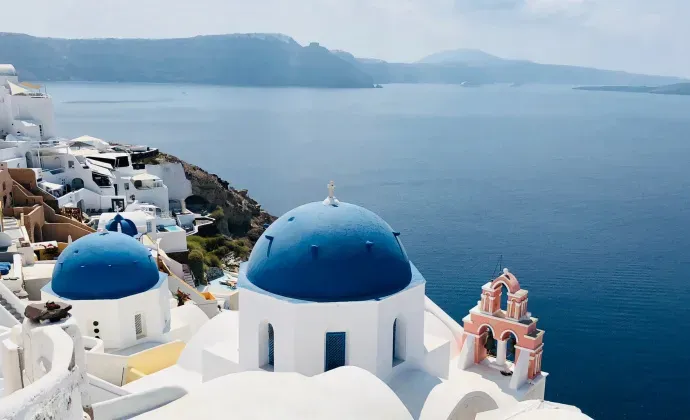
What Actually Hits Different Up There
Everyone has their own threshold for "scenic." Mine is pretty high after years of travel writing. But the Alps reset something. Standing at the base of the Matterhorn, watching shadows move across its pyramid-shaped face, I felt that rare travel sensation: smallness. Not loneliness, not insignificance. Just the useful kind of small that reminds you the world operates on timescales that make human ambition look like a blip.
The valleys between peaks carry a specific quality of light that photographers chase and usually fail to capture. Green doesn't describe it accurately—it's more saturated than that, almost aggressive in its intensity. Wildflower meadows at altitude bloom in July and August with colors that seem to hum. And then there's the sound: not silence exactly, but a kind of acoustic clarity where every cowbell and rushing stream arrives sharp and distinct.
Swiss Alps Things to Do: What Worked and What Didn't
Skiing Towns That Live Up to Their Names
Zermatt has the reputation it does for good reason. The runs here go on for miles, dropping from high glacier areas down through pine forests that look artificial in their perfection. I spent three days there and barely scratched the surface. The lift system connects Switzerland to Italy— you can literally ski across a border marked only by a sign and a slight change in espresso quality.
The Jungfrau region offers something different: accessibility combined with extremes. The railway to Europe's highest station (Jungfraujoch at 3,454 meters) is either a marvel of engineering or a tourist trap, depending on who you ask. I found it genuinely impressive for the tunneling work alone, though I preferred the hiking trails below where fewer people congregate.
The Train Everyone Talks About
The Bernina Express makes every round-up of scenic train journeys for a reason. I rode it from Chur to Tirano, a four-hour trip that crosses 196 bridges and passes through 55 tunnels. The windows are panoramic, which sounds like a feature until you realize you're sharing the view with tourists who will stand in front of you for the entire duration to capture the same photo 400 times.
Is it worth it? Yes. But sit on the right side heading south, bring your own snacks (the onboard food is mediocre), and accept that you won't have the observation car to yourself. The section around the Brusio spiral bridge approaches something like cinematic overload—mountains, viaducts, alpine lakes stacked in layers.
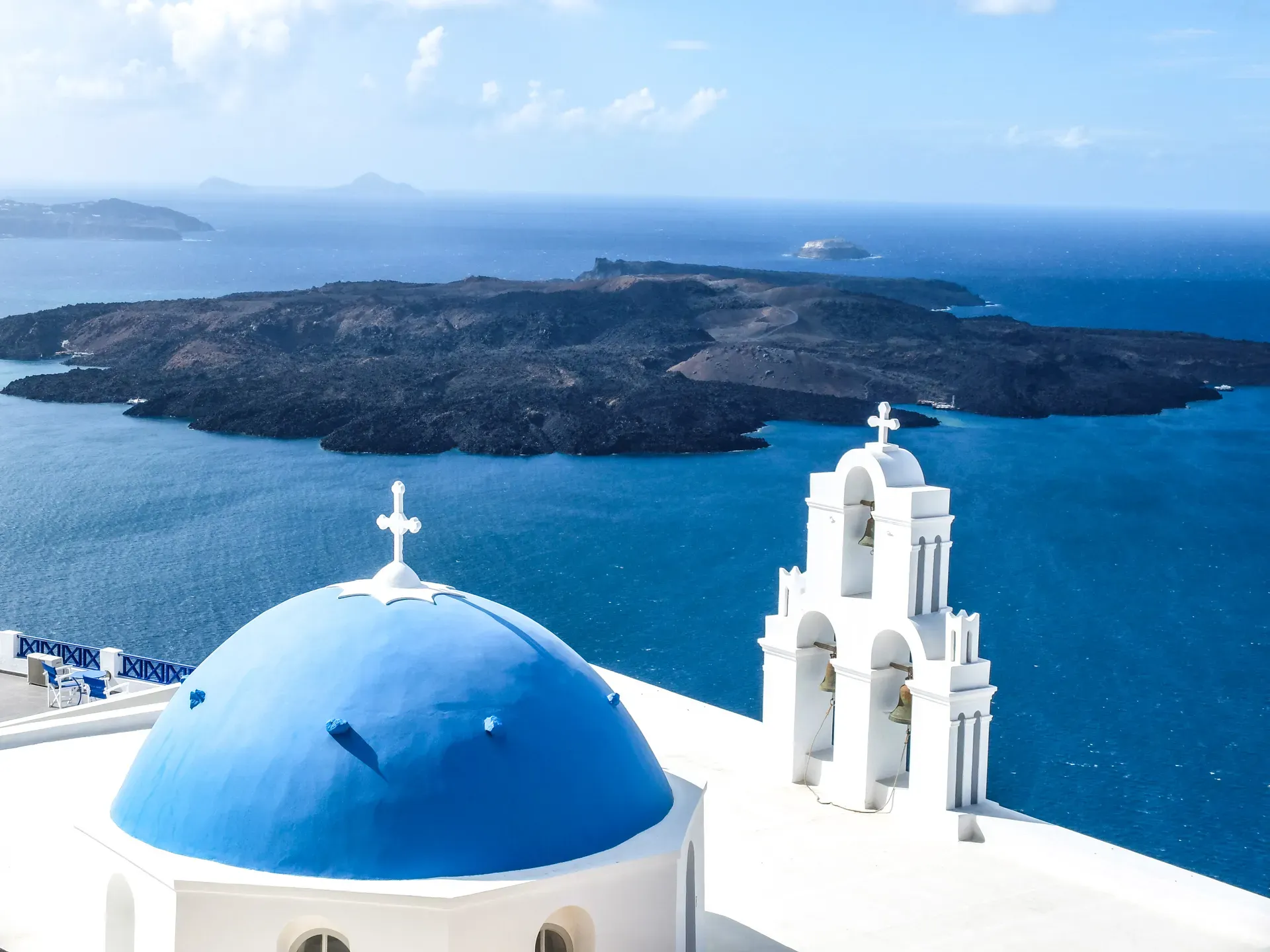
Aerial Perspective
That flight approach I mentioned? Mid-morning arrivals into Zurich offer the clearest views, assuming weather cooperates. I've seen passengers actually gasp when the pilot banks over the range. There's something about seeing the scale from above that prepares you—or maybe spoils you—for what comes later. The snow line sits at different altitudes depending on season, but the highest peaks wear white year-round.
Timing Your Visit to the Swiss Alps
June through September offers the most reliable access to high trails. The hiking network opens fully, cable cars operate on normal schedules, and you can walk through meadows that look like they've been actively maintained by a perfectionist gardener. This is when the mountain huts (hütten) are fully staffed and you can do multi-day treks without winter gear.
Winter transforms the region into something else entirely. The skiing infrastructure here predates most nations' existence, and it shows in the efficiency of lift systems and grooming. December through March brings reliable snow, though January temperatures at altitude can be brutal. Pack layers and accept that your phone battery will drain faster in the cold.
Shoulder seasons hold some appeal but come with compromises. May and late October often have closed passes and limited services. November is genuinely bleak in mountain towns. April offers spring skiing conditions that vary wildly by elevation.
Practical Reality Check
The Cost Question
I won't sugarcoat this: Switzerland is expensive. A basic lunch at mountain restaurants runs 25-35 CHF. Ski passes for Zermatt push 100 CHF daily. Accommodation in iconic towns commands premium rates year-round. The value proposition isn't about saving money. It's about whether this particular type of mountain experience delivers something you can't get elsewhere at lower cost.
For me, it does. The infrastructure quality, the density of maintained trails, the sheer vertical relief available within compact areas— these are hard to replicate. But if you're on a tight budget, the Alps in Switzerland will hurt. Consider staying in lower-cost base towns and using the efficient rail network to access multiple areas from a single hotel.
Geographic Spread
The Swiss Alps extend across both Western and Eastern ranges, sharing territory with France, Italy, Austria, and Liechtenstein. This means your route planning matters. Driving from Geneva to Zermatt takes you through enough scenic terrain that the journey becomes part of the experience. I've taken the bus from Chur toward Liechtenstein simply because the views were supposedly worth the detour. They were.
The Impossible Itch
Here's what surprised me: I left wanting to see more. Not in the vague "I'll be back someday" way, but with specific planning. The Bernese Alps, the Pennine Alps, the Bernina massif—each has distinct character. The limestone peaks around the Appenzell region look nothing like the granite monsters above Zermatt. You can't absorb this in one trip. Most travelers I met were on their second or third visit, working through a mental checklist of peaks and trails.
Photography Realism
Your camera won't capture what you see. I've tried with professional gear and come away with images that look like decent stock photography. The scale confuses lenses. The light changes too fast. The depth gets flattened to nothing. Some of what makes the Alps overwhelming is parallax—the way foreground, midground, and background all compete for attention in ways that two dimensions can't reproduce.
My suggestion: shoot enough to remember locations, then put the camera away. Watch how the light moves across a ridge at 11 AM, when the sun hits that specific angle that makes fresh snow glow. That's the thing you'll actually keep.
Final Thoughts
A Swiss Alps Switzerland trip delivers something increasingly rare: nature that doesn't require filters to impress. The combination of vertical scale, infrastructure quality, and accessibility creates an experience that justifies its reputation without needing hype.
I'm skeptical of destinations that claim to be "life-changing." The Alps didn't change my life. But they gave me a reference point I return to mentally when I need to remember what proportion feels like—geological time against human urgency, massive stone against temporary flesh. That's worth the flight, the cost, the altitude adjustment headaches.
Start planning. Accept that you'll need to come back.