Moynaq Ship Graveyard Uzbekistan: A Haunting Aral Sea Journey
Rusting fishing trawlers stranded in the Uzbek desert tell the story of the Aral Sea's collapse. Here's how to visit Moynaq Ship Graveyard and what you'll find there.
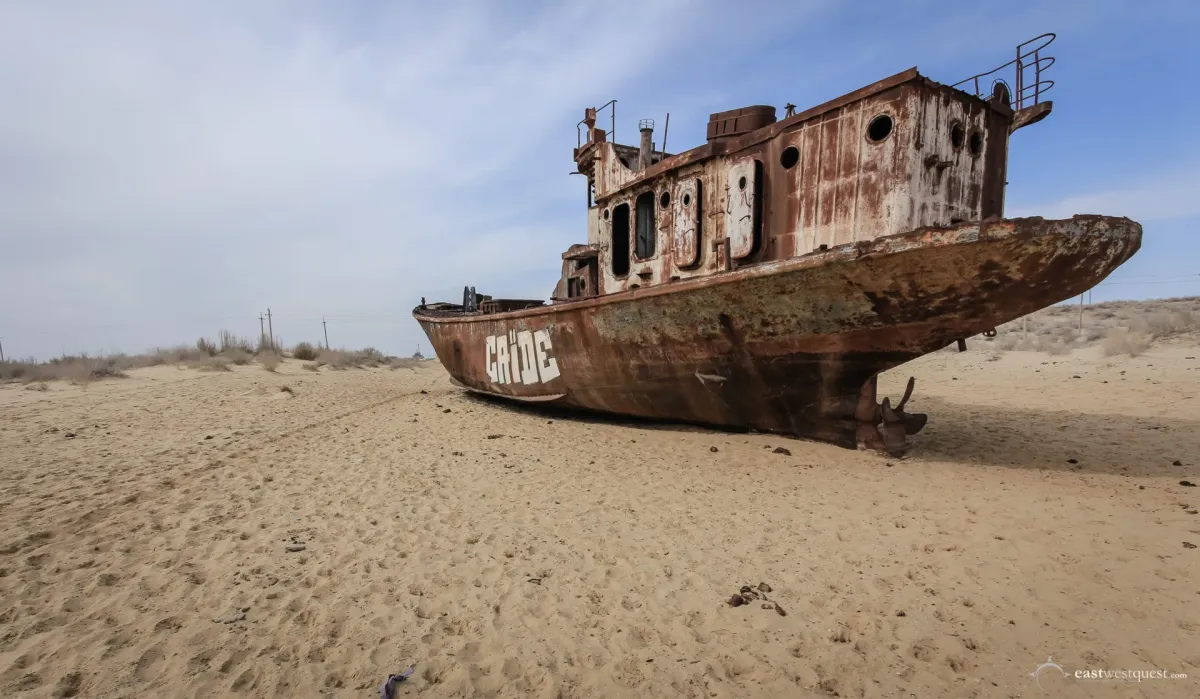
Deep in the remote reaches of Karakalpakstan, where the Aral Sea once sparkled with life, a surreal landscape now dominates the horizon. Moynaq Ship Graveyard Uzbekistan is one of the most striking symbols of our planet's largest man-made ecological disaster. A ghostly collection of rusting fishing trawlers sits stranded on sunbaked desert, miles from any shoreline. For adventurous travelers seeking off-the-beaten-path experiences, this destination offers an unforgettable encounter with history and humanity's relationship with nature.
What makes the Moynaq ship graveyard so extraordinary
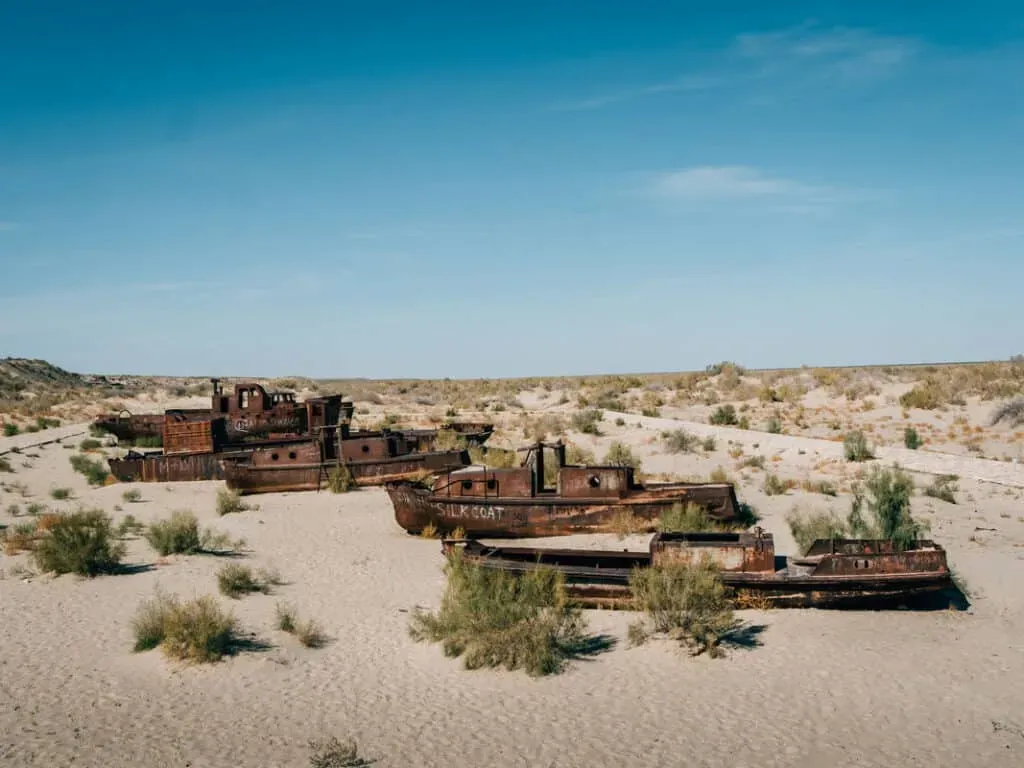
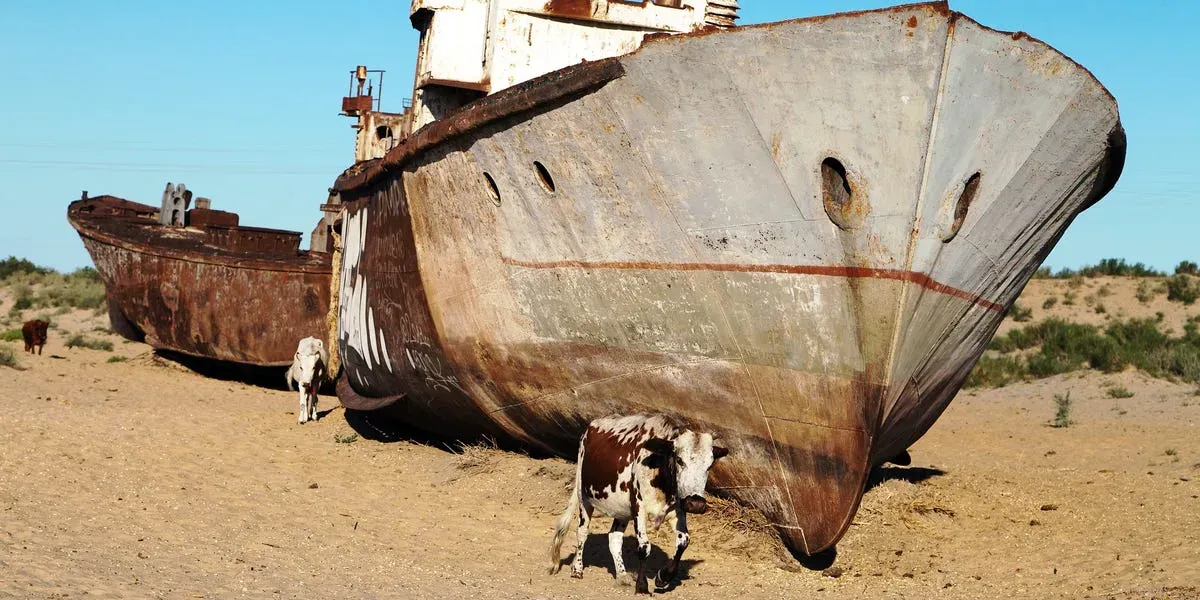
The experience differs from typical travel destinations. Around fifteen vessels rest in two main collections, their skeletal frames slowly surrendering to the desert. Local residents have a poignant name for this place. They call them "ships on the sand," because a ship without water is something else entirely. The atmosphere is unforgettable: eerie yet beautiful, depressing yet somehow mesmerizing.
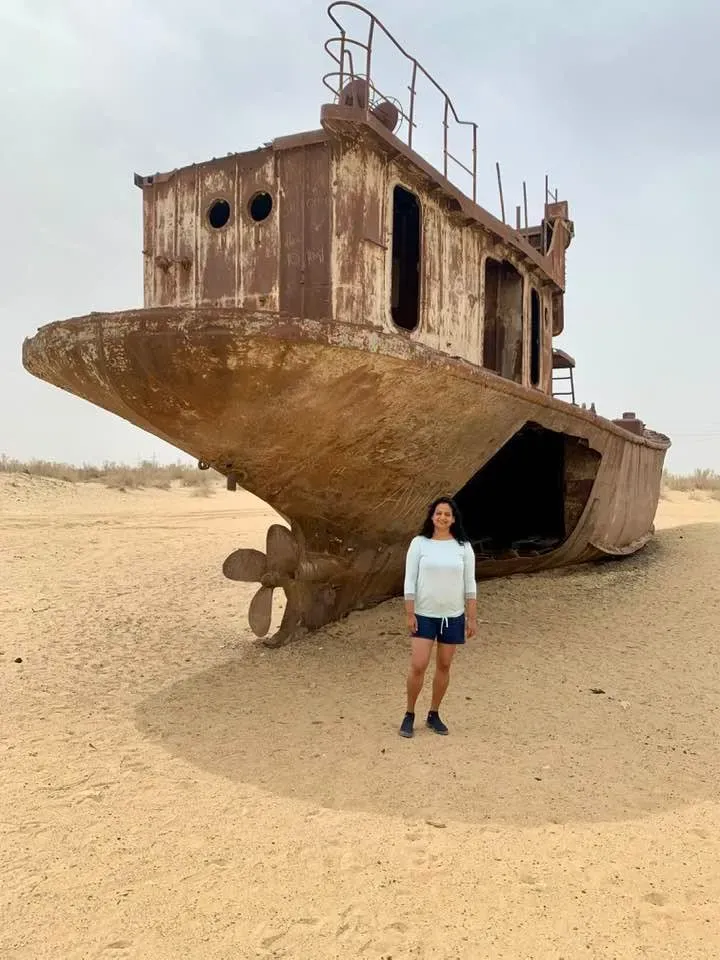
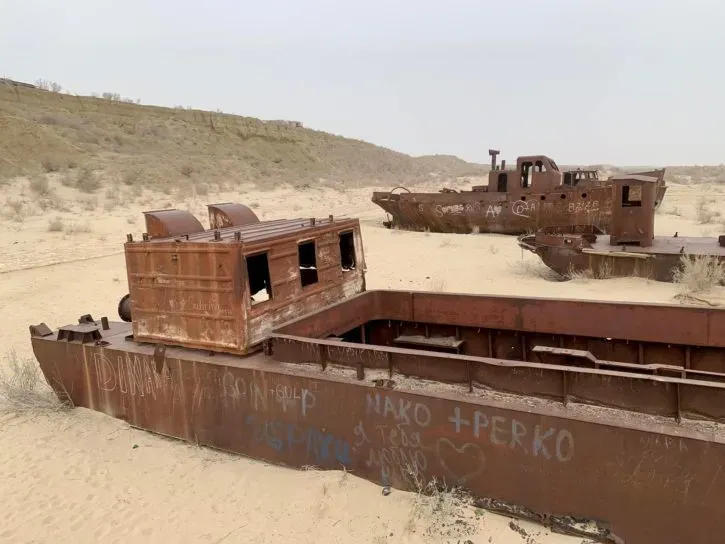
Visitors can climb aboard these weathered relics, though caution is warranted. The rusting metal creates what some describe as a "tetanus-filled play area." The opportunity to walk through these abandoned vessels, to stand on decks that once floated on water now 150 kilometers away, offers a visceral understanding of ecological collapse that no documentary can replicate.
Nearby, a small but worthwhile museum houses artifacts from the region's fishing heyday. The outdoor exhibition continues the narrative, and the museum's cinema screens videos in English and Russian that detail the sea's tragic retreat. After the long journey to reach this remote town, the museum visit feels essential to understanding what happened here.
The journey: getting there and exploring
Where is Moynaq located?
Moynaq sits in the autonomous republic of Karakalpakstan, in western Uzbekistan near the Kazakh border. The settlement lies hundreds of kilometers from major tourist centers. From Khiva, expect a full day of driving. Approximately six hours each way, often with stops in Nukus. The route from Nukus adds another few hours through increasingly remote terrain.
Transportation and tours
Regular vehicles cannot handle the desert roads beyond certain points. Specialized transport becomes necessary. Toyota Land Cruisers are the preferred choice for navigating these challenging conditions. Several tour operators can arrange full-service experiences including vehicle, driver, accommodation in apartments, and meals (breakfast, lunch, and dinner).
Budget-conscious travelers should consider shared arrangements. Many hostels in Khiva, notably Central Park Hostel, can organize group tours at significantly cheaper rates than private bookings. Solo travelers can be matched with others to split costs. The hostel staff can handle all logistics, making what seems like a complicated journey surprisingly accessible.
One important vehicle recommendation: if self-driving from Nukus, choose a Chevrolet Cobalt or Lasetti type car. The roads are poor, and these models handle the conditions better than alternatives.
The route and additional sights
The journey to Moynaq passes through landscapes that few travelers ever witness. Departing around 7 AM from Khiva, you will head toward Nukus, with worthwhile stops at Chilpik Kala fortress on the desert's edge near the Amu Darya river. The Nukus overnight allows visits to the Savitsky Museum and local bazaars before continuing deeper into the desert.
About two hours from your starting point sits "Nayman Shayxana" in Kungrad. An excellent spot for national foods, drinks, and snacks before the true desert begins. From here, civilization fades and the empty spaces expand. The Ustyurt Plateau rises approximately 150 meters above the surrounding flatness, offering vast panoramas from its summit. This elevated viewpoint reveals the enormous scale of emptiness that now defines the region.
Travelers frequently spot desert wildlife. Camels, deer, various snakes, lizards, and birds inhabit these arid lands. The "Raushan" canal, connected to Sudochie Lake, presents another surreal sight. The name translates from local language as "water unleavened," referencing the brackish quality. In autumn, yellow reeds surround the lake creating striking golden scenery.
Nearby historical remnants include an old lighthouse (approximately 5 meters tall, climbable), the ruins of a fish factory called "Aral Vostok," plus the remains of a hospital, school, and ancient straw houses. A particularly fascinating discovery is an old cellarage. Essentially an underground refrigerator where locals once stored fish. Bring a phone flashlight at minimum, though a stronger light reveals more detail in the darkness.
Can the Moynaq ship graveyard be visited? The experience
Yes, and doing so leaves a strong impression. Upon arrival around midday (typically 12:30 PM on organized day trips), visitors first experience local hospitality. Many tours include lunch in local homes where hosts prepare generous traditional meals in a welcoming atmosphere.
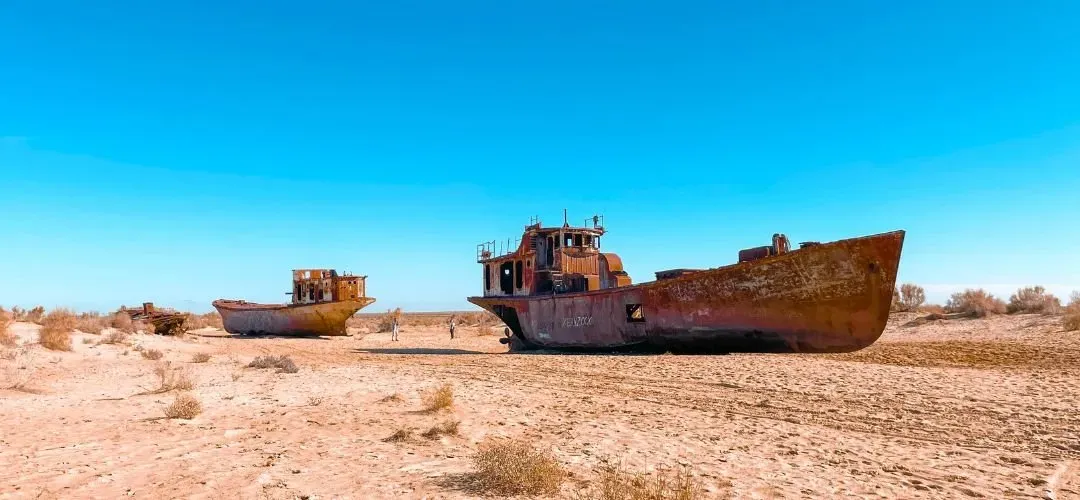
The ship graveyard itself has the emotional impact visitors seek. The southern collection of vessels offers the most dramatic photography opportunities. You can walk among the wrecks, climb aboard for perspective, and capture images that seem almost otherworldly. Grazing cows sometimes wander between the ships, adding another layer of strangeness to the scene.
However, the experience comes with mixed emotions. As one visitor summarized: "On one hand it's really impressive. On the other hand it's depressive." The site illustrates how Soviet irrigation policies devastated one of the world's largest inland bodies of water. The folly of human ambition becomes tangible here. A chain of decisions that spiraled beyond control.
A note of concern: some visitors express disappointment that people walk on ships, scribble graffiti, and contribute to the monuments' deterioration. While exploring is permitted, treating these vessels as historical artifacts rather than playground equipment helps preserve them for future generations.
Practical tips for visiting Moynaq ship graveyard
How much time should you plan?
One day is technically possible but barely sufficient. The long driving distances consume most daylight hours, leaving limited time for exploration. Ideally, plan at least an overnight in Nukus to break up the journey, creating a two-day experience that allows proper engagement with both the museum and the ship graveyard. Multi-day tours can incorporate more of the region's scattered attractions.
What to bring
Sturdy footwear with grip is essential. You will be climbing on rusted metal and walking uneven desert terrain. Consider your tetanus vaccine status. Given the condition of the ships, ensure your vaccinations are current. Sun protection is non-negotiable. Hats, sunscreen, and sunglasses are essential. The desert reflects intense UV. Bring a flashlight for exploring the underground cellarage and any dim structures. A camera is worth bringing. The photography opportunities are extraordinary. Pack water and snacks. Desert travel demands hydration, though stops at places like Nayman Shayxana help.
Does the Moynaq ship graveyard have tours?
Yes, tours are readily available and highly recommended. Operators like Besqala Tour Agency specialize in desert transport and comprehensive packages. Hostels in Khiva can arrange shared transport. Independent travelers can self-drive with appropriate vehicles, but the remote location and road conditions make organized tours the wiser choice for most.
Costs and what to expect
Tour costs vary based on group size, season, and inclusions. Shared transportation dramatically reduces per-person expenses. Private Land Cruiser tours with meals and accommodation cost significantly more but offer flexibility. Contact operators directly for current pricing, as rates fluctuate throughout the year.
Best time to visit Moynaq ship graveyard
The best time to visit Moynaq Ship Graveyard Uzbekistan falls during spring (April-June) and autumn (September-October). Summer temperatures in this desert region become brutally hot, making exploration uncomfortable and potentially dangerous. Winter brings cold that can make the metal ships slippery and the desert wind biting.
Autumn offers particular visual rewards. The yellow reeds around Sudochie Lake create golden photography opportunities. Spring brings milder temperatures and blooming desert vegetation. Both seasons provide the climate conditions necessary for comfortable exploration of outdoor sites and the plateau viewpoints.
What happened at the Moynaq ship graveyard: understanding the history
The story behind these rusting vessels centers on Soviet-era irrigation projects that diverted the region's two major feeding rivers. The Amu Darya and Syr Darya were redirected to irrigate cotton fields. As the water supply dwindled, the Aral Sea began shrinking dramatically through the 1960s-1980s. The shoreline receded northward, leaving Moynaq stranded in desert, miles from the nearest water.
What had been the fourth-largest inland body of water on Earth lost approximately 90% of its volume. The fishing industry collapsed, forcing residents to abandon the town. The ships that once hauled tons of fish now bake under Central Asian sun, slowly oxidizing into reddish sculptures of decay.
The site serves an educational purpose. As one visitor reflected, the Aral Sea's fate should not be viewed merely as a negative chapter in history, but as a vital memory teaching future generations about planetary stewardship and geology. The remote location means only those who deliberately push themselves into this isolated region witness the consequences. A pilgrimage that transforms abstract environmental statistics into visceral reality.
Why you should visit Moynaq ship graveyard
The journey to Moynaq Ship Graveyard Uzbekistan demands effort, time, and resources. It delivers rewards that conventional travel cannot match. This is not a destination for casual sightseeing or Instagram backdrops alone. The emotional weight hits harder when you stand on those ships, looking out across endless desert where water once stretched to the horizon.
For travelers asking whether the long drive from Khiva, the desert navigation, and the stark reality justify the effort, those who make the journey consistently confirm that watching through photos or videos cannot deliver the emotion of standing there yourself. The combination of fascinating geography, human history, and the sheer uniqueness of the experience makes this one of Uzbekistan's most compelling, if unsettling, destinations.
Come prepared for the logistical challenges, respectful of the site's significance as environmental testimony, and open to the complex feelings the graveyard provokes. Moynaq offers something increasingly rare in modern travel. A place that genuinely transforms how you see the world and humanity's place within it.