Gunung Mulu National Park Malaysia: Essential 2025 Guide
Gunung Mulu National Park in Sarawak, Malaysia is one of Southeast Asia's most spectacular UNESCO sites. Explore massive caves, razor-sharp pinnacles, and witness three million bats take flight.
What makes Gunung Mulu National Park special
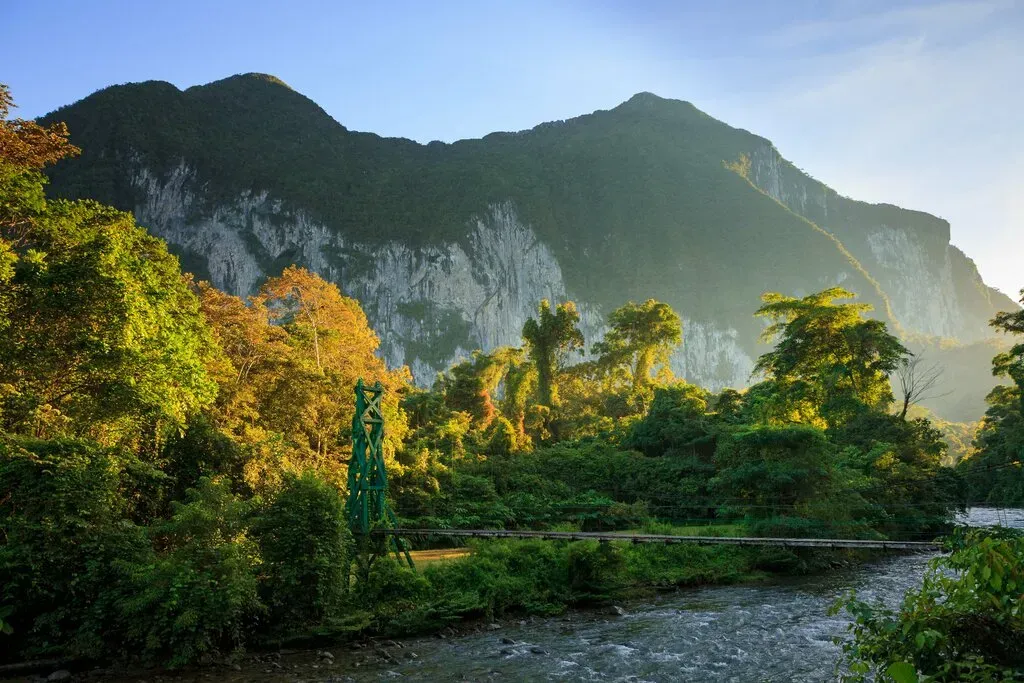
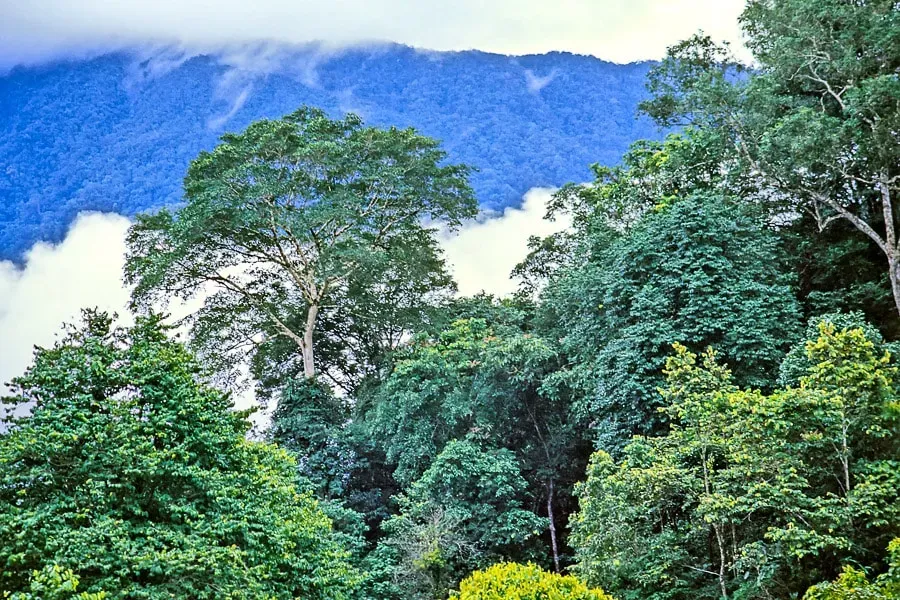
Gunung Mulu National Park is one of Southeast Asia's most spectacular natural wonders. This UNESCO World Heritage site has ancient limestone karst formations piercing the Borneo rainforest and subterranean chambers that rank among the largest on Earth.
This is old-growth rainforest, largely untouched and remote, yet accessible enough for visitors seeking everything from gentle walks to serious caving.
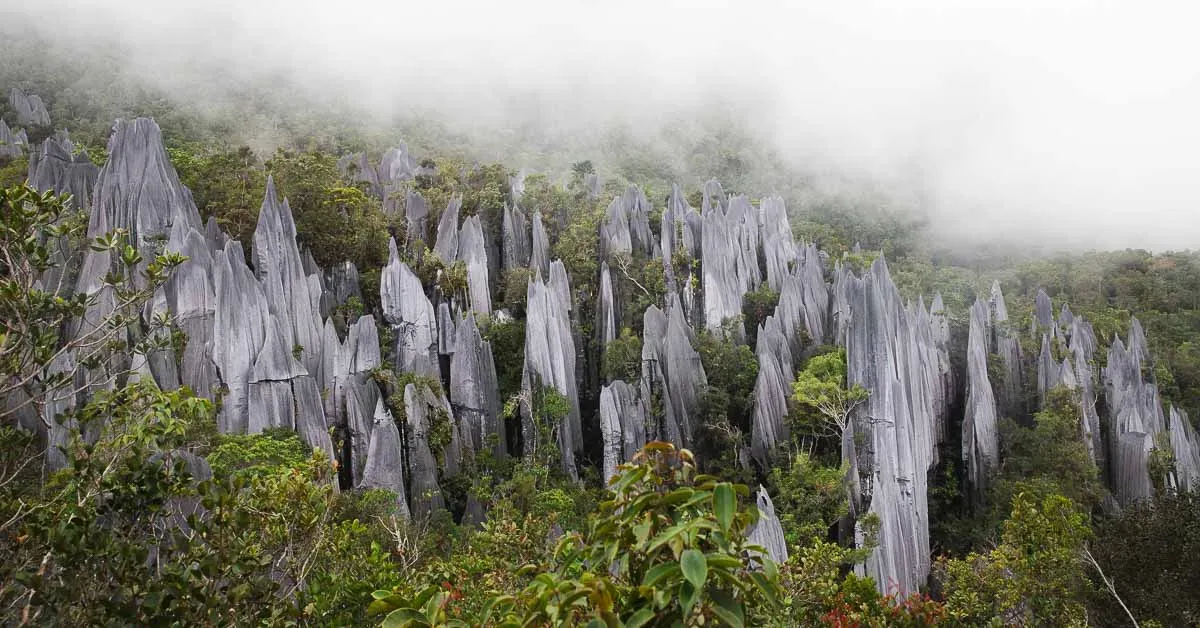
What sets Mulu apart is the variety in one protected area. The park has the iconic 45-meter-tall Mulu Pinnacles, the world's longest tree-based canopy walkway stretching 480 meters through the treetops, and the legendary Sarawak Chamber, one of the planet's largest cave chambers still being actively explored.
Deer Cave alone shelters three million bats. Their evening exodus creates formations that look like smoke spiraling into the dusk sky.
Things to do in Gunung Mulu National Park
The show caves: nature's grandest cathedrals
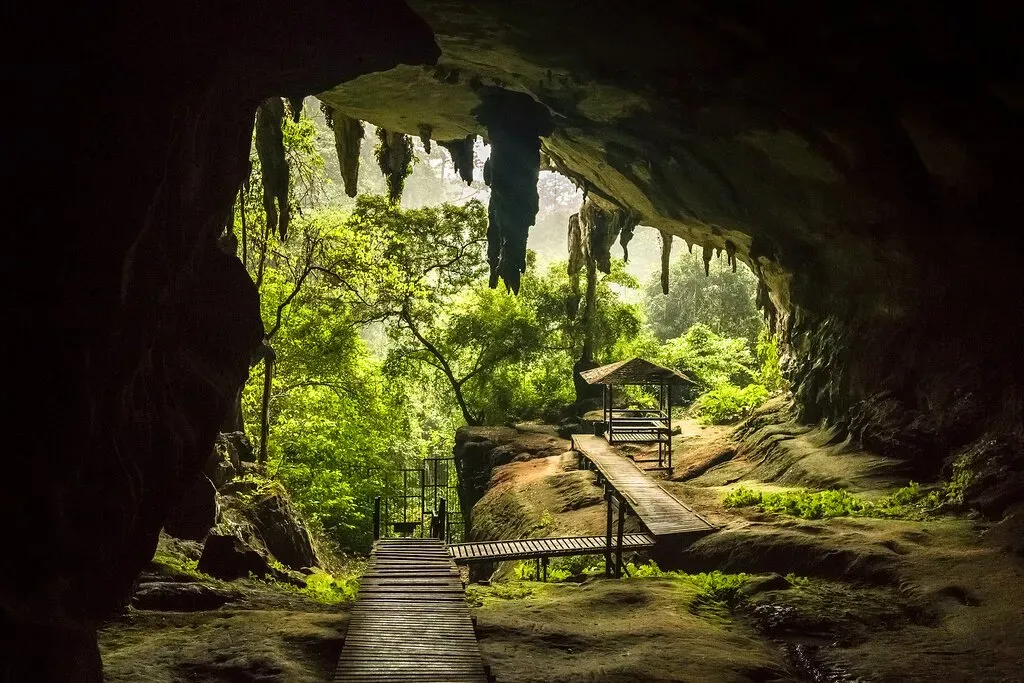
The showcaves are the backbone of any Mulu itinerary. Visitors consistently rank them among the most impressive cave experiences in Asia. Unlike other Asian caves cluttered with artificial lighting and additions, Mulu takes a subtle approach. These chambers remain largely natural, clean, and well-preserved.
Deer Cave is the park's crown jewel. This enormous chamber is home to three million Tadarida bats, and the guano-covered floor produces a distinctive earthy smell. It is intense. You will not forget it.
The highlight happens daily between 5:30 PM and 6:20 PM: the Bat Exodus. Millions of bats spiral from the cave mouth in search of food, creating hypnotic formations against the evening sky. This experience requires silence from observers. It creates a meditative atmosphere as nature performs its nightly spectacle. Note: if rain falls, the bats stay inside.
Lang's Cave offers something completely different. Its pearly-white stalactites and stalagmites look like whipped cream cakes. Jellyfish-like swirls adorn the walls, creating an otherworldly landscape that rewards slow exploration.
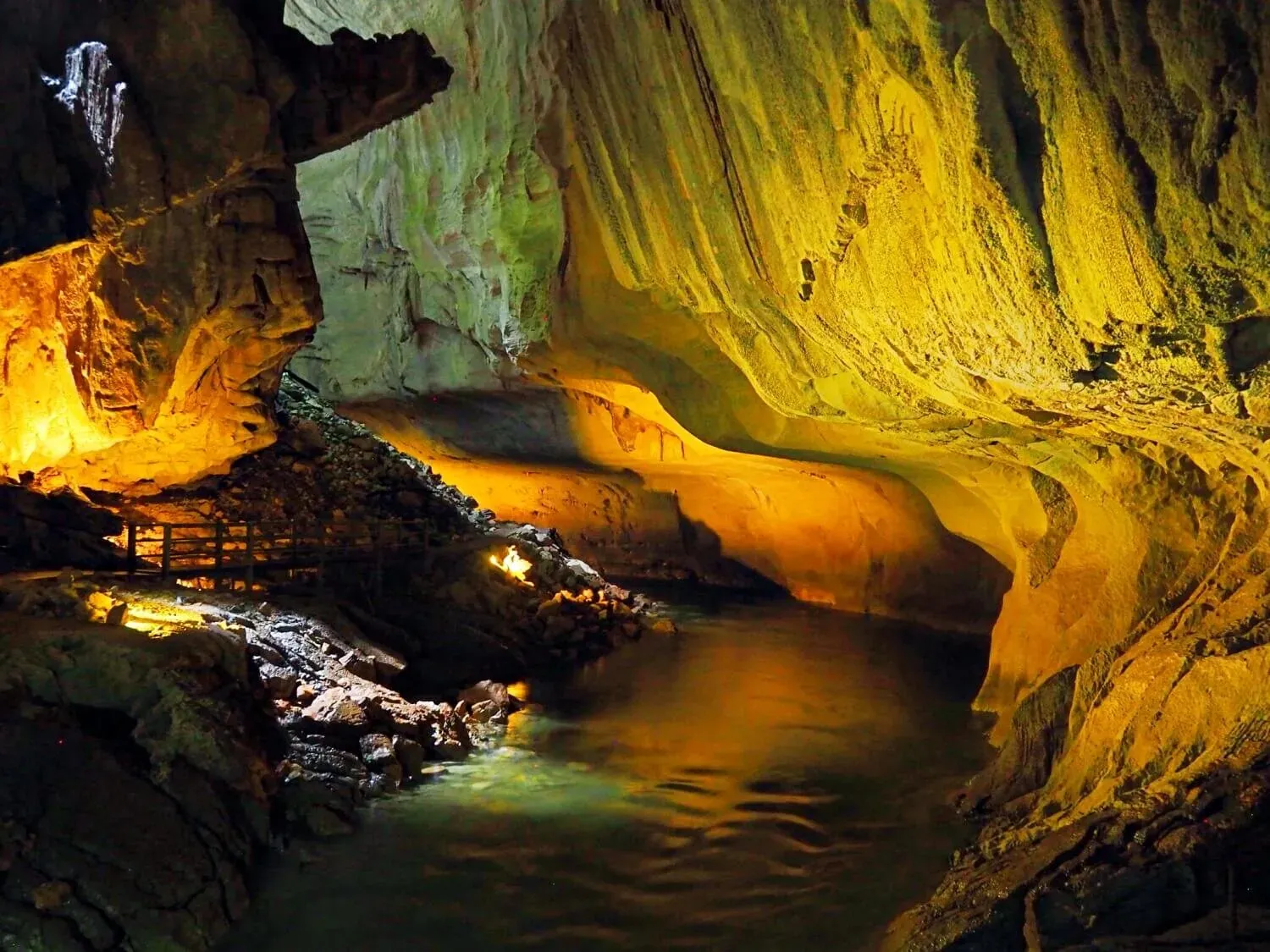
Clearwater Cave combines cave exploration with a refreshing longboat journey. Crystal-clear waters flow through this stunning system, and the trip includes a picnic spot where meals must be booked in advance. No restaurants operate along this route. Bring swimwear to enjoy the cool, pristine water after exploring.
Wind Cave has history. Its entrance served as a burial site for ancient inhabitants over 3,000 years ago. Fast Lane and Lagang caves complete the showcave options, with Lagang offering intermediate adventure caving that requires upper body strength, agility to balance between crevices, and comfort crawling through narrow chambers on your belly.
The canopy skywalk
The world's longest tree canopy walkway extends 480 meters at 20 meters above the forest floor, offering a bird's-eye perspective of the rainforest ecosystem. Don't miss this. It provides access to sights impossible to glimpse from the ground. Bring binoculars if you have them. The Nord Observation Tower nearby rewards those prepared for wildlife spotting.
The pinnacles trail: Mulu's ultimate challenge
The Pinnacles hike is the park's most demanding and rewarding trek. This is not a casual walk. It requires overnight accommodation at Camp 5 and serious physical preparation. The trail begins with a 9-kilometer walk to the camp, which can flood with leeches during rainy periods (leech socks or spray are essential).
The ascent itself breaks into distinct sections: a steep incline for the first hour, gradual terrain for 30 minutes, then another hour of steep climbing. The route requires rope pulling, ladder climbing, scrambling over sharp rocks, and ascending tree roots. The final 45 minutes relies heavily on ladders and metal bridge structures to navigate sheer sections.
You need proper footwear. Shoes must grip on slippery surfaces. I saw someone attempting this in running shoes once. Do not be that person. The descent proves harder than the ascent, requiring careful navigation over the same terrain. One wrong step on sharp rocks can cause serious cuts; gloves provide essential protection. Most groups complete the round trip in 2.5 hours, though the park's conservative timing briefings build in extra buffer.
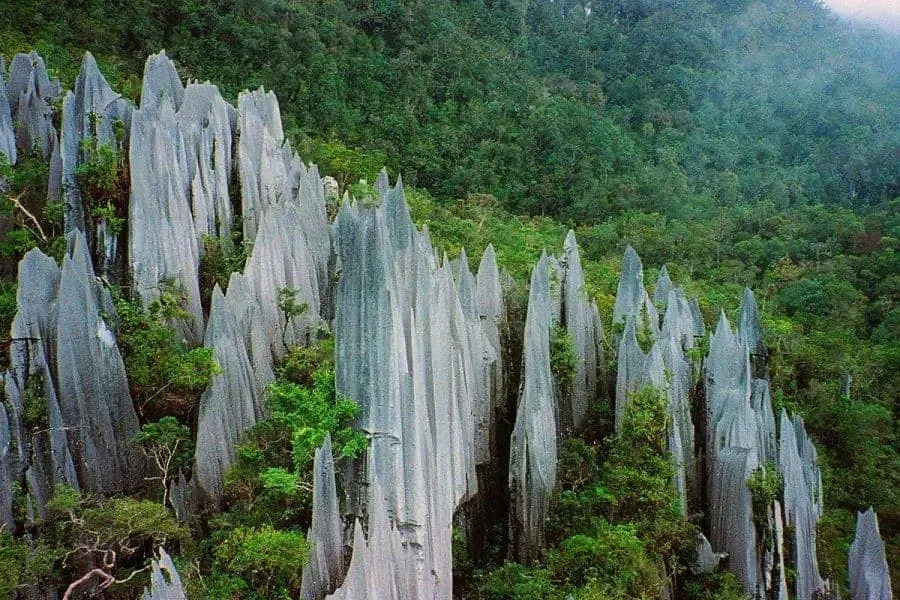
The reward? Spectacular, otherworldly views of the limestone pinnacles rising like stone blades from the jungle canopy, experienced in near-silence far from crowds.
Self-guided trails
For independent exploration, the Botanic Trail (1.5km, free) is excellent value with informative signage about the park's flora. This easy, mostly elevated platform walk includes sections of pebbly dirt trail that become slippery when wet. The Paku Valley Loop (8km) offers a free, self-guided jungle trek on wooden paved tracks. It is manageable for families with children.
The Pako Waterfall Trail leads through excellently marked jungle paths to a refreshing cascade. Night walks around park headquarters reveal a different world. Stick insects, snails, pygmy squirrels, and sleeping birds emerge when darkness falls.
How to get to Gunung Mulu National Park
Access to Gunung Mulu National Park is exclusively by air. This is genuinely remote territory. Direct flights operate from Kuching, Miri, and Kota Kinabalu. The airport sits approximately 15 minutes walking distance from the park entrance, though the route has no shade. Drivers wait to transport visitors for 5 MYR if you prefer to skip the walk with luggage.
Once inside the park, all showcave visits require guides. Solo exploration of caves is not permitted. The park headquarters coordinates all activities through a well-organized booking system.
Where to stay in Gunung Mulu National Park
Accommodation options center on the park headquarters. They provide immersive forest experiences ranging from basic to comfortable.
Park Headquarters Lodge offers spacious rooms with comfortable beds, good air conditioning, and hot showers. These are the premium option within the park boundaries and book out quickly during peak periods.
The Hostel provides budget-friendly beds at approximately 74 MYR per night including tourism tax and breakfast. Female dorms feature 8 beds with shared bathrooms (two toilets, two showers). Bedding, towels, and blankets are provided, though you may need to request toilet paper. Showers have temperature controls.
Camp 5 is base camp for the Pinnacles trek. This basic facility features tin-roofed rooms open to the air. No fans needed as temperatures stay cool. Mosquito nets rent for 10 MYR (double) or 6 MYR (single) per night. A kitchen provides cooking facilities, cutlery, and plates, but bring your own sauces, cooking oil, and condiments. Cold showers and a riverside swimming jetty complete the facilities. Kitchen staff maintain strict oversight, so expect close monitoring during meal preparation.
Outside the park, the Marriott offers comfortable lodging, though staying within park boundaries provides the most immersive experience.
Best time to visit Gunung Mulu National Park
The dry season from March to September offers the best conditions for exploring Gunung Mulu National Park. Rain transforms trails into slippery hazards and, crucially, prevents the Bat Exodus. If precipitation falls in the evening, the three million bats stay inside Deer Cave.
However, even during favorable months, afternoon storms can appear suddenly. The Botanic Trail's wooden walkways and pebbled paths become treacherous when wet, and the 9-kilometer approach to Camp 5 floods with leeches during heavy rain. Always pack a raincoat regardless of morning conditions.
Gunung Mulu National Park itinerary
You need at least three to five days to experience the park's diversity without rushing. This itinerary makes the most of your time:
Day 1: Arrive and get oriented at the park headquarters. Complete the Botanic Trail (1.5km, free) to understand the ecosystem. If time permits, explore the Paku Valley Loop independently.
Day 2: Morning: Clearwater and Wind Caves (67 MYR) with the essential longboat journey. Afternoon: Relax at the swimming area or complete additional short trails. Evening: Get to the bat exodus amphitheater for the 5:30 PM show.
Day 3: Deer and Lang Caves (35 MYR) in the afternoon, timing your exit to witness the Bat Exodus from the dedicated viewing area. These caves sit 3 kilometers from park headquarters along well-maintained paths.
Day 4-5: The Pinnacles trek requires two days and one night at Camp 5. Day one is the 9-kilometer trek to camp with stops at Fast Lane and Lagang caves (65 MYR). Day two starts early for the summit push, returning to camp and then hiking out to headquarters.
Practical tips for your visit
What to bring
Raincoats are essential. Trails become dangerously slippery when wet, and the wooden walkways include anti-slip features for good reason. Mosquito repellent and water bottles are mandatory for all activities. For the Pinnacles, pack proper hiking shoes with grip, gloves for protection against sharp rocks, and leech socks or spray. Binoculars enhance wildlife spotting from the canopy walkway and observation towers.
What to expect
Wildlife encounters differ from other Borneo destinations. Do not expect to see monkeys. Mulu's dense forest and cave focus mean wildlife consists mainly of insects, beautifully colored butterflies, pygmy squirrels, snails, and stick insects. The night walk is best for wildlife.
Internet signal is very weak throughout the park. Embrace the disconnection.
Pricing and logistics
Showcave tours run 35-67 MYR depending on the caves selected. The female hostel costs approximately 74 MYR nightly including breakfast. Canteen meals average 20 MYR per dish, with Coke running 5 MYR per can. Drinking water requires boiling or purchasing bottles (1.5L for 7 MYR). Two free water stations operate at the park center.
Tour booking works directly through park headquarters or through specialized companies like Tropical Adventure. Hotels outside the park add significant premiums for identical tours.
Safety and comfort
Restrooms throughout the park remain clean and have toilet paper. Instructions, both verbal and written, are clear. The wooden walkway systems have anti-slip surfaces. Solo travelers report feeling safe within the park boundaries, with warm, welcoming staff and knowledgeable guides who make every experience better.
What is Gunung Mulu National Park famous for?
Beyond the obvious limestone pinnacles and massive caves, Mulu is known for exceptional management. The park is a great example of sustainable tourism. Facilities are well-maintained, guides are knowledgeable and friendly, operations run smoothly, and the UNESCO site remains pristine with no litter visible anywhere. This is nature tourism done right, balancing accessibility with preservation.
The famous bat exodus from Deer Cave is the park's signature spectacle. Millions of flying mammals streaming from a cave mouth larger than a football field create patterns visible from kilometers away. The experience draws visitors from across the globe, yet surprisingly few Malaysians make the journey. For those seeking genuine wilderness with world-class infrastructure, Gunung Mulu National Park delivers one of Southeast Asia's most complete nature experiences.
Final thoughts
Gunung Mulu National Park rewards those who make the journey with an almost unbelievable concentration of natural wonders. From walking 20 meters above the rainforest floor to crawling through ancient burial caves, from witnessing millions of bats take flight to climbing ladder-assisted routes up razor-sharp pinnacles, this is adventure travel at its finest.
Good management means visitors of all fitness levels find suitable activities while hardcore adventurers face genuine challenges. Whether you stay for three days or extend to five, Mulu leaves visitors planning return trips to complete activities left undone. This is not just Malaysia's best nature destination. It stands among the world's best UNESCO World Heritage sites, period.