Piala Waterfall Indonesia: Sulawesi's Hidden Turquoise Paradise
Piala Waterfall Indonesia is a turquoise paradise just 20 minutes from Luwuk in Central Sulawesi. Entry is only 10k IDR. Visit weekdays at 8:30 AM to beat crowds and see the water at its most vibrant.
Discovering Piala Waterfall Indonesia: A Local Secret Near Luwuk
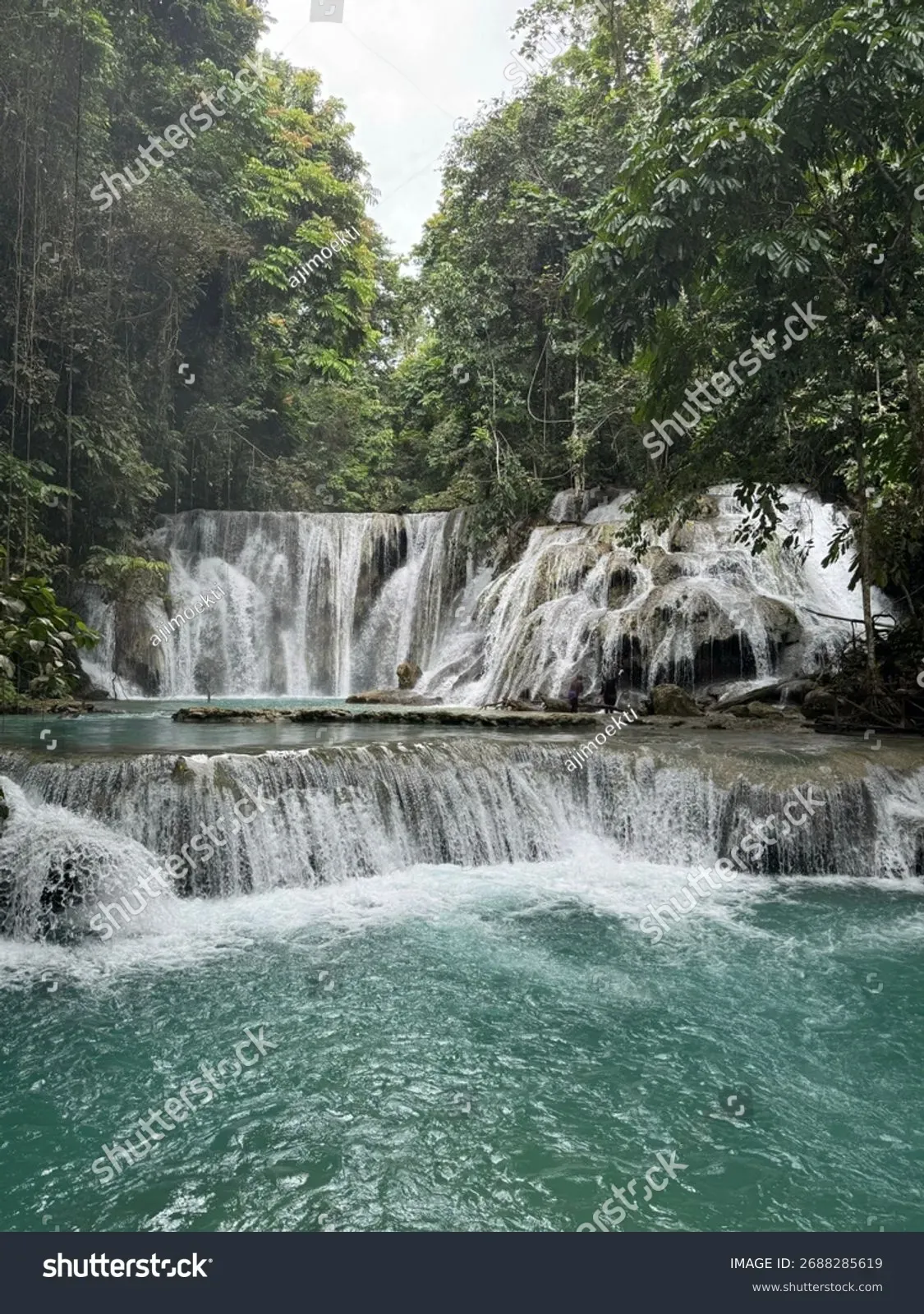
Hidden in the Banggai region of Central Sulawesi is a natural wonder that most international travelers never hear about. Piala Waterfall Indonesia, known locally as Air Terjun Piala, draws visitors with its unreal turquoise cascades, multiple swimming tiers, and quiet jungle setting. Just 15-20 minutes from Luwuk City, this multi-tiered waterfall offers something genuinely rare in Southeast Asian travel: a spectacular cascade where you won't be fighting through selfie sticks.
What makes Piala Waterfall Indonesia worth the trip
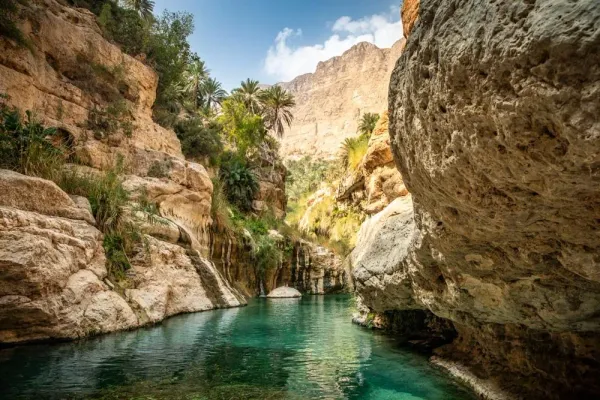
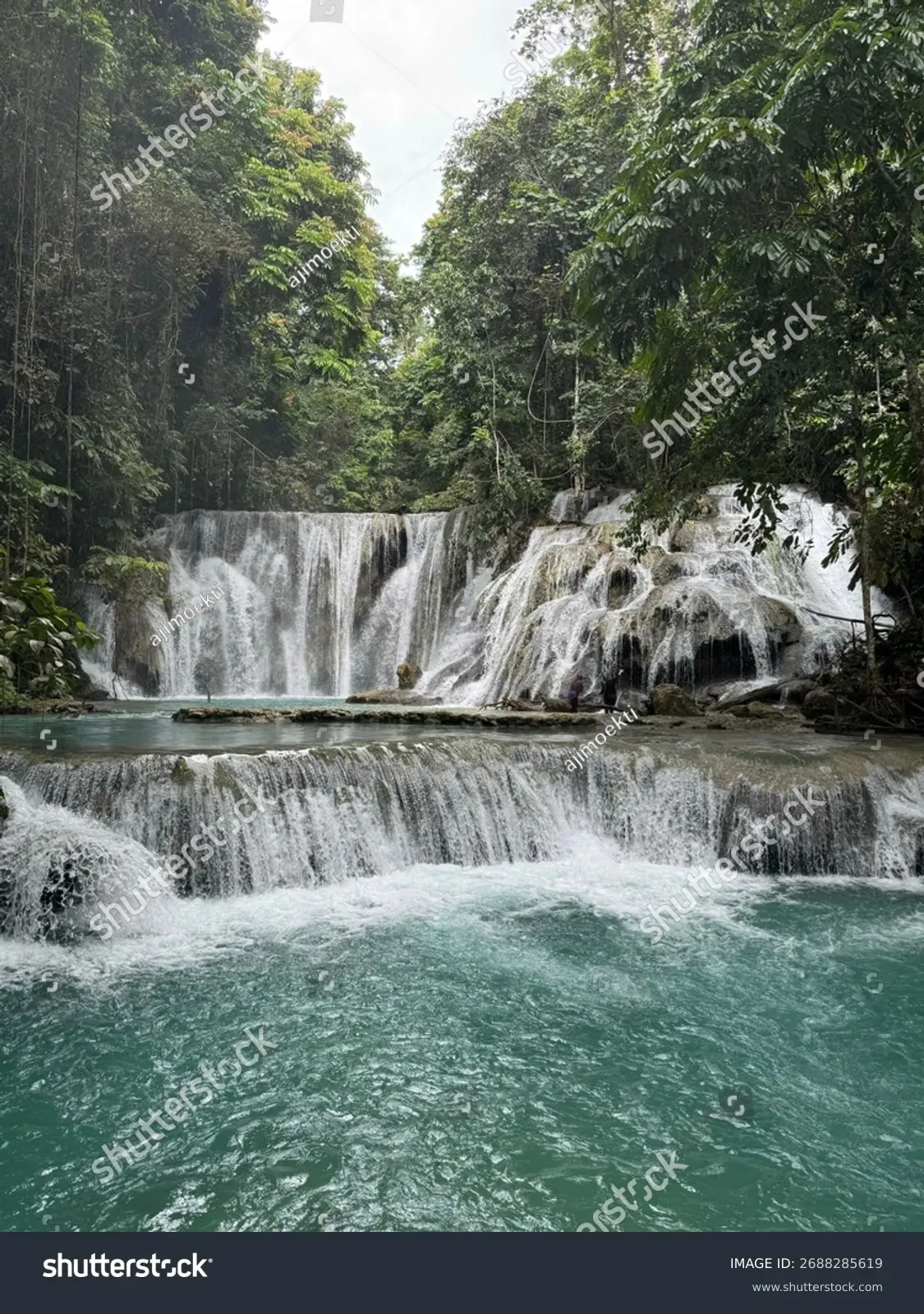
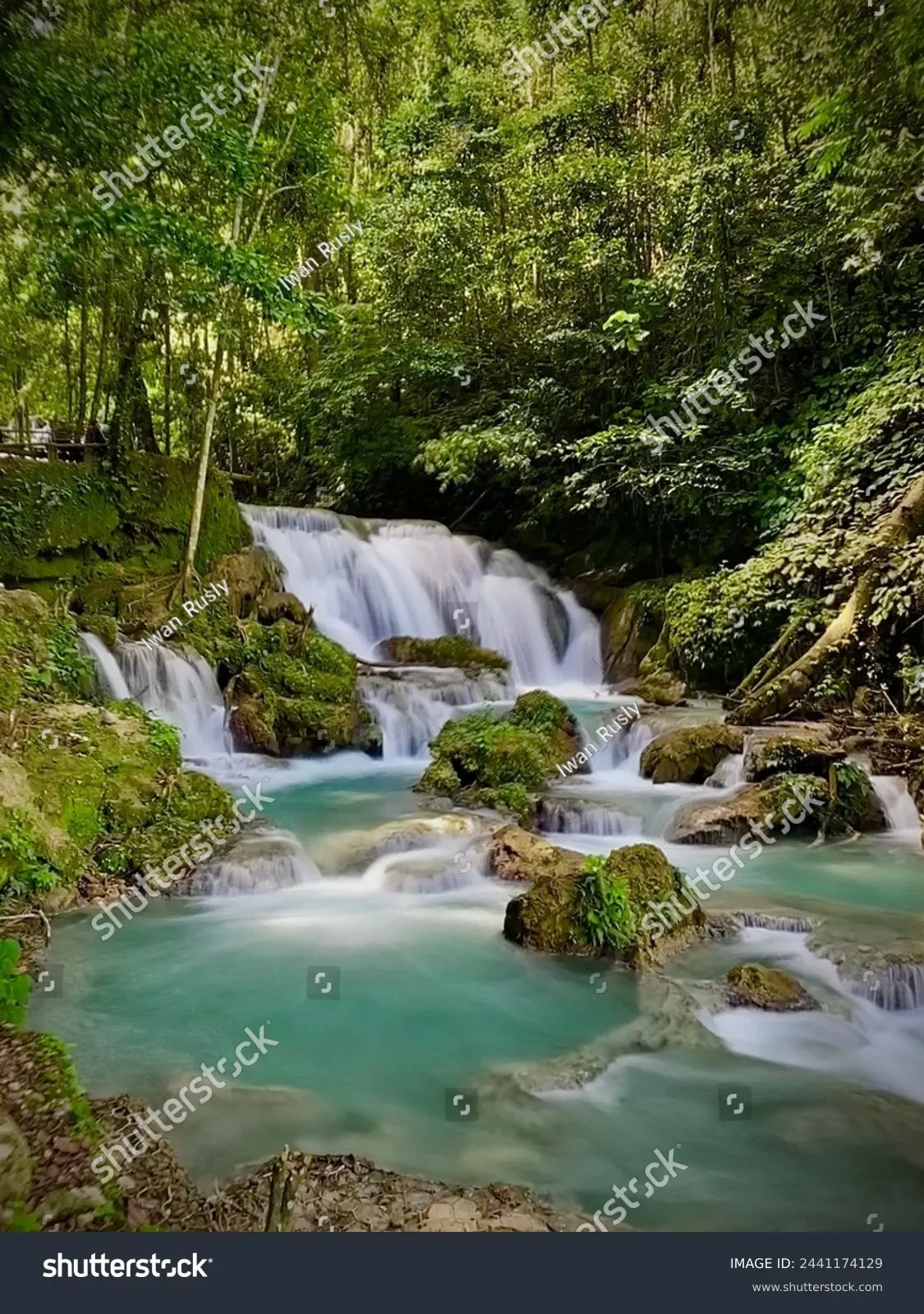
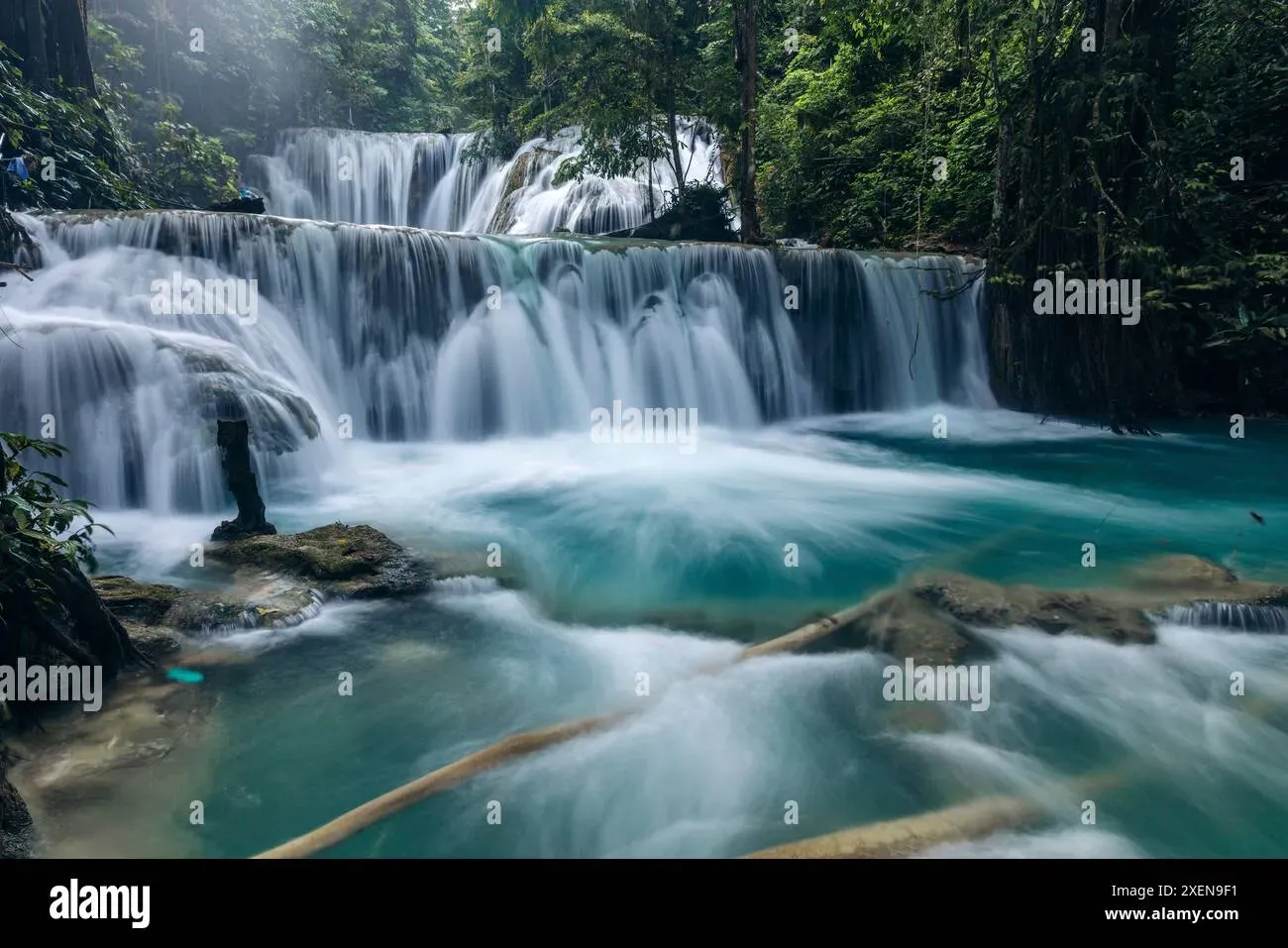
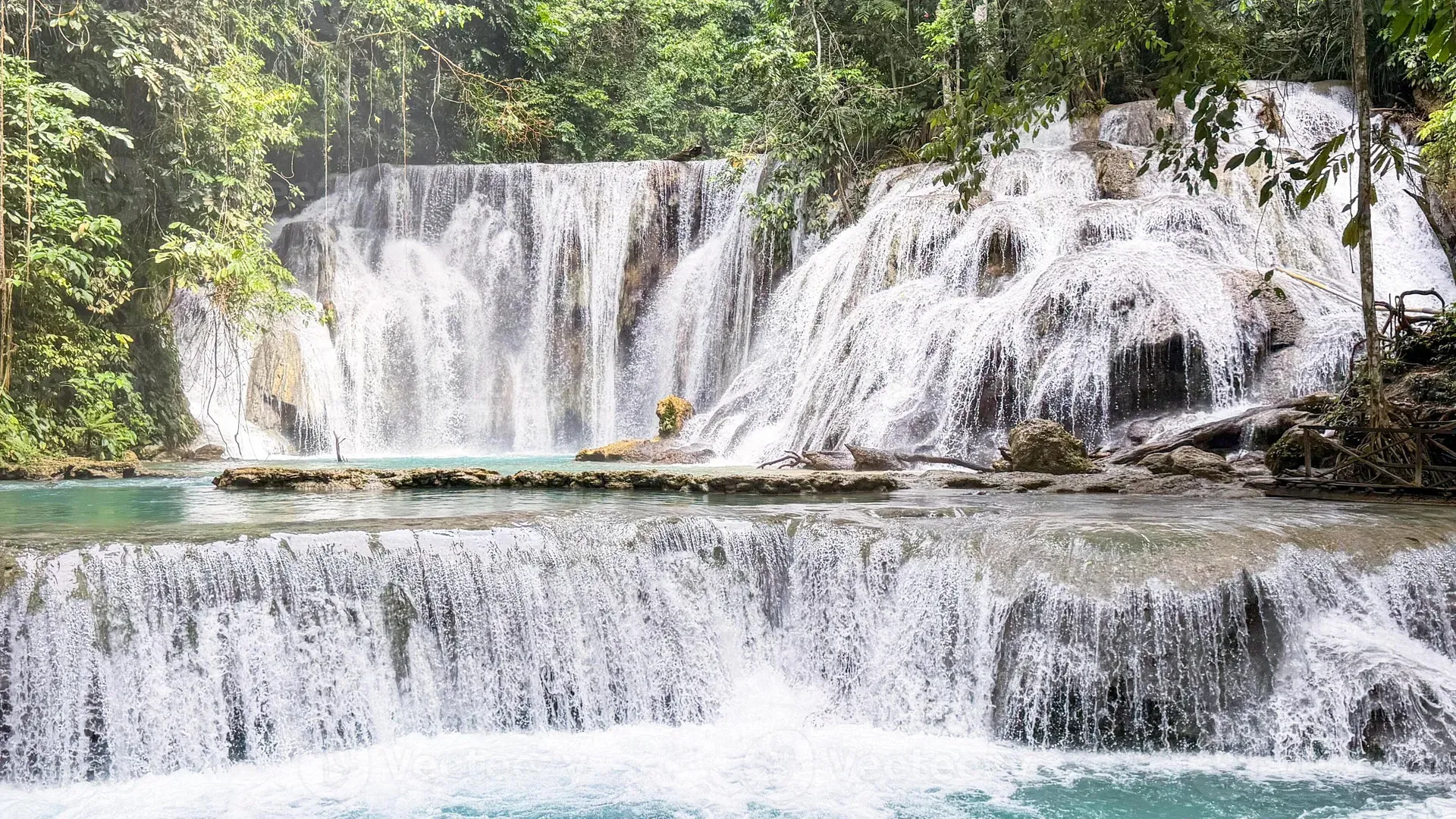
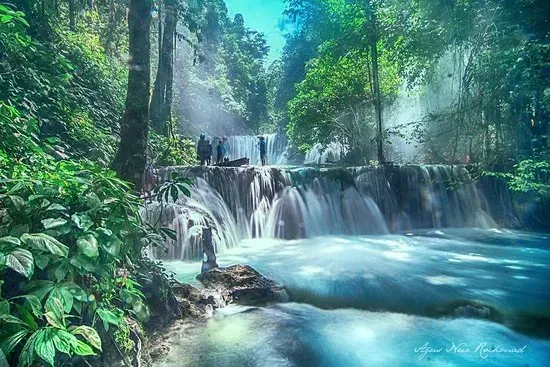
The water hits you first. That turquoise glow seems almost artificial, like someone dumped food coloring upstream. It isn't. Unlike the packed waterfalls of Bali or Laos's Kuang Si, Piala keeps an authentic, untouched feel where you hear cascading water and Sulawesi birds instead of recorded music and vendors. The multi-tiered structure creates natural pools at different levels, linked by pathways that let you scramble between swimming spots.
The falls also supply water to Luwuk City, which partly explains why the water stays clean. Large, shady trees keep the surrounding area surprisingly cool, creating a microclimate that feels like altitude despite the proximity to sea level.
The Piala Waterfall experience
Getting there and entry fees
A rough but manageable road leads to Hanga-hanga Village, the gateway to the falls. Local drivers know the route, and the challenging access actually helps. It keeps crowds thin compared to easier-to-reach waterfalls. From the car park, a short walk brings you to the cascades.
Entry costs IDR 10,000 for foreign visitors (IDR 5,000 for locals), collected by community members who also clean the site. This level of care for cleanliness is unusual at Indonesian waterfalls.
Navigating the tiers
Piala reveals itself in layers. The main falls cascade over rocky steps where you can scramble between levels, finding pools for swimming, wading, or cooling off. The water runs cold. Perfect after the humid approach. Well-maintained pathways make exploring easier, and the multiple levels let groups spread out rather than crowding one pool.
The weather factor
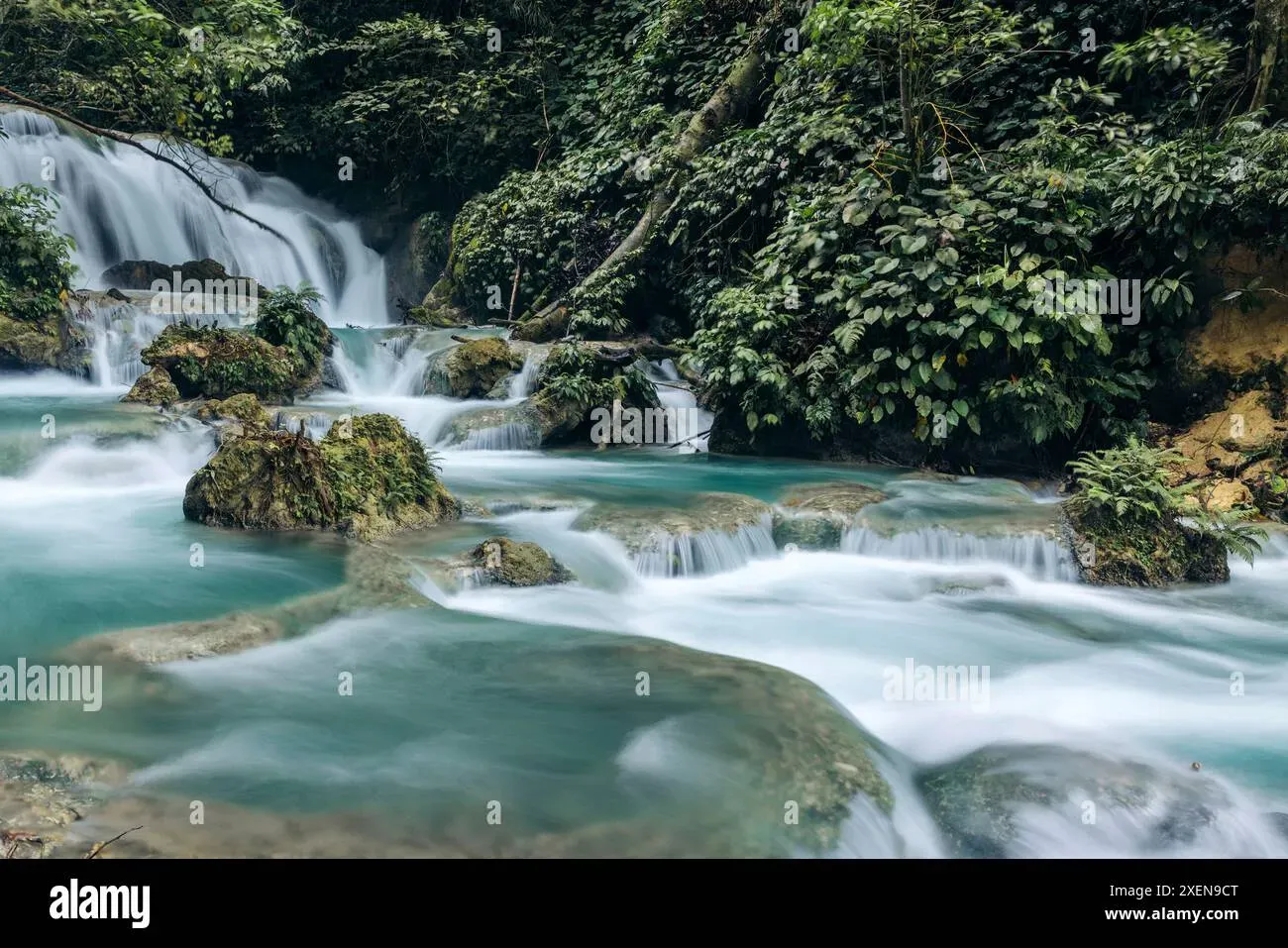
The waterfall changes dramatically with rainfall. Sunshine brings out the best water color. That signature turquoise photographs beautifully in good light. After rain, the falls turn brown but become immensely powerful, thundering down the limestone with serious force. Some days the pools stay calm enough for leisurely swimming. Other times the surge is too strong to enter safely. Check conditions before swimming.
The bridge controversy
A government-built steel bridge now crosses part of the waterfall. It is functional, but it does hurt the natural aesthetic that made Piala so photogenic. Some visitors find it spoils an otherwise pristine view. Photography early in the morning lets you work around this addition.
Practical tips for visiting Piala Waterfall Indonesia
Location and distance from Luwuk
Piala sits in Hanga-hanga Village, a quick 15-20 minute drive from Luwuk City center in Central Sulawesi. The location makes it one of the most accessible natural attractions in the region. Close enough for a morning excursion before an afternoon flight.
Best time to visit
Timing your arrival correctly makes the difference between a great experience and a frustrating one. The waterfall opens at 8:00 AM. Arriving by 8:30 on weekdays rewards you with near-solitude and optimal photography conditions. Crowds build around 11:00 AM and intensify through early afternoon. Weekends and national holidays see the area packed with local families and Indonesian tourists traveling through Luwuk en route to Banggai Islands or Togean Islands. Monday through Friday mornings deliver the most peaceful experience.
The dry season (April through October) generally offers more predictable conditions, though the falls remain spectacular year-round. Early visitors also get the best light for capturing that turquoise water before the sun shifts.
What to bring
Pack modest swimwear if you plan to enter the pools. Respecting conservative local culture matters. Sturdy water shoes help with slippery rocks and mossy surfaces. Bring water and snacks, as facilities are minimal, and use reusable containers rather than single-use plastic. The community collects trash, but minimizing your waste respects the ecosystem that also powers two micro-hydroelectric plants along the route.
Things to do at Piala Waterfall
Beyond swimming and photography, the experience includes scrambling over rocks between tiers, enjoying the cooling breeze from the cascades, and spotting renewable energy infrastructure. The area contains micro-hydro power plants that supply electricity to Luwuk, making this a rare example of sustainable energy coexisting with tourism.
Important visitor notes
Some sections occasionally close for renovation, so flexibility helps. The water runs consistently cold, which most visitors find refreshing but worth preparing for. If recent rainfall has turned the water brown rather than blue, appreciate the raw power of a swollen falls rather than feeling disappointed. It is a different but equally impressive experience.
Why Piala Waterfall Indonesia stands out
Piala Waterfall represents what adventurous travelers actually want: authentic natural beauty, minimal crowds, accessible location, and the feeling of discovery. The bridge detracts slightly from the wild aesthetic, but the core experience stays intact. Turquoise waters, jungle serenity, and the rare luxury of having a world-class waterfall largely to yourself.
Arrive early, respect the environment that serves an entire city, and prepare for one of travel's most satisfying discoveries.