Lake Linow Indonesia: The Color-Shifting Crater Lake
Lake Linow Indonesia is a volcanic crater near Tomohon where waters shift from turquoise to emerald to milky green with the light. A genuinely offbeat stop in North Sulawesi.
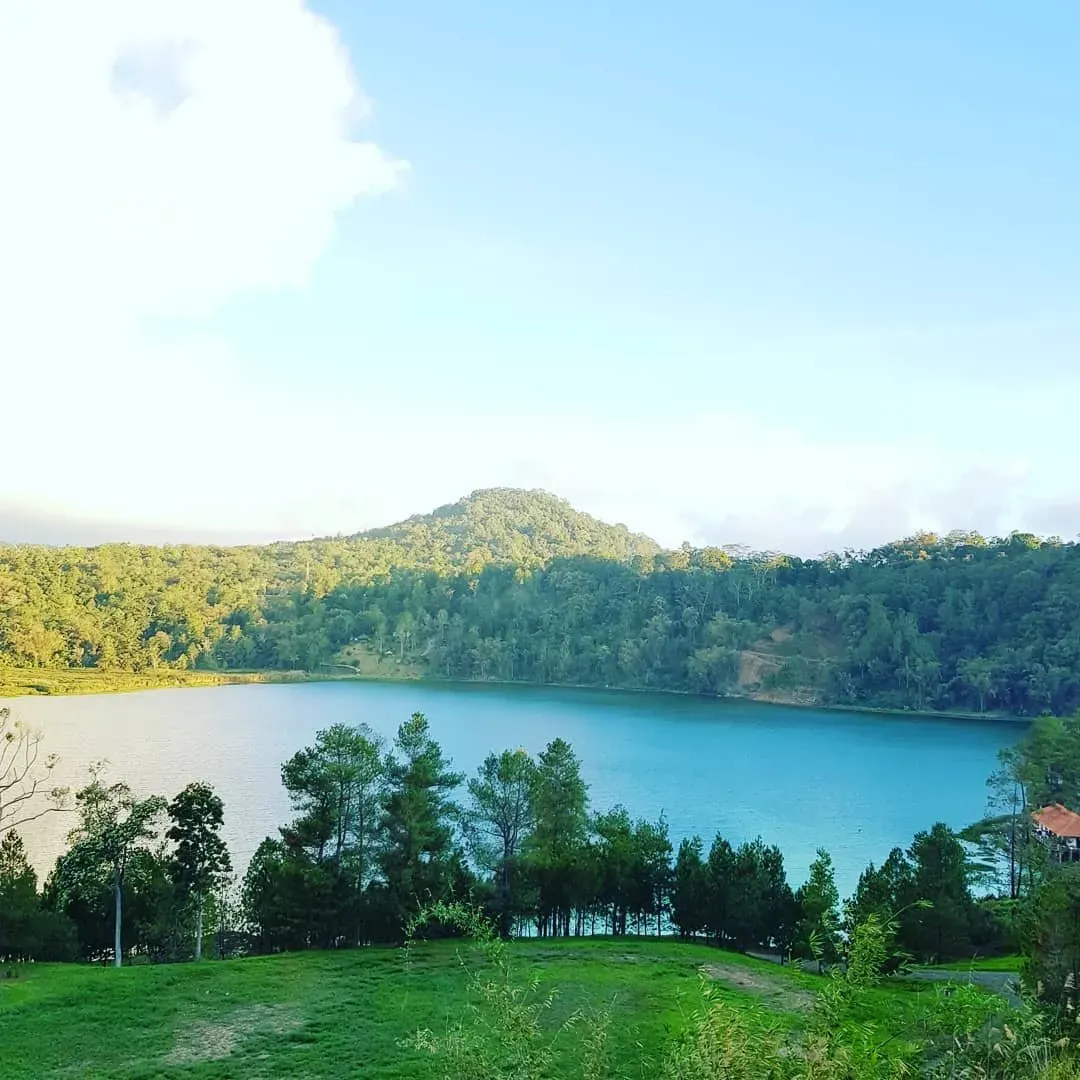
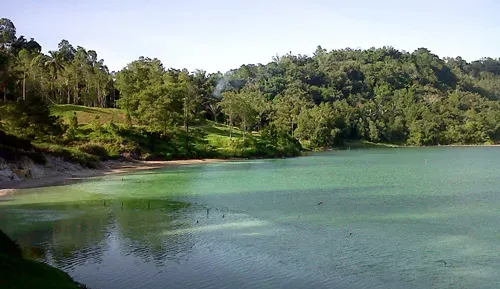
Most travelers heading to North Sulawesi come for the diving around Bunaken. Lake Linow Indonesia, just outside Tomohon, is a completely different kind of stop. It's a sulfurous volcanic crater whose water refuses to settle on a single color: on any given morning, the surface can shift from vivid turquoise to deep emerald, then to milky green or even a curious chocolate-yellow, all depending on the angle of the sun and the concentration of minerals bubbling up from below. It's the kind of place that genuinely rewards slow observation. Geothermal chemistry and tropical light do most of the work, and the result feels almost alive.
What makes Lake Linow Indonesia so special
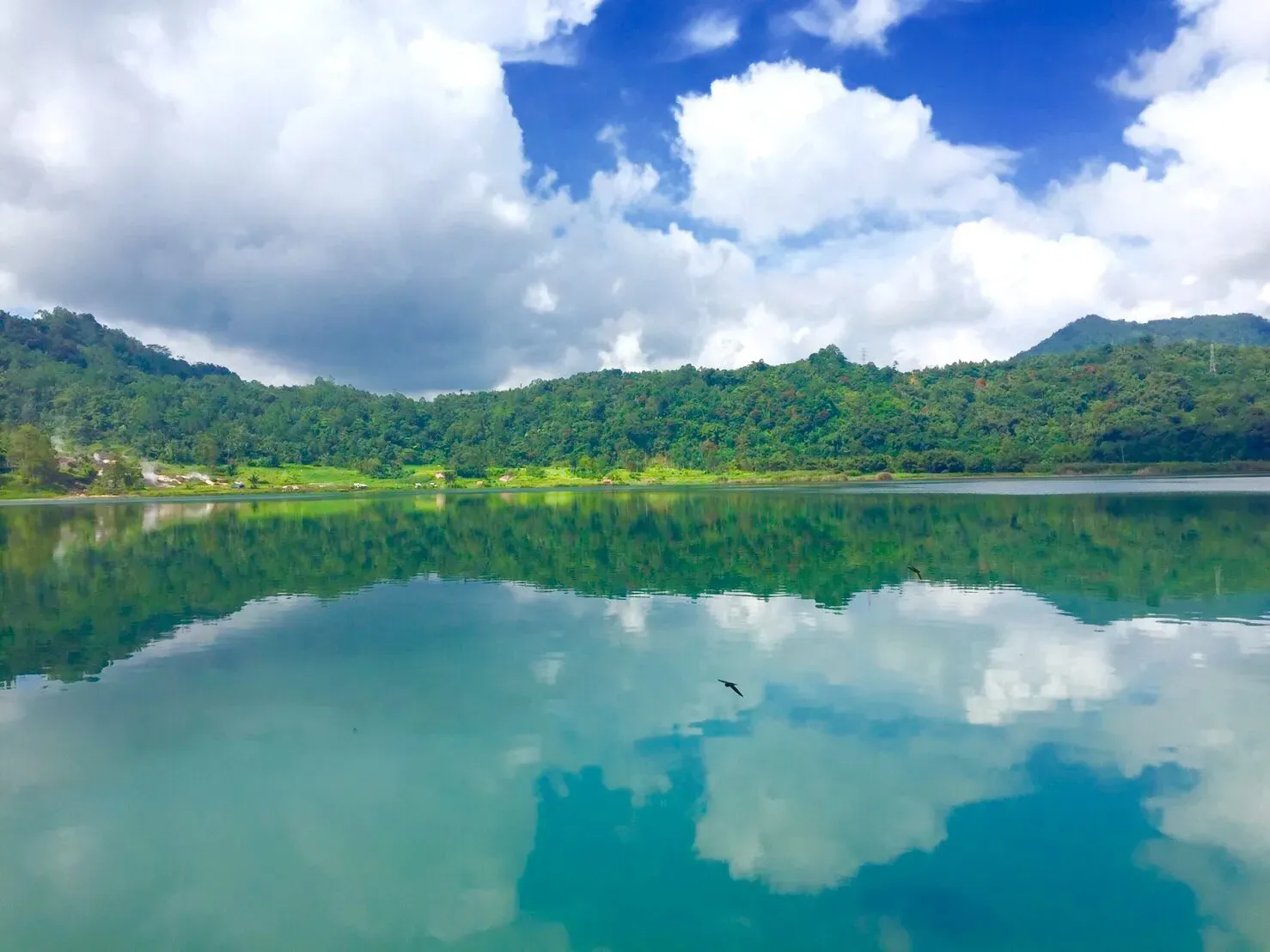
What sets Lake Linow apart from Indonesia's other volcanic lakes is the sheer unpredictability of its color palette. The water cycles through shades of green, blue, and a choco-yellow tint depending on the sunlight and the sulfur concentration at the time. On a calm morning with low crowds, the color reaches its most vivid, almost luminous intensity. By midday, the same surface can take on an entirely different character as the light shifts overhead.
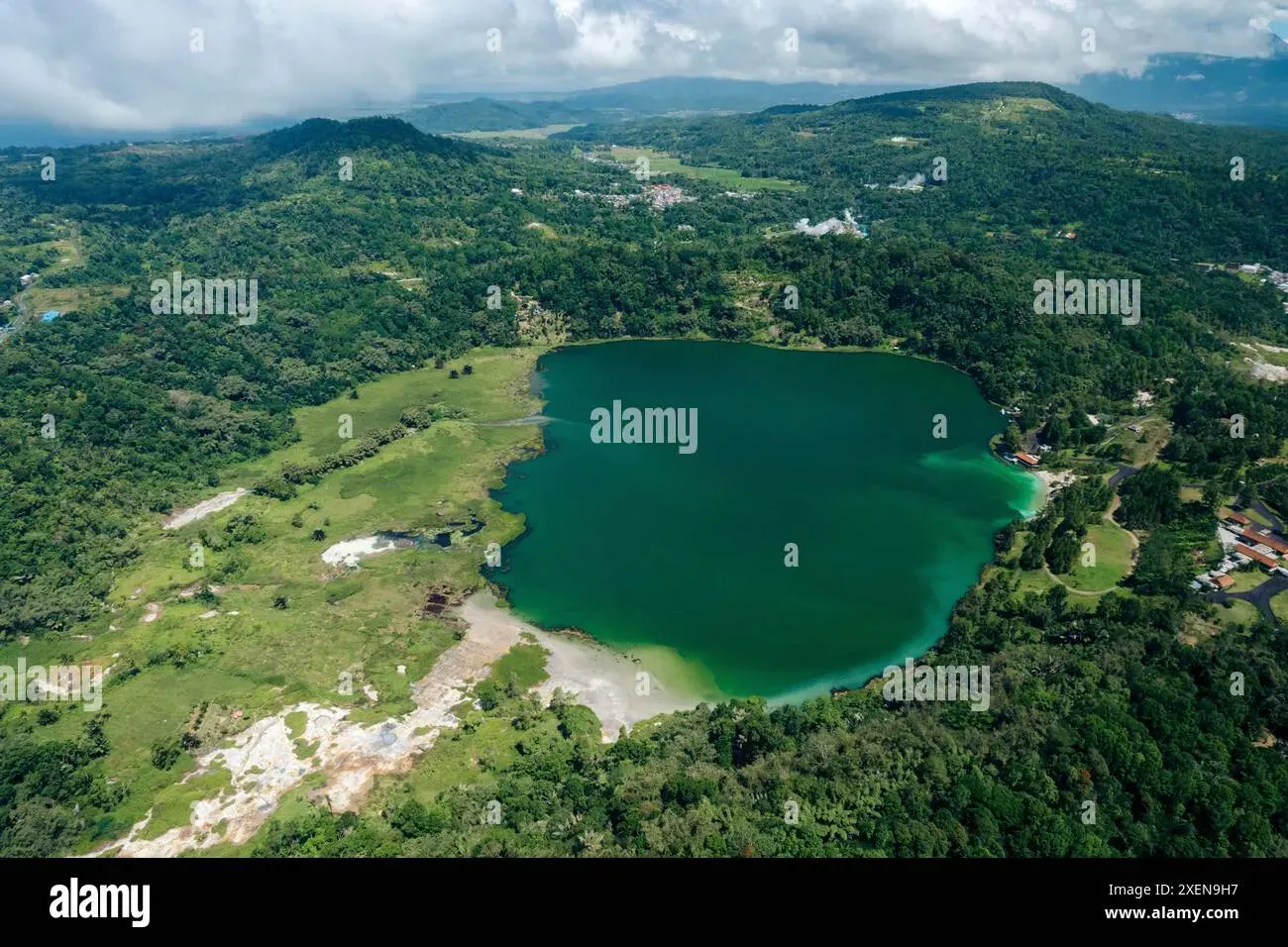
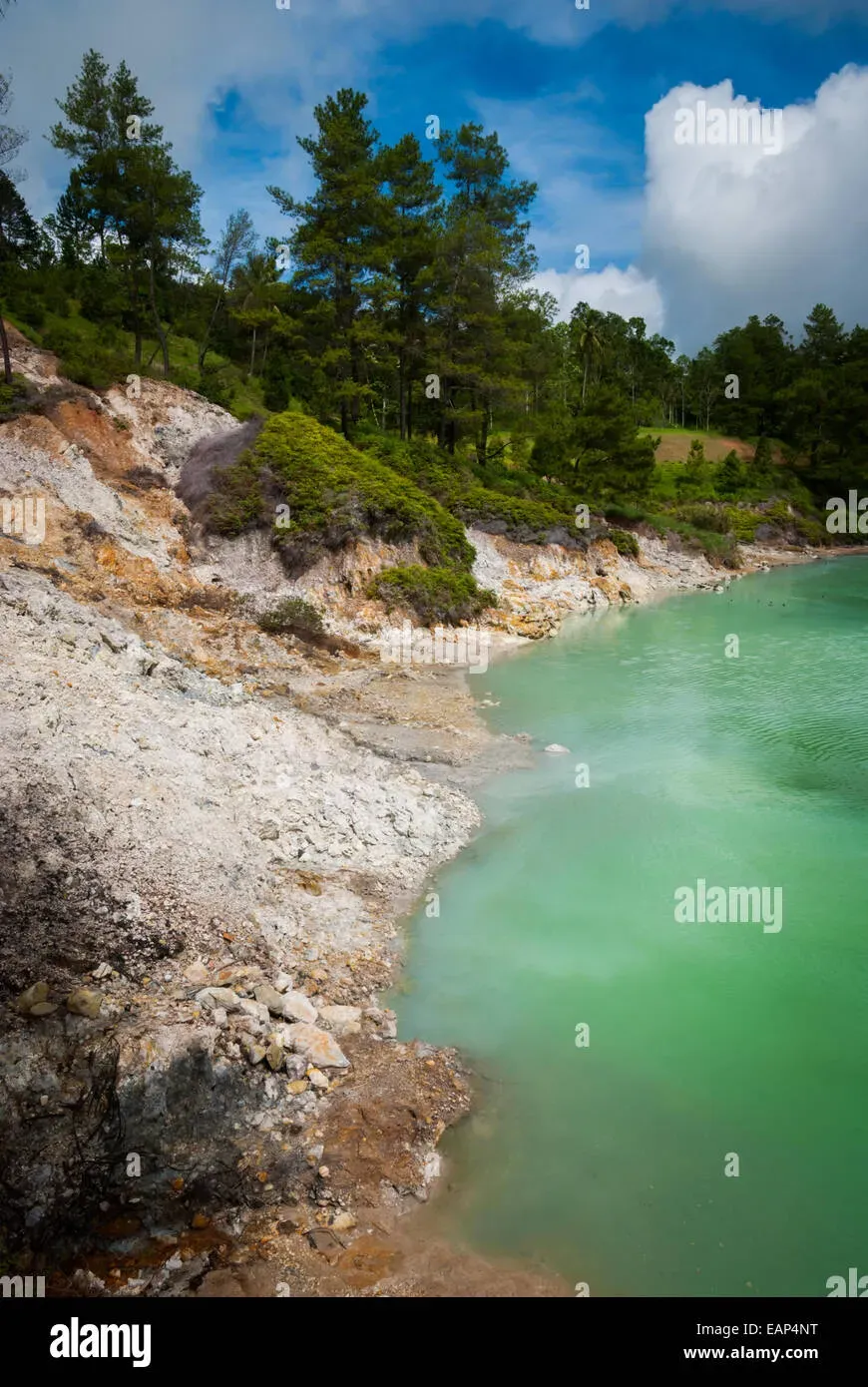
The lake fills an old volcanic crater, and sulfur is scattered throughout the basin, which is why that distinctive rotten-egg aroma greets visitors the moment they arrive. The sulfur also gives the water its unusual coloration. Highland temperatures keep the air cool and crisp year-round, and a light mist often hovers above the surface, lending the whole scene a quiet, almost otherworldly feel. For anyone craving a genuinely off-the-beaten-path experience in Indonesia, this place delivers well beyond its modest size.
Planning your Lake Linow travel guide
Getting there and entry
Lake Linow sits about 3 km from the center of Tomohon and roughly an hour's drive from Manado, the capital of North Sulawesi. Public transport to the lake is essentially nonexistent, so renting a car from Manado or arranging a private driver is the practical choice.
Entry is refreshingly affordable. The base admission is around IDR 25,000 per person, with an additional IDR 5,000 government retribution fee bringing the total to IDR 30,000 (some recent visitors report paying IDR 35,000). A car parking fee of IDR 4,000 applies on top. The price includes a complimentary cup of hot tea or coffee, which is a welcome touch given the highland chill.
Lake Linow things to do: the color-changing waters
The ever-shifting palette is the main event. Visitors can watch the surface transition from a rich emerald green to a vivid turquoise, and occasionally to a dark yellow or chocolate hue, all within a single morning. The colors depend on how sunlight interacts with the dissolved sulfur and other minerals, and the most brilliant displays tend to come in the early morning, when the light is soft and the air is at its freshest.
After ten minutes at the shoreline, the sulfurous smell becomes background noise, something the senses simply adjust to. What remains is the visual spectacle and the cool, clean highland air that makes extended viewing genuinely pleasant.
Boardwalks, cafés, and viewpoints
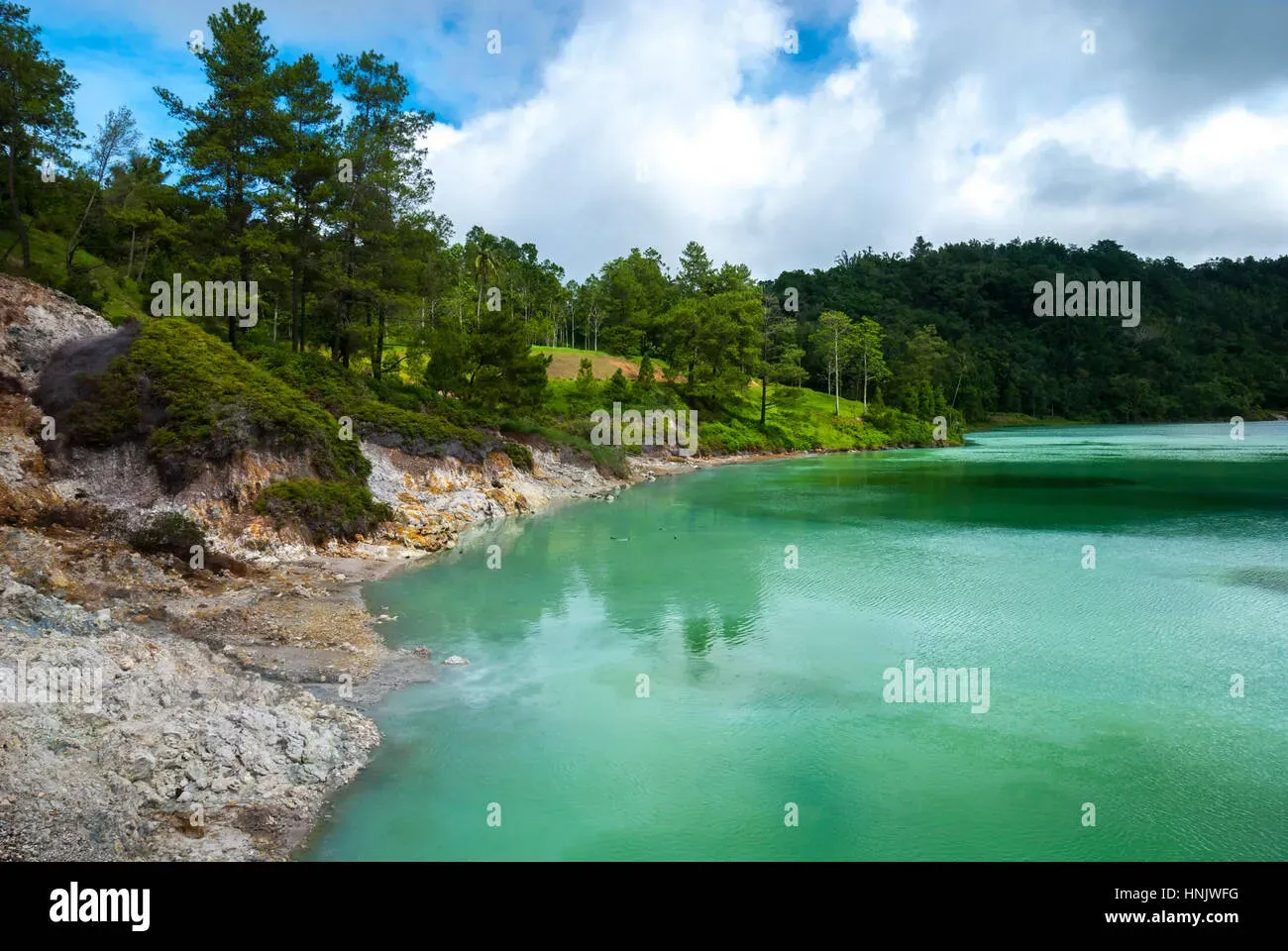
Wooden boardwalks and viewing platforms trace portions of the shoreline, letting you get close to the lake without disturbing the fragile mineral-rich water. They offer prime vantage points for photography and quiet contemplation.
The on-site café and restaurant sit just beside the lake, with balcony seating that puts the view front and center. It's a great spot to order a hot coffee, a plate of fried bananas (pisang goreng), or a local dish like sambal roa (a spicy North Sulawesi specialty) and settle in for an unhurried afternoon. For Muslim travelers, the kitchen serves halal-friendly food with no pork on the menu.
On the far side of the lake, a quieter area accessible by road has small bungalows and a stairway leading closer to the water. Entry to that side is just IDR 10,000 per person, and the atmosphere there is noticeably more peaceful, ideal for visitors who want to escape the main crowd. A boat that once ran trips around the lake has reportedly fallen into disrepair and is no longer operational.
The secret geothermal spot
For the more adventurous, a local guide can lead visitors to a lesser-known geothermal area tucked behind the main restaurant. This hidden section is where the lake's volcanic character is most raw: bubbling vents, soft and potentially hot ground, and sulfur deposits that hint at the powerful forces beneath the surface. The soil in places can be deceptively unstable, so a knowledgeable local guide is essential, both for safety and for finding the right vantage points. Most casual day-trippers never see this side of the lake, and it is well worth the extra effort.
Practical tips for your Lake Linow itinerary
Arrive early for the best colors and fewest crowds
Morning visits deliver the brightest color saturation and the most peaceful atmosphere. By afternoon, clouds tend to roll in, the light flattens, and bus loads of day-trippers start to arrive. Early birds get the lake at its most photogenic.
What to expect on site
There is no swimming allowed. The water contains high levels of sulfuric acid and is genuinely hazardous to skin, and touching or splashing is not recommended. Beyond the café, the restaurant, and the boardwalk viewpoints, structured activities at the lake are limited; this is primarily a destination for sightseeing, photography, and quiet relaxation rather than adventure. The site is currently undergoing renovation in some sections, and at least one closer shoreline viewpoint has been temporarily closed.
Budget-friendly extras
Your entrance ticket includes a free hot beverage (coffee or tea), which doubles as a practical way to warm up in the cool highland air. Local snacks like pisang goreng (fried bananas) are worth trying alongside the coffee and pair nicely with the misty lake view.
Where to stay near Lake Linow
For a free and arguably better view, consider riding a scooter down the hill on the far side of the lake. The lower elevation brings you closer to the water, where the color reads more vividly in photographs. The bungalow area on that side (IDR 10,000 entry) is another underrated option for travelers who want to linger in peace, surrounded by nothing but tropical greenery and the shifting water.
Current site conditions
Toilet facilities near the lake are in need of maintenance, and trash management on the grounds could be improved. Bringing a small rubbish bag for personal waste is a considerate practice for any visitor hoping to see the site preserved. The entrance fee has crept upward over recent years, which has drawn some criticism from repeat visitors. The current price point feels on the steep side for families, so factor that into your Lake Linow travel planning.
Best time to visit Lake Linow, Tomohon
The dry season from June to September offers the most reliable weather for a Lake Linow visit. Clearer skies mean stronger sunlight, which brings out the most intense color shifts in the water. Mornings during these months are especially rewarding: crisp air, low humidity, and a near-empty shoreline. Outside the dry season, rain and overcast skies can mute the lake's colors considerably, though the misty conditions have their own moody appeal for photography enthusiasts.
Final thoughts
Lake Linow is not a destination packed with activities or elaborate infrastructure, and that is honestly its main appeal. It's a place to slow down, sip a hot coffee on a cool highland morning, and watch a volcanic lake shift through its quiet color show. The greens and turquoises, the faint sulfur breeze, the wooden boardwalks over still water, and the occasional glimpse of a hidden geothermal vent combine into something grounding and quietly spectacular. For travelers exploring North Sulawesi beyond the usual diving routes, Lake Linow Indonesia belongs firmly on the itinerary.