Huilo Huilo Reserve Chile: Hidden Patagonian Paradise
Huilo Huilo Biological Reserve Chile offers turquoise waterfalls, hanging bridges, and ancient rain forests without the crowds. Here's what you need to know before you go.
Discovering Southern Chile's Secret Rainforest Sanctuary
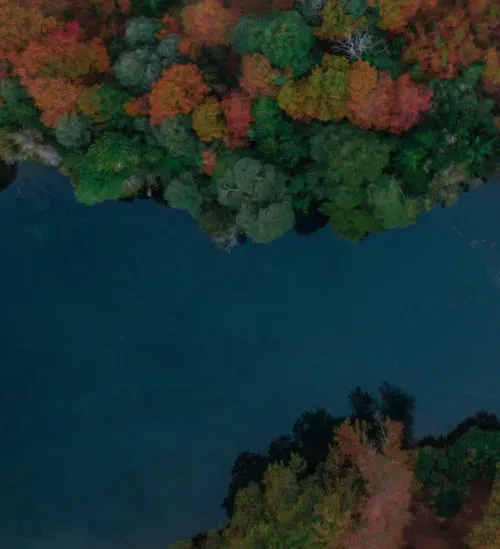
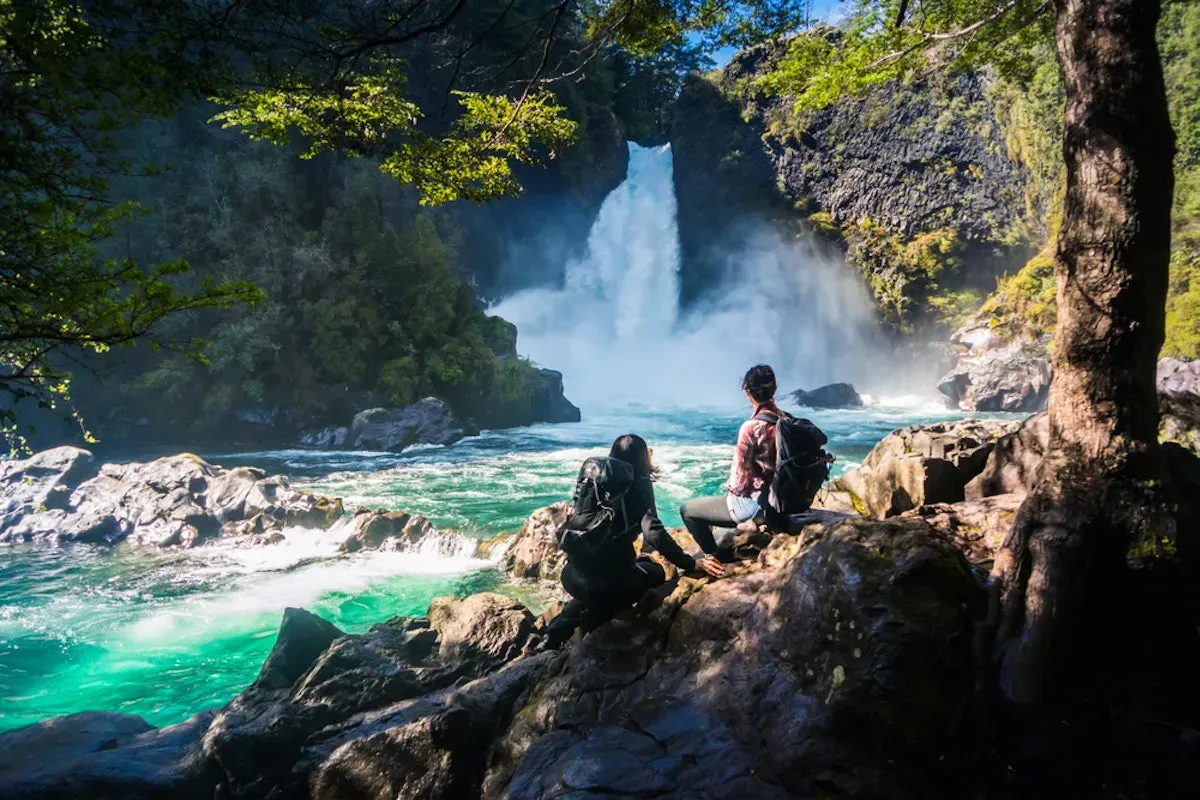
Huilo Huilo Biological Reserve Chile sits tucked away in the Los Ríos Region, a Patagonian spot that somehow stays off most tourist maps. This is temperate rainforest like nowhere else on the continent: ancient coigüe and ulmo forests shelter waterfalls like Salto Ventisquero, volcanic landscapes frame everything, and hand-carved wooden hanging bridges lead you through moss-draped trees and past crystalline turquoise rivers. While the crowds fight for space at Torres del Paine, travelers who venture here find a private sanctuary where deep forest mystique meets raw Patagonian wilderness.
What makes Huilo Huilo Biological Reserve special
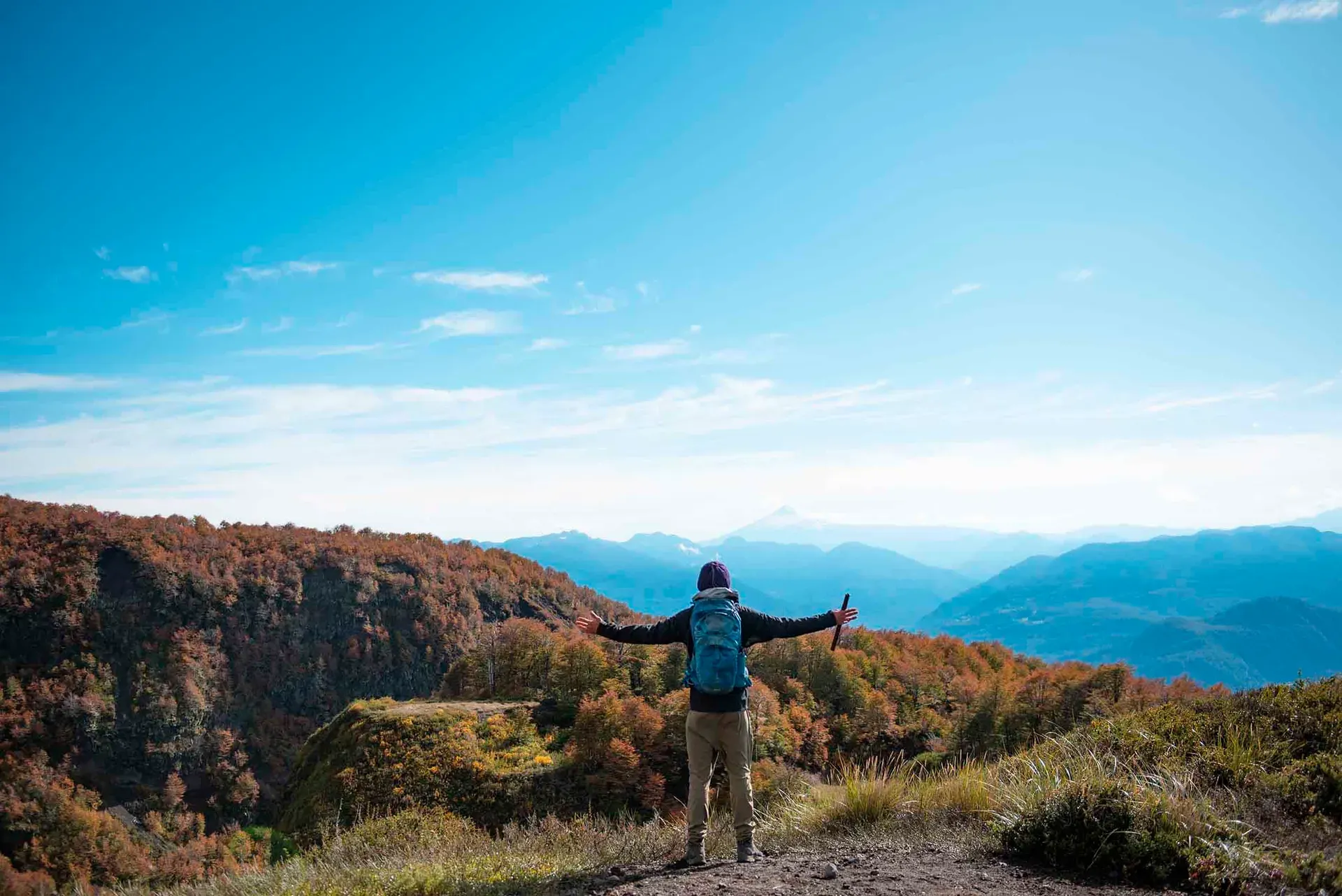
This 600 km² private nature sanctuary feels genuinely magical, like walking into a storybook. Pristine temperate rainforest, cascading waterfalls with turquoise waters, and whimsical architecture create a fairytale atmosphere found nowhere else in Chile. Well-maintained trails wind through moss-draped forests where wooden walkways, stairs, and bridges blend with the surroundings. Unlike many Patagonian destinations drowning in crowds, Huilo Huilo keeps a peaceful quality that lets you actually sink into the experience.
Things to do in Huilo Huilo Biological Reserve
Exploring the waterfalls
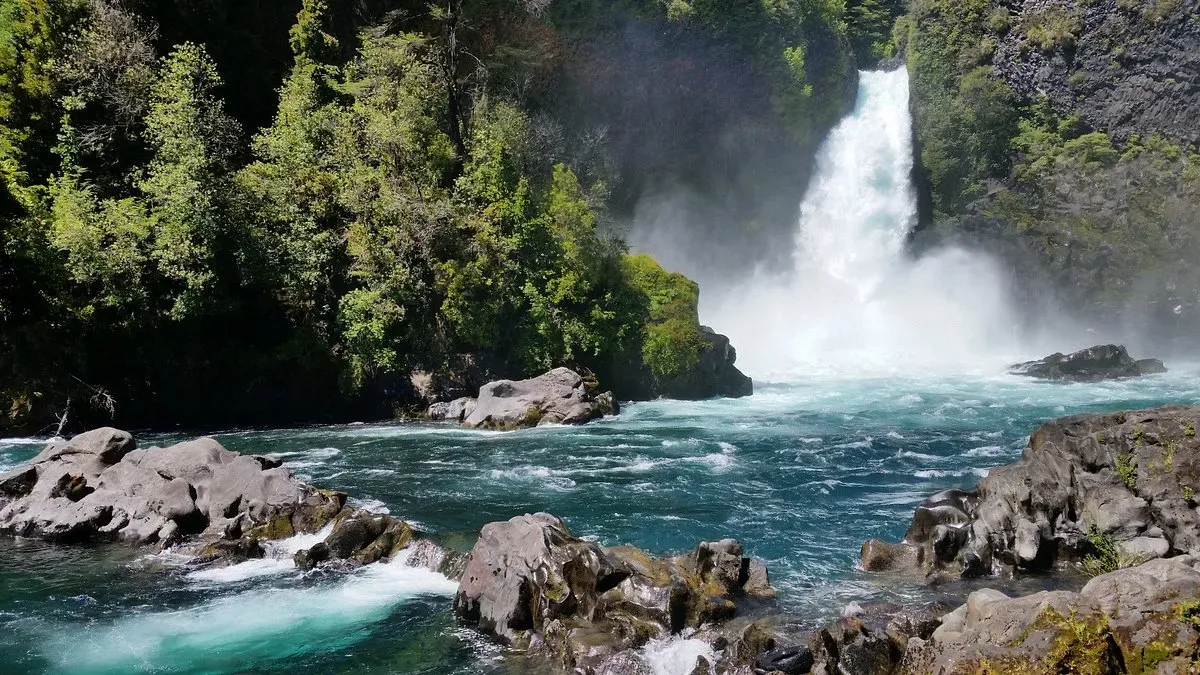
The waterfalls are undeniably the stars of the show. Salto Huilo-Huilo drops into turquoise pools surrounded by thick vegetation, creating picture-perfect moments at every viewpoint. Multiple waterfall viewpoints are accessible via a practical combo ticket system that covers all major sites. The paths leading to these aquatic wonders have recently benefited from maintenance investments: stairs, bridges, and walkways now feel secure and well-built.
Wildlife encounters in the forest
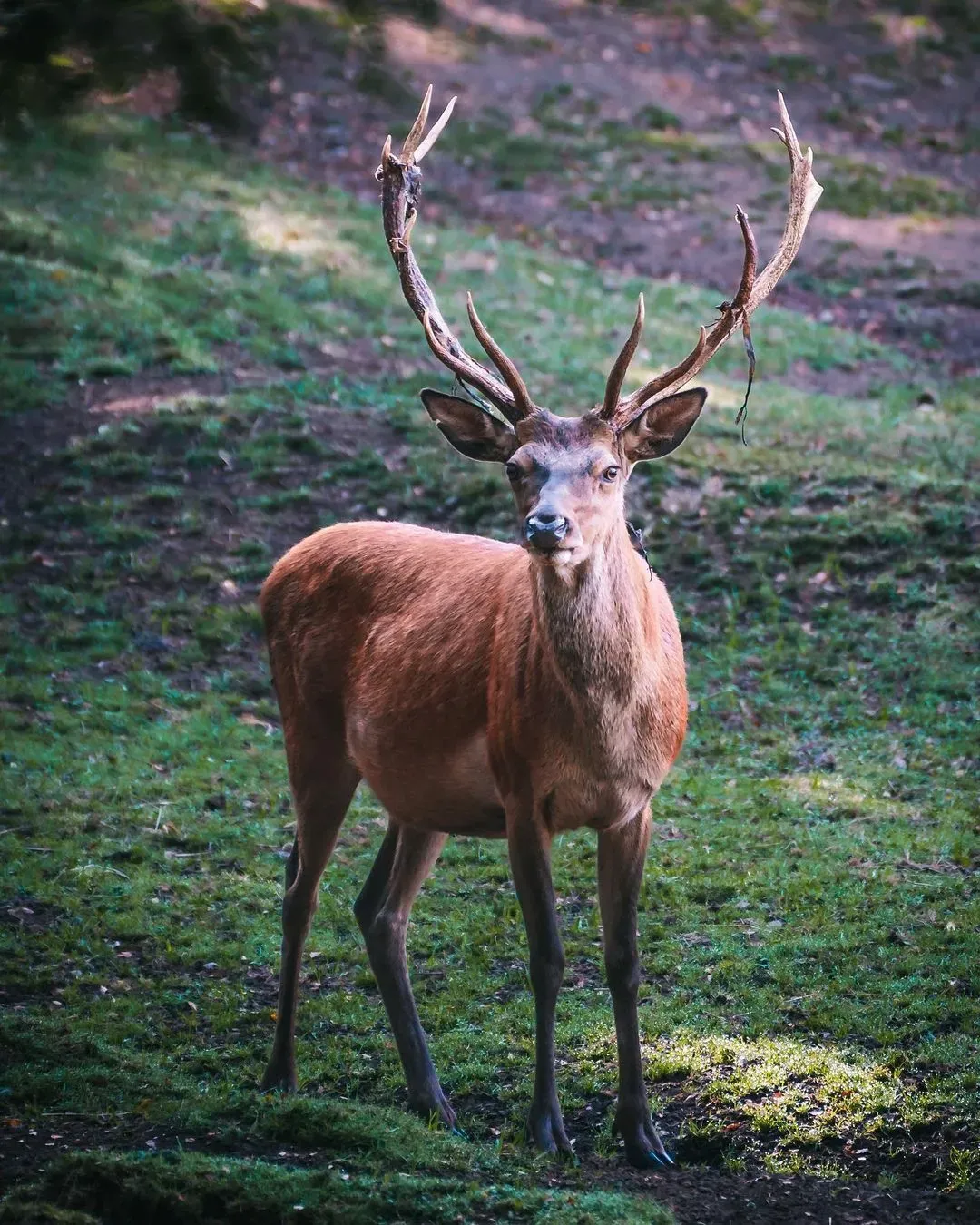
Wildlife watching ranks among the most rewarding activities here. The elusive pudu deer, one of the world's smallest deer species, roams the forest floors. Patient observers may spot these charming creatures among the moss-covered undergrowth. Information panels throughout the trails detail the forest's diverse inhabitants, though they need maintenance. Some visitors report animal observation opportunities at dedicated lookouts, while others note the frustration of finding facilities closed or animals in enclosures.
Hiking the rainforest trails
The trail network accommodates all fitness levels, from gentle boardwalk strolls to more challenging forest treks. The reindeer forest trail remains particularly popular: about half an hour of hiking through dense woodland before reaching interesting exhibits. Be prepared for authentic conditions. Paths are worn "au naturel" with exposed roots and rocks creating the genuine rainforest experience.
The hanging bridge network
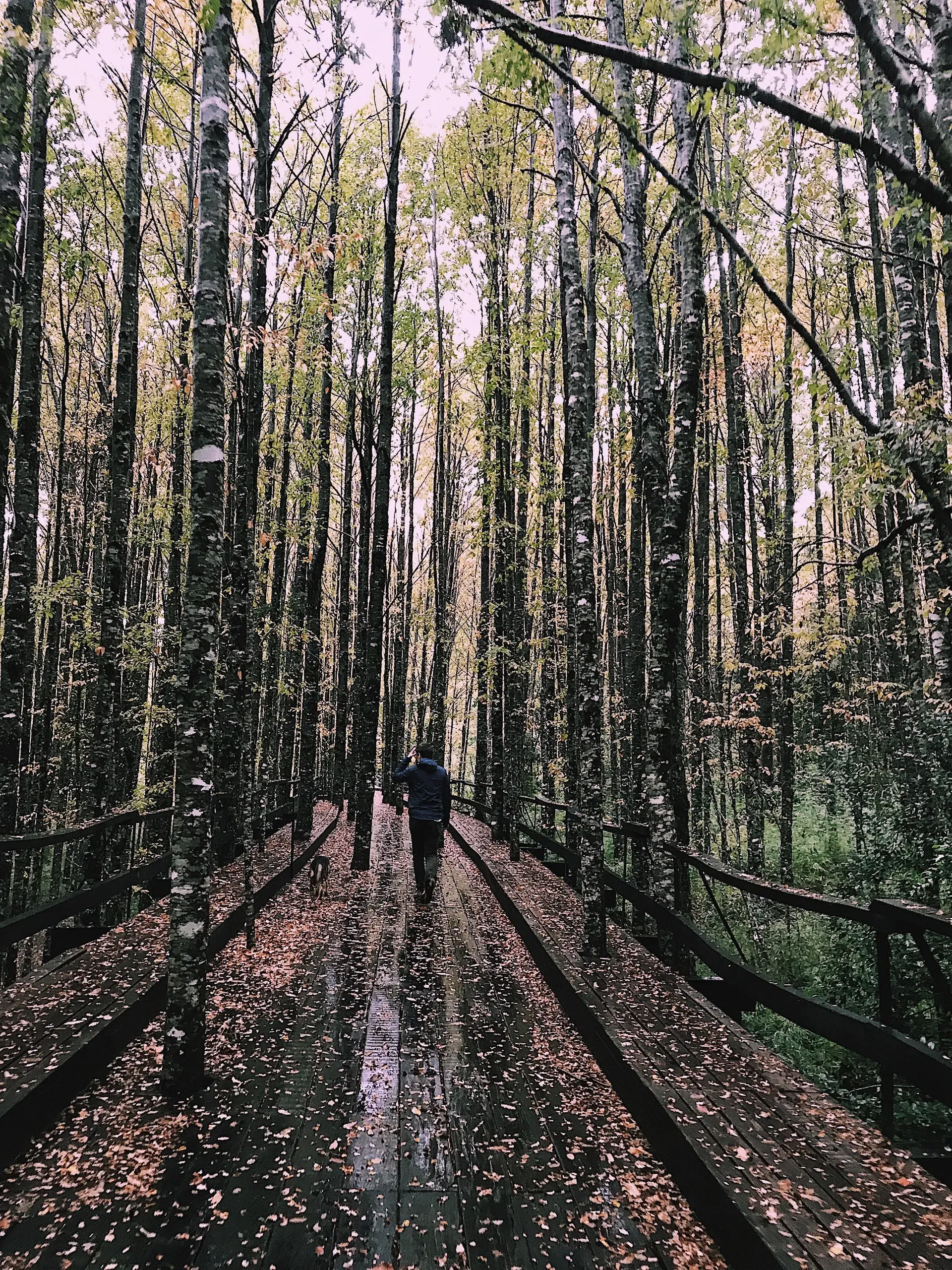
Hand-carved wooden bridges weave through the mossy forest canopy, creating elevated pathways that offer unique perspectives on the ecosystem below. These wooden walkways and raised paths allow you to traverse the reserve while minimising impact on the delicate forest floor.
How to get to Huilo Huilo Biological Reserve
The journey to this remote sanctuary forms part of the adventure. Located northeast of the Mocho-Choshuenco volcano, the reserve sits on an international gravel road connecting Panguipulli with San Martín de los Andes in Argentina.
For those arriving from the west: from Puerto Fuy, depart Chile route 203 and board the Barcaza Hua Hum, a ferry that crosses Pirihueico Lake in approximately 90 minutes. After arriving at Pirihueico, the last Chilean outpost before the Hua Hum Pass, you'll continue toward the reserve entrance. The nearest town, Neltume, sits just outside the reserve boundaries.
This remote location necessitates careful planning. The gravel roads, ferry crossings, and isolated setting create a sense of pilgrimage that makes arrival feel genuinely rewarding.
Where to stay in Huilo Huilo Biological Reserve
The reserve offers several distinct accommodation options, each with dramatically different price points and experiences.
The fairytale hotels
The famous Montaña Mágica room captivates visitors with its unique architecture, though taller travelers should be aware that the low ceilings (concerning for anyone over 1.88 meters) may pose discomfort. The Nothofagus Hotel provides alternative lodging with forest views, though some rooms on upper floors during warm weather suffer from heat accumulation and inadequate insulation.
Alternative options
Private cabins scattered throughout the reserve offer more independent experiences, while a backpacker lodge welcomes budget-conscious adventurers. Many travelers now recommend staying in nearby Neltume or finding Airbnb options in the region, paying standard entrance fees and booking excursions separately while avoiding the premium markups.
The resort experience reality
The hotels operate with a distinctly "resorty" atmosphere that surprises some visitors expecting rustic Patagonian simplicity. Expect wristbands identifying hotel guests, multiple interconnected properties with elevator access, queues at reception and excursion desks, and speakers playing music during dining hours. This Disney-like environment serves families excellently but may disappoint travelers seeking Explora or Tierra-style wilderness luxury.
Huilo Huilo Biological Reserve tickets and pricing
The pricing structure requires careful navigation. A practical combo ticket covers all main sites, representing reasonable value compared to paying individually at each trailhead.
However, cost complaints feature prominently in visitor feedback. Restaurant pricing raises eyebrows: pizzas costing around $30 USD, and dining that some compare to "highway canteen" quality with prices reflecting premium tourism. Additional charges for bathrooms even for paying customers, and campsite fees that don't include basic facilities, contribute to a sense of being nickel-and-dimed.
Hotel packages can reach USD 2,000 for three nights including full board and one excursion, though experiences vary dramatically regarding whether this delivers value.
Best time to visit Huilo Huilo Biological Reserve
The optimal visiting window runs October to March, encompassing spring and summer in the Southern Hemisphere. Summer months bring warmer temperatures ideal for hiking, though some hotel rooms reportedly struggle with heat management during sunny days.
Winter visits remain possible but require preparation for cooler conditions and potentially limited facilities. Peak summer demands advance planning for accommodation and popular excursions like the cable car, which operates limited hours and may sell out.
Practical tips for your Huilo Huilo Biological Reserve itinerary
Planning your day
Arrive early. Trailheads theoretically open at 9am, but staffing and opening times vary unpredictably. Gondola operations start later (10am-11am depending on private bookings), and the café attached to the cable car doesn't open until 1pm. If hiking to the gondola from trailheads, expect approximately 30 minutes of walking before reaching the boarding area.
One day suffices for highlights, though three days allows deeper exploration. Trails accommodate families with young children well: the easy hiking paths and carved wooden sculptures scattered throughout provide entertainment for younger adventurers.
What to expect
The reserve includes a brewery (producing craft beer), various animal habitats, a funicular railway, museum exhibits, and even volcanic caves worth exploring. Walking distances between facilities within the hotel complex can be substantial. Expect to navigate maze-like interconnected properties.
What to bring
Sturdy walking shoes with good grip are essential. Exposed roots and rocks make authentic forest trails potentially ankle-twisting. Summer visitors to upper-floor rooms should inquire about air conditioning functionality, as heat accumulation affects comfort significantly.
Huilo Huilo Biological Reserve travel guide: final thoughts
Huilo Huilo Biological Reserve Chile occupies that rare space between enchanting natural wonder and logistically challenging destination. The rainforest itself, those moss-draped trees, turquoise waterfalls, and quiet forest trails, delivers beauty that matches any Patagonian highlight. Wildlife like the pudú deer and the volcanic backdrop of Mocho-Choshuenco create a setting that's genuinely once-in-a-lifetime.
Yet the visitor experience demands realistic expectations. The "resort complex" atmosphere, inconsistent operational reliability, and premium pricing create friction that sends some travelers away disappointed despite the magnificent surroundings.
The secret to enjoying Huilo Huilo lies in choosing your experience wisely. Come for the extraordinary nature, the fairytale architecture, and the hanging bridges that transport you into another world. Consider staying outside the reserve proper to avoid the wristband-and-queue culture. Bring patience for operational quirks, budget generously, and focus your energy on what truly matters here: the ancient forests, the rushing waterfalls, and the quiet that makes this Los Ríos sanctuary worth every kilometer of the journey.
South of Chile remains captivating, and Huilo Huilo captures that wild magic that keeps drawing travelers deeper into Patagonia's hidden corners.