Isalo National Park Madagascar: Canyon Oasis Guide
Isalo National Park Madagascar hides crystal-clear swimming pools inside desert canyons where ring-tailed lemurs roam ancient sandstone formations. Here's everything you need to plan your trip, from costs to trails.
What to expect at Madagascar's Jurassic park
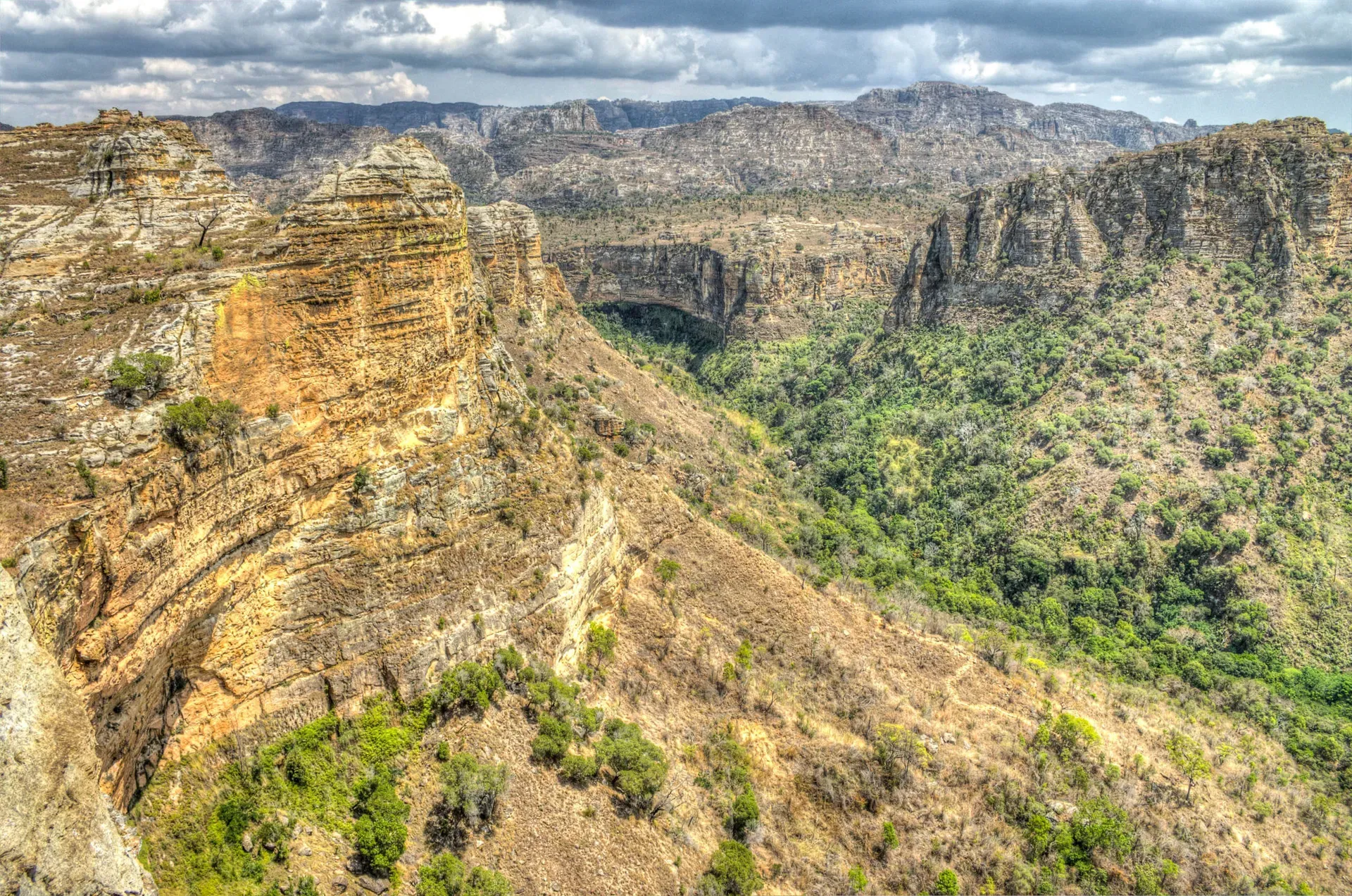
Hidden in southern Madagascar near Ranohira, Isalo National Park covers 815 square kilometers of eroded sandstone formations rising above patches of green. This is dry highland desert that suddenly drops into tropical canyons. Most travelers arrive with no expectations and leave feeling like they have seen something that should not exist on this planet. Isalo National Park Madagascar delivers a strange convergence of harsh terrain and quiet swimming holes, with dramatic shifts that catch you off guard.
What makes Isalo worth the trip
The draw of Isalo is the way it contradicts itself. You hike across sun-baked savannah surrounded by rocks and dry brush, then descend into canyons where clear pools sit beneath waterfalls. The shift from desert to tropical oasis happens without warning. First-time visitors often stop and stare, trying to understand what they are looking at.
Over 500 plant species grow here, including the elephant foot plant and endemics found nowhere else. The park has at least 14 lemur species, from ring-tailed lemurs to sifakas that leap sideways instead of walking. You will also find garta snakes, Madagascan boas, jewel chameleons, spiny-tailed lizards, white-throated rails, and nocturnal animals like tenrecs, owls, and scorpions that guides know how to locate.
This is not Madagascar's typical wildlife tour. Isalo puts the landscape first, animals second. It feels less like a zoo and more like walking through a place that geology forgot to finish.
Hiking, wildlife, and swimming
The trails
Any Isalo National Park itinerary centers on hiking. The trails range from one-hour walks to four-day treks. Most people combine several experiences into a single day.
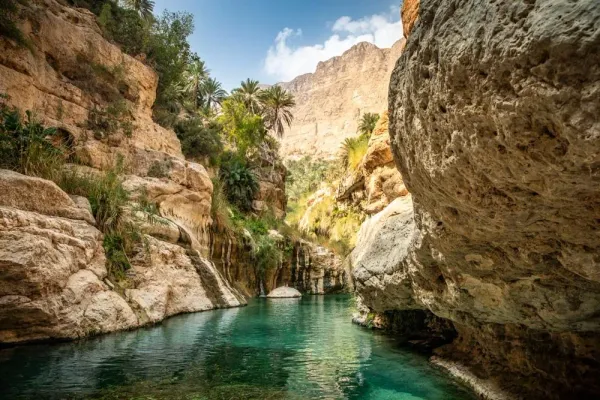
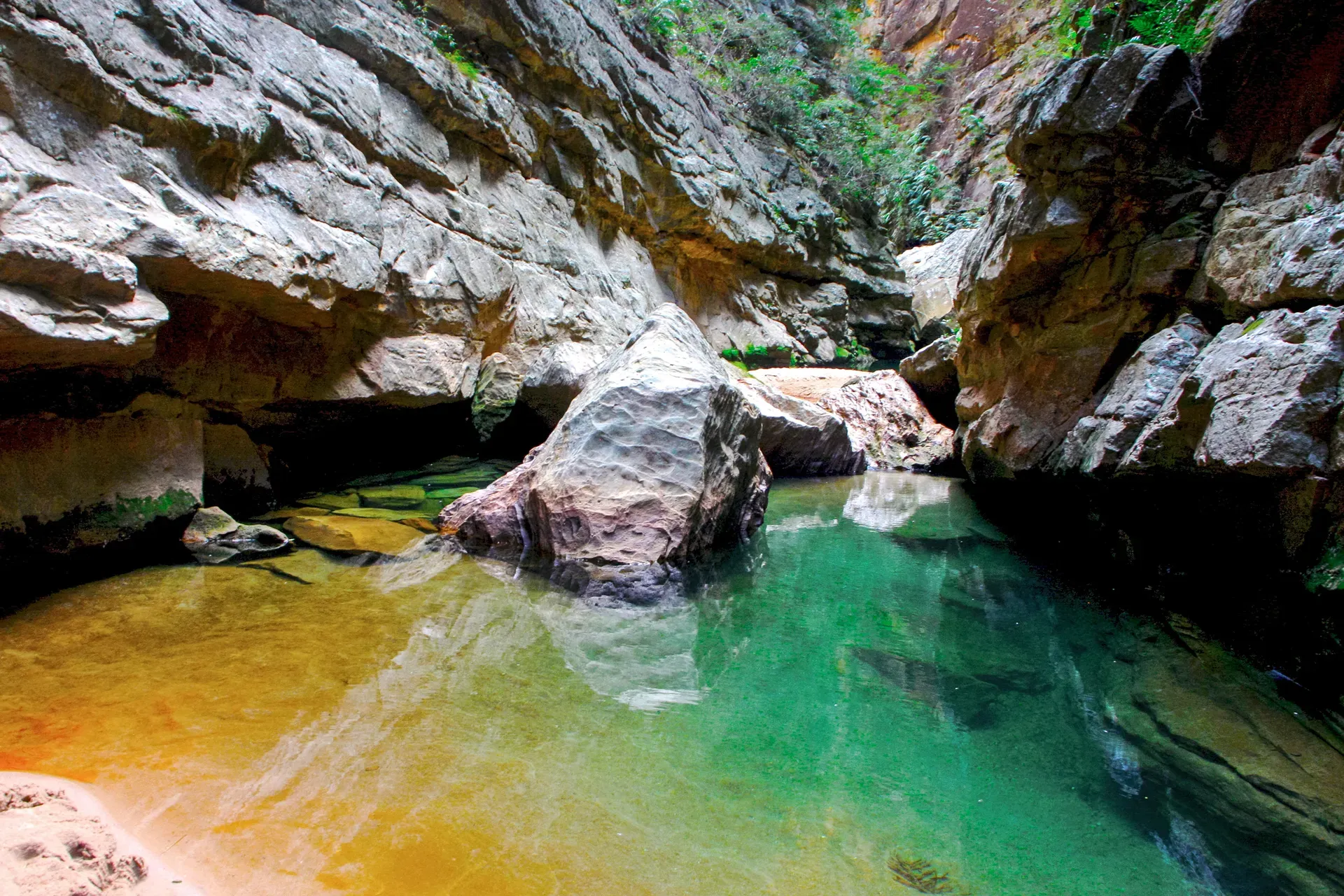
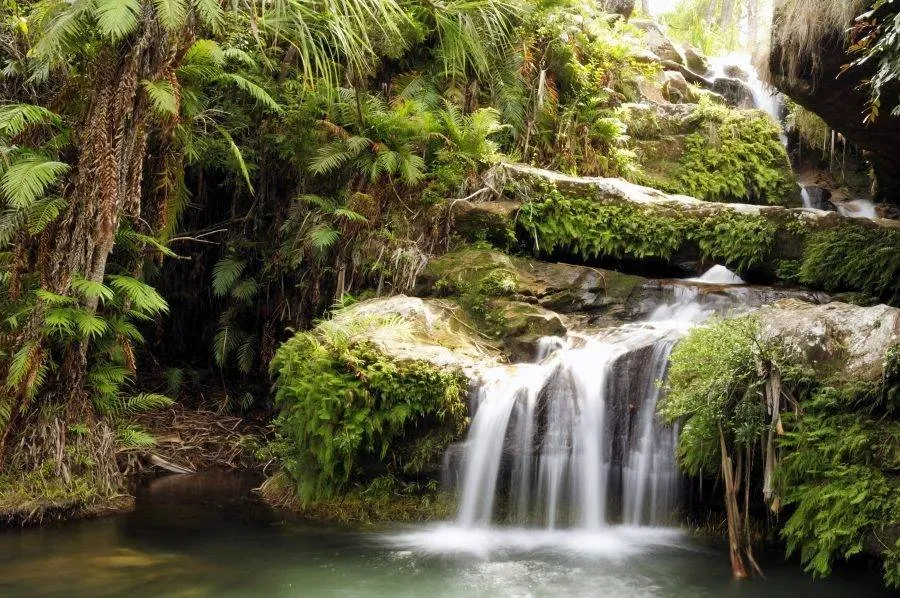
The walk to the natural pools reveals what makes this park strange. Rocky, uneven terrain gives way to hidden swimming holes, clear water tucked inside canyon walls, perfect for cooling off. The water runs cold, a relief after hours under the southern Madagascar sun. Some pools have waterfalls. Sunlight cuts through the foliage and hits the surface in ways that make you reach for your camera.
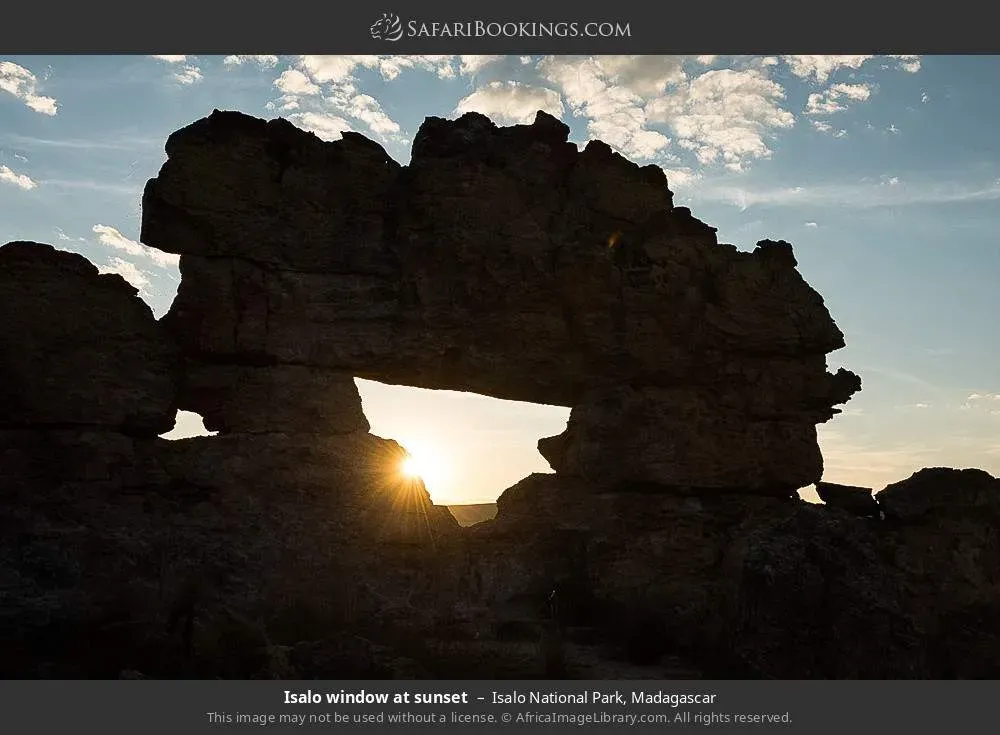
Most visitors take two days. Day one covers the Piscine Naturelle and canyon lakes. Day two goes deeper into the canyons and reaches La Fenêtre, the rock window. If you want actual solitude, multi-day backpacking trips take you far from the day-trippers.
Finding animals
Wildlife spotting here rewards patience and early starts. Ring-tailed lemurs gather near picnic areas, especially around lunchtime. This raises uncomfortable questions about how much these wild animals have been trained to depend on human food. The sifakas, with their sideways leaps, provide the best moments for morning visitors.

For those who care about seeing rarities, the park hides white sifakas, jewel chameleons pressed against sandstone, and scorpions in rock crevices. Good guides spot creatures that you would walk right past.
Camping overnight changes the experience. You wake up with lemurs nearby, hear nocturnal animals after dark, and see the landscape without the midday crowds.
The swimming holes
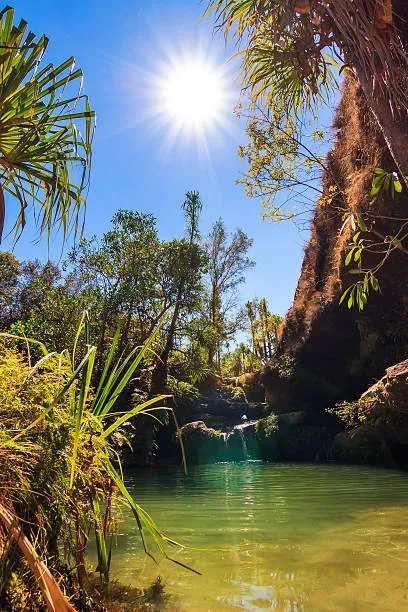
Hiking in Isalo National Park usually ends with a swim. Several natural pools hide in the canyons, each slightly different. The Piscine Naturelle is the most famous, a clear pool surrounded by palm trees and steep canyon walls.
The blue and black pools each have their own character, some deeper, some with waterfalls. All provide the refreshment you need after hours of trekking. The contrast between the harsh exterior and these water-filled canyons never quite makes sense.
For something different, canoe the Onilahy River from Isalo to Benenitra.
Practical information
Budget
Be warned: Isalo National Park Madagascar is the most expensive national park in the country. Costs add up fast. Entrance fees run about 65,000 Malagasy Ariary per person. Guides cost roughly 120,000 Ariary for small groups. Transport runs 100,000 to 150,000 Ariary daily depending on your vehicle.
Solo travelers can spend near $80 USD daily. Traveling with others splits the guide and transport costs.
Is it worth the money?
Despite the price, most people say yes. The landscape justifies the cost on its own. Some visitors feel the wildlife is less abundant than at other Malagasy parks, and the lemur feeding spots feel staged. But the visual drama of the canyons, pools, and rock formations compensates.
This is Madagascar's landscape masterpiece. It is less about checking species off a list and more about standing inside geological strangeness.
Guides
Guides are mandatory and their quality varies enormously. A good guide turns a mediocre visit into something you remember for years. They find rare grasshoppers, point out scorpion hiding spots, know where tenrecs live, show you photography angles, and explain how the rock formed.
Felix comes recommended for his knowledge, stories, and photography help. Niaina organizes camping trips well. Take time to find the right guide. Ask for recommendations before you book.
Where to stay
Options range from basic to surprisingly comfortable. Satrana Resort gets consistent recommendations for stays near the park entrance. For deeper immersion, camp inside the park itself. Bivouac rates stay reasonable and the experience sticks with you.
Some nearby lodges have massage services, welcome comfort after hard hiking.
What to bring
Physical fitness matters. The terrain is genuinely hard: rocky, uneven, occasionally dangerous. Three-day backpacking trips require serious conditioning and confidence in remote navigation. Even day hikes need sturdy shoes with good grip.
Pack swimming gear. Nobody regrets bringing a swimsuit for the pools. Sun protection is necessary in the exposed desert sections. Bring more water than you think you need.
Lunch at the picnic areas works well. Three-course meals cost around 35,000 Ariary and fuel afternoon exploration.
Best time to visit Isalo National Park
The best time to visit Isalo National Park is during the dry season, April through October. Temperatures run between 17 and 25 degrees Celsius, warm enough for swimming, cool enough for hiking. January is possible but requires preparation for harder conditions.
"Busy" here is relative. Even in peak season, Isalo feels empty compared to major international attractions. The solitude adds to the strangeness.
Safety note: Wildfires are real. The 2010 canyon fires destroyed significant areas. Guides know current conditions and safe routes.
Planning your days
Plan for at least two full days. Day one covers the Piscine Naturelle route with canyon swimming. Day two hits La Fenêtre and deeper canyon exploration. If you have extra time, camp overnight to wake up with lemurs and escape the day-trip crowds.
Single-day visits show you the highlights but leave you wanting more. The magic comes slowly: light shifting on sandstone, unexpected animal sightings, the slow realization that you have found somewhere that does not feel like the rest of the world.
Final thoughts
Isalo rewards travelers who push through Madagascar's logistical headaches. The journey requires patience, physical preparation, and serious money. People who make the effort describe it as transformative.
The combination of desert and canyon pools creates a fairy-tale quality. You will feel like you have left the planet. Lemurs peer down from sandstone cliffs. Crystal pools wait in hidden gorges. The modern world feels far away.
For hikers, photographers, nature enthusiasts, and anyone seeking landscapes that do not look real, Isalo delivers something beyond ordinary travel. Pack your swimsuit, find a good guide, and prepare to be surprised.