Yosemite National Park United States: A 2026 Guide
Yosemite's spring waterfalls are flowing at full force in 2026. Here's how to avoid the summer crowds and experience the park's granite cliffs, giant sequoias, and alpine meadows at their absolute best.
Why Yosemite is on Everyone's List Right Now
Yosemite National Park United States belongs on every serious traveler's itinerary. In June 2026, this California park is seeing a surge of visitors rushing to catch the waterfalls at peak spring flow before summer crowds arrive.
The park covers 3,081 square kilometers across the Sierra Nevada. Three days here doesn't feel like a vacation; it feels like something your body actually needs. The landscape shifts from dawn to dusk, giving you endless chances to wander, whether you hike hard or just want to sit by a river and look up at granite walls.
What actually makes this place special
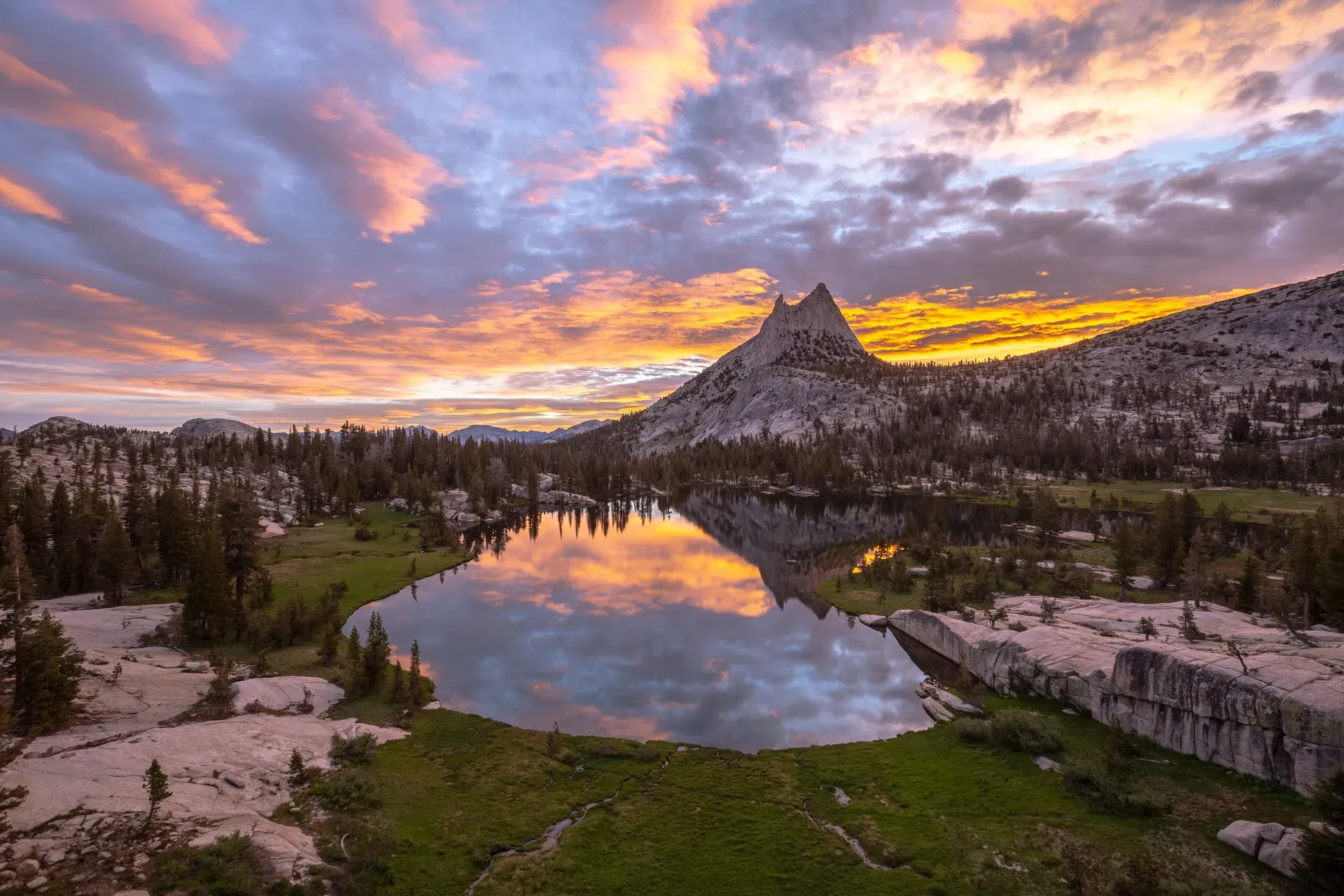
The contrasts in Yosemite feel almost unfair. El Capitan and Half Dome rise thousands of feet above meadows and river valleys. Giant sequoias that have stood for centuries watch over hikers below. Waterfalls shift from thundering spring torrents to thin summer ribbons.
Each season hits different. Autumn turns the forests gold and bronze. Spring carpets meadows with wildflowers beneath snow-capped peaks. The valley floor gives you accessible beauty, while higher elevations offer views that stretch across the Sierra wilderness. From the heights of Glacier Point to the groves of Mariposa, every corner invites you to stop and stare.
When to plan your trip
The timing that actually works
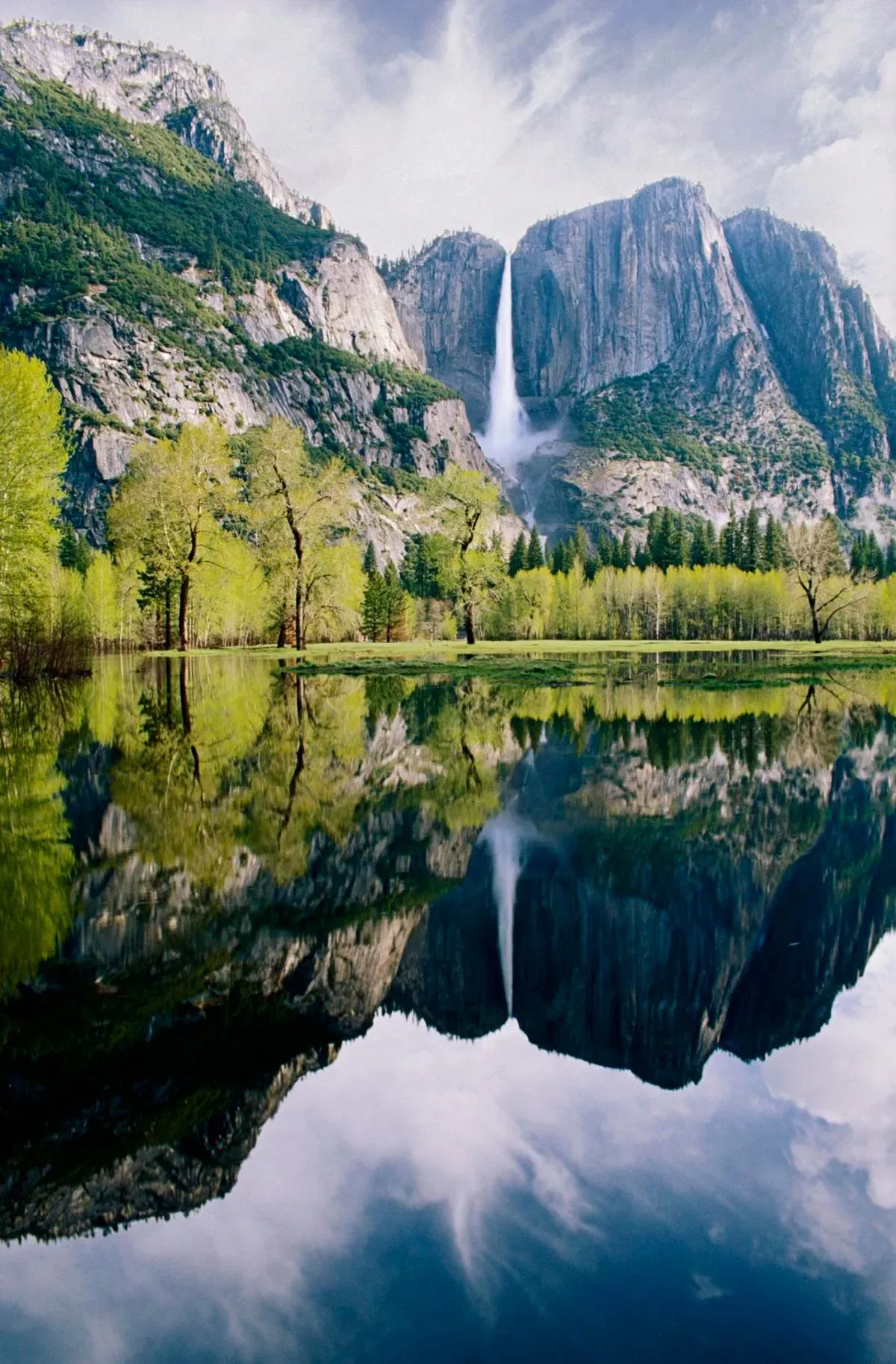
Late spring and early autumn are your best bets. May through June gives you the most dramatic waterfalls as snowmelt feeds the cascades, though early spring means possible snow and unpredictable weather. September through October brings comfortable temperatures, fewer people, and forests full of fall color.
Summer requires some thought. The park stays open, but you deal with intense heat, reduced waterfall flow, hazy viewpoints, and packed parking lots. The $35 entry fee per vehicle is reasonable for what you get, and the pass stays valid for three consecutive days.
Entry logistics you need to know
Vehicle reservations are now essential for peak periods, especially holiday weekends. Online booking through the official system often lets you enter before 2 PM, while visiting mid-week cuts down wait times at entrance stations. Arrive when gates open around 6 AM. You'll get better parking near trailheads before the lots fill.
Getting around the valley and beyond
Viewpoints and scenic drives
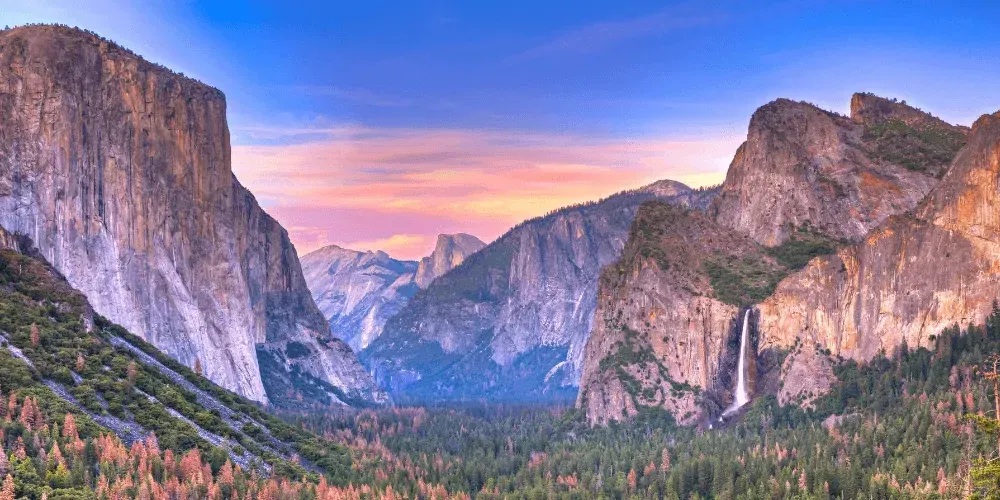
Much of Yosemite unfolds from your car along the main corridor, a winding route that stretches over 100 kilometers through the wilderness. Pullouts at designated viewpoints frame shots of El Capitan, Half Dome, and Bridalveil Fall that have defined landscape photography for generations.
Glacier Point Road is the sunset destination you need. As evening light hits the granite walls in rose and gold, the overlook shows you the entire valley spread below. Half Dome presides over Vernal and Nevada Falls, with the Merced River threading through meadows far beneath. The drive demands your attention: narrow, winding roads with limited safety barriers require focus, especially with traffic sharing these mountain routes.
Hiking here hits differently
Yosemite accommodates every fitness level, from paved trails suitable for strollers to serious backcountry routes. Trail pamphlets categorize routes by difficulty, which helps you pick appropriate adventures rather than relying on phone searches or limited trailhead signage.
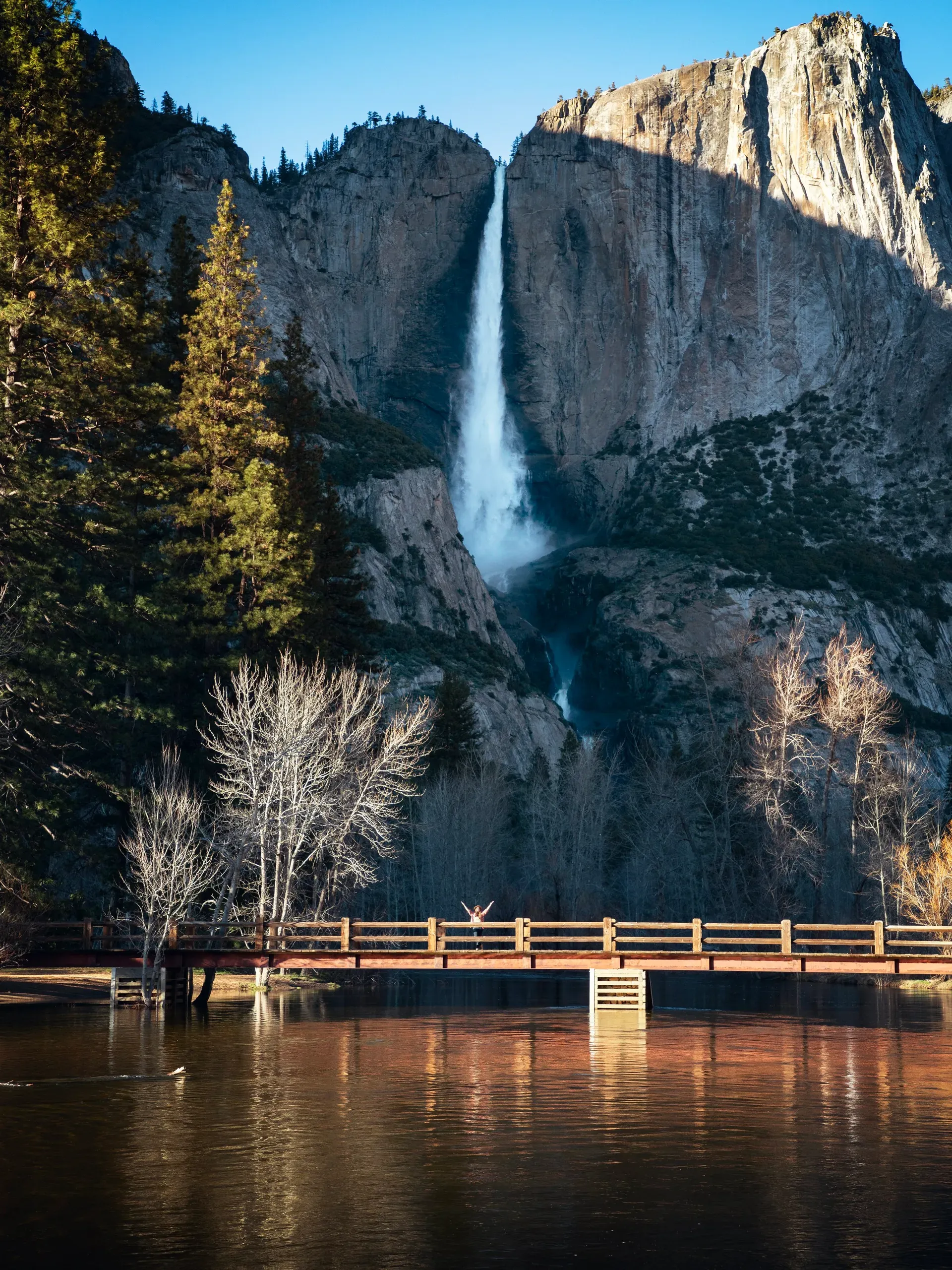
Hikes to the base of Yosemite Falls or the Mist Trail toward Vernal Fall reward effort with proximity to raw natural power. For elevated perspectives, trails ascending from the valley floor deliver views that photographs never quite capture. The scale of granite walls rising vertically from the valley becomes real only when you experience it on foot.
Mariposa Grove and the ancient sequoias
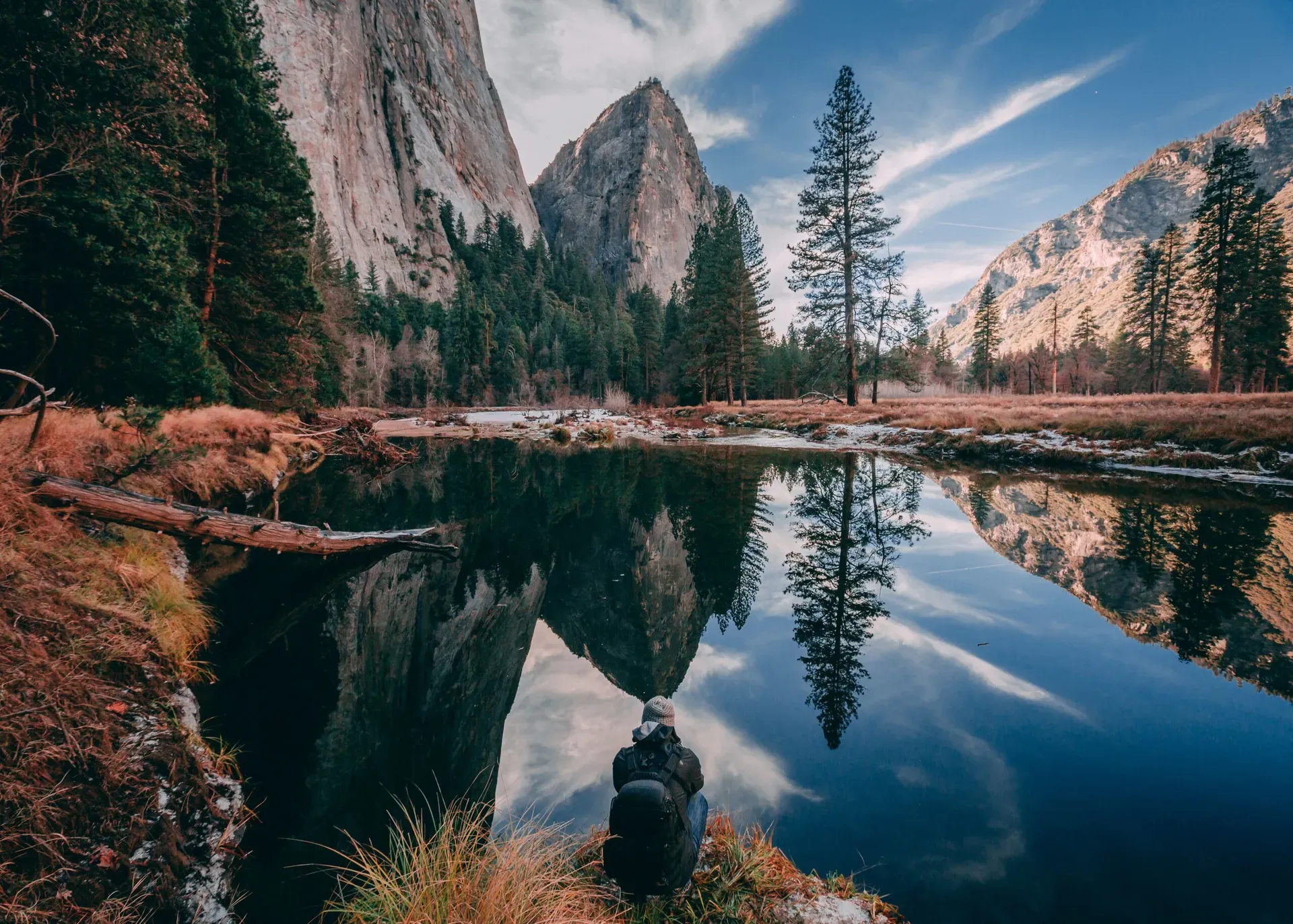
No visit feels complete without wandering among the giants at Mariposa Grove. These millennia-old sequoias are living cathedrals, their massive trunks and fire-scarred bark telling stories of centuries passed. The walk through the grove suits everyone, offering shade and perspective on how long these trees have been standing.
Navigation, safety, and what to expect
Connectivity and wayfinding
Cell service basically disappears throughout the park. This creates welcome disconnection but navigation challenges if you are unprepared. The complimentary paper map at entrance gates becomes essential, particularly for rental cars without integrated GPS. Visitor centers close at 5 PM, leaving after-hours explorers to self-navigate using park maps and posted signs.
The complete absence of rangers after hours means you need to handle yourself. The one-hour entrance waits during busy periods feel manageable when you balance them against what waits inside, though arriving early or visiting mid-week minimizes this inconvenience.
Wildlife and environmental responsibility
Bear awareness shapes daily routines in Yosemite. Food lockers at campgrounds and trailheads exist specifically to protect both visitors and wildlife. Yet many travelers ignore protocols, leaving behind trash, food scraps, and even personal items like shoes in exposed areas. Proper food storage is not just regulation; it is essential for maintaining the balance between human recreation and animal habitat.
Weather and preparation
Summer visits demand abundant water and sun protection. Temperatures soar in the valley, and dehydration arrives quickly at elevation. Facilities exist throughout the park, though restroom maintenance varies by location. Pack snacks, layers, and rain gear to ensure comfort regardless of changing mountain conditions.
Where to stay and how long
One day gives you glimpses of Yosemite's grandeur, but two to three days unlock the park's true depth. The gateway community of El Portal, located just outside the western entrance, provides comfortable and relatively affordable lodging that lets you start early and explore without the premium prices of valley floor accommodations.
Those with additional time can extend their Sierra journey by exiting through Tioga Pass, traversing the park's high country toward Lee Vining. This elevated route offers panoramas that rival anything in the valley: alpine lakes, granite domes, and meadows stretching toward the eastern Sierra escarpment. The drive naturally connects Yosemite with Death Valley for ambitious road-trippers seeking contrast between alpine and desert.
The best time to visit Yosemite National Park United States
Timing transforms a Yosemite visit from crowded obligation to something transcendent. Late spring, May through June, rewards you with maximum waterfall flow, blooming wildflowers, and lush green valleys before the peak summer influx. Weather stays variable, with possible snow at higher elevations, but you get dramatic landscapes without August's haze and congestion.
Early autumn, September through October, delivers golden aspens, comfortable hiking temperatures, and diminished crowds. Waterfalls have diminished to trickles by this point, but the crystal-clear air and vibrant foliage create entirely different photographic rewards. Summer visits work best for families with limited flexibility, though patience with crowds and heat becomes essential.
Maximizing your time
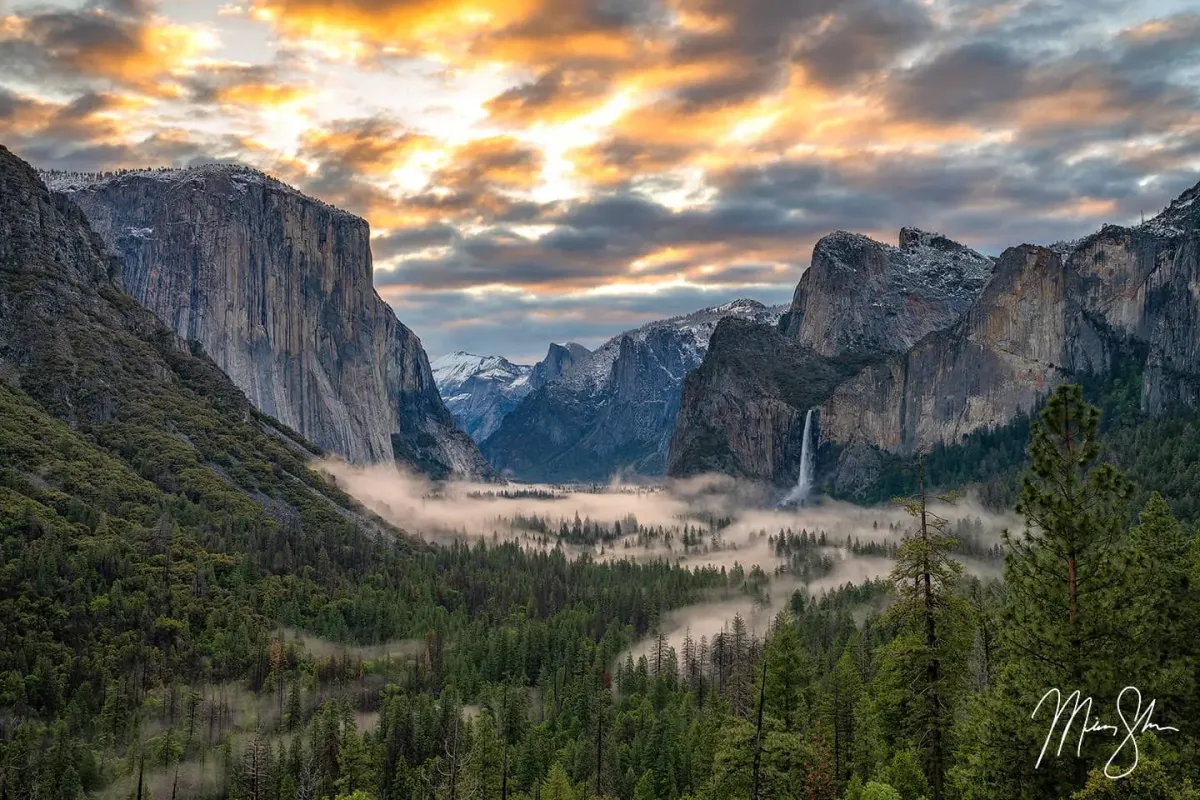
Success in Yosemite follows a simple formula: arrive early, stay late, and remain flexible. Dawn photography at Tunnel View captures the valley in soft alpenglow. Midday heat pushes sensible visitors toward shaded sequoia groves or higher elevations. Evening belongs to Glacier Point, where sunset ignites the granite in colors that do not seem real.
For families and accessibility needs, the valley floor delivers extraordinary beauty without requiring strenuous hiking. Paved paths reach viewpoints and meadow edges where deer graze and the scale of surrounding cliffs overwhelms in the best possible way. Trail guides categorize options by difficulty, ensuring everyone finds their match.
Why Yosemite deserves your time
Yosemite National Park United States represents something increasingly rare: genuine wilderness that remains accessible without sacrificing grandeur. The combination of vertical granite, ancient forests, and living waterways creates a landscape that entered human consciousness for good reason. Whether approached as a dedicated destination or woven into a broader California road trip from San Francisco toward Death Valley, the park rewards every hour invested.
Planning around permits, early arrivals, and seasonal timing addresses the logistical challenges that frustrate unprepared visitors. What remains is pure landscape. Sunrise paints Half Dome pink. Waterfalls thunder through spring. Sequoias stand as they have for millennia. In a world of diminishing wild places, Yosemite persists, offering that disconnection and reconnection that defines the best travel experiences.