Wli Waterfalls Ghana: West Africa's Tallest Cascade Guide
Wli Waterfalls Ghana is West Africa's tallest cascade at 80 meters. This guide covers everything from the easy lower falls walk to the challenging Togo border trek, plus entrance fees and best times to visit.
Discovering West Africa's most spectacular waterfall
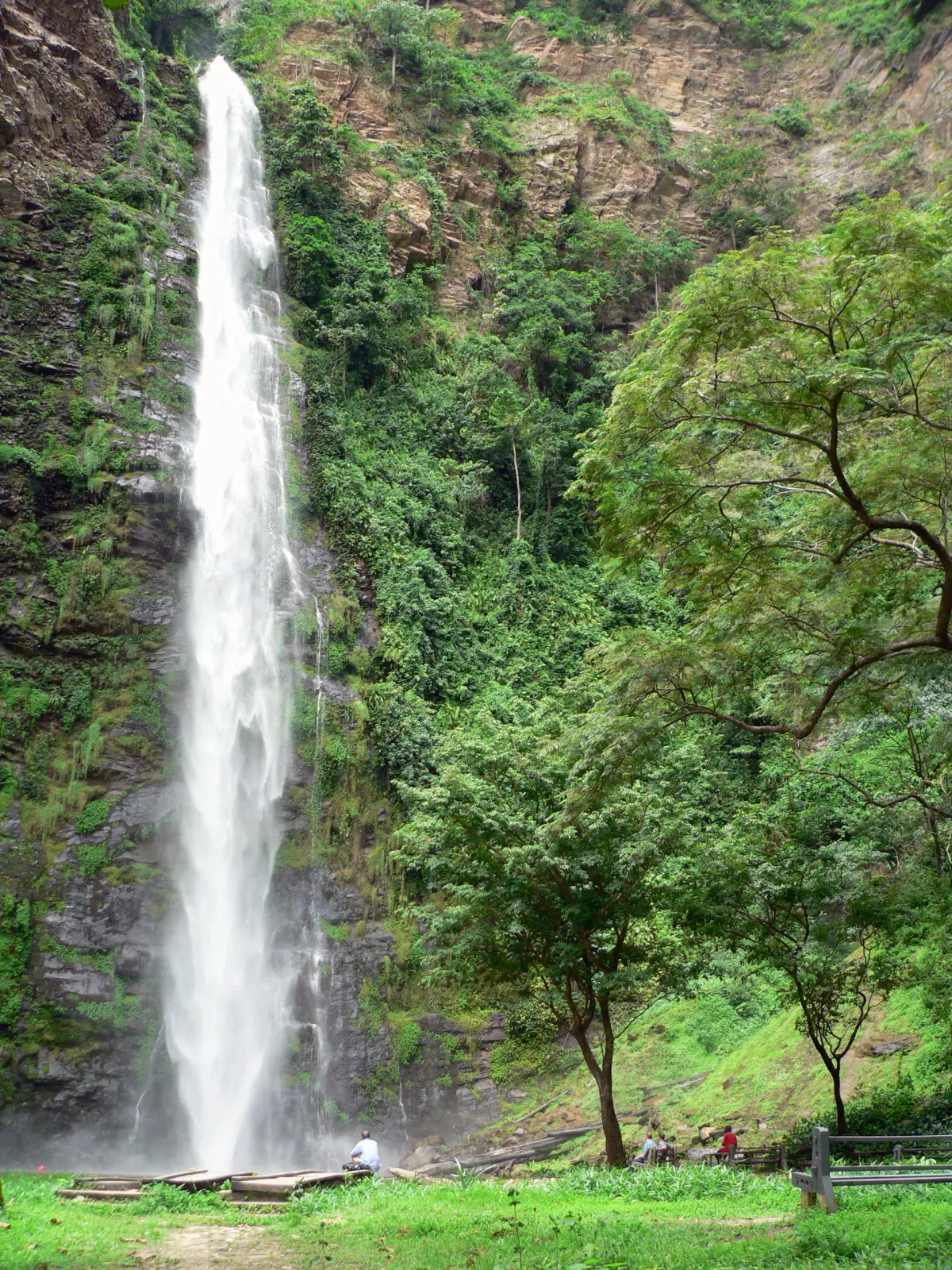
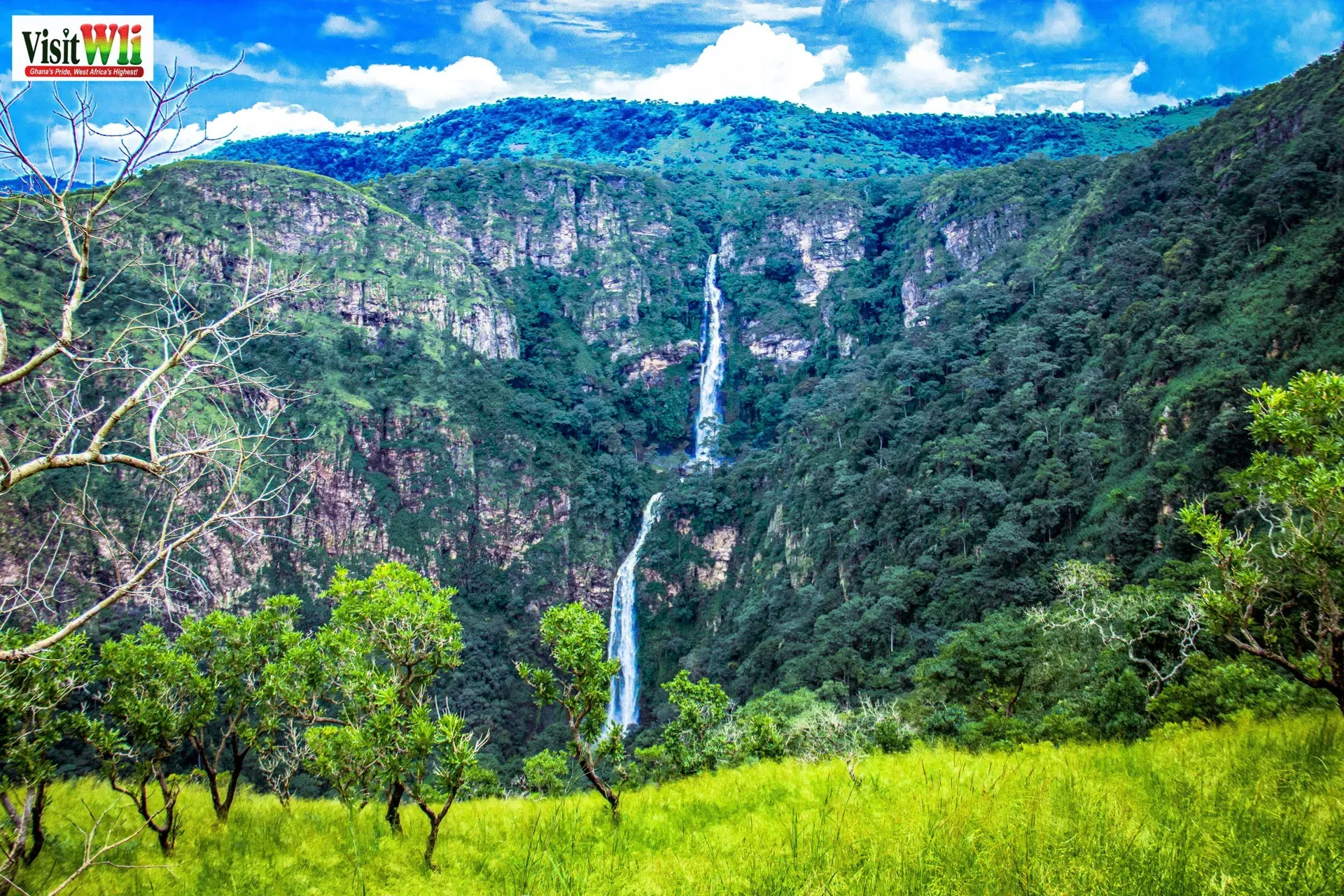
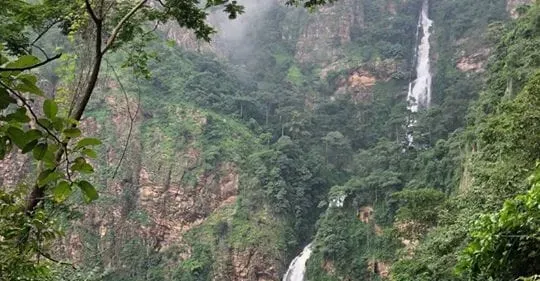
Wli Waterfalls Ghana is the tallest cascade in West Africa. At roughly 80 meters, this natural wonder sits near Hohoe in Ghana's Volta Region and is gaining recognition among travelers who want something beyond the typical tourist trail. Locals call the falls Agumatsa, which means "Allow Me to Flow." The water drops in two dramatic tiers through thick rainforest, and you can choose between an easy nature walk or a grueling full-day trek that crosses into Togo.
What makes this place special goes beyond the height. Thousands of fruit bats fill the evening sky near the lower falls. Morning mist creates rainbows over the pool. The journey itself winds through nine bridges, cocoa farms, and forest thick with birdsong and butterflies.
What makes Wli Waterfalls special
The dual-cascade system sets Wli apart from other waterfalls in the region. Most visitors see the lower falls, which are accessible to almost everyone. The upper tier requires effort but rewards you with isolation, mist, crisp air, and water flowing with a power that feels almost meditative. The lower pool hosts a remarkable evening show: thousands of fruit bats departing for their nightly feed.
The entire setting feels undeveloped, which is increasingly rare. Recent upgrades replaced old wooden bridges with concrete and metal structures, but the area still feels raw and natural. I need to mention something that troubled me during my visit. Deforestation is happening around the perimeter. Trees are being cut down in areas visible from the falls, and this threatens the ecosystem that makes the place worth visiting in the first place.
The complete Wli Waterfalls experience
Getting there and entry requirements
The falls sit about three hours from Accra by road, and the conditions are good all the way to Wli town. Locals will direct you to the ticketing office. Guides are mandatory for first-time visitors. Non-Ghanaian adults pay 60 cedis, while students with valid ID pay 40 cedis. Tipping guides is expected, and having the right guide changes everything. Ask for James. He knows the trails, takes good photos, and can identify wild fruits along the way.
The lower falls: an accessible paradise
The walk to the lower falls takes 30 to 45 minutes along a maintained forest path. Some visitors take up to an hour because they stop constantly for photos. You will cross nine bridges before the trail opens to reveal the cascade plunging into a pool surrounded by moss-covered rocks. The walk is gentle enough for most fitness levels. You pass through cocoa farms and dense greenery where butterflies move between plants and birds call from the canopy.
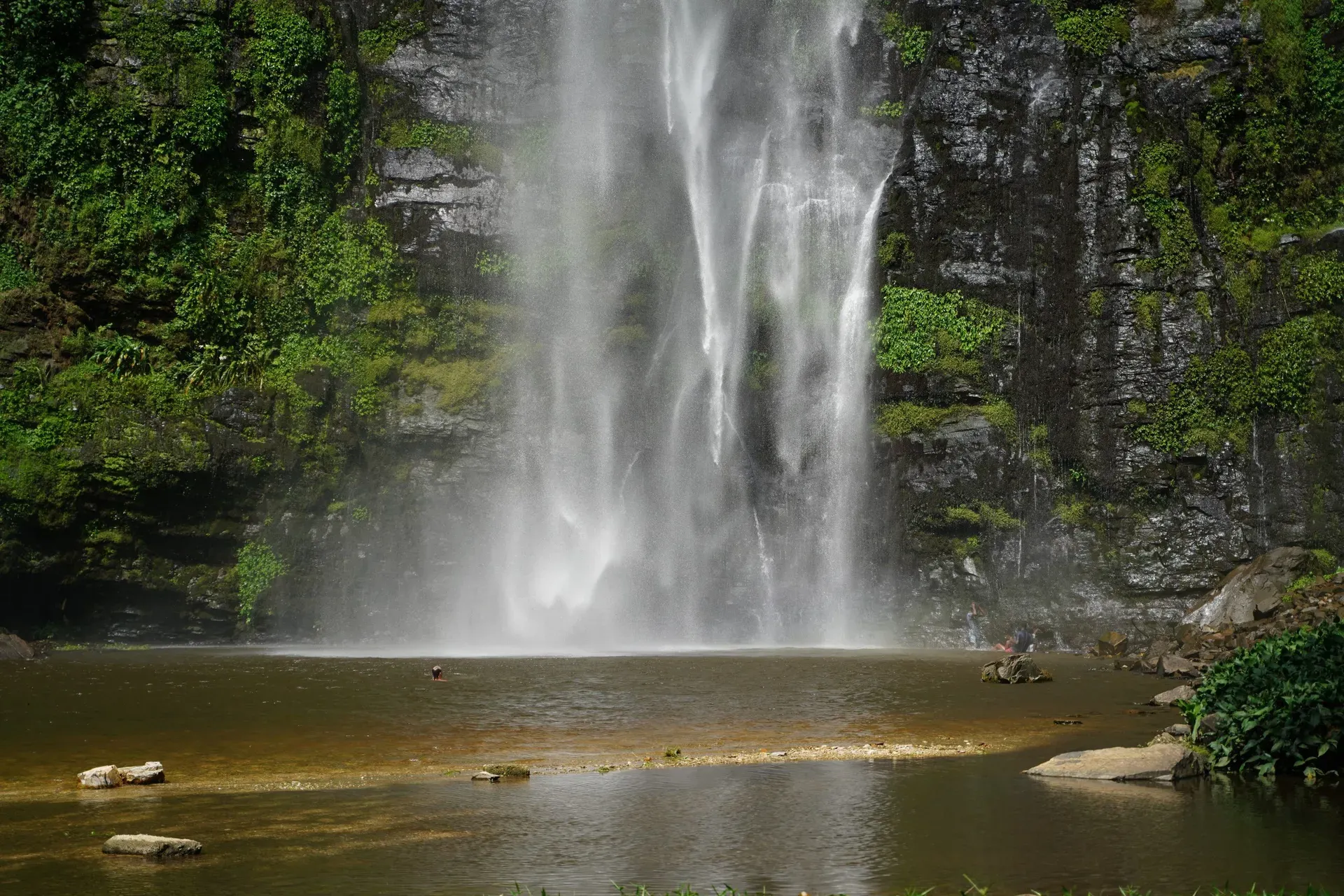
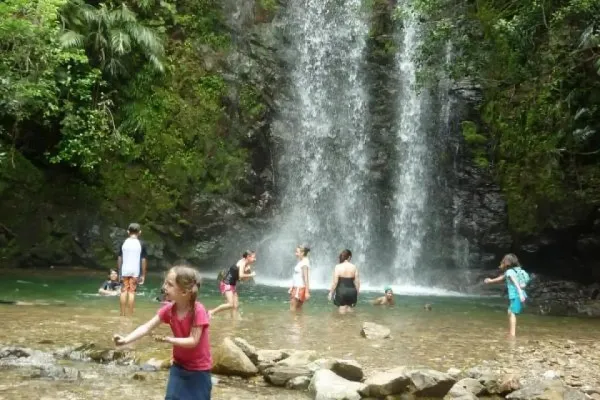
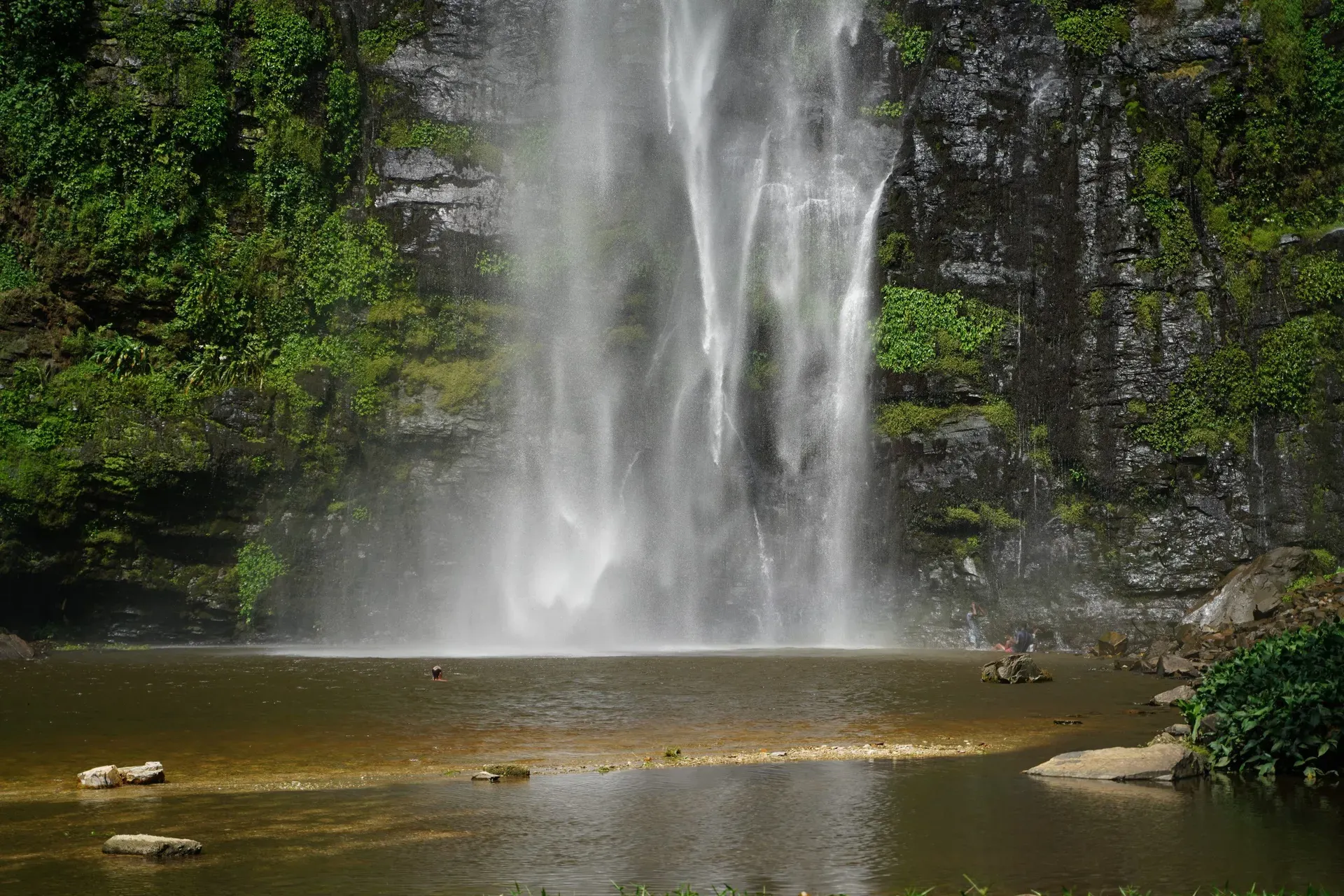
The lower falls impress with their height and the thundering pool below. Morning visits often give you rainbows arching through the mist. The water runs clear and cold, and swimming after the trek feels earned. A shower under the falls is something you will not forget. Sunday mornings around 9:30 am are particularly peaceful, with fewer visitors. Bring a towel and consider packing a picnic.
The upper falls: a challenge worth taking
The upper falls demand respect and preparation. This is a 5 to 6-hour round trip from the base, or about 3 hours one-way from the lower falls. Unlike the gentle approach to the lower cascade, this trail climbs steeply through thick forest. It tests your endurance and mental preparation.
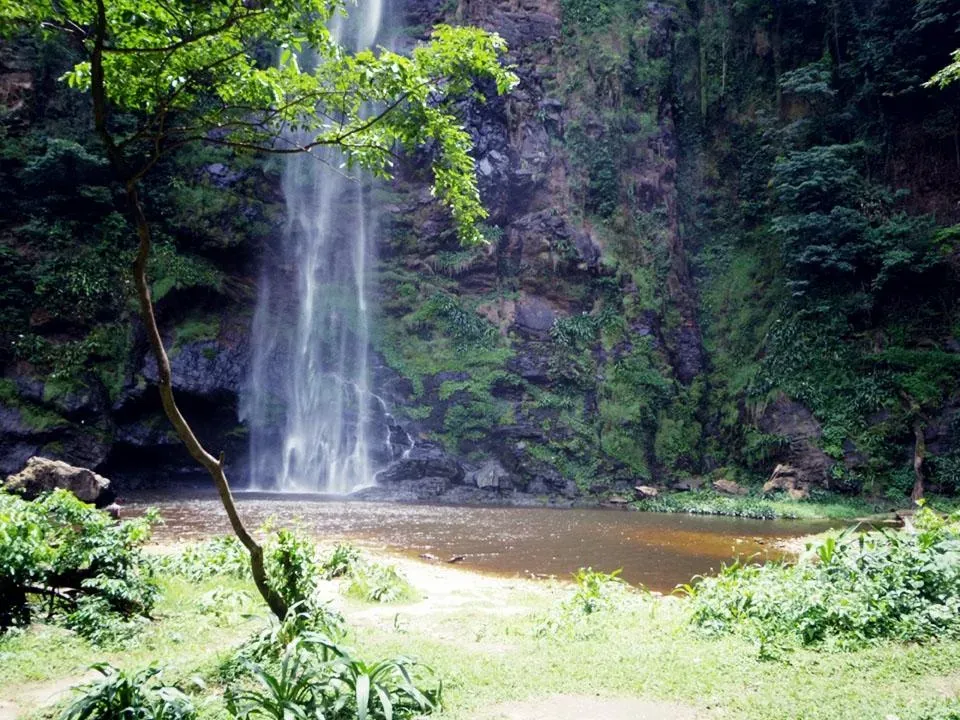
For those not ready for the full commitment, the "middle view" offers a compromise. It sits about 30 minutes uphill from the lower falls and reveals both cascades simultaneously. Even this shorter extension requires steep climbing and watch out for ants on the trail.
The ultimate adventure: the Togo loop
For experienced hikers, the Togo loop connects both falls through a demanding circuit that takes about 7 hours with stops at viewpoints and the falls. The route follows a steep but maintained path to the ridge, then traverses thick forest along the border area where your map may show you crossing into Togo territory. You then descend sharply to the upper falls via the Togo side before returning through Ghana.
The descent paths are particularly difficult. They are steep, narrow, and demand careful footwork. If you attempt this route, start in the morning on a weekday to avoid crowds and allow enough daylight. Knowledgeable guides can point out edible wild fruits including the Wax Apple, which adds a foraging element to the adventure.
Practical tips for visiting Wli Waterfalls
What to bring and wear
Good grip shoes are absolutely necessary. The nine bridges feel light and echo loudly underfoot. Wooden walkway sections near the falls become unstable and slippery when wet. Pack a towel for swimming and bring rain protection. Showers arrive suddenly in this forest, though getting drenched can be part of the experience.
How to get to Wli Waterfalls from Accra
The falls are located in the Wli traditional area near Hohoe in Ghana's Volta Region. From Accra, the drive takes about three hours. The 17-minute walk from the base camp (though most visitors report 30-45 minutes) leads through cocoa farms and across the nine bridges. The greens and mountain scenery alone justify the journey.
Wli Waterfalls entrance fee and logistics
Beyond the entrance fees (60 cedis for non-Ghanaian adults, 40 cedis for students), budget for guide tips and potential refreshments. Fresh palm wine is available at a joint near the base camp. Consider sampling some before starting your walk. A guest house near the entrance offers accommodation for those wanting to spend a weekend in the area.
Facilities and considerations
The seating area near the entrance needs more benches. Come prepared to stand or bring portable seating. While the site maintains overall cleanliness, litter can be an issue in some areas. The new metal bridges represent an improvement over previous wooden structures, but more maintenance and safety upgrades would help significantly.
Best time to visit Wli Waterfalls
April through October brings the rainy season and maximum water flow, creating the most dramatic cascade displays. November through March offers the dry season advantage of easier hiking access and more stable trail conditions for the challenging upper falls route. Morning visits consistently provide the best lighting for photography and higher chances of catching rainbow formations in the mist.
Creating the perfect regional itinerary
Many visitors combine Wli Waterfalls with other regional attractions. The lower falls hike is easy enough to pair with other activities. Consider tackling Afadjato mountain hiking before visiting Wli, as the waterfall swim provides perfect relaxation after the strenuous climb. Alternatively, create a circuit including Ote Waterfalls in Amedzofe and the Tafi Monkey Sanctuary, arriving at Wli for the final leg.
For those with limited time, the lower falls hike and Afadjato can be completed in the same day, though this makes for a packed schedule. The upper falls demand a dedicated day without other major activities.
Final thoughts
Wli Waterfalls Ghana earns its reputation as West Africa's premier cascade. The lower falls offer accessible beauty for casual visitors, while the upper tier challenges and rewards serious adventurers with isolation and raw natural power. Whether you want a peaceful swim, a grueling hike through Togo territory, or simply the perspective that comes from standing before 80 meters of falling water, Wli delivers memories that stay with you after the mist dries on your skin.
The experience is not perfect. The infrastructure needs attention. Deforestation threatens the environment. Sudden rains can catch you unprepared. Yet these imperfections fade against the backdrop of the thundering falls, the evening bat exodus, and the genuine warmth of guides like James who make the journey as memorable as the destination. Visit while this natural treasure remains wild, and bring home both photographs and a deeper appreciation for why preservation efforts here matter so much.