Terkhiin Tsagaan Lake Mongolia: A Volcanic Gem in the Steppes
Terkhiin Tsagaan Lake in Mongolia's Arkhangai Province is a crater lake formed by ancient lava flows, surrounded by black basalt cliffs and larch forests. Here's what to know before you go.
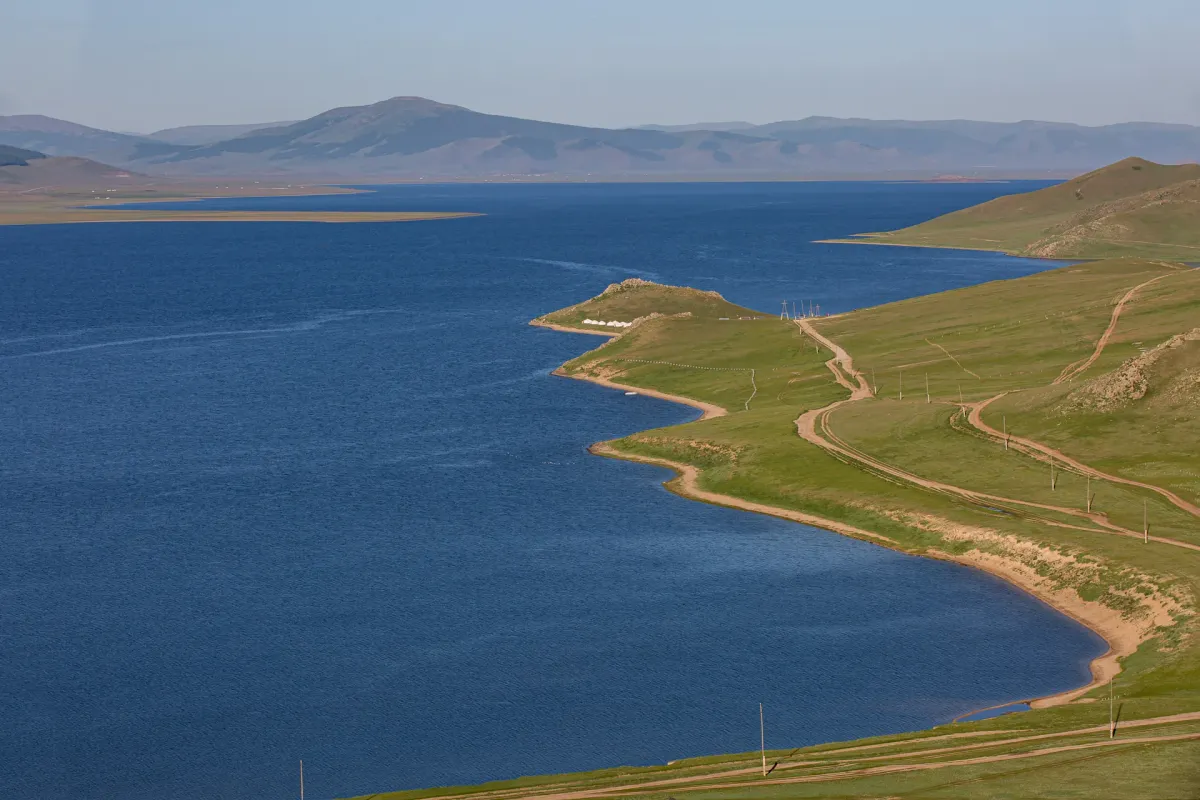
A crater lake born from fire and time
Terkhiin Tsagaan Lake sits deep in Arkhangai Province, and it is one of those places that makes you stop and stare. The name means "White Lake," and it formed thousands of years ago when volcanic lava flows dammed a river. The result is a basin of clear water surrounded by black basalt cliffs and larch forests. At 2,050 meters above sea level, the lake stretches up to 36 kilometers long and 10 kilometers wide. The contrast of white water against black volcanic rock and green hills draws travelers who want landscapes that mass tourism hasn't touched.
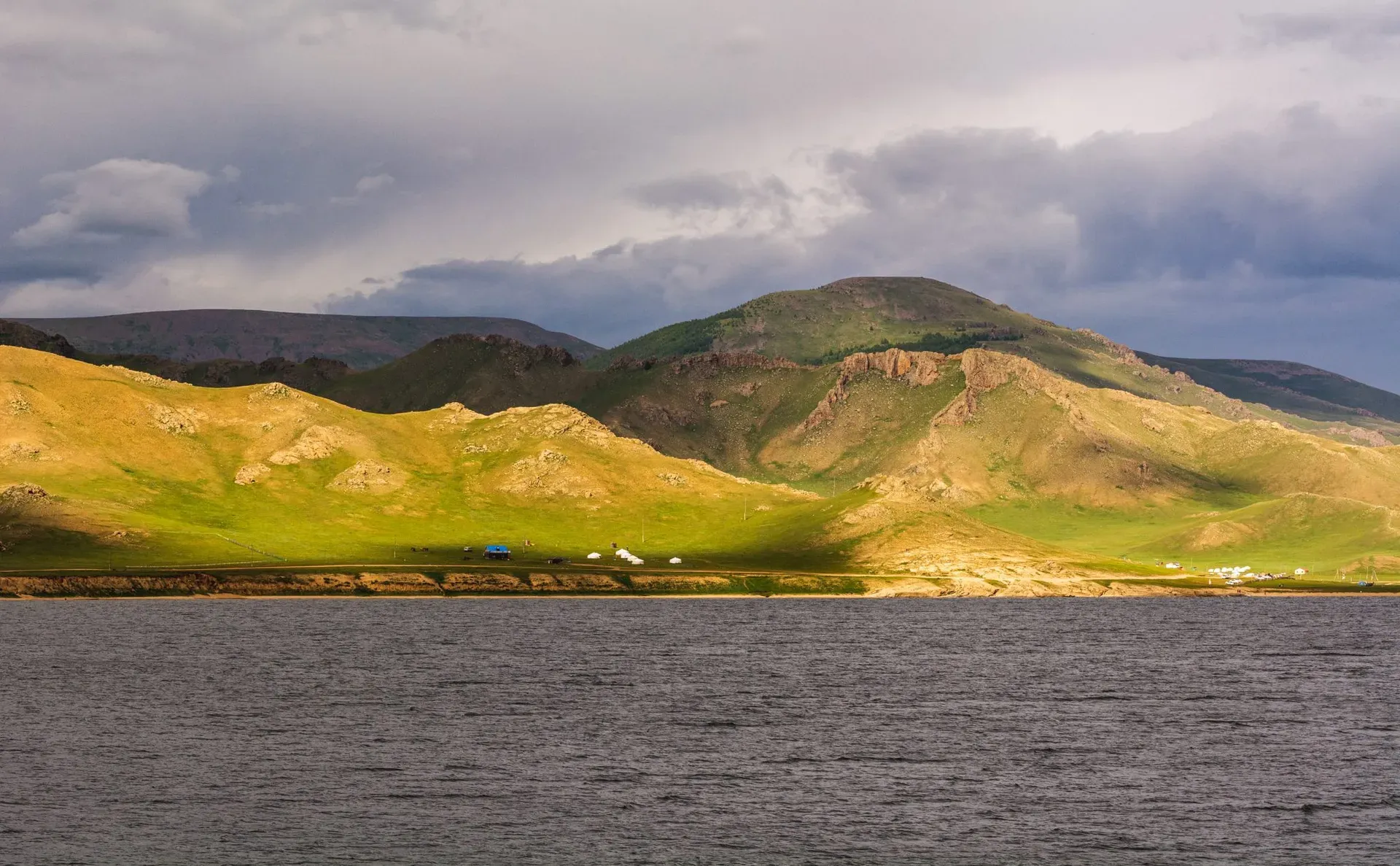
What makes this place special
Terkhiin Tsagaan Lake sits within Khorgo-Terkhiin Tsagaan Nuur National Park, a protected area known for its volcanic landscapes and wildlife. Visitors describe the experience as almost dreamlike, a remote spot where the modern world feels far away.
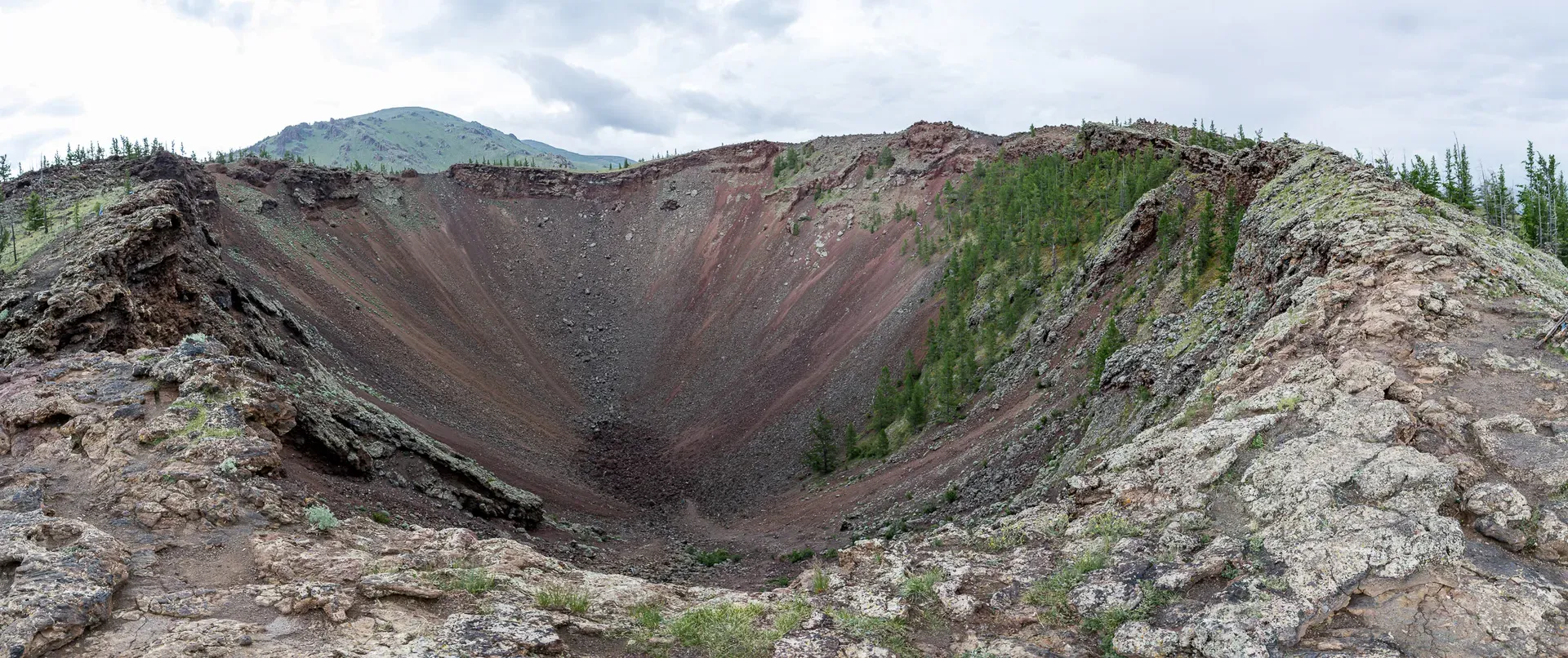
The dead volcano Khorgo Togoo rises nearby, and its crater rim offers views over the lake and surrounding steppe. The volcanic rocks scattered throughout show visible signs of past eruptions, creating an almost lunar landscape that contrasts with the lake's clear waters. Visit during summer when wildflower meadows bloom, or in late autumn when the larch forests turn gold. The scenery works in any season.
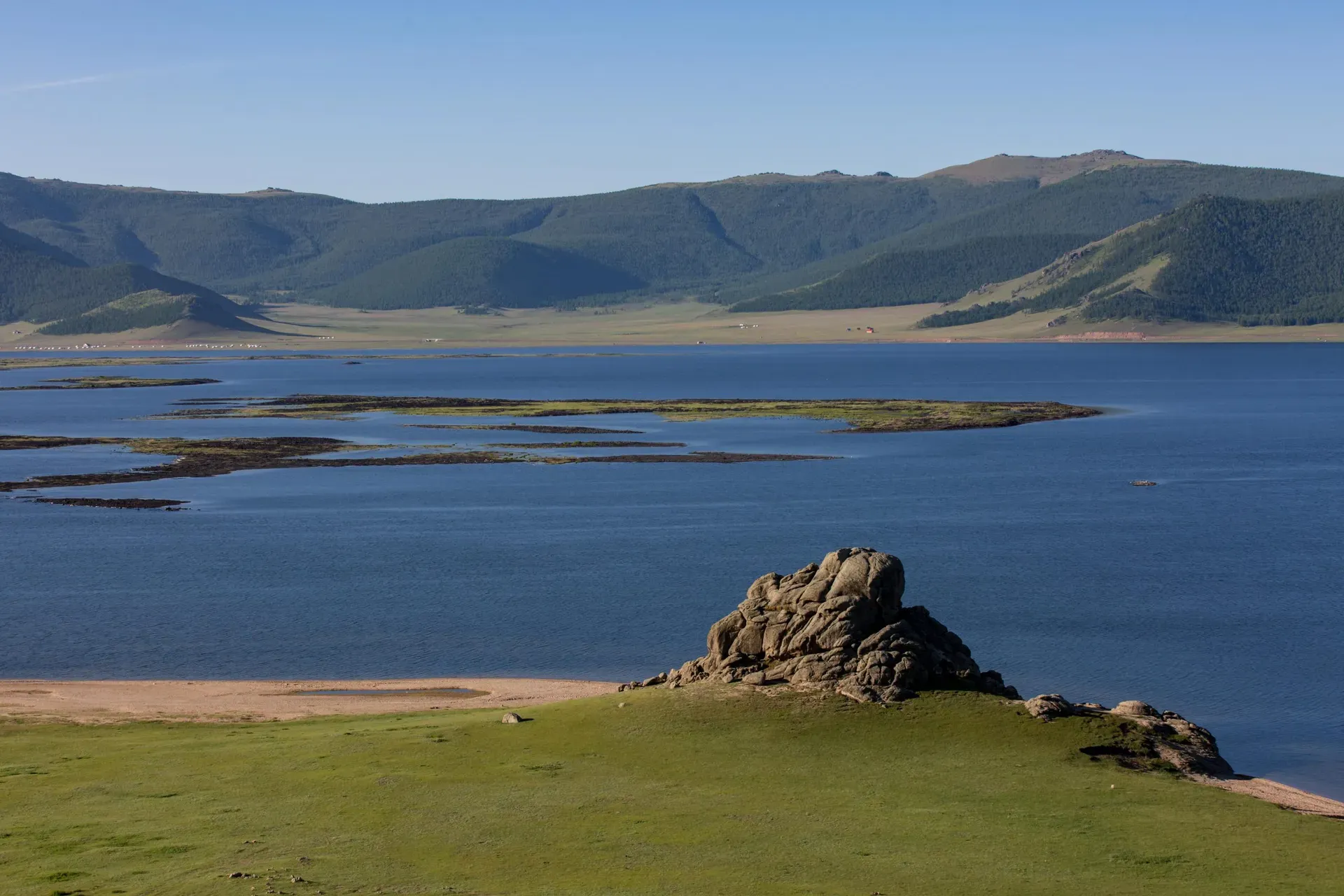
The experience: what to expect
The journey there
Getting to Terkhiin Tsagaan Lake takes effort. The lake lies about 680 kilometers from Ulaanbaatar, a journey of 10 to 12 hours by car through some of Mongolia's best countryside. The drive winds through mountains, rivers, and traditional steppe, offering glimpses of nomadic life that hasn't changed much over centuries. Parts of the road are now paved, but travelers should still expect rough conditions. Some visitors report covering just 20 kilometers in two hours on bad sections. A sturdy vehicle and experienced driver are essential.
Exploring the lake and volcano
The main attraction is the lake itself and the nearby Khorgo Volcano. Hiking the crater rim rewards you with views across the white lake and volcanic terrain. But weather changes fast here. The area is windy, with gusts exceeding 30 kilometers per hour, and temperatures can drop to 5°C even in summer. Bring windproof clothing and layers, especially if you're not used to cold climates.
Timing matters. Early risers get the best views. At 5 AM, the lake is at its most peaceful, with morning light painting the water silver and gold. Sunsets are equally good, casting warm colors across the white lake surface and volcanic cliffs.
Water activities and fishing
The lake's clear, fresh water invites exploration. Fishing here is excellent, with the waters supporting healthy fish populations. Kayaking and boating offer peaceful ways to experience the lake's scale. Even on overcast or rainy days, the water keeps its clarity and the scenery keeps its drama.
Camping and stargazing
For many visitors, camping near the lake is the highlight of their Mongolian trip. Setting up in the forested areas around the shoreline puts you in the middle of nature, surrounded by birdsong and the sound of water. When darkness falls, the lack of light pollution reveals a night sky full of stars. Lying back and watching the Milky Way overhead becomes an experience you won't forget. It captures something essential about Mongolia's vast, empty spaces.
Where to stay: accommodation options
Ger camps and budget options
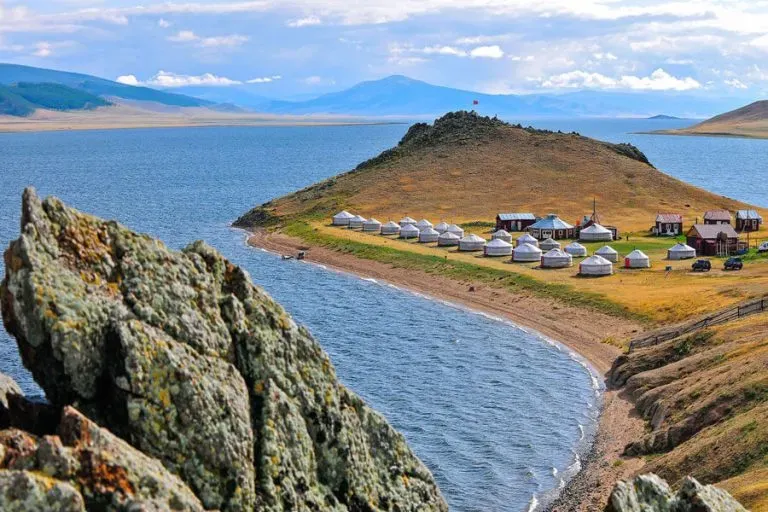
Traditional Mongolian ger camps line the lakeshore and surrounding hills, offering the most authentic way to experience the region. These circular felt tents provide basic but comfortable shelter, with prices ranging from 60,000 to 200,000 Mongolian Tugrik per night depending on facilities and location. The Surtiin Tulga cooperative on the lake's north side comes recommended as a reliable option.
Resort warnings
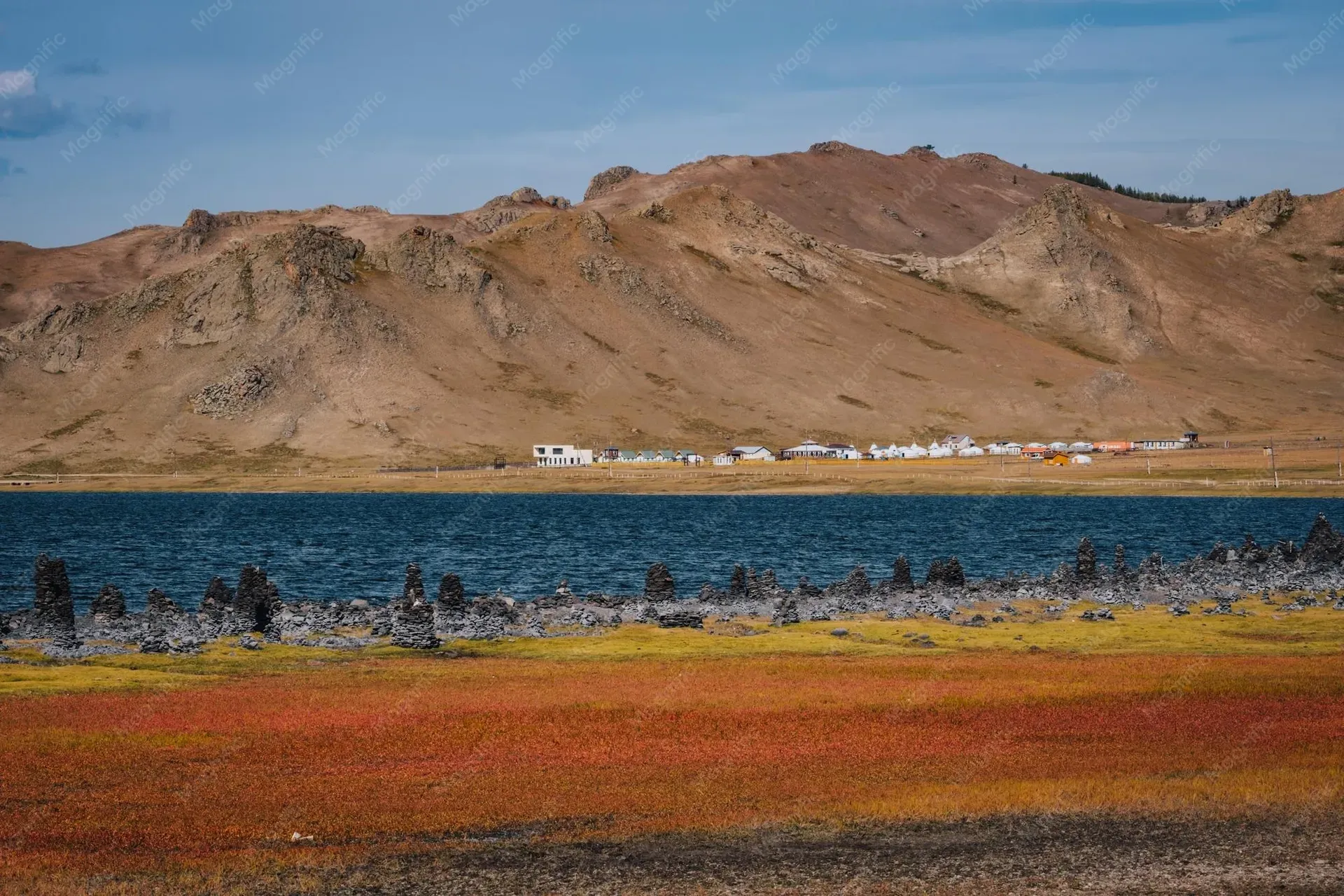
Not all accommodation meets acceptable standards. Several resorts around the lake that visitors describe as mediocre at best suffer from trash accumulation, unattractive buildings, unreliable electricity, and unhygienic conditions. Some operators have put up illegal fences restricting public access to parts of the shoreline. Research your chosen camp carefully and consider supporting the more eco-conscious, locally-run ger operations rather than the overpriced, poorly maintained resorts.
Practical tips for your visit
Is Terkhiin Tsagaan Lake worth visiting?
Yes. This ranks among Mongolia's most spectacular natural destinations. The combination of volcanic geology, clear water, and remote wilderness creates an experience found nowhere else. Whether you're photographing the black basalt cliffs against white water, hiking the volcano crater, or simply sitting in silence, the lake delivers memories that last.
Does Terkhiin Tsagaan Lake have hiking trails?
The main hiking opportunity involves the Khorgo Volcano crater rim. The trail offers manageable elevation gain and spectacular rewards at the summit. Around the lake itself, walking is possible but be prepared for strong winds that can make even flat terrain challenging. The full circumnavigation of the lake is a significant undertaking given its size, up to 36 kilometers in length.
What to bring
- Windproof clothing: Gusts exceeding 30 km/h are common
- Warm layers: Even summer temperatures can drop to 5°C
- Insect repellent: Flies can be numerous in summer months, particularly in certain areas
- Sturdy footwear: For navigating volcanic rocks and uneven terrain
- Torch/flashlight: Essential for nighttime movement around camps
- Camera: The landscape photography opportunities are exceptional
Road conditions and transport
While the main road to the lake has been paved, the final approaches remain rough. A 4WD vehicle with an experienced driver familiar with Mongolian road conditions is strongly recommended. Allow a full day for the journey from Ulaanbaatar, and consider breaking the trip with overnight stops to appreciate the changing landscapes.
Best time to visit Terkhiin Tsagaan Lake
The best time falls between June and August, when daytime temperatures are most comfortable and the wildflower meadows surrounding the lake burst into bloom. This brief summer season offers the best conditions for camping, hiking, and water activities.
For those seeking solitude who don't mind cooler temperatures, late September brings beautiful autumn weather with golden larch forests and fewer visitors. Early May presents a different spectacle entirely. The lake may still be partially frozen, creating surreal photographic opportunities with ice against black volcanic rock.
If your visit coincides with the Naadam Festival, you're in for a special treat. This traditional Mongolian celebration features horse racing, wrestling, and archery competitions, with locals gathering to celebrate their culture against the stunning backdrop of the lake and volcano.
Final thoughts
Terkhiin Tsagaan Lake shows Mongolia at its most elemental, a landscape shaped by volcanic fire, wind, and weather, preserved through its very remoteness. Yes, the journey is long. Yes, the roads are rough. Yes, the weather can turn hostile without warning. But these challenges are exactly what keep the lake pristine and the experience authentic.
This is a place for those who find luxury in silence, who measure value in starlight rather than thread counts, and who understand that the most profound travel experiences often require the greatest effort to reach. Pack your warmest clothes, prepare for bumpy roads, and set your alarm for dawn. The white lake waits.