Wadi Shab Oman: Hike, Swim & Find the Hidden Cave
Wadi Shab Oman starts with a short boat ride and ends with a swim into a hidden cave waterfall. Everything in between is a hike through a canyon of unreal turquoise pools.
Wadi Shab Oman: Hike, Swim & Find the Hidden Cave
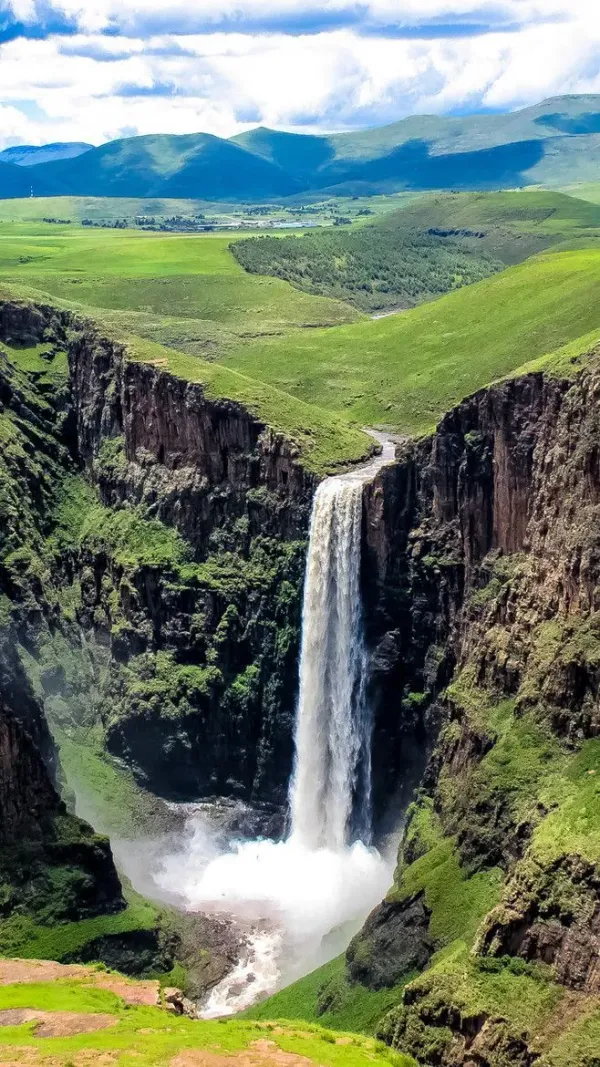
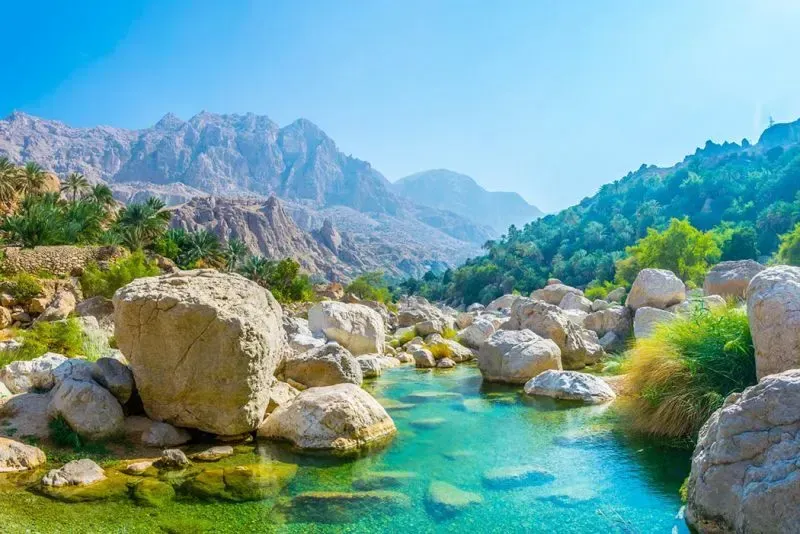
I have no idea why Wadi Shab Oman took so long to land on travelers' radar. The place is absurd: a green river gorge tearing through brown mountains near the coastal village of Tiwi, with water so turquoise it feels like a prank. You hike inland through limestone cliffs that look Jurassic, and the farther you go, the more unreal it gets. Some people come for the famous cave waterfall at the end; others just want to swim somewhere that does not look like Earth. Either way, you will not forget the day.
What makes Wadi Shab Oman unforgettable
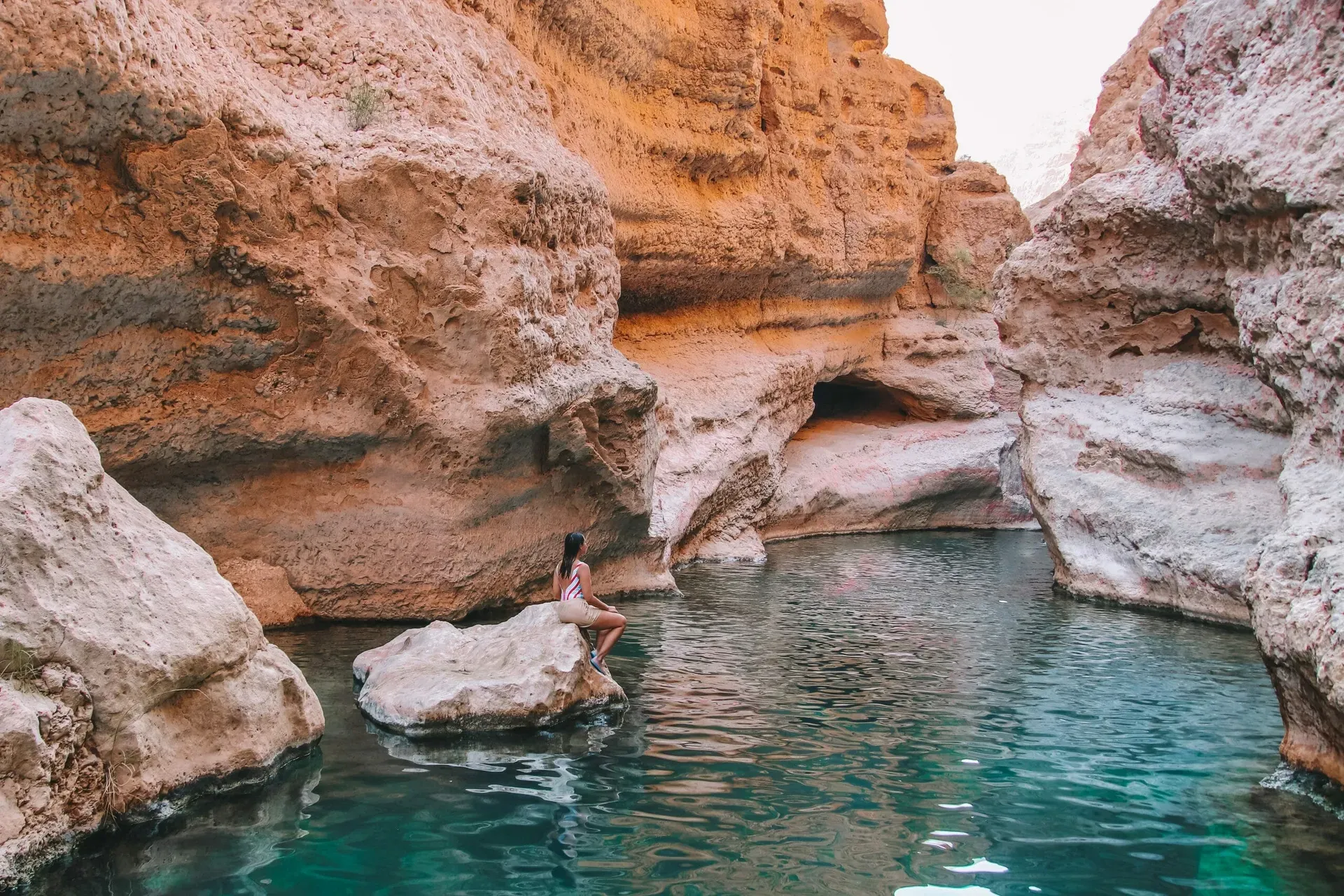
Locals call it Wadi Ash Shab, and it sits right off the highway, which makes the contrast even stranger. One minute you are on asphalt; the next you are walking into a canyon of jagged brown mountains, palm groves, and cold turquoise pools that shimmer against reddish-orange rock walls. Parts of it look like a scene from Mad Max. Other parts look like a desert oasis that some cartographer made up. I kept stopping to take photos not because I am a good photographer, but because the colors did not look real.
There is also real history here. Archaeologists found circular huts built by fishermen around the fourth millennium BC, so the coast has been busy for roughly six thousand years. The villagers are friendly, the crowds are thin, and for most of the hike you feel like you have the place to yourself. The only sour note is the litter that a few visitors leave behind. Pack out whatever you pack in, because there is no one else to do it for you.
Things to do in Wadi Shab: the full experience
How to get to Wadi Shab from Muscat
Getting to Wadi Shab Oman is easy if you have a car, and mildly annoying if you do not. The drive from Muscat takes about 1.5 hours. Public buses exist but they take closer to two hours, and coordinating one is a headache. Taxis are an option, though they cost enough to make you wince. Most people park under the bridge at the entrance and pay 1 OMR for the short ferry across the river. Use the toilet near the parking lot before you board, because once the trail starts there are no bathrooms anywhere along the stream. Even with your own car, budget more time than you think. The day has a way of stretching out here.
The Wadi Shab hike through the canyon
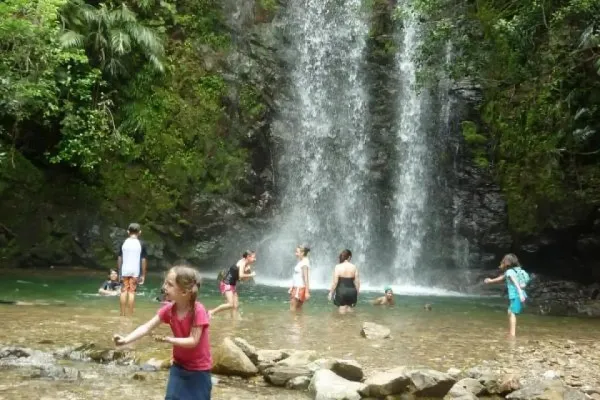
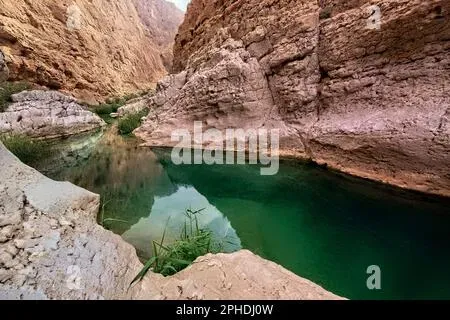
Once you are across the water, yellow arrows point the way up through rugged, palm-fringed terrain. Most people cover the one-way walk in 30 to 45 minutes, though the rocks and heat can stretch it to an hour if you are taking it slow. The trail gives you canyon views, random patches of green, and the sound of running water the entire time. That noise helps more than you would expect when the sun is directly overhead. If you are hiking with children, there is a small clear pool about 20 minutes in. Let them splash around there before the harder final section.
Wear real hiking shoes. The rocks are sharp, the trail is uneven, and the stones get slippery where water crosses the path. The walk is moderate and your heart rate will rise, but the scenery gets better with every step, and anyone with decent shoes can do it.
Swimming the pools and reaching the Wadi Shab cave waterfall
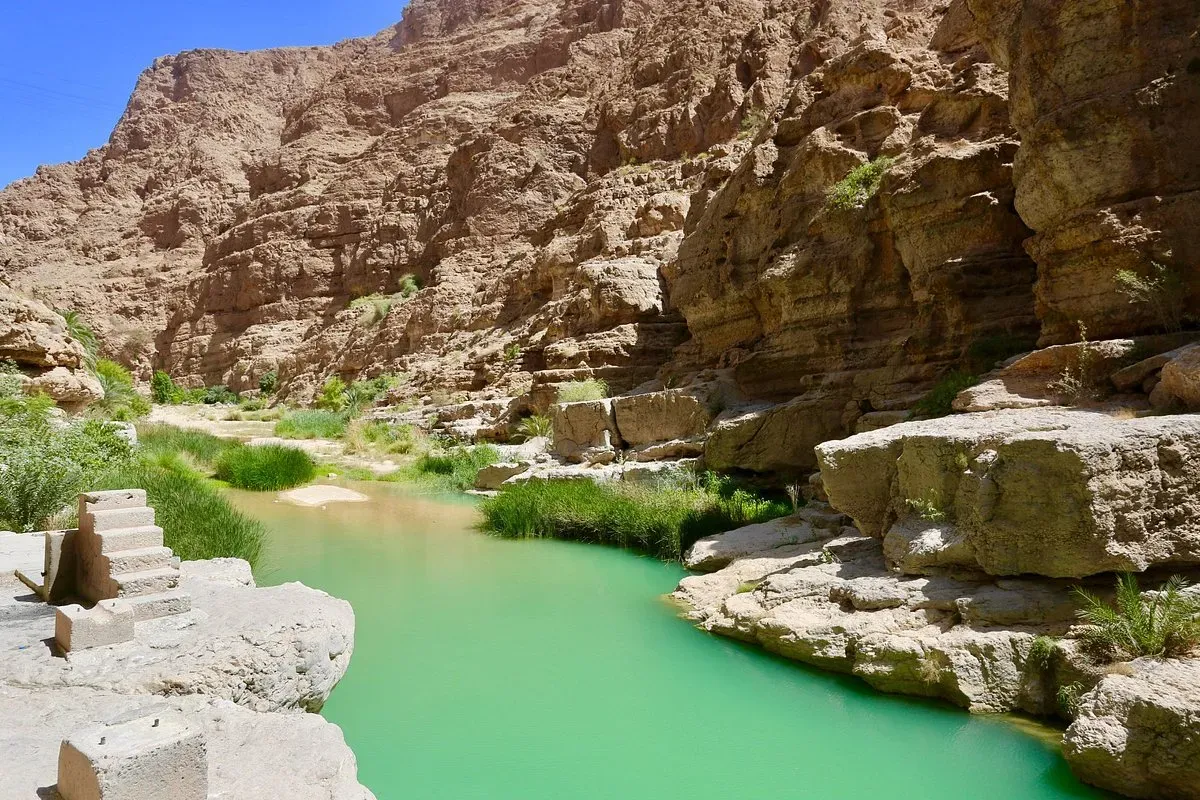
This is where the day shifts. The first pool sits at the end of the trail, cold and calm, and sinking into it after the hot hike feels like a reset. Strong swimmers can keep going through a series of clear basins, passing natural ponds and the occasional group of people jumping and splashing. The swim takes about 20 minutes of steady movement. You weave past a small waterfall that separates the second and third upper pools.
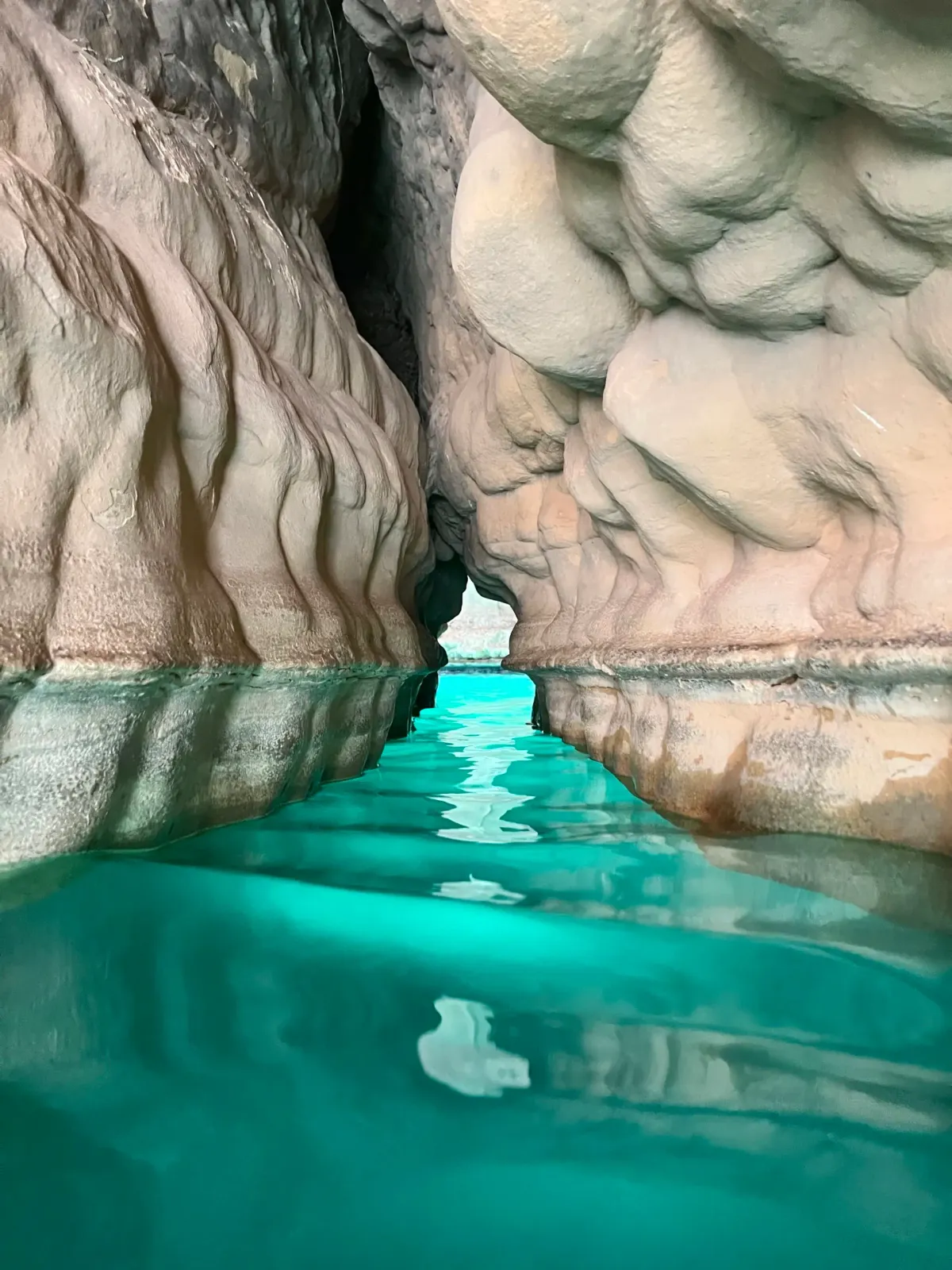
At the last pool, a gap in the rock wall about the width of your head leads to the cave. You swim through a narrow turquoise channel and come out inside a chamber lit by a shaft of light, with a small waterfall at the far end. It is surreal. It is also the reason everyone came. Wear beach shoes for this part. The patches between pools are pebbly, not sandy, and the rocks underwater are sharp. The pools also get deeper than they look, and there are no lifeguards anywhere. If you are not totally confident in the water, rent a life jacket before the boat crossing.
The landscape and scenery
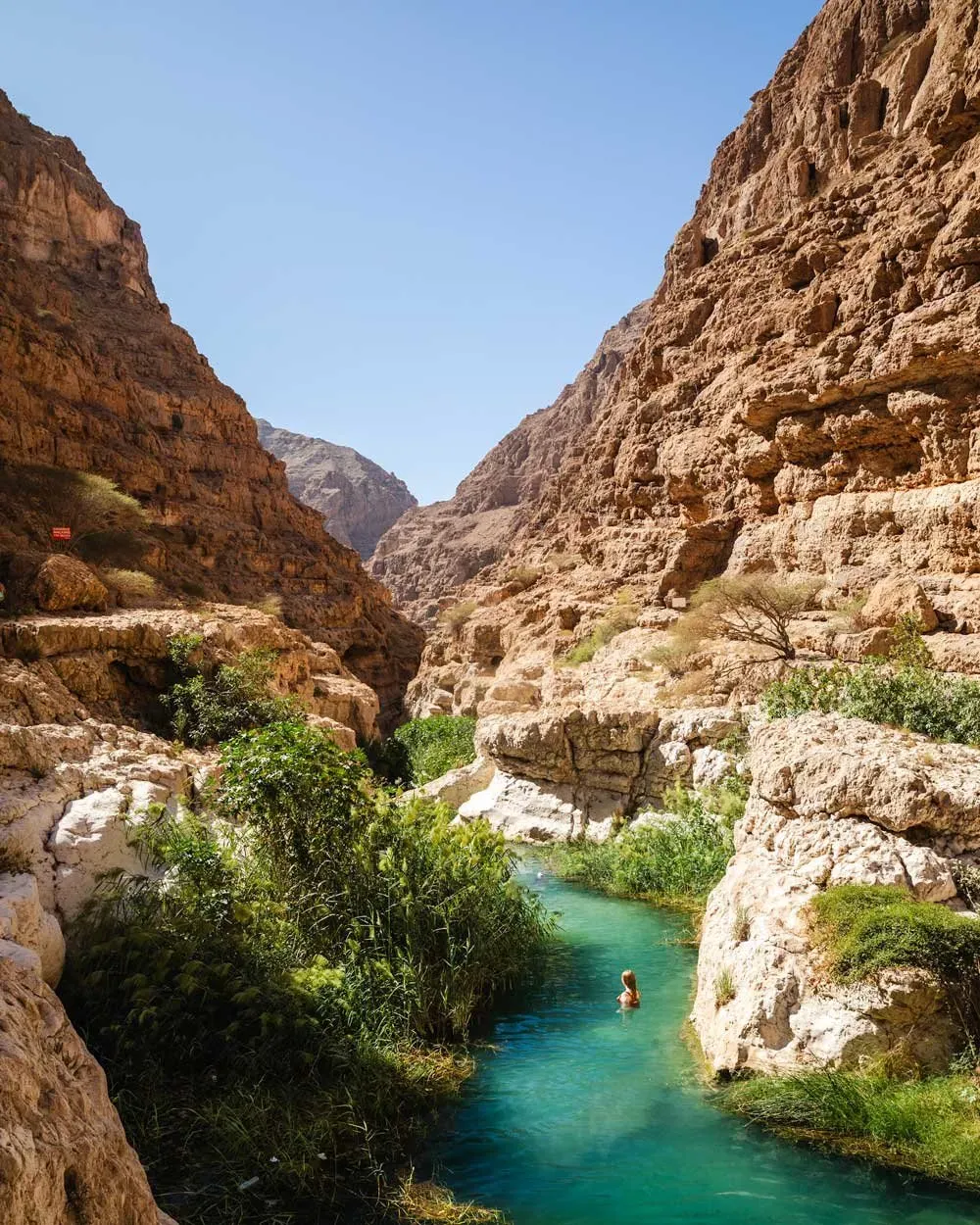
The scenery does not let up. The turquoise water runs down from the highest peaks of the Bani Jaber mountains, cutting through a valley that is one of the country's best-known natural sites. Canyon walls shift from brown and red to dramatic formations that frame each pool. Desert vegetation and scattered palm trees fill the gaps. At the upper reaches, the gorge ends near a natural fountain. The water is clean and glowing turquoise, which feels odd in Arabia. In some stretches the cliffs and oasis corners look like Dubai, but the atmosphere is Omani: rough, friendly, and quiet.
Your Wadi Shab travel guide: practical tips
What to pack and wear
The difference between a good day and a bad one here is preparation. Bring two pairs of shoes: sturdy trail shoes for the hike, and water shoes or beach shoes for the swim. The rocks underwater are sharp, and the patches between pools are pebbly, not sandy. Bring a swimsuit. You will want to get into the water immediately. Sunscreen, sunglasses, and a backpack full of water are necessary, because there are no shops after the entrance. A waterproof phone case is useful; the scenery demands photos, and wet phones demand regret. A helmet is optional but not a bad idea in the rockiest sections near the cave. There are small shops near the boat landing where you can grab a snack or a drink first.
Costs and rental gear
The ferry costs 1 OMR per person. If you are not a confident swimmer, rent a life jacket from the shops near the entrance or ferry before you start. They cost about 0.5 to 1 OMR extra. You can also rent water slippers for a similar price, and after a long swim over a rocky riverbed, both are worth the money. There are no lifeguards and no safety staff inside the wadi, so once you leave the boat you are on your own.
Safety warnings
It looks gentle, but Wadi Shab Oman asks for respect. The rocks are slippery on the trail and inside the pools, and some areas are deeper than they look. Even good swimmers should think about a life jacket, because the cave is a long way from help and there is no rescue team. If you have eye allergies or sensitivities, be careful. Getting water in your eyes here carries a real risk of infection. Drink more water than you want to. The walk is moderate, but the heat is brutal in the wrong season.
Is Wadi Shab worth visiting on your own?
Yes, if you have a car or a reliable guide. A guide makes sense for first-timers. The right one turns a potentially exhausting day into something simple. If you have a car, the starting point is easy to reach and the trail is obvious thanks to the yellow arrows. Without private transport, logistics get annoying. Budget more time than the schedule suggests, because the drive, boat, hike, swim, and return all eat hours.
Best time to visit Wadi Shab
Go between October and March, when the air is cooler and the sun is less brutal. Summer heat, especially in June, turns the hike into an endurance test, even though the pools help. In winter the water is still warm enough to swim and the sun is still bright, but you will not feel like you are melting. Start early, carry more water than you think you need, and slow down if you feel it.
Final thoughts
The ferry pushes off and you already know the day will be good. The hike raises your pulse, the swimming holes are clear, and the hidden cave waterfall at the end feels like a secret you should not be allowed to know. The water really is that clean, the crowds are thin, and the place mixes real adventure with the chance to do nothing at all in a beautiful spot. Come for the photos, the swim, or just to stand under cliffs that look prehistoric. It will probably be the best day of your Oman trip, and you will want to do it again.