Valle de Cocora: Hiking Among Colombia's Tallest Wax Palms
Valle de Cocora near Salento, Colombia is home to the world's tallest wax palms. Here's what to expect on the trails, what it costs, and how to avoid the common pitfalls.
Why visit Valle de Cocora, Colombia in 2026
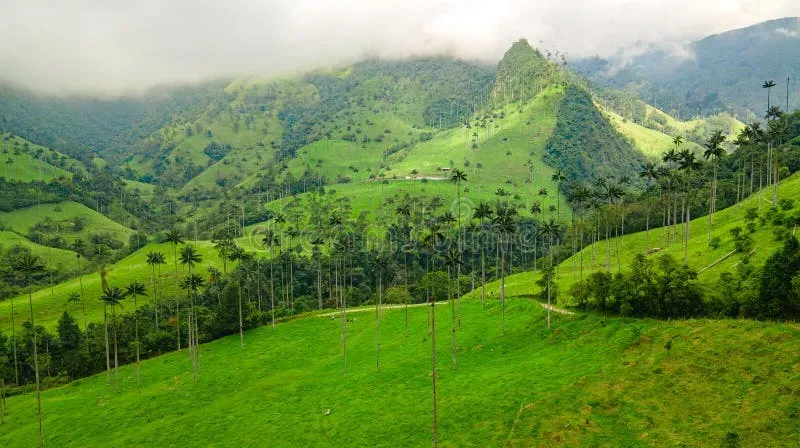
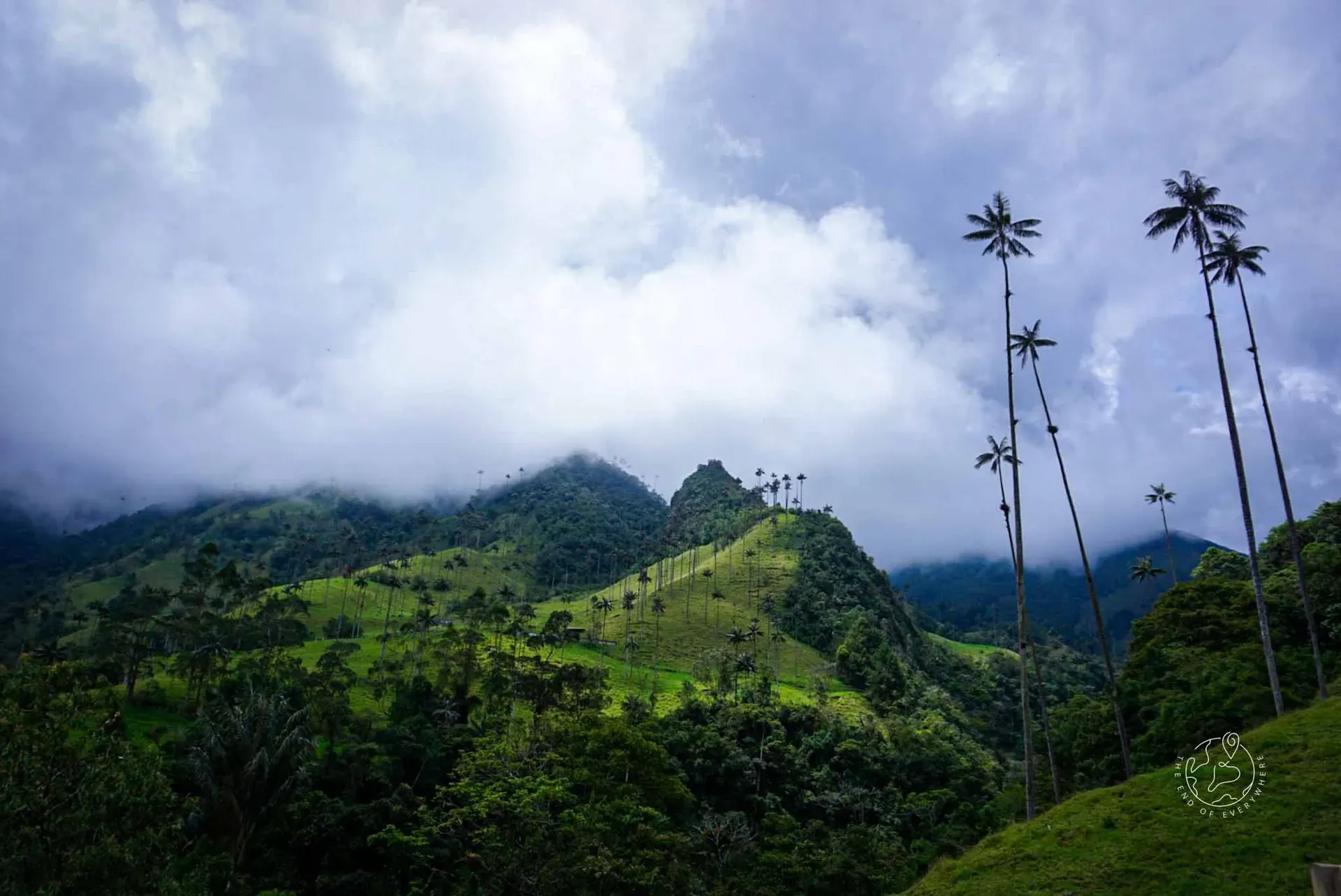
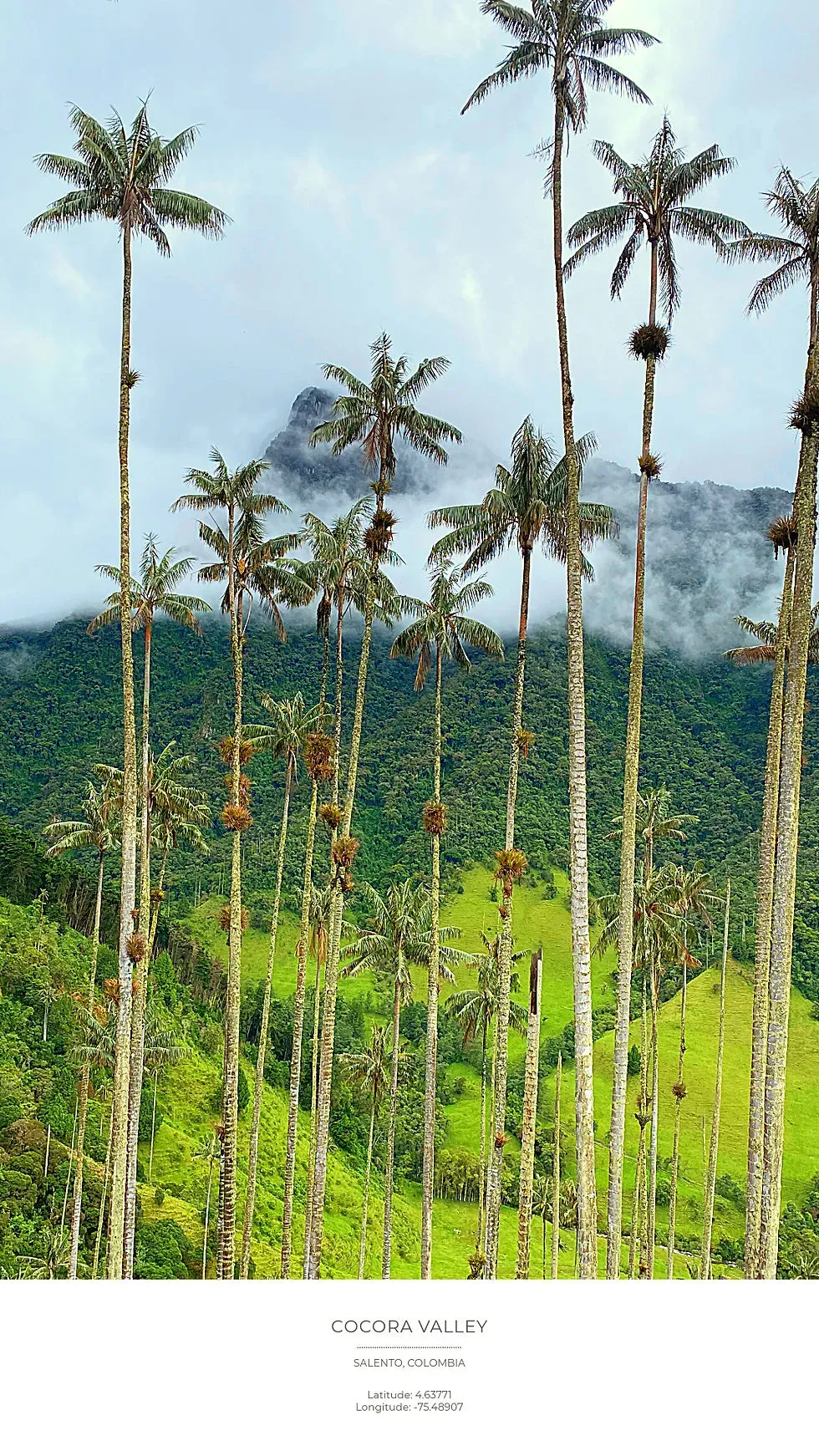
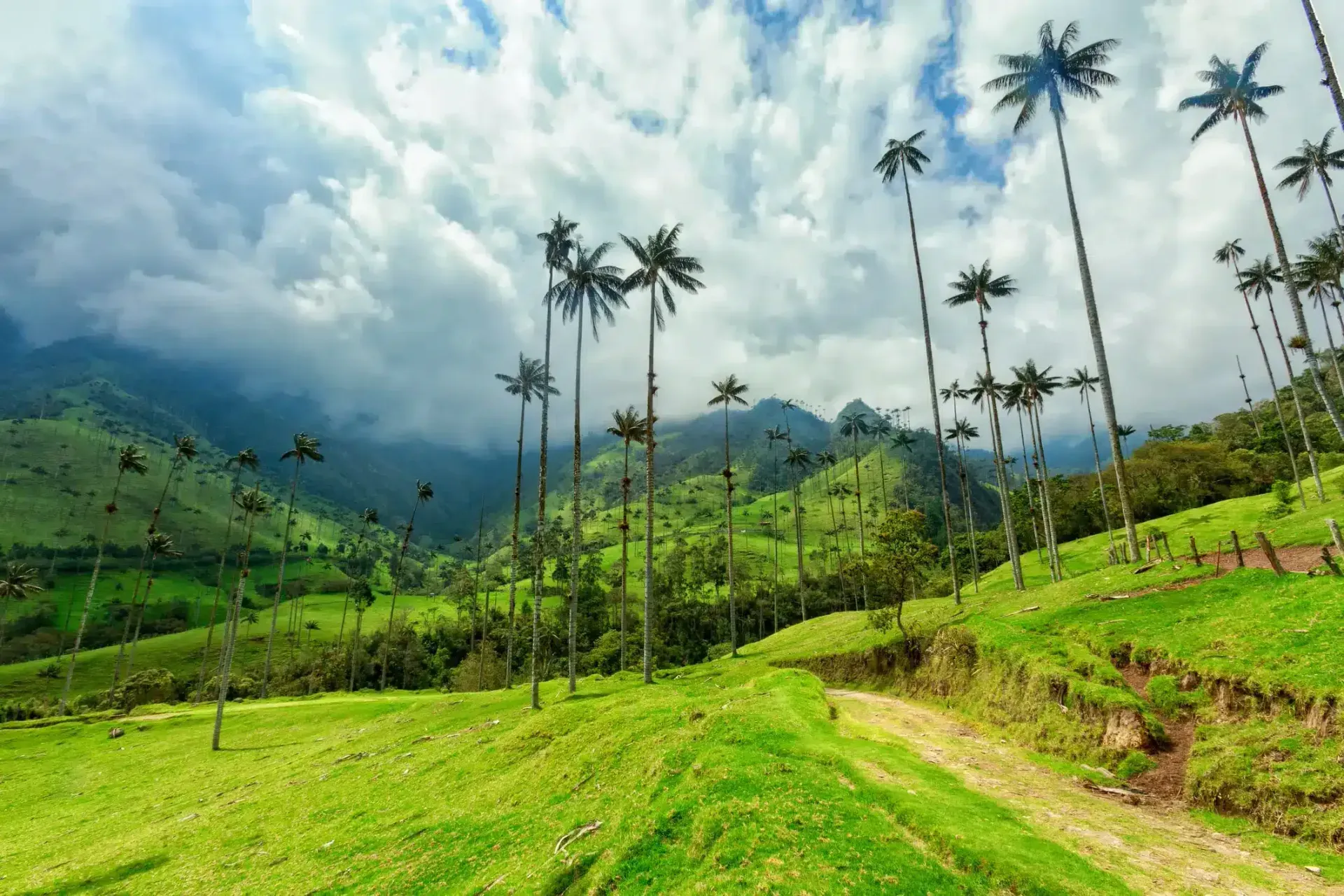
Valle de Cocora sits in Colombia's Quindío department, just outside the coffee town of Salento. This valley is home to the Quindío wax palm (Ceroxylon quindiuense), the tallest palm species on Earth, reaching heights of up to 60 meters. As Colombia's national tree, these ancient giants have become a symbol of the country's natural heritage. In 2026, the valley has become one of South America's most popular destinations for nature lovers and photographers.
The experience starts before the hiking boots hit the trail. From Salento's main plaza, colorful Willy's Jeeps, vintage vehicles that are icons of the coffee region, depart as early as 6:30 AM, charging around 24,000 COP per vehicle for a two-person round trip. The ride winds through Andean countryside, building anticipation for what waits at the trailhead. It's a journey that's as much a part of the adventure as the valley itself.
What makes Valle de Cocora, Colombia so special
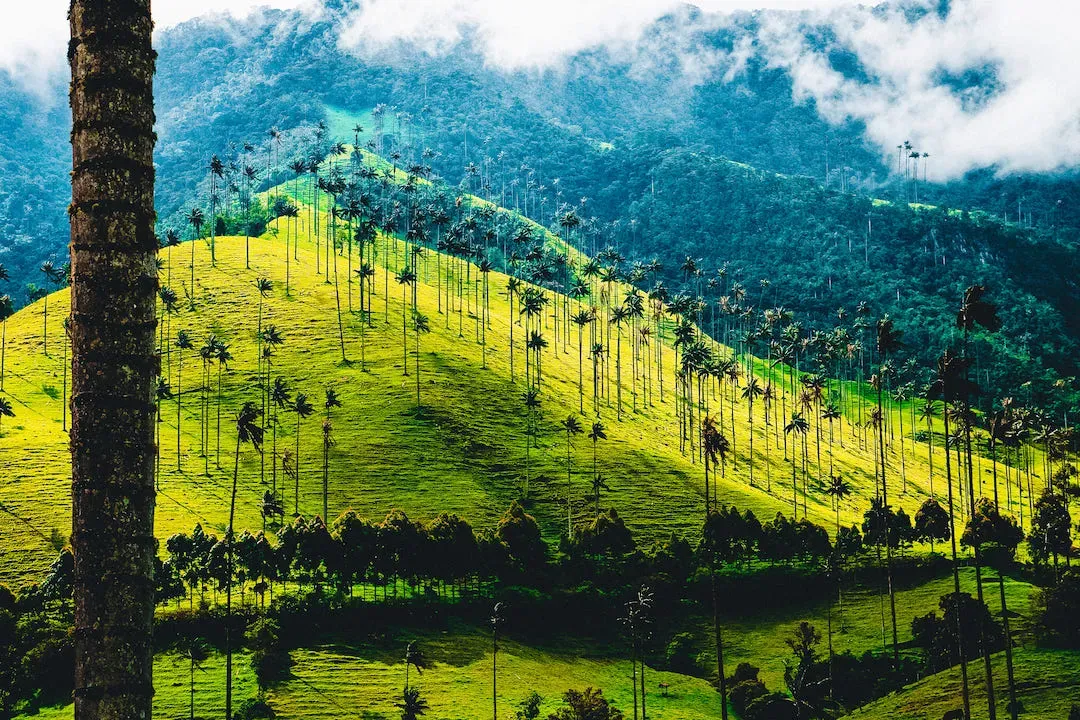
So what sets Valle de Cocora apart from every other mountain valley in South America? It starts with the palms themselves. These towering wax palms, some estimated to be centuries old, rise from the green hillsides, their slender trunks disappearing into the clouds. The landscape shifts constantly: open meadows dotted with grazing cattle and horses give way to dense cloud forest, hanging bridges over rushing rivers, and misty ridgelines where the valley unfolds below in sweeping panoramas. The atmosphere feels almost primordial, like stepping into a lost world.
But the valley isn't just about the palms. The surrounding ecosystem teems with life: hummingbirds flit between feeders and wildflowers, exotic birds call from the canopy, and the trails wind past working farms and traditional restaurants serving local specialties like garlic trout with patacón (fried plantain). There's a cultural richness here that pairs well with the natural spectacle, especially given Salento's role as a base for exploring Colombia's famous coffee region. The area also has shops offering handicrafts and locally sourced coffee, adding another layer to the experience.
What to expect on the trail
Arriving early and the first reveal
Arriving early, ideally on the first Willy's Jeep around 6:30 AM, is the single smartest move for a visit to Valle de Cocora, Colombia. By mid-morning, even on weekdays, the valley fills with tourists. Those who arrive at dawn often find themselves alone with the palms, the mist, and the silence. Even on a Sunday, an early arrival means the trails are nearly empty, with crowds only arriving in waves later in the morning.
General admission to the valley is technically free, though certain private trails and sections charge separate fees (more on that below). The first glimpse of the wax palms is genuinely impressive. No amount of preparation, not even the hundreds of photographs seen beforehand, fully prepares you for the scale of these trees. They stretch high above the green valley floor, their silhouettes sharp against cloudy skies. It's a moment of pure awe that stays with you long after you've left.
The full hiking loop: forest, rivers, and viewpoints
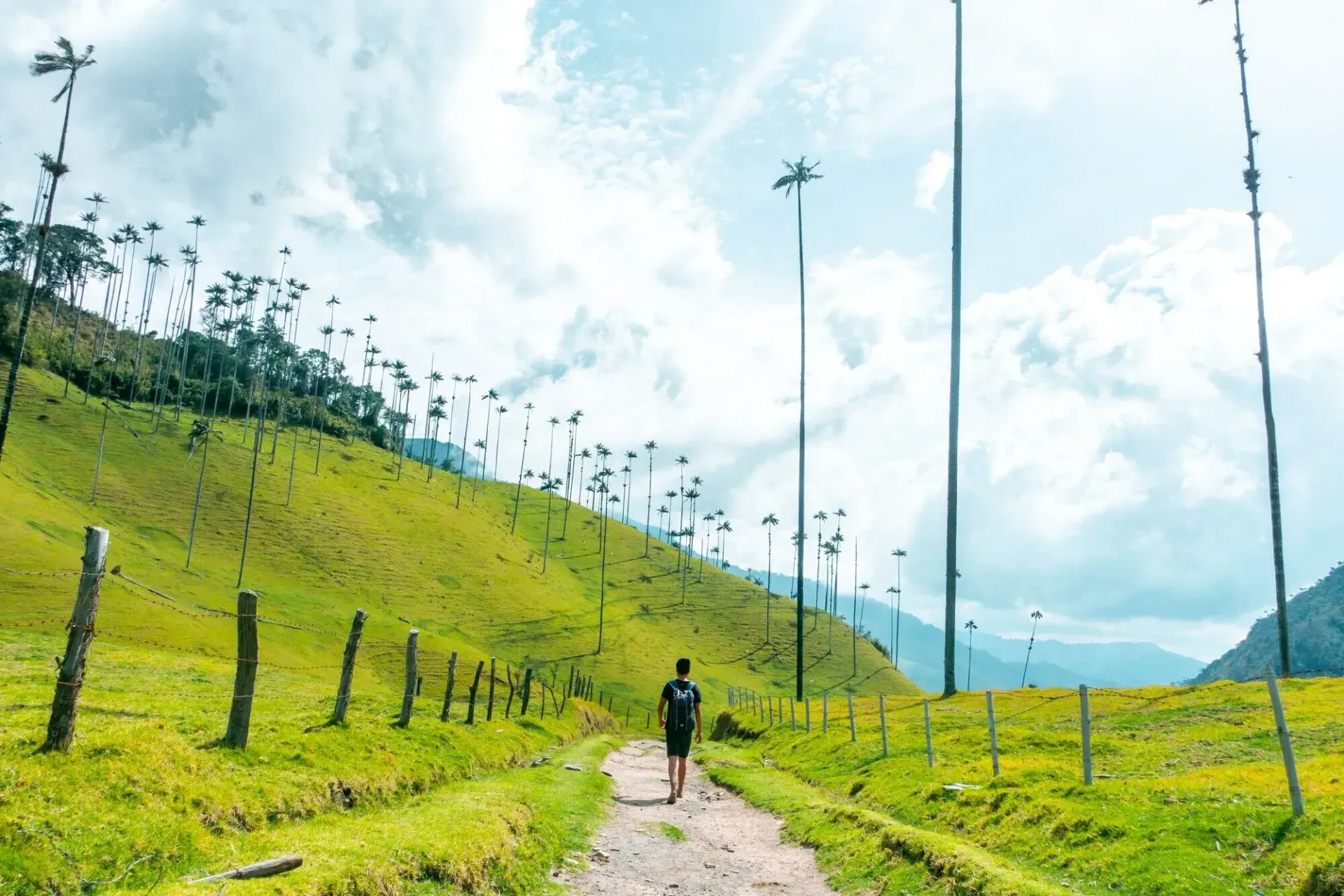
The valley offers several trail options, but the most rewarding experience is the complete loop, a circuit of roughly 12 to 15 kilometers that takes in the full diversity of the landscape. The hike is challenging but worth it, with approximately 500 meters of elevation gain and a duration that ranges from 3 to 6 hours depending on fitness level and pace. Sporty hikers who push the pace, especially on the descent, can finish in as little as 2 hours, though that means running parts of the trail rather than savoring them.
The standard route begins with the famous palm-lined valley before transitioning into dense cloud forest. Here the trail narrows, the vegetation thickens, and the atmosphere shifts from open grandeur to something intimate and almost magical. The forest section feels like walking through a scene from Indiana Jones: hanging bridges cross over rushing rivers, muddy paths wind through towering trees, and the sounds of the jungle replace the open air. The palms dominate roughly the first third of the hike; the remaining two-thirds plunge deep into this forest.
An increasingly popular strategy is to complete the loop in reverse, counterclockwise, starting with the viewpoint section and the open palm valley before descending into the forest. This approach means encountering far fewer people on the trail, sometimes as few as 15 in an entire day, and experiencing the dramatic palm landscape from a different angle. Starting at the viewpoints also means the steepest climb happens while energy levels are still high.
For those who prefer a gentler experience, a shorter 1-hour horseback ride through the palm valley is available. Non-hikers can also simply walk to the main viewpoints, which involve a steep but manageable climb and offer magnificent panoramic views. Even this abbreviated version of the experience, just spending time around the valley floor, appreciating the landscapes, photographing the palms, and being near the animals, can easily fill four hours.
Those who want a more curated experience might consider the "Encanto Valle de Cocora and Condor Experience," a guided package that costs around 75,000 COP and includes a hike, condor sighting, a typical local lunch, and parking. It's a solid option for visitors who prefer structure over independent trail navigation.
The Hummingbird House and unique encounters
One of the most delightful detours on the full loop is the Casa de los Colibríes, the Hummingbird House. Reached via a separate trail branch roughly 3 kilometers beyond the main loop, this spot serves hot chocolate while hummingbirds buzz and hover just meters away in their natural habitat. It's a peaceful, almost meditative pause in the middle of a long hike, and the opportunity to observe these jewel-like birds up close is genuinely special.
However, reaching the Hummingbird House adds both distance and cost. Access requires a separate fee of around 20,000 COP, bringing the total with the detour to approximately 15 kilometers rather than 12. Combined with the other entry fees charged along the trail, the complete loop with all detours can cost between 26,000 and 46,000 COP per person in trail access fees alone, a fact that surprises many first-time visitors who assume the valley is free.
Beyond the Hummingbird House, the valley is alive with animal encounters. Cows and horses graze in the meadows, donkeys share the trails, and birdwatchers find themselves constantly distracted by the variety of species. The experience goes far beyond the palms, it's a full immersion into a living Andean ecosystem.
Practical tips and the money pitfalls
This is where Valle de Cocora requires advance planning, and where many visitors run into frustration. The valley's fee structure is confusing and catches people off guard. While general admission is technically free, several sections of the trails on private land charge separate access fees ranging from 5,000 to 20,000 COP at various checkpoints along the way. The Hummingbird House costs an additional 20,000 COP, and exiting the loop may incur yet another 6,000 COP fee. Bring cash and plenty of it. None of the payment points accept cards, and there are no ATMs at the trailhead. Those who arrive without sufficient pesos find themselves cut off from parts of the trail entirely.
The trail signage is genuinely poor. Paths branch off without clear markers, and the lack of phone signal throughout much of the route means GPS apps are unreliable. Most problematically, the boundaries between the official park trails and surrounding private land are poorly communicated. Hikers following what appears to be a legitimate trail can inadvertently cross onto private property and face unexpected charges on the return, a situation that feels like a deliberately confusing, organized double-billing setup. On official maps, the red-marked routes correspond to the park proper; everything else is private terrain where additional fees apply. Stick to the marked park boundaries to avoid surprise charges.
Wear proper hiking shoes. The forest trails become slippery and potentially hazardous in wet conditions, and the steep climbs demand solid footwear. The trail through the forest can become treacherous quickly when the weather turns humid. Packing rain gear and layers is also wise, the cloud forest climate is unpredictable.
The valley's growing popularity has introduced some unwelcome commercial touches near the trailhead. Photo-op stations and themed spots have appeared that feel jarringly commercial compared to the raw natural beauty just a short walk away. While horseback riding is a popular and legitimate option, the so-called "free" horse rides advertised at the entrance should be treated with caution: what's offered as complimentary often becomes a paid experience once you're committed on the trail.
Parking at the valley costs approximately 10,000 COP per day for those arriving independently.
Best time to visit Valle de Cocora, Colombia
The ideal windows for visiting align with Colombia's dry seasons: December through March and June through August. During these months, the trails are drier and safer to navigate, the skies offer better visibility for photographing the palms, and the risk of rain disrupting an afternoon hike is significantly lower.
That said, the valley's cloud forest climate means mist and light rain can appear at any time of year. It's part of what makes the landscape so atmospheric. Those arriving in the early morning often find the valley draped in a soft fog that gradually lifts to reveal the palms in their full glory. Embracing the unpredictable weather is part of the experience.
Within the day, mornings are the best time to be on the trail. By early afternoon, clouds tend to roll in and rain often follows. Many experienced hikers aim to be back at the trailhead by 2:00 PM. Leaving after lunch also means encountering the heaviest crowds, so starting early serves double duty: better weather and fewer people.
How to get the most out of your visit
- Take the 6:30 AM Willy's Jeep from Salento. Arriving before the crowds means having the valley nearly to yourself.
- Bring plenty of cash, at least 80,000 COP per person to cover all trail fees, the Hummingbird House, food, and parking.
- Wear proper hiking shoes. The forest trails are muddy, steep, and slippery, especially after rain.
- Do the complete loop. The full circuit through forest, rivers, and viewpoints is where the valley truly shines. It's worth every peso and every steep step.
- Consider going counterclockwise for fewer crowds and a dramatic palm reveal at the end.
- Download offline maps beforehand. There's no phone signal on the trails.
- Pack food and water. Options along the trail are limited and overpriced.
- Plan for 4 to 6 hours depending on pace and how many detours you take.
- Don't miss the Hummingbird House if time and budget allow. Sipping hot chocolate while hummingbirds hover nearby is unforgettable.
- Head back by early afternoon to avoid rain and the heaviest crowds.
- Stick to the official park trails (marked in red on maps) to avoid surprise charges on private land.
Why Valle de Cocora deserves a spot on your bucket list
Valle de Cocora is one of those rare places where reality outshines even the most carefully curated photographs. The sight of tall wax palms, ancient, elegant, and utterly unlike anything else on Earth, rising from a green Andean valley wrapped in cloud is something that shifts your sense of what a landscape can be.
Yes, the trails are poorly marked. Yes, the fee structure is confusing and occasionally feels exploitative. Yes, the growing tourist infrastructure has introduced some unwelcome commercial touches. But none of that diminishes the raw beauty of the valley itself. The palms, the mist, the dense jungle, the birdsong, the hummingbirds at their namesake house, the sense of standing somewhere genuinely extraordinary, it all comes together into an experience that lingers long after the jeep bounces back to Salento.
This isn't just one of Colombia's natural wonders. It's one of the most surreal landscapes on the planet, and experiencing it in person, surrounded by cloud, birdsong, and the silent majesty of the world's tallest palms, is something that no photograph or description can truly capture. For anyone planning a trip to Colombia's coffee region, Valle de Cocora isn't just a recommendation. It's the reason to go.