Tugela Falls South Africa: Complete Hiker's Guide
Hiking Tugela Falls South Africa means climbing chain ladders up a 948-meter cliff face. This guide covers what to expect, when to go, and how to survive the climb.
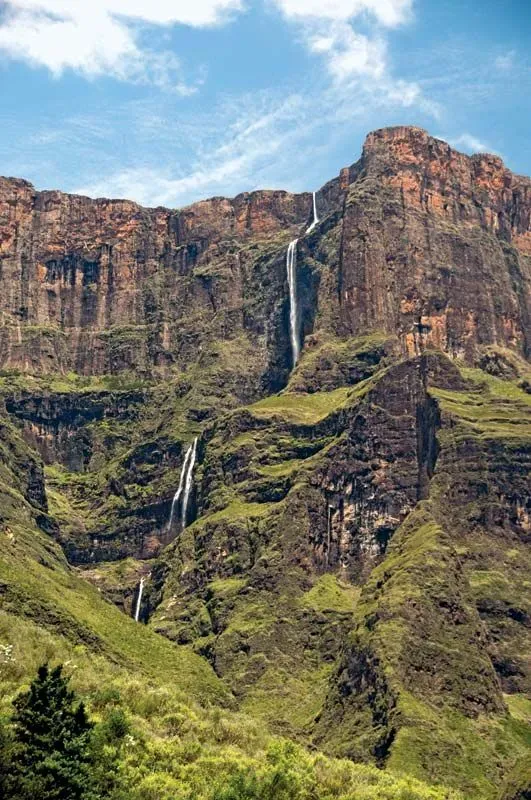
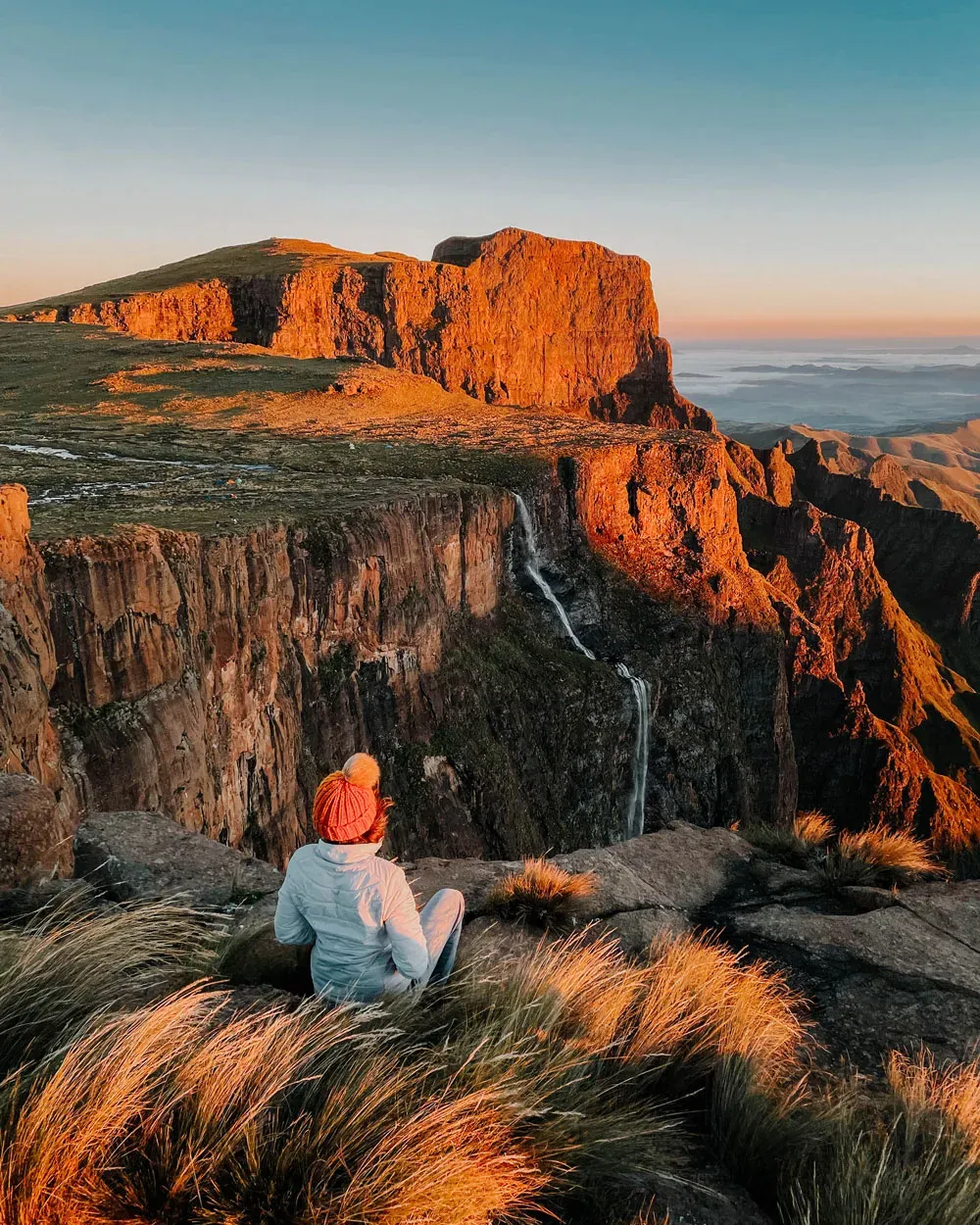
Standing at the edge of the world's second-highest waterfall
Tugela Falls South Africa is one of those places that silences you immediately. The water drops 948 meters down the Amphitheatre cliffs and the sound alone stops conversations mid-sentence.
Social media's obsession with this UNESCO World Heritage site has brought a flood of visitors to what locals always kept quiet. This is where the trail ends and the drop begins.
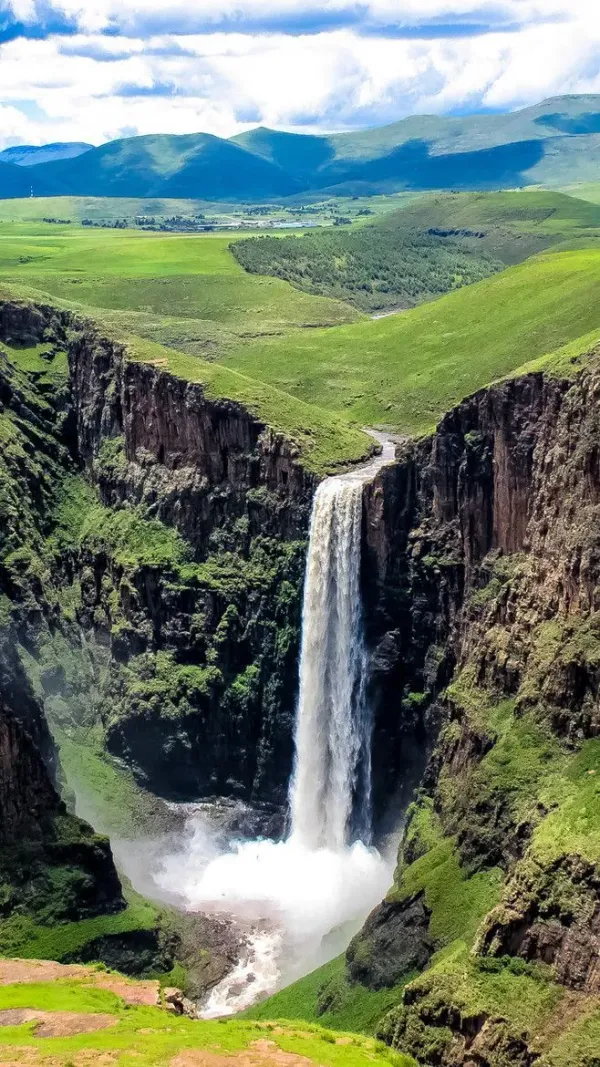
Five tiers of water plunge from the escarpment into the valley below. The result is one of Africa's rawest displays of water meeting rock.
Whether you want the challenge of the hike or just the view from the top, Tugela Falls delivers. Some hikers call it spiritual. Others just say it's damn impressive.
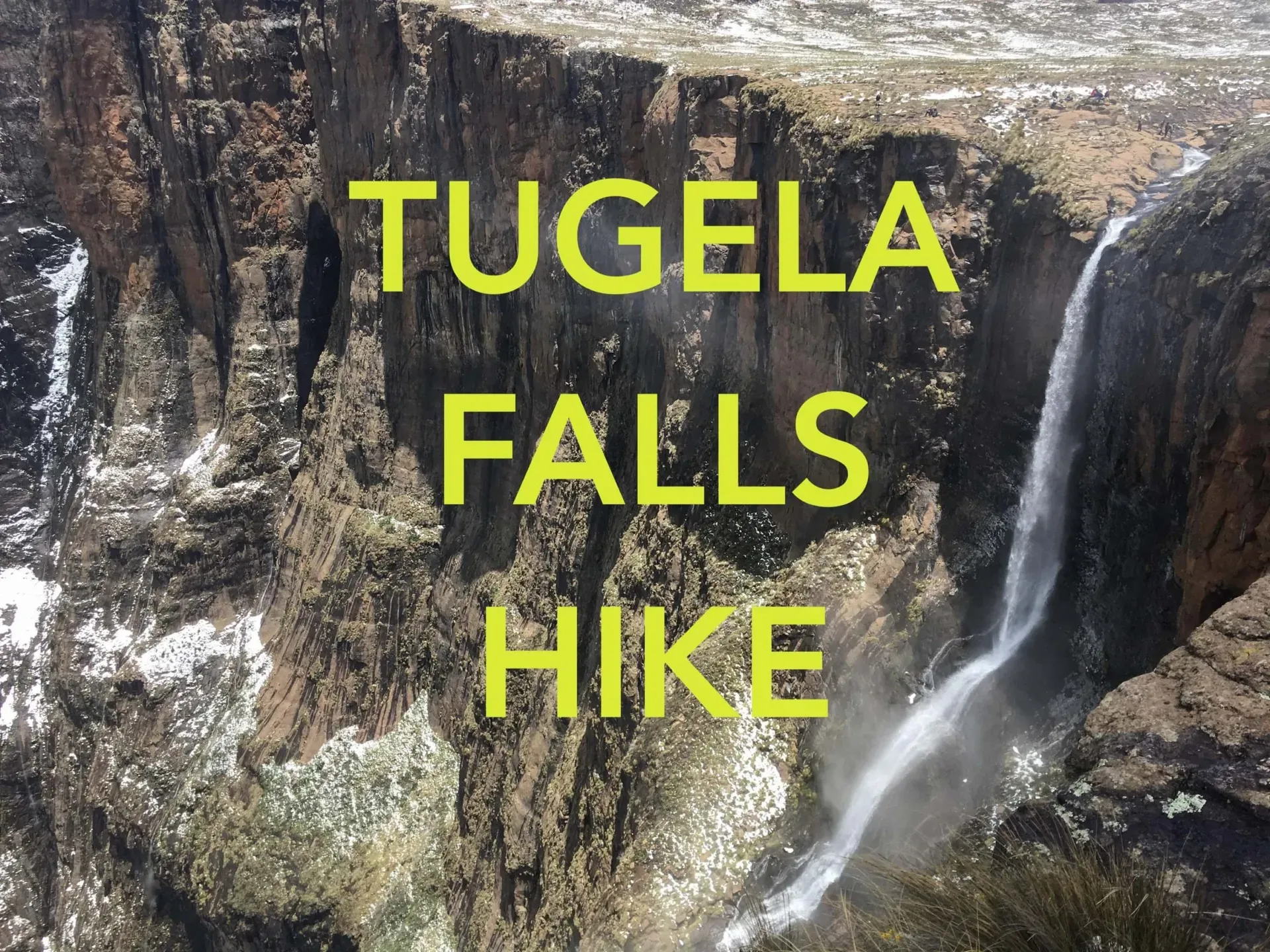
What makes Tugela Falls legendary
Words don't work here. Photos barely help. Standing at the edge of the escarpment, looking down 948 meters of air, does something to your stomach.
You're standing at the edge. The gorge drops away. The cliffs rise. Waterfalls fall into the abyss and the wilderness stretches to some distant horizon. Everyday problems feel very small up here.
The Amphitheatre wall runs for kilometers. The basalt cliffs loom overhead. It's the easiest way up onto the Drakensberg escarpment, and the view keeps pulling people back.
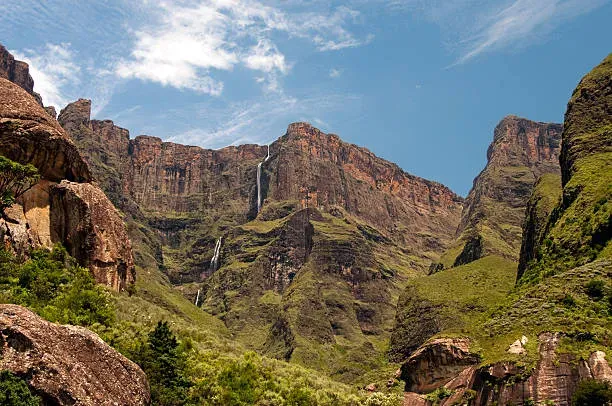
The ultimate Tugela Falls hike experience
The approach: getting to the trailhead
Your legs start working before you even step on the trail. The 7km drive from Witsieshoek Mountain Lodge to the Sentinel Car Park is rough. People who've done it call it "really really bumpy" and they aren't exaggerating.
You need a 4x4. Or you can pay for the shuttle through Thaba Tours at Witsieshoek Lodge. The road is bad enough that trying it in a regular car is asking for trouble.
The Sentinel Car Park has basic facilities. The bathroom is in rough shape. The building is half-finished. Use it if you must, but don't expect much.
Sign in with your guide if you hired one, then start walking.
The trail: what to expect
It's 12 kilometers total. Six up, six down. Most people finish in 4 to 7 hours, depending on how fit you are and how long you stay at the top.
The trail is marked and clear in most places. Some sections are paved. Others are just rocks.
The first two kilometers hit hard. Steep switchbacks climb straight up. Your legs will feel it immediately.
You need to be in decent shape. This is not a walk in the park. You'll be climbing over slippery rocks, lunging between them, watching every step.
Wildflowers show up along the route. The views start opening up almost from the beginning.
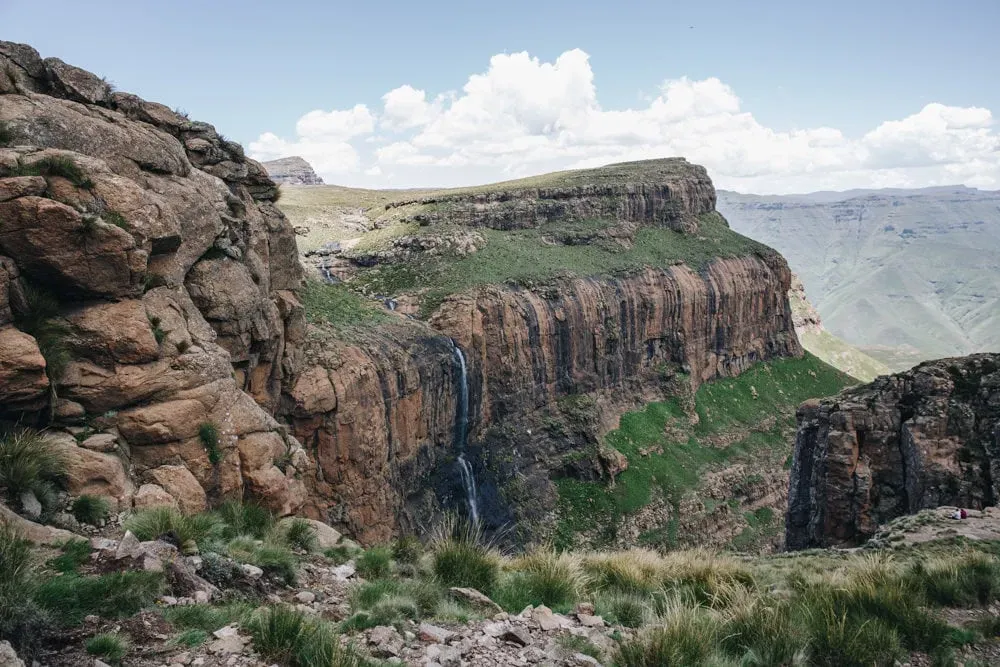
The chain ladders: the thrilling climax
The chain ladders are what everyone remembers. And what everyone fears. Two ladders run side by side up the cliff.
One ladder has rings that are easier to grip. The other squishes your hands against the rock. Pick the one with the rings.
The taller ladder climbs about 30 meters straight up the cliff. It's exposed. It's scary. You'll remember it.
If heights make you dizzy, this is your nightmare. Don't think. Just move. One hand, one leg, always three points of contact.
Your survival brain takes over. Then you're at the top.
Going down is its own challenge. Again, don't overthink. Just commit.
Some guides bring safety lines and harnesses for anyone who needs the extra mental security.
You can skip the ladders on the way down and take the gully route instead. It takes about 30 minutes compared to 15 minutes on the ladders. It's harder work but manageable.
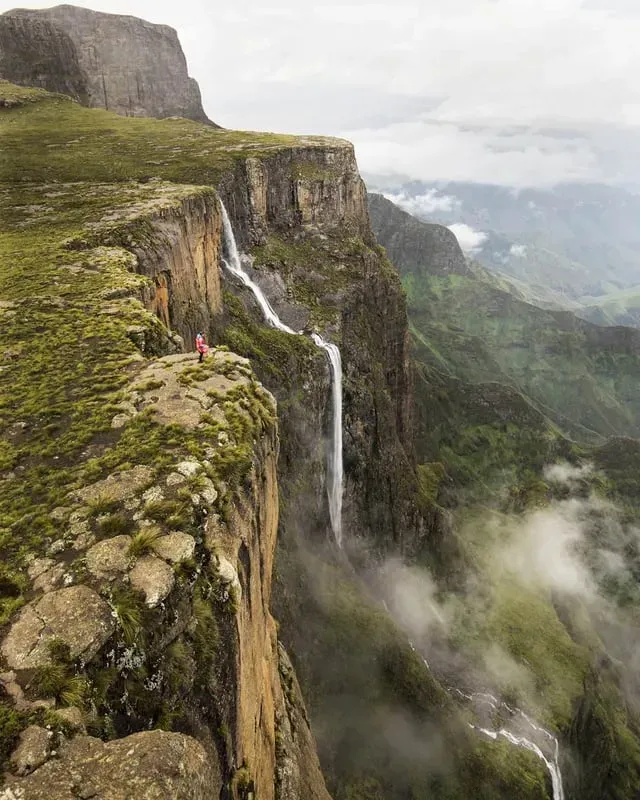
The summit: above the falls
The top of the escarpment is a different world. Open grassland stretches flat in every direction.
Standing above Tugela Falls with the plateau spreading out before you is hard to process.
On clear days, you can see forever.
You cross the open plateau to reach the main falls, passing smaller waterfalls along the way.
Bring swimming shorts. The rock pools at the top are cold, clear, and exactly what your legs need after that climb.
If you camp overnight, the stars are ridiculous. The sunrise is worth the cold.
Day trip or overnight, it's worth the effort.
How to get to Tugela Falls in South Africa
You need to plan this.
Most people go through Witsieshoek Mountain Resort. You can book transport there or drive yourself in a 4x4.
From the University Station past Witsieshoek Mountain Lodge, it's about 7.5 kilometers to the trailhead. Add 45 minutes if you're driving the rough dirt road yourself.
The lodge runs shuttles for anyone without a 4x4.
Permits cost R240 for the first day and R140 for each day after that. Buy them at Witsieshoek Lodge.
You'll also pay a park entrance fee and separate hiking fees. Budget for all three.
Best time to visit Tugela Falls
October to April is South African summer, which means warmer weather. April through September is drier with clearer views. Pick your compromise.
Mountain weather changes fast. Heavy mist can kill visibility. Check the forecast before you start.
If there's been no rain, December can disappoint. The falls shrink to a trickle.
Start at 7:30 AM. It helps you avoid weather, crowds, and darkness.
Is Tugela Falls worth visiting? Essential tips for the adventure
Yes, it's hard. Yes, the road is bad. Yes, the ladders are scary. But there's a reason people keep coming back.
Here's how to do it right:
Train before you try this hike. Walk with your backpack loaded. The 6km up and 6km back demands respect. Get fit and it becomes enjoyable instead of painful.
If you or your companions fear heights, practice on tall ladders first. Consider renting a safety harness so someone can belay you up the ladders.
Recent reports mention security issues on the trail. Some hikers have met locals at the 5km mark and at the ladders asking for money and cigarettes. Security guards used to patrol but coverage is spotty now. Listen to warnings from other hikers. Turn back if it feels wrong.
Pack at least 2 liters of water, windbreaker layers, snacks, and a camera. Good hiking boots with solid grip are necessary. Bring rain cover. Use the outdoors as your toilet. Facilities are almost non-existent.
A guide helps with navigation, morale, and safety gear. Guides like Geoff get praise for patience and expertise, especially helping nervous people up the ladders.
Plan your day. Starting at 11 AM is too late. You won't finish before dark. The 4x4 shuttle from the hotel is recommended, but if you get back too early, you might wait for your ride.
Where to stay near Tugela Falls
Witsieshoek Mountain Lodge is the base for most Tugela Falls hikers.
It's near the trailhead and handles accommodation, permits, and shuttles.
Book your transport through Thaba Tours at the lodge. It makes everything easier.
You can camp on top of the Amphitheatre. The stars and sunrise are worth carrying the extra weight.
The plateau is flat enough for tents. Carry everything up yourself.
Final thoughts: a hike that transforms
Tugela Falls South Africa isn't just a hike. It's a walk to the edge of the world.
The physical challenge, the raw scale, and the fact that you're standing above the world's second-highest waterfall hits different. You don't forget this.
The ladders are scary. The road is annoying. The climb is hard. But standing at the edge with the Drakensberg wilderness dropping away below, you get why people call this one of the most beautiful places on Earth.
Call it God. Call it nature. Call it geology. Whatever you call it, the view is real.
This is South Africa at its most raw. It's a reminder that this world is still worth exploring, keeping, and protecting.