Tiger Leaping Gorge China: The Ultimate Adventure Guide
One of the world's deepest canyons carved by the Jinsha River between snow-capped giants. From high-altitude trekking to river-level views, here's how to actually experience Tiger Leaping Gorge.
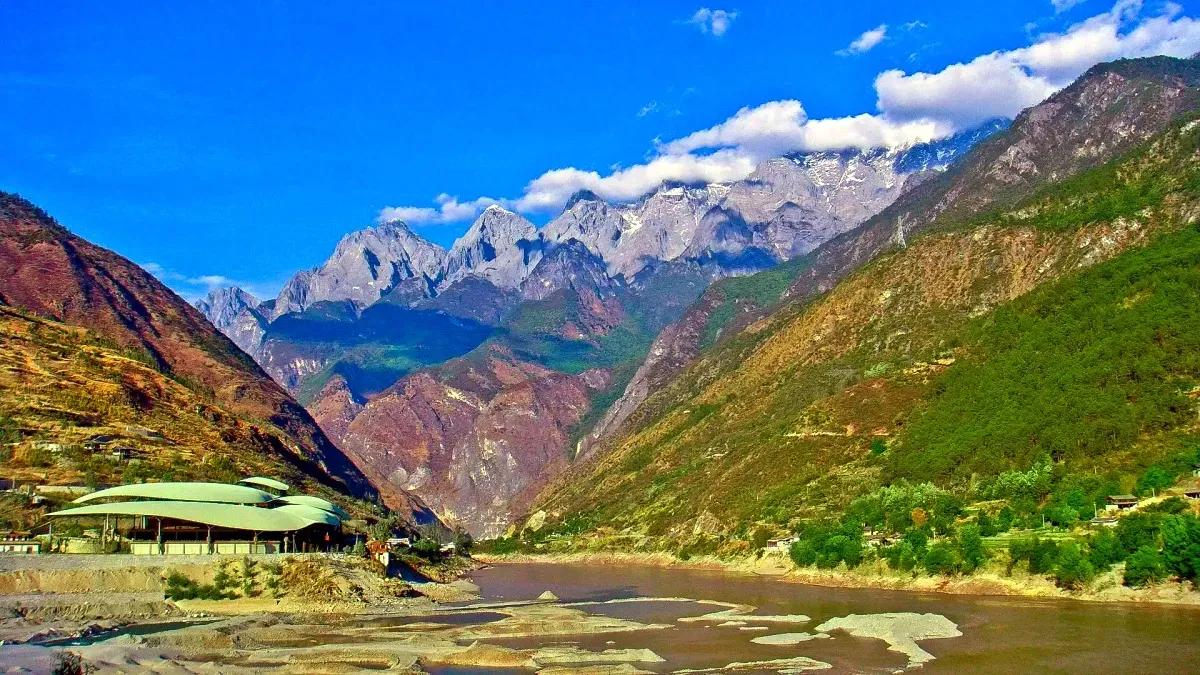
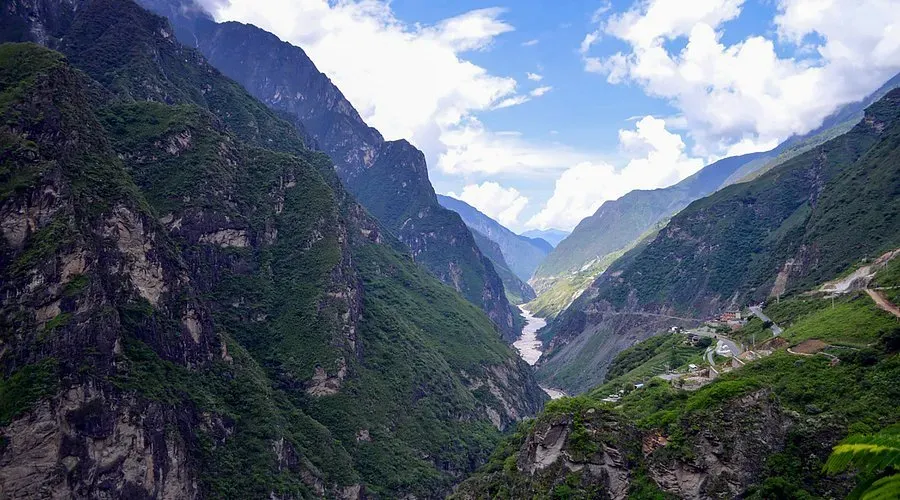
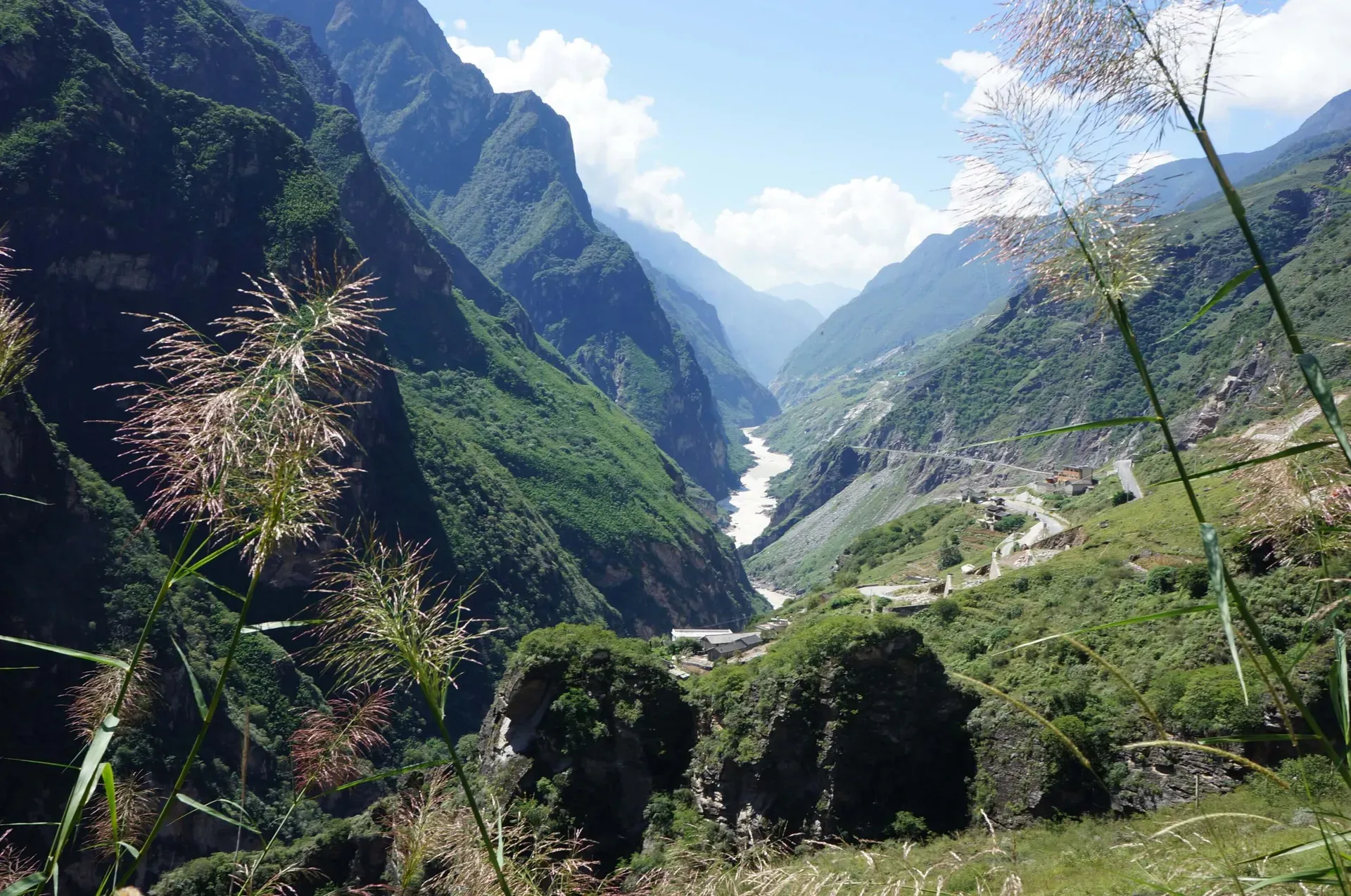
Tiger Leaping Gorge in China is one of the world's deepest and most spectacular river canyons. The Jinsha River carved this chasm between Jade Dragon Snow Mountain and Haba Snow Mountain. July's warmer temperatures and clear mountain skies bring optimal conditions. This UNESCO-recognized 4A scenic site draws adventure seekers to witness nearly 4,000 meters of vertical drama, where rushing turquoise rapids carve through terraced farmlands beneath snow-capped giants.
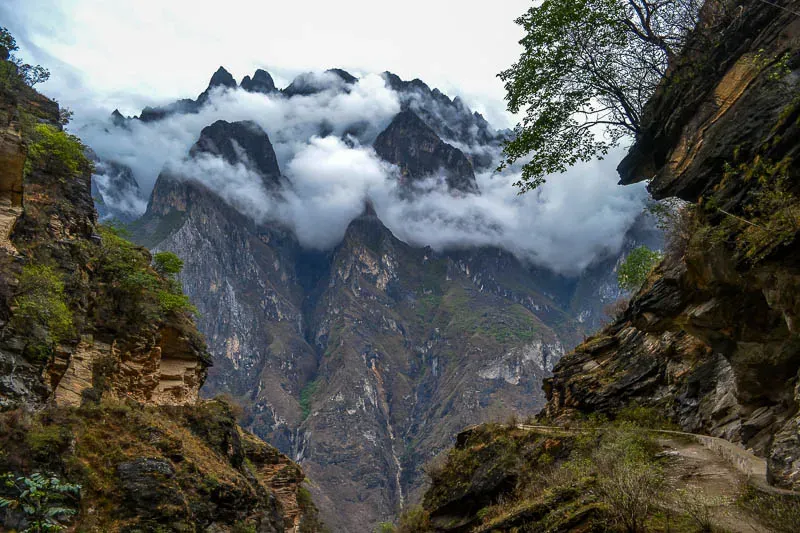
Is Tiger Leaping Gorge China Worth Visiting?
Ranked among the world's top three trekking courses, Tiger Leaping Gorge offers rare accessibility to raw wilderness that keeps travelers returning. The sheer scale defies photography. Jade Dragon Snow Mountain looms in the background while the Jinsha River roars through its narrowest bottleneck points with waterfall-like intensity. This is not merely a sightseeing stop but a physical journey through high-altitude scenery that changes dramatically with the seasons.
The gorge divides into two distinct experiences: the famed upper hiking trail traversing cliff edges between villages, and the lower pathway descending to river level. Both offer spectacular views, though they cater to different temperaments. One demands endurance, the other accepts casual visitors.
Hiking Tiger Leaping Gorge China
Can You Hike Tiger Leaping Gorge in One Day?
Yes, the classic high trail can be conquered in a single day, though stretching the trek over two days allows for deeper appreciation of the scenery. The route typically begins near Nuoyu village, where the infamous 28 bends await. These steep switchbacks demand immediate effort and challenge endurance at altitude.
The trail conditions vary considerably along the path. While never extremely dangerous, long sections feature sharp drops off the side. That is enough to unsettle anyone uncomfortable with heights. Regular hikers find the challenge manageable, particularly with local guides offering horses to anyone unable to finish the climbs. The breathing comes harder than normal hiking conditions would require. This is a constant reminder of the thin mountain air.
Things to Do at Tiger Leaping Gorge: The Lower Section
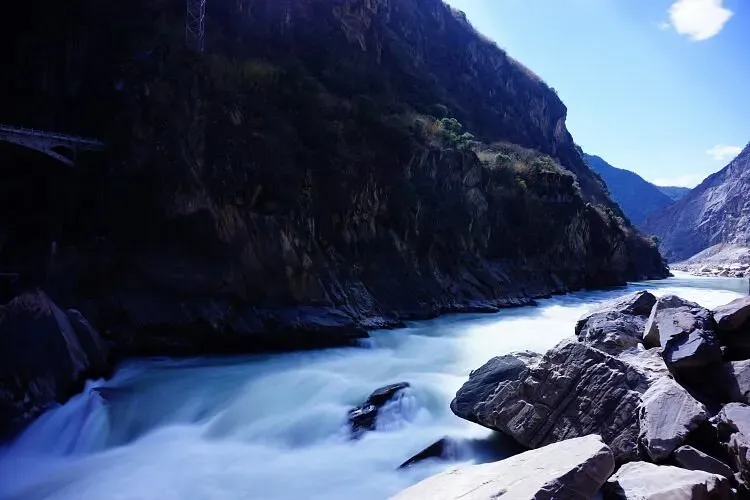
For those prioritizing the river itself over mountain trekking, the lower gorge provides direct access to the water's edge. The experience centers on descending to where the river crashes through its narrowest point. This is a high-pressure, fast-flowing spectacle that creates a perpetual roar and generates significant spray.
A series of three to four escalators now carry visitors down from the entrance. This is a relatively recent addition that replaced some (but not all) of the walking requirement. You will need to pay approximately CNY70 for a round trip, with breakdowns around CNY35 down and CNY65 up. Online purchases offer slight discounts. Some travelers consider the escalator fees a manufactured expense. The path was intentionally designed with steep stairways rather than following the mountain's natural contours. The reward is witnessing the raw power of the river from eye level. That said, independent travelers may find the hassle of reaching this specific bottleneck less worthwhile than the photographs suggest.
For those choosing to walk entirely, expect the equivalent energy expenditure of climbing ten floors or more. The return journey proves particularly brutal on the knees. Rest benches line the climb back up for those needing pauses.
How to Get to Tiger Leaping Gorge
Located technically in the Shangri-La region but accessed by most travelers from Lijiang, the gorge sits within easy reach of Yunnan's major tourist hubs. The journey from Lijiang makes for a natural inclusion that also takes in the First Bend of the Yangtze River. This is a key complementary attraction worth visiting en route.
Upon arrival, park at the main visitors center and queue for the shuttle bus that transports tourists to the actual attraction site. The system efficiently moves large crowds, though waiting times vary. At the bottom, overlook points provide photo opportunities. E Moment cafe offers both coffee fixes and additional gorge views for those needing refreshment before the return ascent.
Best Time to Visit Tiger Leaping Gorge China
Seasons and Weather Patterns
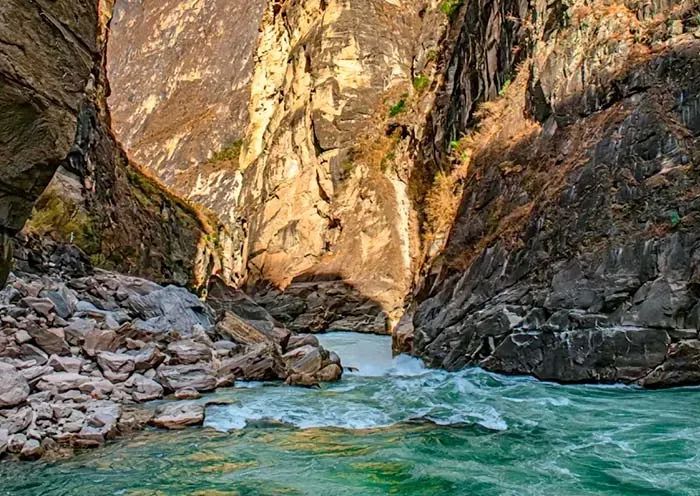
July and August mark peak season when melting snow drives the highest water volumes. This creates magnificent but potentially intimidating flows that some describe as scary in their power. December visits offer surprisingly manageable temperatures. Often warm enough to shed jackets in direct sun, thanks to the gorge's position at lower altitude than much of Yunnan province.
Winter reveals lower, average water levels that some find less dramatic, though the force remains impressive regardless of season. Rainfall hits hardest from May through July, making an umbrella essential for comfort during these months. November brings cooler temperatures and lighter crowds, though "light" remains relative. The area attracts visitors year-round.
Planning Your Tiger Leaping Gorge China Itinerary
Strategic timing transforms the experience more than any equipment choice. Late afternoon visits typically encounter fewer organized bus tours, though crowds materialize unpredictably even in off-peak seasons. Early morning arrivals offer crisp light and better photography conditions, but be warned. The air is freezing and cold at dawn, with winds that cut through inadequate clothing. Layering is non-negotiable regardless of season.
The emergency essentials include securing phones and cameras. The combination of strong canyon winds, steep drops, and rushing water below makes retrieving dropped devices impossible. For those sensitive to altitude, oxygen bottles are available for purchase before descending. The low-oxygen environment at the gorge bottom affects some visitors more than the moderate altitude numbers suggest.
Practical Tips for Your Visit
Physical Preparation: The stairs and paths provide legitimate exercise. The return climb to street level can be phenomenal in its physical demand, particularly if caught in rain without an umbrella. Those with knee problems should absolutely budget for the escalator option rather than attempting the stairs.
Photography Reality: While some find the angles average for photography, others capture stunning shots. The weather changes rapidly, and morning mist may obscure the very views that were clear hours later.
Facilities: Bathrooms and shops for snacks and drinks line both the upper and lower routes. Lucky visitors occasionally spot squirrels along the trails. Souvenir photo stations at the bottom offer laminated prints. These are entirely optional though professionally presented.
Health Considerations: The combination of altitude, physical exertion, and temperature fluctuations means visitors should come prepared with water, snacks, and appropriate footwear. December temperatures prove surprisingly comfortable, but morning starts are another matter entirely.
Final Thoughts
Tiger Leaping Gorge serves different travelers in different ways. For some, it provides the physical challenge of a world-class trek through high-altitude scenery that feels lifted from classical paintings. For others, it is a dramatic viewpoint best experienced via escalator, a once-in-a-lifetime glimpse into the earth's geological power that does not necessitate mountain-scaling endurance.
What remains constant is the scale. The vertical walls climbing skyward, the river's relentless dynamics carving ever deeper, and the overwhelming sense that this landscape will persist long after we have returned home. Whether approached by hiking boot or escalator, the gorge delivers that essential "wow" moment that defines epic travel.