The Wild Center Tupper Lake: Treetop Trails & Trolls
The Wild Center in Tupper Lake mixes treetop trails with otter exhibits and giant reclaimed-wood trolls. Here's what actually works about this Adirondack nature destination.
Discover the Wild Center, where forest meets museum
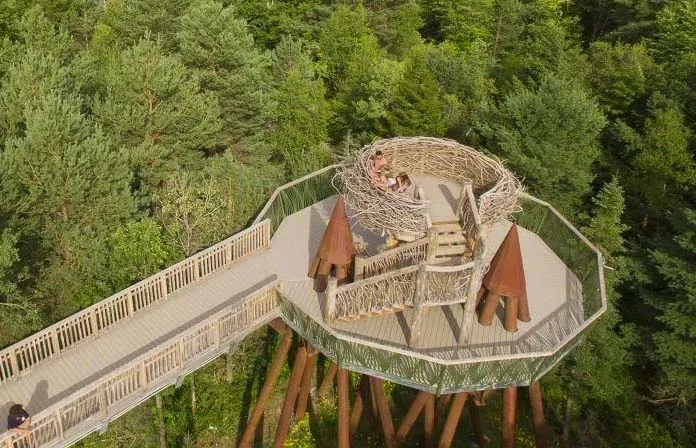
The Wild Center in Tupper Lake, United States sits right in the middle of Adirondack forest. You don't just look at exhibits here. You walk through actual woods, climb into an eagle's nest thirty feet up, and watch otters swim overhead through glass walls. The place pulls off that rare trick of keeping kids, parents, and grandparents equally engaged without any single group feeling targeted.
What makes this place different
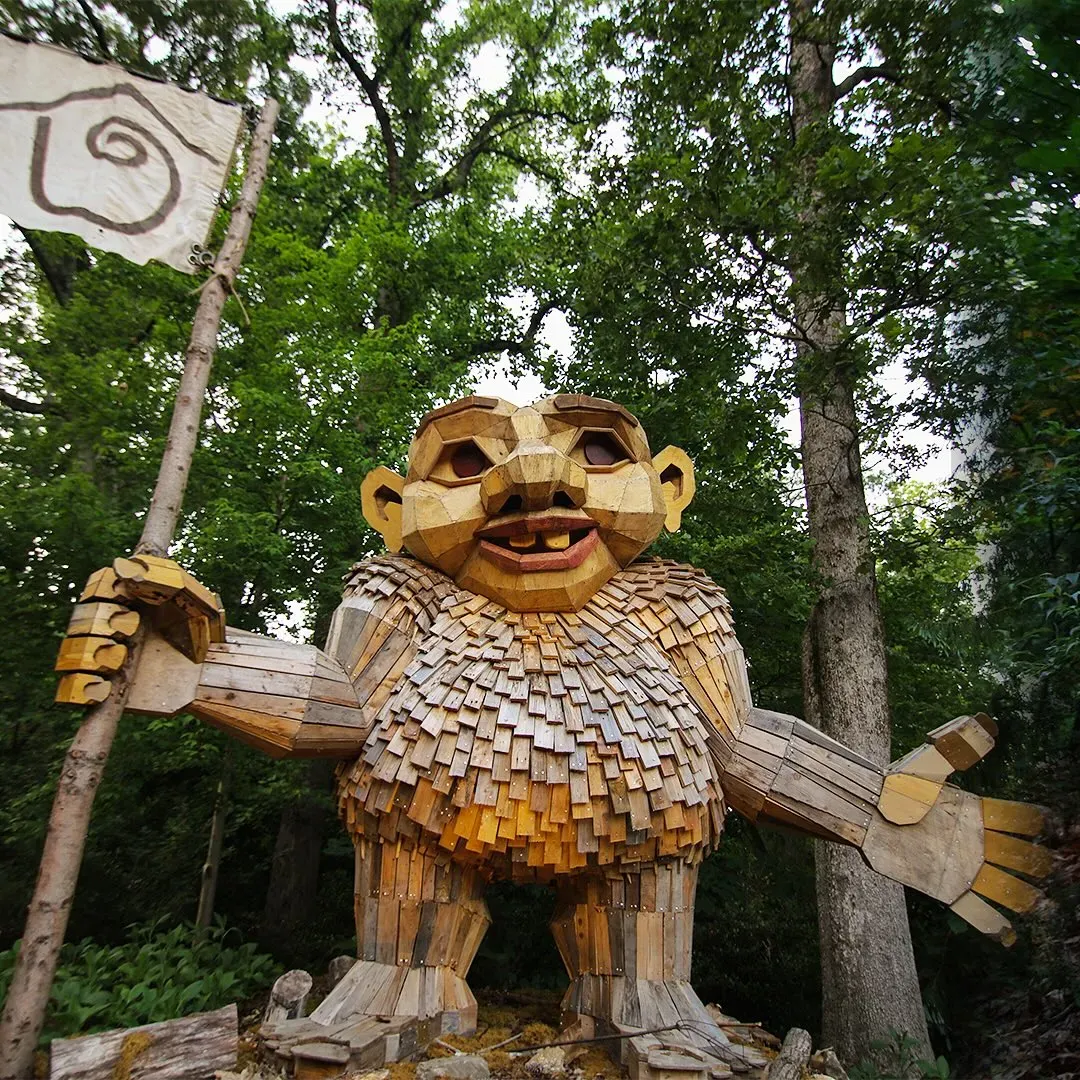
Most nature centers either go heavy on static displays or skimp on the actual nature. The Wild Center does neither. The indoor museum connects to outdoor trails without the usual boundary between "exhibit" and "outside." In 2026, for their 20th anniversary, they have added six massive troll sculptures by Danish artist Thomas Dambo. He built them entirely from reclaimed wood and construction debris. They look like something from a storybook, only they're twenty feet tall and scattered through the actual forest.
Inside: otters, trout, and actual interaction
The museum interior looks like someone converted a high-end nature documentary into physical form. A massive globe installation sits in the main hall. Living exhibits show river otters at Otter Falls, trout in cylindrical tanks, turtles, wood ducks, and a falcon. The otters have scheduled feeding shows throughout the day, and yes, they're as entertaining as everyone claims.
Several darkened theaters run short films on rotation: Adirondack wildlife, stargazing footage, conservation work. The key difference here is touch. Most exhibits invite interaction instead of warning you away from it. Kids stay occupied because they're allowed to actually do things, not just read placards about them.

The Wild Walk: suspended over the forest
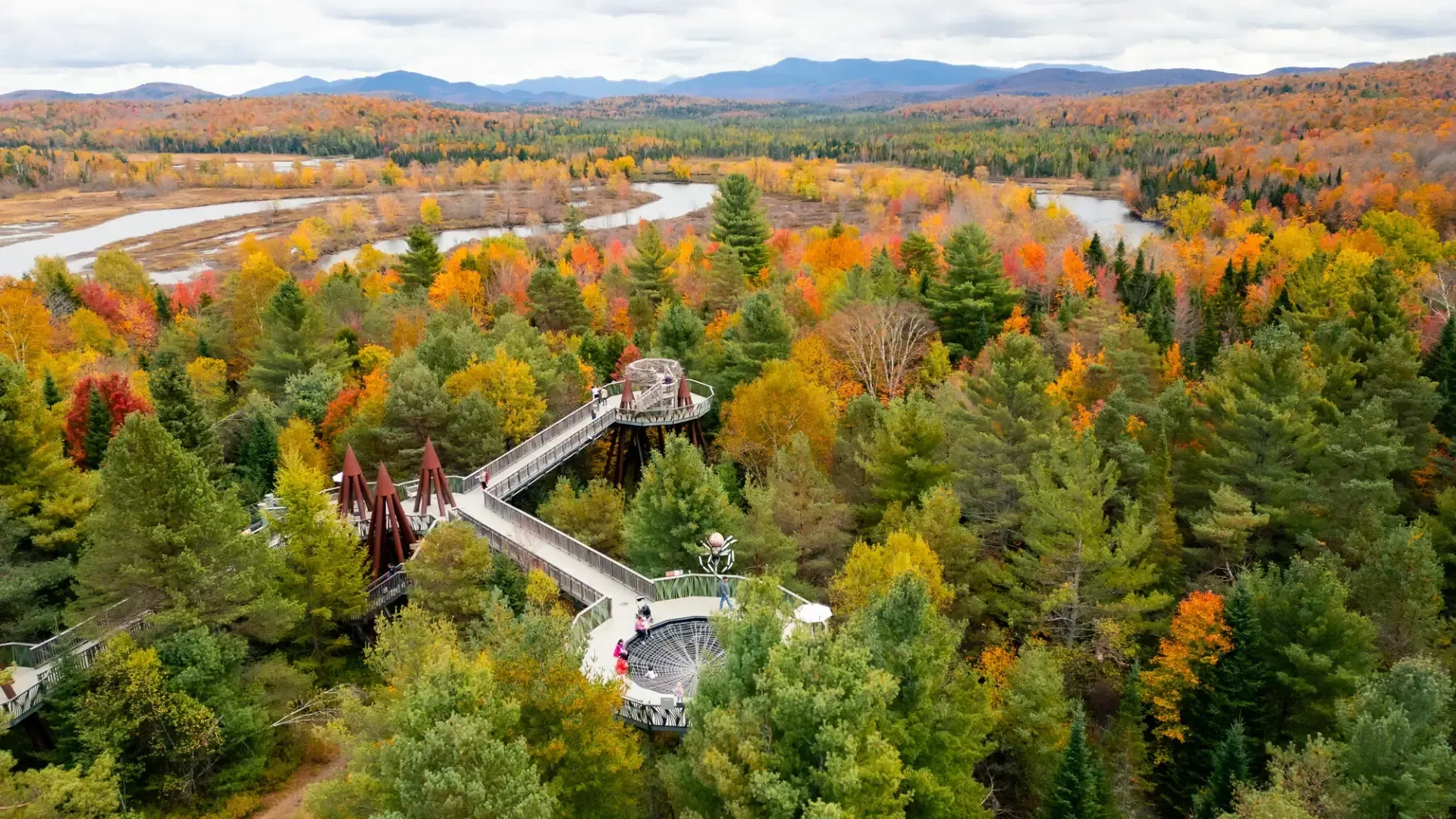
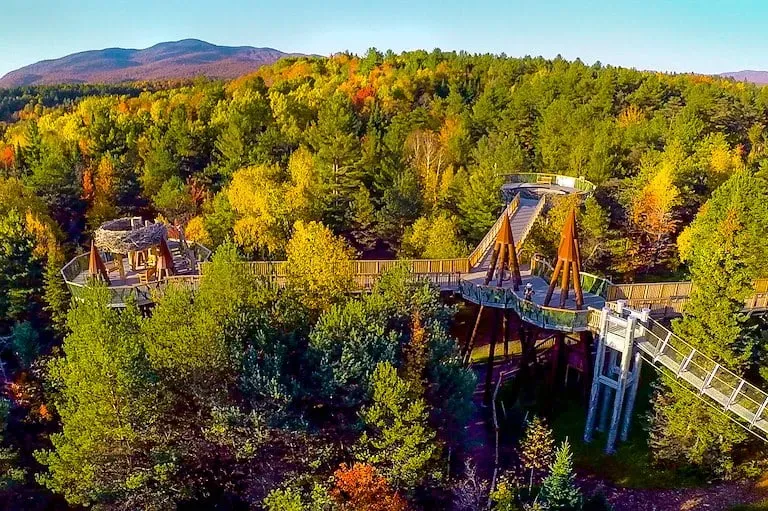
The main attraction is a mile-long elevated trail called the Wild Walk. It puts you at treetop level, which changes how you see the forest entirely. The structure includes a human-sized bald eagle nest you can climb into, spider-web bridges that bounce slightly underfoot, ball-roll platforms, and the Music Forest where certain steps trigger sound.
The designers clearly thought about accessibility. The main Wild Walk route works for wheelchairs. Only the narrow swaying bridges inside the big cutout tree require steady footing, and those are marked clearly. Educational signs along the path identify local birds and explain how natural structures form, though you can ignore them completely and just enjoy the height.
Seasons change the experience completely
Summer gives you full access to every trail with green canopy overhead. September and October bring serious fall color. The Adirondacks are famous for autumn foliage, and seeing it from thirty feet up hits differently than ground level. Winter brings The Wild Lights, a holiday setup with delicate light installations, fire pits for s'mores, hot chocolate available, and music. It's objectively touristy and still works.
The 2026 troll exhibition runs June through October. Dambo's sculptures are built from actual trash: old pallets, fallen branches, construction scrap. The park staff uses them to start conversations about waste and recycling with kids who mostly just want to climb on giant wooden monsters. Sneaky education, the effective kind.
What you need to know before going
Tickets and actual costs
Adults pay $26, seniors $24. Buy online and save a dollar. If you live within driving distance, do the math on a membership. Multiple visits make it worthwhile, and you will want to return for different seasons. The VR flying experience costs $6 extra. Parents consistently report their kids love it.
Time and pacing
Budget four hours minimum. You could fill a full day easily. Rain isn't a problem because the indoor exhibits occupy significant space, but clear weather lets you do everything. Weekends and holidays get crowded. Arrive early for easier parking and quieter trails.
Gift shop reality check
The gift shop is large and stocks decent nature-themed merchandise. Sweatshirts run about $70, which is steep but not unusual for museum retail. The café prices land lower than expected for a captive-audience tourist spot, a pleasant surprise.
Accessibility details
Wheelchair users can navigate most areas, including the main Wild Walk. Staff actively help visitors with mobility challenges. The only real limitation is those narrow bridges in the cutout tree section. Everything else is built with inclusive access in mind.
When to visit Tupper Lake for the Wild Center
June through October 2026 includes the troll exhibition. Summer has predictable weather and full trail access. Fall has the foliage. Winter has the lights and fire pits. Spring has thinner crowds and the strange experience of watching the forest wake up. No single season dominates. It depends on whether you prioritize comfortable temperatures, visual spectacle, or avoiding other people.
Is it worth the trip?
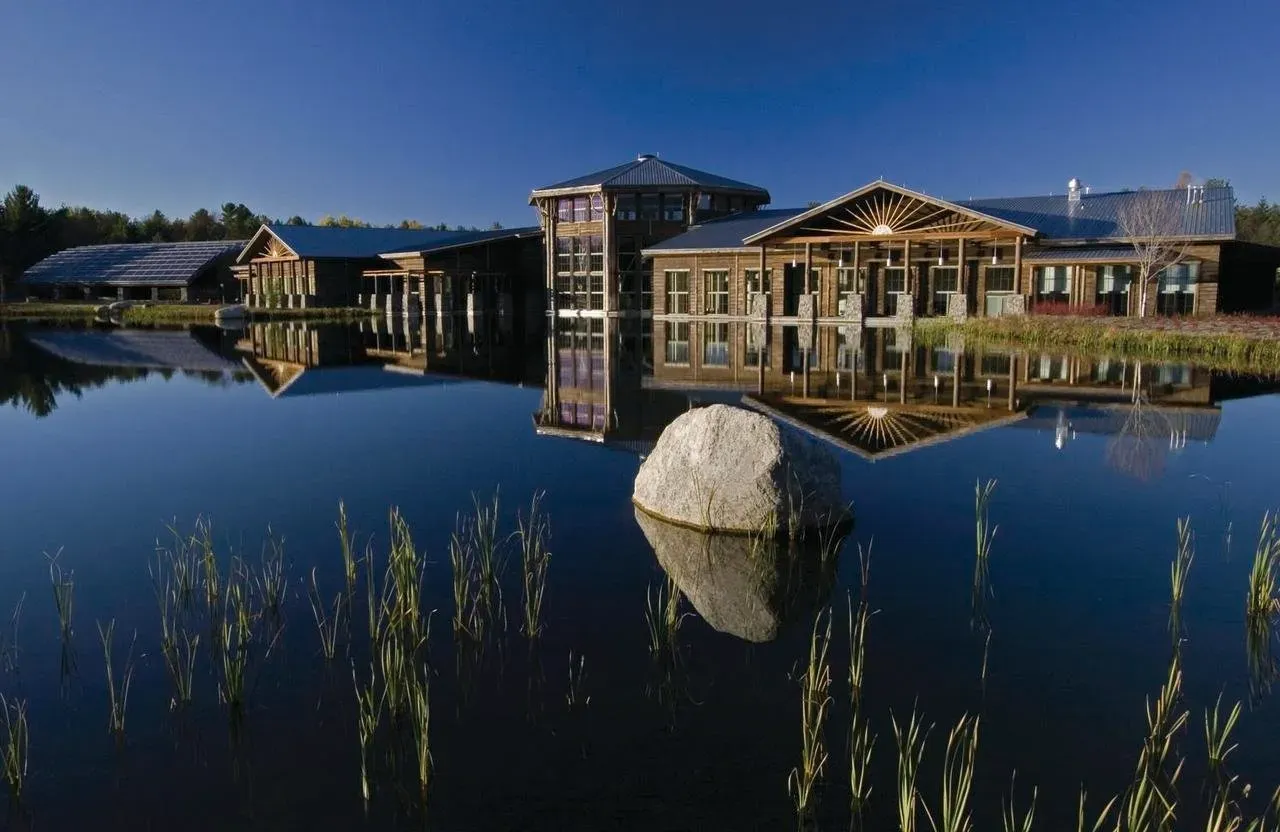
The Wild Center succeeds because it refuses to treat education and entertainment as separate categories. You learn things incidentally while walking through the canopy or watching otters dive. The building itself doesn't disrupt the forest view. The staff actually know their subjects and seem to like talking about them.
I've been to nature centers that feel like school field trips and others that feel like theme parks. This one finds a middle ground that respects both the landscape and the visitor. The 20th anniversary troll exhibition gives 2026 visitors something extra, but the core experience, the Wild Walk and the living exhibits, would stand without it. For families, couples, or solo travelers passing through the Adirondacks, it's a solid stop.