Svalbard Ice Caves, Norway: Inside the Blue Heart of the Arctic
I stepped into a glowing blue tunnel carved through ancient ice and forgot to breathe. Here's everything I learned about exploring Svalbard's ice caves, from snowmobile rides across frozen tundra to eating lunch surrounded by thousand-year-old blue walls.
Entering the Frozen Heart of the Arctic
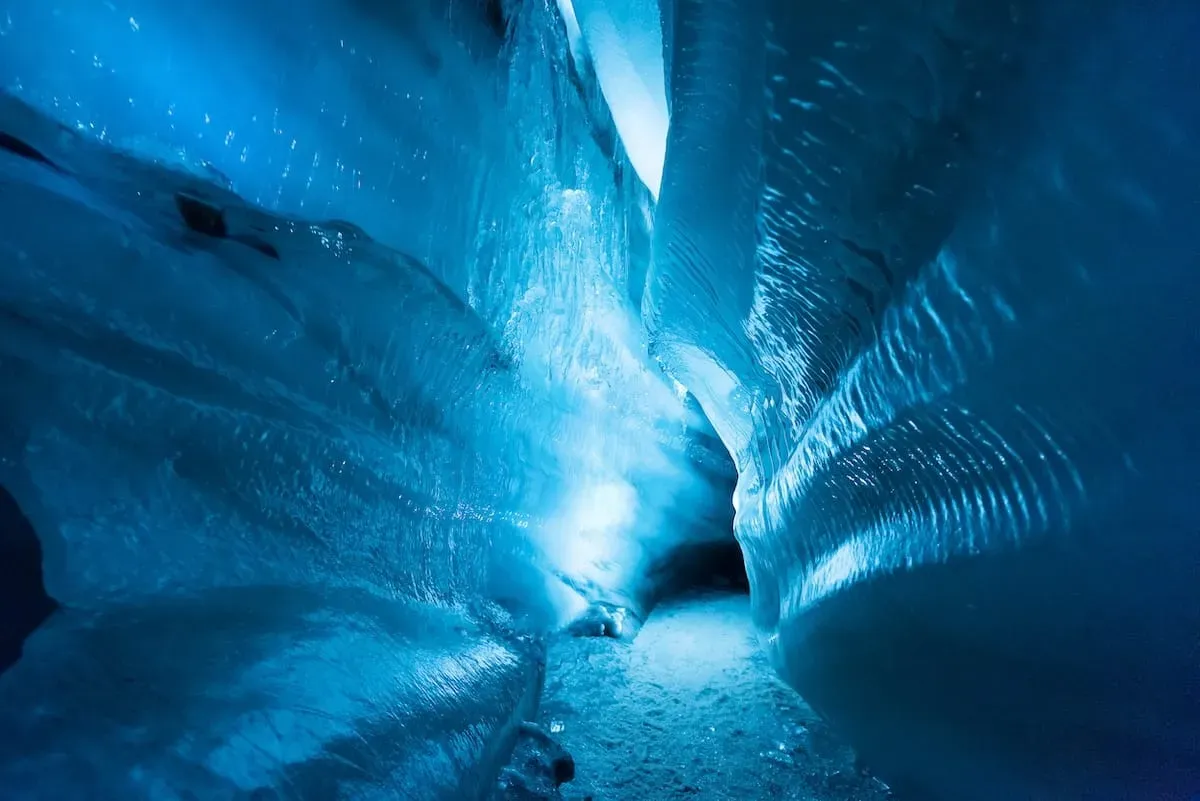
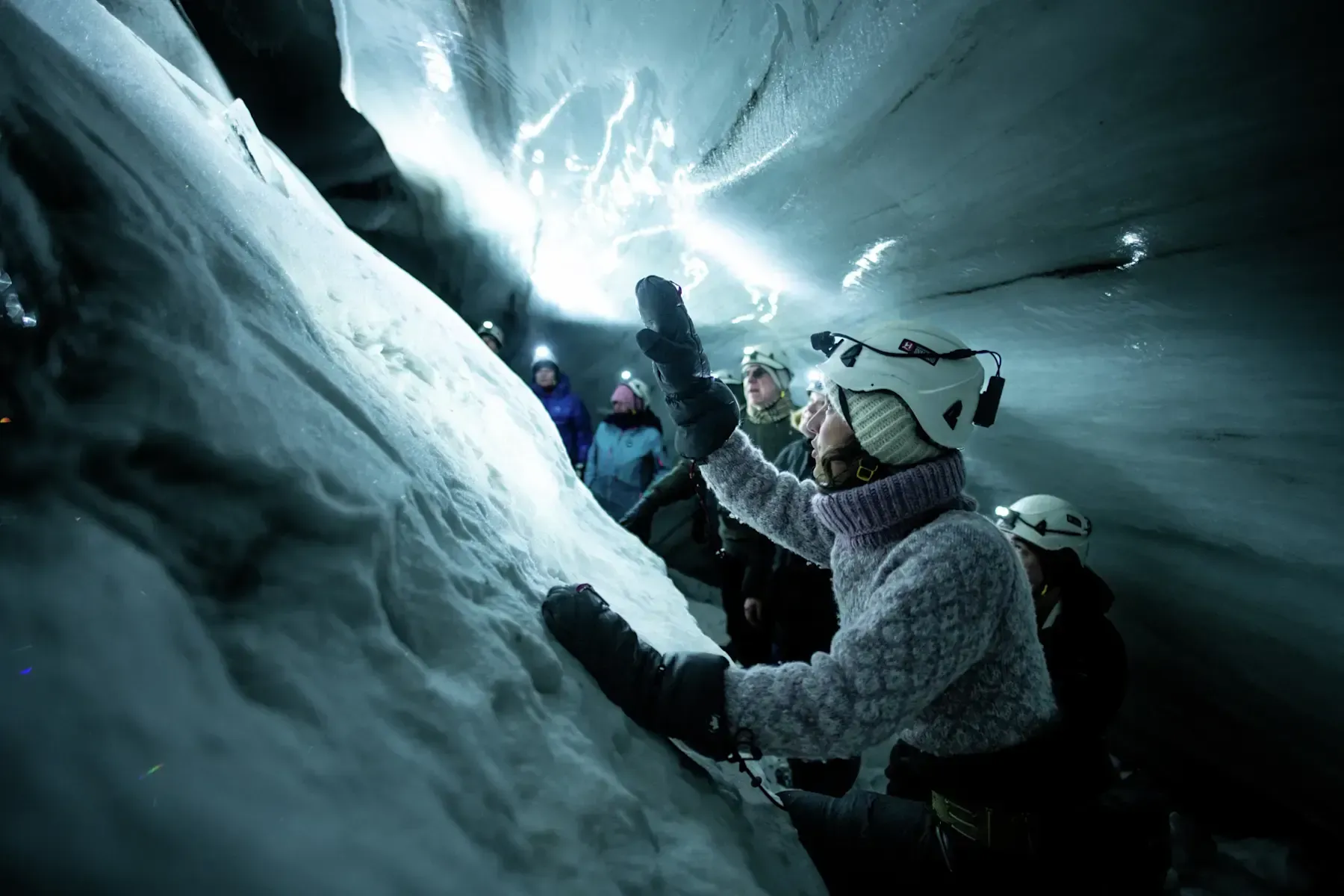
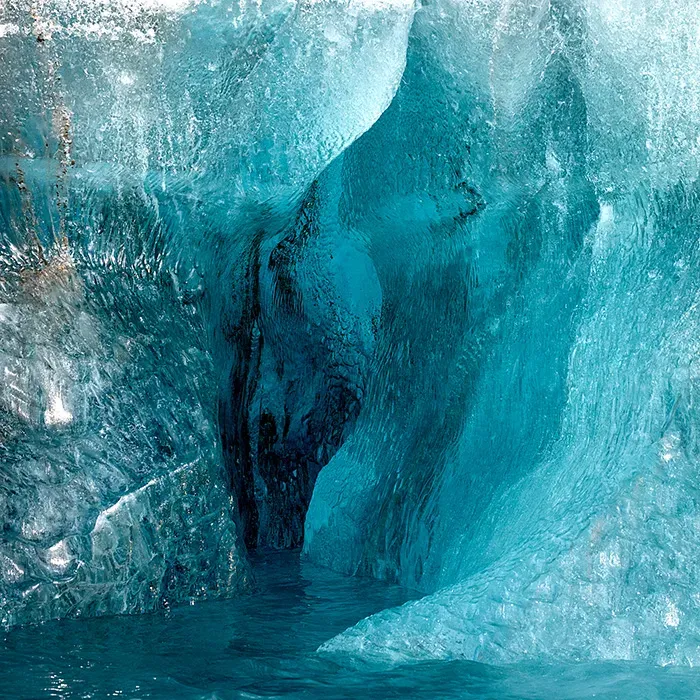
Deep inside the Longyearbreen glacier near the world's northernmost settlement sits something that doesn't look real: svalbard ice caves norway tunnels glowing blue, carved by meltwater and revealed fresh each winter. February is prime season. The Polarjazz Festival fills Longyearbyen with music. The aurora dances overhead after snowmobile trips across frozen tundra. You are not sightseeing. You are stepping inside a living glacier, surrounded by sculpted ice walls that shift from sapphire to white in your headlamp beam.
What Makes These Ice Caves Extraordinary
The experience starts before you enter. Most trips begin with a snowmobile tour across white wilderness, the Arctic silence broken only by engine hum and the crunch of tracks on powder. Operators handle logistics from morning pickup to final dropoff with patience and responsiveness. They answer questions thoroughly so you arrive prepared.
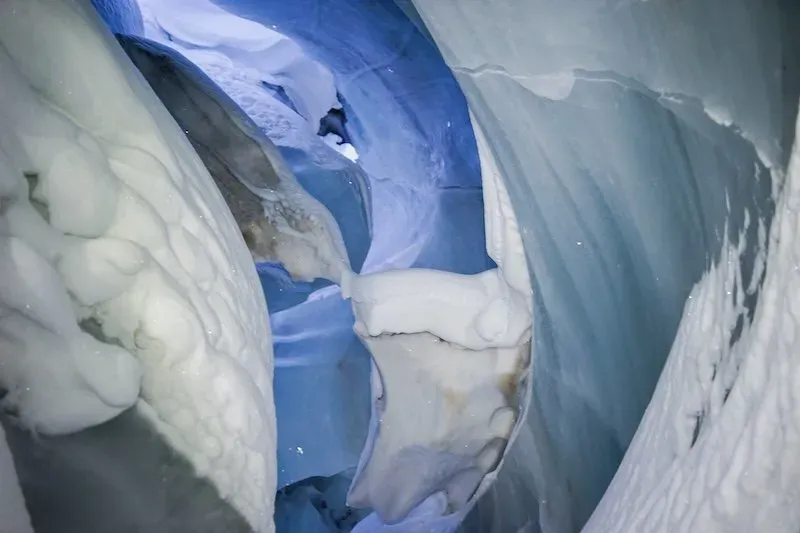
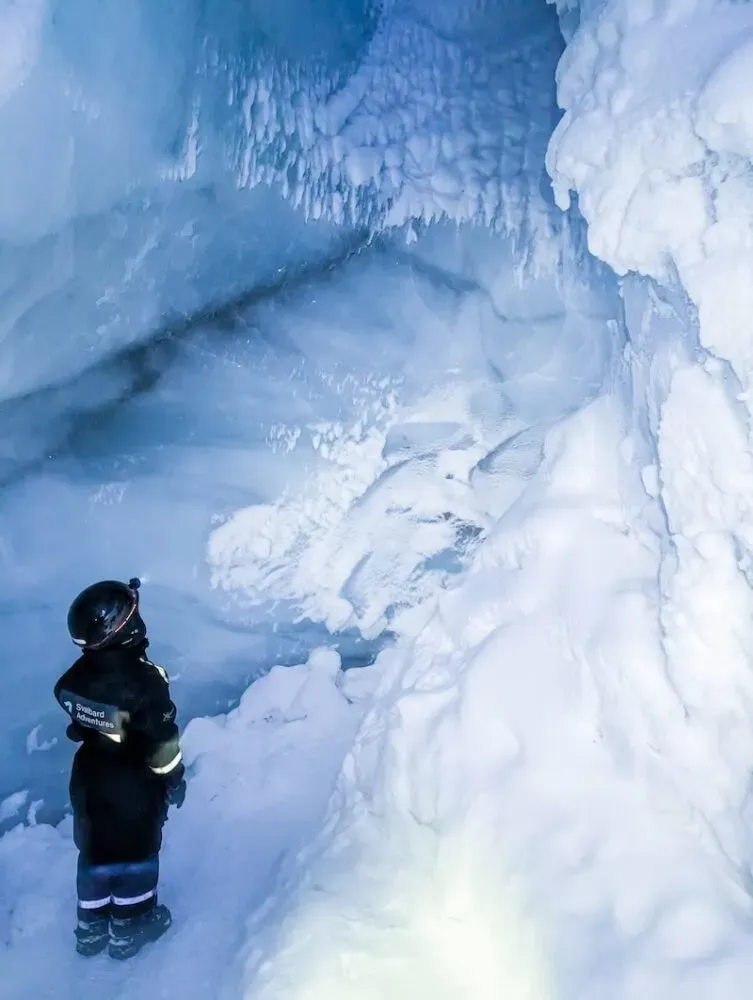
Inside, the caves show nature at its strangest. Deep tunnels of glistening blue and white ice stretch before you, formed by water constantly reshaping the glacier's interior. These are not static caves. They evolve each season, meaning every visitor sees something unique. Sunlight filters through ice, creating a blue glow that photographers chase and travelers remember. Some caves get heavy traffic, but experienced guides know hidden passages where few tours go. Quieter chambers where the only sounds are dripping meltwater and your own breath.
Svalbard Ice Caves Travel Guide: What to Expect
Getting Equipped and Briefed
Before any journey, participants gather for a thorough briefing. Expectations are set, routes discussed, and gear is handed out. Operators provide essential equipment: helmets for cave safety, ice spikes for traction on slippery surfaces, warm boots (muck boots available for 100 NOK rental to keep feet warm), windproof gloves, and hiking poles. Some tours even provide snow pants and proper Arctic footwear for those traveling light.
The preparation goes beyond physical gear. Guides review safety protocols, check weather conditions, and explain how the day will unfold. You will use the facilities, fill thermoses with hot drinks, and select backpacking meals with meat, fish, and vegan options. This attention to pre-trip detail means everyone enters the glacier confident and equipped.
Inside the Glacier: The Main Event
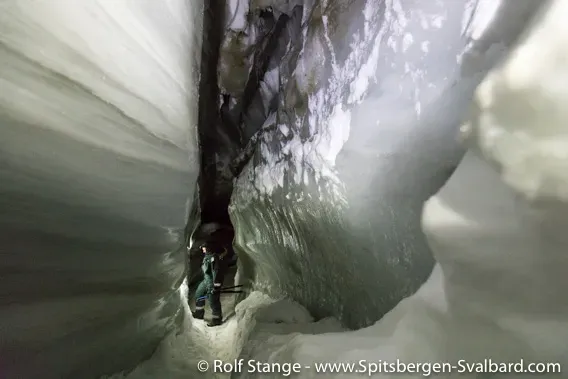
Once inside, the experience defies easy description. You are standing within a retreating glacier, surrounded by smooth sculpted walls of ancient ice. The temperature drops. The excitement rises. Guides lead you through narrow passages that open into cathedral-like caverns, their headlamps illuminating textures and formations that developed over millennia.
One highlight is eating lunch inside the cave, a picnic surrounded by blue ice. Hot drinks steam in the frozen air as groups rest and absorb their surroundings. Some tours combine cave exploration with summits like Trollsteinen or Nordenskiöld Peak, weather permitting. When conditions are poor, skilled guides pivot to alternative ice caves rather than pushing onward to a summit with zero visibility. The result is often better than stubbornly sticking to the original plan.
Tour Options for Every Ability Level
The svalbard ice caves things to do span from accessible to demanding. For those preferring relaxed adventures, there is the straightforward ice cave hike. An easy tour requiring no technical experience, with stunning views and manageable distances.
More ambitious adventurers tackle multi-day expeditions including overnight cave camping. This is Type 2 fun: physically demanding, genuinely exhausting, and absolutely magical. Days involve challenging hikes up steep mountain terrain, with rewards including solitude on polar bear watch duties, visits from arctic foxes, and belugas entering the fjords. Nights spent sleeping in the ice cave are profoundly quiet and unlike any other accommodation on Earth.
For those seeking variety, operators offer kayaking excursions through icy fjords, summit hikes to bird mountains with opportunities to see diverse species and collect antler souvenirs, and walks through abandoned mining areas rich with Arctic history.
The Human Element: World-Class Guides
What elevates these tours beyond the caves themselves are the guides. Passionate professionals who balance safety and adventure. They manage group dynamics, set appropriate paces, make strategic safety stops, and keep constant watch over participants. Their enthusiasm for Svalbard is contagious, with every stop revealing fascinating information about the landscape, climate, history, and life of these remote islands.
Many guides bring canine companions like Ghandi or Øst, adding charm and personality to the journey. They will go above and beyond. Offering extra night hikes when conditions allow, sharing stories in abandoned mining cabins over cookies and warm black currant juice, and maintaining flexibility when weather demands plan changes.
Svalbard Ice Caves Tour: Practical Tips for Your Visit
Are Svalbard Ice Caves Worth Visiting?
Yes, but come prepared for Type 2 fun. The experience tests your limits, exhausts your body, and rewards you with memories and photographs that remain vivid decades later. This is not a standard relaxing vacation. It is an adventure that leaves you genuinely tired but invigorated.
What to Wear and Bring
Warm, tall shoes and adequate winter clothing are non-negotiable. Arctic conditions demand respect, even when physical exertion keeps your core warm. Layering is essential, as the hike in may cause sweating while standing still in caves cools you rapidly. While operators provide technical equipment like ice grips and helmets, your own warm base layers and insulated outerwear make the difference between comfort and misery.
Can You Visit the Svalbard Ice Caves?
Yes, but always with professional guides. Glacier exploration carries real risks: shifting ice, hidden crevasses, and rapidly changing weather. Experienced operators monitor conditions continuously and possess the judgment to modify or cancel trips when safety concerns arise. They also maintain small group sizes, with some tours running even when only two people book. No cancellations due to low enrollment.
What Else Will You See?
The journey to and from the caves offers its own rewards. Routes pass between glaciers, revealing fossils embedded in ancient rock. Reindeer graze undisturbed on the tundra. Birdwatchers spot diverse species on mountain hikes like Fuglefjella and Plateau. The famous Svalbard Global Seed Vault and polar bear warning signs mark your passage through this extraordinary territory. Lucky visitors witness belugas entering fjords and arctic foxes patrolling campsites.
Best Time to Visit Svalbard Ice Caves
February to March represents the optimal window for svalbard ice caves in winter. During these months, the Longyearbreen glacier is properly frozen and accessible, revealing spectacular blue chambers that simply do not exist in warmer months. The Polarjazz Festival animates Longyearbyen during February, creating a unique cultural dimension to your Arctic adventure.
Even at the height of winter, weather varies dramatically. Temperatures can plunge to -25°C with wind chill, yet clear, sunny days with minimal wind transform the experience into something near-perfect. Guides adapt routes based on conditions, ensuring safety without sacrificing the wonder. For those planning a svalbard ice caves itinerary, allow buffer days. Weather-dependent activities may require schedule adjustments.
Final Thoughts
Exploring the Svalbard ice caves means entering a world few humans ever witness: a realm of sculpted blue ice, profound silence, and raw Arctic beauty. Whether you choose a gentle hike to a single chamber or a grueling multi-day expedition with overnight cave camping, the experience transforms your understanding of what glaciers truly are. Not static monoliths but living, breathing sculptures in constant motion.
The professionalism of Longyearbyen's guiding community ensures your safety while maximizing the adventure. From the moment you are picked up to the final dropoff, sometimes with bonus stops at the Seed Vault or polar bear warning signs, every detail is crafted to create what visitors consistently describe as experiences of a lifetime.
Pack your sense of wonder, respect for the elements, and readiness for genuine physical challenge. The ice caves are waiting, and they will exceed every expectation you bring.